
Dry Cake Recipes: Pound, Loaf, Marble, Bundt & Coffee Cakes
Recipes on the interactive map 👩🍳
Cook along on the interactive map
Dry cake recipes: pound cakes, loaf cakes, marble cakes, Bundt cakes, and coffee cakes for easy everyday baking
Dry cakes are some of the most useful bakes you can have in your recipe collection because they are simple to make, easy to slice, easy to store, and perfect with coffee, tea, brunch, lunchboxes, and afternoon baking. A strong dry cakes hub should help you choose between buttery pound cakes, soft loaf cakes, classic marble cakes, elegant Bundt cakes, crumb cakes, and other simple bakes that do not rely on heavy fillings or rich frostings to feel satisfying. The best dry cake recipes focus on a fine crumb, balanced moisture, good structure, and practical finishes like glaze, streusel, nuts, citrus, or chocolate so the cake feels dependable, flavorful, and worth baking again.
Why dry cake recipes work so well
- They are practical everyday bakes: Dry cakes are ideal when you want something easy to bake, easy to keep, and easy to serve over several days.
- They fit many occasions: Pound cakes, loaf cakes, marble cakes, Bundt cakes, and crumb cakes work for coffee tables, birthdays, casual guests, lunchboxes, and weekend baking.
- They do not need much decoration: A good dry cake stands on crumb, aroma, and texture rather than relying on heavy frosting or layered filling.
- They are easy to vary: Citrus zest, warm spices, nuts, chocolate, fruit, glaze, streusel, or simple icing can shift the same base into very different directions.
- They store well: Many dry cakes stay useful for days and often freeze well, which makes them especially practical for make-ahead baking.
High-value tips: how to bake better dry cakes
- Focus on crumb first: The strength of a dry cake is its texture. A fine, even crumb matters more here than elaborate filling or decoration.
- Choose fat intentionally: Butter often gives fuller flavor, while oil can help keep loaf cakes and simple tea cakes softer for longer.
- Moisture control matters: Dry cakes should never taste dry in the bad sense. The goal is sliceable, tender, and stable—not wet, gummy, or crumbly.
- Prepare pans carefully: Bundt cakes, loaf cakes, and marble cakes release much more cleanly when the pan is properly greased and prepared from the start.
- Use flavor add-ins with purpose: Lemon zest, orange zest, cinnamon, vanilla, cocoa, nuts, and chocolate should support the cake base and not overload the structure.
- Check doneness correctly: A skewer test is especially useful for loaf cakes, pound cakes, and Bundt cakes so the center is baked through without drying the outside too much.
- Finish simply but strategically: A light glaze, powdered sugar, streusel, nut topping, or chocolate drizzle can elevate a simple dry cake without making it feel too heavy.
Variations & alternatives
- Pound cakes: Perfect when you want a dense-but-tender, buttery, classic cake that slices cleanly and keeps well.
- Loaf cakes: Ideal for easy everyday baking, lunchboxes, and flavors like lemon, banana, vanilla, spice, or chocolate.
- Marble cakes: A timeless option when you want visual contrast and the familiar combination of vanilla and chocolate.
- Bundt cakes: Especially strong when you want a more classic coffee-table cake with elegant shape and easy glazing options.
- Crumble and coffee cakes: Excellent when you want more texture on top and a cake that works especially well with coffee or tea.
- Simple fruit and nut directions: Rhubarb, nuts, citrus, banana, and warm spice additions all work beautifully in this category when moisture and crumb stay balanced.
Serving ideas / pairings
- Coffee-table classic: Serve dry cakes in clean slices with coffee, tea, and a simple dusting or glaze for an effortless afternoon bake.
- Brunch and breakfast bakes: Loaf cakes, banana bread, and lighter pound cakes work especially well when the table should feel easy and not too dessert-heavy.
- Lunchbox and snack option: Slice loaf cakes, marble cakes, and crumb cakes into practical portions for everyday snacking.
- Casual guest cake: Bundt cakes and crumb cakes are especially strong when you want something reliable, shareable, and attractive without high decorating effort.
- Simple dessert finish: Add berries, whipped cream, fruit compote, or a spoon of custard if you want to turn a dry cake into a fuller plated dessert.
Storage, meal prep & freezing
Dry cakes are among the most storage-friendly bakes because they often stay pleasant for several days when wrapped properly. Loaf cakes, pound cakes, marble cakes, and Bundt cakes are especially useful for make-ahead baking since they slice well and travel well. Freezing is often a strong option too, especially for unfrosted cakes or individually sliced portions. For the best texture, keep glazes, powdered sugar, or delicate toppings simple and refresh the finish only when needed.
FAQ
What counts as a dry cake?
A dry cake usually means a simple sliceable cake such as a pound cake, loaf cake, marble cake, Bundt cake, or coffee cake without heavy layered filling.
Why are dry cakes so popular for everyday baking?
They are easy to make, easy to store, easy to slice, and work well for coffee, tea, lunchboxes, and casual sharing.
How do I stop dry cakes from becoming actually dry?
Use the right moisture balance, avoid overbaking, and choose fat and add-ins that support a tender crumb.
Which toppings work best for dry cakes?
Glaze, powdered sugar, streusel, nuts, citrus zest, chocolate drizzle, and simple fruit accents are especially good because they add contrast without overwhelming the cake.
Can dry cakes be frozen?
Yes. Many pound cakes, loaf cakes, marble cakes, and Bundt cakes freeze very well, especially without heavy topping.
Best Dry Cakes Recipes to Try at Home
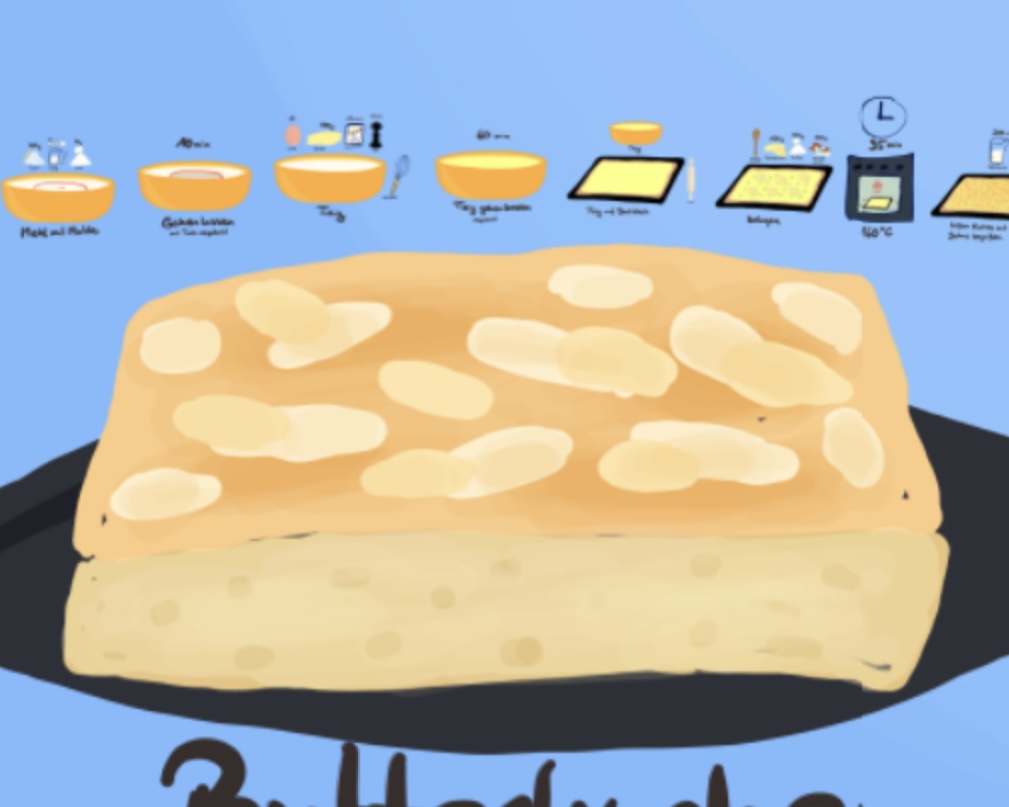
German Butter Cake
Bake a classic German butter cake, rich in flavor and perfect for any occasion.
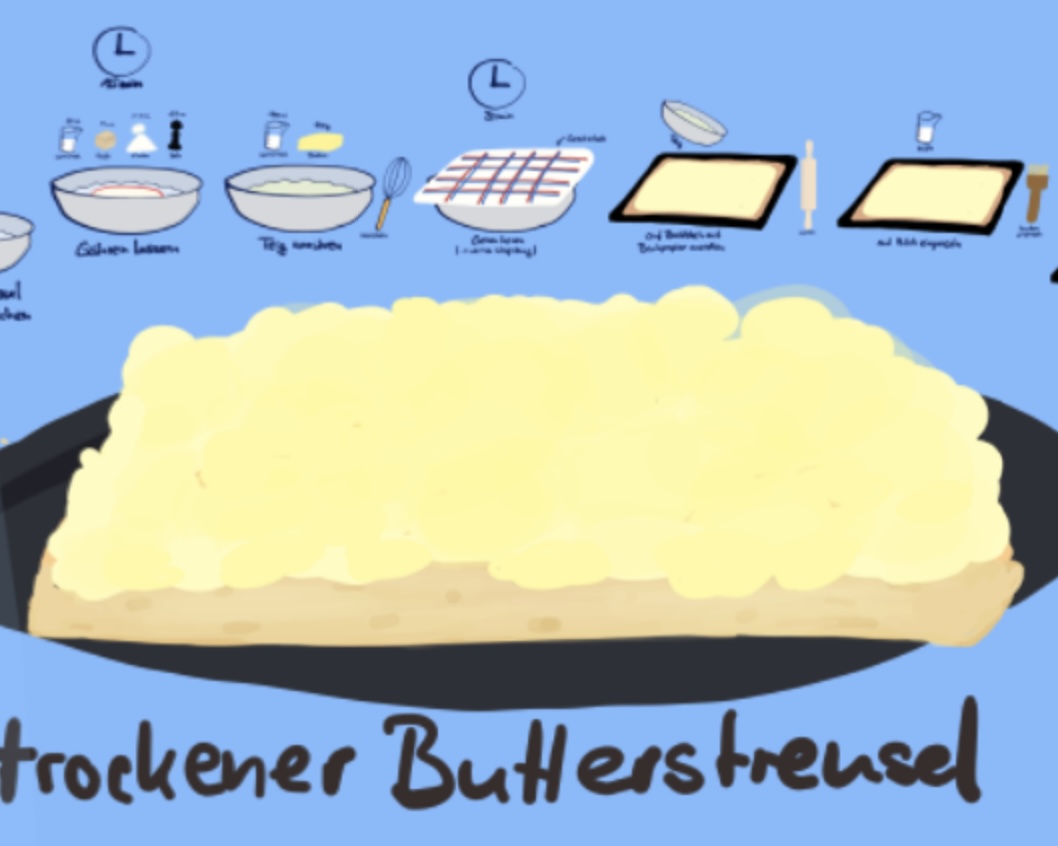
Dry Crumb Cake
Bake a flavorful and moist crumb cake, perfect with a hot cup of coffee.
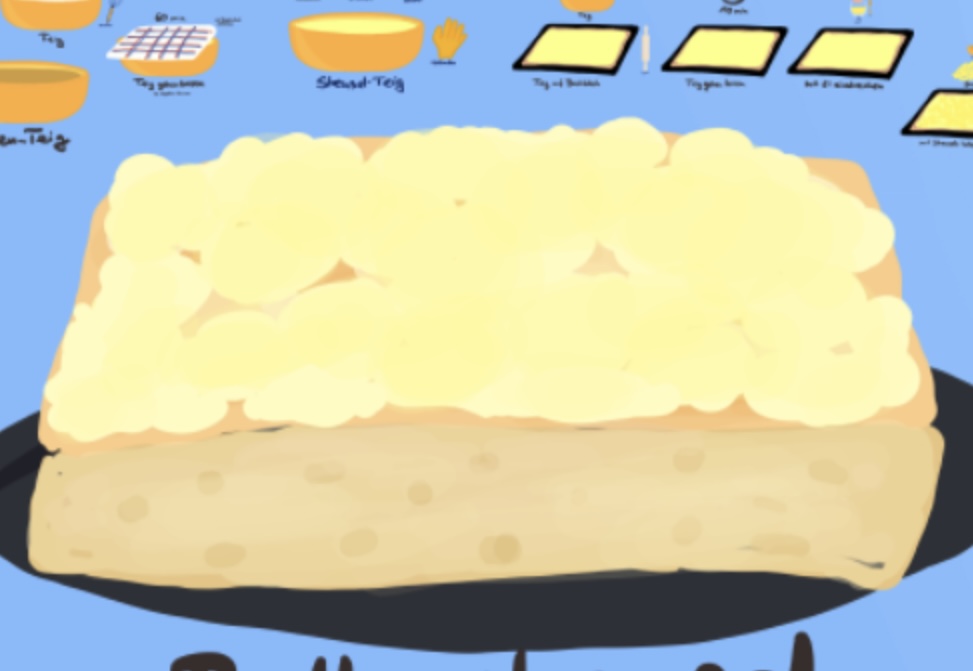
Butter Crumble Cake
Bake a buttery crumble cake, perfect for sharing with friends and family.
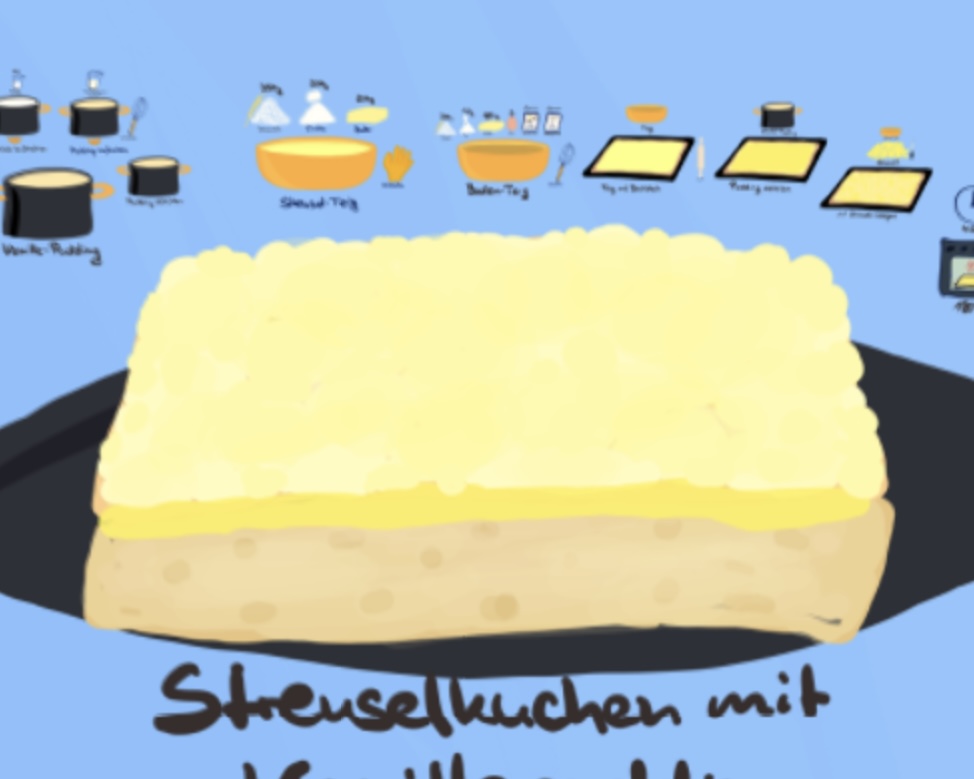
Crumble Cake with Custard
Discover crumble cake with custard on yummy.world! Creamy custard layer with crunchy topping—bake it once, love it.
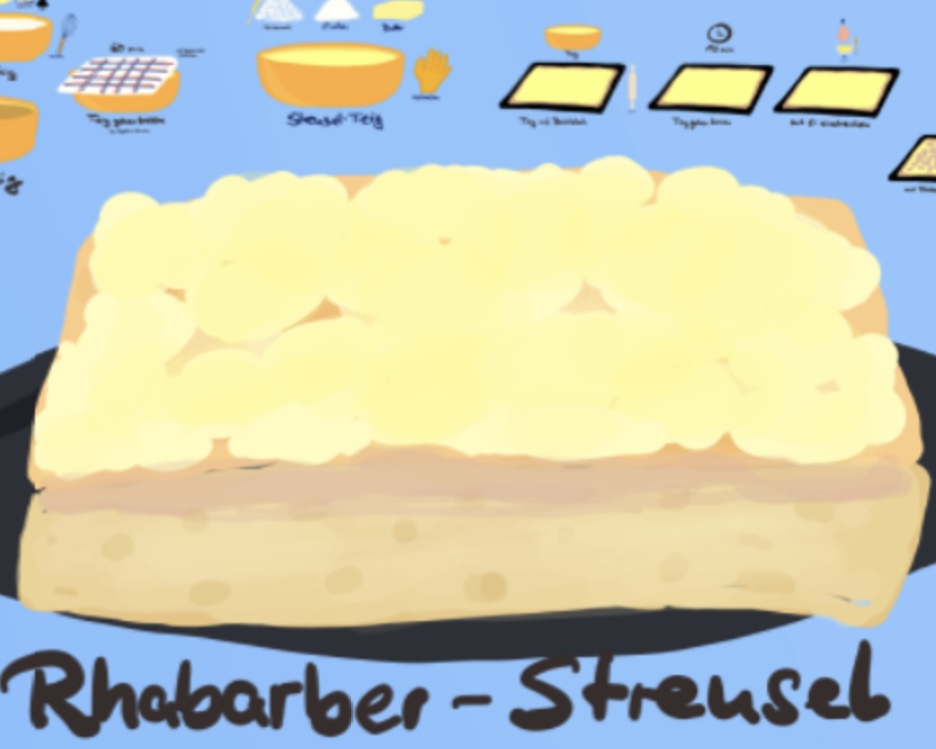
Rhubarb Crumble Pie
Enjoy the tart and sweet flavors of rhubarb topped with a buttery crumble crust.

Soda Cake
Discover soda cake on yummy.world! Quick, moist cake with a fluffy crumb—easy pantry bake.
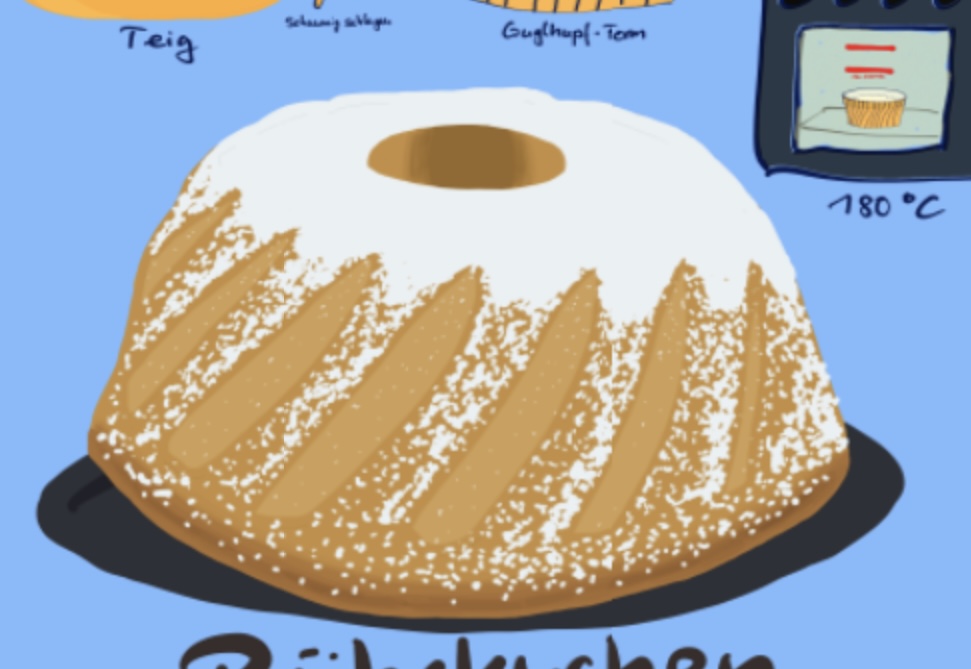
Bundt Cake
Discover bundt cake on yummy.world! Classic moist cake—easy, reliable, and perfect with coffee.
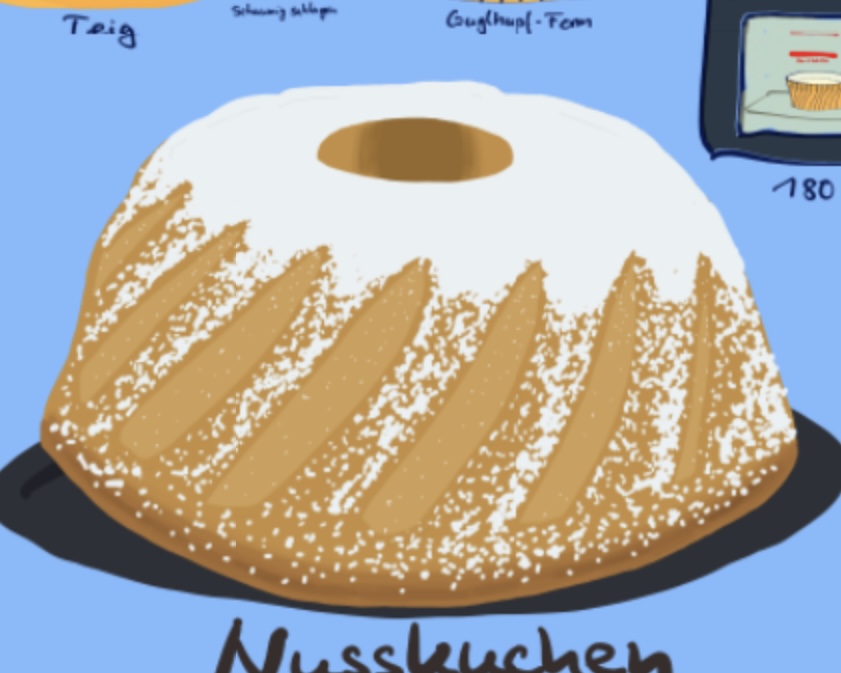
Nutty Bundt Cake
Discover nutty bundt cake on yummy.world! Moist cake with nut aroma—perfect for cozy afternoons.
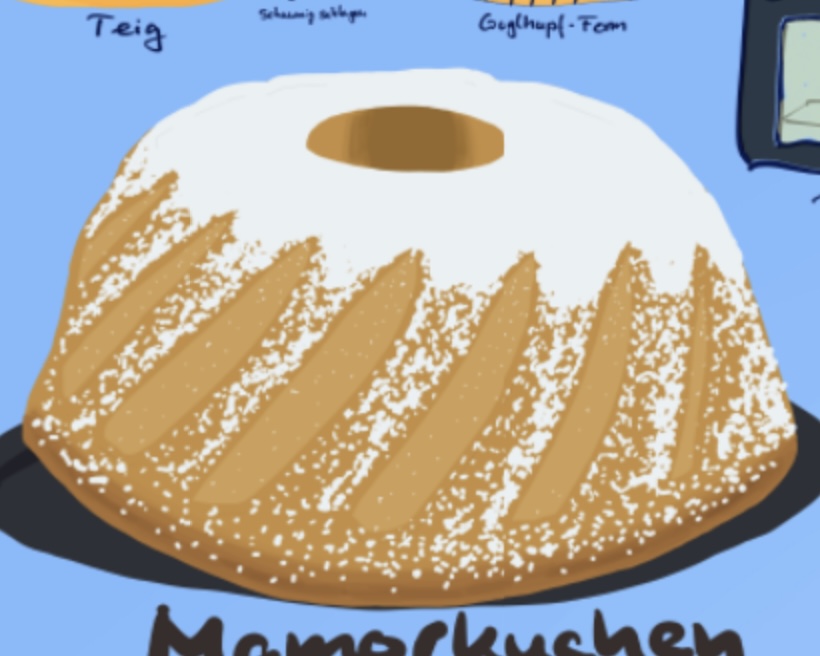
Marble Bundt Cake
Swirl chocolate and vanilla together in this timeless marble Bundt cake recipe.
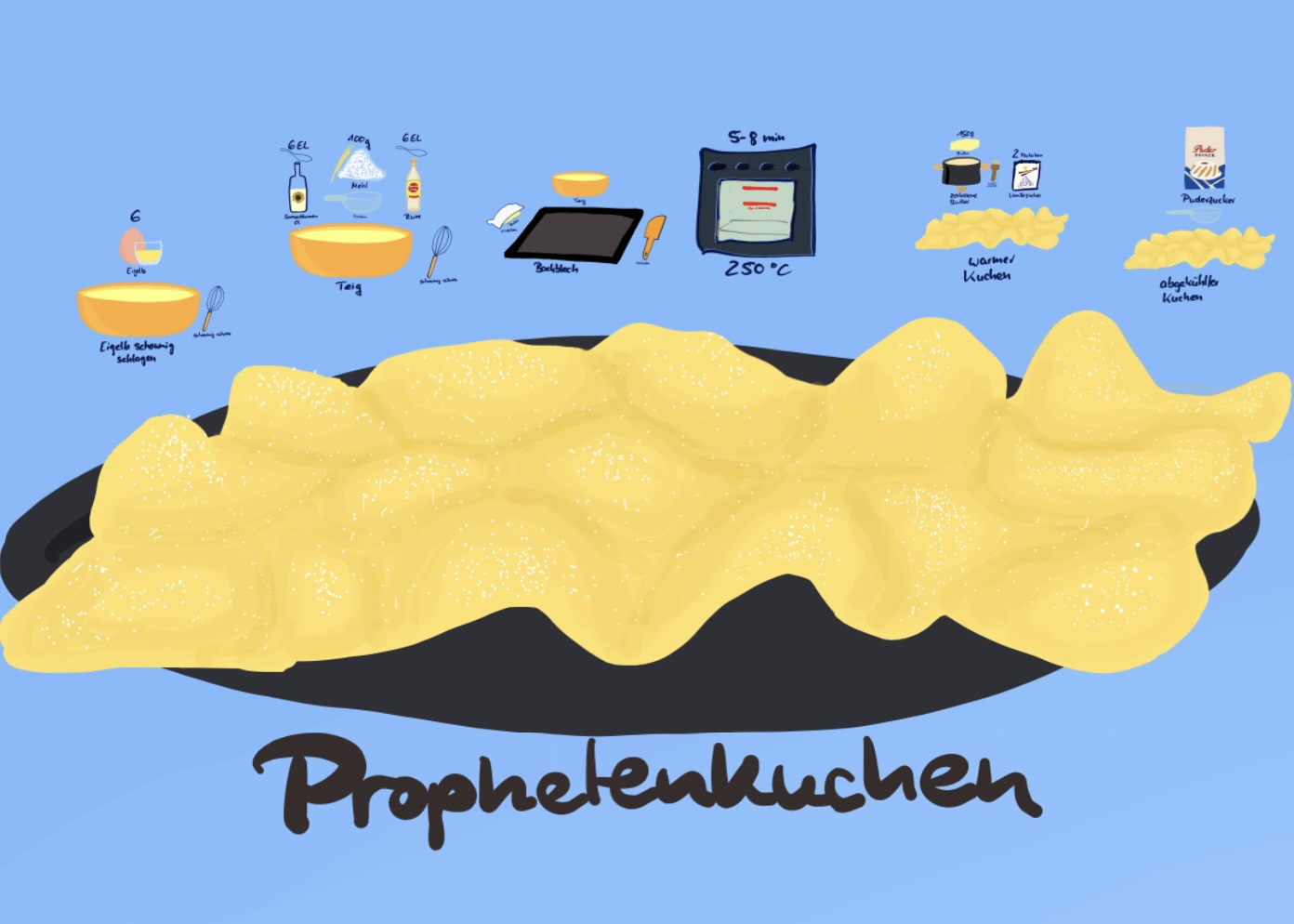
Prophet Cake
Bake a moist and flavorful Prophet Cake, perfect for celebrations and gatherings.
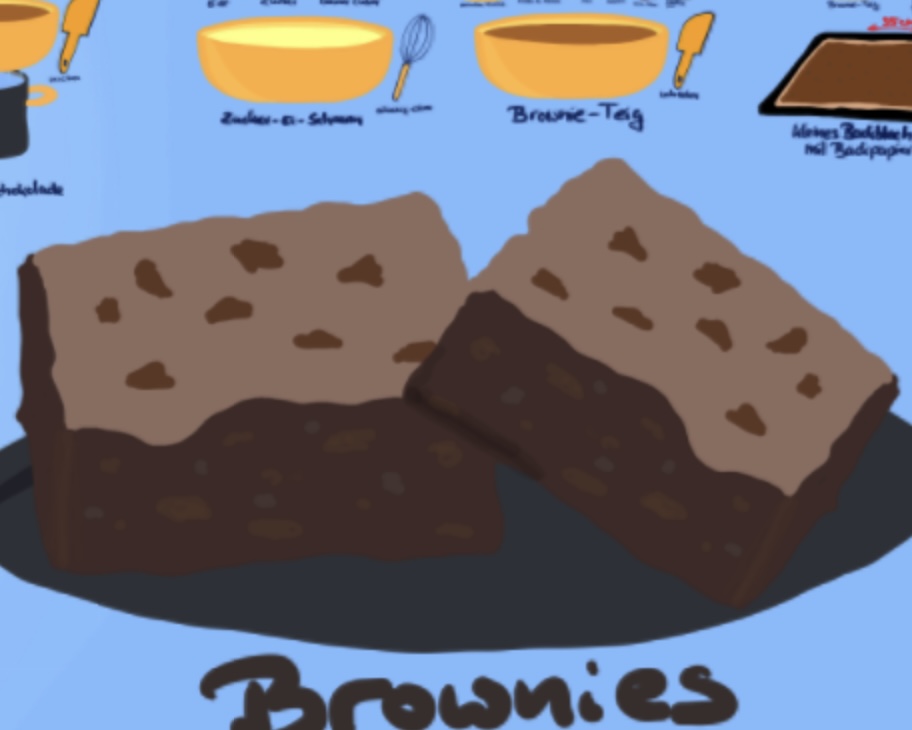
Chocolate Brownies
Indulge in rich and fudgy chocolate brownies, perfect for dessert or snacks.
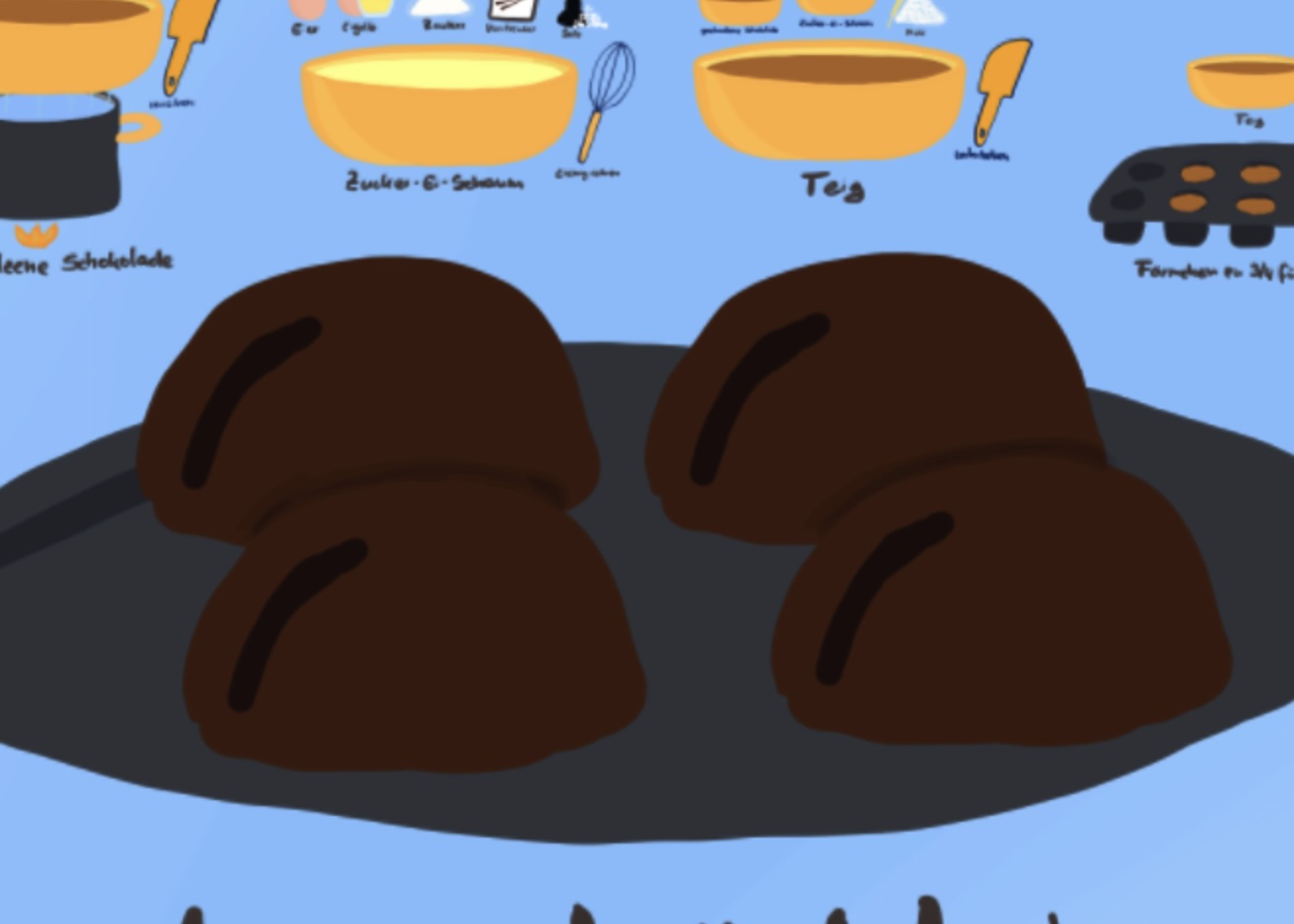
Chocolate lava cake
Discover chocolate lava cake on yummy.world! Warm cake with gooey center—ultimate dessert moment.

Vanilla Swiss Roll Cake
Enjoy the light and spongy texture of a vanilla Swiss roll cake, perfect for celebrations.
Russian Plucked Cake
Enjoy the delightful combination of chocolate and creamy quark in this iconic cake.