
Vesper Recipes: German Snack Boards, Sandwiches & Savory Bites
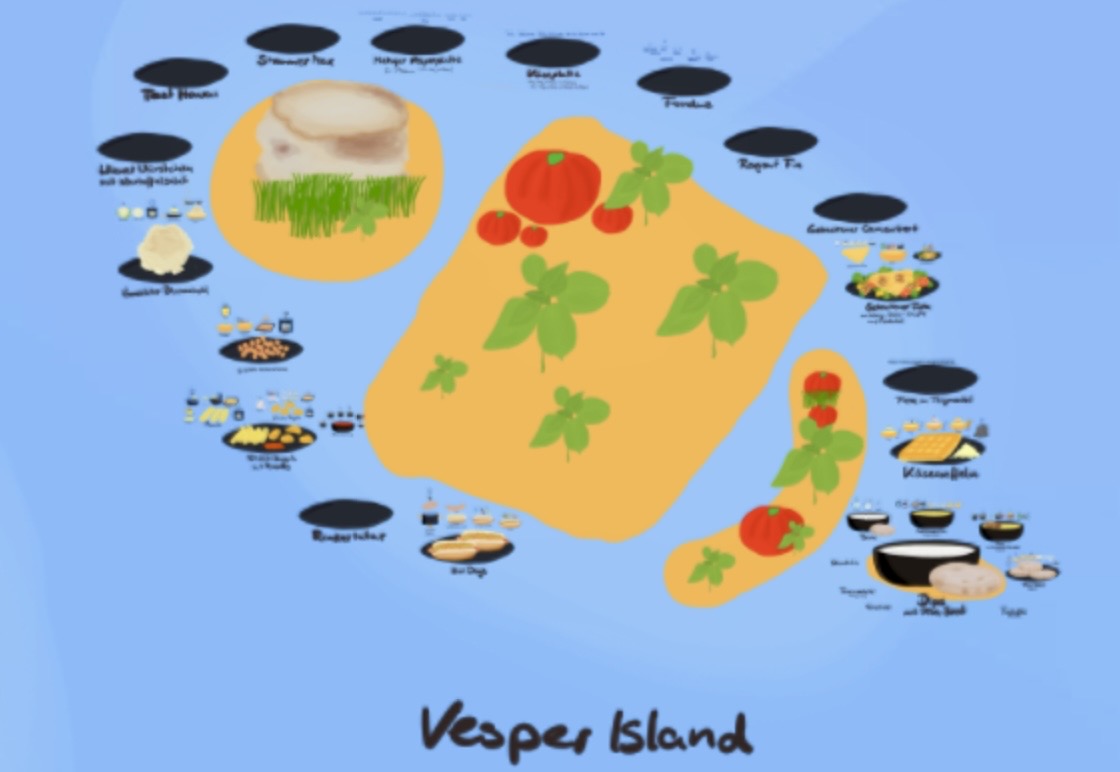
Recipes on the interactive map 👩🍳
Cook along on the interactive map
Vesper recipes: German snack boards, sandwiches, spreads, and savory bites for cozy evenings
Vesper is one of the most practical and comforting meal styles because it turns simple ingredients into a relaxed, satisfying table. Bread, cheese, spreads, pickles, cold cuts, dips, warm bites, and quick light meals all come together in a way that feels easy, sociable, and full of variety. A strong vesper recipe hub should help you build better evening snack boards, light dinners, family platters, savory snack plates, and quick weeknight meals. Whether you want German-style cold platters, rustic bread with warm toppings, creamy dips, snack bites, or lighter soups and salads, the best vesper recipes balance ease, texture, variety, and cozy comfort.
Why vesper recipes work so well
- Perfect for relaxed evenings: Vesper works when you want something quick, satisfying, and less formal than a full cooked dinner.
- Built for sharing: Boards, snack plates, dips, breads, spreads, and savory bites naturally create a mix-and-match table.
- Easy to assemble: Many vesper meals rely on simple preparation, smart pairing, and a good combination of cold and warm elements.
- Strong category variety: Appetizers, soulfood, light meals, cold platters, dips and bread, and fast snack ideas all fit naturally into the vesper concept.
- Family-friendly and flexible: Vesper works for one person, a couple, a family table, or a bigger sharing platter with very little stress.
High-value tips: how to build a better vesper table
- Use a simple vesper builder:Bread or base + savory element + creamy or spreadable component + fresh or crunchy contrast + optional warm bite. This keeps the plate balanced and satisfying.
- Think in vesper categories: Appetizers and snacks work well for quick sharing, soulfood is stronger when you want warm comfort, and light meals are ideal when the evening meal should stay more balanced.
- Do not underestimate bread: Good bread, flatbread, pretzels, toast, or small sandwiches often decide whether a vesper plate feels complete or too random.
- Use spreads and dips intentionally: Cream cheese, herb spreads, hummus-style dips, yogurt dips, and savory creams make simple vesper ingredients feel much richer and more interesting.
- Build in texture contrast: Soft bread needs crunchy vegetables or pickles, creamy dips need crisp snacks, and richer soulfood-style bites benefit from fresh salad or light soup on the side.
- Mix cold and warm elements: A stronger vesper table often combines cold platters and spreads with one warm bite like soup, toast, grilled snacks, or baked savory elements.
- Keep assembly clear: Vesper works best when the table looks understandable at a glance—bread, toppings, dips, snacks, and small sides with a clear role for each part.
Variations & alternatives
- Appetizers: Small bites, crostini, dips, snack boards, and easy savory starters are ideal for sharing and relaxed evening snacking.
- Soulfood vesper ideas: Rustic bread, melty cheese, warm toppings, creamy sauces, grilled snacks, and cozy savory comfort bites fit perfectly when the vesper should feel richer.
- Light meals: Salads, veggie soups, protein toasts, wraps, and bowls are strong when you want a vesper that stays balanced and weeknight-friendly.
- Cold platters and spreads: Cheese, charcuterie, bread, veggies, pickles, and savory spreads are the classic base for German-style vesper boards.
- Dips and bread: Creamy dips, warm breads, flatbreads, and snack-style pairings are especially good for family tables and casual evenings.
- Quick vesper snacks: Mini sandwiches, pretzels, veggie sticks, pickles, toast bites, and dip platters work especially well when the meal should stay easy and fast.
Serving ideas / pairings
- Classic vesper board: Combine bread, cheese, spreads, pickles, sliced vegetables, and a few savory snack bites for a balanced evening platter.
- Warm-and-cold vesper: Pair cold platters with a light soup, grilled toast, or a warm dip so the table feels more complete.
- Light evening vesper: Build around salad, soup, protein toast, wraps, and a simple dip with bread or crisp vegetables.
- Soulfood vesper plate: Use rustic bread, melty cheese, warm toppings, and creamy dips for a more comforting snack dinner.
- Family-style sharing table: Offer a mix of breads, spreads, snack bites, vegetables, and dips so everyone can build their own vesper plate.
Storage, meal prep & reheating
Vesper becomes much easier when you prep in layers. Dips, spreads, cut vegetables, pickles, and cold platter components can often be prepared ahead, while bread, warm snacks, grilled bites, and soups are best finished shortly before serving. Store crunchy, creamy, and warm elements separately so textures stay cleaner. For leftovers, refresh bread and warm bites with dry heat, and add fresh vegetables or herbs at the end so the next vesper still feels lively and not tired.
FAQ
What belongs to a classic vesper?
A good vesper usually includes bread, savory toppings, spreads or dips, crunchy vegetables or pickles, and optionally a warm snack or light meal element.
What is the difference between vesper and a full dinner?
Vesper is usually simpler, more flexible, and often built from snack boards, bread, spreads, small bites, and light savory dishes instead of one main cooked plate.
Which recipes work best for a vesper board?
Cold platters, spreads, dips, mini sandwiches, pretzels, veggie sticks, crostini, and easy warm bites all work especially well.
Can vesper also be a light meal?
Yes. Salads, soups, protein toasts, wraps, and small bowls fit very well when the vesper should feel lighter and more balanced.
Is vesper good for sharing?
Absolutely. Vesper is one of the best meal styles for sharing because boards, snacks, bread, spreads, and dips are naturally built for the table.
Best Vesper Recipes to Try at Home
Appetizers
Discover appetizer recipes on yummy.world: small bites, dips, crostini and boards—quick to assemble for cozy evenings.
Soulfood
Discover soul food vesper ideas on yummy.world: rustic bread, warm toppings, melty cheese and savory spreads—cozy, quick and satisfying.
Light Meals
Discover light meals on yummy.world: crisp salads, veggie soups, protein toasts, wraps and bowls—quick, balanced and weeknight-friendly.
Cold Platters & Spreads
Build German-style vesper boards with cheese, charcuterie, bread, veggies, pickles and dips—easy assembly and pairing tips on yummy.world.
Dips & Bread
Discover dips and bread on yummy.world: creamy dips, warm flatbreads and snack boards—quick recipes and pairing tips for sharing.
Snacks
Discover vesper snacks on yummy.world: mini sandwiches, pretzels, veggie sticks, dips and pickles—quick, sociable and ready fast.