
Fava: Creamy Greek Puree with Lemon
Cook along on the interactive map
Ingredients 🧂🥕
- Sweet Peas300 g
- Onions2 pcs
- Garlic0.2 pcs
- Lemons0.5 pcs
- Chives16 g
- Rosemary fresh10 g
- Bay Leaves0.6 g
- Olive Oil90 ml
- Cane Sugar5 g
- Vegetable Broth Powder10 g
- Salt2 g
- Pepper black1 g
Instructions 👩🍳
Step-by-step:
- Cook the fava: Cook the split peas gently until very soft and beginning to break down. Use the illustrated recipe for the exact quantities, timings and cooking settings.
- Blend until smooth: Purée the cooked peas with olive oil until silky and creamy.
- Season the purée: Add lemon and the seasoning shown in the illustrated recipe and blend again until balanced.
- Adjust the texture: Add a little suitable cooking liquid or olive oil if needed to achieve a smooth, spoonable consistency.
- Garnish and serve: Finish the fava with olive oil and the illustrated garnish, then serve warm.
Creamy Greek fava with lemon and onions

A warm bowl of fava, a splash of olive oil and bread for scooping: sometimes the simplest things are the best part of the table. Lemon keeps this Greek puree bright, while finely chopped onion adds a little bite. Bring it out with the grilled vegetables and let everyone help themselves.
Start with the right dried pulses
Use dried, food-grade pulses sold specifically for making Greek fava. Follow their package instructions for soaking and preparation. This recipe uses onions, garlic, lemon, chives, rosemary, bay leaves, olive oil, cane sugar, vegetable broth powder, salt and black pepper alongside them.
Cook until soft, then blend
Wash the lemon and fresh herbs. Peel and chop the onions and garlic, reserving a little finely chopped onion for serving. Prepare the pulses as directed and dissolve the broth powder according to its label.
Soften the remaining onion in some of the olive oil over gentle heat. Stir in the garlic and sugar without letting the garlic brown. Add the prepared pulses, broth, bay leaves and rosemary. Follow the product's cooking instructions and keep enough liquid in the pot for the pulses to soften fully. Stir more often as they thicken, reaching the bottom so nothing catches.
Once the pulses break down easily without a firm center, remove the bay leaves and woody rosemary stems. Take the pot off the heat and let bubbling stop. Use a hand blender only if its instructions allow hot food; keep the blade submerged and switch it off before lifting it. Blend with the remaining olive oil, adding cooking liquid gradually until smooth and spoonable.
Stir in lemon juice, then taste with salt and pepper. Check before salting because the broth is already seasoned. Spoon into a serving bowl and finish with the reserved onion and finely snipped chives.
Make it part of a small Greek spread
Serve warm with bread and our grilled zucchini. The tender slices are easy to scoop through the puree. Put lemon wedges on the table for anyone who likes a sharper finish.
Get the texture right
- Check the pulses before blending; firm pieces will not become silky just by blending longer.
- Keep some cooking liquid aside so you can loosen the puree without diluting it all at once.
- Stop while it is slightly softer than your preferred serving texture, since fava thickens as it cools.
A briny topping
For a variation, add drained capers or chopped parsley at the table. Taste first and adjust the salt only afterward.
Keep toppings separate
When preparing ahead, pack the chopped onion and chives separately from the puree. Add them after reheating so they keep their fresh bite.
Frequently asked questions
Can I use garden peas or ornamental sweet-pea seeds?
Use the culinary dried pulses specified for Greek fava. Green garden peas make a different puree; ornamental sweet-pea seeds are not food.
Why has the puree become very thick?
It firms as it stands. Stir in a little cooking liquid or water while warming gently, reaching the bottom and edges of the pot.
How do I store leftovers?
Refrigerate in shallow containers at 40°F (4°C) or below within two hours, or one hour above 90°F (32°C). Discard food left out longer. Use within three to four days and reheat throughout to 165°F (74°C), checked with a food thermometer.
Best Dips for BBQ Recipes to Try at Home

Gremolata
Chop parsley with lemon zest and garlic, then add a little juice and olive oil. This fresh gremolata brings a bright finish to steak, fish and vegetables.

Aioli
Make creamy garlic aioli with sunflower oil, vinegar, mustard, and pasteurized egg yolk. Learn to add the oil slowly and serve the dip with grilled food.

Sour Cream
Stir cream and yogurt with lemon, chives, and garlic for a cool sour cream sauce. Get tips for gentle mixing and serving with grilled vegetables.

Olive Spread
Blend green olives with honey, garlic and lemon for a spread with a salty-sweet balance. Make it chunky or smooth for bread, vegetables and grilled chicken.

Aubergine Spread - Melitzanosalata
Roasted eggplant, feta, red onion and cumin make this melitzanosalata creamy and savory. Learn how to drain, mash and season it for bread and grilled dishes.

Carolina Mustard BBQ Sauce
Whisk mustard, honey, brown sugar, ketchup, and vinegar into a tangy BBQ sauce. Find tips for gentle warming, late glazing, and serving alongside grilled food.

Herb butter
Make herb butter with garlic, sage and olive oil. Learn how to mix, shape and chill it for a fragrant finish on steak, warm bread or grilled vegetables.
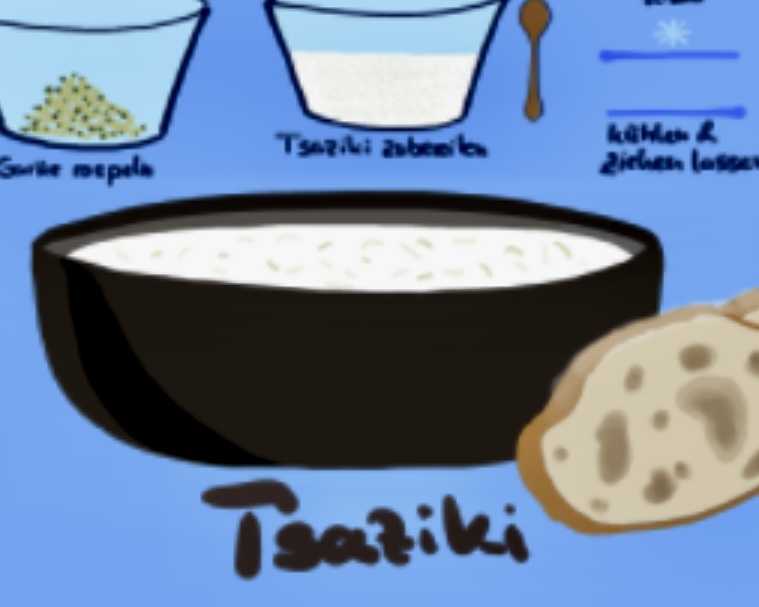
Tzatziki
Make creamy tzatziki with Greek yogurt, cucumber, garlic and lemon. Learn how to squeeze the cucumber and serve this cool dip with warm bread or grilled food.

Chimichurry
Make a chunky chimichurri with parsley, shallot, garlic, chili, lime and red wine vinegar. A fresh, tangy sauce to spoon over steak and grilled vegetables.

Guacamole
Mash ripe avocado with lime, tomato, red onion, garlic, cilantro, and jalapeño. Find tips for a creamy dip with small crisp bites and fresh flavor.

Cream Cheese Dip
Stir cream cheese, milk, curry powder, scallions, and lemon into a cool, creamy dip. Learn how to adjust the texture and serve it with chicken or potatoes.

Mayonaise Dip
Mix a creamy mayonnaise dip with honey, sambal oelek and paprika. Find tips for balancing the heat and serving it with potatoes, vegetables or sandwiches.

Date Curry Dip
Blend dates with cream cheese or yogurt, curry and lemon for a creamy dip. Find tips for smooth blending, balanced seasoning and serving with bread or vegetables.
Salsa
Make fresh tomato salsa with lime, cilantro, and jalapeño. Balance its crunch and heat, keep it chilled, and serve it with chips or your favorite BBQ.

Spiced Ketchup Dip
Make a tomato-based spiced ketchup with ginger, chili, and red wine. Learn how gentle reduction and cornstarch give it a smooth, spoonable consistency.
Curry Sauce
Make smooth curry sauce with a butter-and-flour base, curry powder, and a touch of tomato. Learn how to avoid lumps, adjust the texture, and serve it hot.
Crispy Fried Onions
Make crispy fried onions with a light flour coating. Learn why thin slices, small batches, and careful draining matter, plus safe frying and storage.