
Grilled T-Bone Steak: Two Cuts, One Grill
Cook along on the interactive map
Ingredients 🧂🥕
- T-Bone Steak400 g
- Coarse Sea Salt5 g
 Pepper black3 g
Step-by-step:
- Prepare the T-bone: Pat the steak dry and season with salt and pepper, including the meat alongside the bone. The exact details are shown in the illustrated recipe.
- Brown the steak: Prepare direct and indirect grill areas. Sear both sides, positioning the tenderloin section away from the strongest heat.
- Finish the meat sections: Move the steak to the indirect area. Check the strip and tenderloin separately with a thermometer, avoiding contact with the bone, and finish according to the recipe guidance.
- Rest and serve: Let the T-bone rest, then cut the meat away from the bone. Slice each section across the grain and serve together with the collected juices.
Grilled T-Bone Steak: tenderloin and strip on one bone

A grilled T-bone steak gives you a tender little filet and a larger, firmer strip section on the same plate. The bone makes the shape familiar, but the two bites are what make it interesting. Coarse salt, black pepper and a browned surface leave plenty of room to enjoy both textures.
Two muscles with different needs
The T-shaped bone separates tenderloin from strip steak. A T-bone has a smaller tenderloin portion than a porterhouse in US cutting terms. This version seasons both meat sections with coarse sea salt and black pepper. The small tenderloin may cook faster than the larger strip, so the steak needs more attention than a single uniform piece.
Let each section guide the heat
Direct heat develops browning on a dry surface; an indirect area gives the meat a gentler place to continue cooking. Keep the tenderloin farther from the strongest heat so it has less chance to dry out while the strip catches up. The bone does not make both centers heat at the same rate.
Check each section in its thickest central area with a food thermometer, avoiding bone and fat. The probe's sensing area must fit within the smaller section; follow the thermometer's placement instructions. Both parts should reach at least 145°F (63°C) before removal from the heat, followed by at least 3 minutes of rest before carving or eating. One reading, a dark crust or the color of the juices cannot establish that both pieces are safely cooked.
Keep raw T-bone refrigerated until preparation, without rinsing it or leaving it out to warm through. Wash hands and equipment after handling raw meat. Keep raw juices away from cooked food and sides, and use a clean plate, board and utensils for serving.
Choose the right angle for each cut
Before grilling, locate the two meat sections and look at their muscle fibers. Once the steak has rested, use a sharp knife to release the meat close to the bone. Turn each section separately on the board to find a comfortable angle for slicing across its fibers. Keep the slices in two groups for easy sharing.
Optional flavors for the plate
For an herbal finish, offer a little parsley butter beside the sliced steak. Sautéed mushrooms bring a savory contrast, while creamed spinach makes the plate softer and richer. Choose the accompaniment you want; the steak's salt-and-pepper seasoning can stay unchanged.
Share the tenderloin and strip
After the rest, carve both sections from the bone and slice across their separate grain directions. Serve with baked potatoes, green beans or a crisp salad. If you want a whole steak with the tenderloin's fine texture another time, try grilled filet mignon. It gives that cut a plate of its own.
Refrigerate cooked leftovers promptly in shallow containers and reheat them to 165°F (74°C). Discard meat left unrefrigerated for more than two hours, or one hour above 90°F (32°C).
Keep the meat portions easy to use
Store raw steak leakproof and covered in the refrigerator, separate from ready-to-eat foods, following the package's storage directions. Keep cooked strip and tenderloin portions covered and chilled, separate from sides. Taking the meat off the bone makes small portions easier to pack and reheat; return the unused portion to the refrigerator promptly.
Frequently asked questions
Which cuts are in a T-bone?
It contains strip steak and a smaller tenderloin section, divided by a T-shaped bone.
Can the thermometer rest against the bone?
No. Keep its sensing area in the meat, away from bone and fat, and use a probe suited to the size of each section.
Why does one side finish before the other?
The sections differ in size and composition and may receive different amounts of heat. Check both and adjust their exposure instead of assuming one temperature describes the whole steak.
Best Beef for BBQ Recipes to Try at Home
Flank Steak
Explore flank steak with coarse salt and black pepper. Learn why the grain, a thermometer check, resting, and an optional chilled marinade matter.
Maminha
Grill maminha with coarse sea salt and black pepper. Get a good crust, finish over gentler heat, and slice across the grain for tender bites at the table.
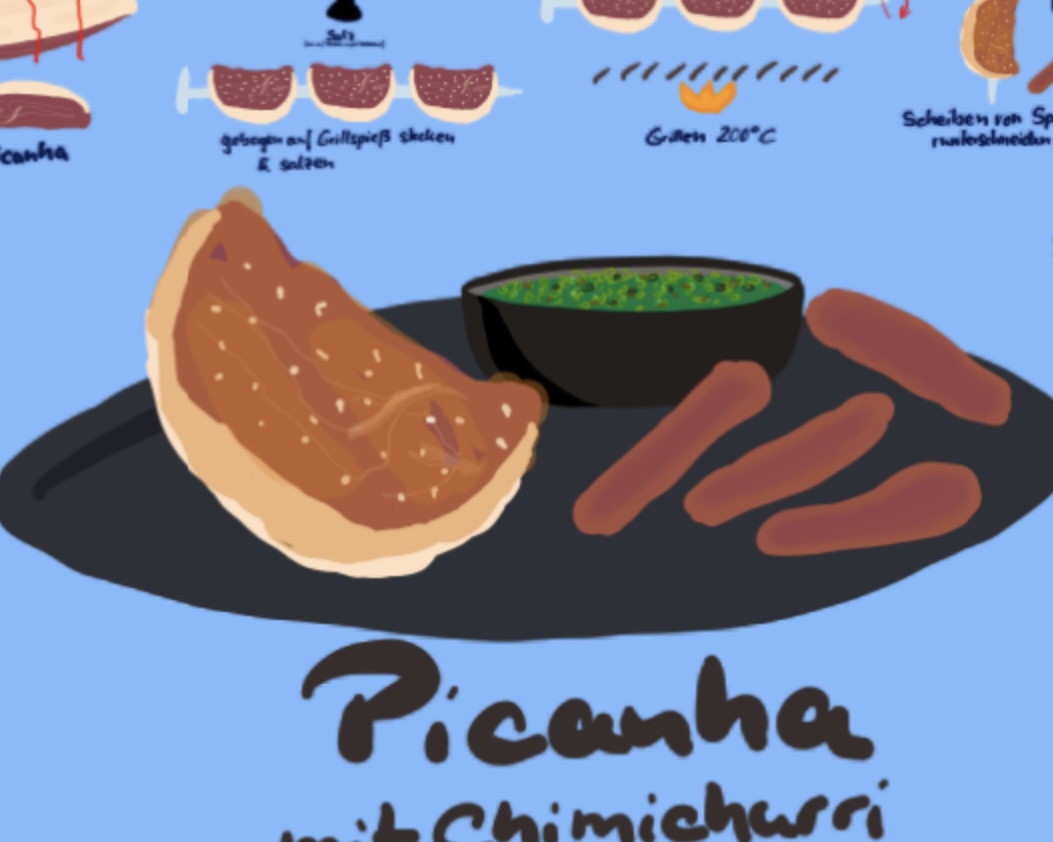
Picanha
Grill picanha with a savory browned fat cap, coarse sea salt, and black pepper. Learn how to control the heat and slice the beef, then add your favorite sides.
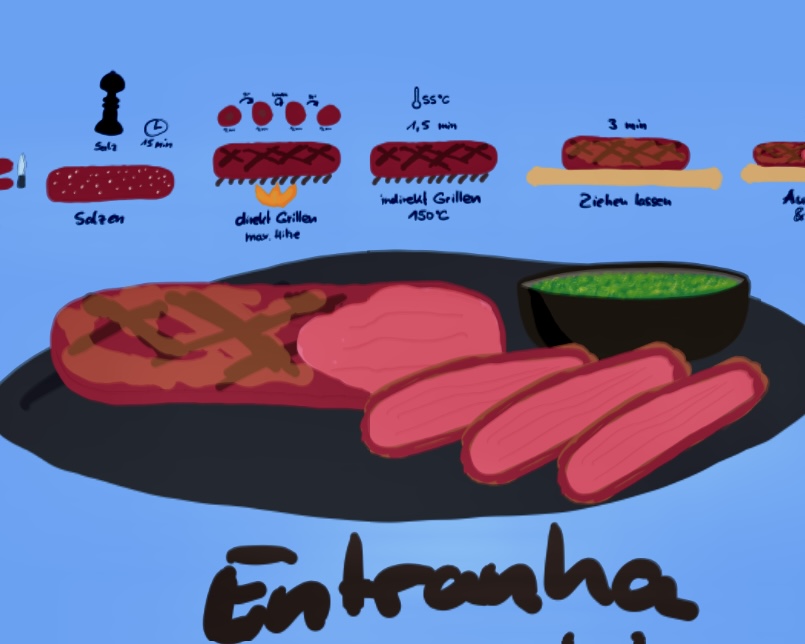
Entranha
Grill Entranha with sea salt and black pepper, then slice across the grain. Get practical tips for browning, checking the center and serving with chimichurri.
Texas-Style Smoked Beef Brisket
Smoke beef brisket with a peppery spice rub, Worcestershire sauce and BBQ sauce. Learn how to build a crust, check tenderness and slice the beef for serving.
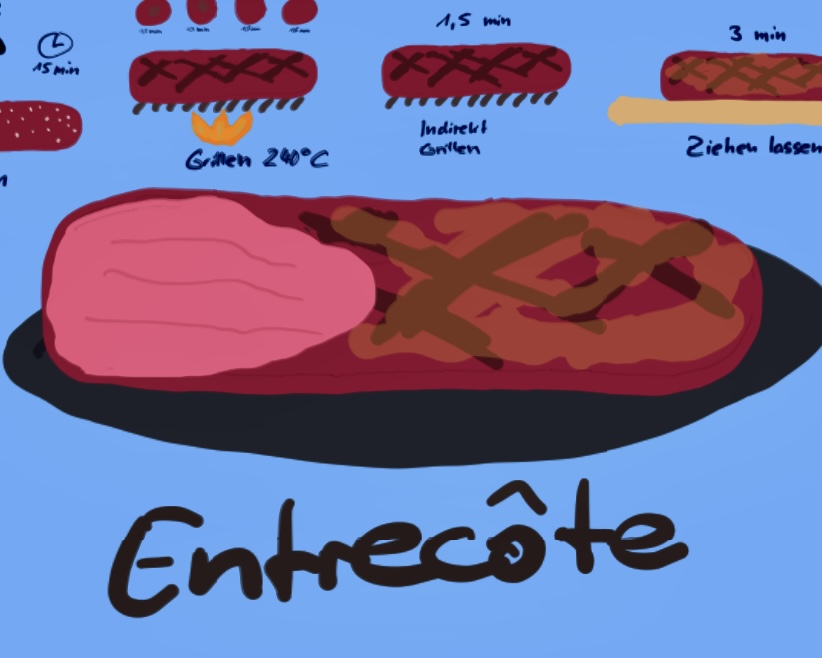
Ribeye Steak (Entrecôte)
Make ribeye steak in a skillet or on the grill with coarse sea salt and black pepper. Get a flavorful crust and serve it with cool, crunchy coleslaw.
New York Strip or Strip Loin Steak for BBQ
Grill New York strip steak with salt and pepper. Learn about the cut, browning, checking the center, resting and slicing, with serving and safety tips.
Filet Mignon for BBQ
Grill filet mignon with simple seasoning and a savory crust. Understand gentle finishing, thermometer placement, and sides that suit this tender beef cut.
Denver Steak for BBQ
Grill Denver steak with salt and pepper. Learn about this shoulder cut, controlling the sear, checking the center and slicing across the grain to serve.
Vegas Strip Steak
Cook Vegas Strip Steak with salt and pepper, a browned crust and a careful temperature check. Learn why resting and slicing across the grain matter.
Porterhouse Steak
Grill porterhouse with salt and pepper. Understand its strip and tenderloin sections, indirect finishing, thermometer checks and slicing for serving.
Tomahawk Steak for BBQ
Grill tomahawk steak with a reverse sear. Learn how the ribeye cut, two heat zones and a thermometer help you manage the crust, center and carving.