
Light Sponge Cake with Vanilla Sugar
Cook along on the interactive map
Ingredients 🧂🥕
 Eggs3 pcs
 Butter30 g
 Plain Flour90 g
 Sugar120 g
 Vanilla Sugar8 g
 Baking Powder8 g
 Salt1 g
Step-by-step:
- Prepare the tin: Prepare the cake tin and oven for the sponge base. Refer to the illustrated recipe for the exact preparation details.
- Whisk the eggs and sugar: Whisk the eggs with the sugar and vanilla sugar until pale, thick and airy.
- Fold in the flour: Sift the flour mixture over the egg foam and fold in gently until no dry pockets remain, keeping the batter light.
- Bake the sponge: Transfer the batter to the tin without pressing out the air. Bake until the surface springs back and the centre is cooked through.
- Cool before using: Let the sponge become stable, release it carefully and cool completely before slicing or adding a filling.
Light sponge cake for fruit, cream, or layers

A light sponge cake is the start of so many good desserts. Add fruit, fill it with cream or enjoy a plain slice with coffee. This version gets its gentle vanilla flavor from vanilla sugar and a tender crumb from a little butter.
Prepare everything before whisking
Preheat the oven and line the base of the cake pan with baking parchment. Melt the butter and let it cool until still liquid but no longer hot. Mix the flour, baking powder and salt, then sift them together so they can fold easily into the egg foam.
Whisk the eggs and sugar until thick
Beat the eggs, sugar and vanilla sugar until pale, thick and airy. Lift the whisk: the mixture should fall in a ribbon that rests briefly on the surface before sinking back in.
Fold in the sifted flour mixture gently with a spatula. Reach the bottom of the bowl and turn it as you work, stopping when no dry pockets remain. Stir a little of this batter into the cooled melted butter, then fold it back into the main bowl until evenly combined. This helps the butter blend in without sinking straight through the foam.
Bake and cool before filling
Transfer the batter to the prepared pan, level the surface gently and bake promptly. The top should be lightly golden and spring back after a gentle touch. Check the center with a skewer too: it should come out without wet batter. Do not taste raw batter containing flour and eggs.
Let the cake become stable in the pan, then carefully loosen the edges and transfer it to a rack. Use a tool suitable for the pan so you do not scratch its coating. Cool completely and remove the parchment before slicing or adding a filling.
A plain slice is lovely with a freshly brewed doppio. Keep any cream chilled until serving. Refrigerate a cake filled or topped with cream promptly, within two hours or within one hour in heat above 90°F.
Mark a level cutting line
For layers, lightly mark an even line around the cold cake with a long serrated knife. Follow that guide with gentle sawing movements, keeping your supporting hand clear of the blade.
Build a simple fruit dessert
Serve washed, well-drained berries and freshly whipped cream alongside individual slices. Choose cream suitable for whipping and keep it cold. You can let everyone add their own topping at the table.
Keep the plain sponge from drying
Wrap the fully cooled, unfilled cake securely. For longer storage, freeze it well wrapped and let it thaw before filling. Once filled, store according to the filling; cream-filled cake belongs in the refrigerator.
Frequently asked questions
Can baking powder replace whisking the eggs?
No. The egg foam provides much of the lightness, so whisk it well before folding in the flour.
Why is the sponge dense at the bottom?
Melted butter may have sunk through the batter. Let it cool, mix it with a little batter first and fold that mixture back in gently.
Can I fill it while warm?
Wait until it is completely cool. Warm sponge is delicate to cut and can soften a cream filling.
Best Creamy Cakes Recipes to Try at Home

Donauwelle (German Chocolate Cake)
Make Donauwelle with a marbled cherry cake, fluffy buttercream, and chocolate glaze. Find tips for cooling the layers, setting the topping, and neat slices.

Strawberry Cake with Vanilla Pudding
Layer fresh strawberries over vanilla pudding and a cooled cake base. Learn how to let the layers set, glaze with strawberry jam, and keep the cake chilled.

Apple Pie
Bake an apple pie with a golden top and cinnamon-scented filling. Learn why the lid needs vents, what bubbling tells you, and why cooling matters.

Swedish Apple Tart
Tender apples, vanilla pudding, and whipped cream meet a baked cake base. Learn how to cool the layers, choose suitable cream, and serve this apple dessert.

Chocolate Tart
Dark chocolate, butter, and eggs give this baked tart its rich texture. Find practical tips for gentle melting, checking the center, and serving neat slices.

Lemon Curd Tart
Make a lemon curd tart with a crisp pastry shell and smooth, tangy filling. Get practical tips for gentle cooking, chilling, and neat slices for dessert.

Spanish Almond Cake
Bake Spanish almond cake with ground almonds, eggs, and a touch of lemon. Find tips for checking the center, cooling, and serving with a small espresso.

Thuringian Walnut Cake
A baked base, vanilla pudding cream, caramelized walnuts, and dark chocolate make this layered cake. Find tips for cooling, caramel handling, and slicing.

German Poppyseed Cake
German poppy seed cake with a rich filling of milk, semolina, dried fruit and almonds. Learn how to bake the separate base and cut neat slices after cooling.
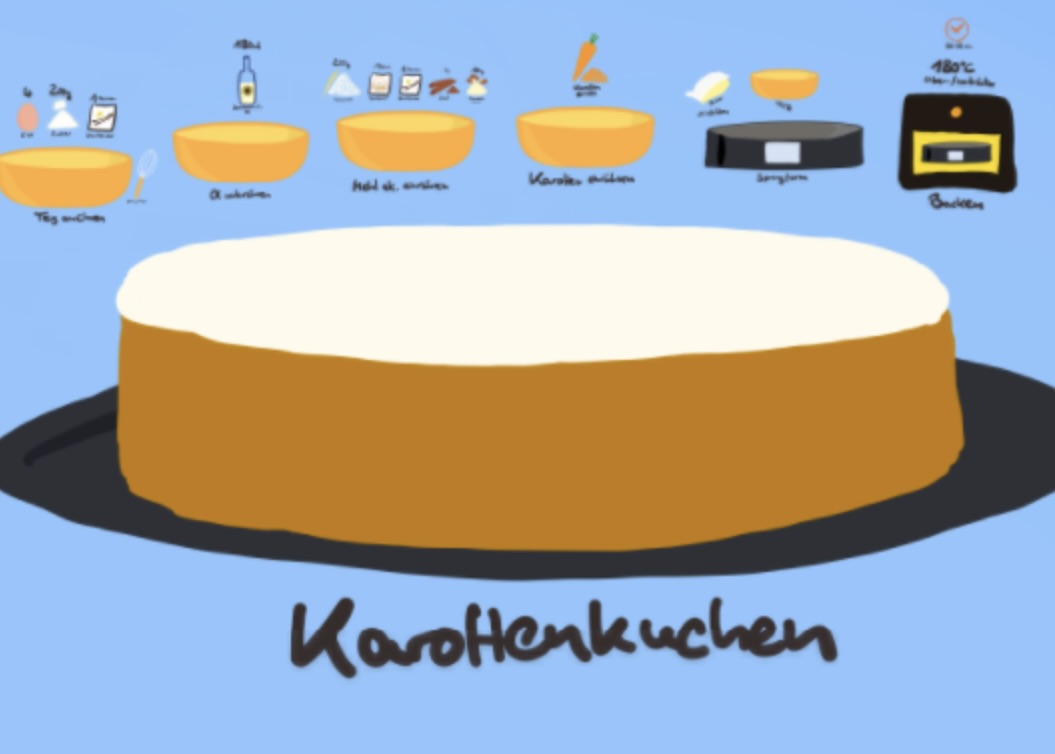
Carrot Cake
Moist carrot cake with nuts, warm spices and cream cheese frosting. Simple tips for a tender crumb, a lovely finish and keeping the cake chilled.
German Mole Cake
Make German mole cake with a chocolate base, bananas, and a cream dome. Learn why the base must cool and how chilled cream helps the cake hold its shape.