
BEC Muffins: Bacon, Egg & Cheese Breakfast
Cook along on the interactive map
Ingredients 🧂🥕
- English Muffins4 pcs
 Eggs4 pcs
 Cooked Ham80 g
 Cheddar Cheese80 g
 Butter8 g
 Salt1 g
 Pepper black1 g
 Paprika Powder1 g
Step-by-step:
- Prepare the bacon and tin: Preheat the oven and line the muffin tin with suitable baking cases. Cook the bacon in a pan until crisp, let it drain and break it into pieces. You can find the exact details in the illustrated recipe.
- Mix and fill: Whisk the eggs with the milk, salt and pepper until evenly combined. Divide the bacon and cheese between the muffin cups and pour the egg mixture over them, leaving room for it to rise.
- Bake until set: Bake until the egg mixture is completely set, including in the centers. Remove the muffins carefully and serve warm. If preparing them ahead, cool promptly and refrigerate.
BEC muffins with bacon, egg, and melted cheese

Crisp bacon, tender eggs, and melted cheese in one little breakfast cup: BEC muffins are an easy pick for a savory morning. Serve them warm at brunch or tuck a chilled portion away for tomorrow. A muffin pan does the portioning for you.
What goes into BEC muffins?
BEC stands for bacon, egg, and cheese. Here, eggs and milk form the base, with cooked bacon and grated cheese in each cup. They bake like little crustless quiches. Salt lightly at first because the bacon and cheese already bring plenty of seasoning.
Small details make a better egg muffin
Cook the bacon before adding it and let excess fat drain away. Small pieces and an even spread of cheese help each cup get a little of everything. Grease the muffin wells or use suitable liners, and leave space for the egg mixture to puff up.
Keep utensils used for raw bacon or eggs away from ready-to-eat food, and clean hands and surfaces after handling these ingredients. Keep the egg mixture chilled if baking is delayed. For these meat-containing egg bakes, check that the center reaches at least 165°F (74°C) with a food thermometer. The middle should be set, with no liquid egg.
Stop when the eggs are cooked
Once safely cooked through, take the muffins out rather than leaving them in the heat for extra color. Overbaking makes eggs firmer and less juicy. A little settling as they cool is normal.
Choose your cheese
Cheddar gives a bolder flavor; a milder melting cheese keeps it gentle. A little chopped chive is a fresh optional addition. Avoid adding lots of wet vegetables without adjusting the mixture.
Make it a breakfast plate
Add washed tomatoes or cucumber and a basket of rustic breakfast rolls. The rolls are lovely alongside the soft eggs, especially when you want a more generous brunch.
For later, refrigerate the muffins promptly in small, shallow containers. For a packed breakfast, keep them cold during transport. Reheat leftovers to 165°F (74°C) in the center.
Freeze breakfast in portions
Once chilled, pack the muffins in meal-size portions for the freezer. Thaw in the refrigerator and reheat thoroughly. Labeling the portions makes it easier to use the older ones first.
Frequently asked questions
Do these muffins contain flour?
No. The base is eggs and milk, with bacon and cheese, baked directly in muffin wells.
Why did they shrink after baking?
The egg mixture puffs in the heat and settles as it cools. A slight dip is normal and does not mean they have gone wrong.
Why are my egg muffins rubbery?
They may have stayed in the oven too long. Check for a safely cooked center, then take them out instead of waiting for a deeply browned top.
Best Toasts, Wraps & Morning Bites Recipes to Try at Home
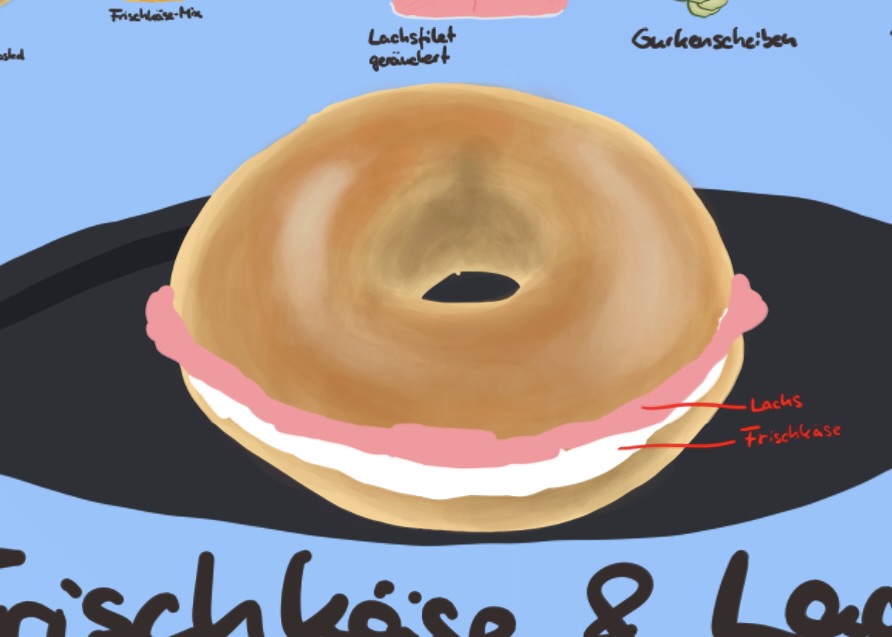
Lox Bagel
A toasted bagel with smoked salmon, cream cheese, capers and red onion. Simple brunch flavors, a creamy topping and tips for serving it fresh.
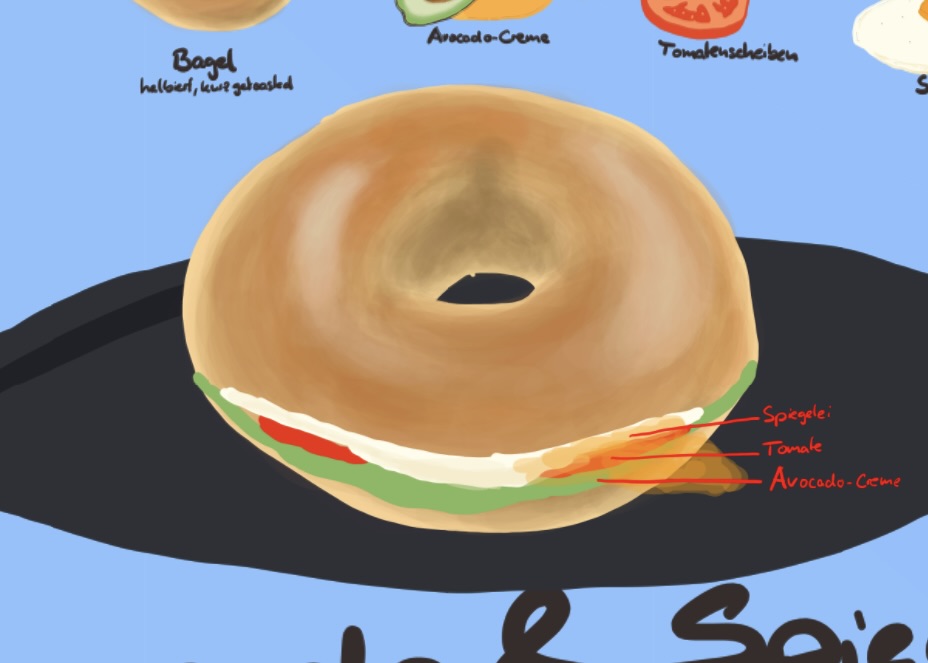
Avocado Bagel with Fried Egg
Creamy avocado, a freshly fried egg and a toasted bagel: a lovely breakfast with lemon, crisp edges and tips for a filling that stays put.
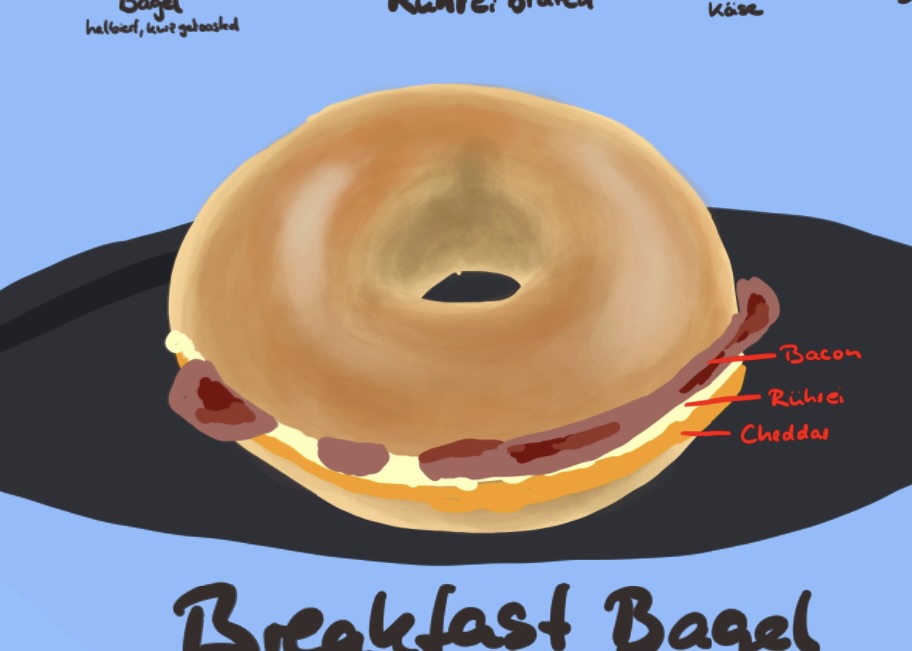
Bacon, Egg, and Cheese Bagel
Crisp bacon, cooked egg, and warm cheese fill a toasted bagel. Learn how to balance the layers, cook the filling safely, and keep make-ahead parts chilled.
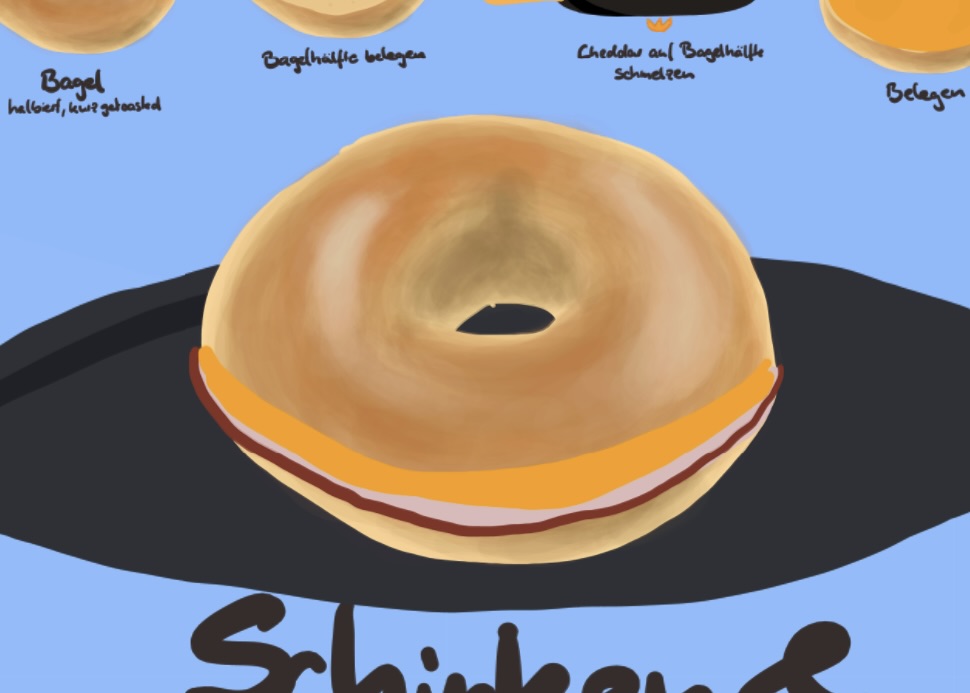
Ham and Cheddar Bagel
A toasted bagel, savory ham, and melted cheddar make a warm sandwich. Find tips for even filling, gentle warming, crisp edges, and safe preparation.
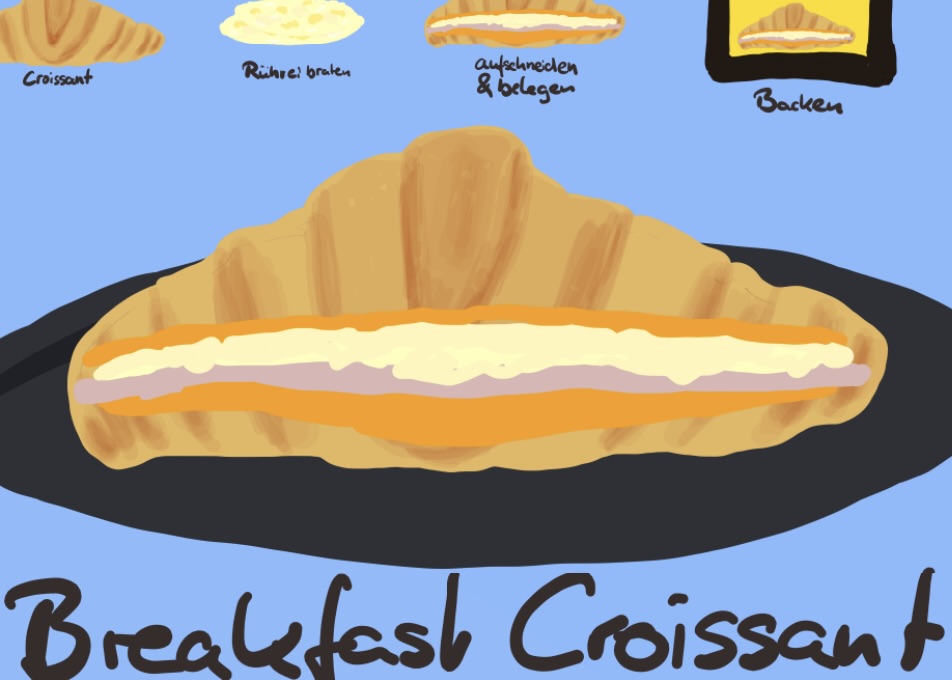
Croissant Breakfast Sandwich
Fill a warm croissant with cooked egg, melted cheese and your choice of cooked meat. Find tips for tender eggs, crisp pastry and a sandwich that holds together.