
Hard-Boiled Eggs for Breakfast and Salads
Cook along on the interactive map
Ingredients 🧂🥕
- Eggs4 pcs
Instructions 👩🍳
Step-by-step:
- Prepare the eggs: Place the eggs in a saucepan and cover them with water. Use the illustrated recipe for the exact quantities, timings and cooking settings.
- Bring to a gentle boil: Heat the pan until the water reaches a steady, gentle boil.
- Cook until firm: Continue cooking until both the whites and yolks are fully set.
- Cool the eggs: Transfer the eggs to cold water to stop the cooking and make them easier to handle.
- Peel and serve: Peel once cooled and use the hard-boiled eggs for breakfast, salads, sandwiches or snacks.
Hard-boiled eggs for an easy breakfast plate

A few slices of egg on buttered bread can make breakfast feel just right. These hard-boiled eggs have firm yolks, tender whites and plenty of ways to make them your own. Add a little seasoning, pour your coffee and enjoy the first bite.
Eggs, water and a suitable pan
Eggs are the only listed ingredient. Choose eggs with intact shells and a pan roomy enough to hold them in one layer. Similar-sized eggs are easier to cook together. Keep them refrigerated until you need them, and wash your hands and utensils after handling raw eggs.
Cook gently until the yolks are firm
Bring enough water to cover the eggs to a boil. Lower them in carefully with a spoon, then reduce the heat to a gentle simmer. As a guide, hard-cooked eggs take about ten minutes in simmering water, depending on their size and starting temperature. Count from when the water returns to a simmer after adding the eggs.
The result matters more than the timer: both white and yolk should be fully firm. Larger eggs may need longer. Lift out a test egg and open it if you are unsure. Continue cooking the unopened eggs if the center is still soft.
Take the cooked eggs out of the hot water. For eggs you will eat immediately, cold water helps stop further cooking and makes them easier to handle. For eggs you plan to store, skip the cold-water shock, let them cool promptly and refrigerate within two hours, or within one hour in heat above 90°F. Keep refrigerated and use within a week; cracked or peeled eggs are best used first.
Make peeling and slicing easier
- Crack gently all around. Lift the shell together with the thin membrane underneath rather than digging into the white.
- Try the wider end first. The small air pocket can give you a place to start peeling.
- Wipe the knife. Remove clinging yolk between cuts for cleaner slices.
A little seasoning goes a long way
Chopped chives and black pepper are optional finishes for halved eggs. A dab of mustard adds a sharper note, or try a little paprika. Season a few pieces at a time so everyone can choose.
Bring out the bread
Serve the eggs on buttered rye bread. The hearty loaf makes a good base for neat slices or roughly chopped egg. Add cucumber or tomato alongside if you want a fresh crunch.
Prepare breakfast portions
Store safely chilled eggs in a clean container, leaving them in their shells until needed. Cover peeled eggs so their surfaces do not dry out. Slice only the portion you want to serve, and pack eggs separately from bread for a packed breakfast.
Frequently asked questions
Why are some eggs difficult to peel?
Very fresh eggs can cling tightly to the membrane. Work gently; an uneven surface does not mean the egg was cooked incorrectly.
Can I start the eggs in cold water?
Yes, that is another method, but its timing includes a different heating phase. The timing above applies to adding eggs to boiling water and then simmering.
Can I take cooked eggs to work?
Yes. Keep them cold in an insulated bag with a frozen gel pack and refrigerate them when you arrive.
Best Eggs for Breakfast Recipes to Try at Home
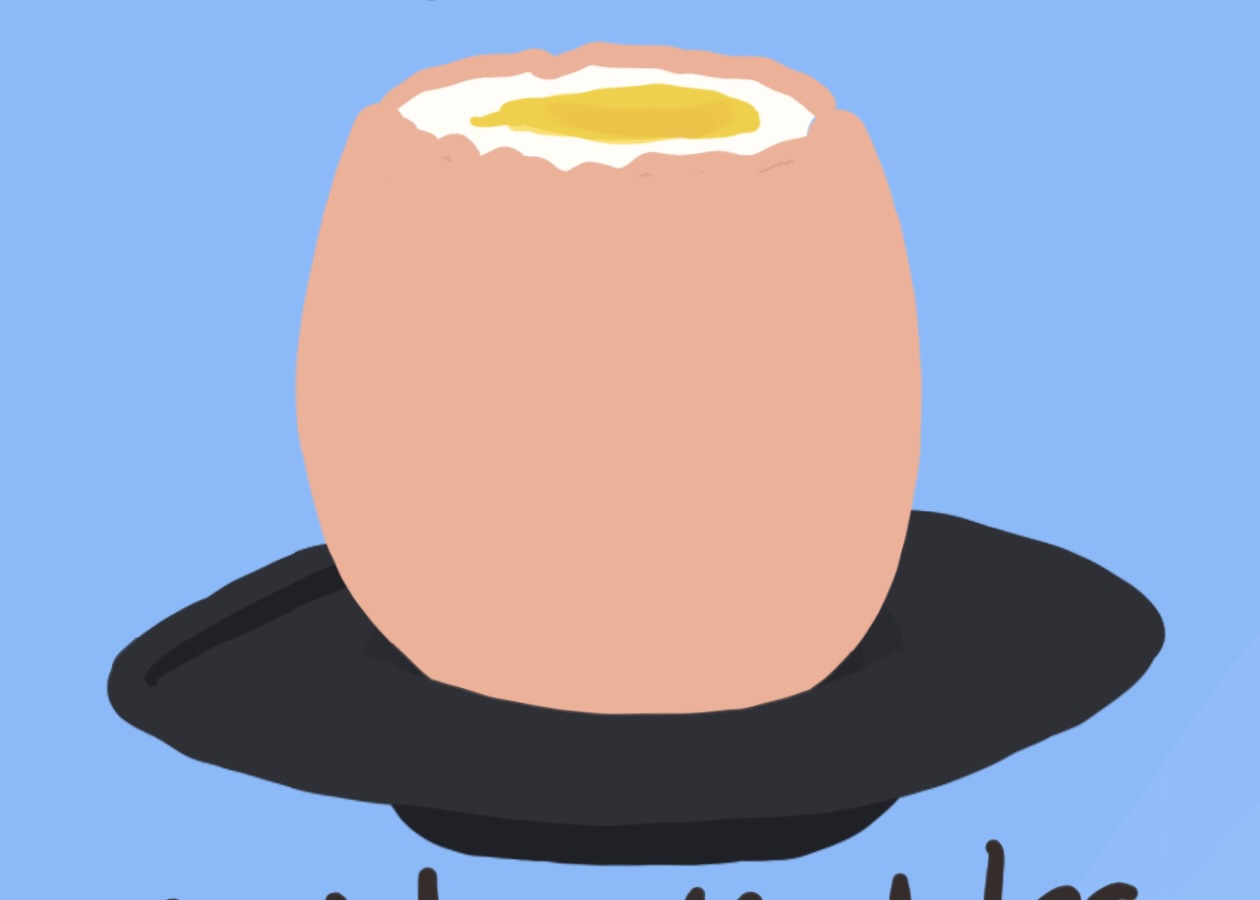
Soft boiled eggs
Make soft-boiled eggs with tender whites and warm, creamy yolks. Find a gentle cooking method, a timing guide for large eggs and ideas for toast on the side.
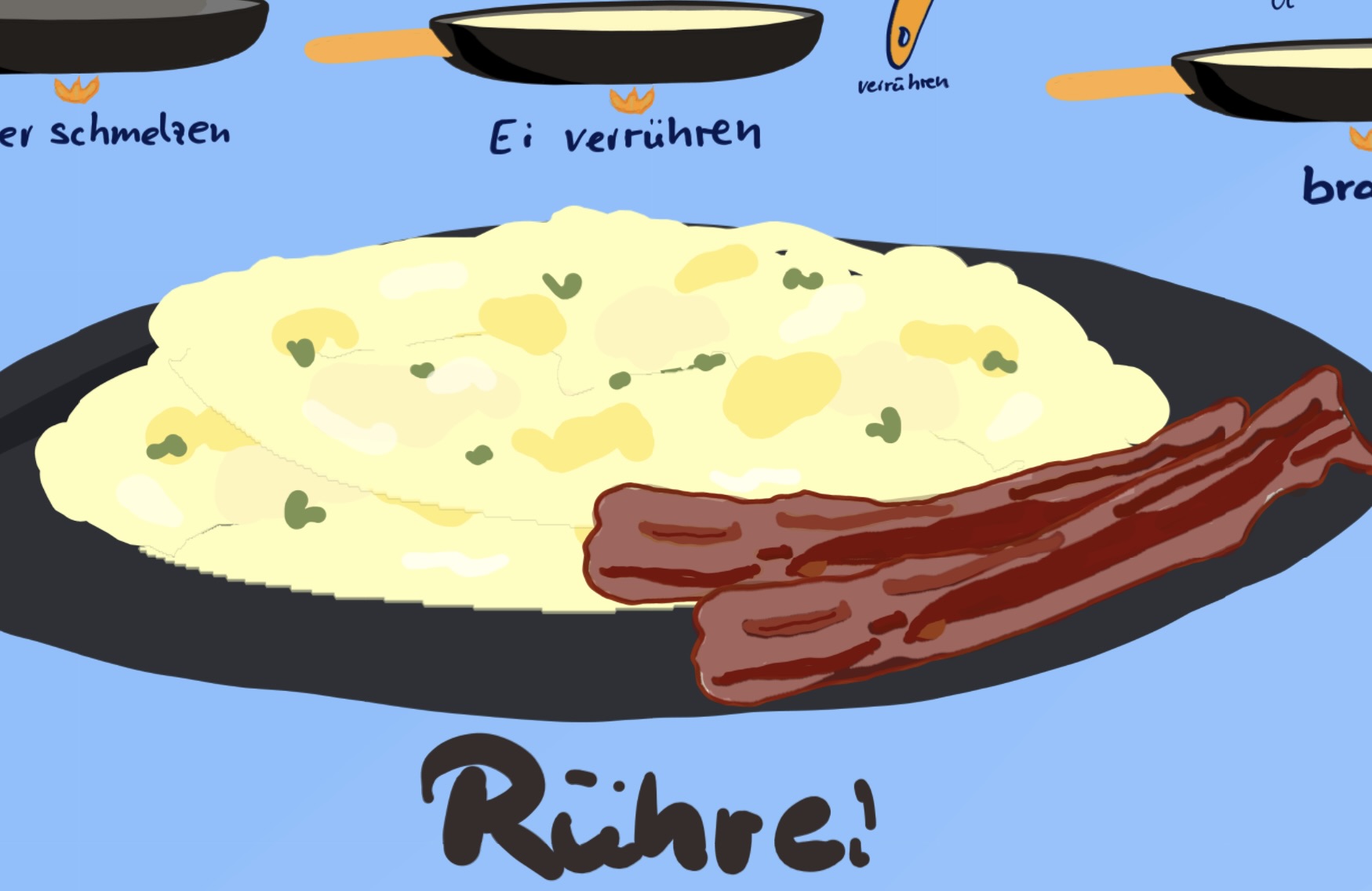
Scrambled Eggs
Make tender, buttery scrambled eggs with bacon and fresh parsley. Find simple tips for gentle cooking, serving with bread and keeping breakfast relaxed.
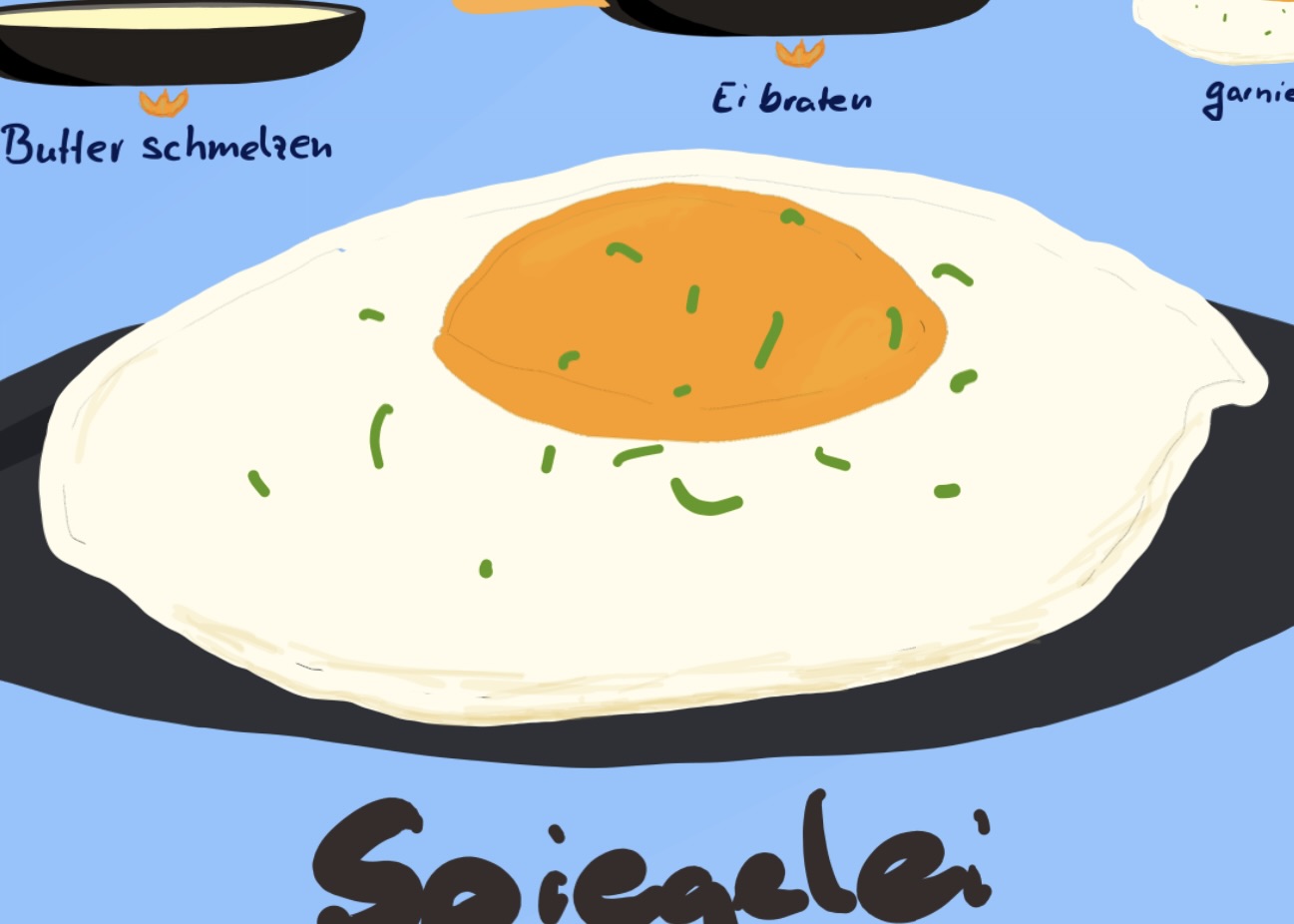
Fried Egg sunny side up
Make a sunny-side-up fried egg with butter, chives, and paprika. Learn how to manage the pan heat, set the white, serve it, and handle eggs safely.
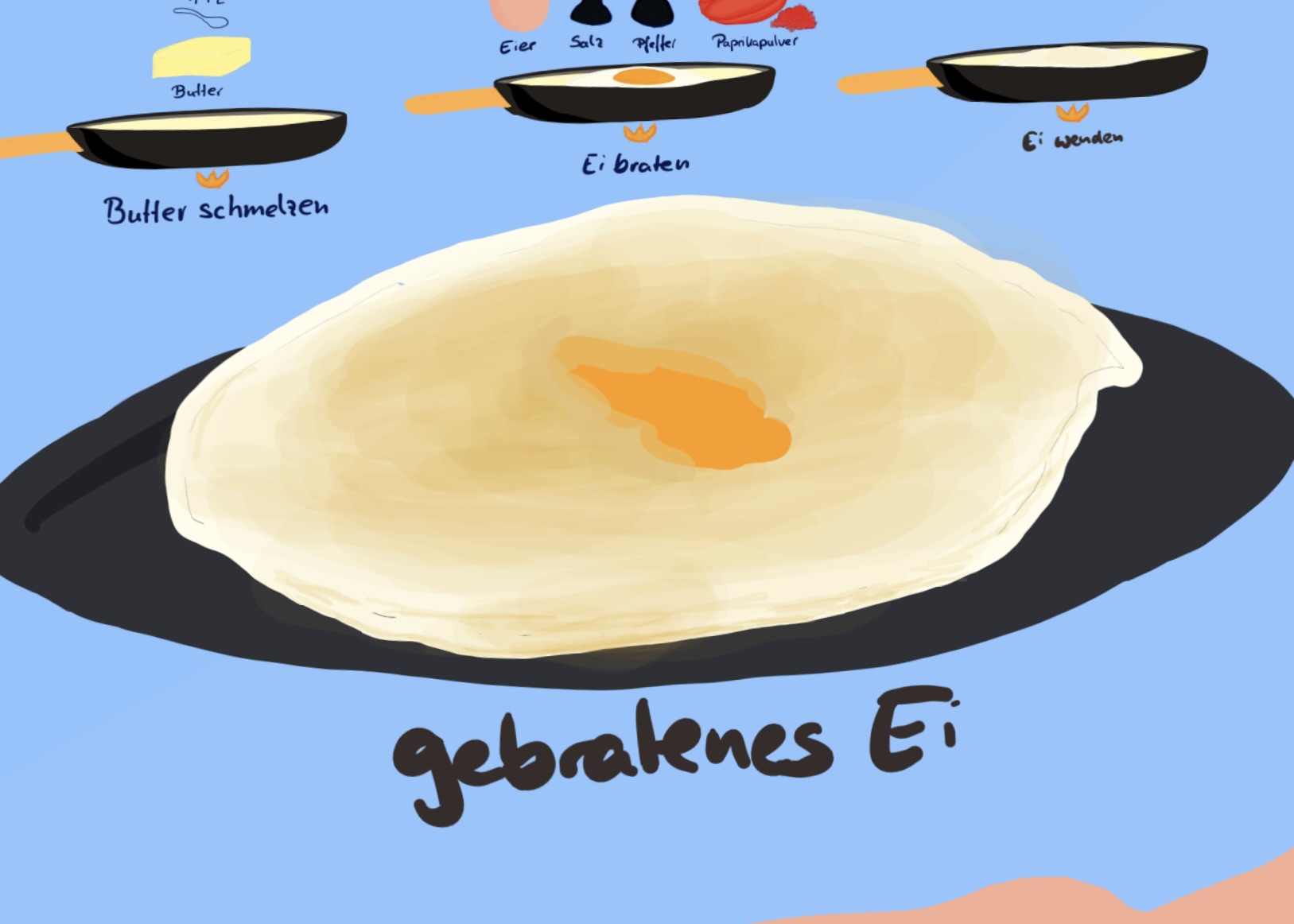
Fried Egg over easy
Fry eggs over easy with butter and paprika, keeping the yolks soft with a gentle flip. Find practical pan tips, seasoning ideas and a hearty bread pairing.
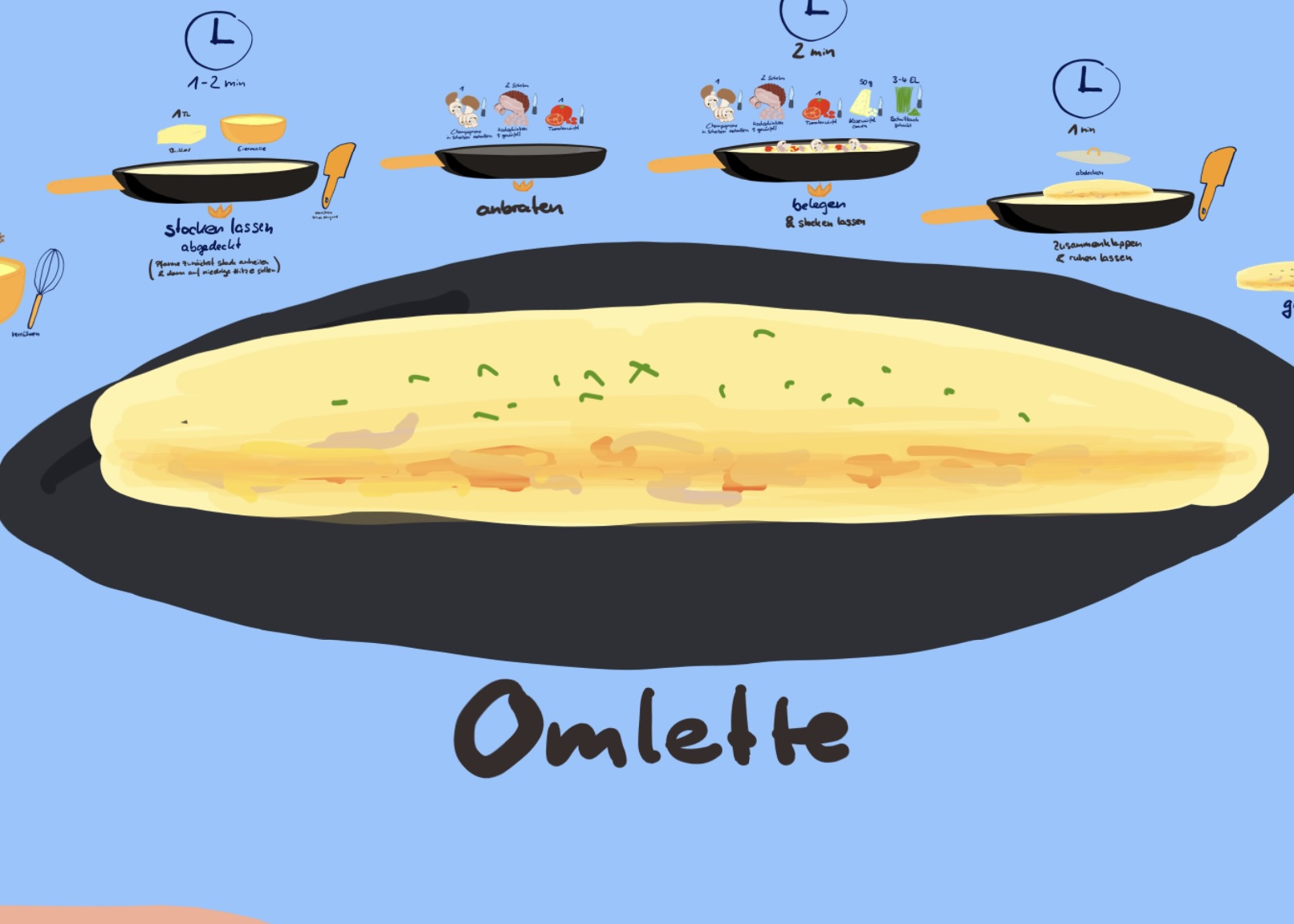
Omelet
Make a savory omelet with ham, mushrooms, tomatoes, Swiss cheese, and chives. Get tips for a tender fold, a balanced filling, and fresh sides to serve.

Poached egg
Try a poached egg with tender whites and a soft golden yolk. Learn how gentle heat helps it hold together, then bring everyone to the table for toast.
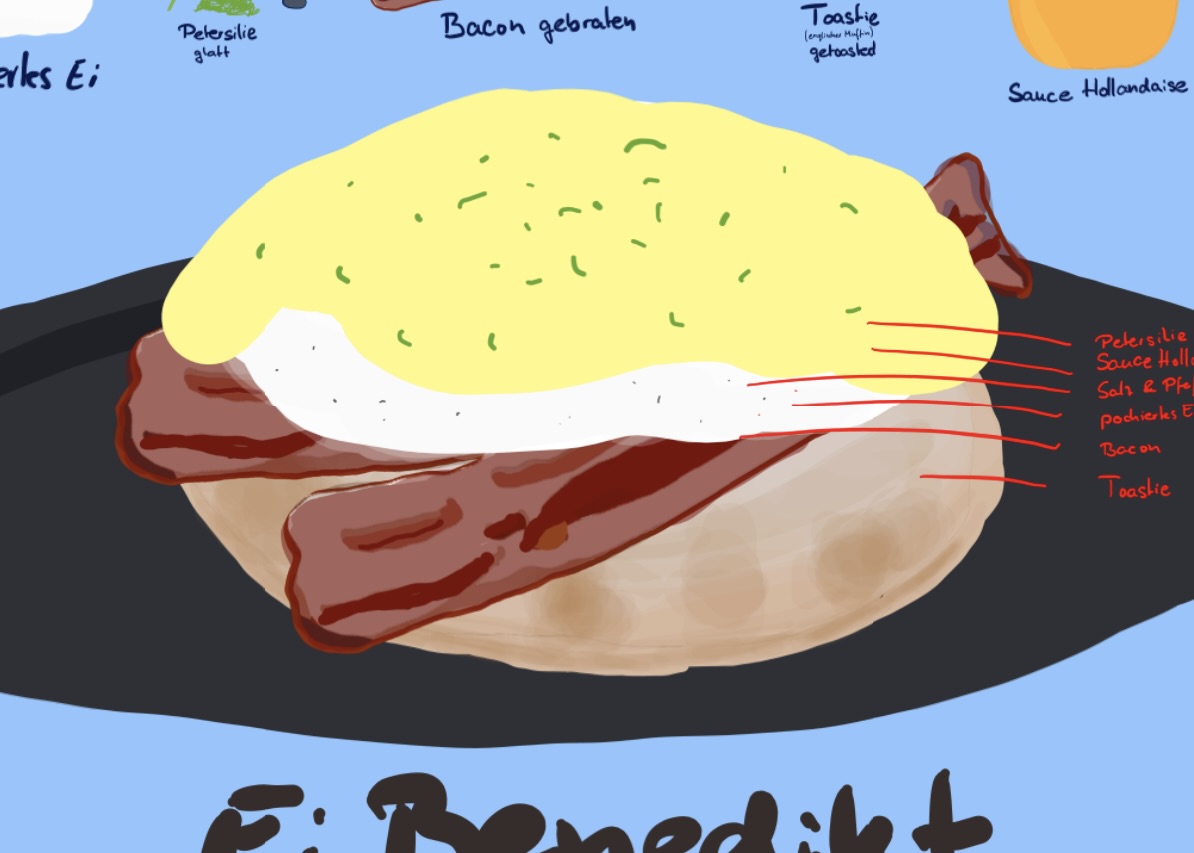
Egg Benedict
Crisp bacon, poached eggs and creamy hollandaise on toasted English muffins: make Eggs Benedict with clear tips for poaching, warming the sauce and serving.
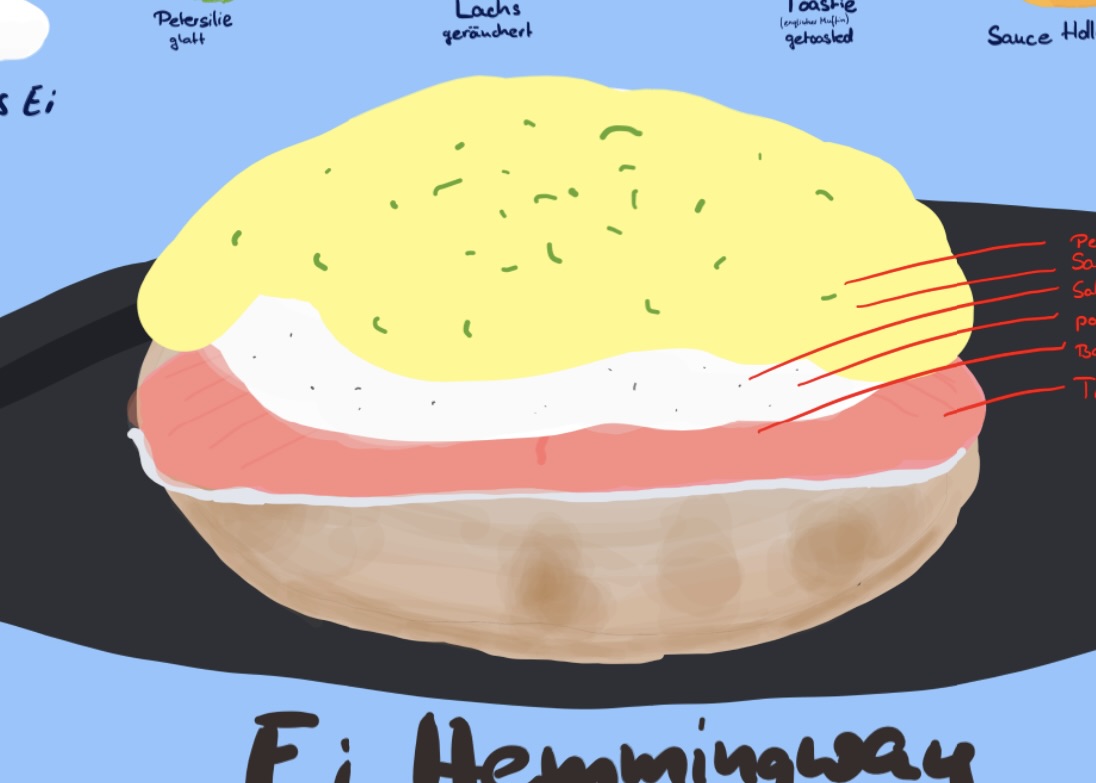
Egg Hemingway
Smoked salmon, poached eggs and hollandaise make a rich brunch on toasted English muffins. Find tips for tender eggs, neat layers and a fresh fruit pairing.
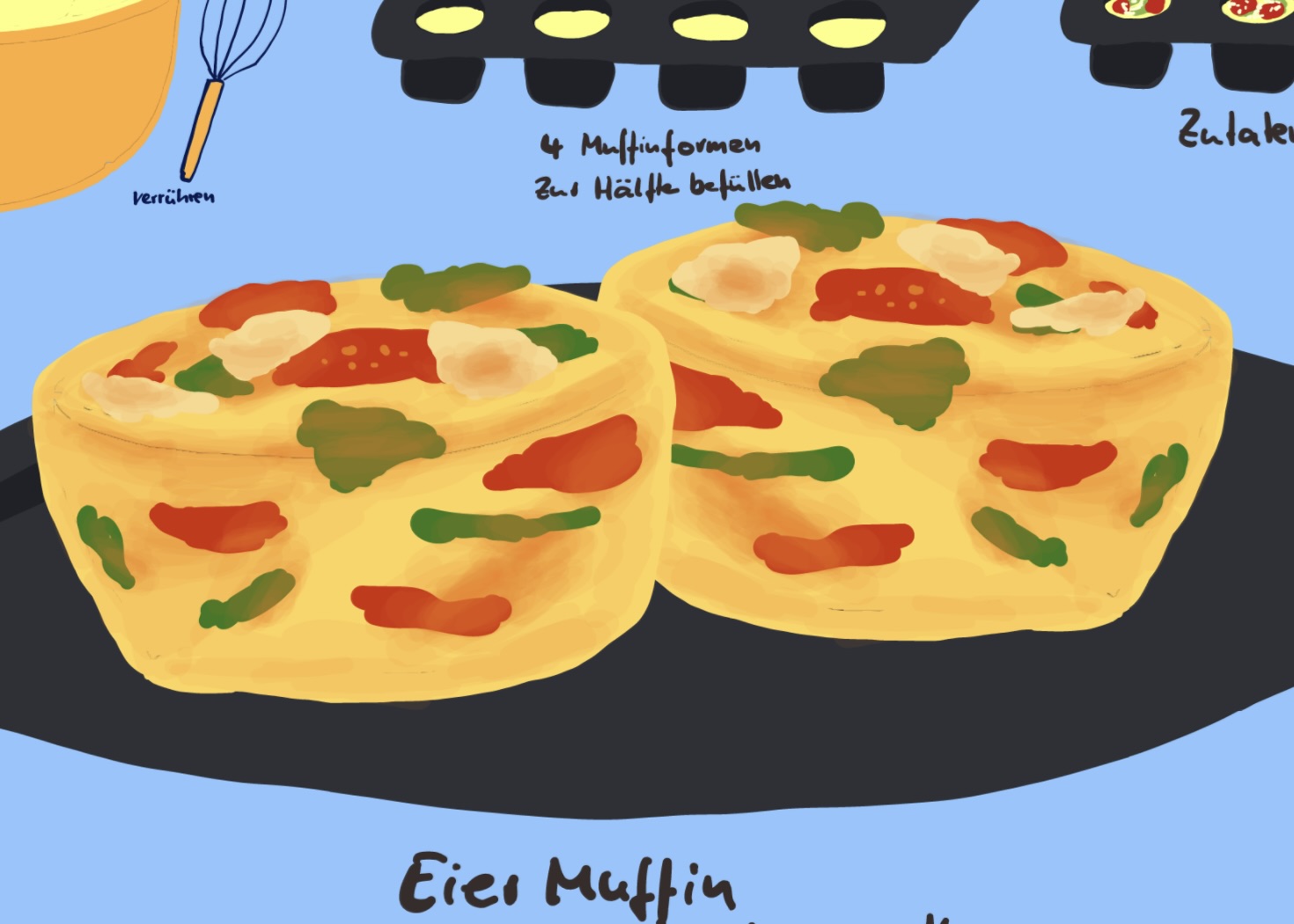
Egg Muffins with Tomato, Spinach & Mozzarella
Enjoy egg muffins with cherry tomatoes, spinach, and mozzarella. Learn how to manage extra moisture, cook the centers through, and serve a colorful batch.

Egg Muffins with Bacon & Cheddar Cheese
Bake savory egg muffins with bacon, cheddar, and onion. Find tips for tender centers, less excess fat, and serving a warm batch at breakfast or brunch.
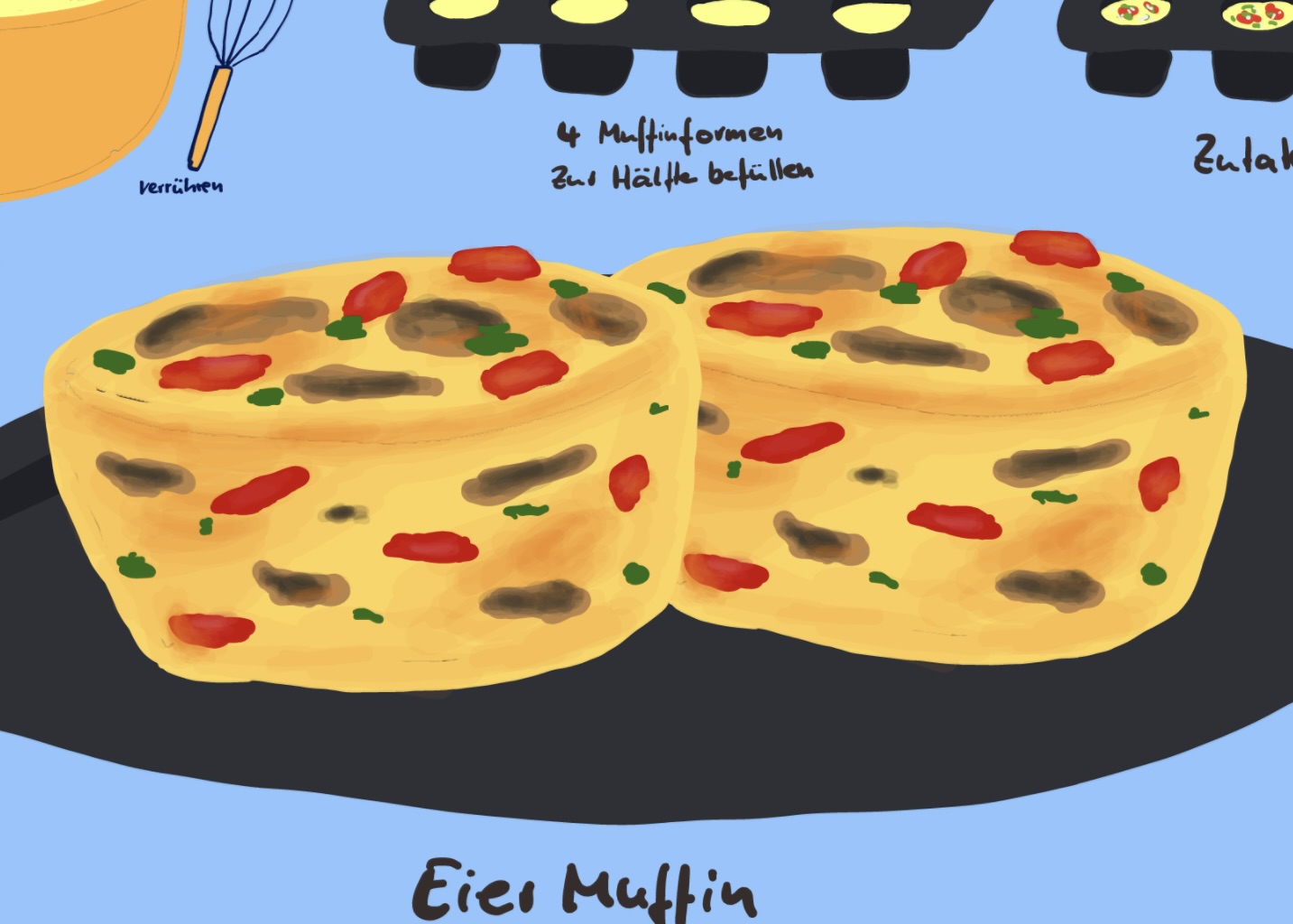
Egg Muffins with mushrooms & bell peppers
Bake savory egg muffins with mushrooms, red bell pepper, and herbs. Find moisture-control tips, a reliable doneness check, and safe storage guidance.