
Fresh Parsley Recipe Ideas
Instructions 👩🍳
Cook along on the interactive map
Step-by-step:
- Rinse: Rinse parsley and shake off excess water.
Show all steps...
- Dry: Pat dry or use a salad spinner.
- Chop: Chop leaves (and tender stems) finely.
- Use: Add to soups, salads, sauces, or as a finishing herb.
- Store: Keep refrigerated in a jar of water or wrapped in damp paper towel.
Parsley as a Breakfast Topping: fresh, bright and instantly more balanced
Parsley is an underrated breakfast hero: it adds a clean, fresh lift that makes savory breakfasts taste lighter and more “finished.” Whether you’re topping eggs, bagels, breakfast sandwiches, or warm panini-style plates, parsley brings brightness, color, and a subtle herbal bite—in seconds.
Why parsley works so well in the morning
- Freshness: cuts richness in eggs, cheese, bacon, and creamy spreads.
- Versatility: fits everything from Mediterranean flavors to classic deli-style builds.
- Color upgrade: a sprinkle of green makes any plate look more appetizing.
- Fast impact: minimal effort, big flavor payoff.
Flat-leaf vs. curly parsley (which one to use?)
- Flat-leaf (Italian) parsley: more aromatic and best for flavor—great for most breakfast uses.
- Curly parsley: milder; works well as a fresh garnish or when you want a softer herb note.
Best breakfast pairings (high-value combos)
- Eggs: omelets, scrambled eggs, fried eggs—add parsley at the end for the freshest flavor.
- Breakfast sandwiches: parsley lifts ham/cheddar, turkey/Swiss, and bacon-egg-cheese builds.
- Creamy spreads: mix chopped parsley into cream cheese or yogurt spreads for instant freshness.
- Tomato-forward dishes: parsley + tomato + olive oil is a classic bright combo (great with panini).
- Potato breakfasts: breakfast potatoes or hash browns love parsley + lemon + a pinch of salt.
How to get the best flavor (simple pro tips)
- Chop finely: spreads flavor evenly and feels more “restaurant-level.”
- Add at the end: heat dulls parsley—sprinkle right before serving.
- Pair with acid: lemon, vinegar, or pickles make parsley taste brighter (especially with rich foods).
- Use stems smartly: tender stems (especially flat-leaf) are full of flavor—chop and use them too.
Fresh vs. dried parsley
Fresh parsley is best for breakfast because the bright aroma and color matter. Dried parsley is much milder and works better mixed into sauces than sprinkled on top. If you use dried, let it bloom in a creamy base (yogurt/cream cheese) for a few minutes.
Storage & prep
- Keep it dry: pat dry after washing—moisture speeds up spoilage.
- Fridge method: wrap in a slightly damp paper towel and store in a container.
- Quick prep: chop a small bunch once and keep it chilled for a couple of days for instant topping.
FAQ
Can I cook parsley with eggs?
You can, but it tastes freshest added at the end. If cooking, add in the last few seconds.
Parsley or chives—which is better?
Chives are more oniony and sharp; parsley is brighter and more herbal. They’re great together for a fresh, savory finish.
What breakfasts benefit most from parsley?
Eggs, breakfast sandwiches, savory cream-cheese spreads, tomato-based panini, and potato breakfasts.
Best Breakfast Herbs Recipes to Try at Home

Chives
Discover chives on yummy.world! Simple prep and serving ideas for a fresh, oniony finish.
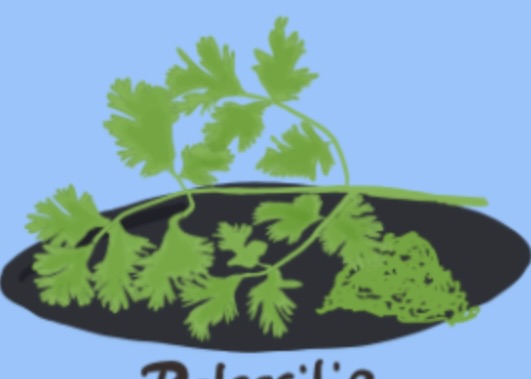
Flat parsley
Discover the subtle flavor of flat parsley and how to use it in your recipes.

Cress
Discover cress on yummy.world! Peppery, fresh topping ideas—great on bread, eggs, and salads.

Spring onions
Add a mild and crisp flavor to your dishes with fresh spring onions, a versatile ingredient.