
Whiskey Guide – Types, Regions, Tasting Notes, Serving & Pairings
Directions 👩🍳
Tap the map & cook step-by-step
Whiskey guide: types, regions, tasting notes, serving tips, and food pairings made easy
Whiskey is one of the most layered and rewarding spirits because style, grain, region, cask, and aging all shape the final glass in different ways. A strong whiskey hub should help you understand more than just the bottle name. It should make it easier to compare Scotch, Irish whiskey, American whiskey, and grain whiskey, recognize tasting notes like vanilla, caramel, orchard fruit, smoke, spice, oak, or dried fruit, and choose the right way to serve and pair each style. Whether you are exploring your first bottle or building a deeper whiskey routine, the best whiskey guide turns tasting language into practical choices for drinking, pairing, and enjoying whiskey with confidence.
Why whiskey guides work so well
- Whiskey has clear style families: Scotch, Irish whiskey, American whiskey, and grain whiskey all bring different textures, aromas, and expectations to the glass.
- Tasting becomes easier with structure: Once you know how to look for sweetness, spice, oak, fruit, smoke, and body, whiskey becomes much more approachable.
- Serving changes the experience: Glass shape, temperature, water, and ice can all influence how open, smooth, or aromatic a whiskey feels.
- Food pairing adds another layer: Chocolate, cheese, smoked foods, nuts, and savory bites can highlight different sides of the whiskey.
- A good guide reduces bottle confusion: Labels, regions, styles, and tasting notes make more sense when you organize them by practical drinking questions.
High-value tips: how to understand whiskey better and enjoy it more
- Start with the style family: Scotch often ranges from fruity and elegant to smoky and peated, Irish whiskey is often smoother and softer, American whiskey leans richer with vanilla, caramel, and oak, and grain whiskey can feel lighter and more streamlined.
- Use a simple whiskey builder:Style + aroma + palate + finish + pairing. This helps turn abstract tasting notes into something useful and memorable.
- Read the glass in stages: Nose first, sip slowly, then notice how the finish changes. Many whiskey styles reveal spice, smoke, fruit, wood, or sweetness more clearly over time.
- Do not ignore dilution: A few drops of water can open aromas and soften alcohol intensity, while a large cube can slow dilution and keep the structure more controlled.
- Use the right serving mood: Neat pours suit focused tasting, a large cube works well for slower sipping, and lighter whiskey styles can feel especially accessible with a little gentle chill.
- Think in pairing logic: Smokier or more assertive whiskeys often work with smoked meats and stronger cheeses, while smoother and fruitier styles pair more naturally with chocolate, pastries, nuts, or softer cheeses.
- Keep tasting notes practical: Vanilla, caramel, orchard fruit, dried fruit, pepper, oak, smoke, and cereal notes are useful because they help you decide what to drink next and what to serve with it.
Variations & alternatives
- Scotch whiskey: Ideal when you want regional depth, peat options, elegant fruit, maritime character, or a more layered cask-driven profile.
- Irish whiskey: Especially strong when you want a smoother, softer, more approachable whiskey style with easy sipping character.
- American whiskey: Bourbon, rye, and Tennessee whiskey are excellent when you want richer sweetness, vanilla, caramel, spice, charred oak, or bolder cocktail compatibility.
- Grain whiskey: Useful when you want lighter texture, cleaner body, or a whiskey style that often plays a more subtle role in blends and tasting comparisons.
- Single style tasting: Comparing one category across different bottles is a great way to understand what region, cask, mash bill, or aging actually changes.
- Builder shortcut:Smoky and bold for intense savory pairings, smooth and mellow for easier sipping, sweet and oaky for richer dessert pairings, and light and grain-led for cleaner tasting sessions.
Serving ideas / pairings
- Classic sipping setup: Serve whiskey neat in a tulip-shaped or aroma-friendly glass so the nose and finish stay clear.
- With chocolate and dessert: Richer whiskeys pair especially well with dark chocolate, caramel desserts, nut-based sweets, and coffee-led finales.
- With cheese and savory bites: Aged cheeses, blue cheese, smoked meats, crackers, nuts, and charcuterie can all work very well depending on the whiskey style.
- For slow evening pours: Use a large cube for a calmer, longer drink when the whiskey should open gradually instead of being rushed.
- For tasting sessions: Compare Scotch, Irish, American, and grain whiskey side by side so aroma, sweetness, spice, oak, and finish become easier to understand.
Storage, meal prep & serving
Whiskey is one of the easiest categories to serve well because the preparation is usually minimal. Good storage means keeping bottles upright, away from direct light, and at a stable temperature. For tastings or relaxed hosting, glassware, water droppers, a large ice option, and pairing bites can all be prepared in advance. The better the setup, the easier it becomes to focus on aroma, texture, and the differences between styles instead of on the bottle alone.
FAQ
What is the easiest whiskey style for beginners?
Many people find smoother Irish whiskey or softer bourbon styles especially approachable because they often feel rounder and easier to sip.
What is the difference between Scotch, Irish, American, and grain whiskey?
They differ in region, production style, grain use, cask influence, and the way sweetness, spice, smoke, and texture show up in the glass.
Should whiskey be served neat, with water, or on ice?
All three can work. Neat is best for focused tasting, a few drops of water can open the aromas, and a large cube helps with slower sipping.
What foods pair best with whiskey?
Dark chocolate, aged cheese, smoked meats, nuts, charcuterie, and some desserts are among the strongest whiskey pairings.
Does glassware really matter for whiskey?
Yes. A more aroma-focused glass can make it easier to notice fruit, oak, smoke, spice, and other important whiskey notes.
Best Whiskey Recipes to Try at Home
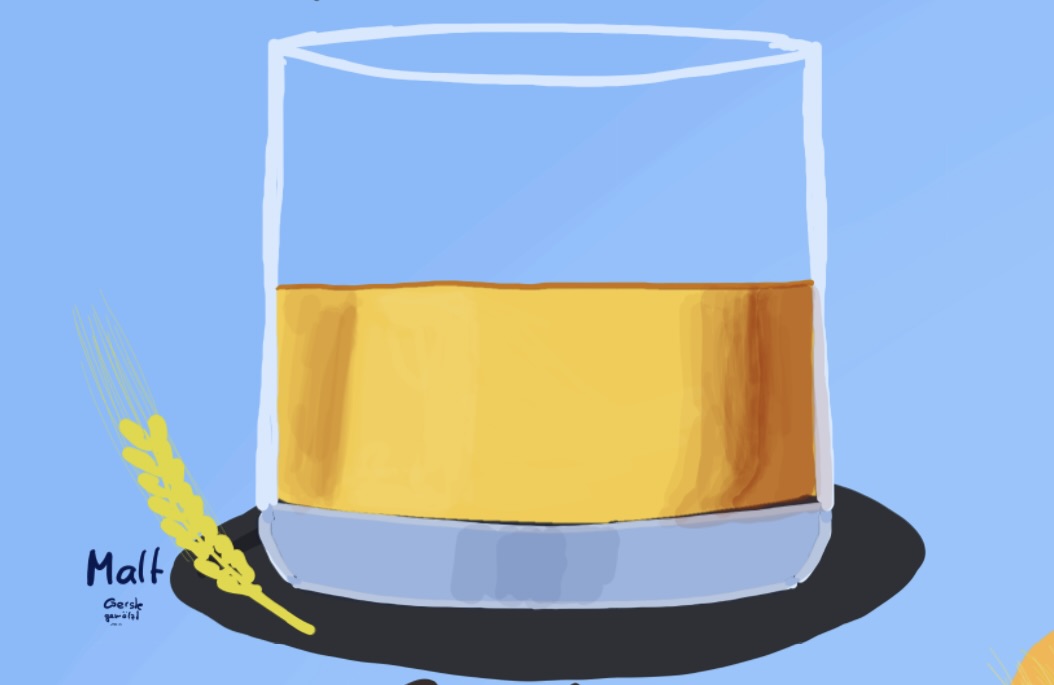
Scotch Whiskey
Explore Highlands, Speyside, Islay, Lowlands and Campbeltown; single malt vs. blends, cask finishes, peat/smoke, tasting, glassware, water/ice, storage and simple food pairings.
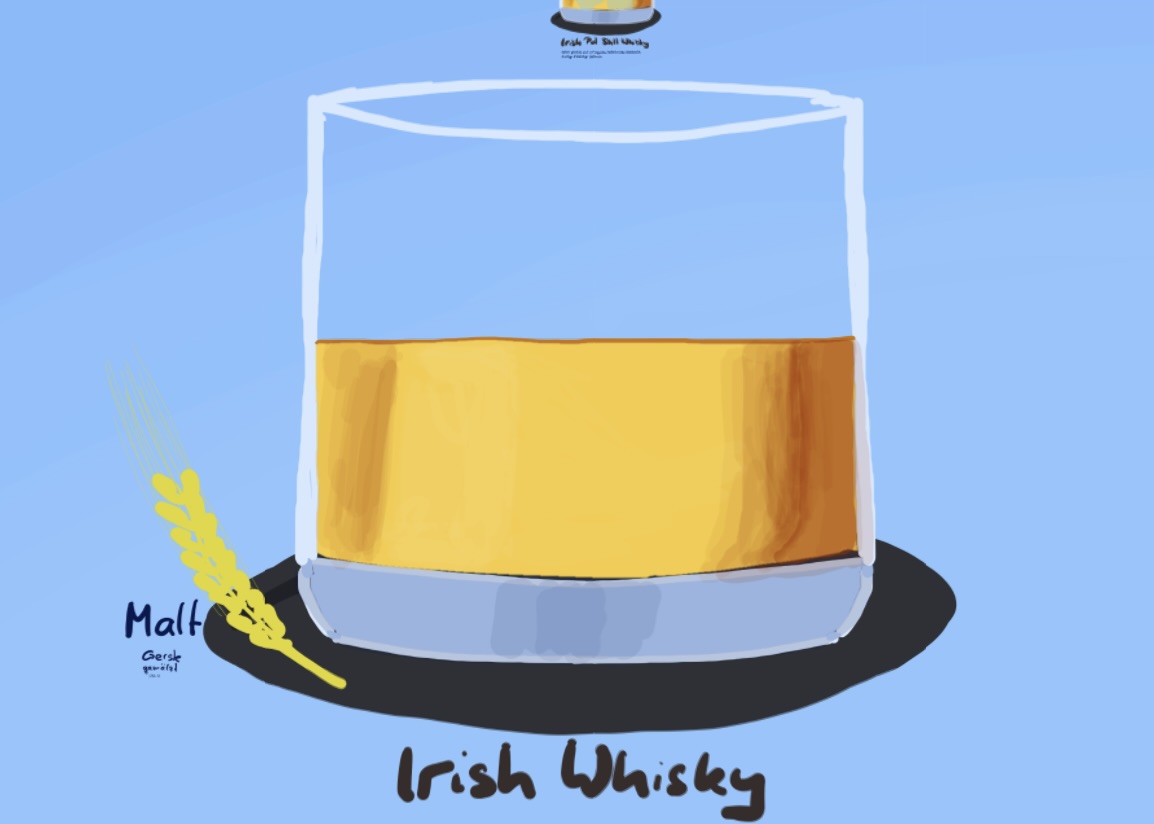
Irish Whiskey
Explore Irish whiskey: single pot still, single malt, single grain, blends; triple distillation, cask finishes. Tasting notes, glassware, water/ice, storage and simple food pairings.
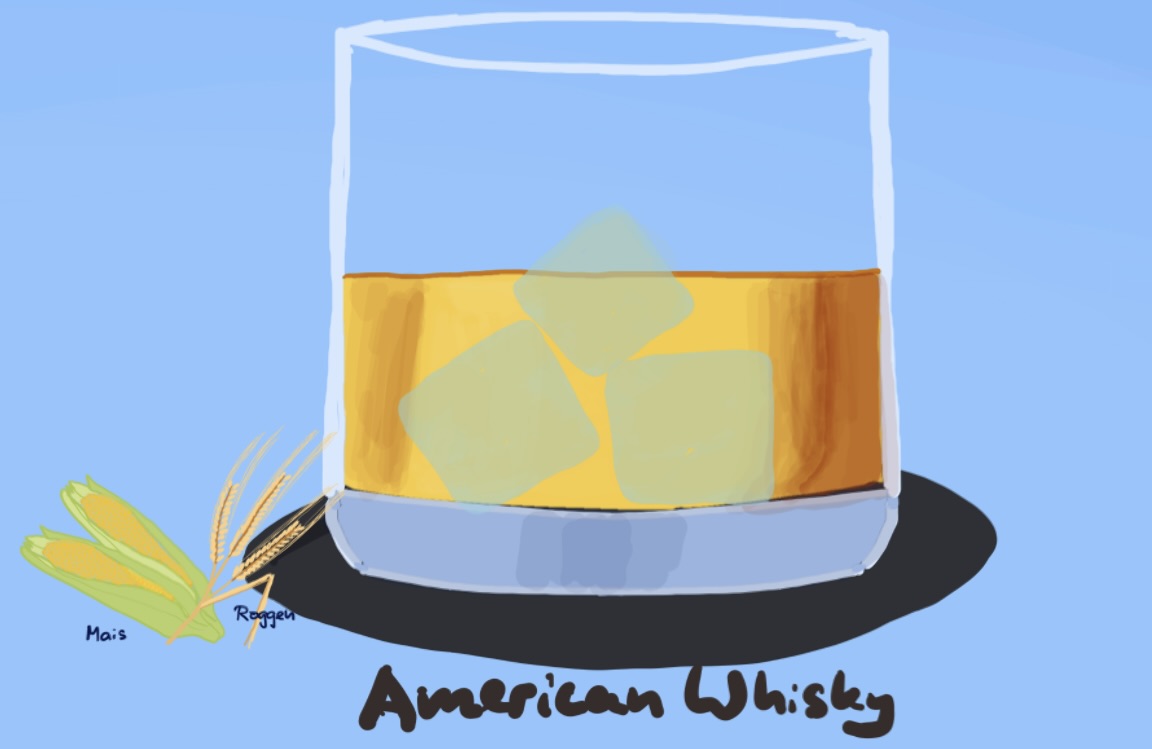
American Whiskey
Explore bourbon, rye and Tennessee whiskey: mash bills, new charred oak, charcoal mellowing, “straight” definitions, age statements, tasting, serving, pairings and storage.
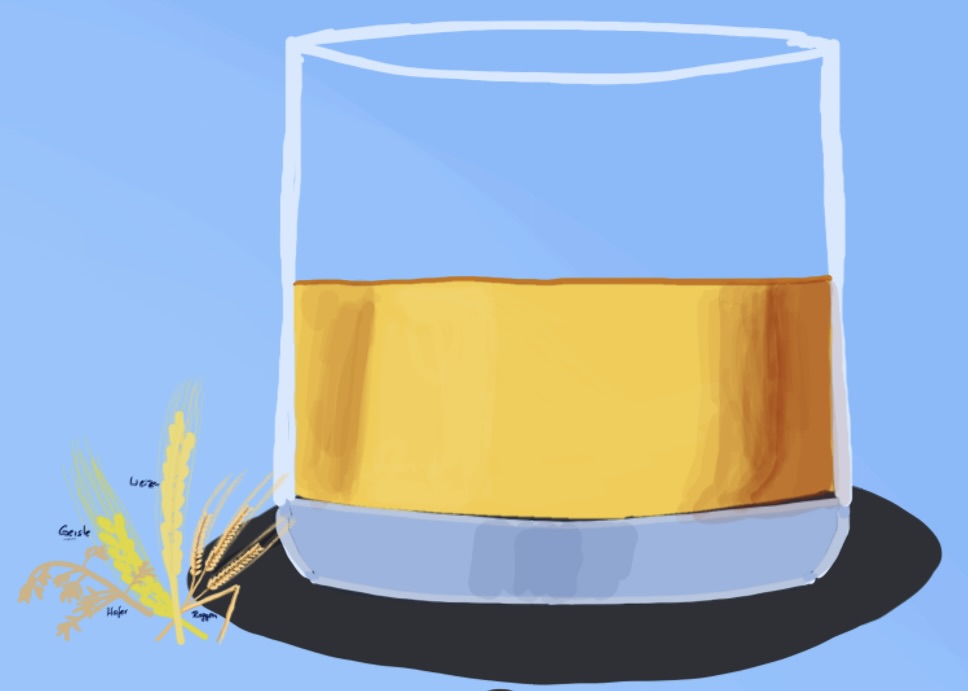
Grain Whiskey
Understand grain whiskey: column distillation from corn, wheat, barley or rye; light zzstyle crucial in blends, also bottled as single grain. Casks, aging, tasting, serving and pairings.