
Casserole Recipes – Cozy Bakes: Pasta, Potatoes, Veggies & Meat
Directions 👩🍳
Tap the map & cook step-by-step
Casserole recipes: pasta bakes, potato casseroles, gratins, and oven classics for easy comfort food
Casseroles are the kind of recipes that make everyday cooking easier and more comforting at the same time. A great casserole combines creamy layers, a golden top, satisfying texture, and the kind of oven-baked flavor that works for weeknight dinners, family meals, make-ahead cooking, and relaxed weekend comfort food. Whether you are planning baked pasta, potato casseroles, vegetable gratins, meat-based oven dishes, or cheesy classics like lasagna and cannelloni, the best casserole recipes balance moisture, structure, seasoning, and bake time so they come out rich and satisfying instead of watery, dry, or heavy.
Why casserole recipes work so well
- Built for comfort: Casseroles bring together creamy sauces, hearty layers, melted cheese, and golden oven-baked tops in one dish.
- Perfect for busy days: Many casseroles are easy to prep, bake, portion, and reheat, which makes them ideal for weeknight dinners.
- Great variety: Pasta bakes, potato gratins, vegetable casseroles, cannelloni, moussaka, and lasagna all fit naturally into one comfort-food category.
- Family-friendly: Casseroles are easy to serve, easy to share, and often work well for mixed ages and different preferences.
- Strong meal-prep value: Many baked dishes taste just as good the next day and often slice even better after resting.
High-value tips: how to build better casseroles and gratins
- Use a simple casserole builder:Main base + sauce + texture element + topping. That might mean pasta, potatoes, or vegetables as the base, a creamy or tomato-based sauce, a protein or vegetable layer, and a cheese or crumb topping.
- Control moisture from the start: Watery casseroles usually come from wet vegetables, thin sauces, or ingredients that were not drained properly. Good moisture control is one of the biggest upgrades for baked dishes.
- Choose the right structure: Pasta casseroles need enough sauce to stay tender, potato casseroles need even slicing, and gratins need a sauce that coats instead of floods.
- Layer with purpose: Season each layer instead of relying on the top only. That keeps the whole casserole flavorful instead of flat in the center.
- Do not skip the rest time: A short rest after baking helps casseroles set, improves slicing, and prevents the first serving from collapsing into sauce.
- Use the topping strategically: Cheese gives richness and browning, while breadcrumbs, Parmesan, or crisp edges bring contrast and stop the dish from feeling too soft.
- Match the casserole to the occasion: Rich lasagna and moussaka work well for family dinners and guests, while broccoli gratin, cauliflower gratin, pasta casserole, or potato bakes are especially strong for everyday cooking and meal prep.
Variations & alternatives
- Pasta casseroles: Lasagna, pasta bakes, and cannelloni are ideal when you want layered comfort food with sauce, cheese, and strong oven flavor.
- Potato casseroles and gratins: Potato gratin and potato-based oven dishes bring creamy texture, golden tops, and a very satisfying side-or-main flexibility.
- Vegetable gratins: Broccoli gratin, cauliflower gratin, and similar bakes are perfect for lighter comfort food with strong texture and cheesy finish.
- Hearty meat-based casseroles: Dishes with mince, tomato sauce, or layered savory fillings feel especially rich and family-style.
- Vegetarian casseroles: Spinach ricotta cannelloni, broccoli potato casserole, and vegetable-forward gratins show how strong meatless oven bakes can be.
- Make-ahead casseroles: Many casserole recipes can be assembled early, chilled, and baked later, which makes them ideal for guests or busy weekdays.
Serving ideas / pairings
- Classic comfort plate: Serve casseroles with a crisp green salad or simple vegetable side to balance creaminess and richness.
- Family dinner setup: Lasagna, moussaka, pasta casserole, or potato bakes work especially well with bread and a fresh side salad.
- Vegetable-led meal: Broccoli gratin or cauliflower gratin can be served as a main dish with salad or as a side to poultry, fish, or meatballs.
- Meal-prep lunch: Pasta casseroles, potato casseroles, and cannelloni often reheat well and make excellent next-day lunches.
- Guest-friendly oven meal: Use richer baked dishes when you want something that can rest, hold heat, and still feel generous when served at the table.
Storage, meal prep & reheating
Casseroles are some of the most meal-prep-friendly oven dishes because many can be assembled ahead, chilled before baking, or reheated successfully after cooking. Store leftovers well covered so the sauce stays protected and the surface does not dry out too much. Reheat with gentle oven heat when possible, because that keeps the texture cleaner than aggressive microwaving. If a casserole has thickened in the fridge, a small spoonful of cream, milk, stock, or tomato sauce can help refresh it before reheating.
FAQ
What belongs to a good casserole recipe?
A strong casserole usually combines a clear base like pasta, potatoes, or vegetables with a sauce, balanced seasoning, and a topping that adds color and texture.
How do I stop casseroles from turning watery?
Drain vegetables well, keep the sauce thick enough, and avoid using ingredients that release too much liquid without adjusting the bake.
Which casseroles are best for meal prep?
Pasta casseroles, lasagna, gratins, cannelloni, and many potato bakes are especially strong because they reheat well and often improve after resting.
What is the difference between a casserole and a gratin?
A casserole is the broader category for oven-baked layered dishes, while a gratin usually focuses more on a browned top and a creamy baked finish.
Can casseroles work well without meat?
Yes. Vegetable gratins, spinach ricotta cannelloni, broccoli potato casserole, and many pasta bakes prove that vegetarian casseroles can be just as satisfying.
Best Casserole Recipes to Try at Home

Cannelloni with Bolognese Filling
Cannelloni Bolognese recipe with rich ragù, silky béchamel and a golden crust—precise bake times, make-ahead and clean-slice tips for reliable, crowd-pleasing results.
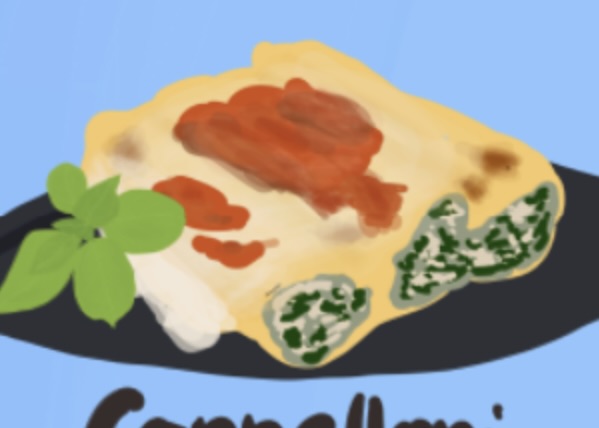
Cannelloni with spinach ricotta filling
Spinach cannelloni recipe with creamy ricotta under tomato sauce and cheese—timed blanching, freezing guidance and serving tips for an easy, vegetarian bake.

Pasta casserole
Pasta bake (Nudelauflauf) recipe: creamy sauce, vegetables or ham, golden cheese crust—flexible add-ins, clear baking times and make-ahead guidance for weeknight dinners.
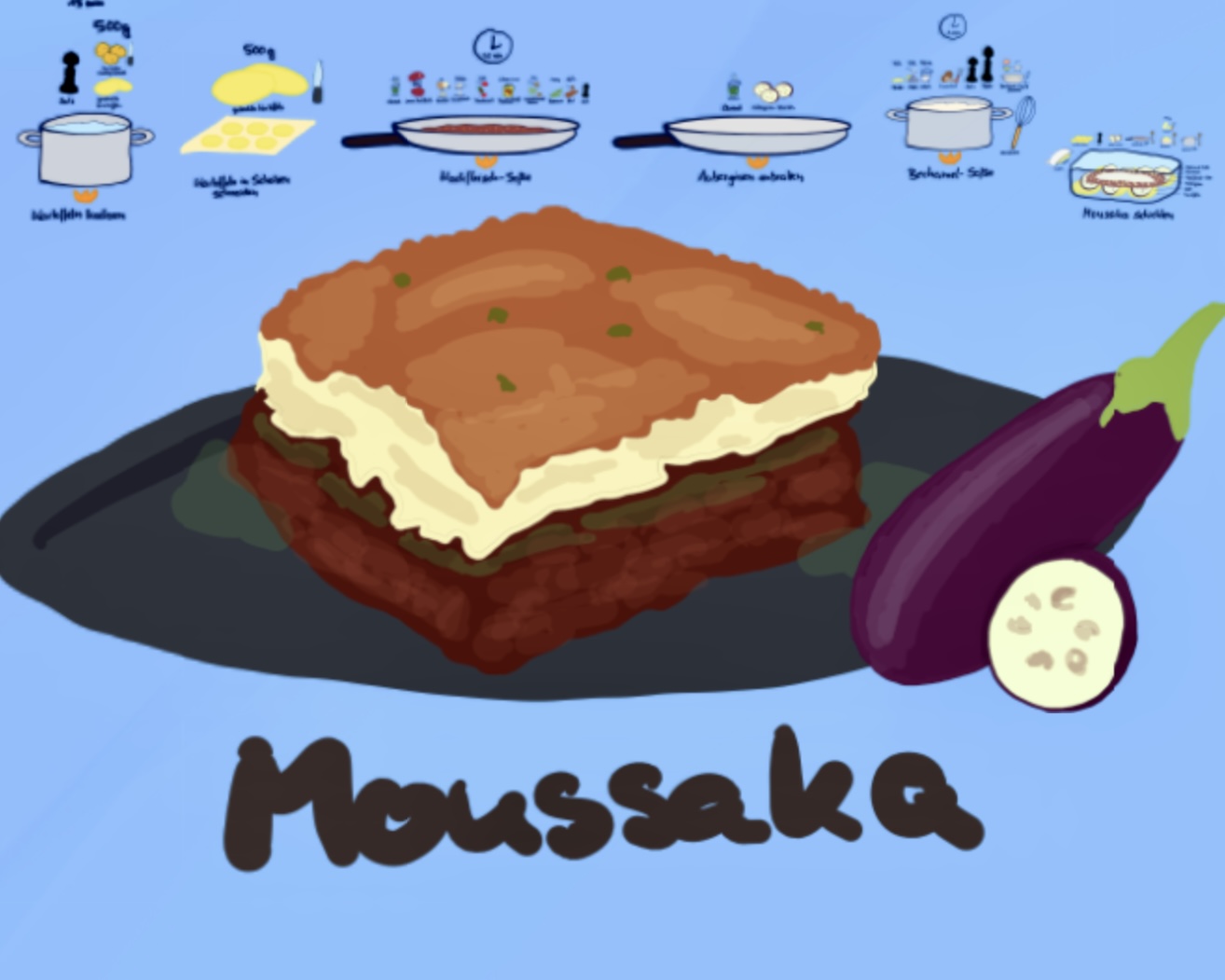
Moussaka
Moussaka recipe with layered eggplant, savory minced meat ragù and béchamel—roasting tips, make-ahead guidance and neat slicing for a truly classic Greek casserole.
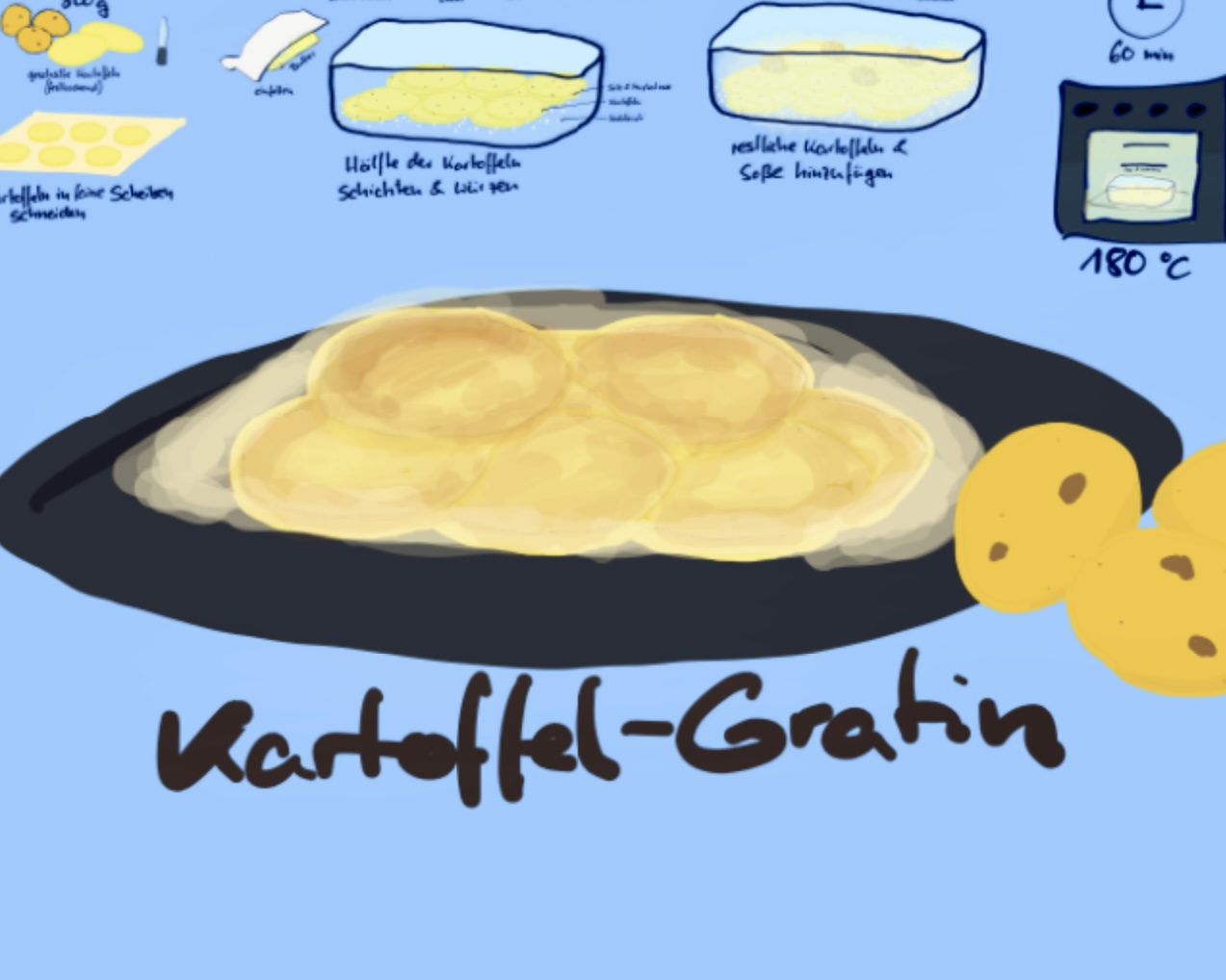
Potato Gratin
Potato gratin recipe (dauphinoise-style): tender potato layers baked with cream, garlic and cheese—slice thickness, oven temps and resting times for perfect texture.
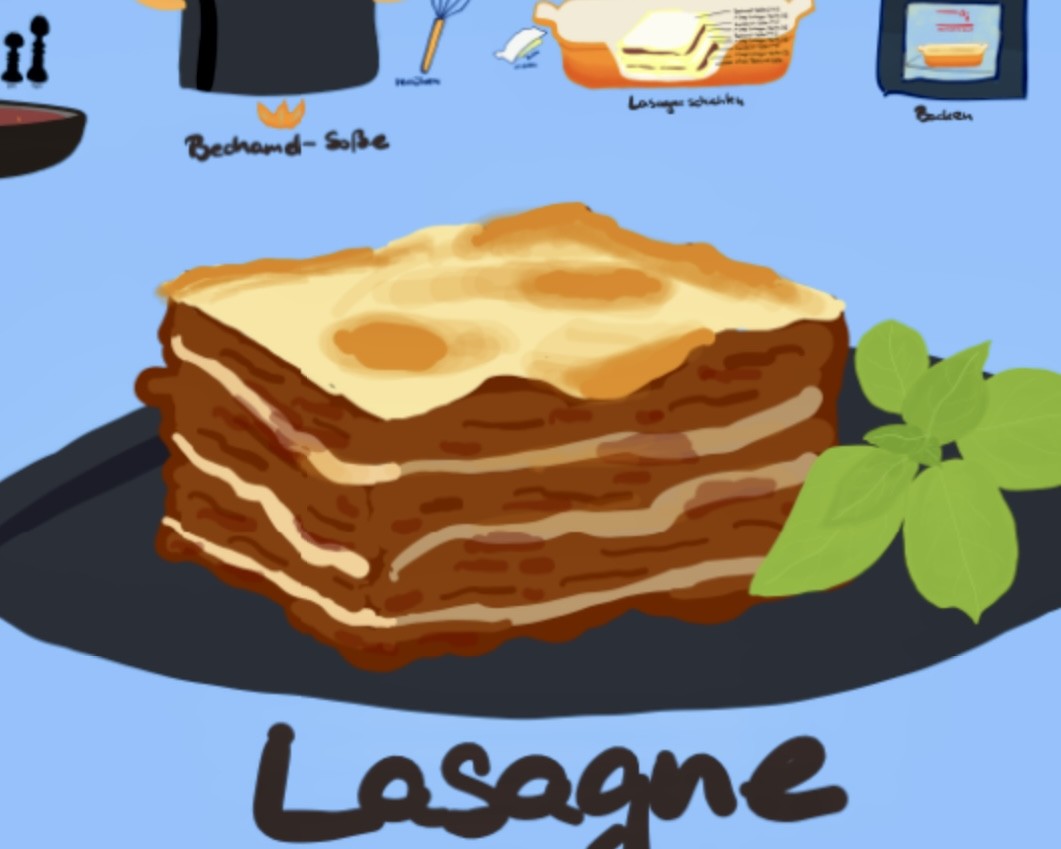
Lasagna
Lasagne recipe with slow-simmered ragù, béchamel and pasta sheets baked to a bubbling top—make-ahead, freezing and clean-slice tips for consistent, delicious portions.
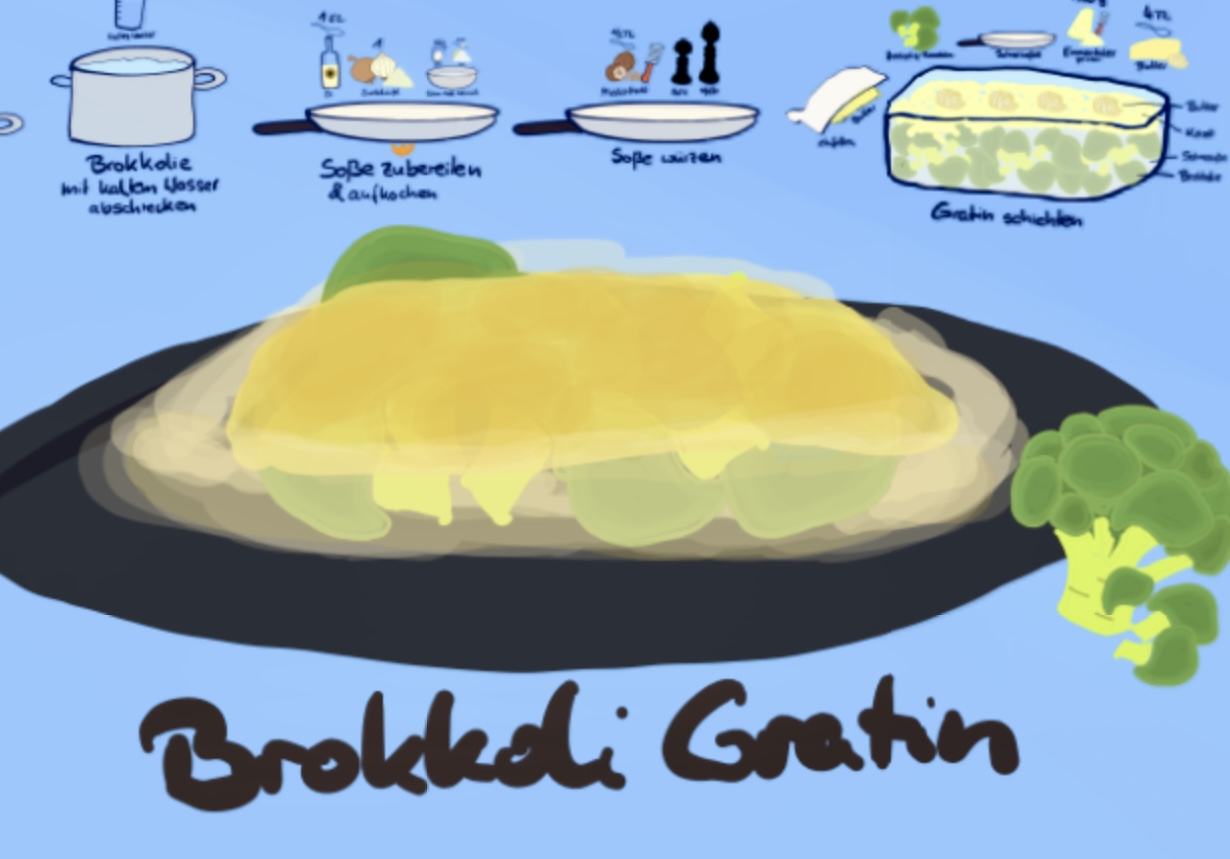
Broccoli Gratin
Broccoli gratin recipe: tender florets in a creamy cheese sauce with crisp topping—blanching times, baking guidance and add-ins for a comforting side or main.

Broccoli Potato Casserole
Broccoli and potato gratin recipe: creamy, cheesy layers—par-cooking timing, oven temperatures and topping ideas deliver reliable, family-friendly results every time.

Cauliflower Gratin
Cauliflower gratin recipe: roasted or blanched florets baked in a silky cheese sauce with crunchy topping—seasoning, texture and bake-ahead tips for any occasion.

Potato casserole with mince and tomatoes
Potato, mince and tomato casserole recipe: hearty layers topped with cheese—pan-sear tips, baking times and make-ahead guidance for busy weeknights.