
Irresistible Cheeseburger Recipe: Juicy & Loaded
Ingredients 🧂🥕
- Ground Beef7 oz
- Burger Bun1 pcs
- Cheddar Cheese1 oz
- Bacon slices1 oz
- Red Onions1 pcs
- San Marzano Tomatoes1 pcs
- Pickles0.3 oz
- Romaine Lettuce0.1 pcs
- Sunflower Oil1 fl oz
- Cane Sugar1 oz
- Salt0.1 oz
Directions 👩🍳
Tap the map & cook step-by-step
Step-by-step:
- Prep toppings and buns: Slice tomato and onion, wash lettuce, split buns, and get sauces ready.
Show all steps...
- Shape and season patties: Form beef patties, make a small thumb dent, and season well with salt and pepper.
- Sear and melt cheese: Cook on high heat until browned, flip, add cheese, and let it melt.
- Toast and assemble: Toast buns, spread sauce, add lettuce and veggies, then place the cheesy patty on top.
- Serve: Serve immediately while hot, optionally with fries or a crisp salad.
Cheeseburger: juicy, cheesy, and the ultimate homemade comfort burger

A great cheeseburger is all about contrast: a juicy beef patty, properly melted cheese, a soft toasted bun, crisp fresh toppings, and just enough sauce to pull everything together without drowning the burger. That is exactly why the cheeseburger remains one of the most loved comfort foods in the world. Whether you are making it for a quick dinner, a weekend cookout, or a crowd-pleasing burger night, the difference between an average cheeseburger and a really good one comes down to moisture control, heat, layering, and timing. Done right, a homemade cheeseburger tastes bold, balanced, and far better than a flat, dry, overloaded burger.
Why cheeseburgers work so well
- Big flavor from simple parts: Beef, cheddar, bun, vegetables, and a few condiments already create an incredibly satisfying result.
- Perfect texture contrast: A juicy patty, melty cheese, crisp lettuce, pickles, onion, and a soft bun keep every bite interesting.
- Easy to customize: Classic, smoky, spicy, double-stacked, lighter, or fully loaded versions all work well.
- Ideal for home cooking: Cheeseburgers are fast enough for weeknights and special enough for weekends or BBQs.
- Built for comfort food: Few dishes hit the same savory, cheesy, satisfying balance as a good cheeseburger.
High-Value Tips: How to make cheeseburgers really good
- Use beef with enough fat: Lean beef dries out fast. For a juicy cheeseburger, the patty needs enough fat to stay flavorful and tender.
- Do not overwork the meat: Gently shape the patties so they hold together, but avoid compacting them too much. Overworked beef turns dense and less juicy.
- Season assertively: Beef needs enough salt and pepper to taste like a real burger, not just browned meat. Season close to cooking time for the best texture.
- Use strong heat: A hot pan or grill gives the patty a flavorful crust while keeping the inside juicy. Weak heat often leads to gray, steamed burgers.
- Control burger thickness: Patties that are too thick can brown outside before the center is right. A slight indentation in the center also helps them cook more evenly.
- Melt the cheese at the right time: Add cheddar near the end so it softens and melts properly without sliding off or overcooking the patty.
- Toast the bun: A lightly toasted bun adds flavor and protects the burger from getting soggy too quickly.
- Moisture control matters: Tomatoes, pickles, sauces, and lettuce should support the burger, not flood it. Pat watery ingredients dry and layer smartly.
- Build in the right order: Sauce, lettuce, patty, cheese, onion, tomato, and pickles should be stacked so the bun stays stable and the burger is easier to eat.
- Rest briefly before serving: A short rest helps the juices settle so the cheeseburger stays juicy instead of dripping excessively.
Variations & alternatives
- Classic cheeseburger: Beef patty, cheddar, lettuce, tomato, onion, pickles, and burger sauce in a soft bun.
- Bacon cheeseburger: Add crispy bacon for smoky crunch and more richness.
- Double cheeseburger: Two thinner patties often give more crust and more cheese-to-beef balance than one thick patty.
- Spicy cheeseburger: Jalapeños, chili sauce, pepper jack, or spicy mayo add heat and extra punch.
- Lighter version: Use a smaller patty, more lettuce and tomato, and a lighter sauce balance.
- Cheese swap: Cheddar is classic, but American-style cheese, gouda, blue cheese, or Swiss-style cheese can all work depending on the flavor direction.
Serving ideas / pairings
- Classic side: Serve with fries, potato wedges, or crispy oven potatoes.
- Fresh contrast: Coleslaw, cucumber salad, or a green salad balances the richness well.
- BBQ-style plate: Pair with corn, grilled vegetables, onion rings, or baked beans.
- Loaded burger night: Offer extra pickles, onions, sauces, jalapeños, and cheese so everyone can finish their burger their own way.
- Party-friendly serving: Make smaller burgers or sliders for sharing platters and casual gatherings.
Storage, Meal-Prep & Reheating
Cheeseburgers are best freshly assembled, but the components can be prepped ahead very well. Shape the patties in advance, keep toppings chilled and ready, and toast the buns right before serving. If you have leftovers, store patties, buns, and toppings separately so the burger does not turn soggy. Reheat patties gently in a pan rather than the microwave for better texture, then assemble fresh. For meal prep, burger patties can also be cooked ahead and reheated, but the best cheeseburger texture still comes from fresh melting, fresh bun toasting, and last-minute assembly.
FAQ
Why is my cheeseburger dry?
The beef was likely too lean, the patty too compressed, or it cooked too long. More fat, gentler shaping, and hotter, faster cooking help a lot.
How do I keep cheeseburgers from getting soggy?
Toast the bun, pat tomatoes and pickles dry, and do not overload the burger with sauce.
What cheese is best for a cheeseburger?
Cheddar is a classic choice because it brings strong flavor and melts well. Other good options include American-style cheese, gouda, or Swiss-style cheese.
Should I press the burger while cooking?
Only if you are intentionally making a smash-style burger. Otherwise, pressing the patty forces out juices and makes it drier.
What makes a homemade cheeseburger taste better?
Good beef, strong heat, properly melted cheese, toasted buns, and smart layering make the biggest difference.
Best Burger Recipes to Try at Home
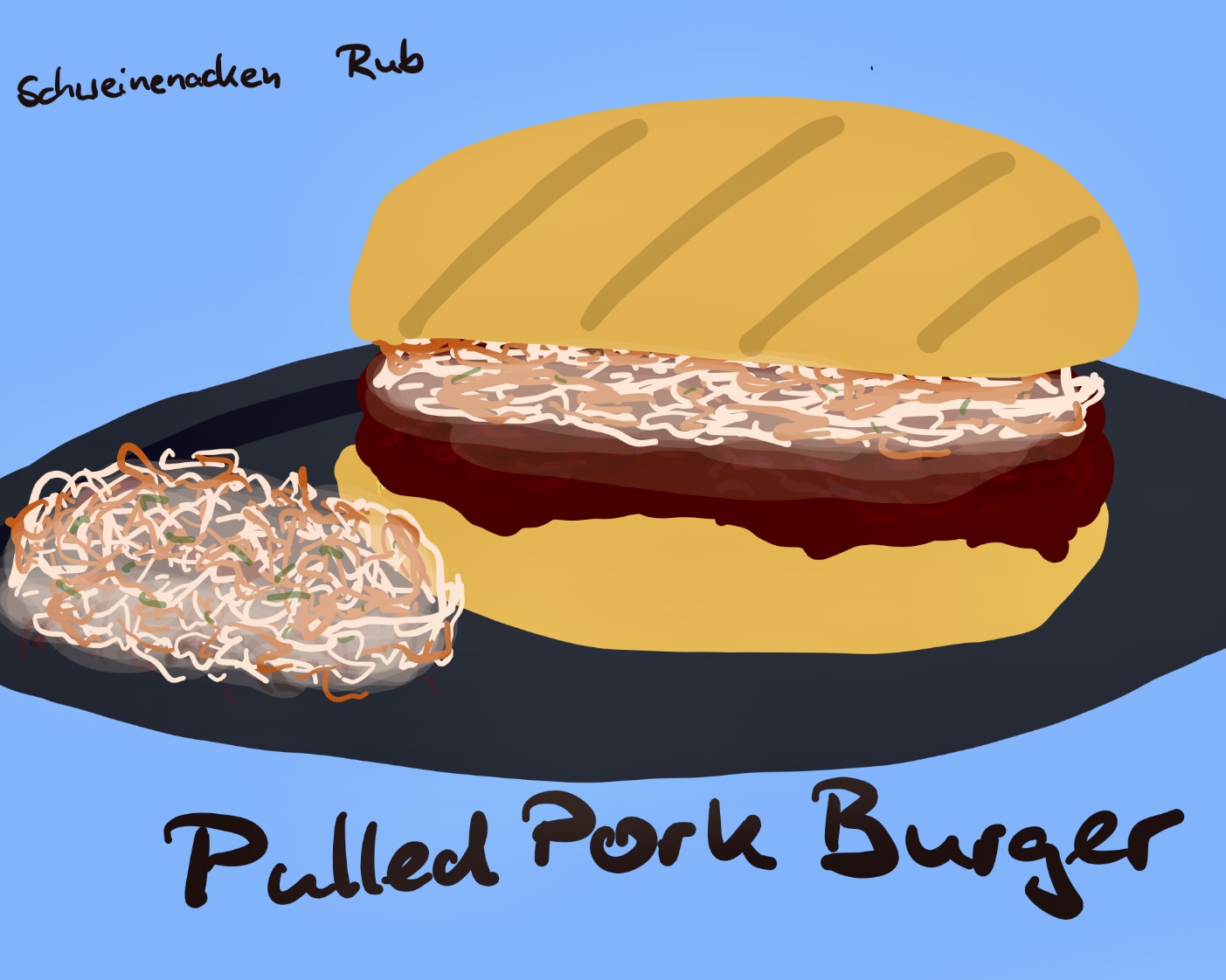
Pulled Pork Burger
Enjoy the irresistible taste of pulled pork topped with tangy barbecue sauce.

Beef Brisket Burger
Savor a delicious burger made with juicy beef brisket, a treat for BBQ enthusiasts.
Philly Cheesesteak Burger
Indulge in the cheesy and savory taste of this classic Philly Cheesesteak Burger.
Bun Bao Burger
Create a flavorful fusion with our Bun Bao Burger recipes. Perfect for a unique meal experience.
Gua Bao Burger
Taste the delightful fusion of Asian flavors in the soft and fluffy Gua Bao Burger.
Korea Burger
Enjoy the bold flavors of a Korea-inspired burger with spicy and savory notes.