
Cream of Asparagus Soup Recipe – Velvety, Spring-Fresh & Elegant
Ingredients 🧂🥕
- White Asparagus18 oz
- White Wine0.5 fl oz
- Lemons0.1 pcs
- Sour Cream2 oz
- Eggs1 pcs
- Cooked Ham50 oz
- Cooked Ham1.77 oz
- Sugar0.2 oz
- Butter1.4 oz
- Bread Flour1.4 oz
- Salt0.1 oz
- Pepper black0.1 oz
Directions 👩🍳
Tap the map & cook step-by-step
Step-by-step:
- Cook asparagus: Cook asparagus until tender; reserve a little for garnish.
Show all steps...
- Sauté base: Sauté onion in butter, then add broth.
- Simmer: Add asparagus and simmer a few minutes to combine flavors.
- Blend: Blend until smooth; stir in cream.
- Season and serve: Season with salt, pepper, lemon; garnish and serve.
Asparagus Cream Soup: silky, bright, and full of real asparagus flavor
Asparagus cream soup is spring comfort food: smooth, elegant, and surprisingly light when done right. The goal is real asparagus flavor—not a bowl that tastes mostly like cream. That comes down to a strong asparagus base, smart moisture control, and a clean finish with acid, pepper, and optional crunch. Serve it as a starter for guests, a quick dinner, or a meal-prep lunch you’ll actually look forward to.
Why asparagus cream soup works so well
- Pure spring aroma: Asparagus brings a delicate, slightly nutty, “special occasion” flavor.
- Naturally silky: Blended asparagus plus a good base creates velvety texture.
- Elegant but doable: Simple ingredients, clear technique, big payoff.
- Easy to customize: Lemon, herbs, ham, salmon, or vegan swaps all work beautifully.
- Great for hosting: You can prep the base and finish right before serving.
High-value tips: How to make asparagus cream soup really good
- Use the peels: Simmer peels and woody ends to make an asparagus stock. This boosts flavor without using extra spears.
- Gentle heat matters: Sweat onion/shallot over gentle heat. Browning can add bitterness and drown out asparagus.
- Moisture control: Asparagus releases water. Start with less stock, blend, then thin gradually to a spoon-coating consistency.
- Watch the cook time: Cook asparagus just until tender. Overcooking flattens flavor and dulls color.
- Smart thickening: For body, simmer in a small potato or a little cauliflower. If using a roux, keep it light and minimal to avoid a “floury” taste.
- Add cream after blending: Stir in cream/crème fraîche once smooth and warm gently—avoid boiling for the best texture.
- Finish with acid: Lemon juice or a touch of white wine vinegar brightens and makes asparagus taste more “alive.”
Variations & alternatives
- White vs green asparagus: White is classic and mild; green is bolder and often needs less peeling.
- With ham: Crispy ham strips on top (season carefully—ham adds salt).
- With salmon: Smoked salmon or gently cooked salmon turns it into a luxe bowl.
- Vegan asparagus cream soup: Use plant cream or cashew butter; boost umami with a small amount of miso (go easy) or roasted mushrooms as a topping.
- Lemon-herb: Dill, chervil, or chives plus lemon zest for extra freshness.
- Low-carb: Skip potato and use cauliflower for body.
Serving ideas / pairings
- Classic: Crème fraîche swirl + chives + black pepper.
- Crunch: Croutons, toasted almonds, or crispy onions.
- Elegant: Lemon zest, good olive oil, and a few asparagus tips on top.
- Savory: Ham “chips” or Parmesan shavings.
- On the side: Baguette, sourdough, or a simple spring salad.
Storage, meal prep & reheating
Asparagus cream soup keeps for about 2–3 days in the fridge. It thickens as it sits, so loosen with a splash of stock or water when reheating. Warm over medium heat, stirring regularly; if it contains dairy, avoid boiling. Freezing works best without cream—freeze the base, thaw, blend briefly, then add cream/crème fraîche to finish. Always add fresh herbs and acid at the end.
FAQ
Why doesn’t my soup taste like asparagus?
You likely need a stronger asparagus base. Simmer peels/ends for stock, keep cream moderate, and finish with acid.
How do I prevent bitterness?
Don’t brown the onions and don’t overcook asparagus. A little lemon or vinegar at the end helps balance, too.
My soup is stringy—how do I fix it?
Cook asparagus until very tender, blend thoroughly, and strain if needed. Peel white asparagus well.
Can I make it a day ahead?
Yes—make the base ahead, then reheat and add cream, herbs, and acid right before serving.
Which asparagus is best for soup?
White asparagus is classic and mild; green is more aromatic. Both work—what matters is a flavorful base.
Best Soups Recipes to Try at Home

Chicken Soup
Make flavorful chicken soup with tender chicken, vegetables and clear broth—tips for rich taste, less grease, plus storage and meal-prep ideas.
White Bean Soup
White bean soup built on cannellini, garlic and rosemary. Extra body from olive oil and parmesan rind, bright lemon finish. Easy to batch-cook and freeze.
Gazpacho
Gazpacho recipe: chilled Andalusian tomato soup with cucumber, pepper and olive oil—ripe produce, blender method, quick-chill tricks, toppings and make-ahead for heatwaves.
Goulash Soup
Goulash soup recipe: beef, sweet paprika, onions and potatoes—proper browning, deglazing, simmer times, heat control and next-day flavor; freezer-friendly for easy weeknights.

Italian Tomato Soup
Tomato soup recipe: silky, oven-roasted tomatoes with balanced acidity—stock or cream options, basil-oil swirl, grilled-cheese pairing, batch cooking and freezer tips for anytime comfort.
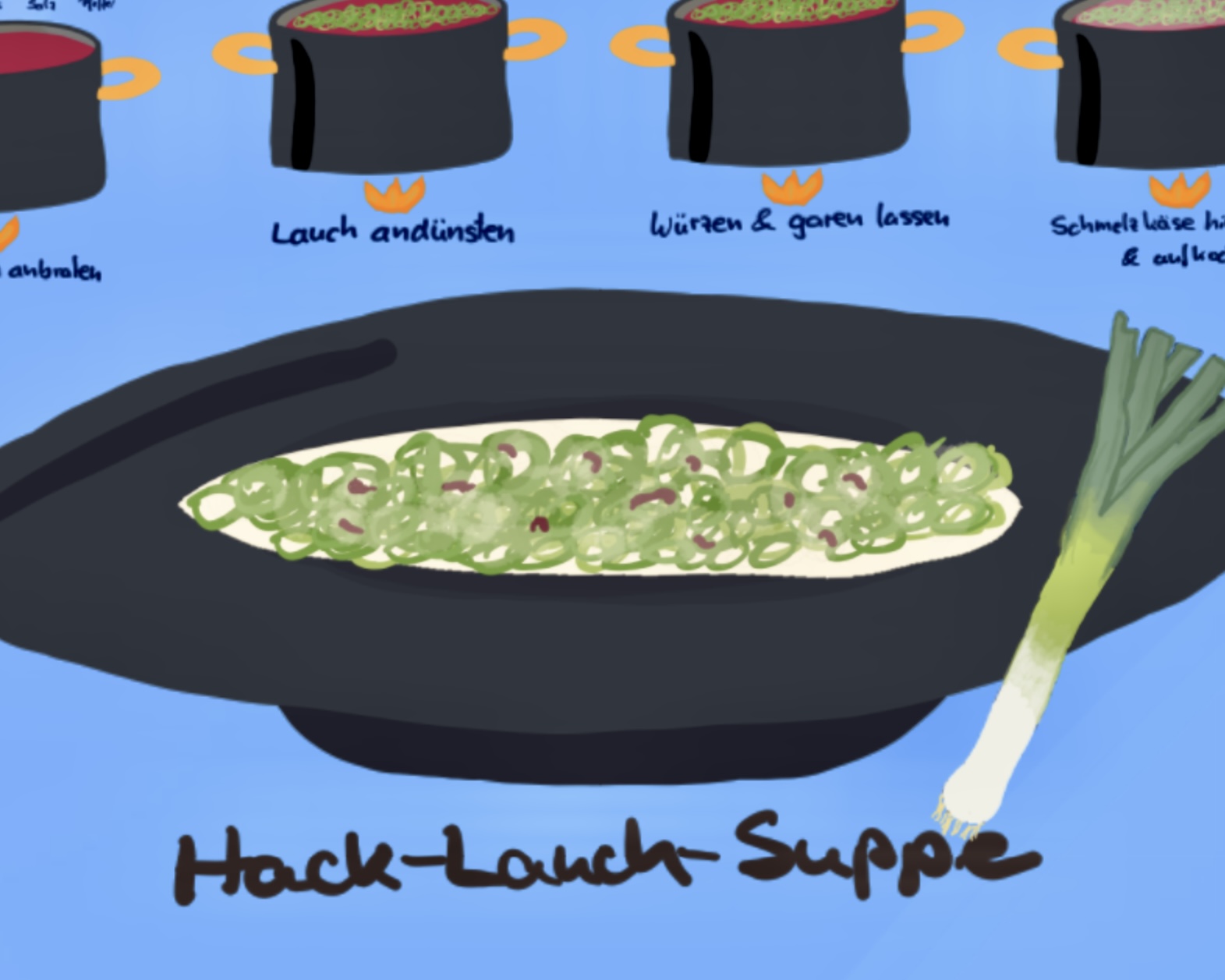
Cheese leek soup with mince
Cheese & leek soup recipe with sautéed leeks, broth and melting cheese—silky texture, optional potatoes or ground meat, easy thickening, make-ahead and reheating tips.

Hokkaido Pumpkin Soup
Hokkaido (red kuri) pumpkin soup—no peeling needed. Roasted flavor, ginger or curry options, coconut milk or cream; smooth blend, freezer-friendly for cozy bowls.

Green Bean Soup
Green bean soup with tender beans and potatoes in savory broth—bean doneness cues, optional bacon, dill or vinegar finish; meal-prep friendly, balanced and bright.

Potato soup
Potato soup recipe: creamy potatoes, onion and broth—chunky or smooth, bacon optional, perfect thickness, toppings, make-ahead and freezer tips for cozy bowls.
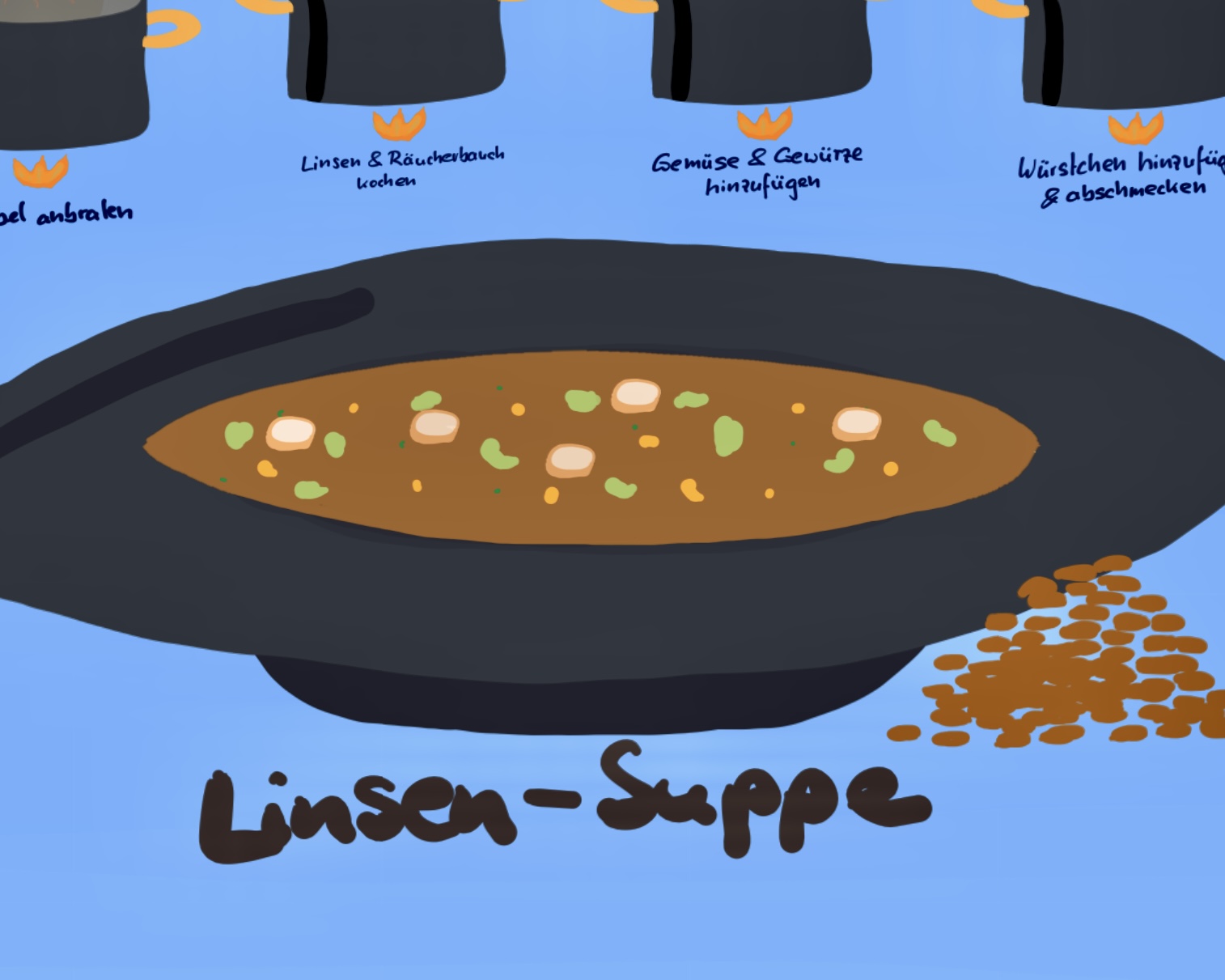
Lentil soup
Lentil soup recipe: red or brown lentils with aromatics—proper simmer, acidity for brightness, veggies or sausage options; meal-prep friendly and freezer smart.
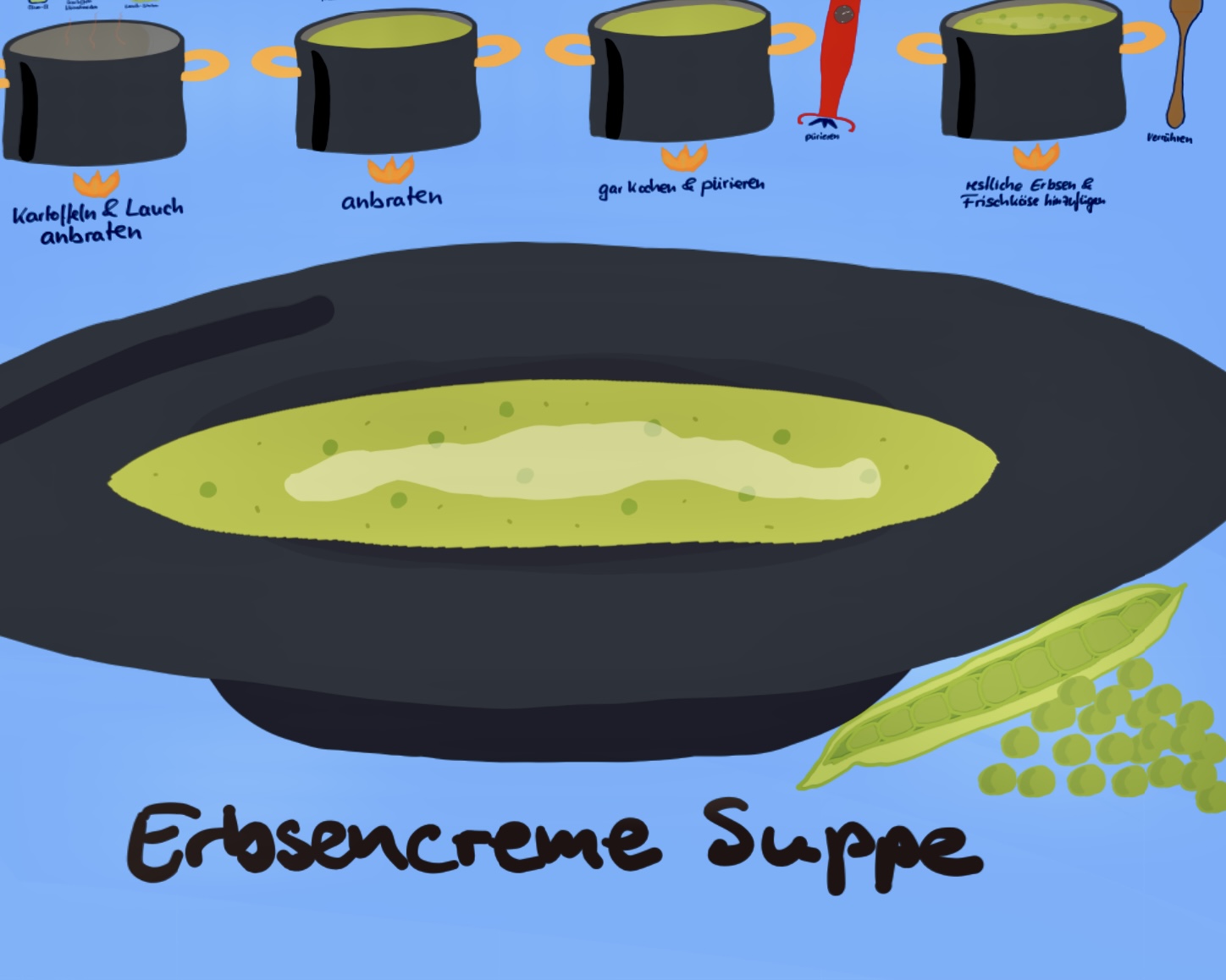
Pea Soup with herb cream cheese
Cream of pea soup: sweet peas blended silky-smooth—mint or dill options, stock or cream, garnish ideas; quick, vibrant, and freezer-friendly.
Pea Soup
Classic pea soup with dried split peas simmered to creamy comfort—ham or bacon optional, soak vs no-soak methods, texture control, bright acidity finish; reheats well, freezer-friendly.
Cauliflower Cream Soup
Cauliflower gently simmered then blended smooth; cream or dairy-free options, nutmeg and lemon, toasted crumbs for texture; make-ahead friendly and easy to reheat without splitting.
Red lentil soup with coconut milk
Quick red lentil soup with coconut milk, tomato and curry/ginger—one-pot, protein-rich, brightened with lime; freezer-friendly and ideal for weeknights.
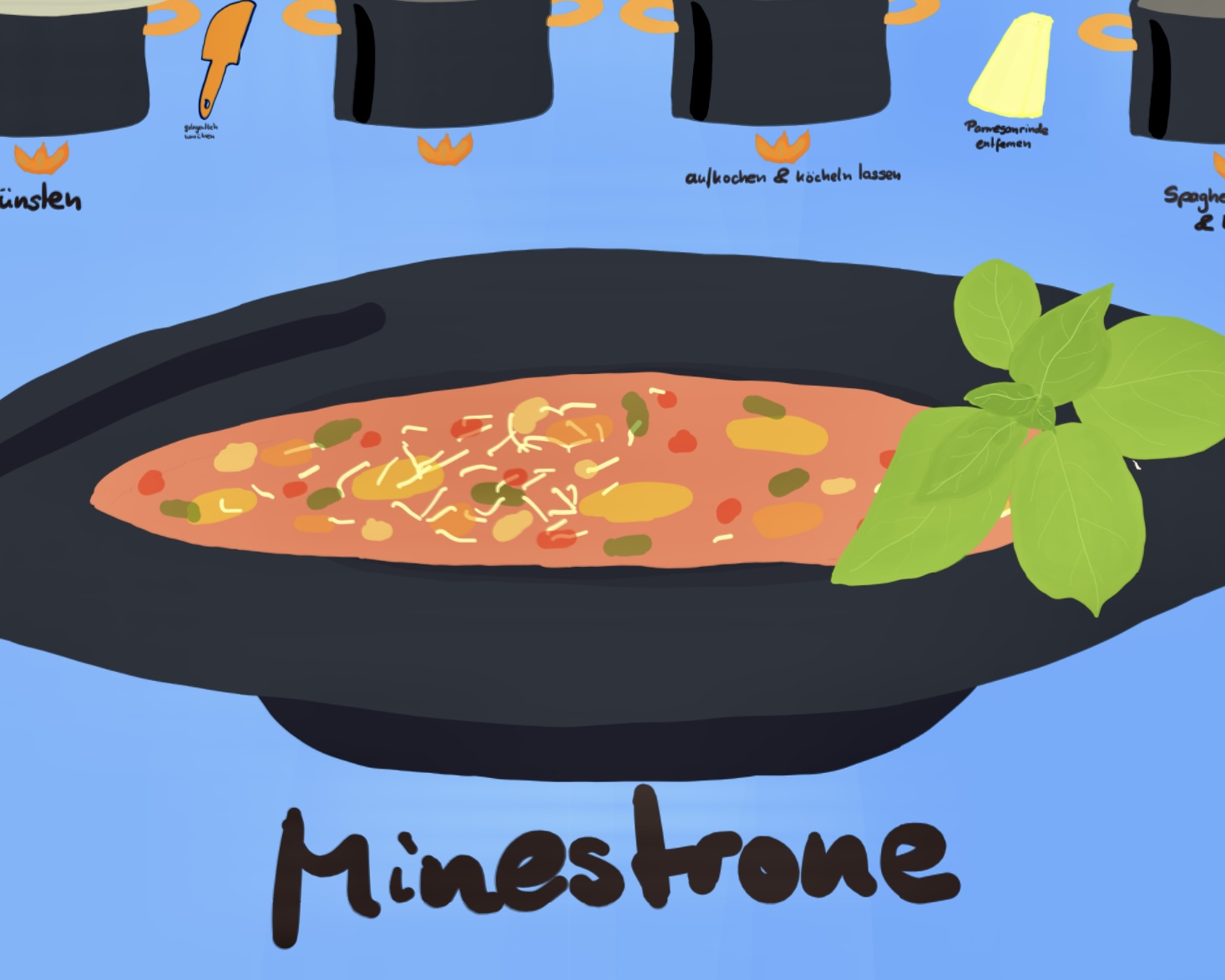
Minestrone
Hearty minestrone loaded with seasonal veg and beans—proper soffritto, pasta timing, parmesan rind umami, batch-cooking and freezer-friendly portions.
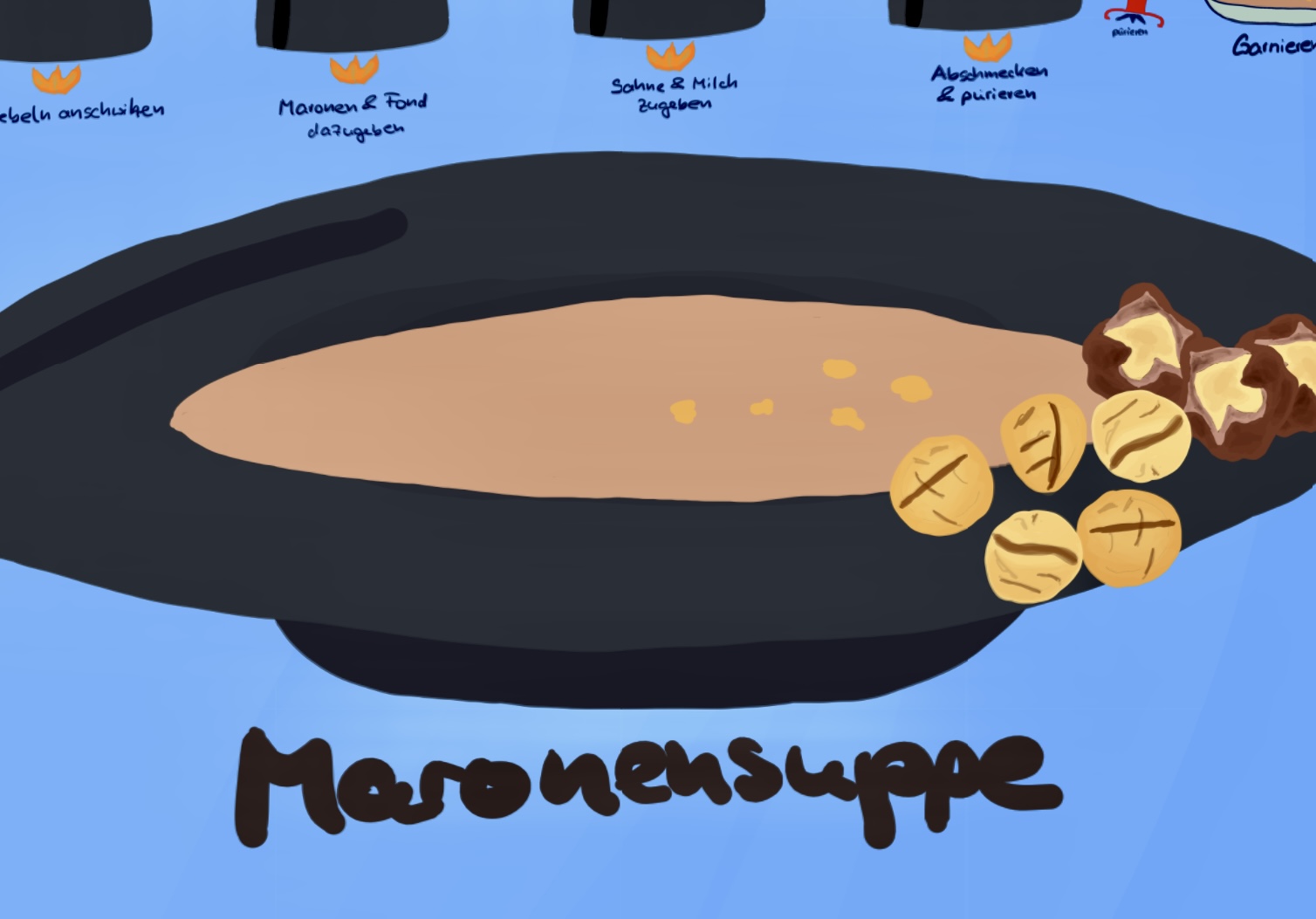
Chestnut Soup
Creamy chestnut soup with roasted chestnuts and aromatics—velvety texture, optional apple or celery, cream or dairy-free; elegant starter for holidays, reheats well.
Cream of Champignon Soup
Mushroom soup with deeply sautéed champignons and thyme—pan browning for umami, stock or cream options, smooth blend, gentle reheat, toasted croutons to serve.
Bouillabaisse
Fish soup with vegetables and white wine—build flavor with fish stock, gentle simmer to keep flakes tender; saffron optional, aioli or herbs to finish.
Red beet soup with horseradish
Beet soup with roasted beets for concentrated flavor and color. Gentle simmer, smooth blend, dill or chives to finish. Make-ahead friendly and great for freezing.
Cassoulet
French cassoulet with white beans, pork and sausage—overnight soak, oven timings, confit richness and a shattering breadcrumb crust; hearty, make-ahead friendly.
Celeriac soup
Creamy celery or celeriac soup with onion and potato. Gentle simmer, smooth blend, garnish with herbs or croutons. Make-ahead friendly and reheats without splitting.
Soljanka
Soljanka recipe: hearty, tangy soup with mixed meats, paprika and pickles—slow sauté for depth, tomato base, lemon and sour cream finish; better next day, freezer-friendly.
Miso Suppe
Classic miso soup in minutes: aromatic umami broth with tofu, seaweed and spring onion. Simple tips for smooth miso—never boil after adding.
Ramen Soup
Make ramen soup with deep broth, springy noodles and smart toppings. Includes shoyu & miso options, jammy eggs, and no-soggy noodle tips.