
Greek Salad Recipe – Horiatiki with Feta, Olives & Oregano
Directions 👩🍳
Tap the map & cook step-by-step
Step-by-step:
- Chop vegetables: Cut tomatoes, cucumber, and bell pepper into bite-size pieces.
Show all steps...
- Add olives and feta: Add olives and feta cubes or a feta slab on top.
- Make dressing: Whisk olive oil, lemon juice or red wine vinegar, oregano, salt, pepper.
- Combine: Toss gently so the feta stays mostly intact.
- Serve: Serve immediately with extra oregano if desired.
Greek Salad: fresh, Mediterranean, and full of crisp, briny flavor

Greek salad is one of the purest examples of how a few fresh ingredients can create a dish that feels bright, satisfying, and instantly transportive. Crisp vegetables, briny olives, creamy feta, and a simple olive oil dressing with lemon or vinegar come together in a salad that tastes clean, juicy, and deeply Mediterranean. It is perfect for warm-weather lunches, quick dinners, sharing platters, or as a refreshing side for grilled dishes. A really good Greek salad should feel crisp and lively, never watery, overdressed, or weighed down by too many extras.
Why Greek salad works so well
- Big flavor from simple ingredients: Tomatoes, cucumber, peppers, olives, feta, and oregano already create a complete and balanced salad.
- Perfect Mediterranean contrast: Juicy vegetables, salty olives, and creamy feta keep every bite fresh and interesting.
- Naturally light but satisfying: Greek salad feels refreshing, but the feta and olives give it enough substance to feel complete.
- Fast and practical: It comes together quickly, which makes it ideal for everyday meals and last-minute guests.
- Very versatile: It works as a starter, a side dish, a light lunch, or part of a larger mezze-style spread.
High-Value Tips: How to make Greek salad really good
- Use ripe, flavorful tomatoes: Tomatoes are the backbone of the salad. If they are bland, the whole bowl will feel flatter and less vibrant.
- Cut the vegetables into generous bite-size pieces: Greek salad should feel rustic and juicy, not finely chopped like a delicate herb salad.
- Keep the cucumber crisp: Fresh cucumber adds cooling crunch, so avoid cutting it too far in advance if you want the best texture.
- Use good olives and feta: Since the ingredient list is short, quality matters. Briny olives and creamy feta give the salad most of its savory depth.
- Balance the dressing carefully: Olive oil should round out the salad, while lemon juice or red wine vinegar should brighten it without making it too sharp.
- Moisture control matters: Tomatoes and cucumber release liquid quickly, so dress the salad shortly before serving to keep it fresh rather than watery.
- Season clearly: Salt, pepper, and oregano should all be noticeable. Fresh vegetables need confident seasoning to taste complete.
- Toss gently: You want the ingredients coated, but the feta should stay mostly intact rather than disappearing into the dressing.
- Do not overload the salad: Greek salad is strongest when it stays simple and lets the core Mediterranean ingredients shine.
Variations & alternatives
- Classic Greek salad: Tomatoes, cucumber, bell pepper, olives, feta, and oregano with a simple olive oil dressing.
- With red onion: Adds a sharper bite and more depth if you want a stronger savory edge.
- With capers: Brings even more briny intensity and Mediterranean character.
- Lighter version: Use a slightly leaner dressing and keep the vegetables especially crisp and fresh.
- Herb-forward version: Add a little parsley or fresh mint for extra lift while keeping the Greek salad identity intact.
- More substantial plate: Serve it with bread, grilled chicken, or chickpeas if you want to turn it into more of a main meal.
Serving ideas / pairings
- Fresh starter: Serve Greek salad before grilled fish, chicken, or simple Mediterranean mains.
- BBQ side dish: It pairs especially well with grilled meats, skewers, or smoky vegetables because of its freshness.
- Light lunch: Add crusty bread or pita to make it a simple, satisfying midday meal.
- Mezze-style table: Greek salad fits beautifully with hummus, dips, olives, and warm flatbread.
- Summer plate: It works especially well on warm days when you want something crisp, salty, and cooling.
Storage, Meal-Prep & Reheating
Greek salad is best assembled close to serving time because tomatoes and cucumber release moisture quickly and can dilute the dressing. For meal prep, keep the chopped vegetables, feta, olives, and dressing separate, then combine everything shortly before eating. If the salad needs to sit briefly, toss it gently and serve it soon so the vegetables stay crisp and the feta keeps its texture. Reheating is not appropriate here, since Greek salad should be served fresh, cool, and lively.
FAQ
Why is my Greek salad watery?
Usually because the vegetables released too much juice after salting or the dressing was added too early.
What makes a Greek salad taste really good?
Ripe tomatoes, crisp cucumber, good feta, briny olives, proper seasoning, and a balanced olive oil dressing make the biggest difference.
Should feta be mixed in or served on top?
Both work, but keeping it mostly on top or folding it in gently helps it stay creamy and distinct.
Can I make Greek salad ahead?
You can prep the ingredients ahead, but it is best tossed shortly before serving.
What goes best with Greek salad?
Grilled meats, fish, pita, flatbreads, hummus, and other Mediterranean-style dishes all pair especially well.
Best Salad Recipes to Try at Home

Yummy Salads
Enjoy a variety of fresh and vibrant salad recipes for every meal.
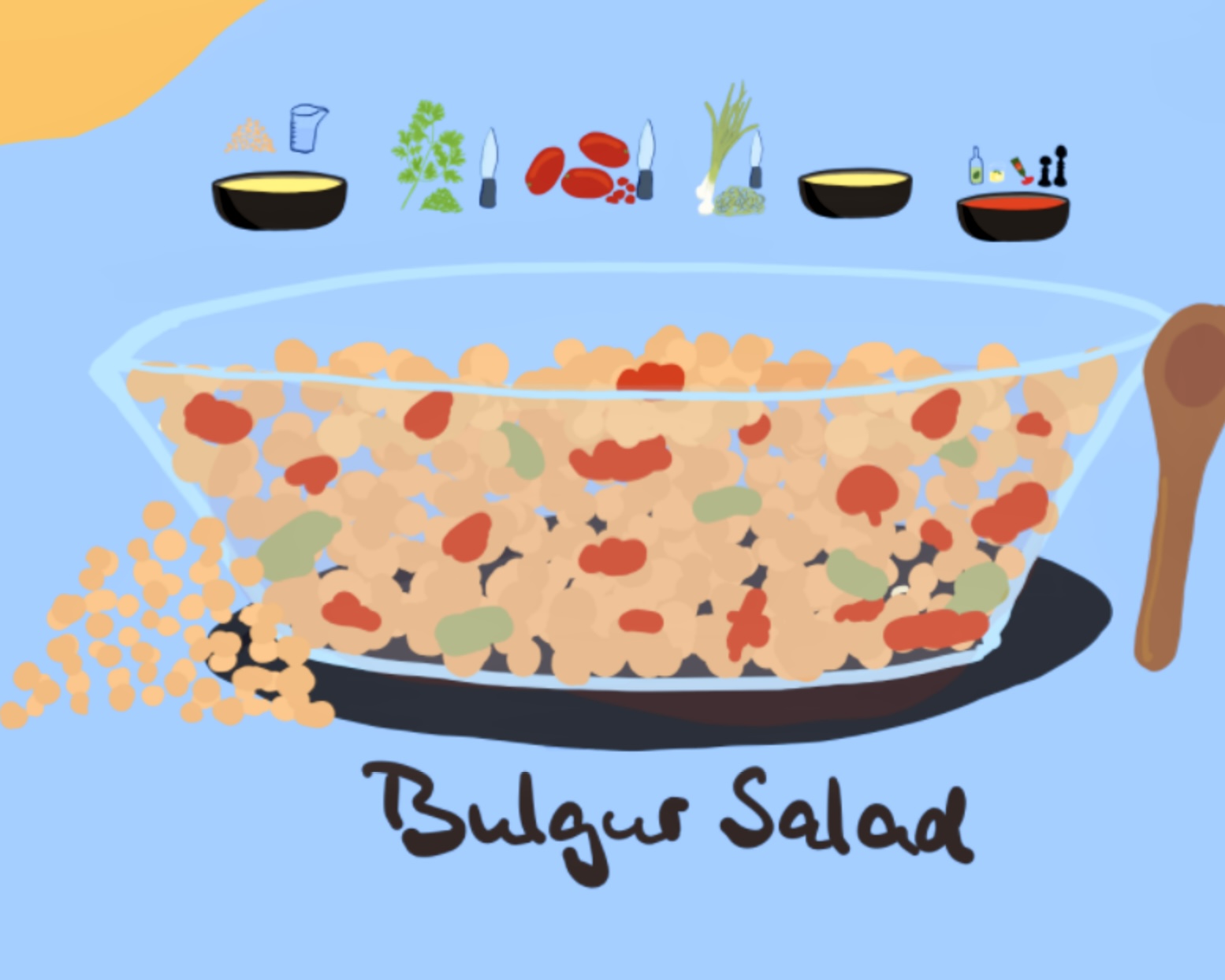
Bulgur Salad
Bulgur salad packed with parsley, tomato, cucumber and scallions—bright lemon dressing and olive oil; make-ahead friendly, great for picnics and quick lunches.

Couscous salad
Light, fluffy couscous with crunchy veg, herbs and feta—bright lemon-olive oil dressing; fast, portable and perfect for potlucks, picnics or meal prep.
Chickpea salad
Hearty chickpea salad with crisp veg and herbs in a lemon-garlic dressing—meal-prep friendly, delicious solo or with grains; add feta or tahini for extra richness.
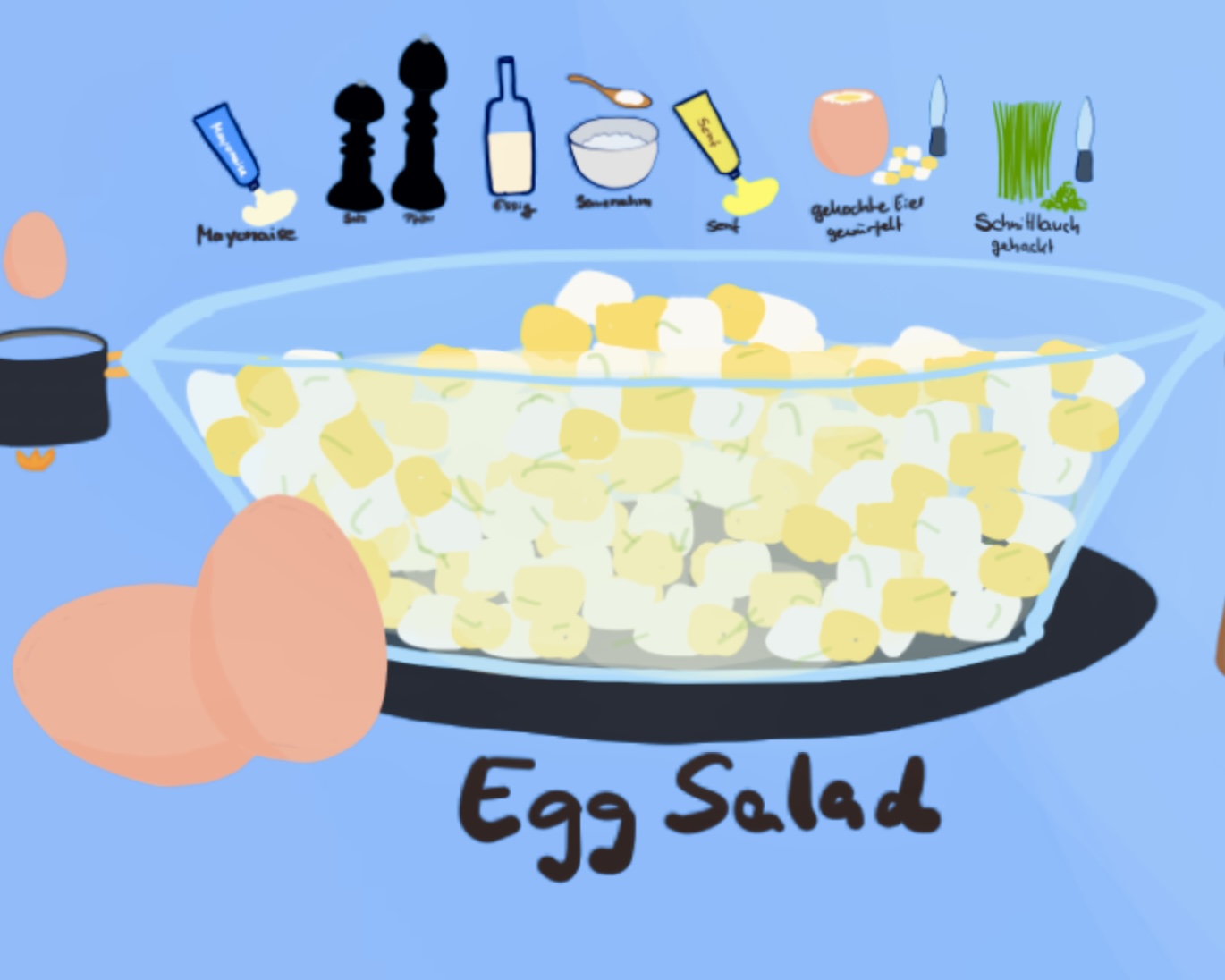
Egg Salad
Classic egg salad with mayo, mustard and herbs—texture control, celery or pickles for crunch, chill to set; perfect for sandwiches, wraps or quick meal prep.
7 Layer salad
Layered salad of crisp veg, ham and cheese with creamy top—seal to prevent sogginess, chill to meld flavors; travels well for parties, BBQs and game day.
Italian noodle salad
Zesty Italian pasta salad—al dente pasta, tomatoes, olives, mozzarella; herb vinaigrette, chill to meld flavors, packable and meal-prep friendly for busy weeks.
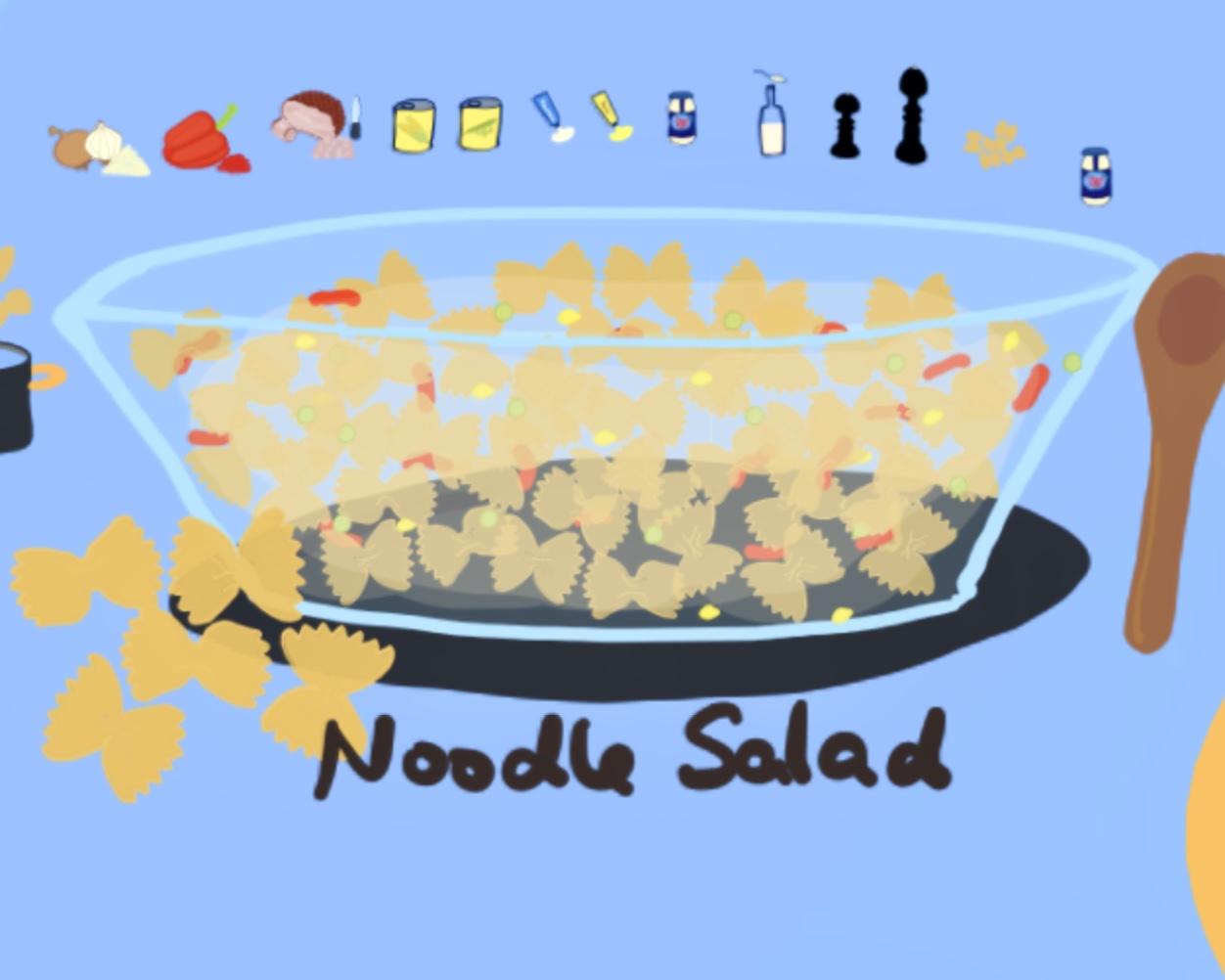
Noodle Salad
All-purpose noodle salad with crisp veg—creamy mayo or bright vinaigrette; seasoning tips, chill to meld flavors, travel-friendly for potlucks and busy weeks.
Asian glass noodle salad
Bouncy glass noodles with crisp veg and herbs—sesame-lime soy dressing, adjustable heat; fast to make, great chilled, add shrimp or tofu for a light main.
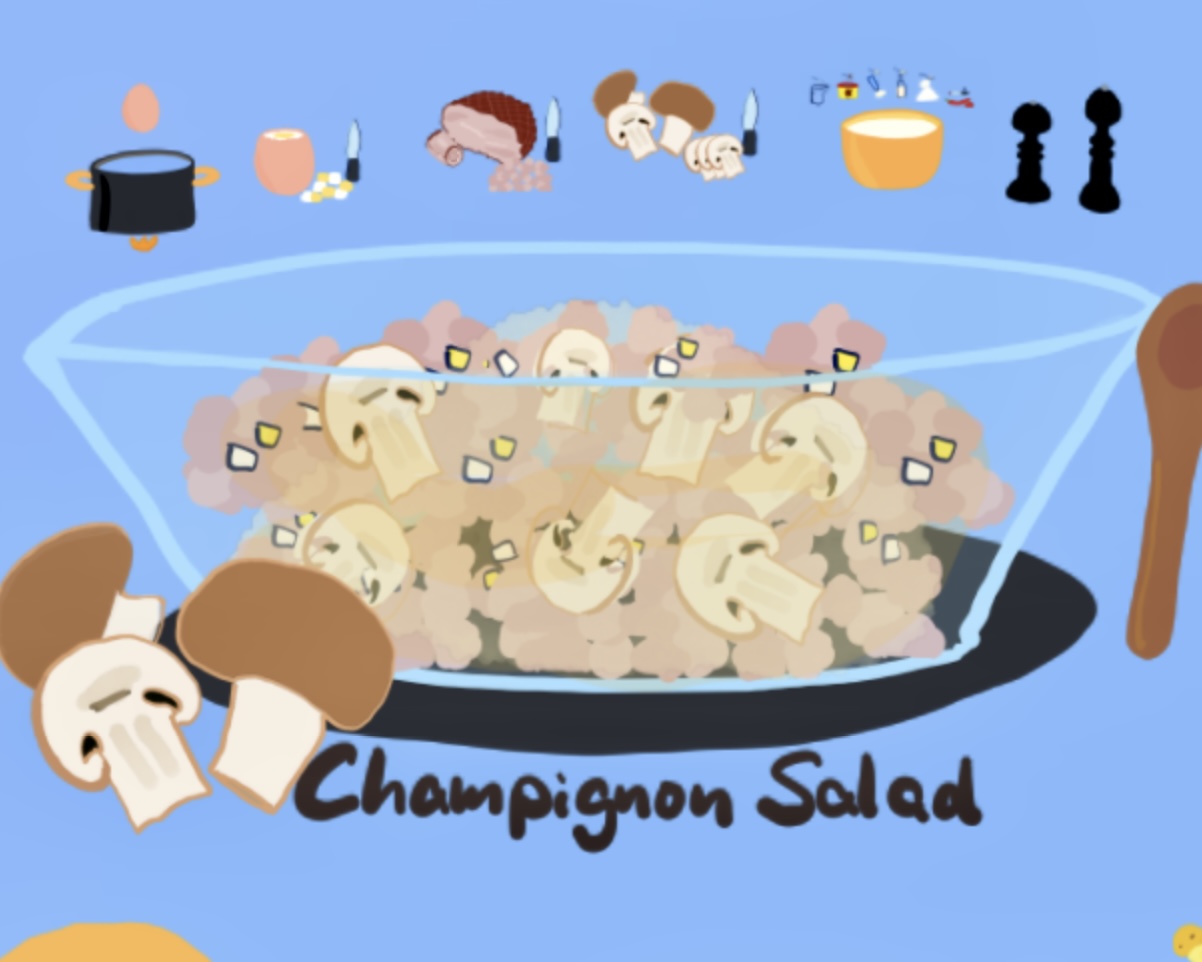
Champignon Salad
Sautéed champignons tossed with herbs, garlic and lemon—serve warm or chilled; flexible add-ins (greens, grains), meal-prep friendly for bowls and sandwiches.
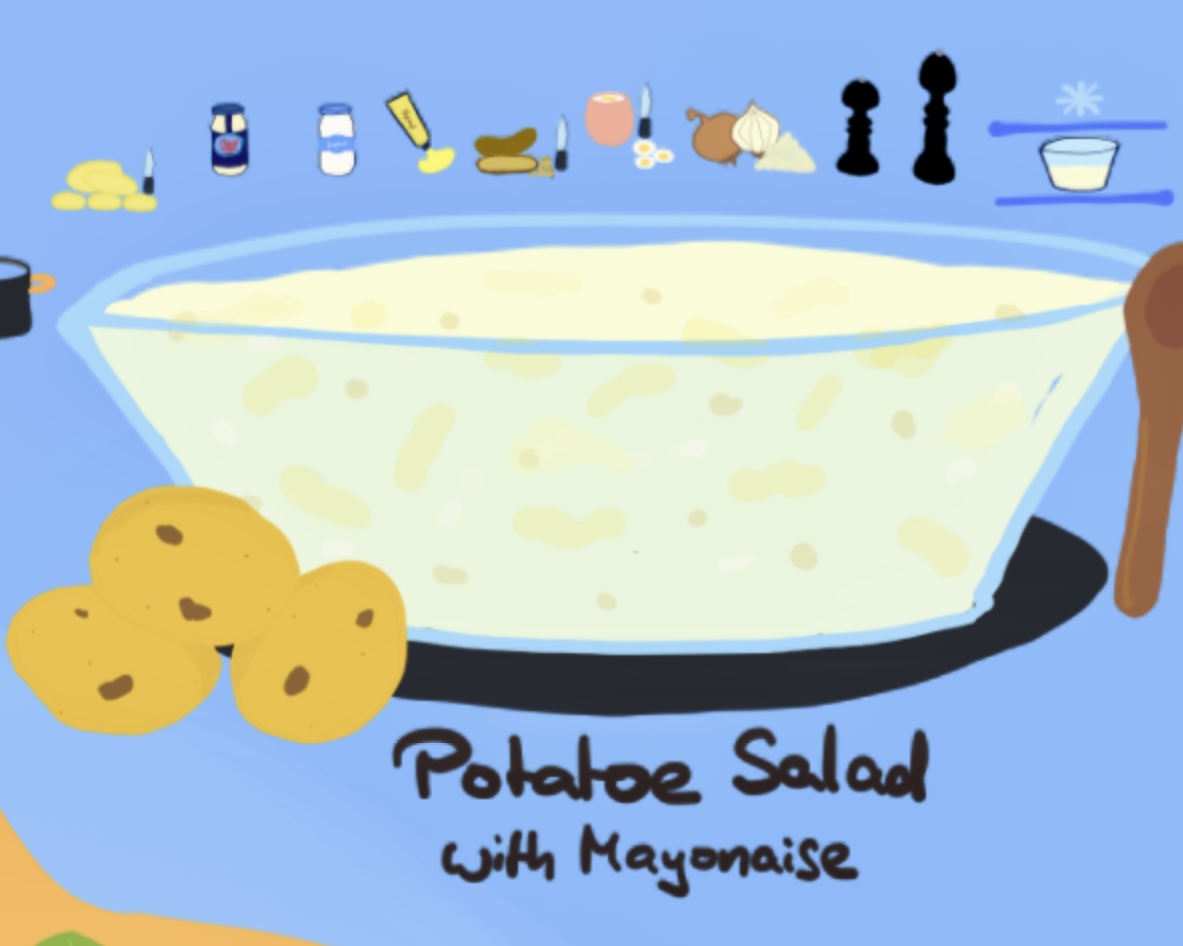
Potatoe Salad
Creamy potato salad with mayo-mustard dressing—salt-in-the-water method, fork-tender texture, celery or pickles for bite; chill well for sandwiches, BBQs and meal prep.
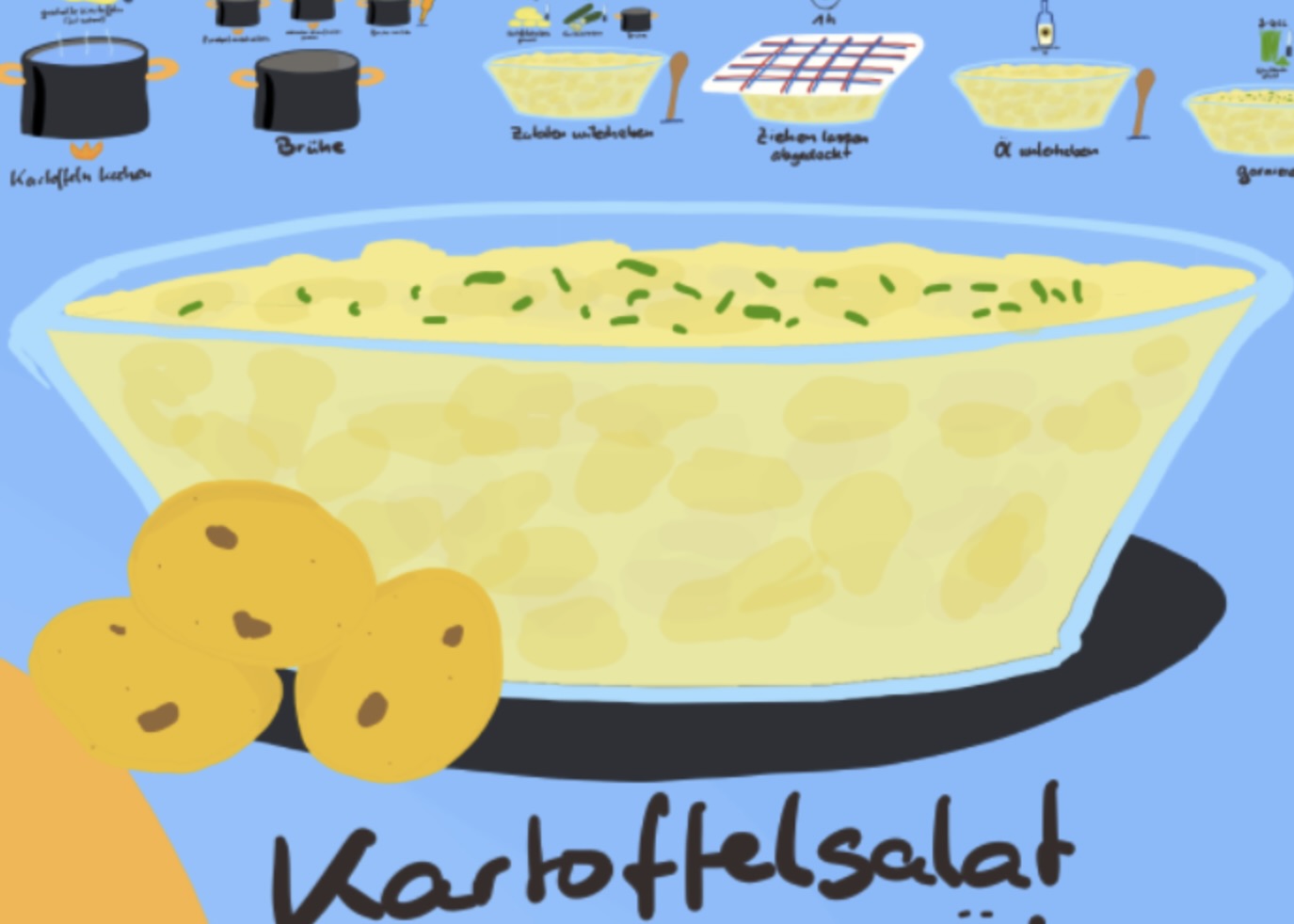
Potato Salad with vinegar & oil
Warm potato salad tossed in savory broth-vinegar with bacon and onions—waxy potatoes, gentle toss to avoid breaking; great side for schnitzel, sausages or BBQ.
Sweet potato & black bean salad
Roasted sweet potatoes with feta and herbs in a honey-lime vinaigrette—nutty crunch options, smart seasoning and make-ahead tips; crowd-pleasing side for any spread.
Rocket salad with pomegranate
Bright arugula salad with pomegranate, feta and walnuts—balsamic-honey vinaigrette, meal-prep friendly; pairs with roast chicken, steak or salmon.
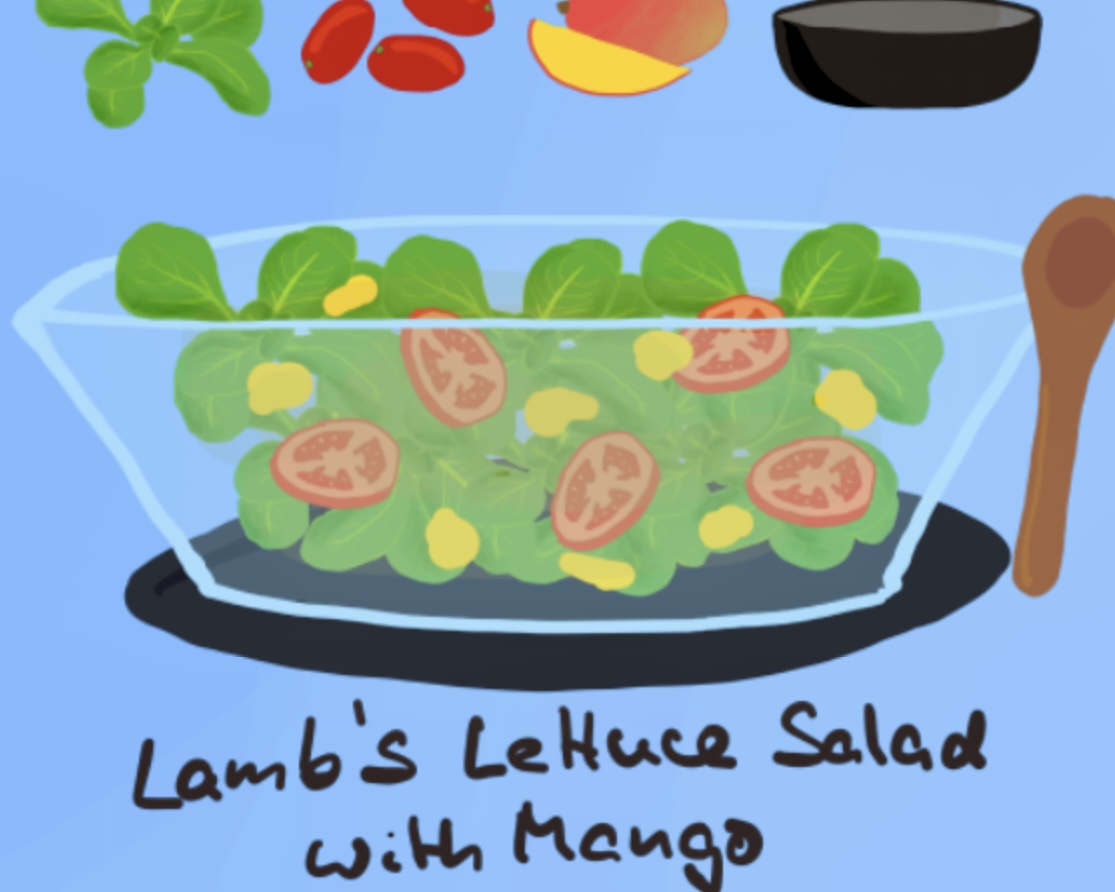
Lamb's Lettuce Salad with mango
Feldsalat with ripe mango, lime-chili vinaigrette and crunchy seeds—sweet-tart balance, 10-minute prep; crowd-pleasing side for tacos, fish or BBQ.
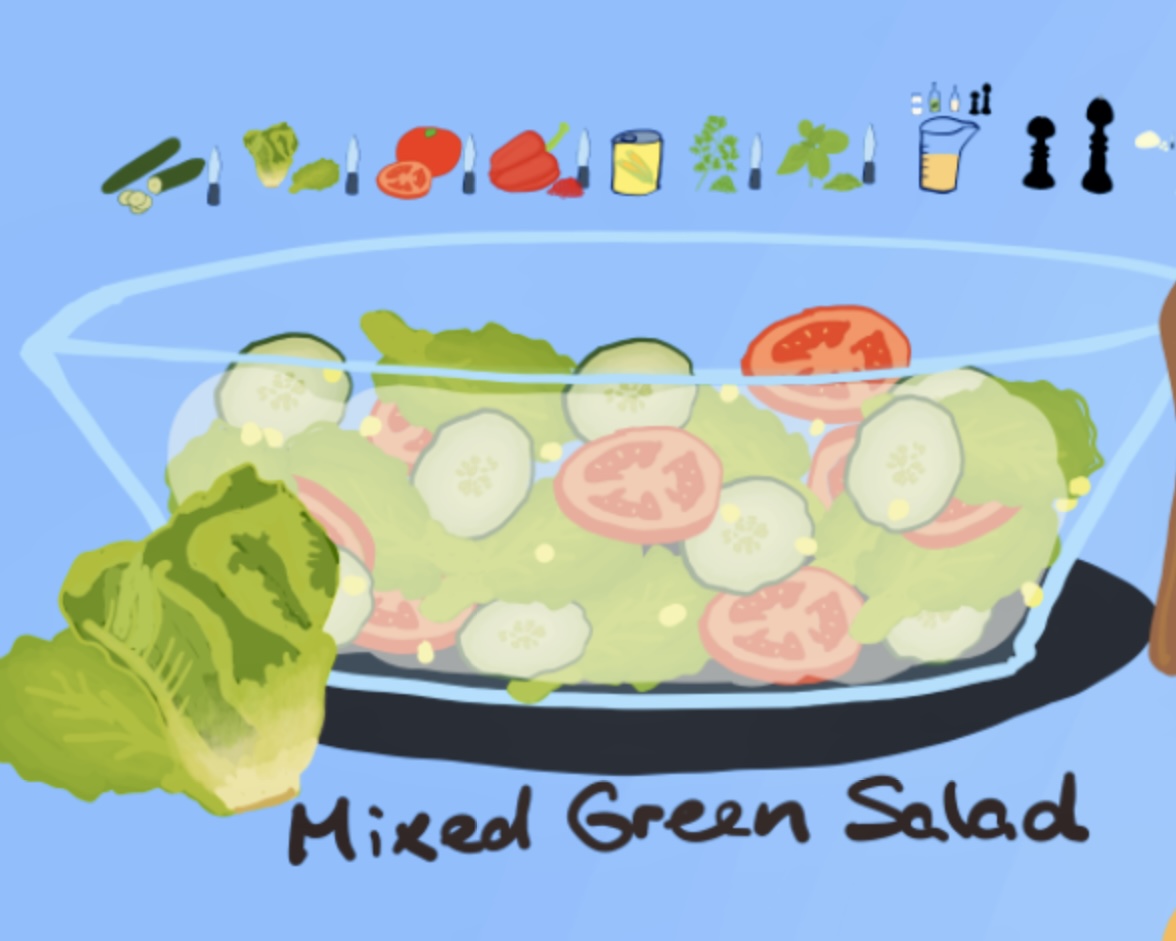
Mixed Green Salad
Crisp mixed greens with tomato and cucumber—balanced herb vinaigrette, texture and seasoning tips; a customizable base for bowls, weeknight sides or light mains.
Caesar Salad
Crisp romaine tossed in bold Caesar dressing with parmesan and croutons—anchovy/lemon balance, emulsify like a pro; meal-prep components keep everything crunchy.
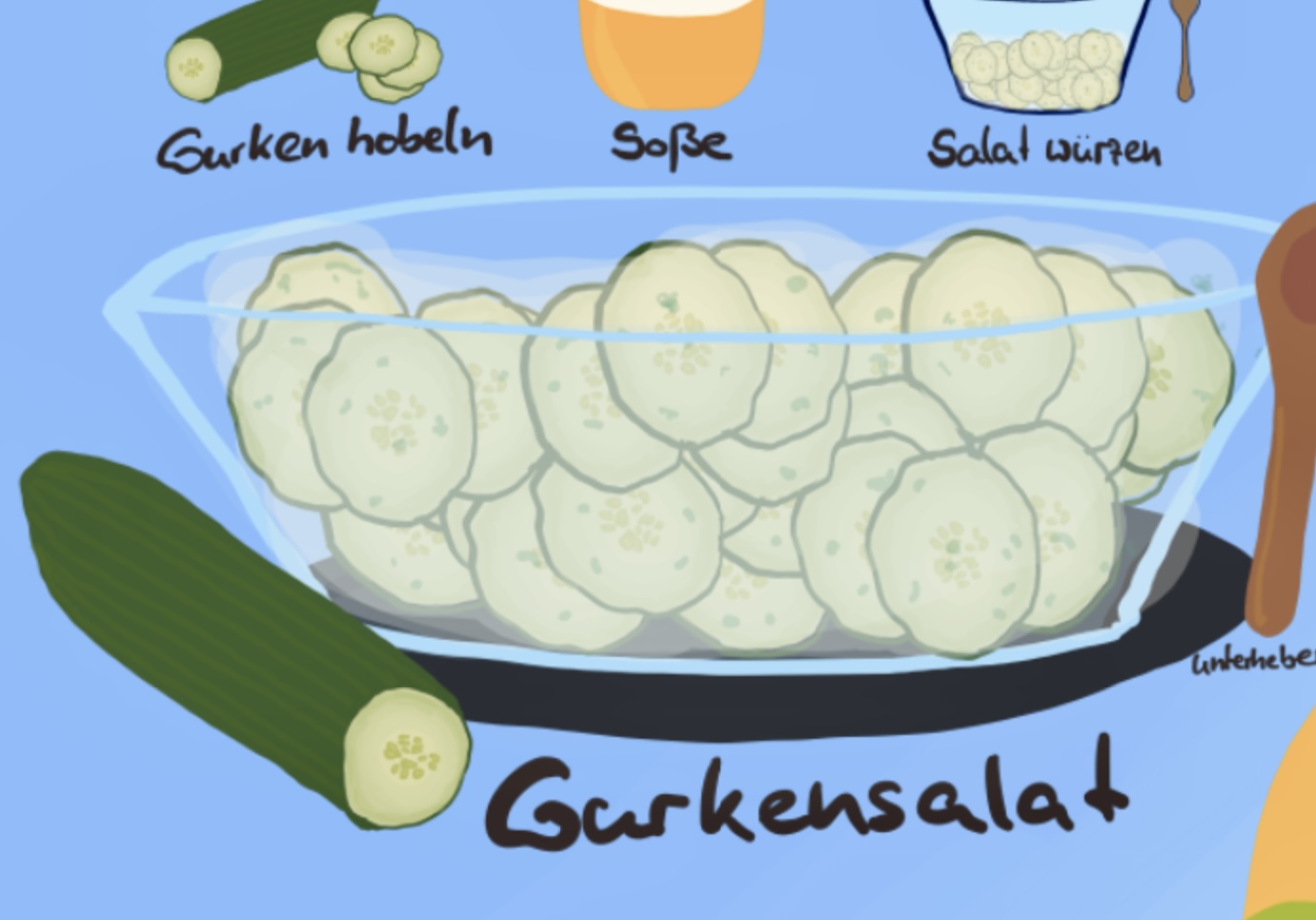
Cucumber Salad
Thin-sliced cucumbers with dill in vinegar or creamy dressing—salt first for snap, quick marinate, add onion if you like; summer-ready, great made ahead.
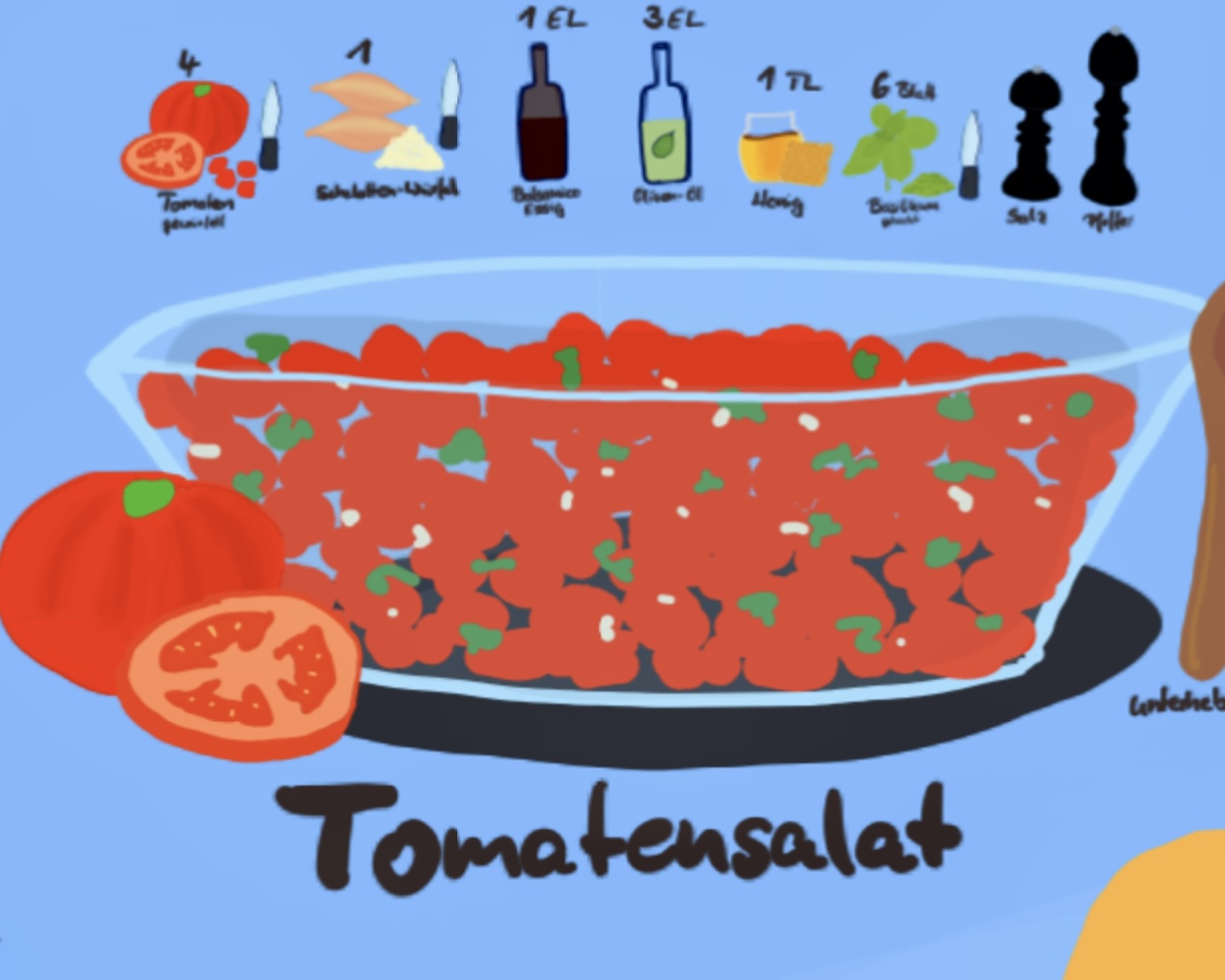
Tomato Salad
Juicy tomato salad with basil and quality olive oil—smart salting for best flavor, optional balsamic, onion or mozzarella; a summer side that shines with grilled mains.
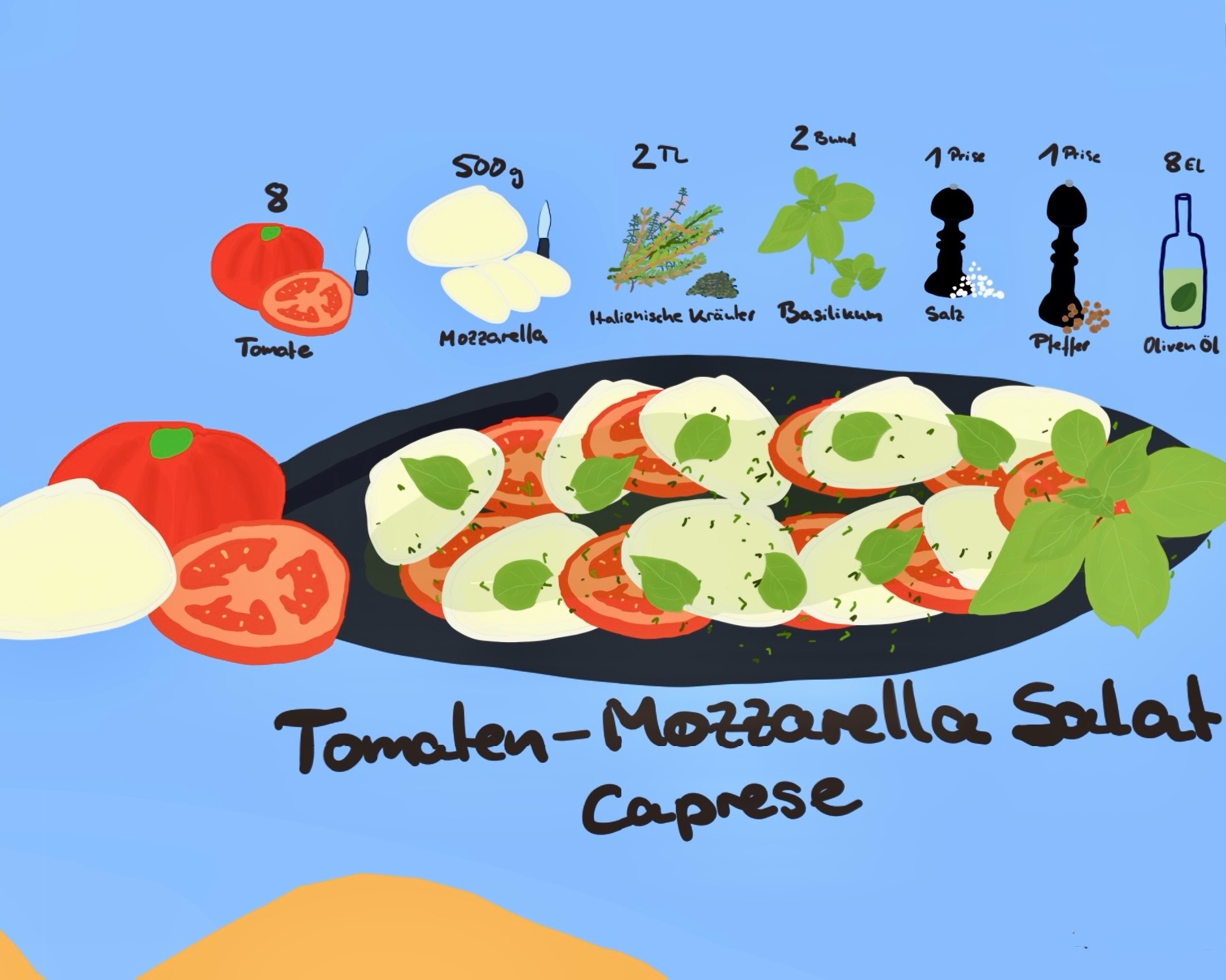
Tomato mozzarella salad
Caprese salad built on peak tomatoes and creamy mozzarella—basil, olive oil and a light balsamic finish; serve chilled, great with crusty bread or grilled meats.
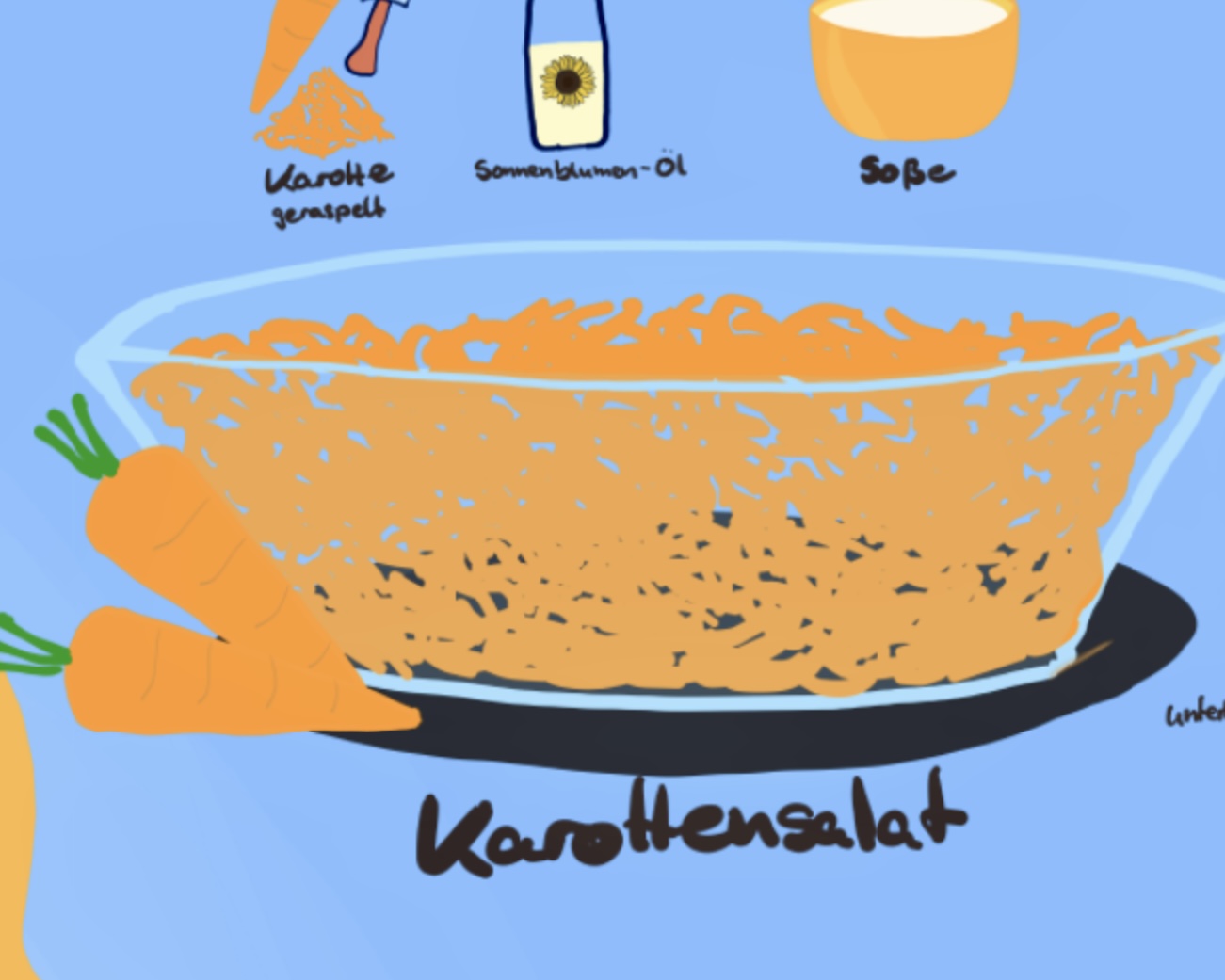
Carrot Salad
Shredded carrots tossed with lemon and a hint of honey—crunch from toasted seeds or nuts; optional apple/raisin; travels well for picnics and meal prep.
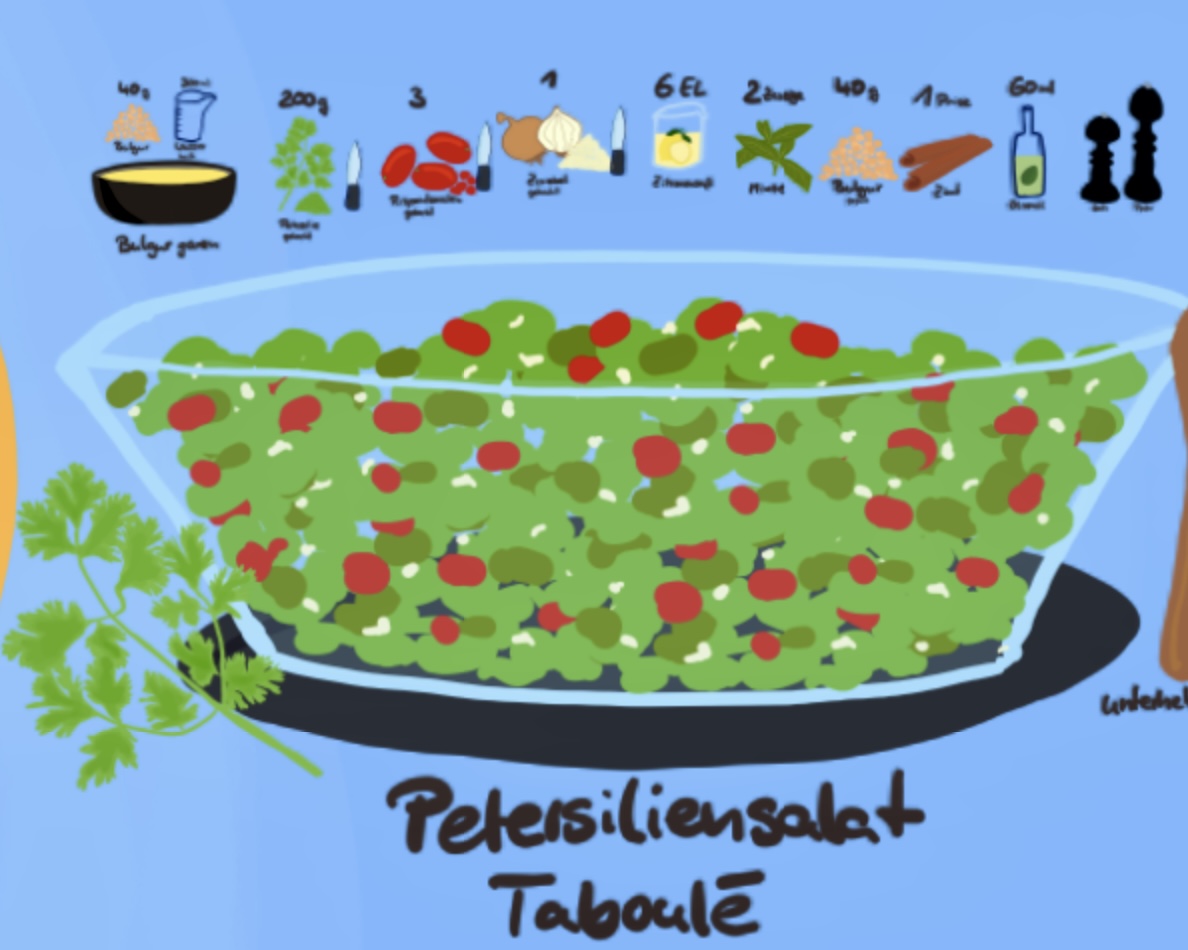
Tabbouleh
Herb-forward tabbouleh packed with parsley, tomato and scallion—lemon-olive oil dressing, fluffy bulgur; juicy, not soggy. Bright mezze or light, portable lunch.
Asparagus Salad
Tender asparagus dressed warm with mustard vinaigrette, eggs and herbs—proper blanch, shock, and season; a polished side for seafood, ham or brunch spreads.
Coleslaw
Shredded cabbage slaw with carrot—classic creamy or bright vinegar dressing; pre-salt for snap, adjust sweetness; picnic-proof side for fried chicken, pulled pork or fish.
Cabbage Salad
German-style cabbage salad: salt, knead and marinate for crunch—balanced vinegar-oil dressing with caraway; make-ahead side for schnitzel, sausages or BBQ.