
[Translate to EnglishUS:] Moist Bundt Cake Recipe
Tap the map & cook step-by-step
Ingredients 🧂🥕
 Butter9.9 oz
 Milk8.5 fl oz
 Eggs5 pcs
 All-Purpose Flour17.7 oz
 Sugar8.8 oz
 Vanilla Sugar0.3 oz
 Baking Powder0.3 oz
Step-by-step:
- Prepare the cake tin: Grease the Bundt tin thoroughly, including the grooves and centre tube, and prepare the oven. Refer to the illustrated recipe for the exact preparation details.
- Cream the butter: Beat the butter with sugar and vanilla sugar until pale and fluffy. Work in the eggs until the mixture is evenly combined.
- Finish the batter: Mix flour with baking powder and fold into the butter mixture with the milk. Stop mixing once the batter is uniform.
- Fill and bake: Transfer the batter to the tin and smooth the surface. Bake until risen and a skewer inserted into the centre comes out without wet batter.
- Unmould and cool: Let the cake become stable in the tin, turn it out carefully and cool before slicing.
The Bundt Cake: A Sculptural Delight for Any Occasion

Bundt cakes are not just desserts; they're centerpieces that bring a touch of elegance and a taste of tradition to any gathering. With their distinctive ring shape and intricate patterns, Bundt cakes are a favorite among baking enthusiasts and dessert lovers alike. This iconic cake owes its name and shape to the Bundt pan, which was popularized in the mid-20th century, transforming simple cake recipes into works of art.
The Rise to Fame
The Bundt cake began its rise to fame in the 1950s and 1960s, when the Bundt pan was introduced by Nordic Ware, a company founded by a determined husband for his enterprising wife. The pan, which features fluted and grooved sides, allows for more of the cake's surface to touch the pan, creating a delectably crisp outer crust that contrasts beautifully with the soft, moist interior that Bundt cakes are known for.
A Canvas for Creativity
One of the most appealing aspects of Bundt cakes is their versatility. The basic ingredients—flour, eggs, sugar, and butter—serve as a canvas that welcomes a variety of flavors, from the zest of citrus fruits to the richness of chocolate and spices. Not just limited to sweet variations, Bundt cakes can also take savory forms, incorporating ingredients like herbs, cheeses, and even vegetables.
The Beauty of the Bundt
Beyond their flavor, Bundt cakes are visually stunning. The pans themselves come in an array of designs, each lending a unique pattern to the cake’s exterior. When turned out of the pan, the cake reveals its ornate design, which is often enhanced with a dusting of powdered sugar or a drizzle of glaze that settles into the grooves, highlighting the intricate details.
More Than Just a Cake
Bundt cakes carry with them an air of celebration. They are often associated with gatherings, festivities, and family meals where they are served with pride as the dessert of choice. There’s a nostalgic quality to a Bundt cake, reminiscent of a time when recipes were passed down through generations and every cake told a story.
In Conclusion
The Bundt cake stands out not only for its aesthetic appeal but also for its ability to adapt and evolve with culinary trends. Whether it’s a simple vanilla cake or an elaborate creation combining unexpected ingredients, the Bundt cake continues to captivate and charm bakers and diners alike. It’s a testament to the enduring allure of baking and the joy that a beautifully crafted cake can bring to any occasion.
Best Dry Cakes Recipes to Try at Home
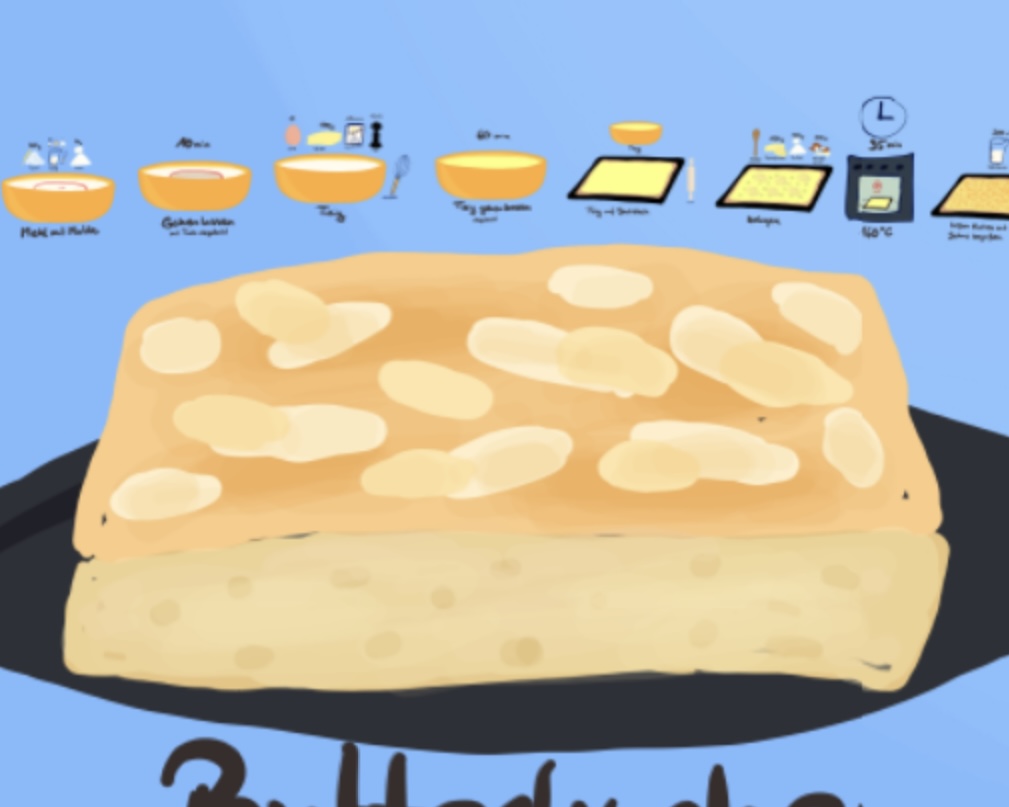
German Butter Cake
[Translate to EnglishUS:] Bake a classic German butter cake, rich in flavor and perfect for any occasion.
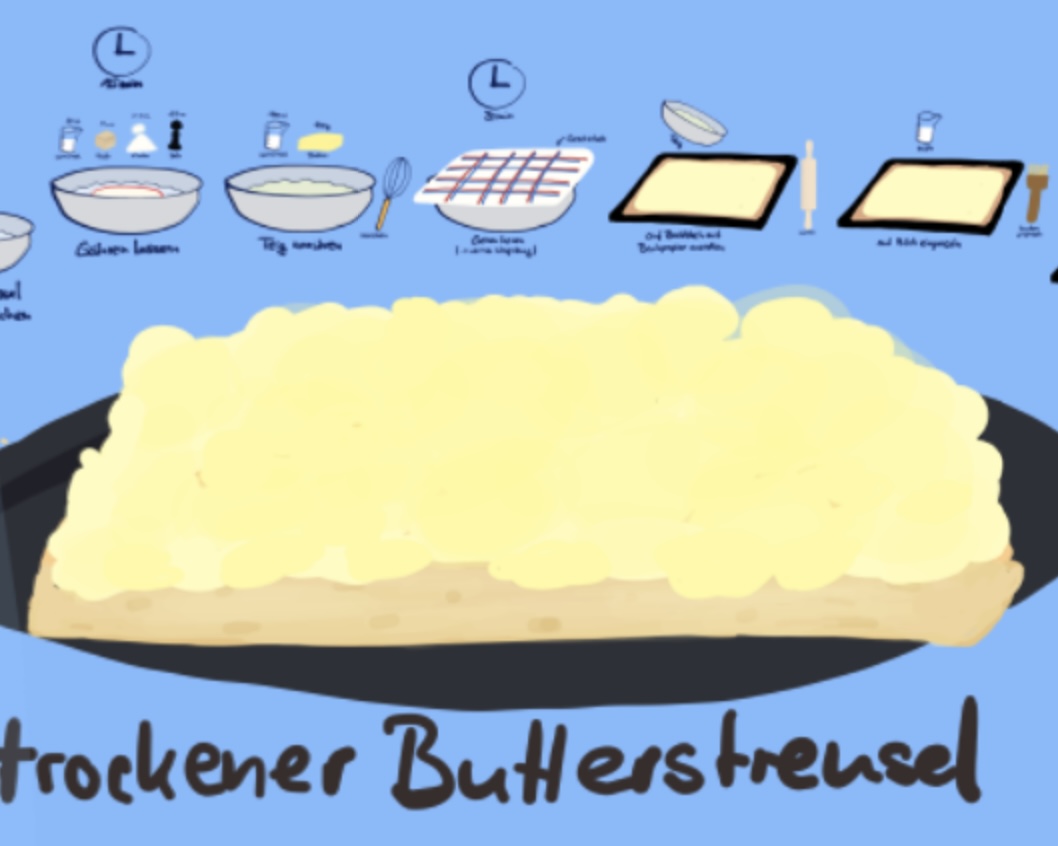
Dry Crumb Cake
[Translate to EnglishUS:] Bake a flavorful and moist crumb cake, perfect with a hot cup of coffee.
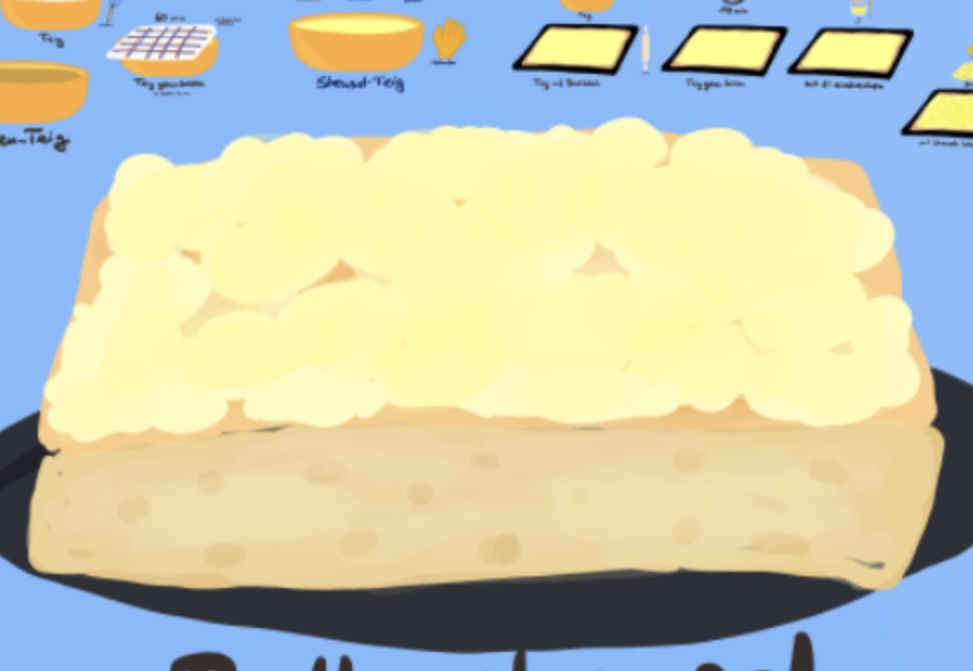
Butter Crumble Cake
[Translate to EnglishUS:] Bake a buttery crumble cake, perfect for sharing with friends and family.
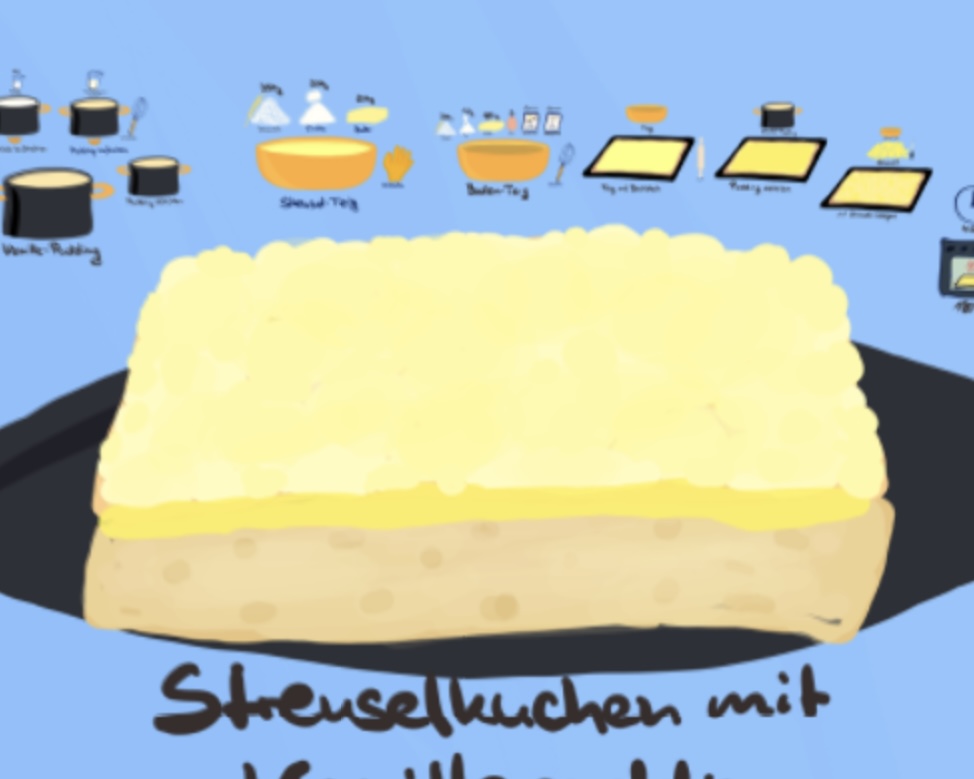
Crumble Cake with Custard
[Translate to EnglishUS:] Pair rich crumble cake with creamy custard for a comforting dessert.
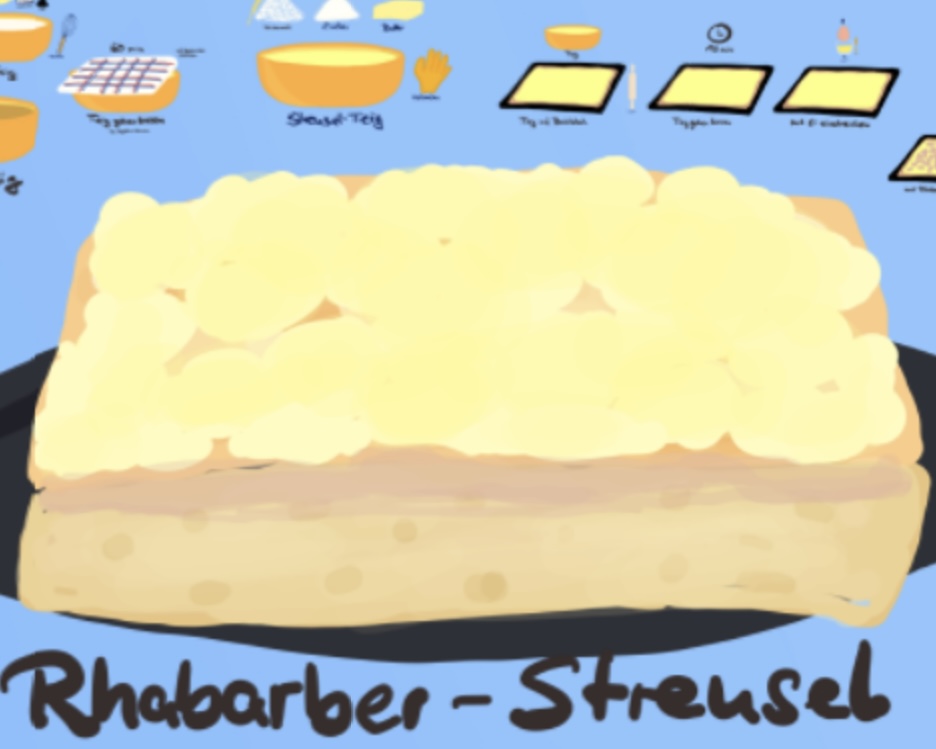
Rhubarb Crumble Pie
[Translate to EnglishUS:] Enjoy the tart and sweet flavors of rhubarb topped with a buttery crumble crust.
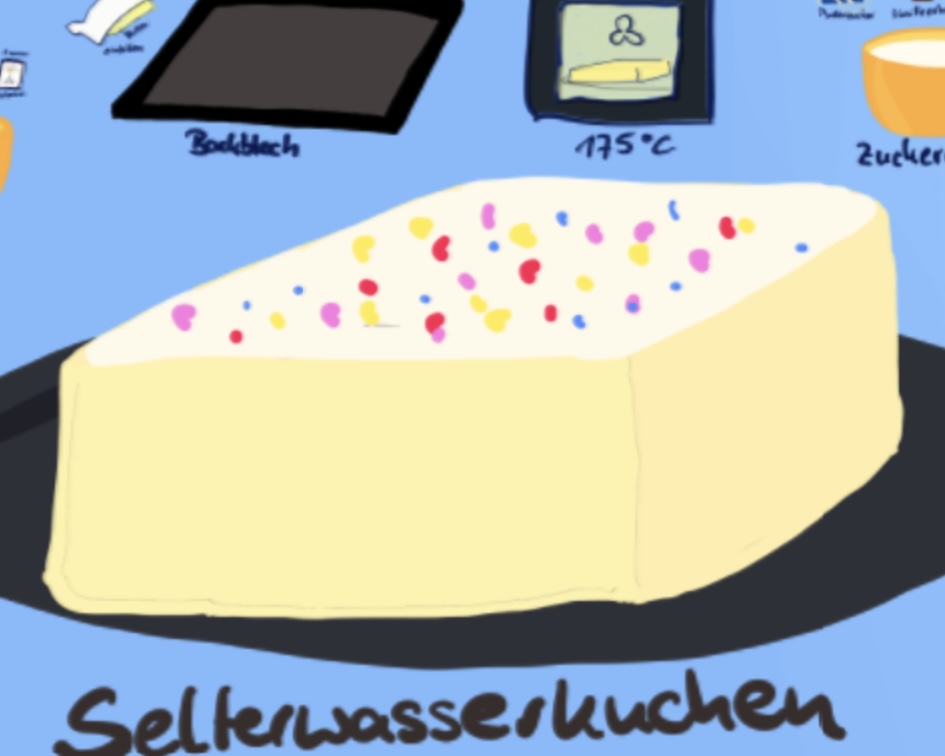
Soda Cake
[Translate to EnglishUS:] Bake a bubbly and delightful soda cake, perfect for casual desserts.
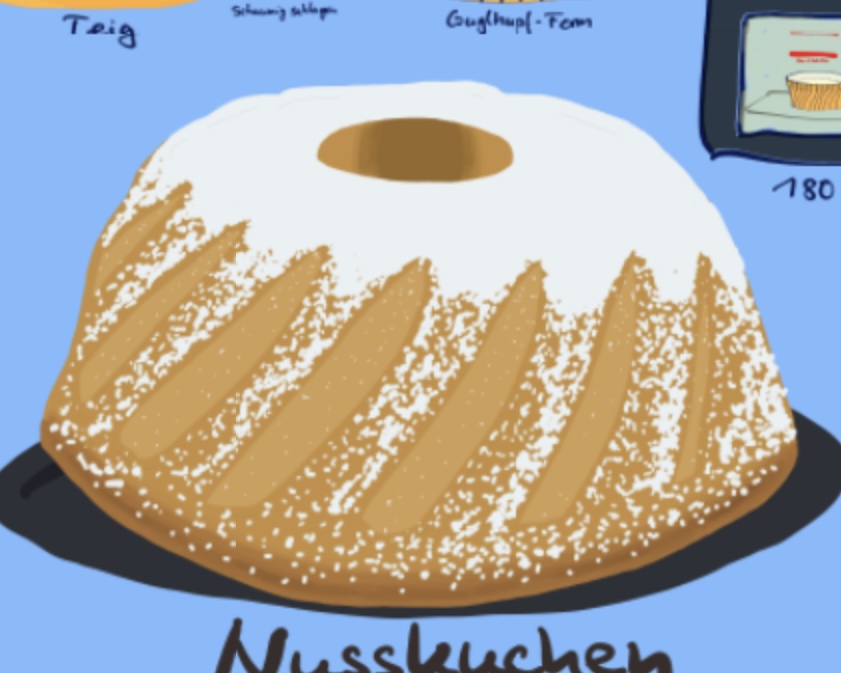
Nutty Bundt Cake
[Translate to EnglishUS:] Bake a moist and nutty Bundt cake, a perfect treat for any occasion.
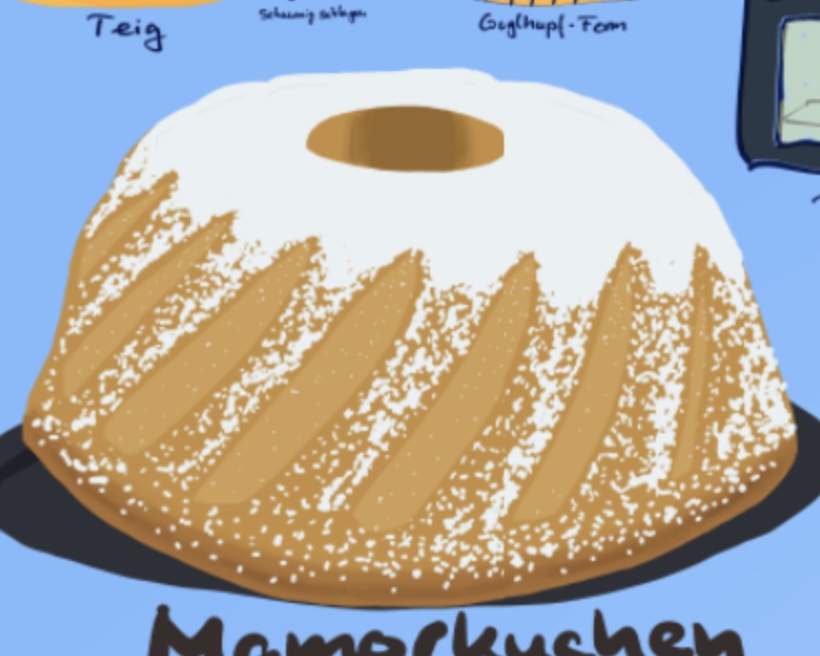
Marble Bundt Cake
[Translate to EnglishUS:] Swirl chocolate and vanilla together in this timeless marble Bundt cake recipe.
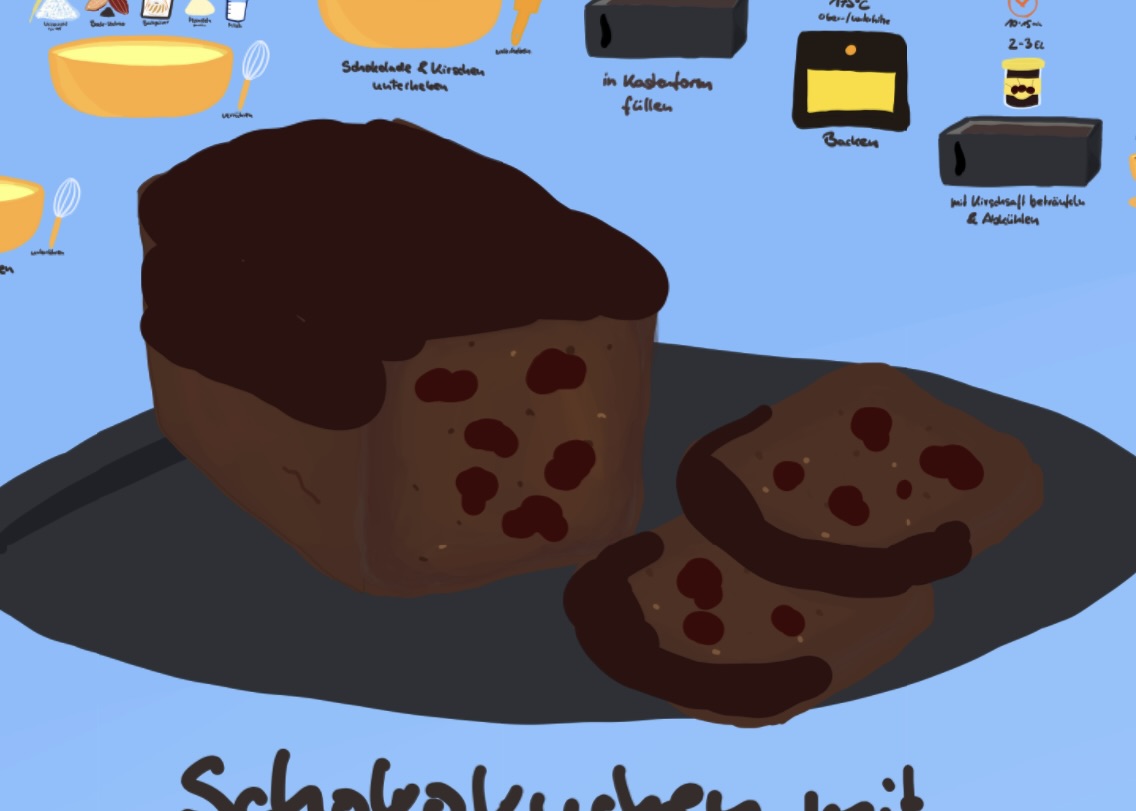
Chocolate Cherry Loaf Cake
Bake a moist chocolate cherry loaf cake with cocoa, dark chocolate, ground almonds and juicy cherries. A rich, fruity cake for coffee, dessert or afternoon tea.
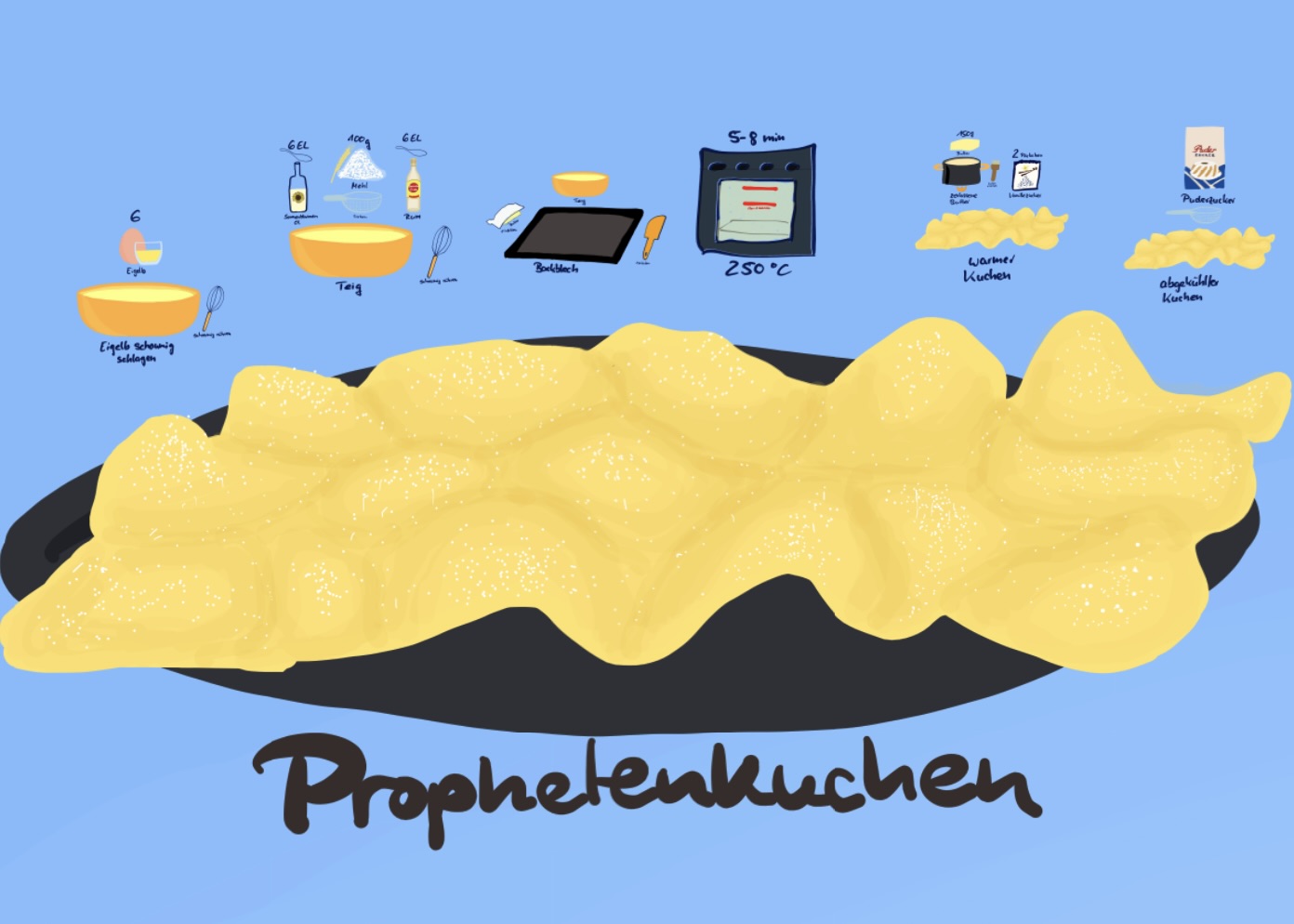
Prophet Cake
[Translate to EnglishUS:] Bake a moist and flavorful Prophet Cake, perfect for celebrations and gatherings.
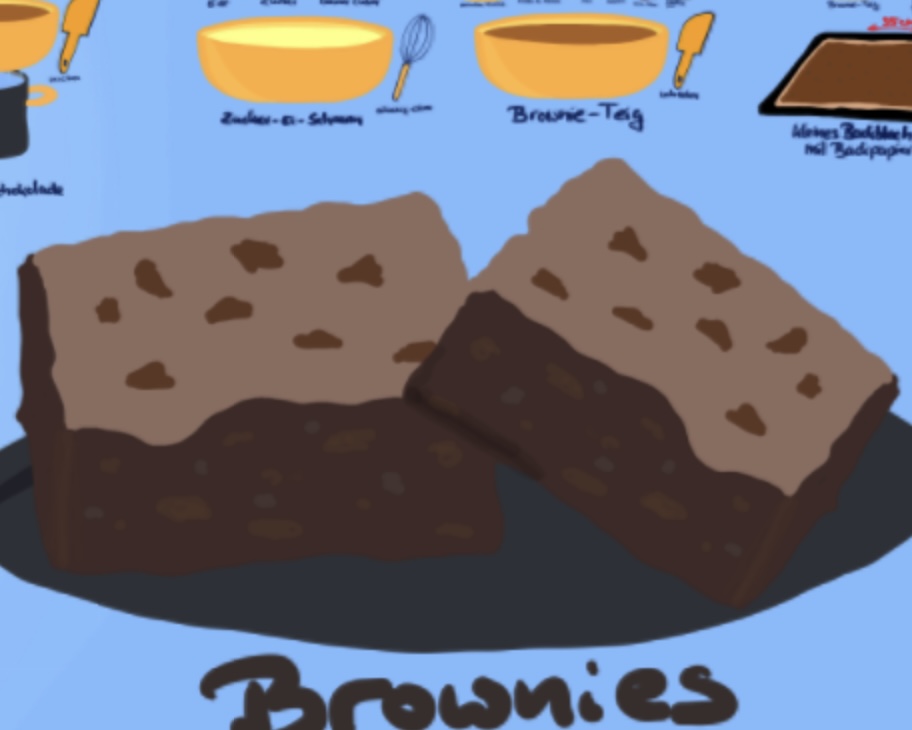
Chocolate Brownies
[Translate to EnglishUS:] Indulge in rich and fudgy chocolate brownies, perfect for dessert or snacks.
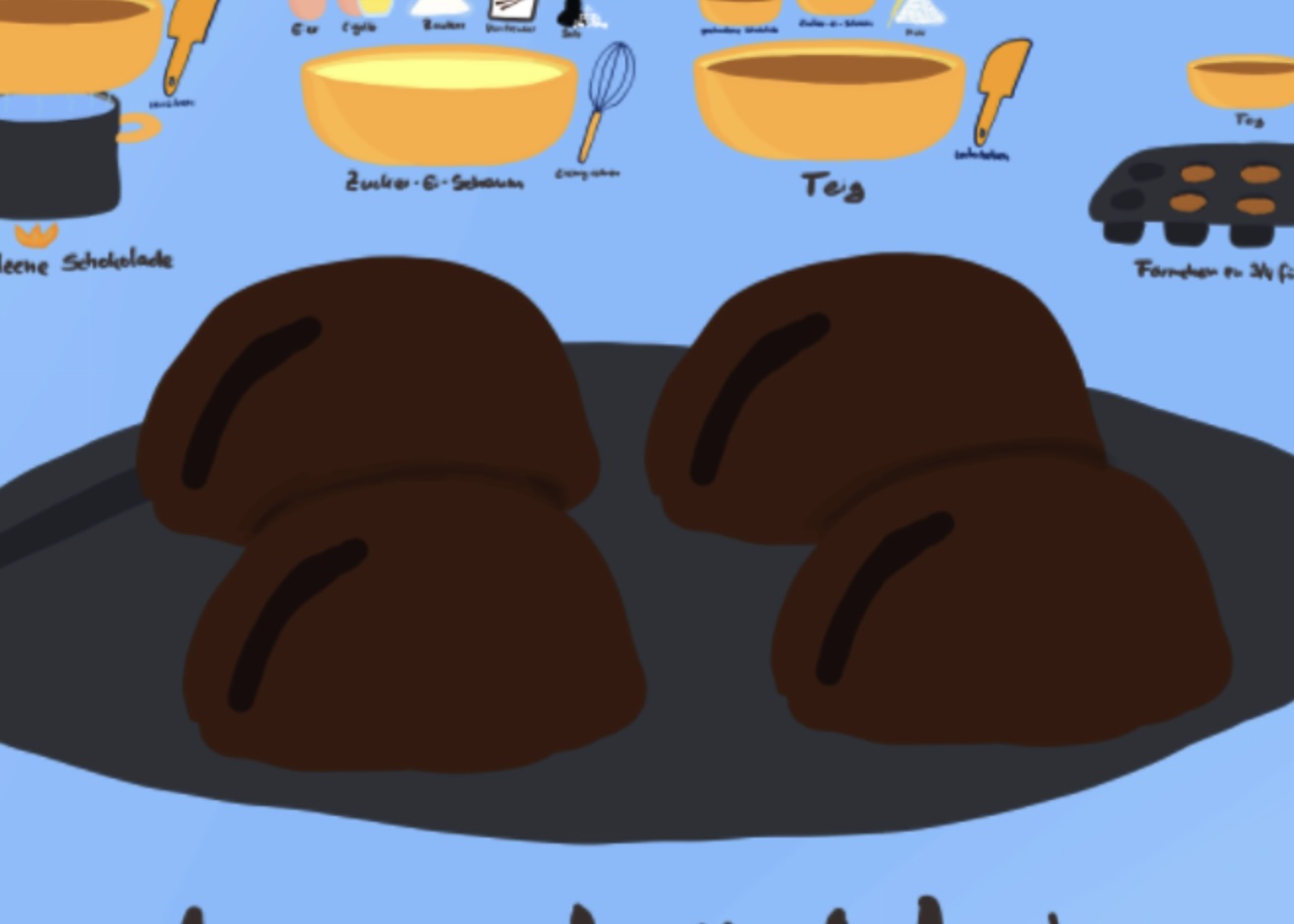
Chocolate lava cake
[Translate to EnglishUS:] Create the iconic German Baumkuchen, a layered cake that’s a true showstopper.
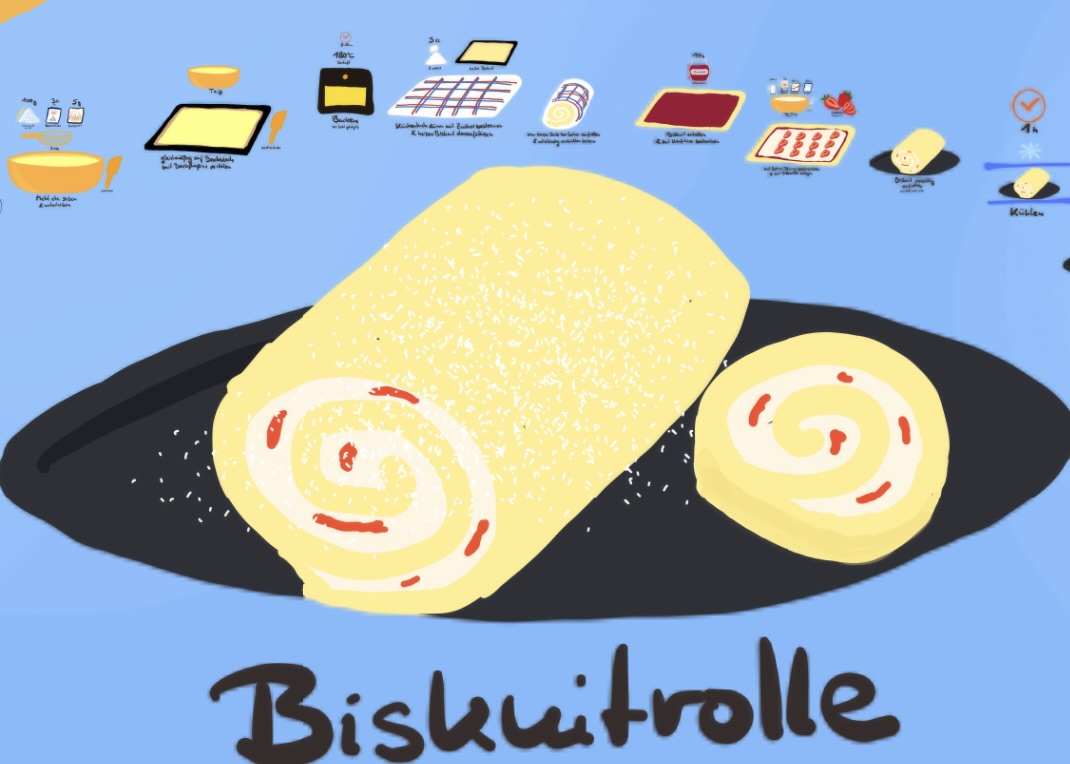
Vanilla Swiss Roll Cake
[Translate to EnglishUS:] Enjoy the light and spongy texture of a vanilla Swiss roll cake, perfect for celebrations.

Russian Plucked Cake
[Translate to EnglishUS:] Enjoy the delightful combination of chocolate and creamy quark in this iconic cake.