
Fruit Salad Recipe – Seasonal Fruit, Citrus Syrup & Mint
Ingredients 🧂🥕
- Grapes dark2.5 oz
- Kiwi2 pcs
- Peaches2 pcs
- Apples1 pcs
- Bananas1 pcs
- Strawberries4.3 oz
- Raspberries0.7 oz
- Lemons0.5 pcs
Directions 👩🍳
Tap the map & cook step-by-step
Step-by-step:
- Wash fruit: Rinse and dry the fruit.
Show all steps...
- Prep: Peel and chop larger fruits; keep berries whole.
- Mix: Combine in a bowl and toss gently.
- Flavor: Add a squeeze of lemon and optional honey or mint.
- Serve: Serve chilled as dessert or snack.
Fruit Salad: fresh, colorful, and the easiest way to turn ripe fruit into a bright everyday favorite

Fruit salad is one of those simple dishes that works almost anytime: as a light dessert, a quick snack, a brunch addition, or a fresh bowl for warm afternoons. A good fruit salad should feel juicy, lively, and naturally sweet without turning watery or mushy. The real secret is balance: choose fruits with different textures and flavors, cut them into practical bite-size pieces, and use just enough lemon or light seasoning to brighten everything without masking the fruit itself. Done right, fruit salad tastes refreshing, vibrant, and far more satisfying than a random bowl of chopped fruit.
Why fruit salad works so well
- Natural sweetness: Ripe fruit brings enough sweetness on its own, which makes the salad feel fresh instead of heavy.
- Strong color and texture contrast: Soft berries, crisp apple, tender peach, juicy grapes, and creamy banana make every spoonful more interesting.
- Perfect for many occasions: Fruit salad works for breakfast, brunch, snacks, desserts, picnics, and buffet tables.
- Quick and practical: With the right fruit, you can make a beautiful bowl in minutes.
- Easy to adapt: Seasonal fruit, herbs, citrus, or a little honey can all shift the salad in different directions.
High-Value Tips: How to make fruit salad really good
- Use ripe but still firm fruit: Fruit salad should feel juicy and fresh, not soft and collapsed. Overripe fruit breaks down too quickly.
- Cut thoughtfully: Larger fruit should be cut into similar bite-size pieces so the salad feels balanced and easy to eat.
- Keep berries delicate: Strawberries and raspberries should be handled gently so they keep their shape instead of bleeding into the whole bowl.
- Moisture control matters: Fruit naturally releases juice over time. Mix gently and avoid letting the salad sit too long if you want the cleanest texture.
- Use lemon with intention: A little lemon juice brightens the sweetness, helps slow browning on apple and banana, and keeps the salad tasting fresh.
- Do not overload with extras: Mint or a little honey can work beautifully, but too many add-ins can distract from the natural fruit flavor.
- Balance soft and crisp fruit: A good fruit salad usually needs a mix of juicy, tender, and slightly firmer pieces for the best spoonfuls.
- Chill briefly before serving: A short chill helps the flavors come together, but too much time can soften the fruit and draw out more liquid.
- Toss gently: Fruit salad should be mixed just enough to distribute everything evenly without crushing the softer fruit.
Variations & alternatives
- Classic everyday fruit salad: A colorful mix of grapes, kiwi, peaches, apple, banana, strawberries, and raspberries with a little lemon.
- Extra citrusy version: Add more lemon or orange segments for a brighter and slightly sharper finish.
- Mint-fresh variation: A little chopped mint gives the salad a cooler, more refreshing character.
- Sweeter version: A small drizzle of honey works well if the fruit is less ripe or more tart than expected.
- Brunch-style fruit salad: Serve with yogurt, granola, or a spoonful of quark for more substance.
- Seasonal swap: Replace individual fruits depending on the season while keeping a good mix of texture and color.
Serving ideas / pairings
- Fresh dessert: Serve chilled after a richer meal for a light and colorful finish.
- Breakfast or brunch bowl: Pair with yogurt, cottage cheese, granola, or pancakes.
- Snack plate: Fruit salad works very well for kids, picnics, or afternoon breaks.
- Buffet option: A large bowl of fruit salad adds freshness and color to brunch or summer tables.
- Light summer side: It can also work next to pastries, sweet breads, or a relaxed holiday breakfast spread.
Storage, Meal-Prep & Reheating
Fruit salad is best shortly after preparation, when the fruit still feels clean, juicy, and distinct in texture. For short meal prep, cut firmer fruits first and add delicate berries or banana closer to serving time if possible. Store the salad chilled and covered so it stays fresh, but expect some juice to collect as it rests. A small extra squeeze of lemon can help refresh the bowl before serving. Fruit salad is not meant for reheating, and it is strongest when served cool and fresh.
FAQ
Why does my fruit salad turn watery?
Fruit releases juice naturally over time, especially when it is very ripe or cut too far in advance. Gentle mixing and shorter resting time help.
How do I keep banana and apple from browning?
A little lemon juice helps a lot and also makes the whole salad taste brighter.
Can I make fruit salad ahead?
Yes, but it is best only a little ahead if you want the freshest texture. Add very delicate fruit closer to serving when possible.
Do I need sugar in fruit salad?
Usually not. Ripe fruit and a touch of lemon are often enough, though a little honey can help if the fruit is less sweet.
What makes fruit salad taste better?
Good ripe fruit, balanced textures, gentle mixing, and just enough lemon to lift the sweetness make the biggest difference.
Best Salad Recipes to Try at Home
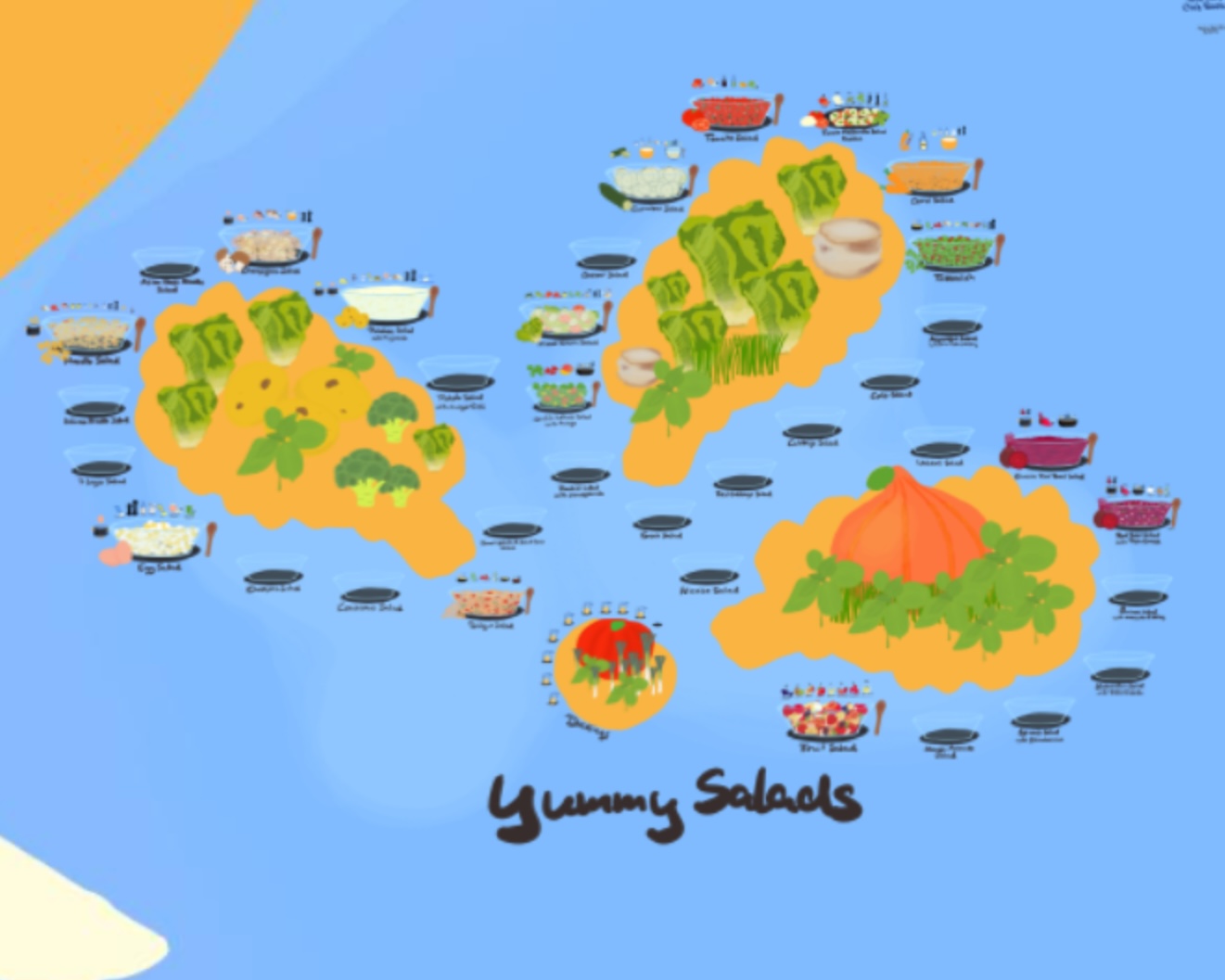
Yummy Salads
Enjoy a variety of fresh and vibrant salad recipes for every meal.
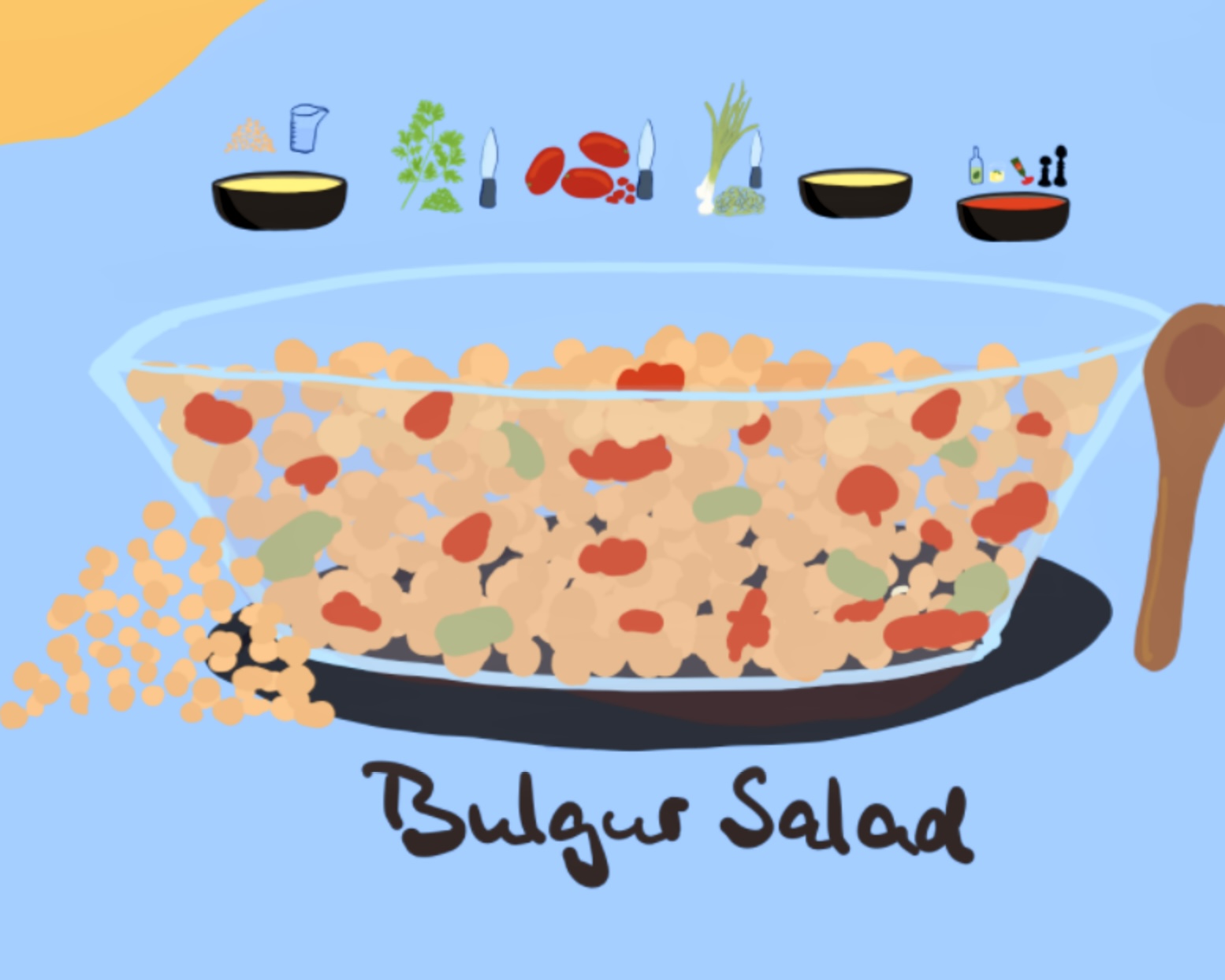
Bulgur Salad
Bulgur salad packed with parsley, tomato, cucumber and scallions—bright lemon dressing and olive oil; make-ahead friendly, great for picnics and quick lunches.

Couscous salad
Light, fluffy couscous with crunchy veg, herbs and feta—bright lemon-olive oil dressing; fast, portable and perfect for potlucks, picnics or meal prep.
Chickpea salad
Hearty chickpea salad with crisp veg and herbs in a lemon-garlic dressing—meal-prep friendly, delicious solo or with grains; add feta or tahini for extra richness.
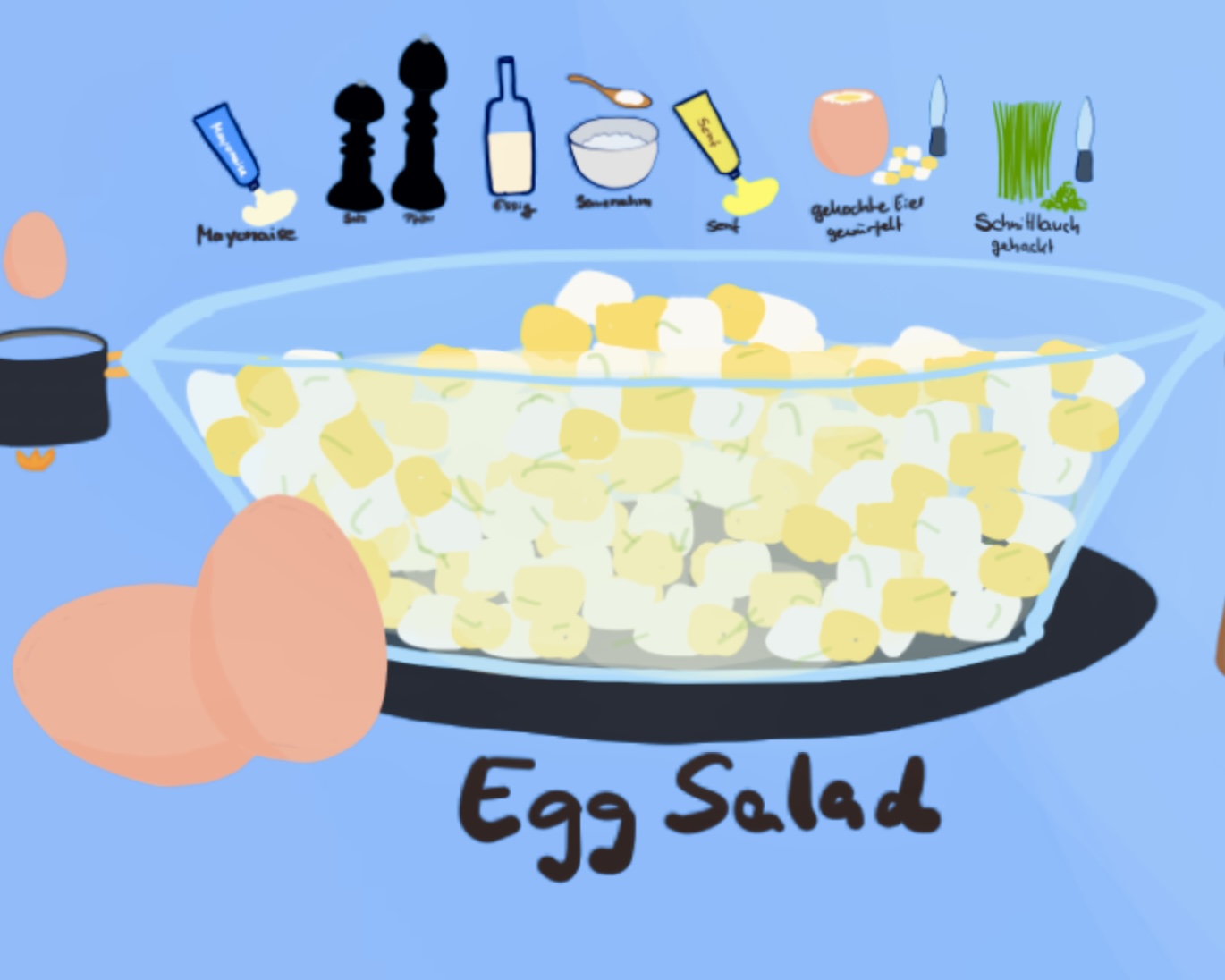
Egg Salad
Classic egg salad with mayo, mustard and herbs—texture control, celery or pickles for crunch, chill to set; perfect for sandwiches, wraps or quick meal prep.
7 Layer salad
Layered salad of crisp veg, ham and cheese with creamy top—seal to prevent sogginess, chill to meld flavors; travels well for parties, BBQs and game day.
Italian noodle salad
Zesty Italian pasta salad—al dente pasta, tomatoes, olives, mozzarella; herb vinaigrette, chill to meld flavors, packable and meal-prep friendly for busy weeks.
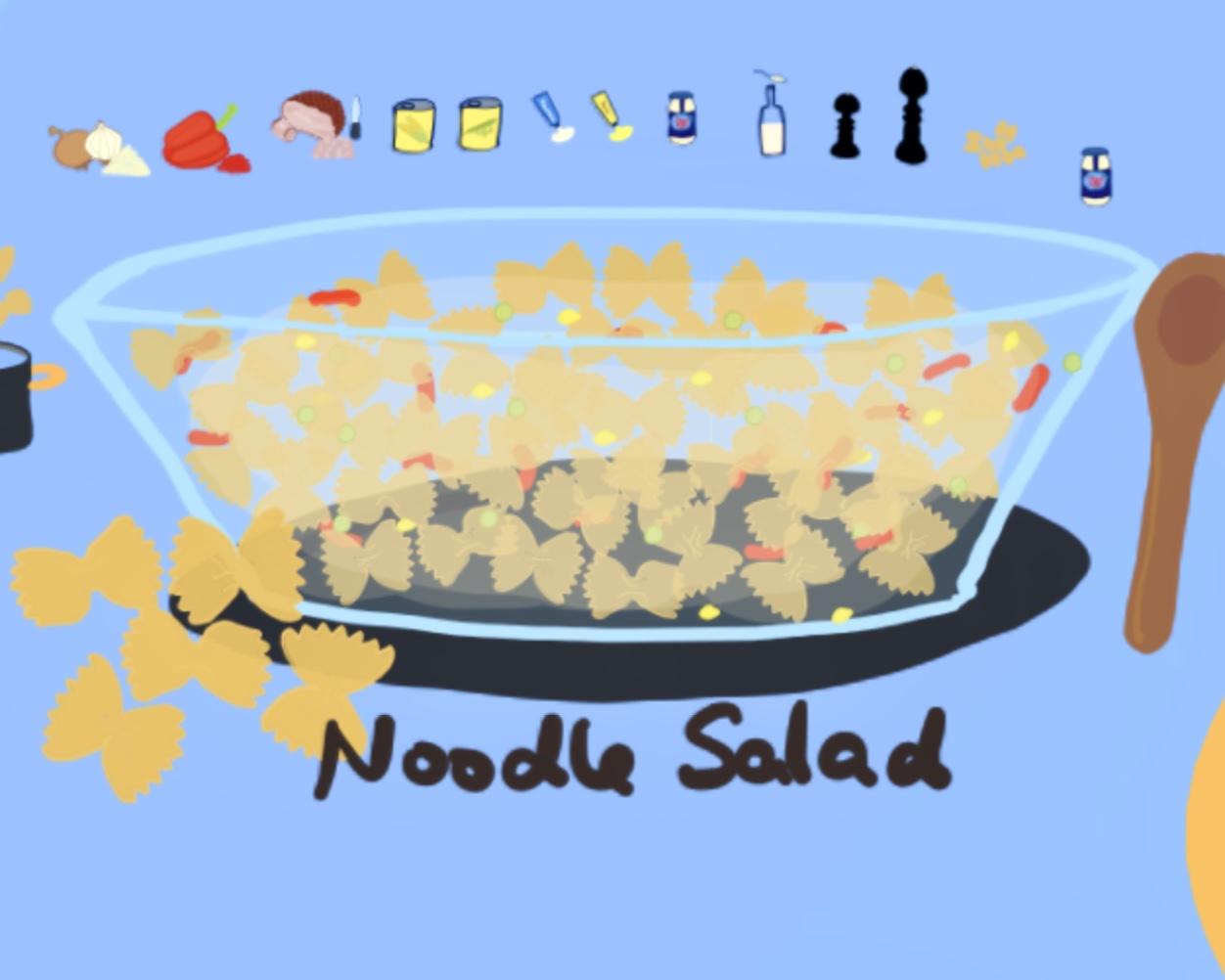
Noodle Salad
All-purpose noodle salad with crisp veg—creamy mayo or bright vinaigrette; seasoning tips, chill to meld flavors, travel-friendly for potlucks and busy weeks.
Asian glass noodle salad
Bouncy glass noodles with crisp veg and herbs—sesame-lime soy dressing, adjustable heat; fast to make, great chilled, add shrimp or tofu for a light main.
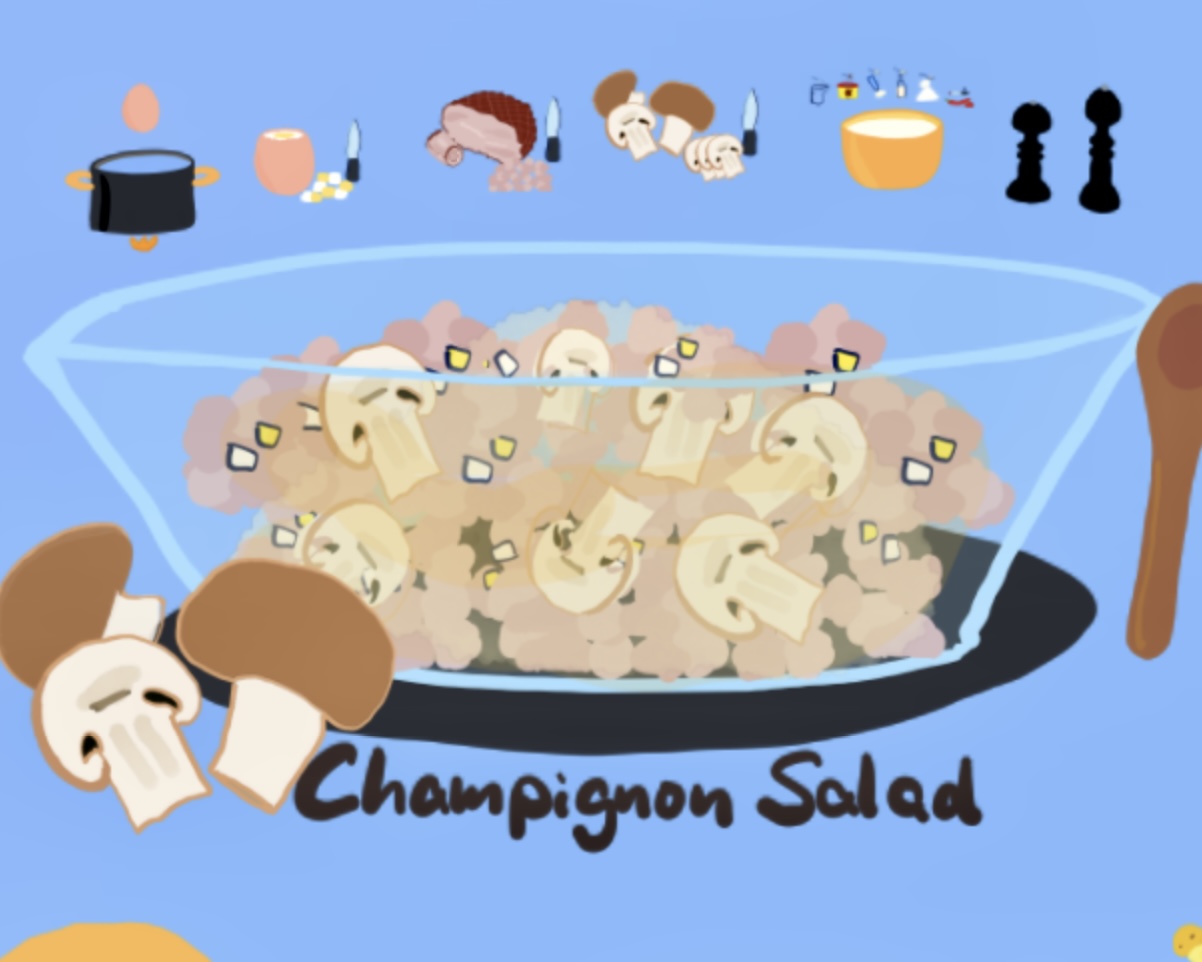
Champignon Salad
Sautéed champignons tossed with herbs, garlic and lemon—serve warm or chilled; flexible add-ins (greens, grains), meal-prep friendly for bowls and sandwiches.
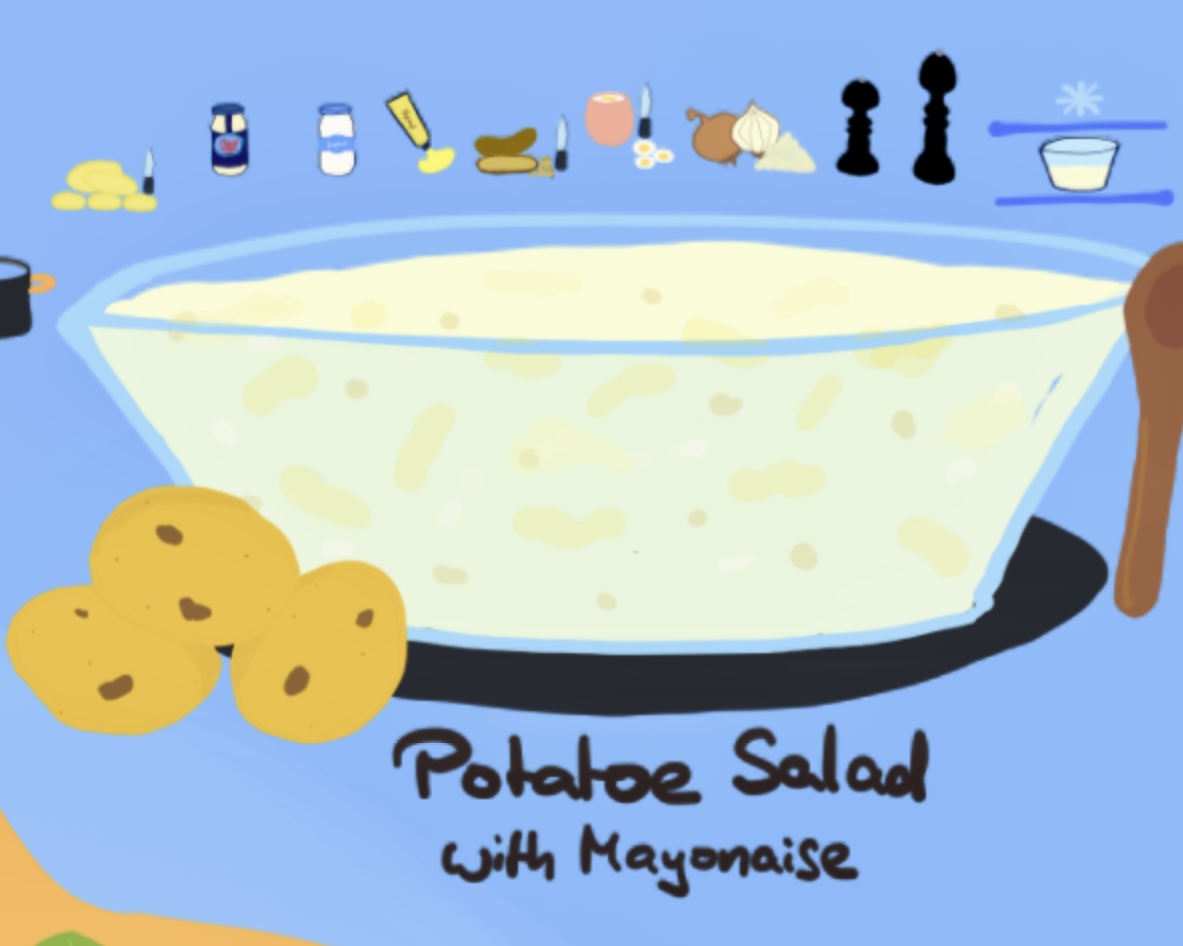
Potatoe Salad
Creamy potato salad with mayo-mustard dressing—salt-in-the-water method, fork-tender texture, celery or pickles for bite; chill well for sandwiches, BBQs and meal prep.
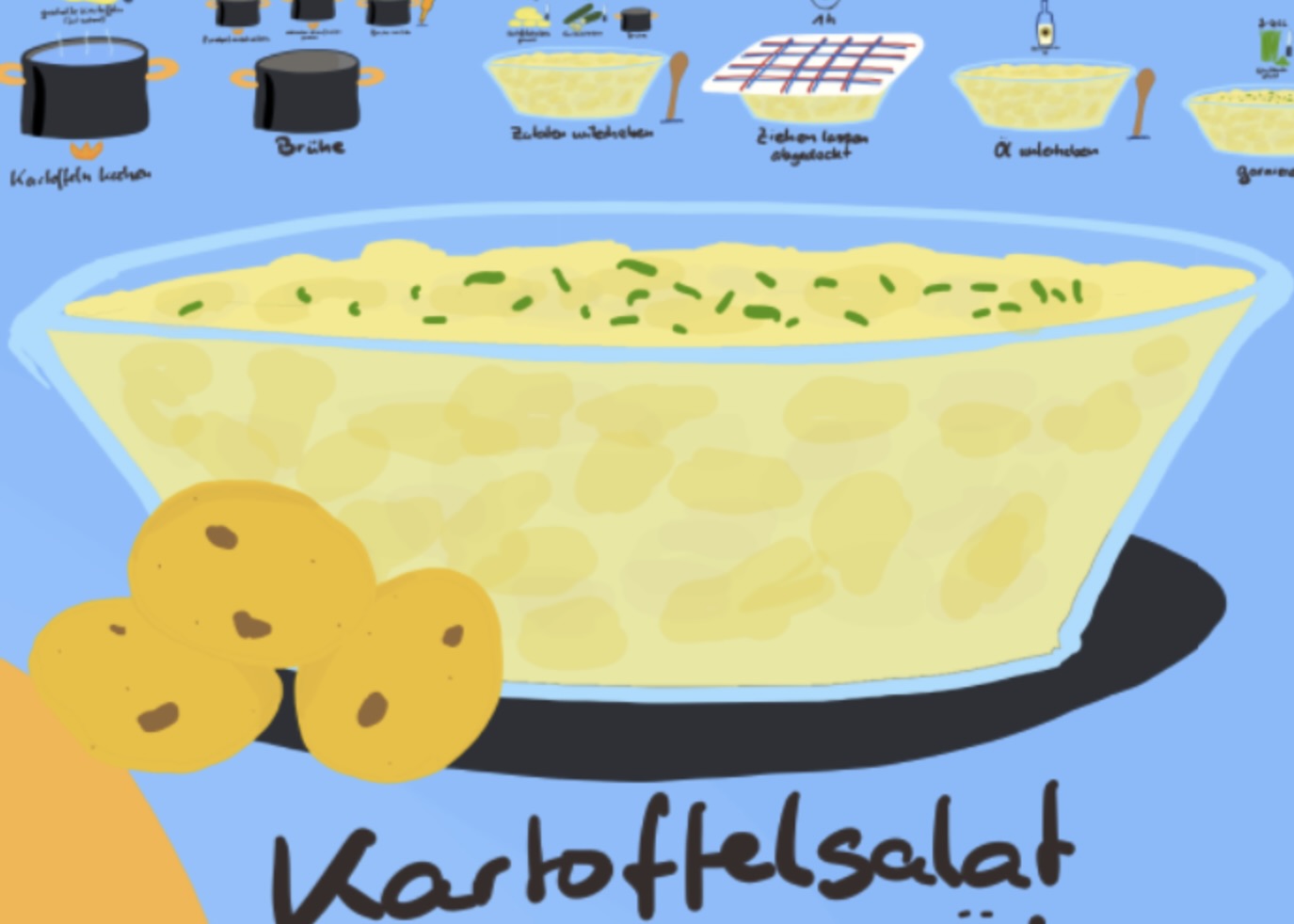
Potato Salad with vinegar & oil
Warm potato salad tossed in savory broth-vinegar with bacon and onions—waxy potatoes, gentle toss to avoid breaking; great side for schnitzel, sausages or BBQ.
Sweet potato & black bean salad
Roasted sweet potatoes with feta and herbs in a honey-lime vinaigrette—nutty crunch options, smart seasoning and make-ahead tips; crowd-pleasing side for any spread.
Rocket salad with pomegranate
Bright arugula salad with pomegranate, feta and walnuts—balsamic-honey vinaigrette, meal-prep friendly; pairs with roast chicken, steak or salmon.
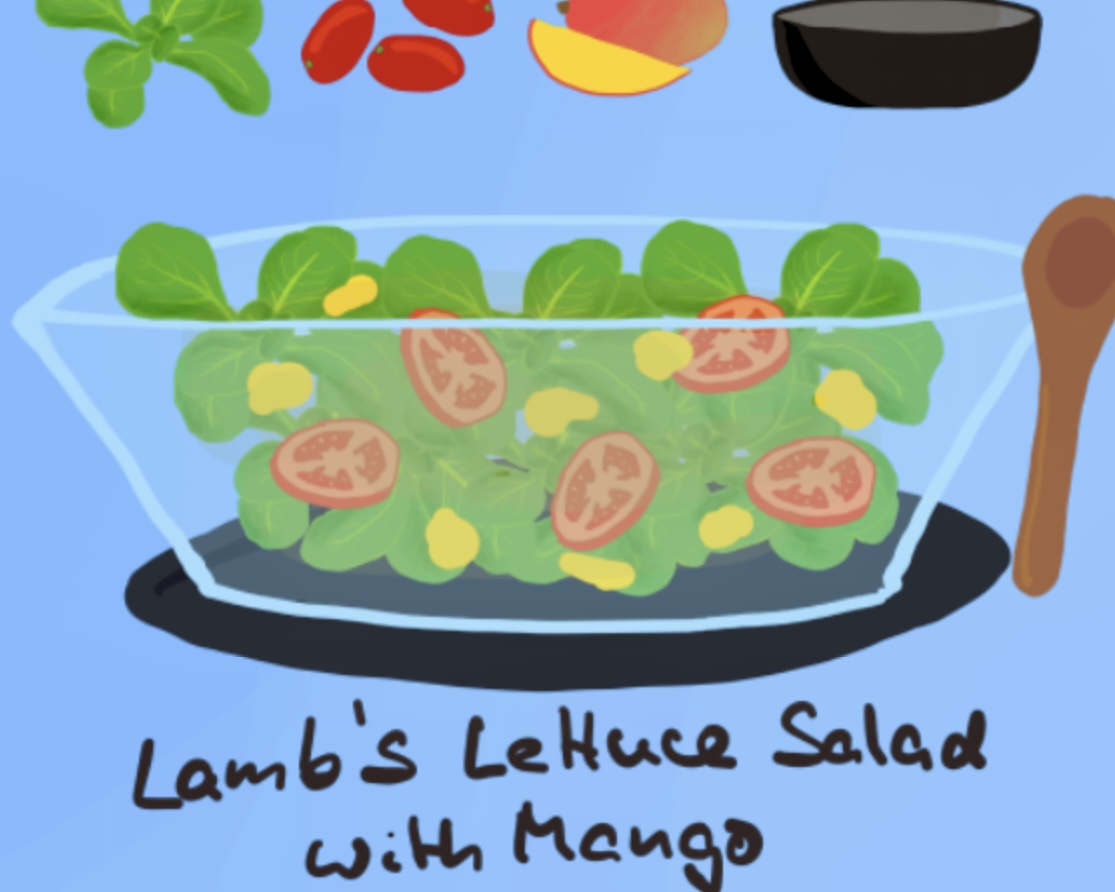
Lamb's Lettuce Salad with mango
Feldsalat with ripe mango, lime-chili vinaigrette and crunchy seeds—sweet-tart balance, 10-minute prep; crowd-pleasing side for tacos, fish or BBQ.
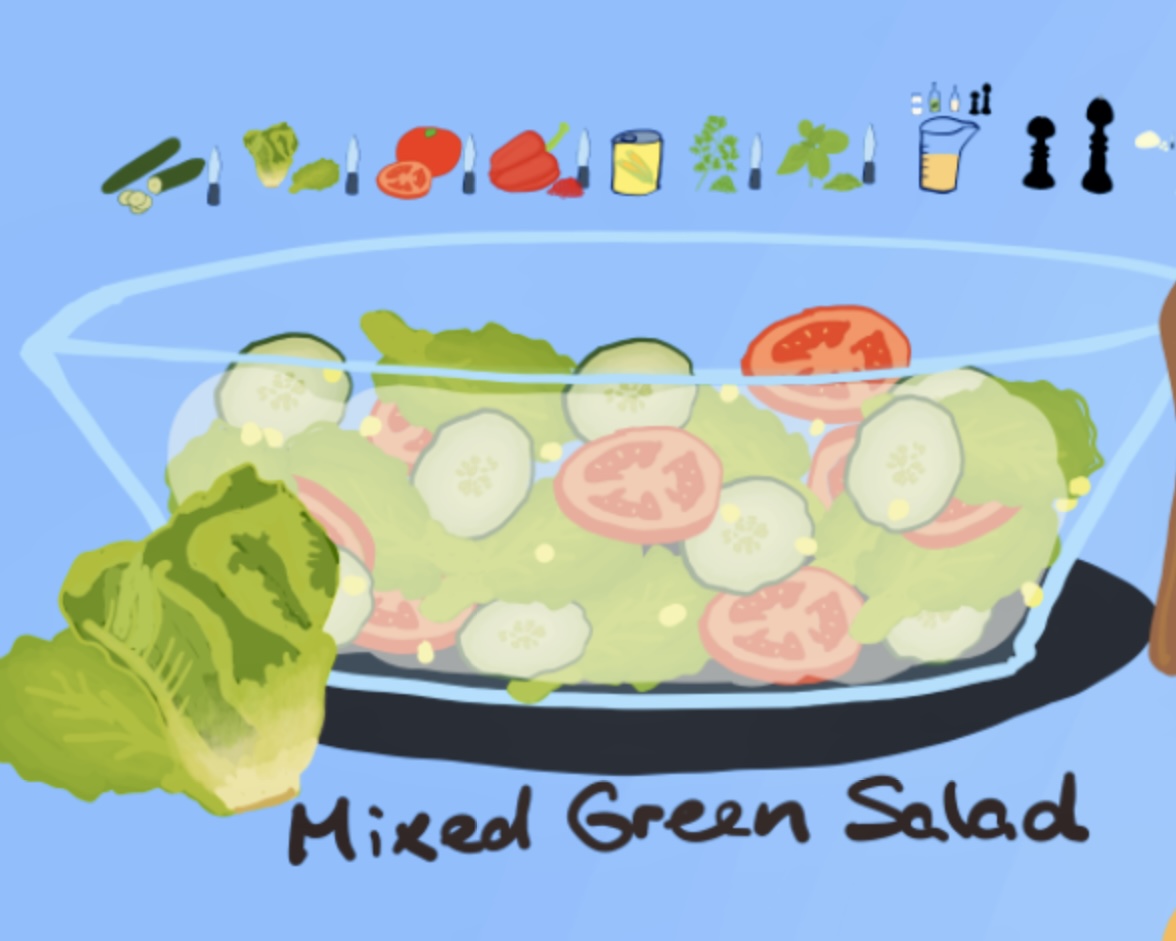
Mixed Green Salad
Crisp mixed greens with tomato and cucumber—balanced herb vinaigrette, texture and seasoning tips; a customizable base for bowls, weeknight sides or light mains.
Caesar Salad
Crisp romaine tossed in bold Caesar dressing with parmesan and croutons—anchovy/lemon balance, emulsify like a pro; meal-prep components keep everything crunchy.
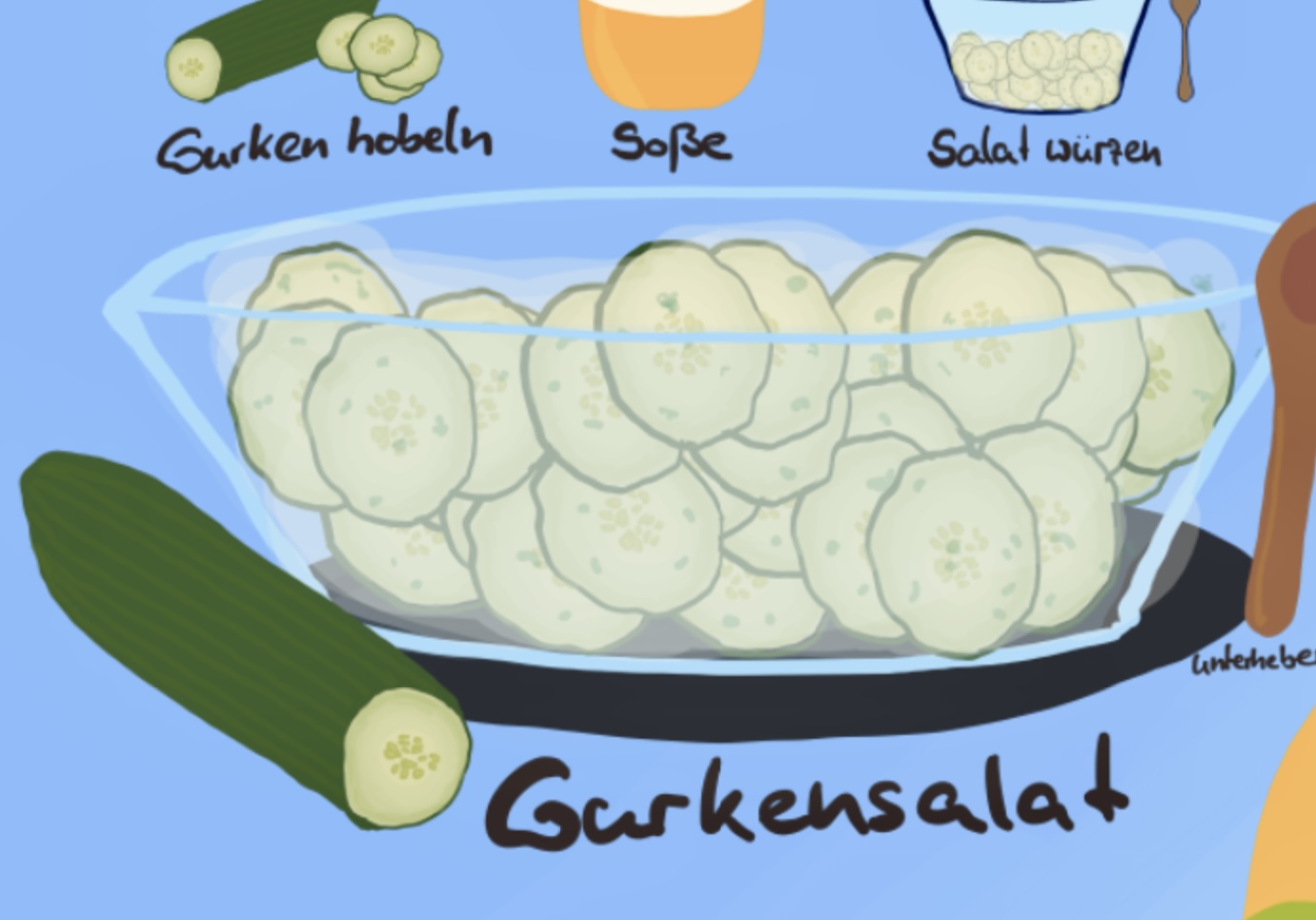
Cucumber Salad
Thin-sliced cucumbers with dill in vinegar or creamy dressing—salt first for snap, quick marinate, add onion if you like; summer-ready, great made ahead.
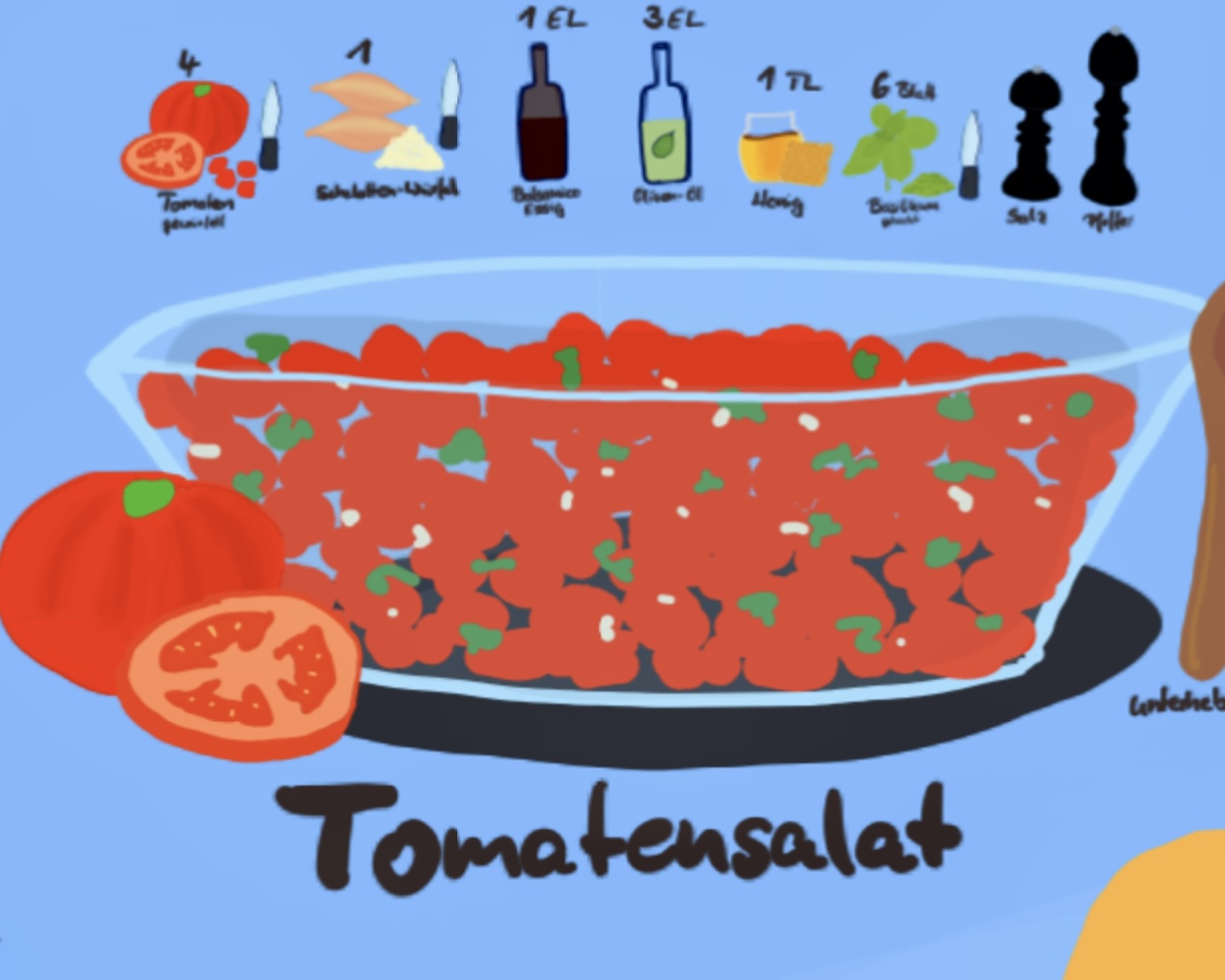
Tomato Salad
Juicy tomato salad with basil and quality olive oil—smart salting for best flavor, optional balsamic, onion or mozzarella; a summer side that shines with grilled mains.
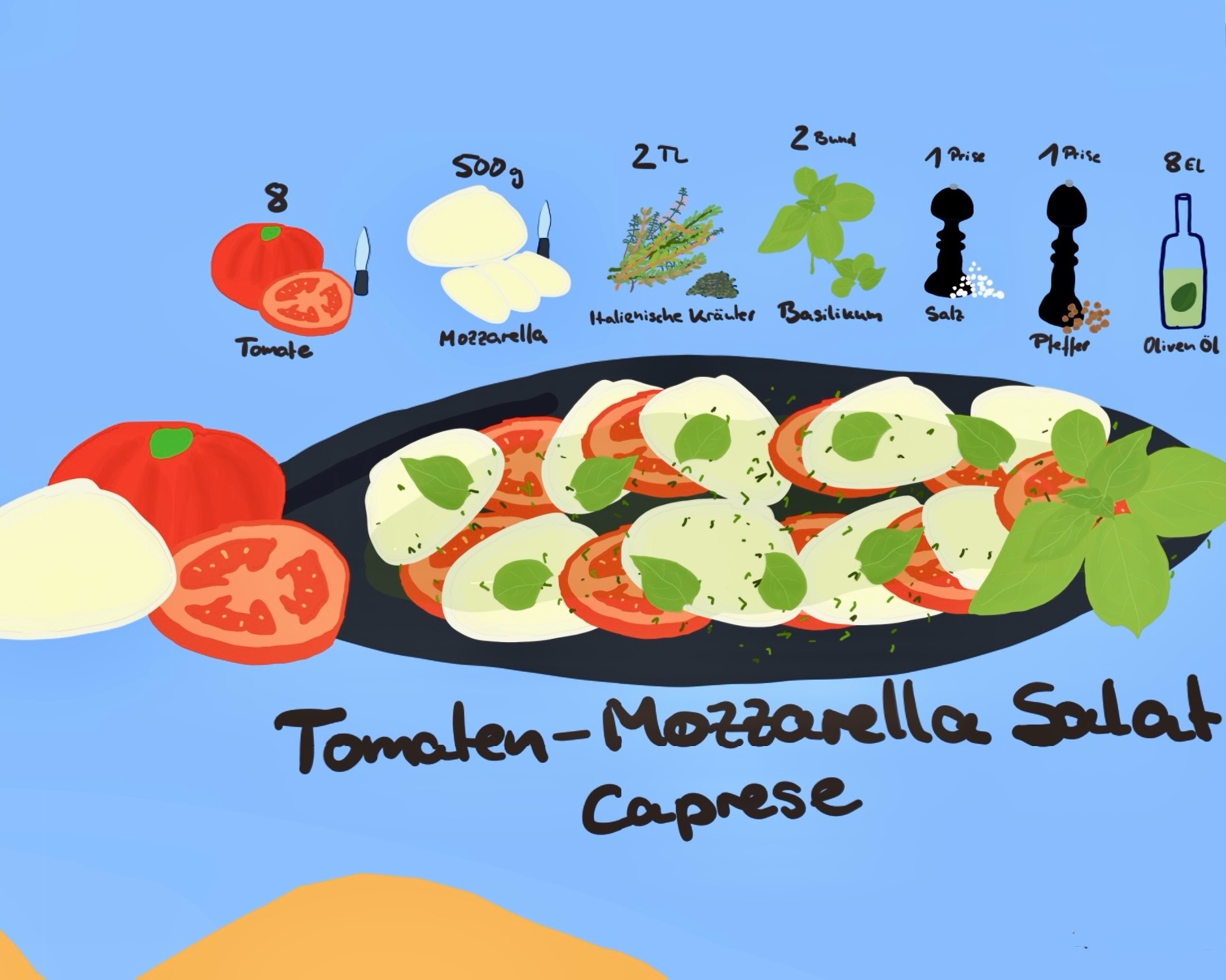
Tomato mozzarella salad
Caprese salad built on peak tomatoes and creamy mozzarella—basil, olive oil and a light balsamic finish; serve chilled, great with crusty bread or grilled meats.
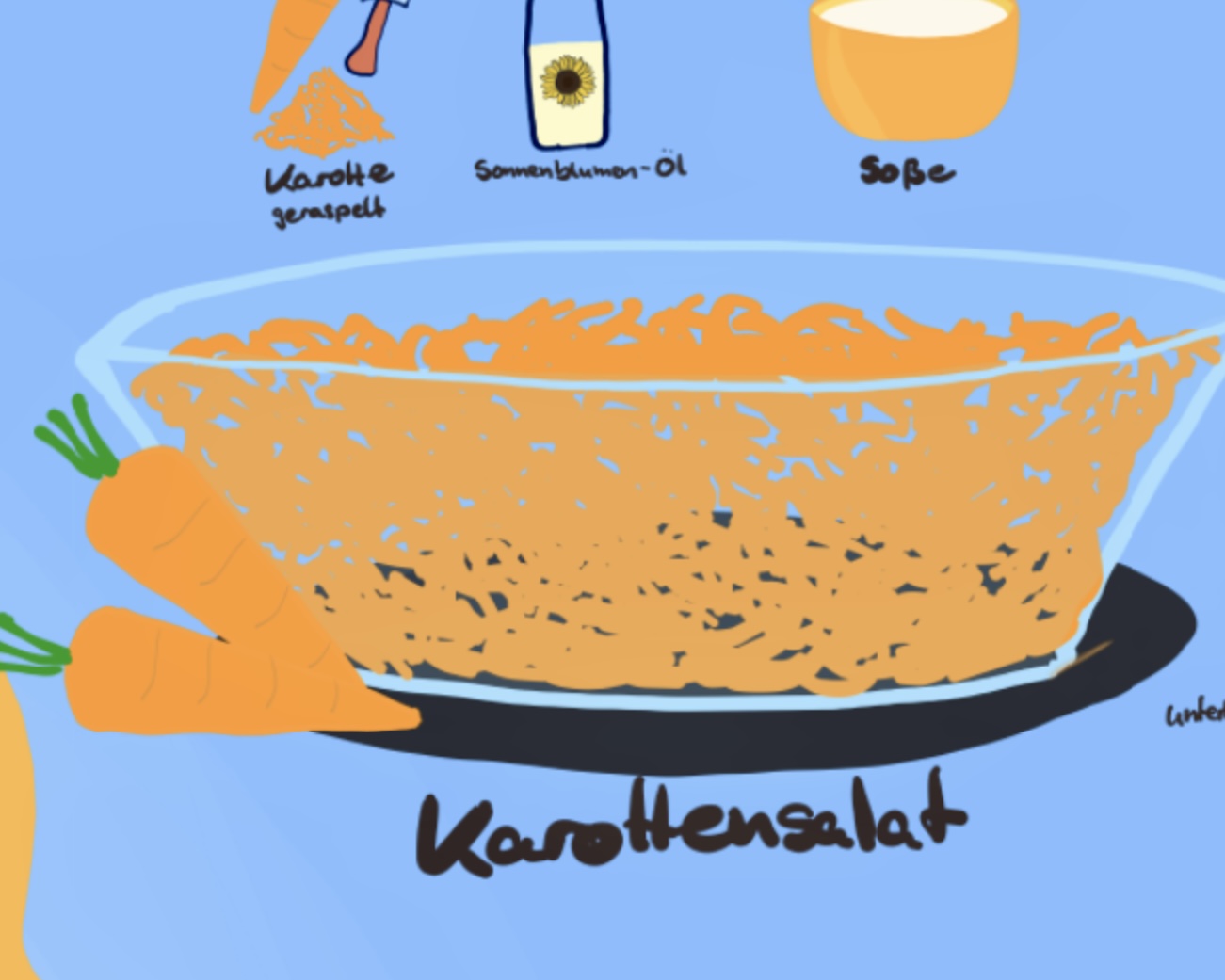
Carrot Salad
Shredded carrots tossed with lemon and a hint of honey—crunch from toasted seeds or nuts; optional apple/raisin; travels well for picnics and meal prep.
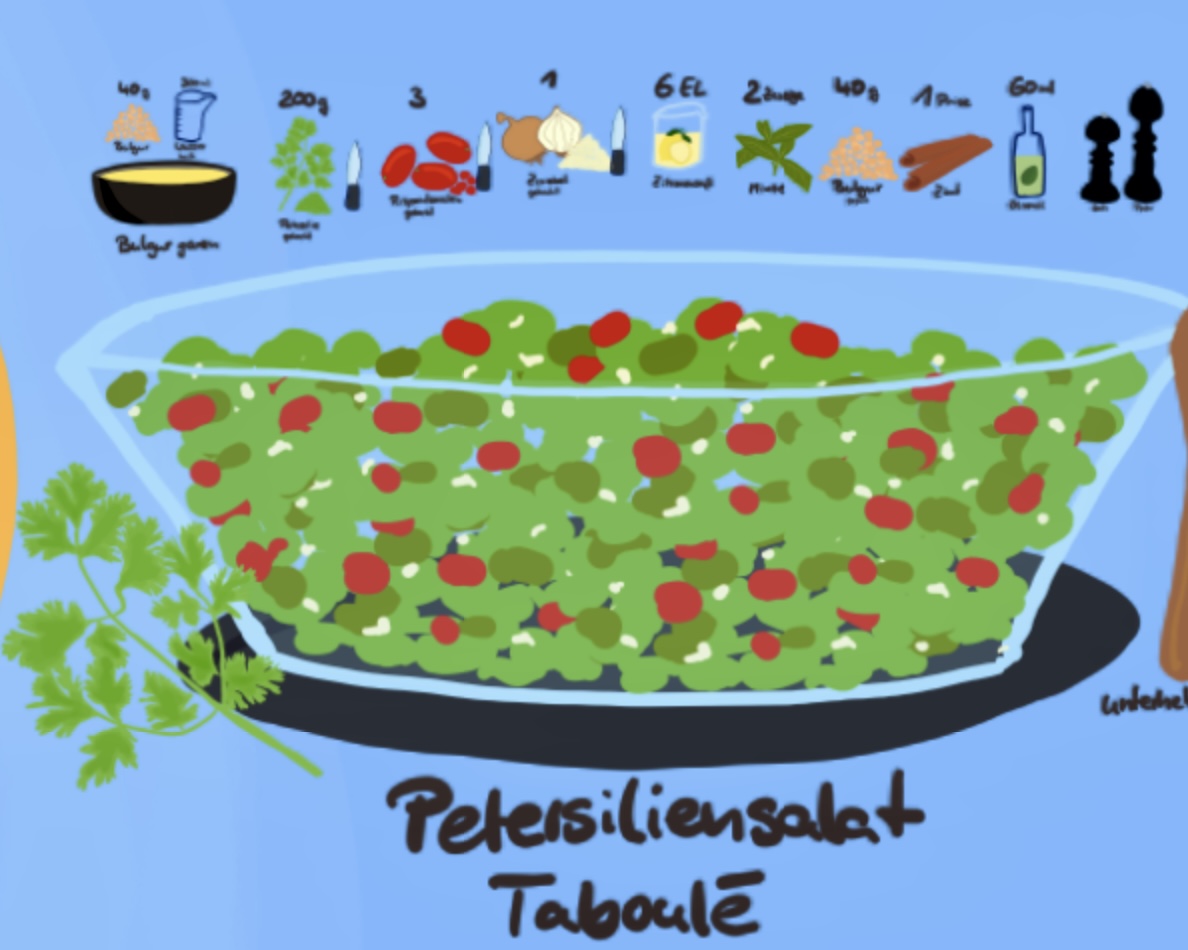
Tabbouleh
Herb-forward tabbouleh packed with parsley, tomato and scallion—lemon-olive oil dressing, fluffy bulgur; juicy, not soggy. Bright mezze or light, portable lunch.
Asparagus Salad
Tender asparagus dressed warm with mustard vinaigrette, eggs and herbs—proper blanch, shock, and season; a polished side for seafood, ham or brunch spreads.
Coleslaw
Shredded cabbage slaw with carrot—classic creamy or bright vinegar dressing; pre-salt for snap, adjust sweetness; picnic-proof side for fried chicken, pulled pork or fish.
Cabbage Salad
German-style cabbage salad: salt, knead and marinate for crunch—balanced vinegar-oil dressing with caraway; make-ahead side for schnitzel, sausages or BBQ.