
Philly Cheesesteak Burger with Sliced Beef
Cook along on the interactive map
Step-by-step:
- Prepare the steak and onions: Cut the beef across the grain into thin slices and slice the onions. Split the burger buns and prepare the cheese. The exact details are shown in the illustrated recipe.
- Cook the onions: Cook the onions in a frying pan until soft and golden, then move them aside so the beef can brown rather than steam.
- Sear the beef: Season the beef with salt and pepper and sear in batches. Turn the slices until browned and cooked, then combine with the onions.
- Melt the cheese: Distribute the cheese over the beef and onions and let it melt into the filling.
- Fill the buns: Toast the cut sides of the buns and fill with the steak, onions and melted cheese. Close the Philly Cheesesteak Burgers and serve freshly assembled.
Philly Cheesesteak Burger: sliced beef, soft onions, and melted cheese

A toasted bun filled with steak, soft onions and melted cheese is a good reason to bring extra napkins to the table. This Philly cheesesteak burger has thin pieces of beef throughout the filling, with savory browned edges and cheese tucked between them. It is generous, warm and best enjoyed while the bun still has a little crispness.
Thin steak gives this burger its character
Beef slices or strips, onions, cheese and a burger bun make the main combination, seasoned with salt and pepper. Cutting across the grain shortens the meat's fibers, making the pieces easier to bite through. Similar thickness helps them cook evenly. Soft onions bring a sweet, savory contrast; the melting cheese links the separate pieces into a filling you can lift into the bun.
Why space in the pan matters
Beef browns where it meets a hot cooking surface. A crowded pile releases moisture faster than it can evaporate, leaving the pieces simmering in liquid. Cooking in smaller batches gives each piece better contact. The onions need time to soften, so cooking them separately lets you develop that texture without keeping the thin beef in the pan throughout.
Keep raw beef refrigerated until needed. Wash hands and clean tools after handling it, and keep raw meat and its juices away from buns, salad and cooked filling. Cook the filling thoroughly: it should reach at least 158°F (70°C) throughout for two minutes. Use a food thermometer suitable for thin pieces; browned surfaces and melted cheese do not establish that the meat is safely cooked.
Keep the filling easy to eat
Cut long strips into manageable lengths so a bite does not pull the whole filling out. Spread the steak and onions across the bun instead of building a tall mound. Lift the filling from excess pan liquid rather than pouring that liquid onto the bread.
Optional peppers, mushrooms or a different cheese
Sautéed bell peppers add a sweeter vegetable note; browned mushrooms give a more earthy flavor. Either can join the onions as an optional addition. Provolone or American cheese changes the character of the melted topping. Keep the amount of extra filling manageable so the bun remains easy to hold.
A hot burger with a cool, crunchy side
Toast the bun's cut surfaces for a little extra support under the juicy filling, then assemble close to serving. A bowl of chilled coleslaw brings crisp cabbage and a tangy dressing alongside. Serve it separately so its cool crunch contrasts with the hot steak.
Refrigerate leftover filling promptly in shallow containers. Reheat it to 165°F (74°C) throughout before filling another bun. Discard perishable food left unrefrigerated for more than two hours, or one hour above 90°F (32°C).
Prepare components and keep them separate
Prepare onions and cheese ahead and keep them covered in the refrigerator, separate from raw beef. Store cooked leftover filling covered and chilled, with buns kept separately. Toast only the buns you are about to serve. This makes a second round easier without leaving assembled burgers to soak in their juices.
Frequently asked questions
Does this burger use a ground-beef patty?
No. Thin beef slices or strips form the filling with onions and melted cheese.
Why is the meat chewy?
Long fibers, unevenly thick pieces or prolonged cooking can make it harder to bite. Slice across the grain, keep pieces similar and cook them fully without leaving them over the heat unnecessarily.
Are bell peppers essential?
No. They are an optional variation. Beef, onions, cheese and the bun provide the main combination.
Best Burger Recipes to Try at Home
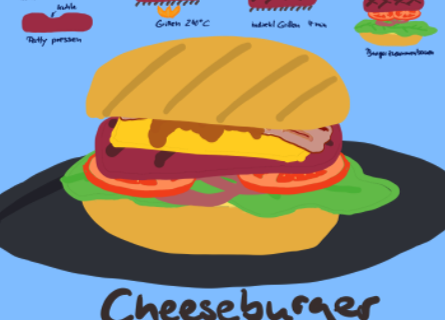
Hamburguesa con Queso
Discover this yummy cheeseburger recipe at yummy.world! Just yummy - enjoy juicy patties, melted cheese, and ultimate flavor.