
Grilled Denver Steak with Salt and Pepper
Cook along on the interactive map
Ingredients 🧂🥕
- Denver Steak250 g
- Coarse Sea Salt4 g
 Pepper black2 g
Step-by-step:
- Prepare and season: Pat the Denver steak dry and season with salt and pepper. Prepare the grill for searing. You'll find the exact details in the illustrated recipe.
- Sear and finish cooking: Grill the steak until a browned crust forms, then turn it. Finish cooking without letting the outside burn, using a meat thermometer to check the centre rather than judging by the crust alone.
- Rest and slice: Let the steak rest before carving. Identify the direction of the muscle fibres, slice across the grain and serve.
Denver steak from the grill, sliced across the grain

A peppery crust, savory beef and a pile of tender slices: Denver steak makes a welcome change on the grill. This shoulder cut has plenty of flavor with simple seasoning. Pass the potatoes and give those browned edges a little space on the plate.
A specific cut from the shoulder
Denver steak comes from the center of the chuck under blade, in the shoulder. It is a particular grilling cut, not a name for any piece of chuck. Fine streaks of fat through the meat are called marbling; the amount varies between steaks. Coarse sea salt and black pepper provide the seasoning here, with no marinade required.
Brown the surface without losing control of the center
A dry surface browns more readily. The hot sear comes first in this preparation, but the crust and center do not cook at the same rate. If the outside is already well browned, gentler heat lets the center continue cooking without burning the surface. An indirect area beside the heat source gives you that option and a place to move the steak if flames flare.
Check the thickest part with a food thermometer, avoiding large fat pockets. The steak should reach at least 145°F (63°C) before leaving the heat, followed by at least 3 minutes of rest before cutting or eating. Follow any specific cooking instructions on the package. A brown surface, pink center or finger test cannot establish safe cooking.
Keep raw beef chilled until preparation and do not rinse it. Wash hands and equipment after handling it, keep raw juices away from side dishes, and use clean plates and utensils for cooked food.
Find a comfortable cutting angle
Look for the muscle fibers before grilling, when their lines are easier to see. On the clean carving board, turn the rested steak so your knife can cross those lines comfortably. A sharp knife helps you slice without pressing and dragging through the meat. Check each steak individually when grilling several pieces.
Optional seasoning change
A dry steak rub can replace the simple salt-and-pepper seasoning. Check whether the blend already contains salt before adding more, and keep an eye on sugary blends, which can darken quickly over strong heat.
Slice, share and compare
After the required rest, slice across the muscle fibers rather than along them. Shortening those fibers makes each bite easier to chew. Roasted root vegetables, mashed potatoes or a green salad fit alongside. For a rib cut with a different approach, explore tomahawk steak: its long bone changes the presentation, and its reverse sear puts indirect cooking first.
Refrigerate cooked leftovers promptly in a shallow container. Discard meat left out for more than two hours, or one hour above 90°F (32°C). Reheat leftovers to 165°F (74°C).
Keep serving portions separate
Store raw steak leakproof in the refrigerator, away from ready-to-eat food, and follow its storage and use-by instructions. Keep cooked leftovers covered and separate from dressed salad. Take out only the portion you plan to reheat so the remaining meat stays chilled.
Frequently asked questions
Can any shoulder steak replace Denver steak?
No. Shoulder cuts differ in texture and suitable cooking methods. Ask for Denver or chuck under blade center steak for this preparation.
Why can sliced steak still be chewy?
Long fibers and overcooking can both contribute. Cut across the visible grain, and use temperature checks instead of repeatedly extending the cooking time.
Does Denver steak need a tenderizing marinade?
It is a grilling cut suited to simple seasoning. This preparation uses salt and pepper; a marinade is not a required step.
Best Beef for BBQ Recipes to Try at Home

Flank Steak
Explore flank steak with coarse salt and black pepper. Learn why the grain, a thermometer check, resting, and an optional chilled marinade matter.
Maminha
Grill maminha with coarse sea salt and black pepper. Get a good crust, finish over gentler heat, and slice across the grain for tender bites at the table.
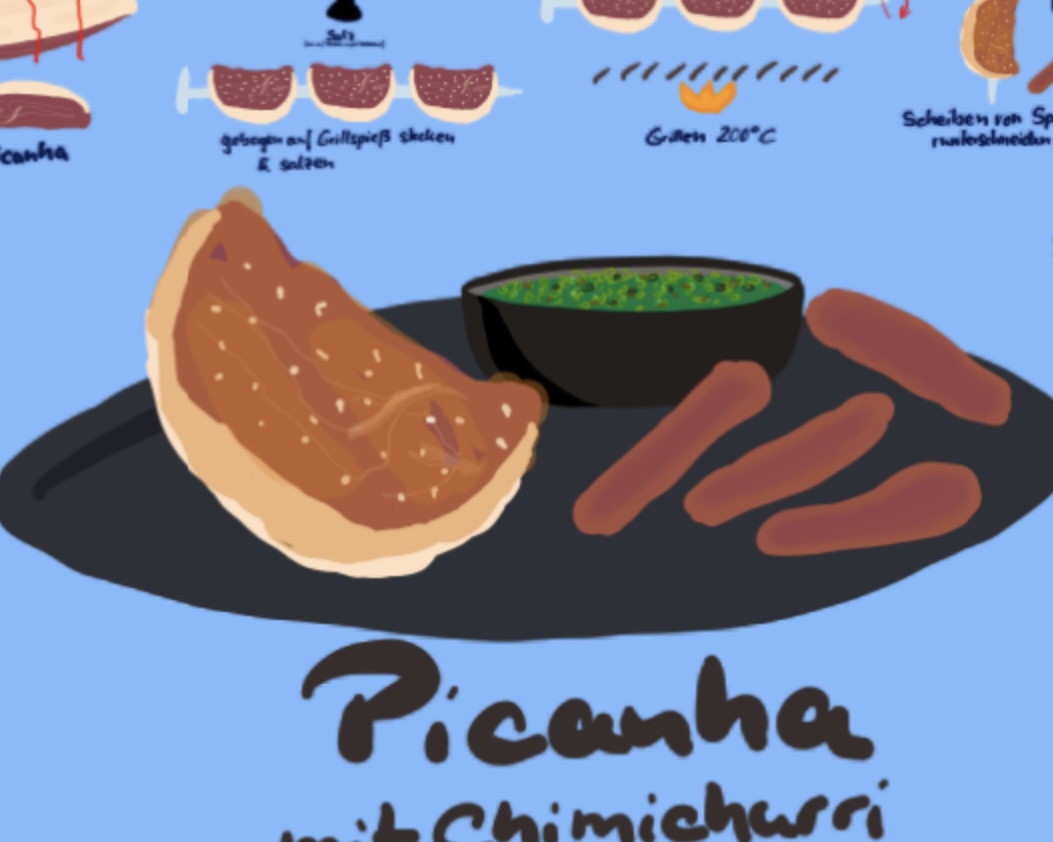
Picanha
Grill picanha with a savory browned fat cap, coarse sea salt, and black pepper. Learn how to control the heat and slice the beef, then add your favorite sides.
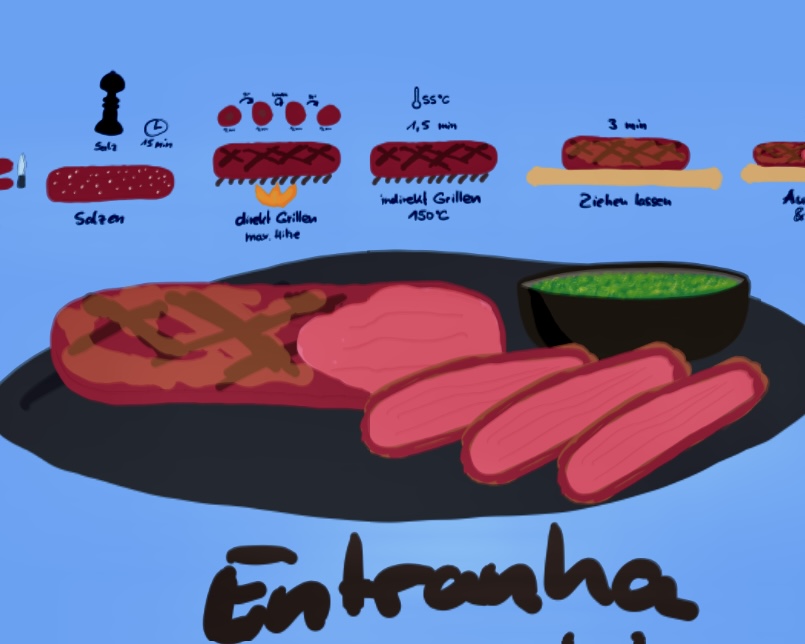
Entranha
Grill Entranha with sea salt and black pepper, then slice across the grain. Get practical tips for browning, checking the center and serving with chimichurri.
Texas-Style Smoked Beef Brisket
Smoke beef brisket with a peppery spice rub, Worcestershire sauce and BBQ sauce. Learn how to build a crust, check tenderness and slice the beef for serving.
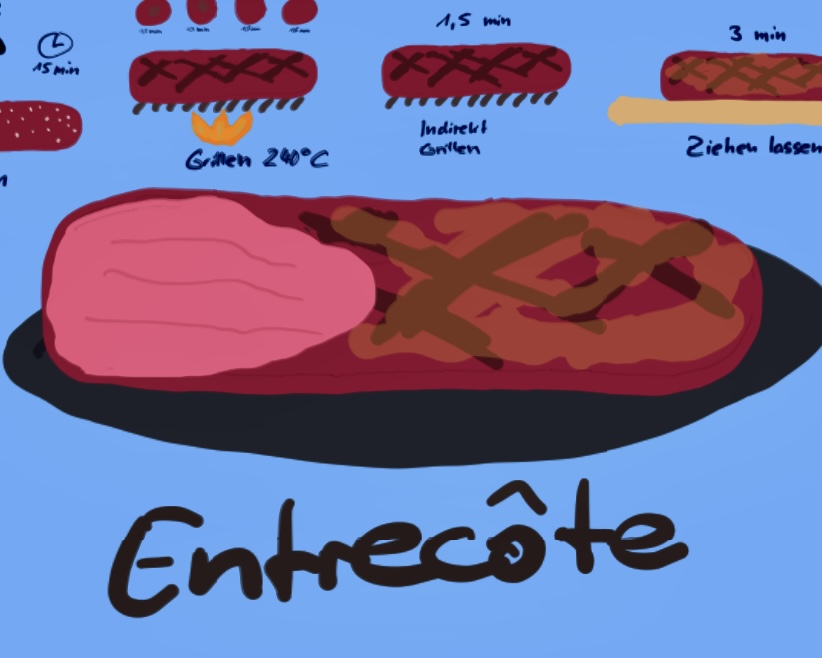
Ribeye Steak (Entrecôte)
Make ribeye steak in a skillet or on the grill with coarse sea salt and black pepper. Get a flavorful crust and serve it with cool, crunchy coleslaw.
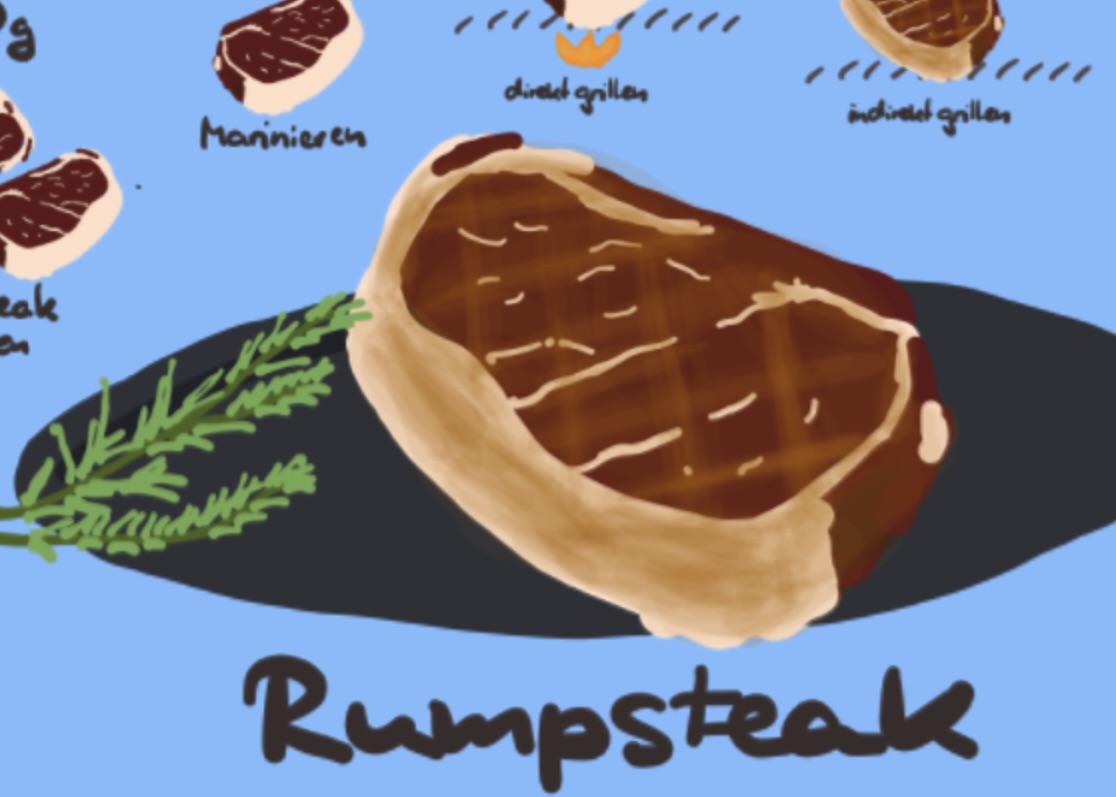
New York Strip or Strip Loin Steak for BBQ
Grill New York strip steak with salt and pepper. Learn about the cut, browning, checking the center, resting and slicing, with serving and safety tips.
Filet Mignon for BBQ
Grill filet mignon with simple seasoning and a savory crust. Understand gentle finishing, thermometer placement, and sides that suit this tender beef cut.
Vegas Strip Steak
Cook Vegas Strip Steak with salt and pepper, a browned crust and a careful temperature check. Learn why resting and slicing across the grain matter.
Porterhouse Steak
Grill porterhouse with salt and pepper. Understand its strip and tenderloin sections, indirect finishing, thermometer checks and slicing for serving.
T-Bone Steak for BBQ
Grill T-Bone steak with salt and pepper. Learn to check its tenderloin and strip separately, manage the heat, and slice both sections for serving.
Tomahawk Steak for BBQ
Grill tomahawk steak with a reverse sear. Learn how the ribeye cut, two heat zones and a thermometer help you manage the crust, center and carving.