
Panini Bread Recipe: Soft rolls for perfect panini
Instructions 👩🍳
Cook along on the interactive map
Step-by-step:
- Mix dough: Combine flour, yeast, warm water, salt, and a little olive oil.
Show all steps...
- Knead: Knead until smooth and elastic.
- Rise: Cover and let rise until doubled.
- Shape: Divide and shape into panini-sized rolls or rectangles.
- Bake: Bake until golden; cool slightly before slicing.
Panini Bread: soft inside, sturdy outside, and built for the perfect pressed sandwich
Panini bread is the kind of bread that makes a sandwich work from the first bite to the last: soft enough to compress well in a grill, sturdy enough to hold fillings, and balanced enough to turn crisp and golden without becoming dry or tough. Great panini bread should feel light and slightly chewy, with a thin crust, a tender crumb, and enough structure for cheese, vegetables, deli meats, chicken, or creamy spreads. The real secret is dough balance: enough hydration for softness, enough strength for slicing and pressing, and enough bake color to hold up under heat. Done right, panini bread gives you that café-style crunch outside and warm, tender center inside.
Why panini bread works so well
- Built for pressing: Panini bread should compress without collapsing into a dense brick.
- Strong but tender crumb: It holds fillings well while still staying pleasant to bite through.
- Fast sandwich payoff: Once baked, it turns into crisp, golden pressed sandwiches very quickly.
- Highly versatile: It works for classic Italian-style panini, breakfast sandwiches, veggie melts, or grilled cheese upgrades.
- Make-ahead friendly: You can bake the bread ahead, slice it, and use it throughout the week.
High-Value Tips: How to make panini bread really good
- Keep the dough soft but controlled: Panini bread needs enough moisture for a tender crumb, but not so much that the loaf becomes too fragile for slicing and pressing.
- Do not over-flour: Too much extra flour during mixing or shaping makes the bread drier, which leads to a tougher pressed sandwich later.
- Use enough rest time: Proper proofing gives the bread lightness and helps it stay soft instead of baking up tight and heavy.
- Aim for a thin crust: Panini bread should not have a very hard artisan crust. A thinner crust presses and crisps better without becoming overly tough.
- Watch the bake color: Bake until lightly golden and fully set, but do not push too dark. Overbaked bread dries out and becomes less sandwich-friendly.
- Cool before slicing: Warm bread slices unevenly and can compress the crumb. Let it cool so you get clean slices that hold fillings better.
- Moisture control matters in the sandwich too: Bread can only do so much. Very wet ingredients like tomatoes, mozzarella, or roasted vegetables should be drained or patted dry so the panini stays crisp instead of soggy.
- Press with balanced heat: A hot grill gives the outside color and crunch, but heat that is too aggressive can harden the bread before the center warms properly.
Variations & alternatives
- Classic white panini bread: Soft, mild, and ideal for almost any sandwich filling.
- Olive oil enriched bread: A little olive oil gives a more tender crumb and richer flavor.
- Whole wheat mix: Add a portion of whole wheat flour for a nuttier taste while keeping most of the dough light.
- Ciabatta-style panini bread: More open crumb and rustic character, great for chunkier fillings.
- Milk-enriched version: Slightly softer and more delicate, especially good for breakfast panini.
- Herb bread: Add rosemary, oregano, or basil for extra aroma without overwhelming the fillings.
Serving ideas / pairings
- Classic panini: Fill with mozzarella, tomato, pesto, and prosciutto or grilled vegetables.
- Breakfast style: Use with egg, cheese, ham, avocado, or soft scrambled eggs.
- Cheese-forward: Great for pressed cheese sandwiches with cheddar, provolone, mozzarella, or fontina.
- Soup pairing: Serve pressed panini bread sandwiches with tomato soup, minestrone, or creamy vegetable soups.
- Snack board: Slice and serve with dips, olive oil, antipasti, or soft cheeses.
Storage, Meal-Prep & Reheating
Panini bread keeps well for a few days at room temperature if wrapped once fully cooled. For the best sandwich texture, slice only what you need and keep the rest protected from air so it does not dry out. It also freezes well, either whole or pre-sliced. For reheating, panini bread is best revived in a grill pan, sandwich press, or oven rather than the microwave, because dry heat restores the outer texture and keeps the crumb from turning rubbery.
FAQ
Why is my panini bread too hard after pressing?
It was likely baked too dark, too dry to begin with, or grilled at heat that was too aggressive.
What makes bread good for panini?
A soft but structured crumb, a relatively thin crust, and enough strength to hold fillings without falling apart.
Can I use panini bread for cold sandwiches?
Yes. It works very well cold too, especially if the crumb is tender and the slices are not too thick.
How do I keep my panini from going soggy?
Control wet fillings, drain cheese or vegetables if needed, and avoid overloading the bread with watery ingredients.
Can I freeze panini bread?
Absolutely. Freeze it fully cooled, then thaw and press or toast as needed.
Best Bread Recipes to Try at Home

Rustic Breakfast Rolls
Discover rustic breakfast rolls on yummy.world! Crusty outside, fluffy inside—easy homemade bakery vibes.
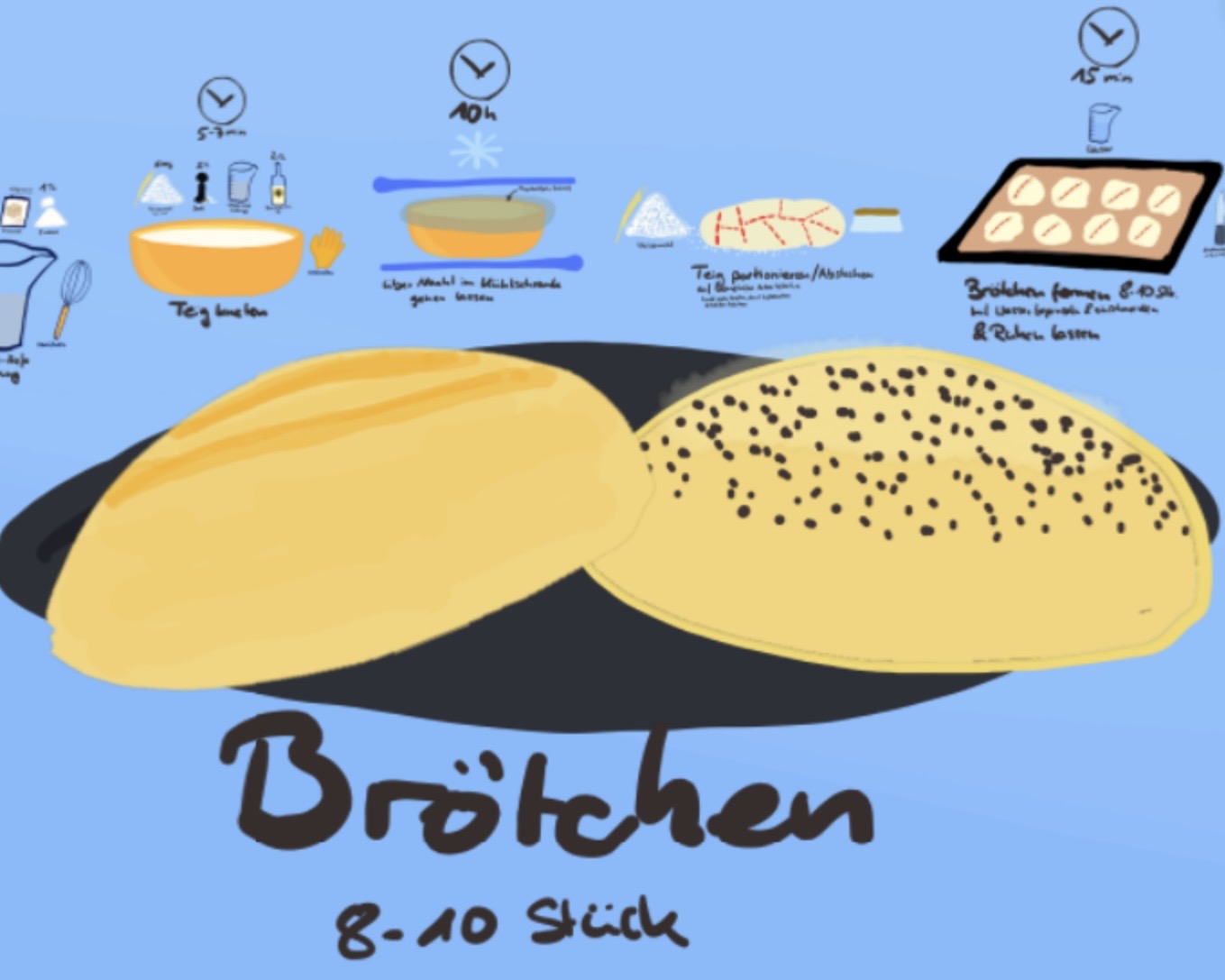
Rolls
Bake fluffy Sunday rolls with a golden crust and soft crumb. Includes tips for proofing, baking, storage, freezing, and serving for breakfast or brunch.
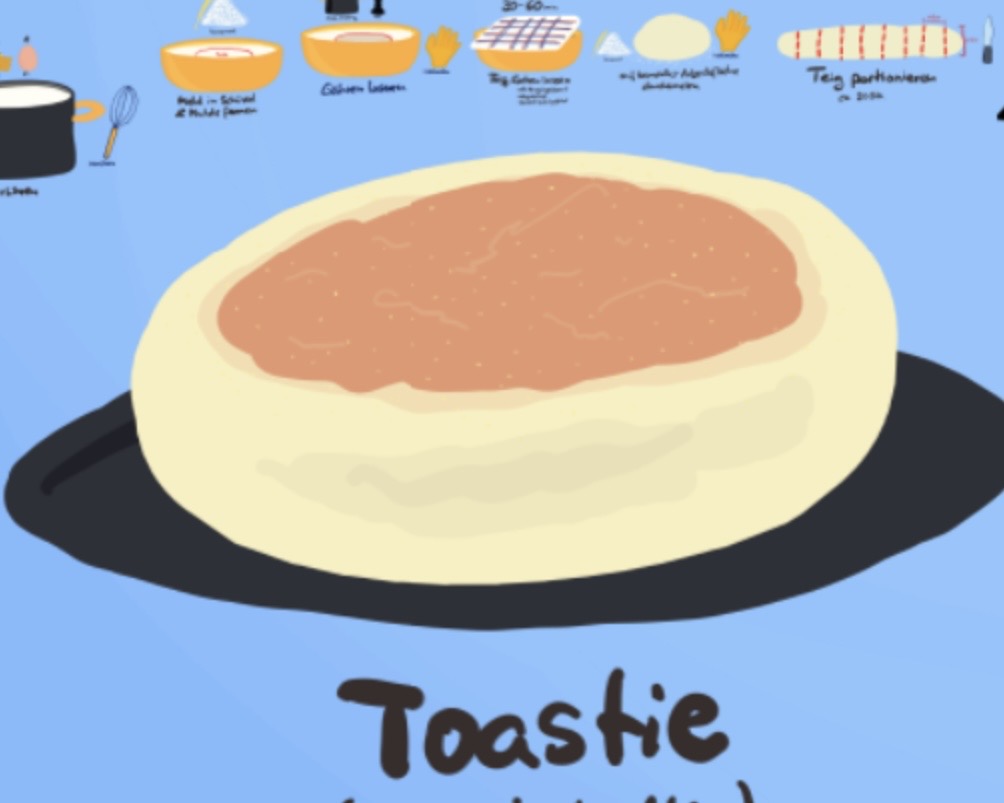
English Muffins
Create golden and fluffy English muffins, perfect for breakfast or sandwiches.
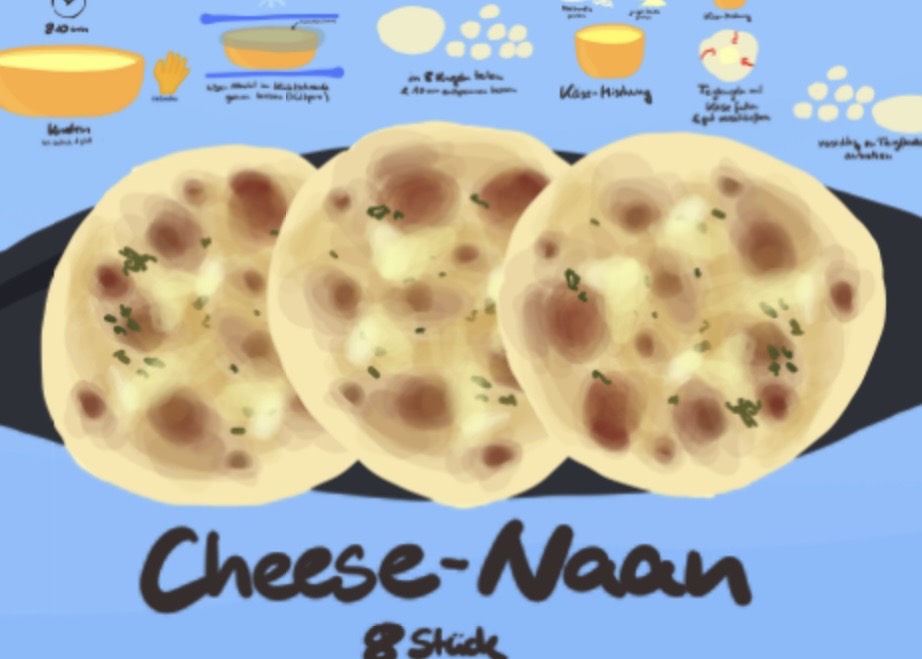
Cheese Naan
Discover Cheese Naan on yummy.world! Gooey, savory stuffed naan—perfect side for curries and sharing.
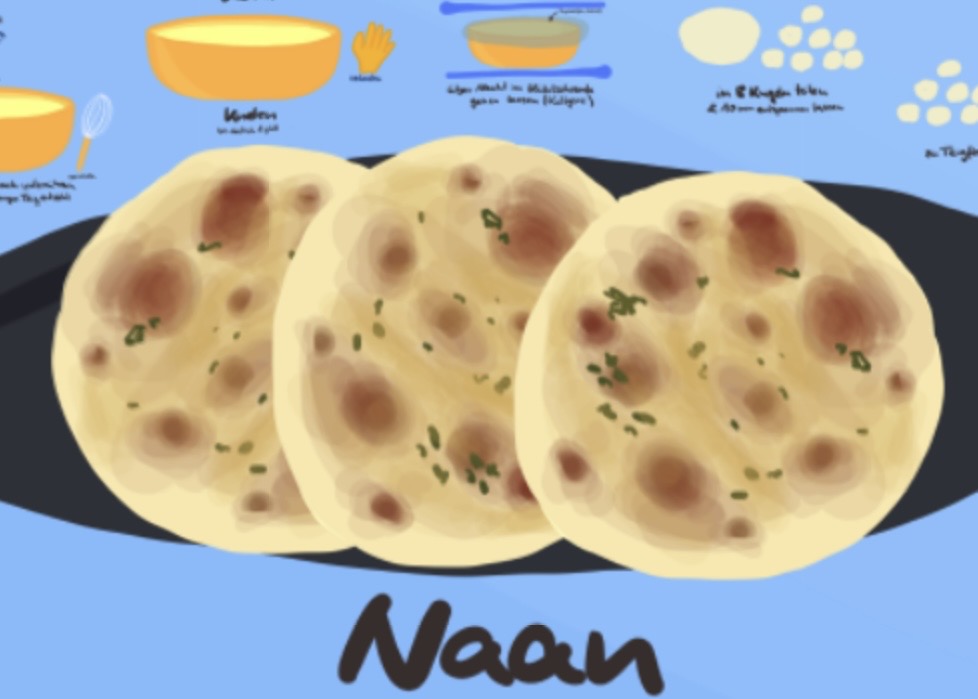
Indian Butter Naan Bread
Discover Indian Naan Bread on yummy.world! Soft, fluffy, pan-baked flatbread—perfect with curry and dips.
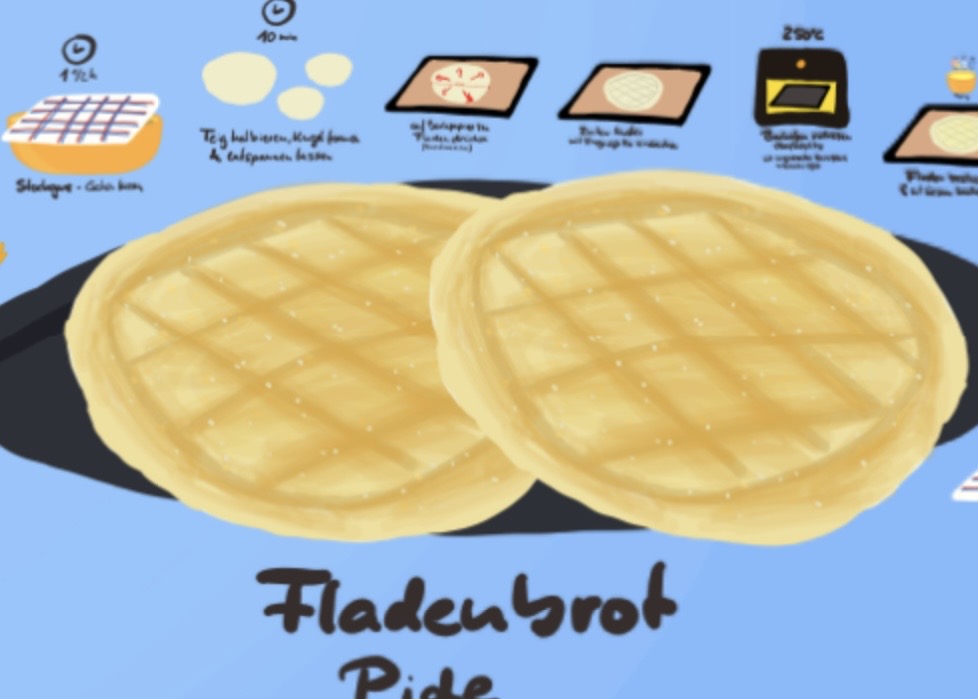
Pide bread
Discover Pide bread on yummy.world! Soft Turkish flatbread—easy to bake, perfect for dips and meals.
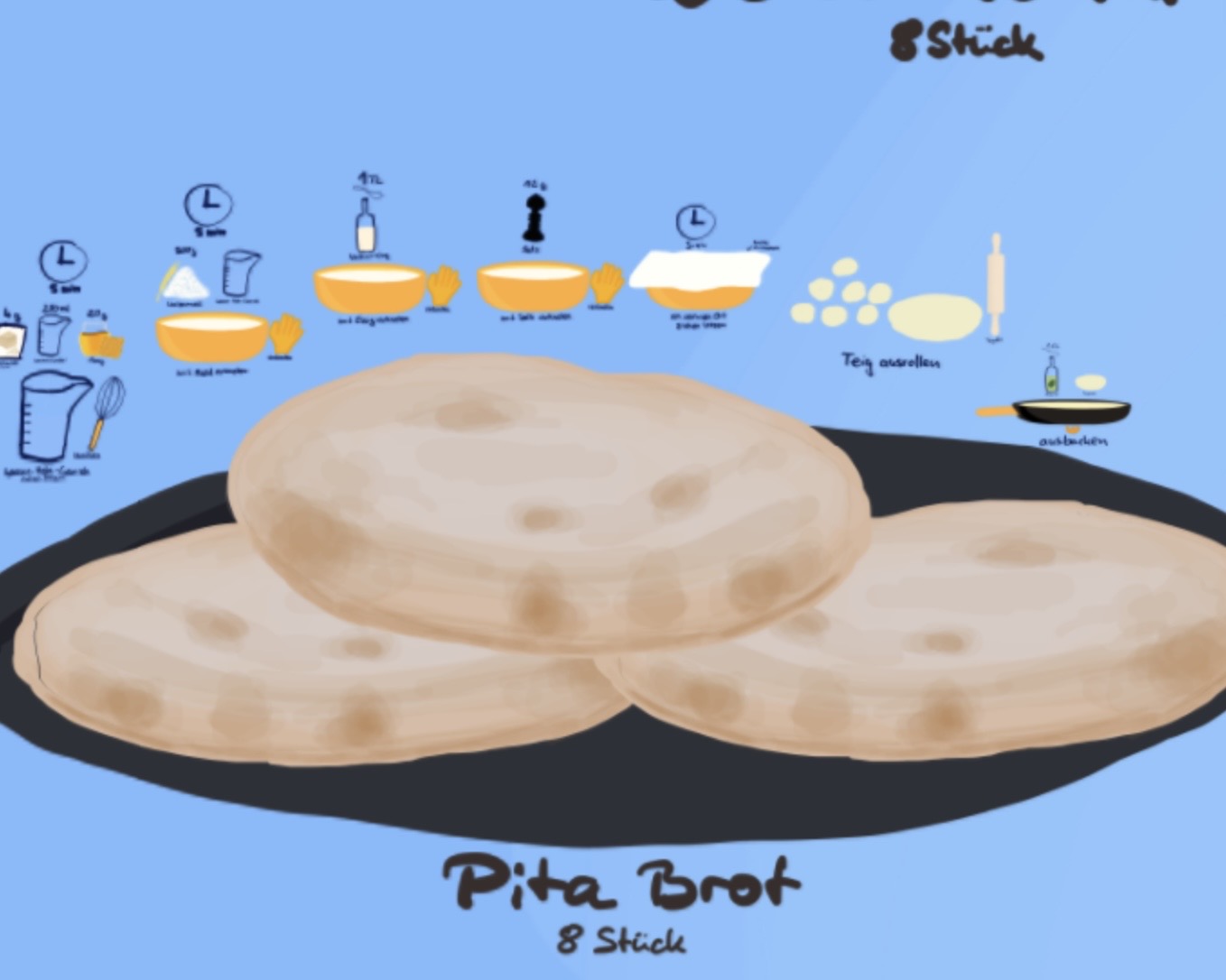
Pita bread
Discover pita bread on yummy.world! Soft, warm pockets—perfect for dips, wraps, and quick meals.
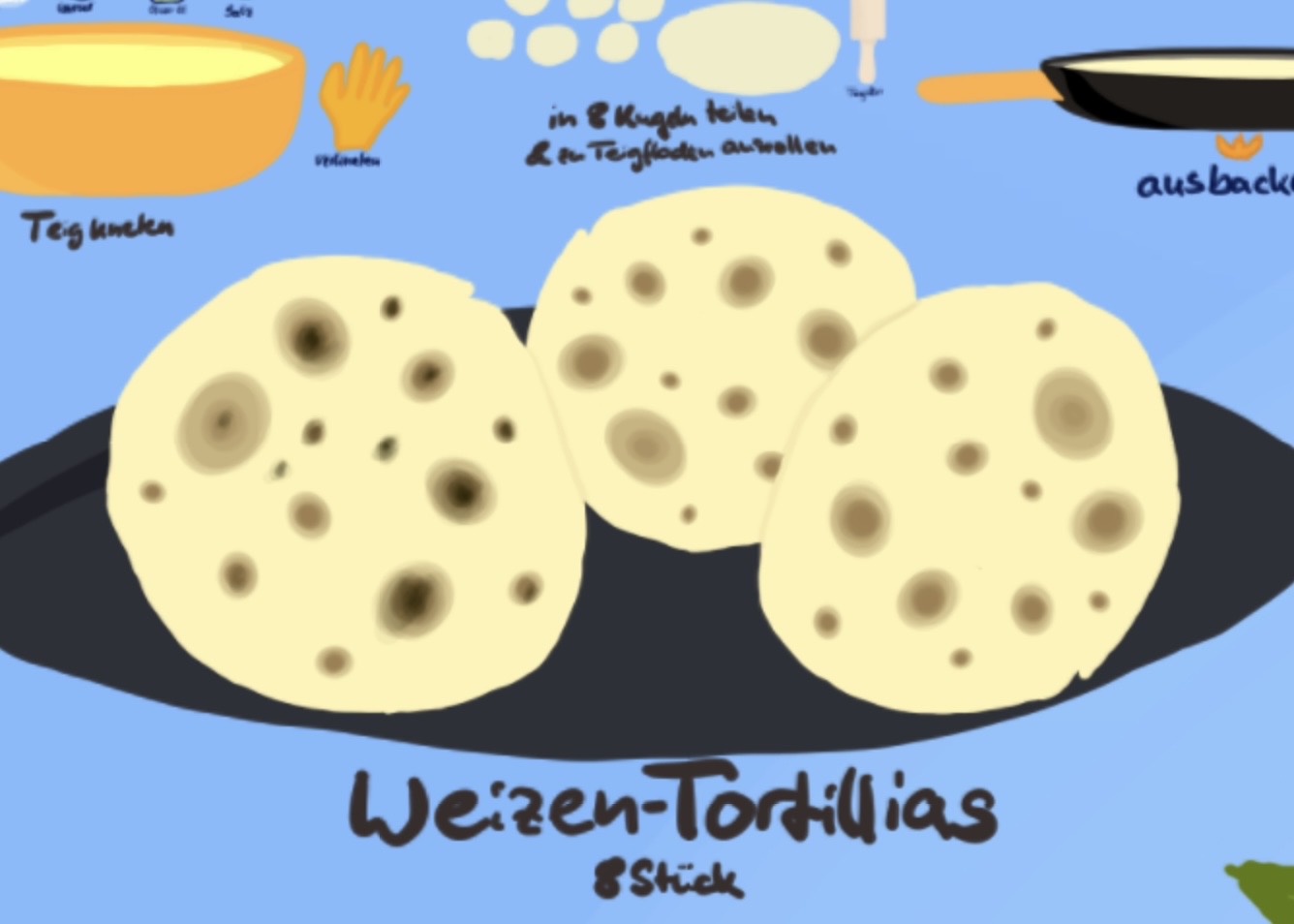
Flour Tortillas
Discover tortillas on yummy.world! Soft homemade wraps—perfect for tacos, burritos, and quick meals.
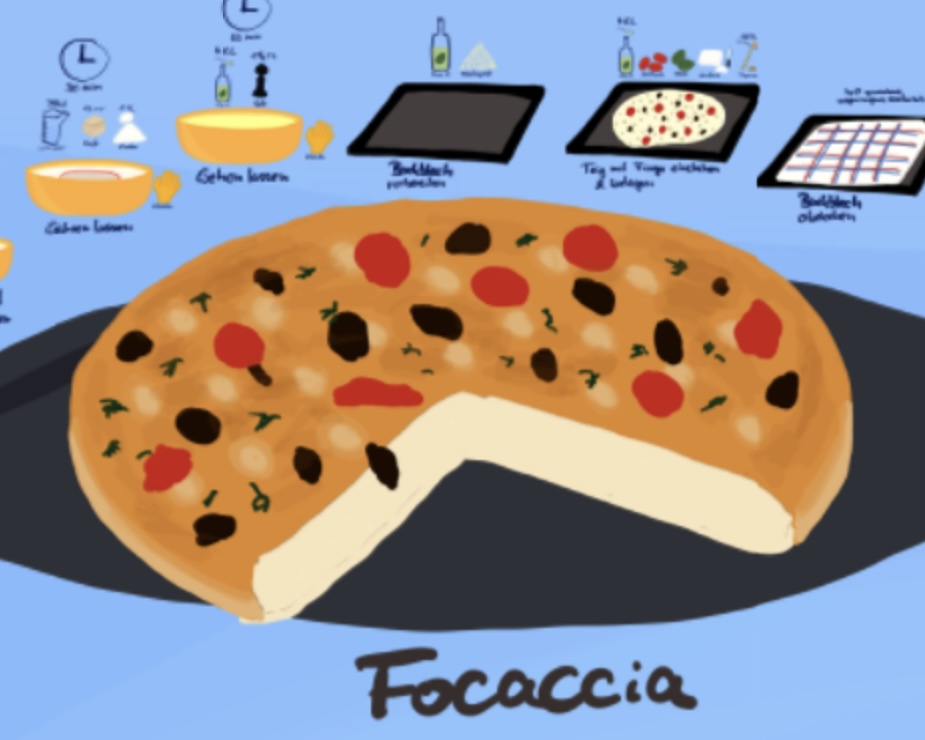
Focaccia
Bake fluffy focaccia with olive oil, thyme, tomatoes, olives and feta. Step-by-step method, proofing tips, storage advice and serving ideas.
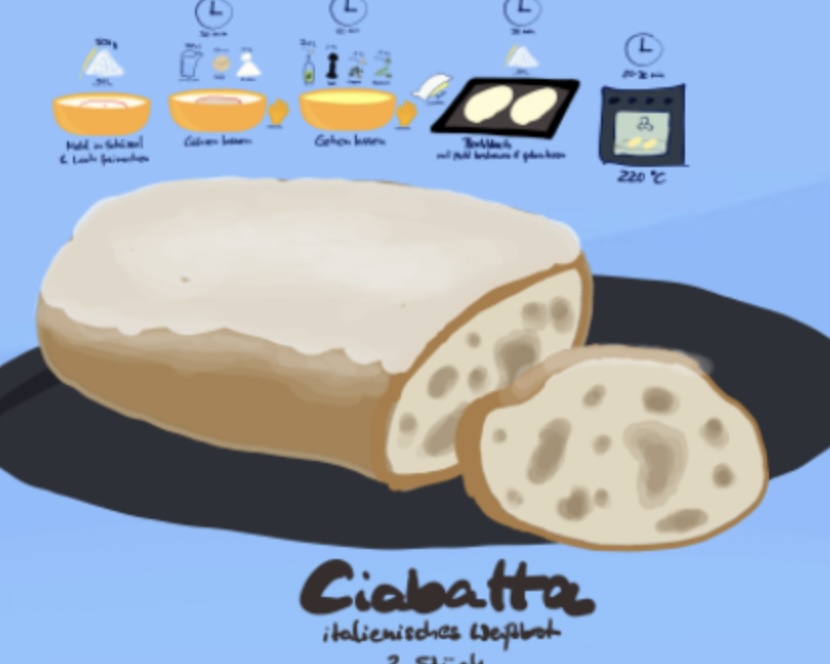
Ciabatta Bread
Create fluffy and crusty ciabatta bread, perfect for sandwiches or dipping.
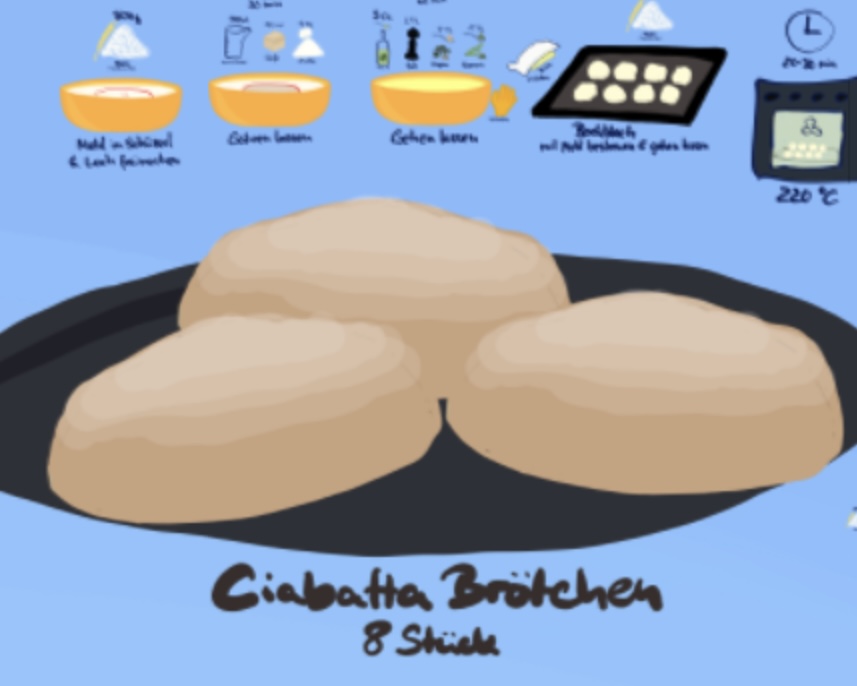
Ciabatta Rolls
Bake soft and golden ciabatta rolls, versatile for any meal or occasion.
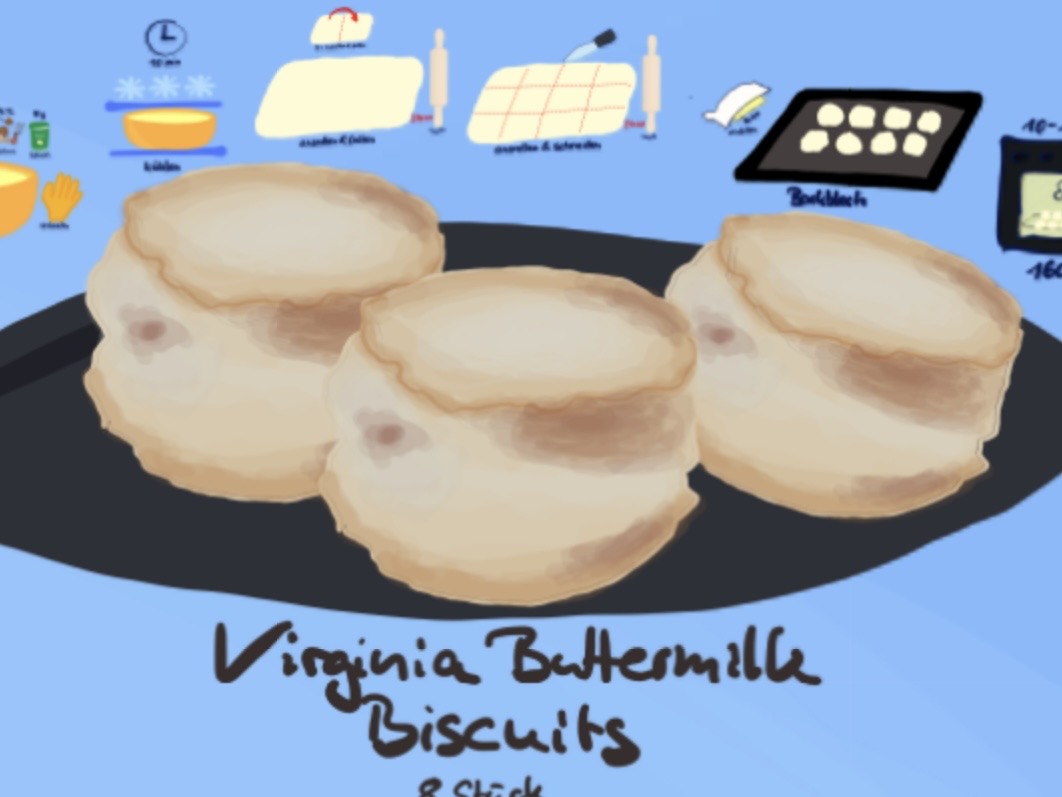
Virginia Buttermilk Biscuits
Bake soft and flaky buttermilk biscuits, a delightful side for any meal.
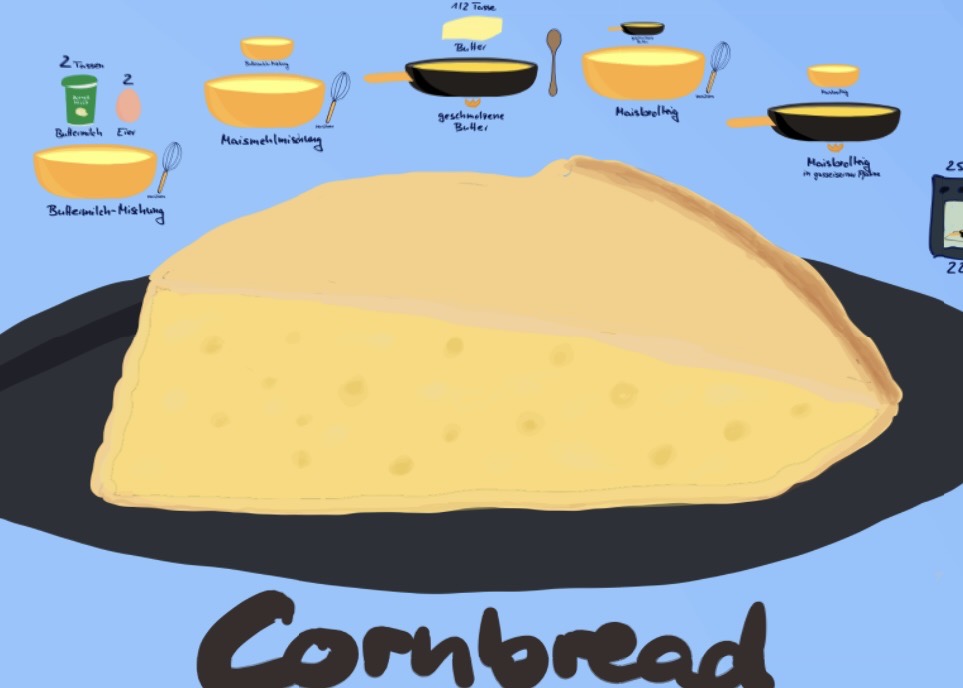
Cornbread
Enjoy the rich and moist texture of homemade cornbread, a perfect side for BBQs or soups.

Pumpernickel
Discover pumpernickel on yummy.world! German bread classic—serving ideas and pairing tips.
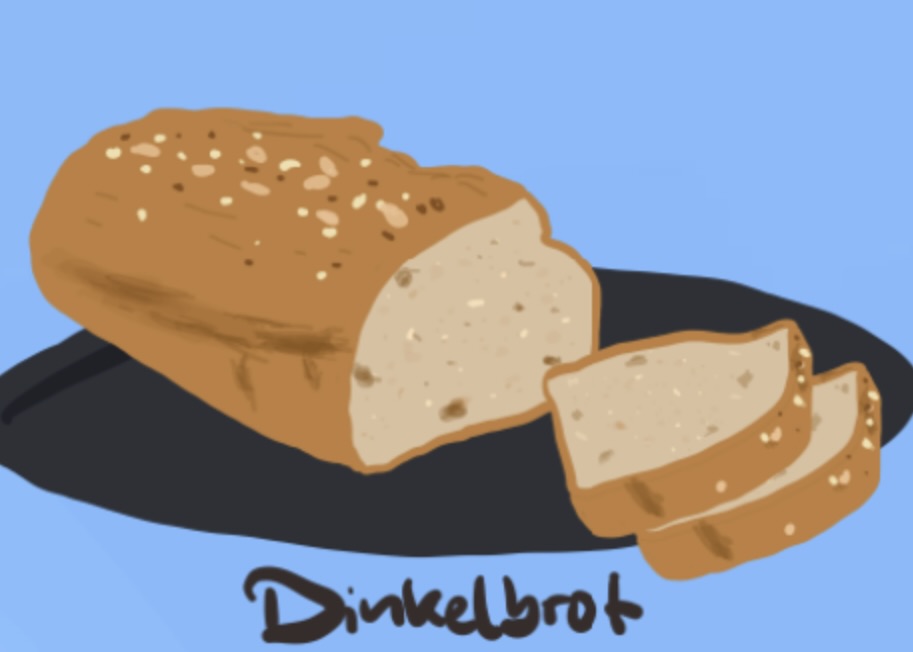
Spelt bread
Discover spelt bread on yummy.world! Rustic, flavorful loaf—easy to bake and perfect for hearty toppings.
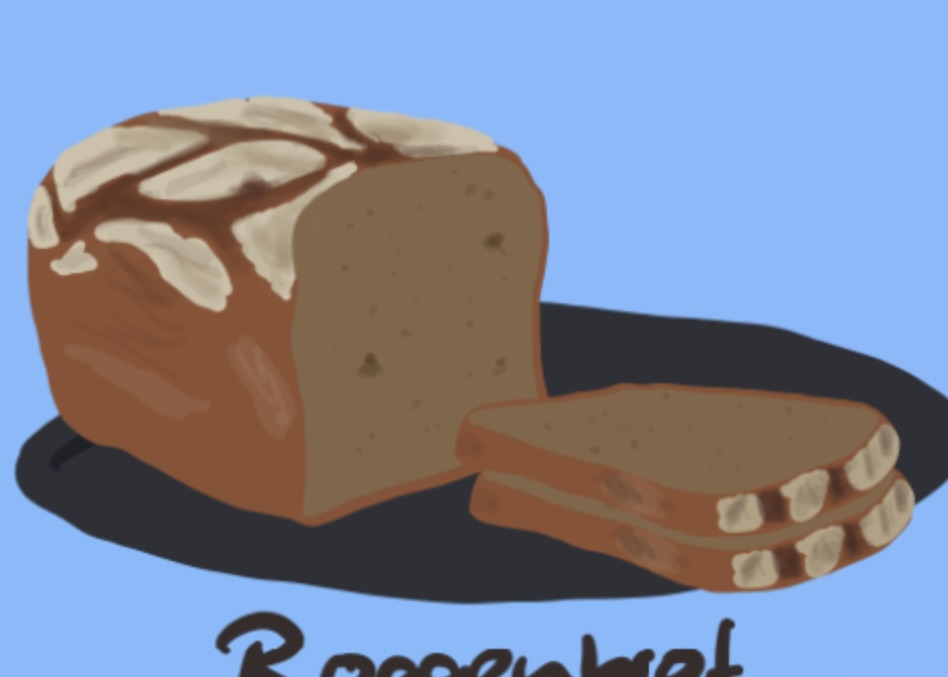
Rye bread
Bake hearty rye bread with rich flavors, perfect for any meal.
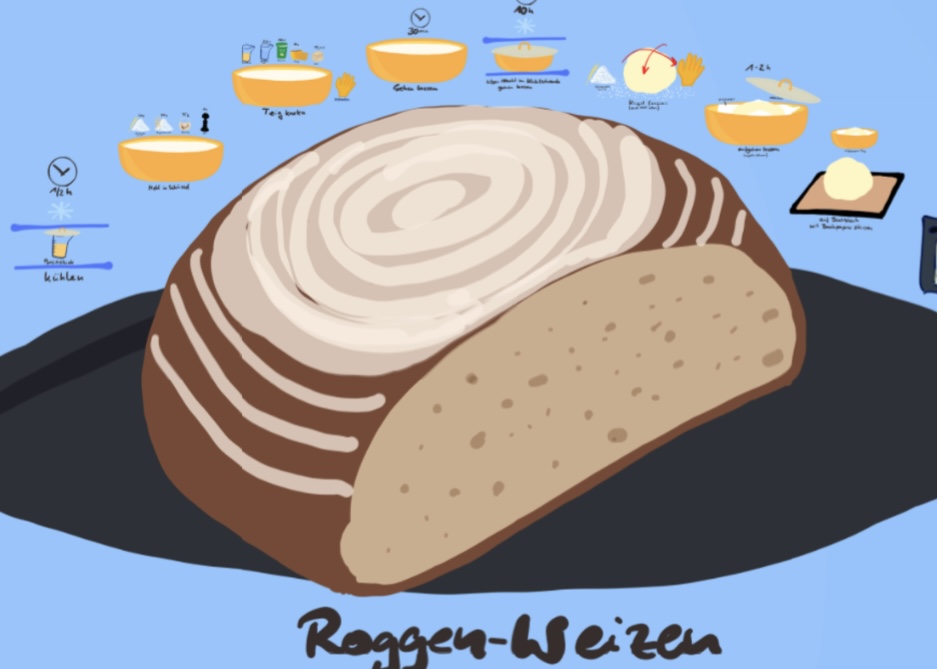
Mixed Rye Bread with Whole Grain Rye
Enjoy the nutty flavors and dense texture of homemade rye-wheat mixed bread.
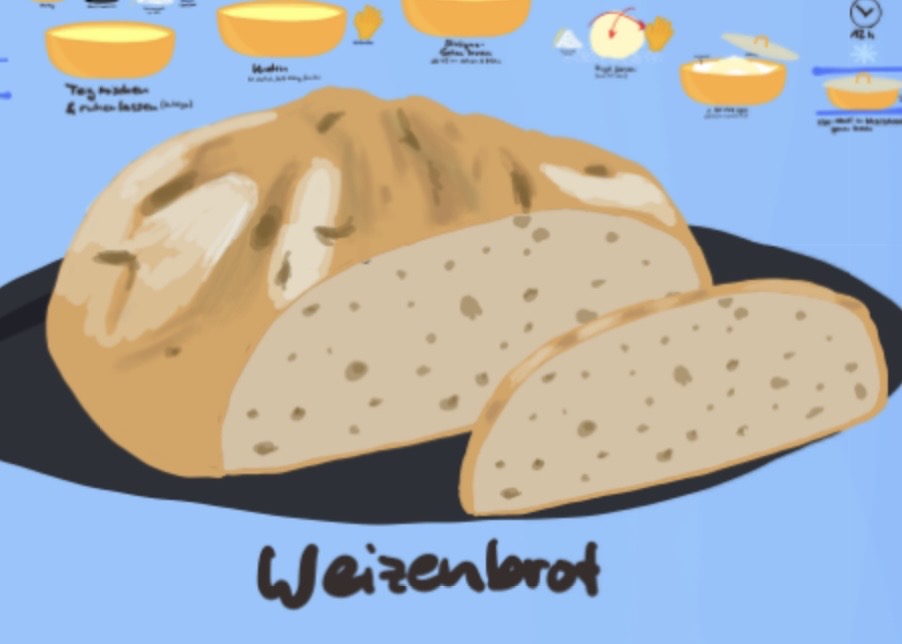
Wheat bread
Discover wheat bread on yummy.world! Everyday loaf with a soft crumb—great for sandwiches and toast.
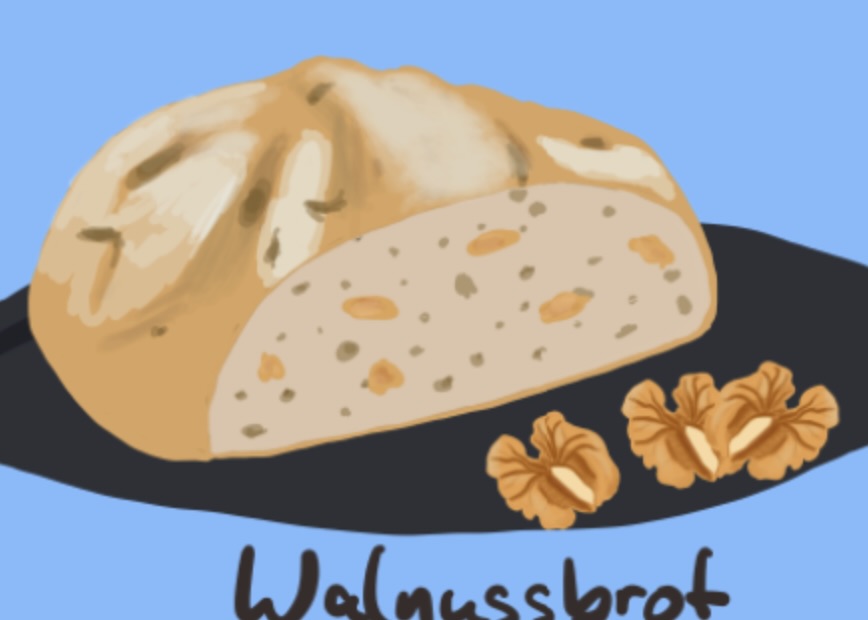
Walnut bread
Enjoy the hearty taste of walnut bread, perfect with cheese or as a snack.
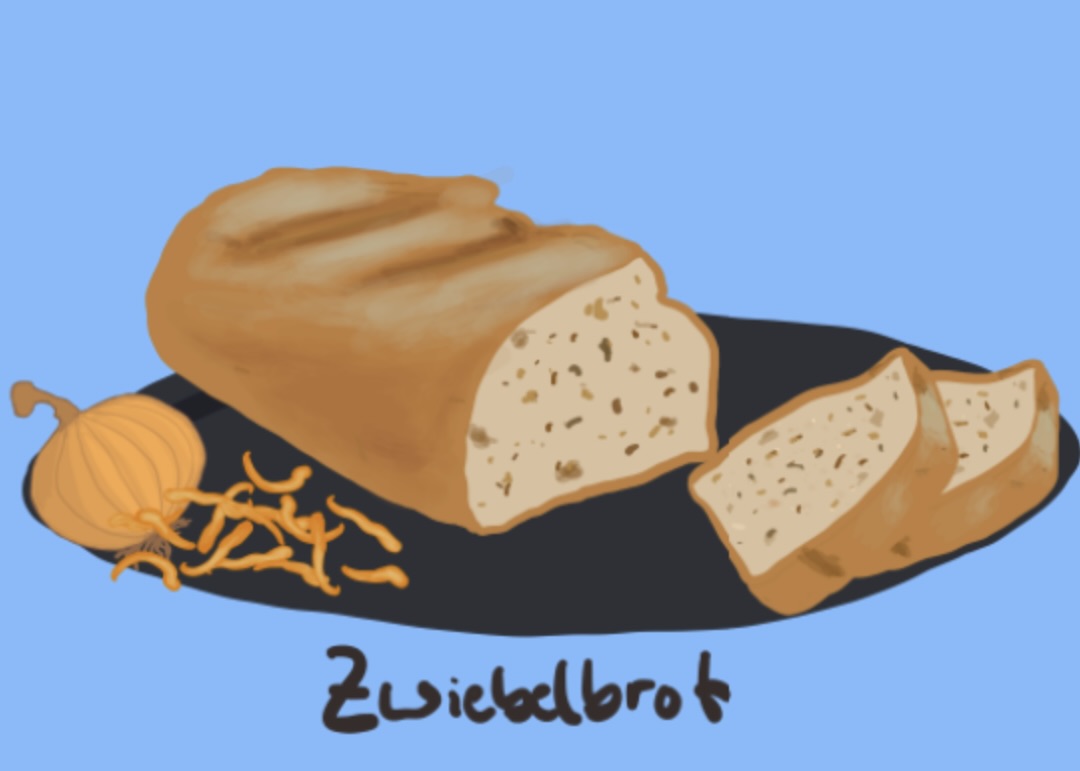
Onion bread
Bake hearty onion bread, perfect as a side for soups or a base for sandwiches.
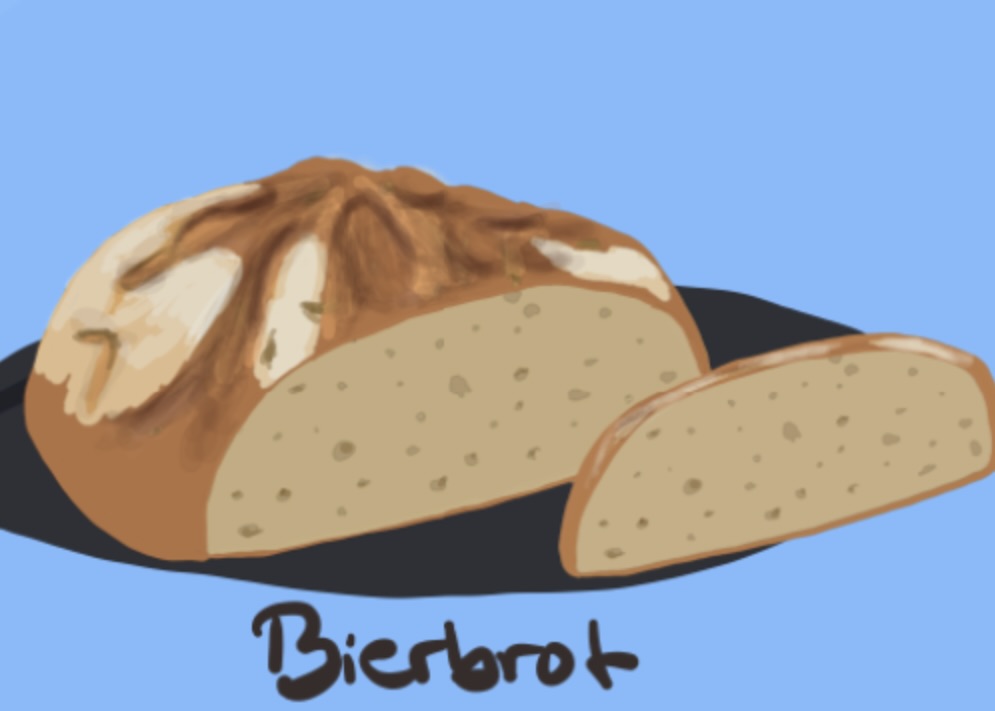
Beer bread
Discover beer bread on yummy.world! Super easy quick loaf—no yeast hassle, great with butter and soups.
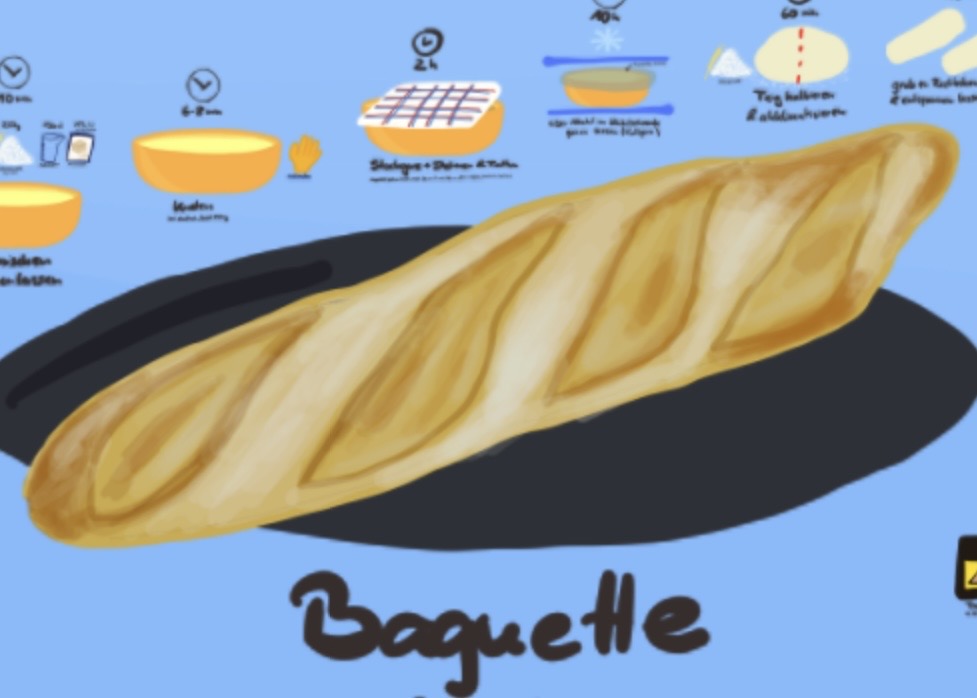
Baguette
Bake your own French-style baguette with this easy and authentic recipe.
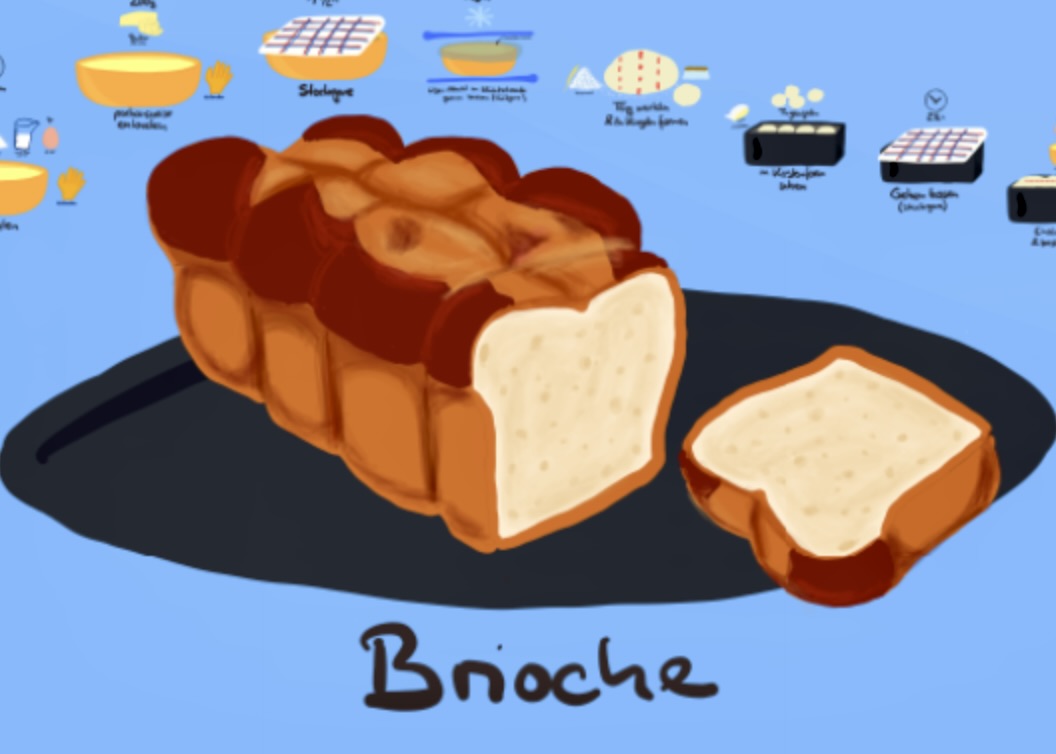
Brioche
Discover brioche on yummy.world! Soft, buttery French bread—perfect for breakfast, buns, and sweet treats.
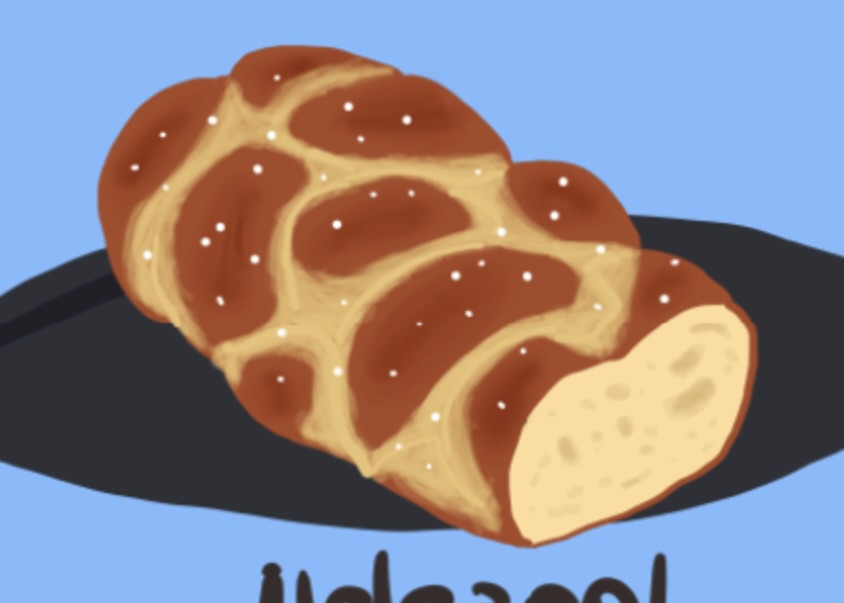
German Braided Sweet Bread
Discover zopf on yummy.world! Soft braided bread—classic, buttery, and perfect for breakfast.

Bagels
Make soft and chewy bagels at home with this foolproof recipe, ideal for any topping.