
Fluffy English Muffins Recipe
Ingredients 🧂🥕
- Milk500 ml
- Butter55 g
- Yeast20 g
- Eggs1 pcs
- Plain Flour700 g
- Coarse Cornmeal250 g
- Honey63 g
- Salt0.4 g
Instructions 👩🍳
Cook along on the interactive map
Step-by-step:
- Split and toast: Split English muffins and toast until lightly crisp.
Show all steps...
- Add butter: Spread with butter while warm.
- Build toppings: Top with jam, honey, eggs, or cheese as desired.
- Warm through: If making sandwiches, add fillings and warm briefly.
- Serve: Serve immediately for best texture.
English Muffins: soft, chewy, griddled, and full of those classic nooks and crannies
English muffins are one of the smartest breakfast breads to make at home: lightly crisp on the outside, soft and chewy inside, and perfect for butter, jam, eggs, breakfast sandwiches, or brunch spreads. What makes them special is their texture—those signature nooks and crannies that catch melted butter and toppings so well. The key is not fancy technique, but dough balance, gentle handling, proper proofing, and controlled pan heat. Get those right, and homemade English muffins turn out beautifully tender, golden, and far better than bland store-bought versions.
Why English muffins work so well
- Signature texture: English muffins are known for their chewy crumb and the little air pockets that hold butter and jam.
- Breakfast and brunch favorite: They work for sweet toppings, savory spreads, eggs Benedict, breakfast sandwiches, or simple butter and honey.
- Pan-cooked and oven-finished flexibility: The stovetop method makes them approachable even without shaping like regular rolls.
- Make-ahead friendly: The dough can often be prepared in advance, and the muffins store or freeze well.
- Highly versatile: Classic plain, whole wheat, sourdough-style, or seeded versions all work well.
High-Value Tips: How to make English muffins really good
- Use a soft but manageable dough: The dough should feel supple and slightly tacky. Too stiff, and the muffins lose their tender, open crumb.
- Do not rush proofing: Proper rise time helps develop those classic air pockets. Under-proofed muffins tend to stay tight and dense.
- Handle the dough gently: English muffins benefit from minimal rough shaping. Too much pressing removes the gas that creates the nooks and crannies.
- Use medium-low heat on the pan: Too hot, and the outside browns before the inside cooks properly. Gentle, steady heat is the real secret.
- Dust with semolina or cornmeal: This gives the classic English muffin look and a subtle extra texture on the outside.
- Flip with care: Turn them gently so the shape stays even and the crumb inside does not collapse.
- Check doneness beyond color: A golden outside does not always mean the center is fully cooked. If needed, finish briefly in the oven for a fully set interior.
- Split with a fork, not a knife: Fork-splitting preserves the rough interior texture and makes the famous nooks and crannies much better.
Variations & alternatives
- Classic plain English muffins: Soft, chewy, and ideal for both sweet and savory toppings.
- Whole wheat version: A partial whole wheat mix adds more flavor and a slightly nuttier bite.
- Sourdough style: Adds more depth, gentle tang, and an even more interesting crumb.
- Seeded muffins: Sesame, flax, or sunflower seeds add texture and a more rustic finish.
- Extra soft version: A little milk or butter in the dough makes the crumb slightly richer and softer.
- Brunch-style mini muffins: Smaller muffins are great for sliders, mini sandwiches, or brunch platters.
Serving ideas / pairings
- Classic breakfast: Toast and serve with butter, jam, honey, or peanut butter.
- Brunch favorite: Use for eggs Benedict, poached eggs, hollandaise, or smoked salmon.
- Breakfast sandwich: Fill with egg, cheese, avocado, bacon, or sausage.
- Sweet option: Great with fruit preserves, cinnamon butter, or cream cheese.
- Light savory: Try them with cottage cheese, tomato, herbs, or a little ham and mustard.
Storage, Meal-Prep & Reheating
English muffins keep well for about 2–3 days at room temperature if stored in a bag or container once fully cooled. They also freeze very well, which makes them excellent for batch baking. For the best texture, split and toast them before serving rather than reheating them whole. Toasting restores the outer crispness and highlights the chewy crumb. Avoid storing them in the fridge, because they can stale faster there.
FAQ
Why are my English muffins too dense?
The dough was likely too stiff, under-proofed, or handled too roughly during shaping.
How do I get more nooks and crannies?
Use a soft dough, let it proof properly, and split the finished muffins with a fork instead of slicing with a knife.
Why do my muffins brown too fast in the pan?
The heat is too high. English muffins need medium-low, steady heat so the inside cooks before the outside gets too dark.
Can I make the dough ahead?
Yes. A cold overnight rise often improves flavor and makes breakfast prep easier.
Can I freeze English muffins?
Absolutely. Freeze them fully cooled, then split and toast straight from frozen or after thawing.
Best Bread Recipes to Try at Home

Rustic Breakfast Rolls
Discover rustic breakfast rolls on yummy.world! Crusty outside, fluffy inside—easy homemade bakery vibes.
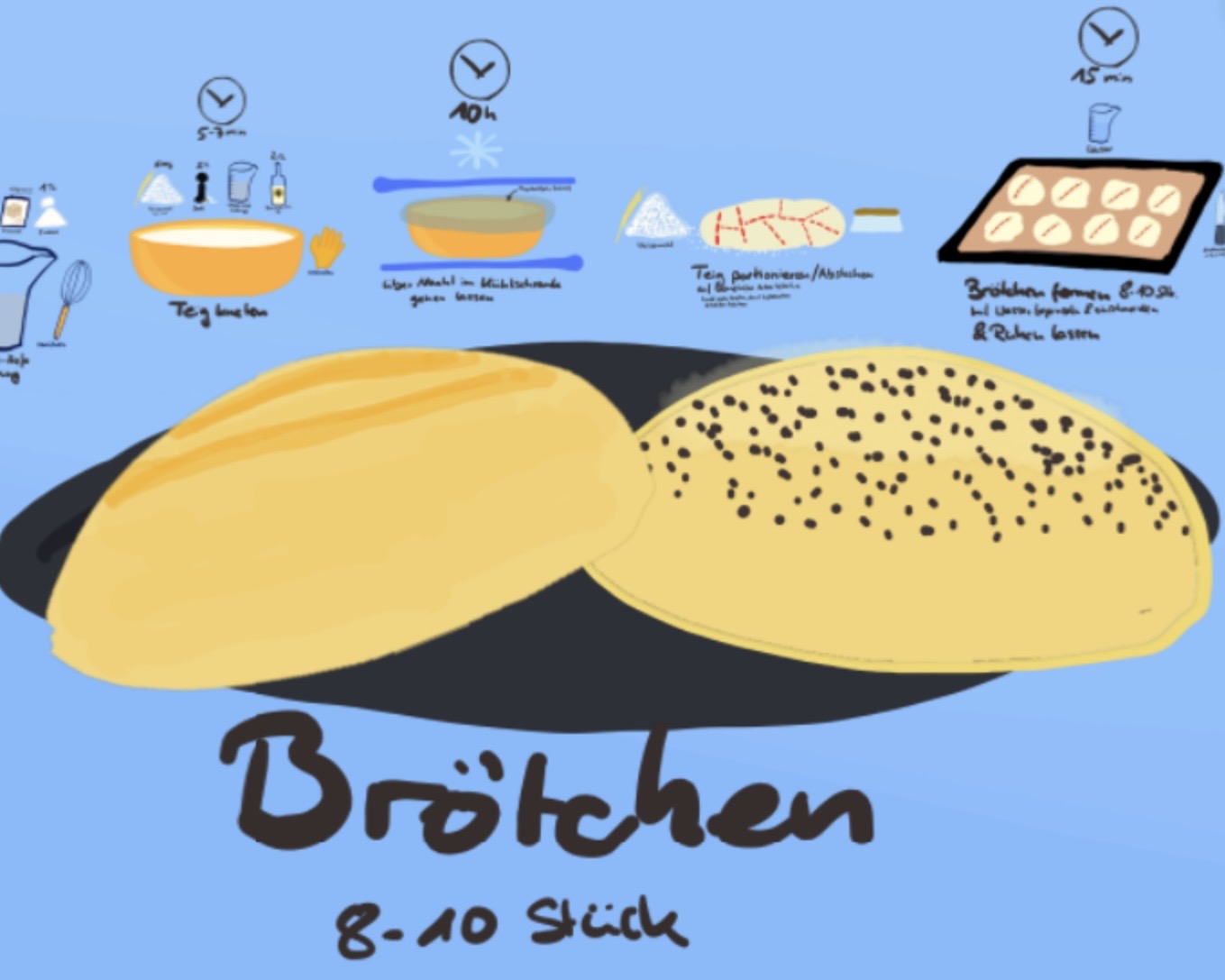
Rolls
Bake fluffy Sunday rolls with a golden crust and soft crumb. Includes tips for proofing, baking, storage, freezing, and serving for breakfast or brunch.

Cheese Naan
Discover Cheese Naan on yummy.world! Gooey, savory stuffed naan—perfect side for curries and sharing.

Indian Butter Naan Bread
Discover Indian Naan Bread on yummy.world! Soft, fluffy, pan-baked flatbread—perfect with curry and dips.
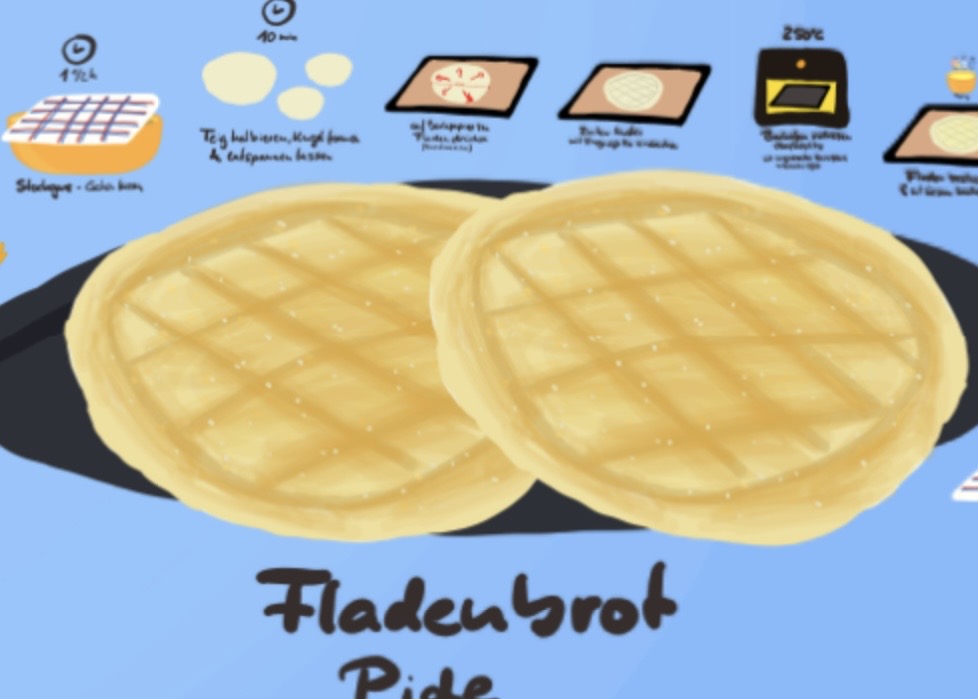
Pide bread
Discover Pide bread on yummy.world! Soft Turkish flatbread—easy to bake, perfect for dips and meals.
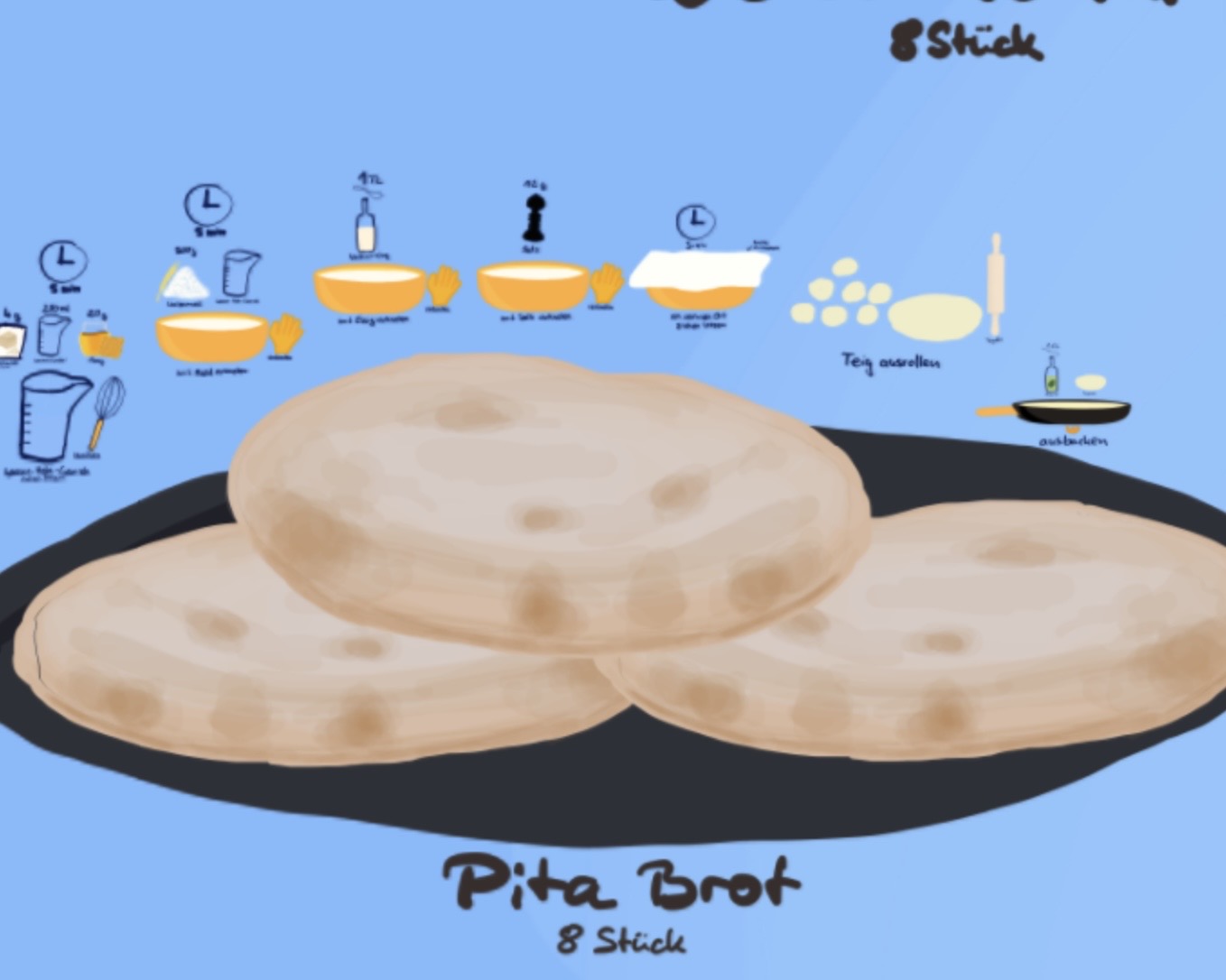
Pita bread
Discover pita bread on yummy.world! Soft, warm pockets—perfect for dips, wraps, and quick meals.

Flour Tortillas
Discover tortillas on yummy.world! Soft homemade wraps—perfect for tacos, burritos, and quick meals.
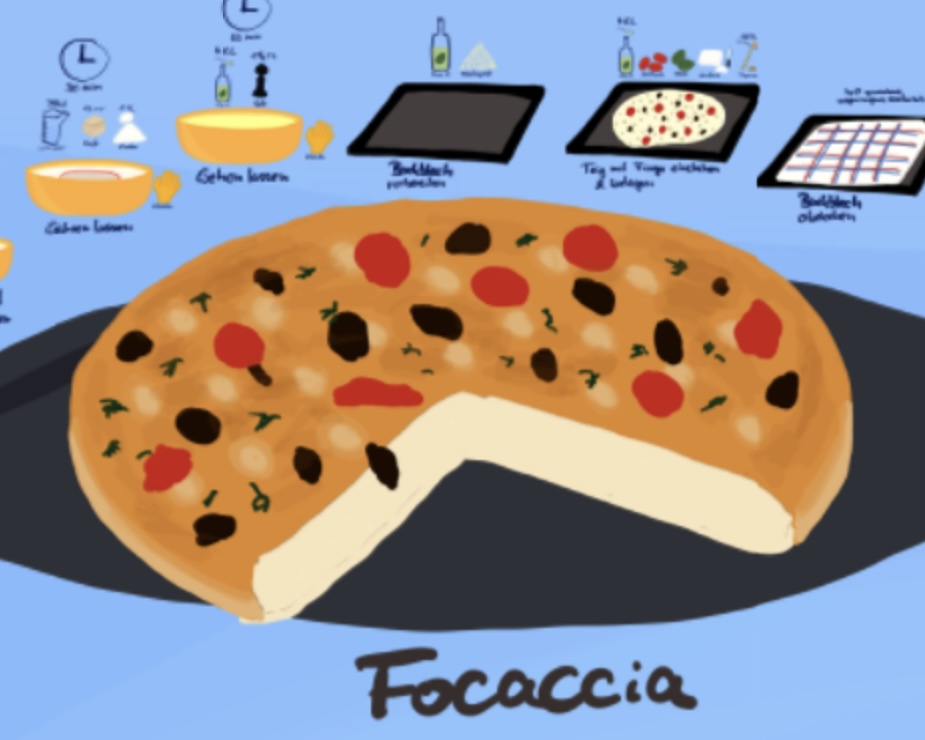
Focaccia
Bake fluffy focaccia with olive oil, thyme, tomatoes, olives and feta. Step-by-step method, proofing tips, storage advice and serving ideas.
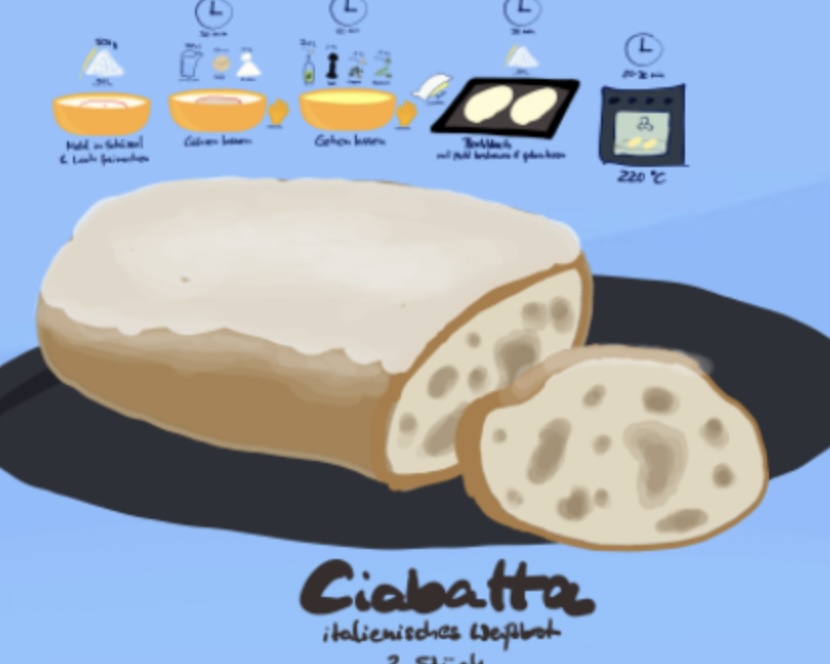
Ciabatta Bread
Create fluffy and crusty ciabatta bread, perfect for sandwiches or dipping.
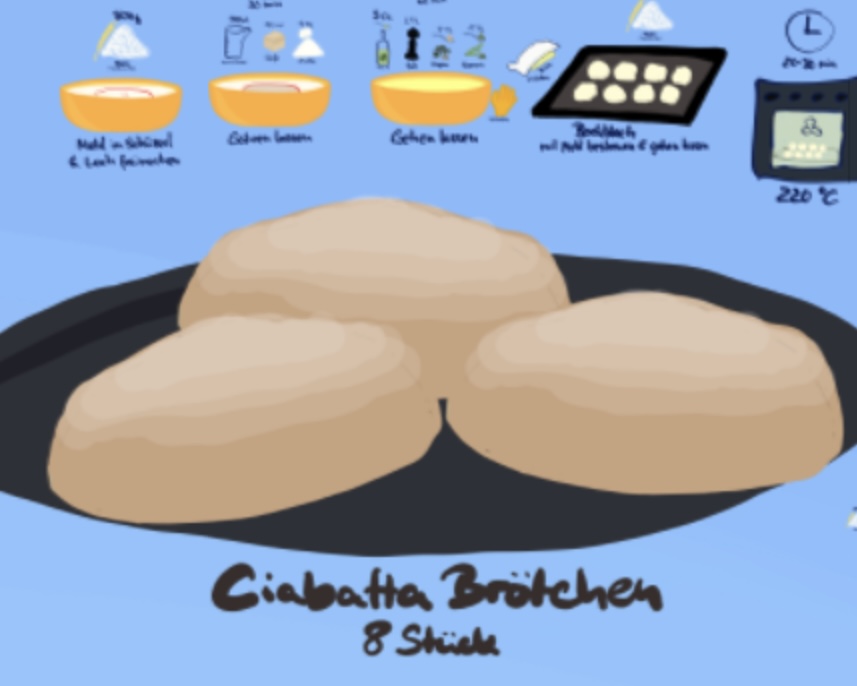
Ciabatta Rolls
Bake soft and golden ciabatta rolls, versatile for any meal or occasion.

Virginia Buttermilk Biscuits
Bake soft and flaky buttermilk biscuits, a delightful side for any meal.
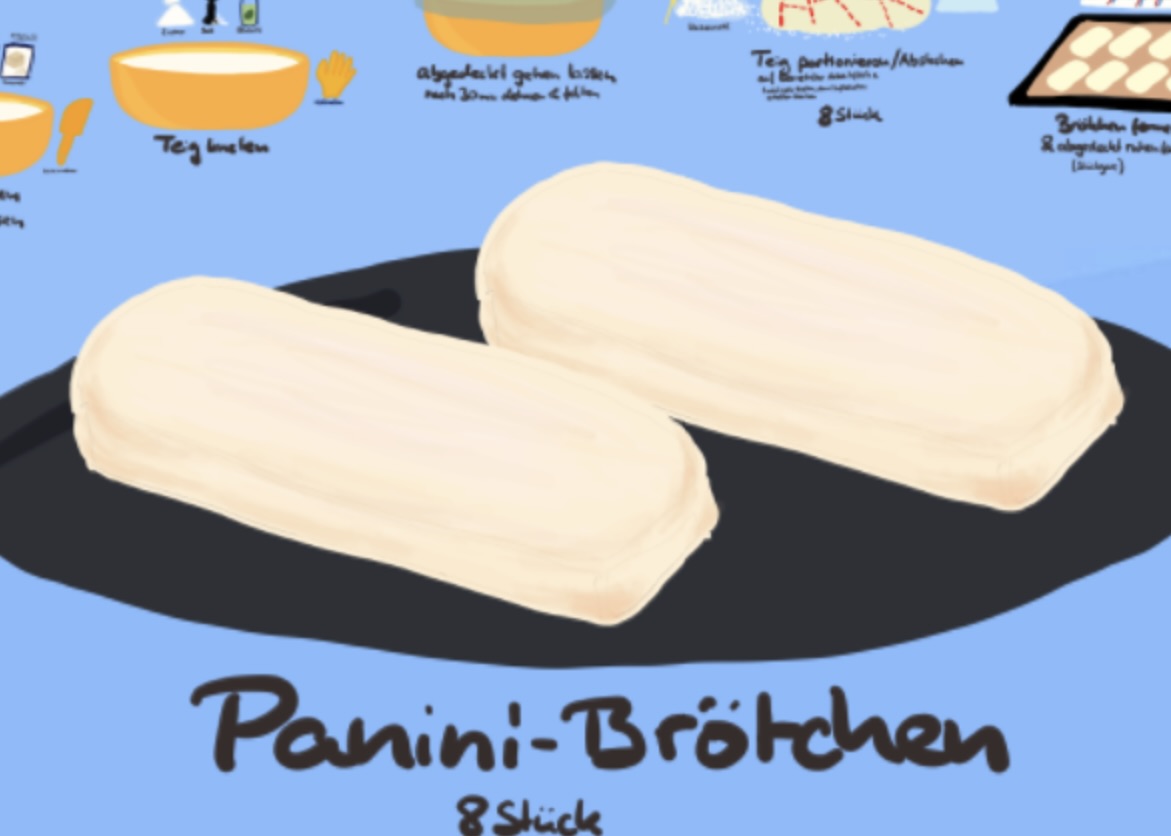
Panini Bread
Discover panini bread on yummy.world! Soft rolls made for pressing—perfect base for hot sandwiches.
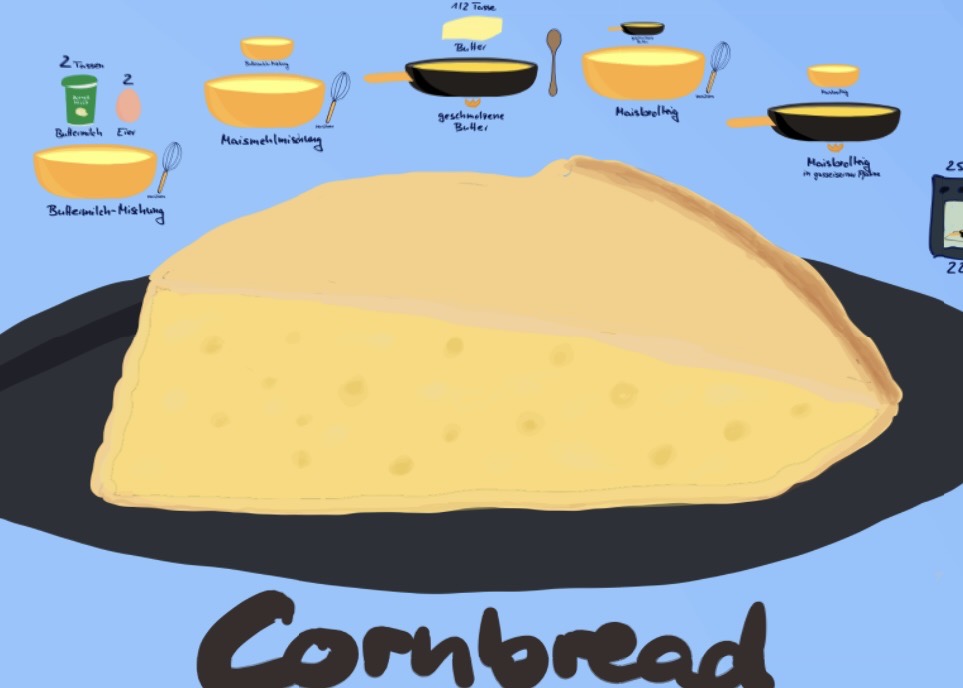
Cornbread
Enjoy the rich and moist texture of homemade cornbread, a perfect side for BBQs or soups.
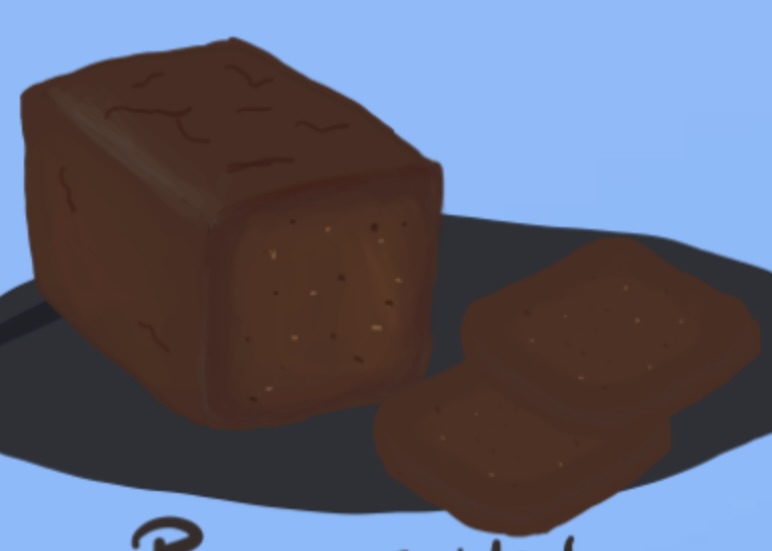
Pumpernickel
Discover pumpernickel on yummy.world! German bread classic—serving ideas and pairing tips.

Spelt bread
Discover spelt bread on yummy.world! Rustic, flavorful loaf—easy to bake and perfect for hearty toppings.
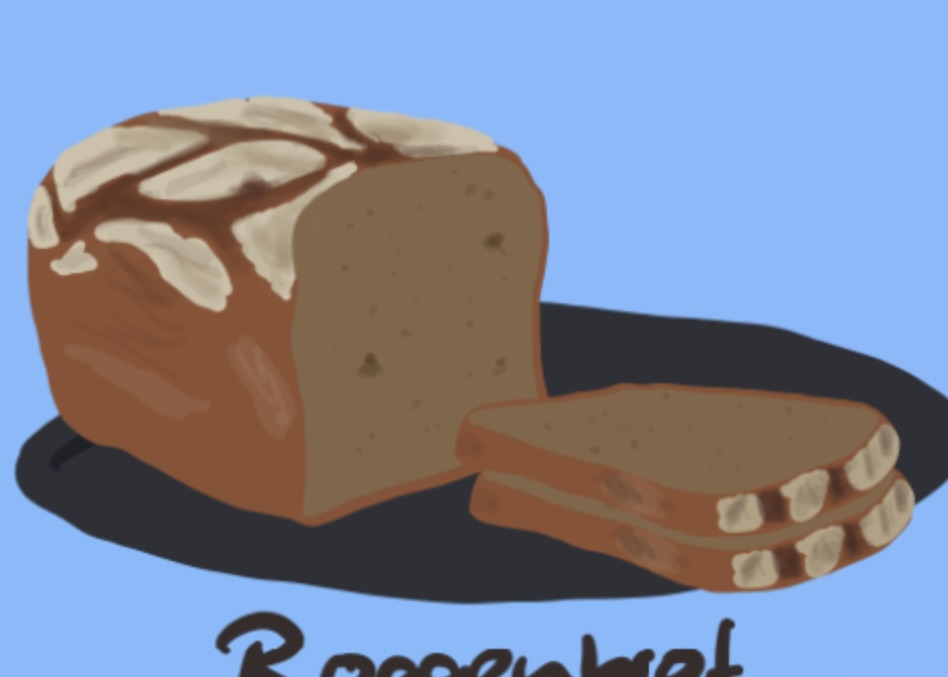
Rye bread
Bake hearty rye bread with rich flavors, perfect for any meal.
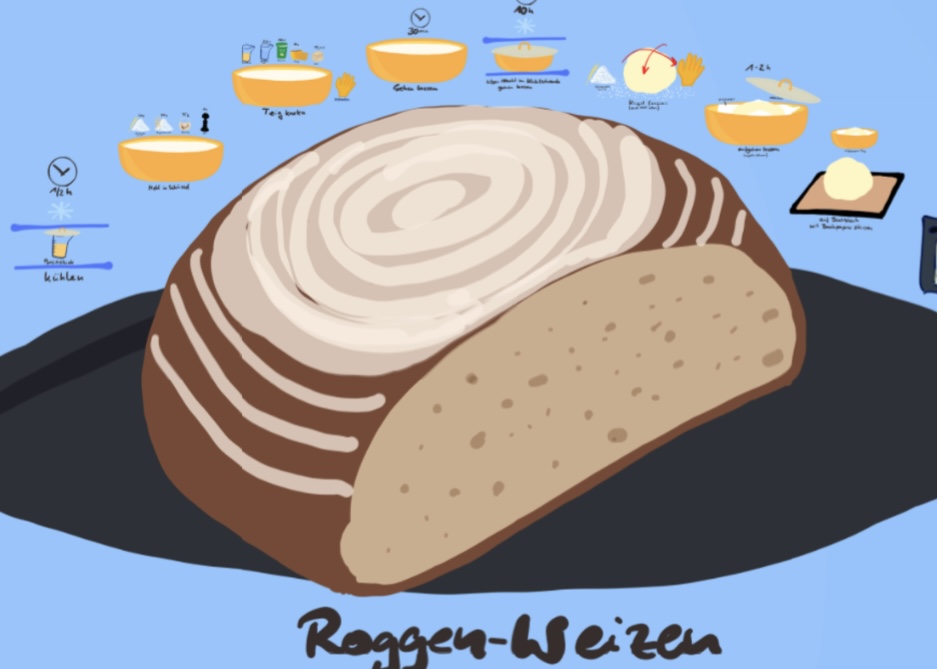
Mixed Rye Bread with Whole Grain Rye
Enjoy the nutty flavors and dense texture of homemade rye-wheat mixed bread.

Wheat bread
Discover wheat bread on yummy.world! Everyday loaf with a soft crumb—great for sandwiches and toast.

Walnut bread
Enjoy the hearty taste of walnut bread, perfect with cheese or as a snack.
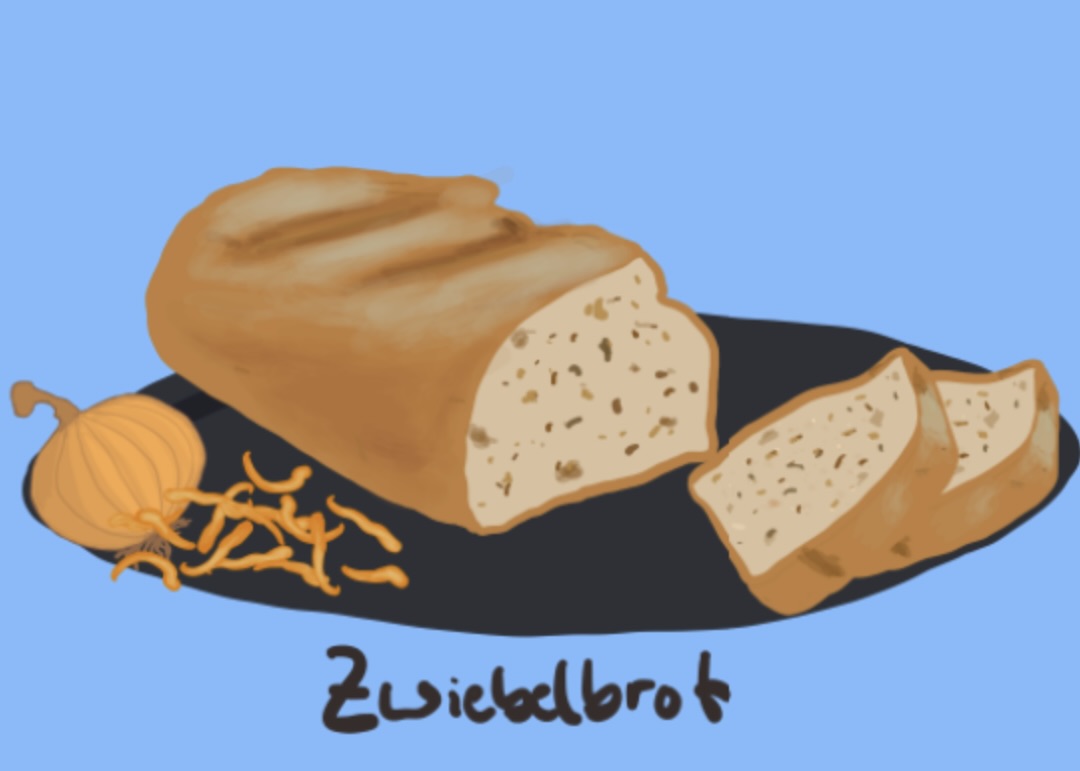
Onion bread
Bake hearty onion bread, perfect as a side for soups or a base for sandwiches.
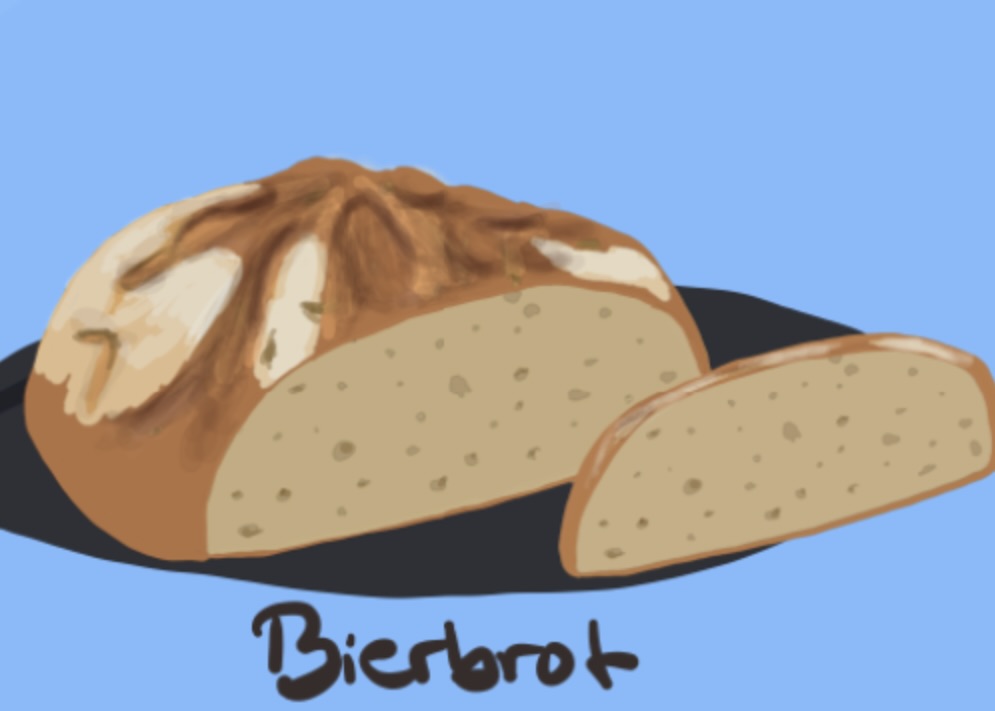
Beer bread
Discover beer bread on yummy.world! Super easy quick loaf—no yeast hassle, great with butter and soups.
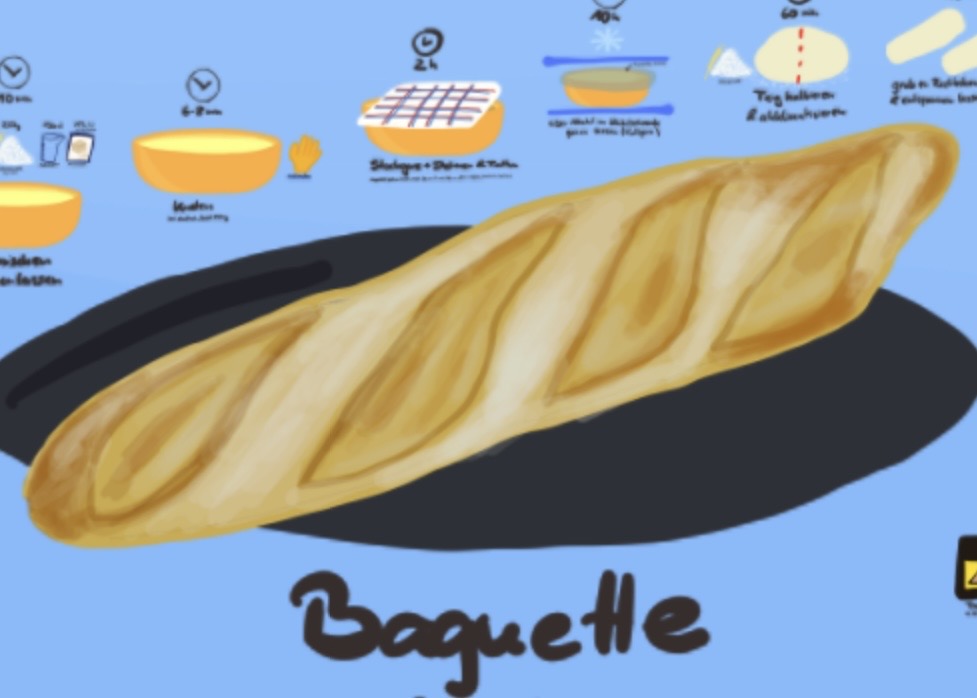
Baguette
Bake your own French-style baguette with this easy and authentic recipe.
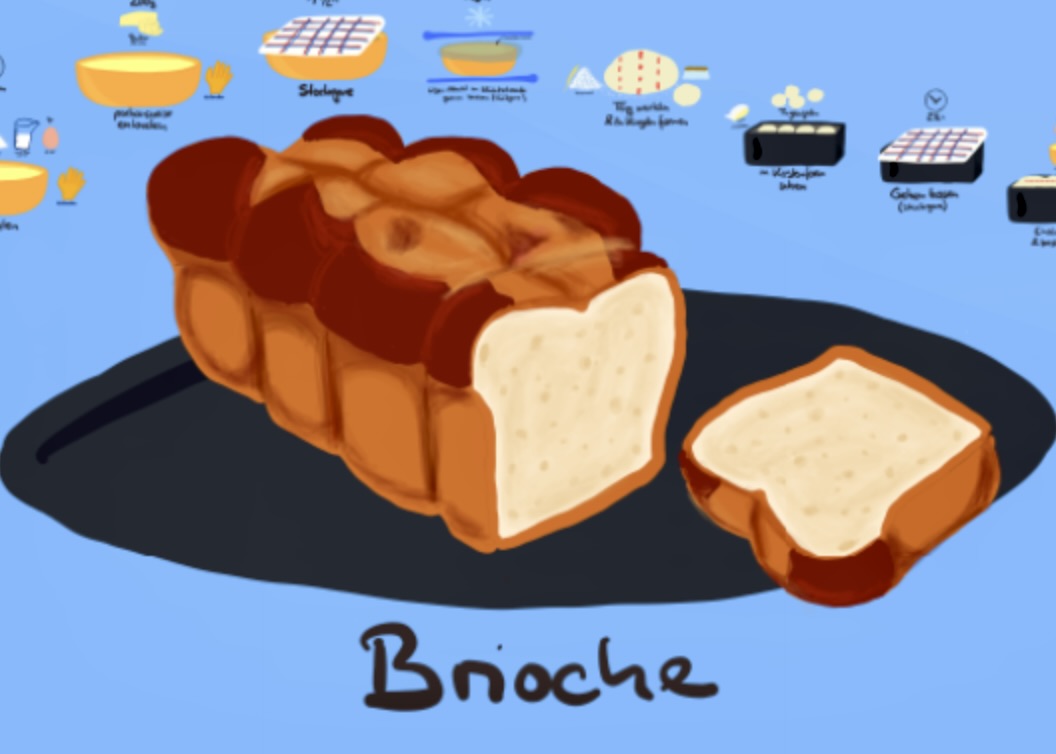
Brioche
Discover brioche on yummy.world! Soft, buttery French bread—perfect for breakfast, buns, and sweet treats.

German Braided Sweet Bread
Discover zopf on yummy.world! Soft braided bread—classic, buttery, and perfect for breakfast.

Bagels
Make soft and chewy bagels at home with this foolproof recipe, ideal for any topping.