
Perfect Homemade Bagels Recipe
Instructions 👩🍳
Cook along on the interactive map
Step-by-step:
- Make dough: Mix flour, yeast, salt, malt/sugar, and water; knead until smooth.
Show all steps...
- First rise: Let rise until doubled.
- Shape rings: Divide, roll into ropes, join into rings; rest briefly.
- Boil: Boil bagels briefly in water with honey/baking soda; drain.
- Bake: Bake until deep golden; cool and slice.
Bagels: chewy, glossy, and the ultimate bakery-style bread for breakfast and brunch
Bagels are one of the most distinctive breads you can make at home: dense in the right way, pleasantly chewy, lightly glossy on the outside, and perfect for cream cheese, smoked salmon, eggs, sandwiches, or sweet spreads. What makes bagels special is their unique method. They are shaped, proofed, briefly boiled, and then baked, which creates that classic tight crumb, shiny crust, and satisfying bite. A really good bagel should feel rich in texture without being heavy or tough. The keys are strong dough, proper shaping, controlled boiling, and enough bake color for a true bakery-style finish.
Why bagels work so well
- Signature chewy texture: Bagels are known for their dense-but-tender crumb and that satisfying bite you do not get from regular bread rolls.
- Perfect for toppings and fillings: They hold cream cheese, smoked fish, eggs, cheese, avocado, jam, or nut butter beautifully.
- Great for breakfast and brunch: Bagels feel substantial, practical, and special at the same time.
- Easy to customize: Plain, seeded, sesame, poppy, onion, everything-style, cheesy, or cinnamon-raisin versions all work well.
- Freezer-friendly: Bagels store and reheat well, which makes them great for batch baking.
High-Value Tips: How to make bagels really good
- Use a strong dough: Bagel dough should be firmer than many other bread doughs. That strength is what gives bagels their classic chewy structure instead of a fluffy roll texture.
- Knead until smooth and elastic: Good gluten development matters a lot here. Underdeveloped dough can lead to flatter, less structured bagels.
- Shape evenly: Whether you roll and join or poke a hole through the center, the ring should be even so the bagel cooks and bakes uniformly.
- Do not make the hole too small: Bagels puff during proofing and baking. If the center starts too tight, the hole can close up almost completely.
- Boil briefly, not endlessly: Boiling is the defining step. Too short and the crust stays less classic; too long and the bagels can become overly dense or wrinkled.
- Moisture control matters: The dough should be firm and smooth, not sticky and loose. Too much moisture makes shaping harder and reduces that typical bagel bite.
- Add toppings right after boiling: Seeds, onions, or seasoning stick best when the surface is still damp from the boil.
- Bake to a deep golden color: Bagels need enough oven time for a flavorful crust. Pale bagels often taste less developed and feel less bakery-like.
Variations & alternatives
- Classic plain bagels: Chewy, glossy, and ideal for any sweet or savory topping.
- Sesame or poppy seed bagels: A bakery classic with extra aroma and light crunch.
- Everything bagels: Topped with a savory seed-and-spice mix for bold flavor.
- Onion bagels: Deeply savory and especially good with cream cheese or egg fillings.
- Cinnamon-raisin bagels: A sweeter variation that works beautifully with butter or cream cheese.
- Whole wheat bagels: Slightly heartier, more rustic, and a little nuttier in flavor.
Serving ideas / pairings
- Classic breakfast: Serve toasted with cream cheese, butter, jam, or honey.
- NY-style favorite: Top with cream cheese, smoked salmon, red onion, capers, and dill.
- Brunch sandwich: Fill with eggs, cheese, avocado, bacon, turkey, or ham.
- Sweet option: Try with peanut butter, Nutella, cinnamon butter, or fruit preserves.
- Lunch-style bagel sandwich: Great with chicken salad, tuna salad, cucumber, tomato, and soft cheese.
Storage, Meal-Prep & Reheating
Bagels are best on the day they are baked, but they also store very well. Once fully cooled, keep them sealed at room temperature for short-term storage so they do not dry out too quickly. For longer storage, freeze them whole or sliced. Sliced bagels are especially convenient because they can go straight into the toaster. To refresh, toast or warm briefly in the oven to bring back the crust and highlight the chewy crumb. Avoid leaving them exposed to air, because bagels stale faster than they look.
FAQ
Why are my bagels too dense?
Bagels should be chewy, but overly dense bagels often come from dough that was too dry, overboiled, or not proofed enough.
Why did my bagels lose their shape?
The dough may have been too soft, the shaping uneven, or the bagels overproofed before boiling and baking.
Do I really need to boil bagels?
Yes. Boiling is what gives bagels their signature crust, shine, and chewy texture.
Why did the hole close up?
The center opening was likely too small at shaping, or the dough expanded a lot during proofing and baking.
Can I freeze bagels?
Absolutely. Bagels freeze very well, especially sliced, so they can be toasted straight from frozen.
Best Bread Recipes to Try at Home
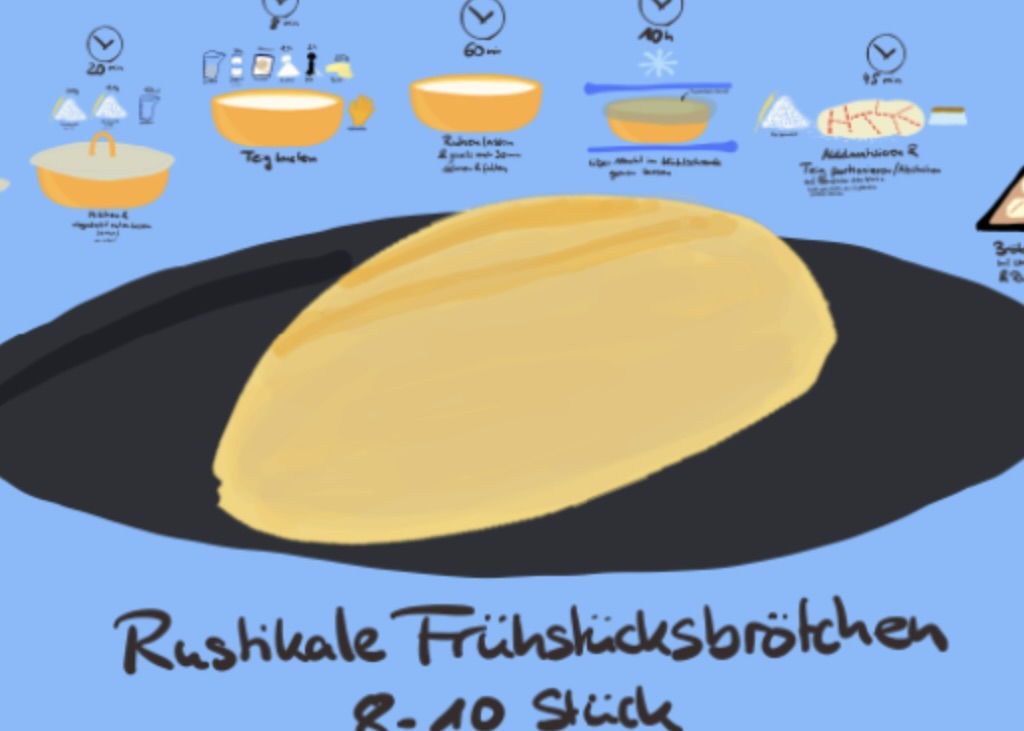
Rustic Breakfast Rolls
Discover rustic breakfast rolls on yummy.world! Crusty outside, fluffy inside—easy homemade bakery vibes.
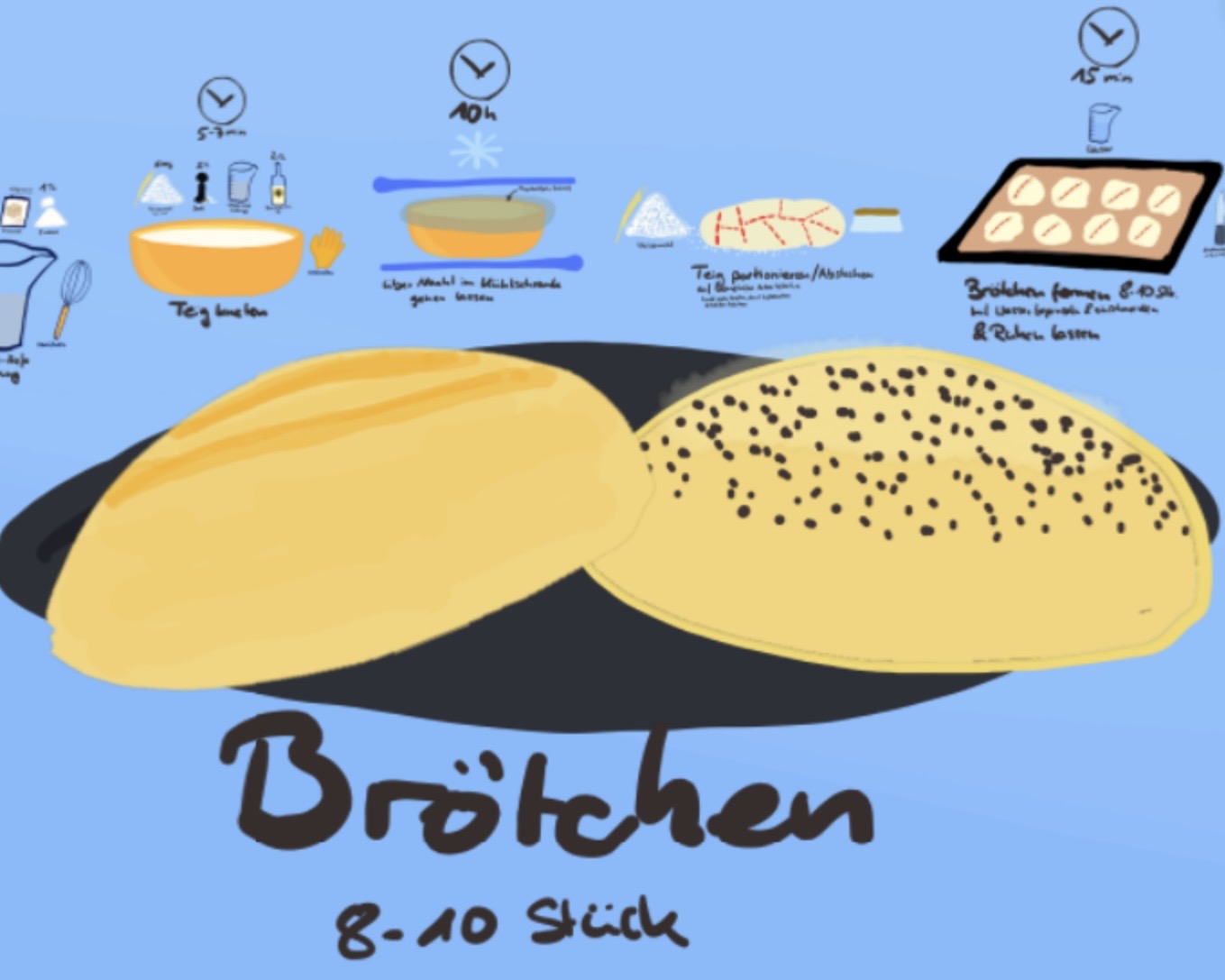
Rolls
Bake fluffy Sunday rolls with a golden crust and soft crumb. Includes tips for proofing, baking, storage, freezing, and serving for breakfast or brunch.
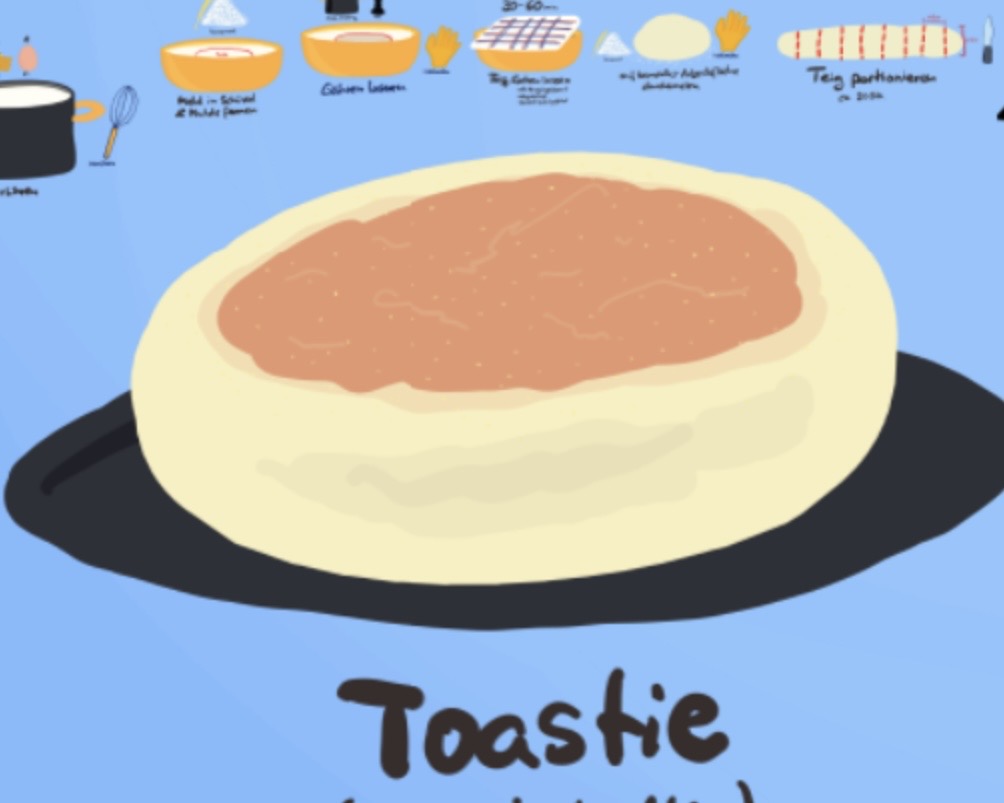
English Muffins
Create golden and fluffy English muffins, perfect for breakfast or sandwiches.
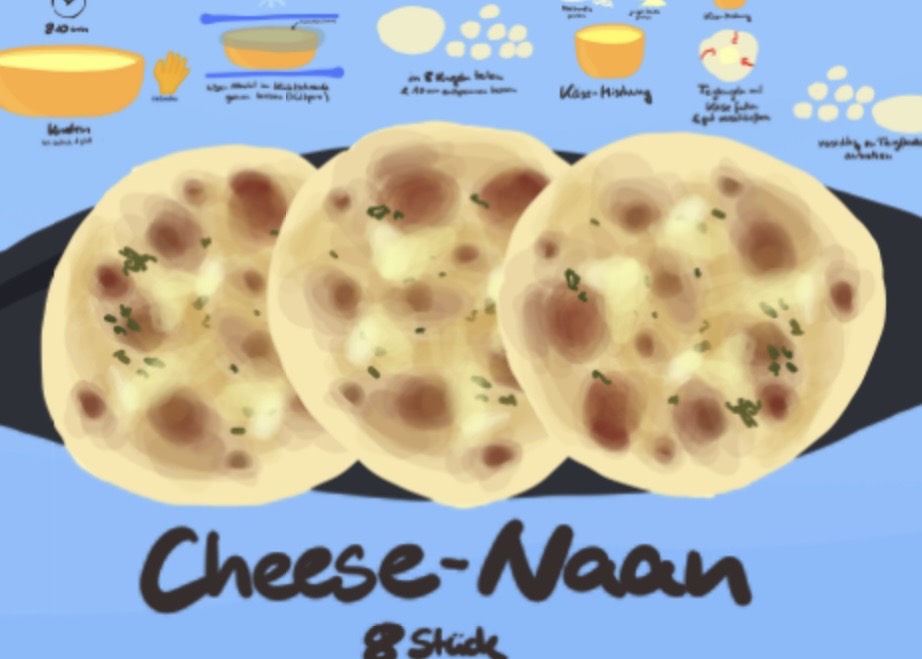
Cheese Naan
Discover Cheese Naan on yummy.world! Gooey, savory stuffed naan—perfect side for curries and sharing.
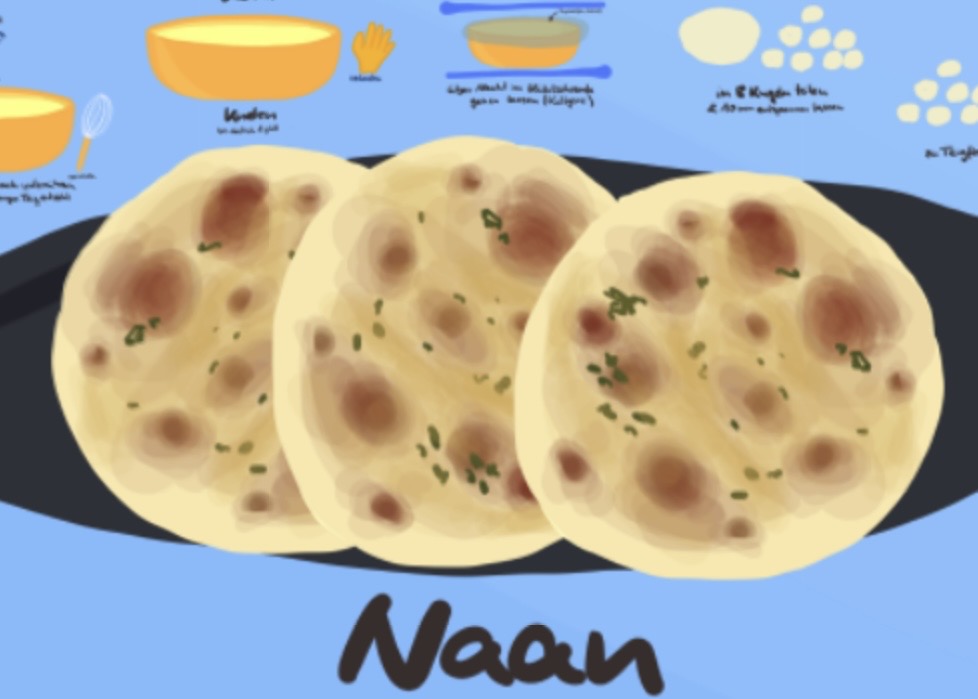
Indian Butter Naan Bread
Discover Indian Naan Bread on yummy.world! Soft, fluffy, pan-baked flatbread—perfect with curry and dips.
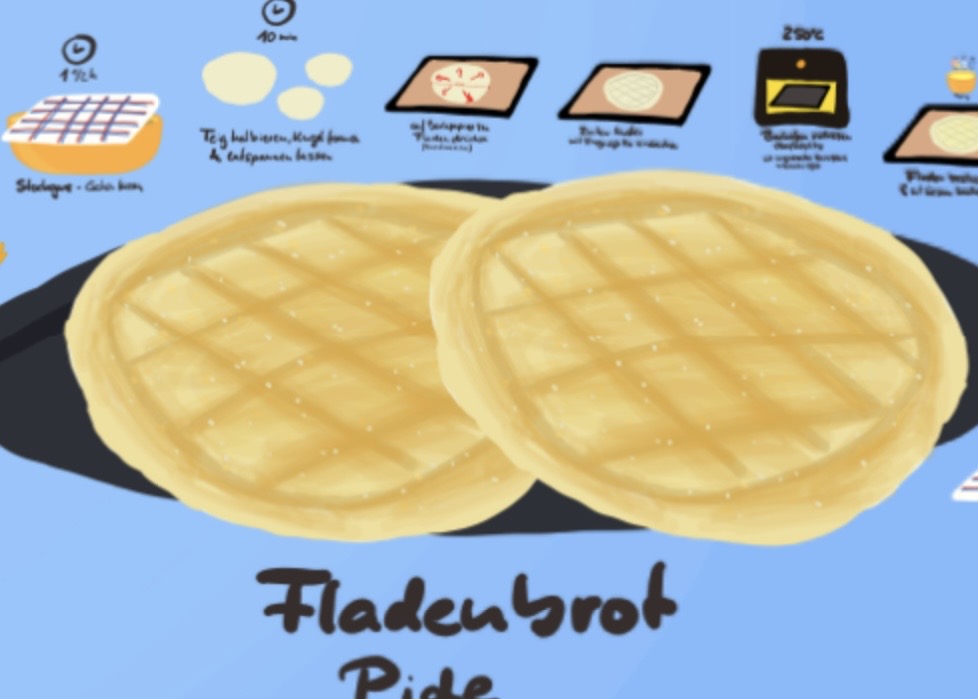
Pide bread
Discover Pide bread on yummy.world! Soft Turkish flatbread—easy to bake, perfect for dips and meals.
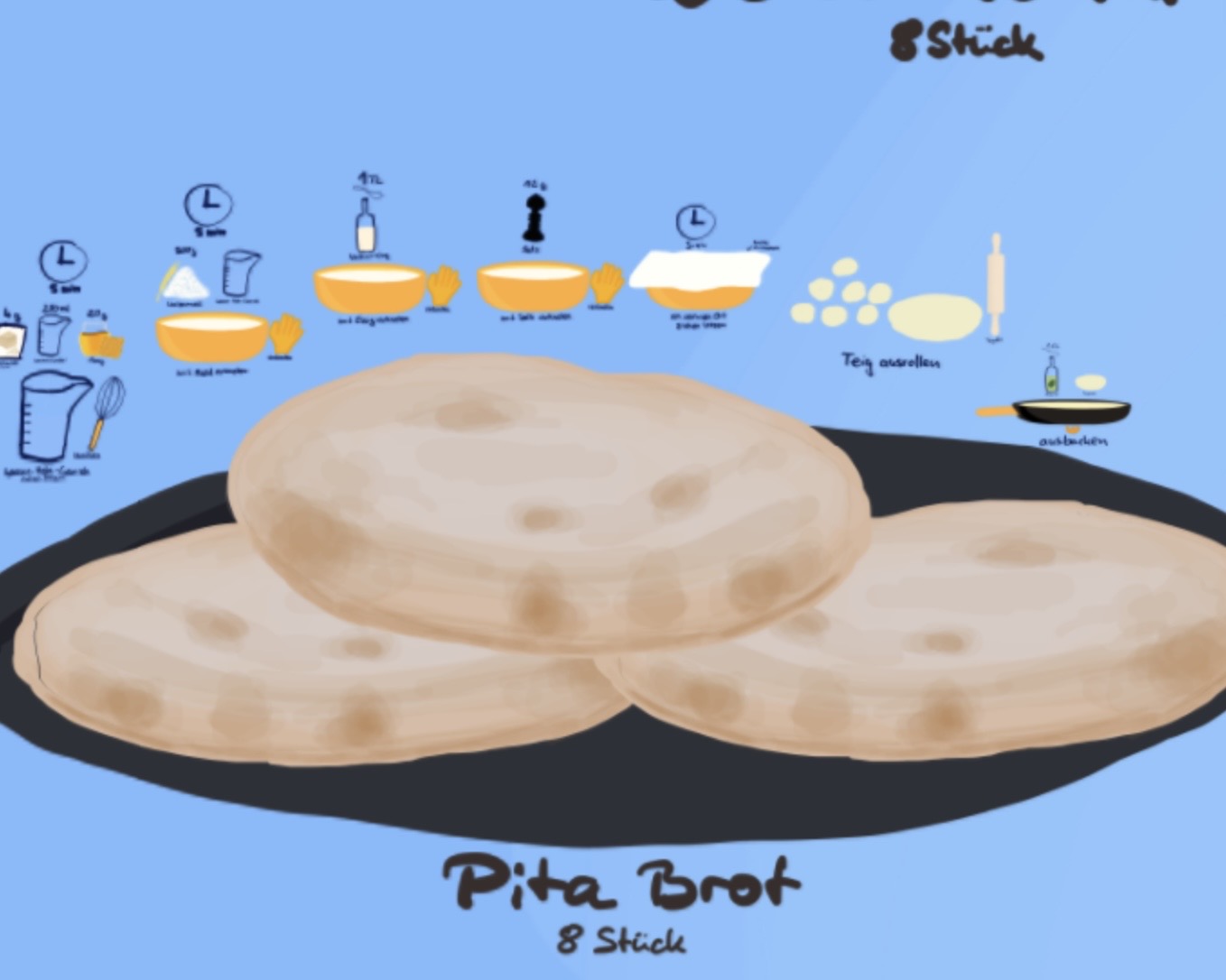
Pita bread
Discover pita bread on yummy.world! Soft, warm pockets—perfect for dips, wraps, and quick meals.
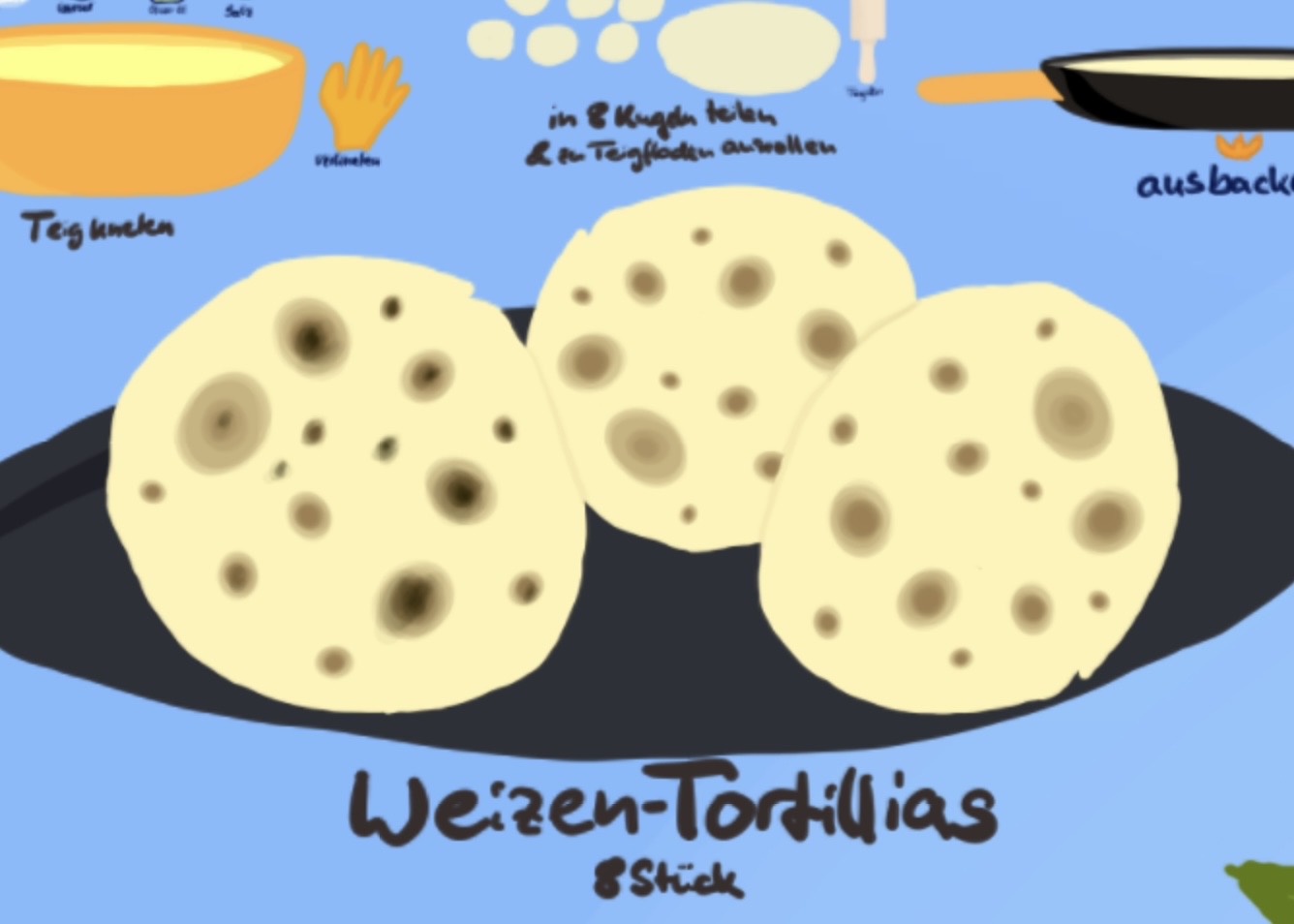
Flour Tortillas
Discover tortillas on yummy.world! Soft homemade wraps—perfect for tacos, burritos, and quick meals.
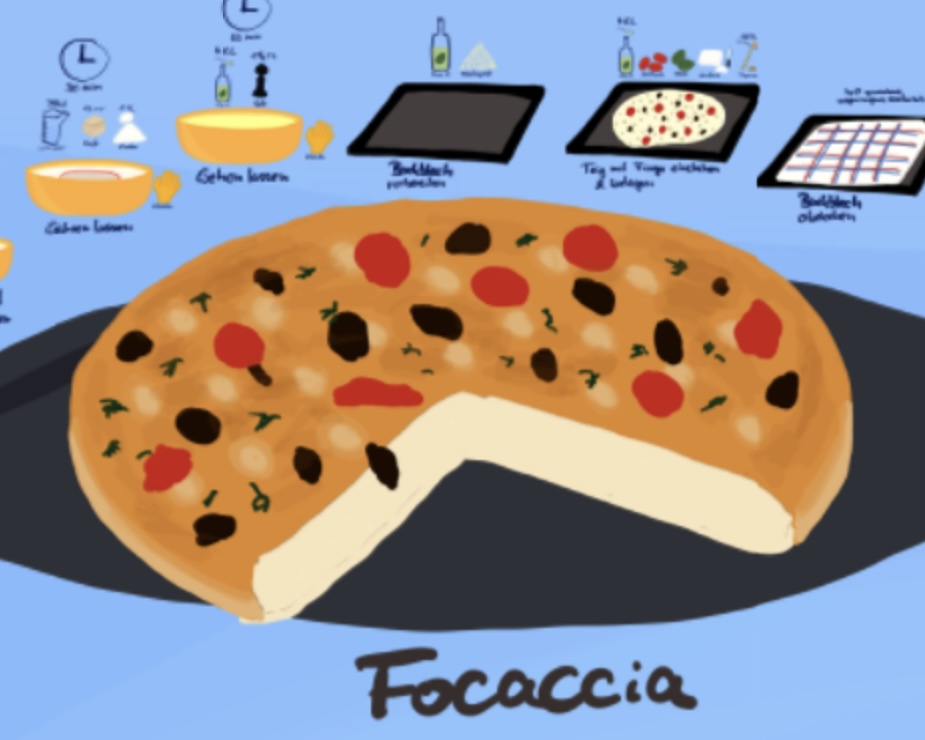
Focaccia
Bake fluffy focaccia with olive oil, thyme, tomatoes, olives and feta. Step-by-step method, proofing tips, storage advice and serving ideas.
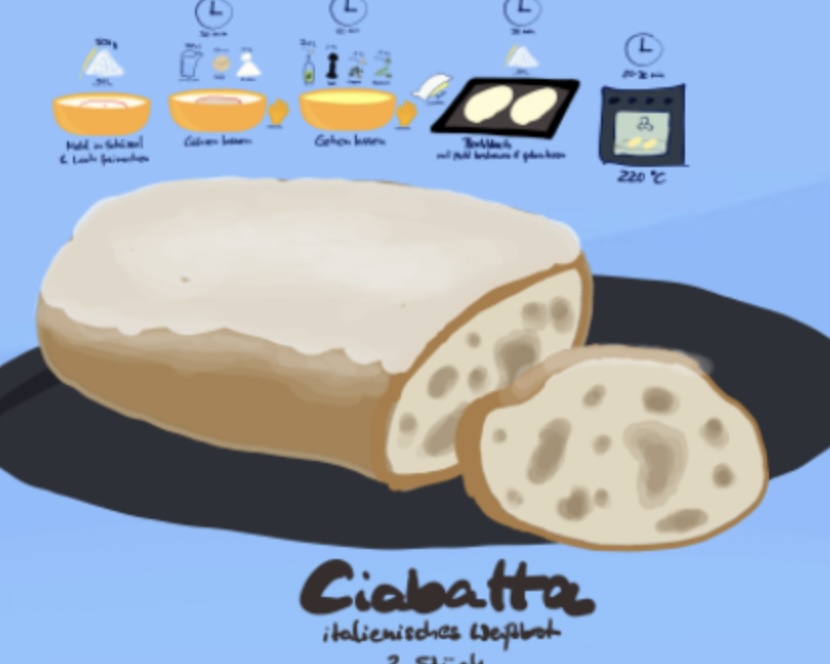
Ciabatta Bread
Create fluffy and crusty ciabatta bread, perfect for sandwiches or dipping.
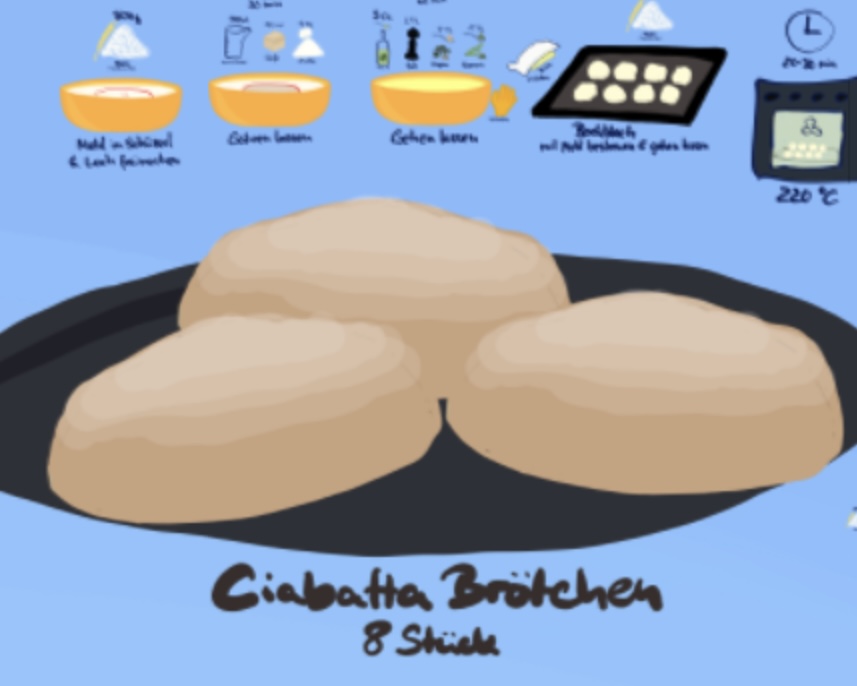
Ciabatta Rolls
Bake soft and golden ciabatta rolls, versatile for any meal or occasion.

Virginia Buttermilk Biscuits
Bake soft and flaky buttermilk biscuits, a delightful side for any meal.
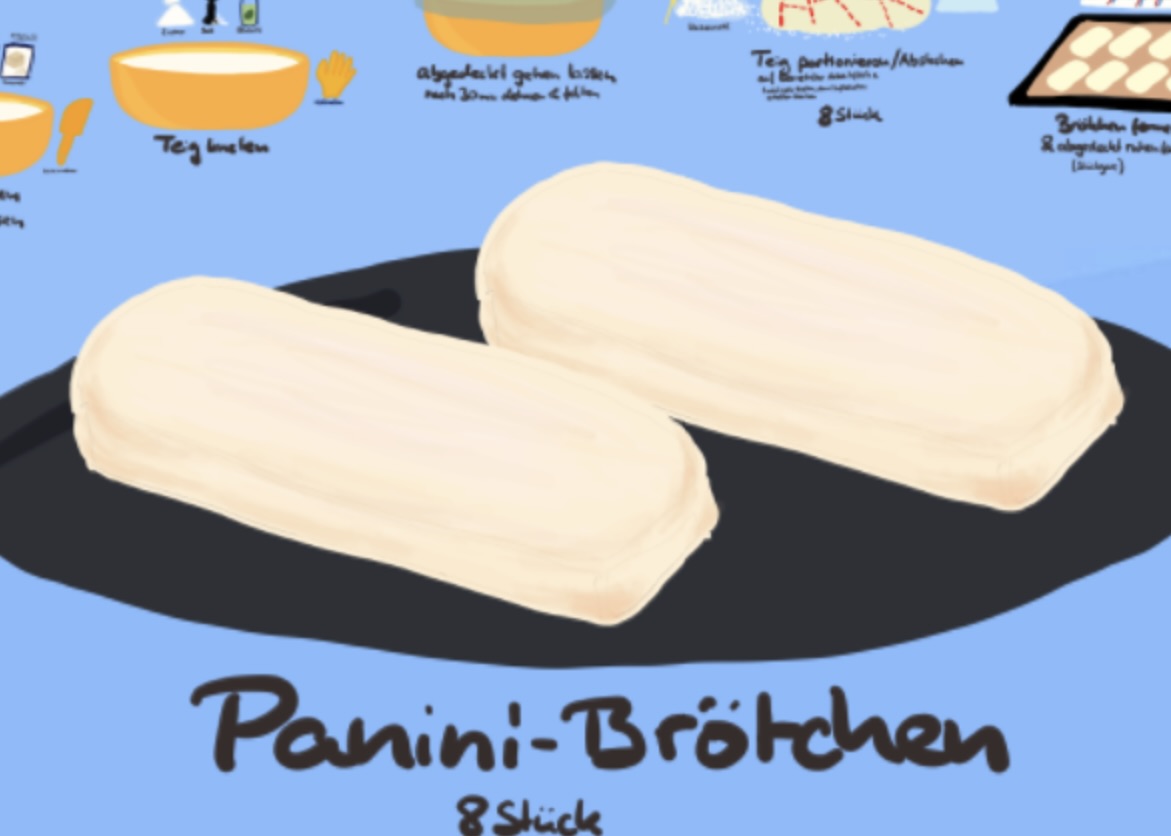
Panini Bread
Discover panini bread on yummy.world! Soft rolls made for pressing—perfect base for hot sandwiches.
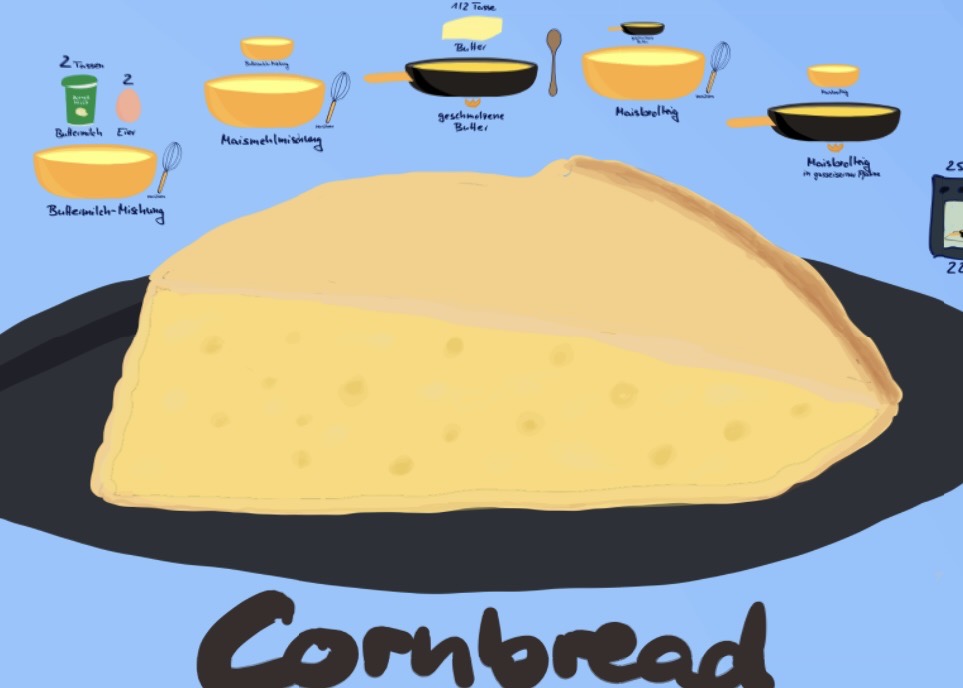
Cornbread
Enjoy the rich and moist texture of homemade cornbread, a perfect side for BBQs or soups.
Pumpernickel
Discover pumpernickel on yummy.world! German bread classic—serving ideas and pairing tips.
Spelt bread
Discover spelt bread on yummy.world! Rustic, flavorful loaf—easy to bake and perfect for hearty toppings.
Rye bread
Bake hearty rye bread with rich flavors, perfect for any meal.
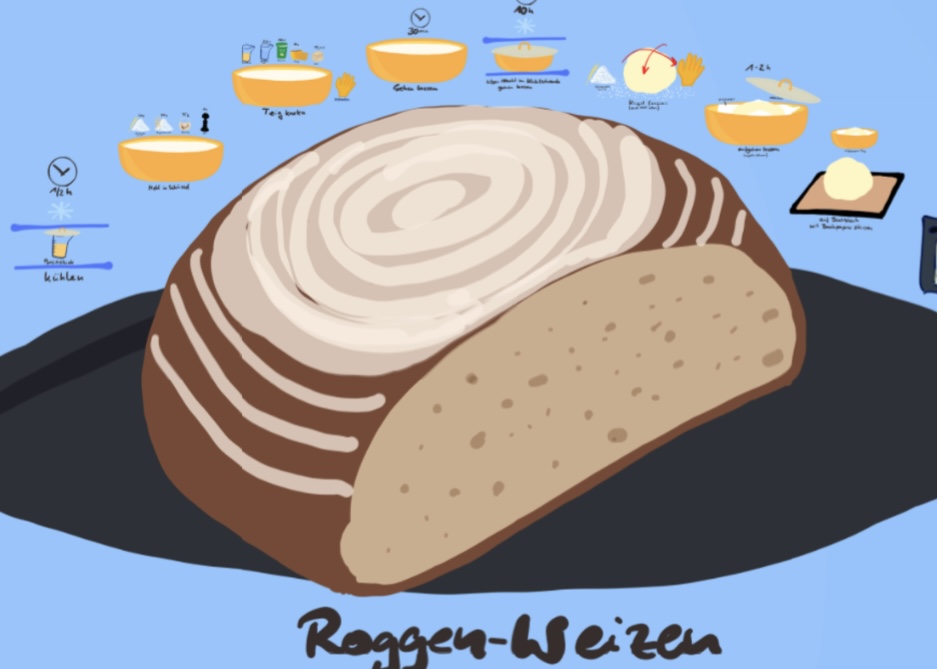
Mixed Rye Bread with Whole Grain Rye
Enjoy the nutty flavors and dense texture of homemade rye-wheat mixed bread.
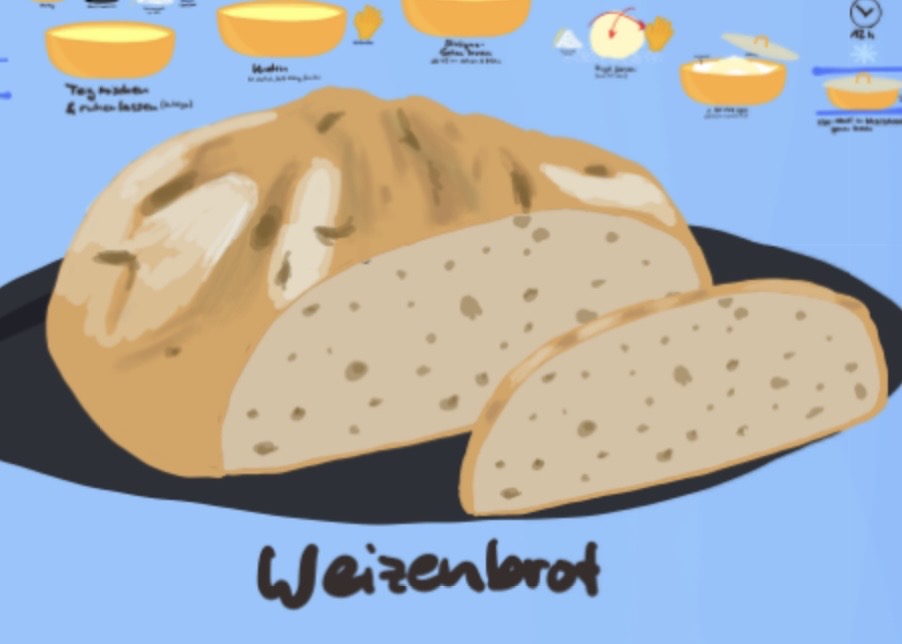
Wheat bread
Discover wheat bread on yummy.world! Everyday loaf with a soft crumb—great for sandwiches and toast.
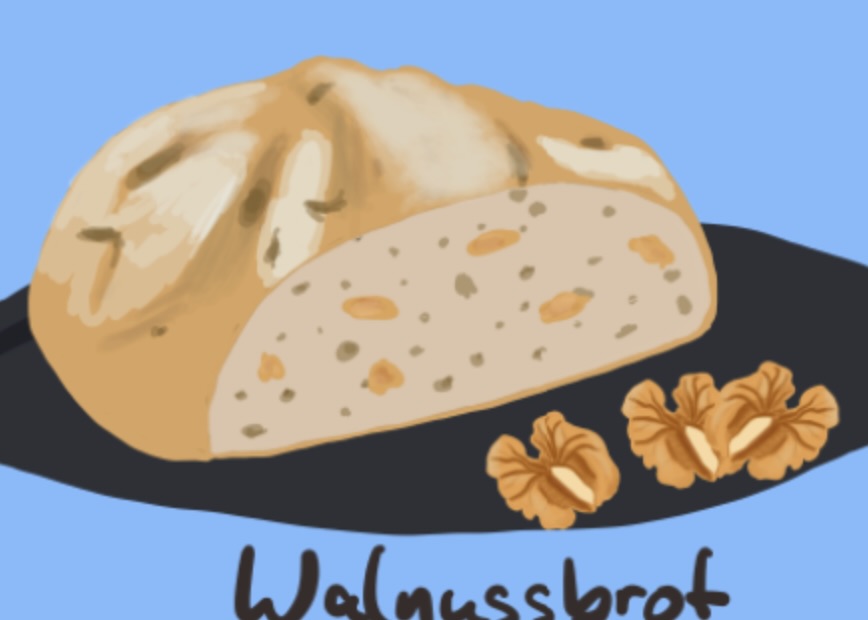
Walnut bread
Enjoy the hearty taste of walnut bread, perfect with cheese or as a snack.
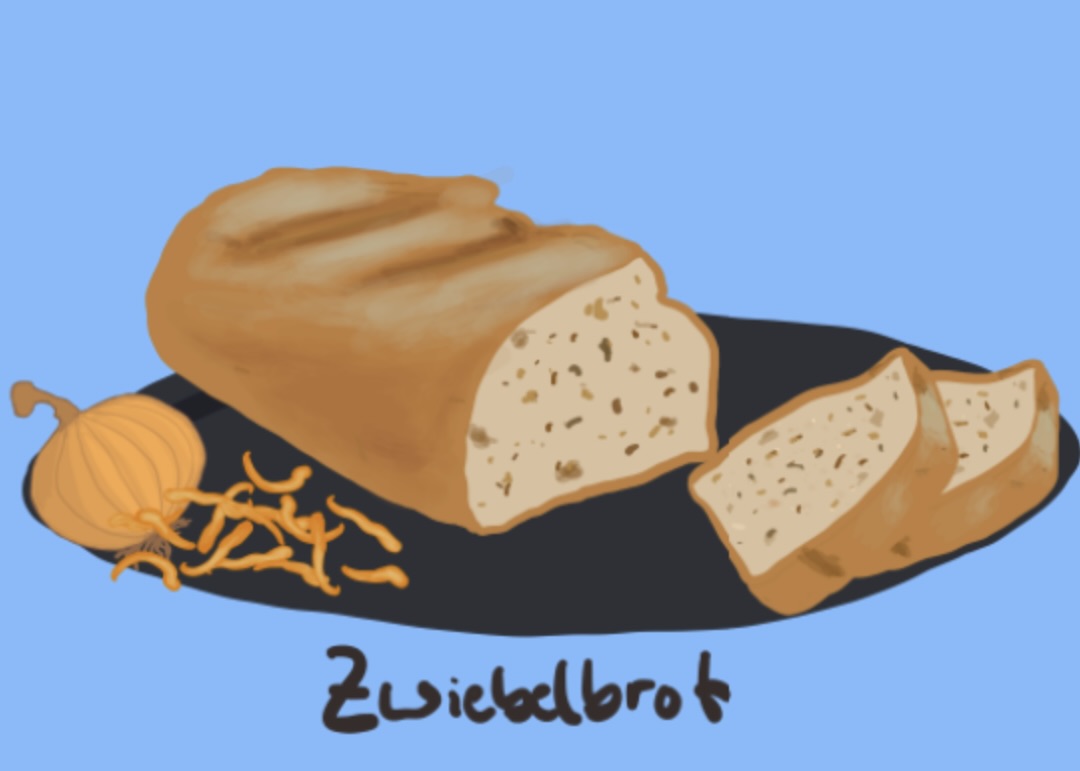
Onion bread
Bake hearty onion bread, perfect as a side for soups or a base for sandwiches.
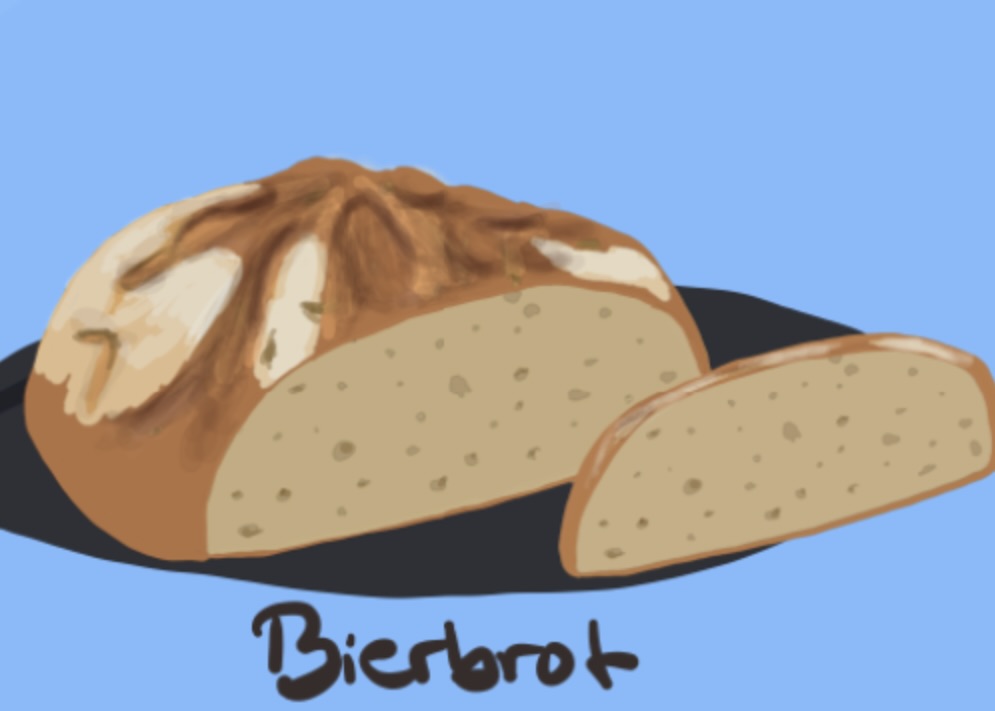
Beer bread
Discover beer bread on yummy.world! Super easy quick loaf—no yeast hassle, great with butter and soups.
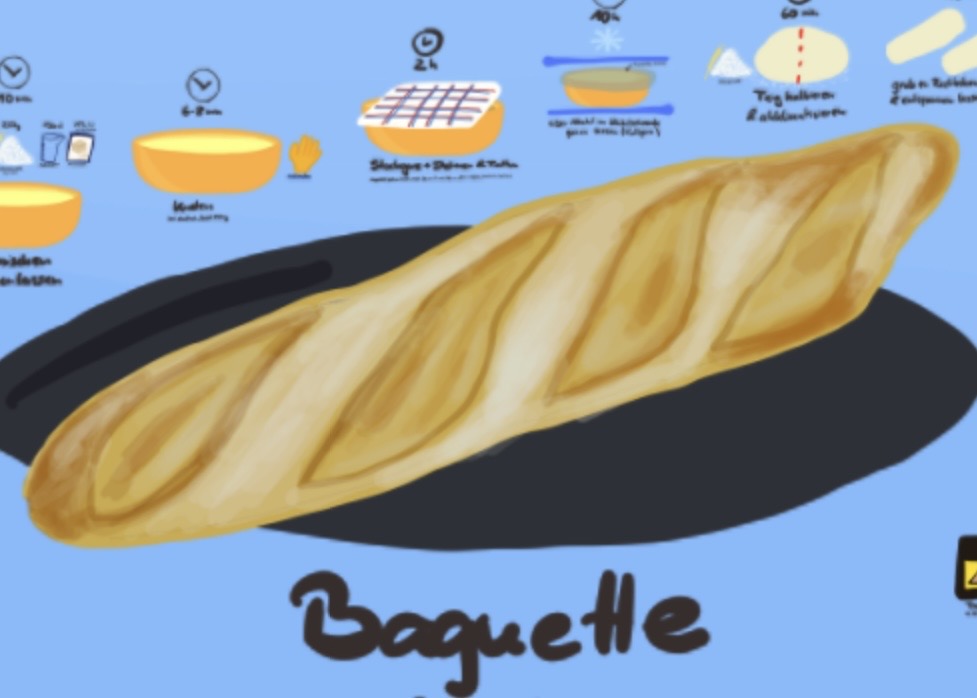
Baguette
Bake your own French-style baguette with this easy and authentic recipe.
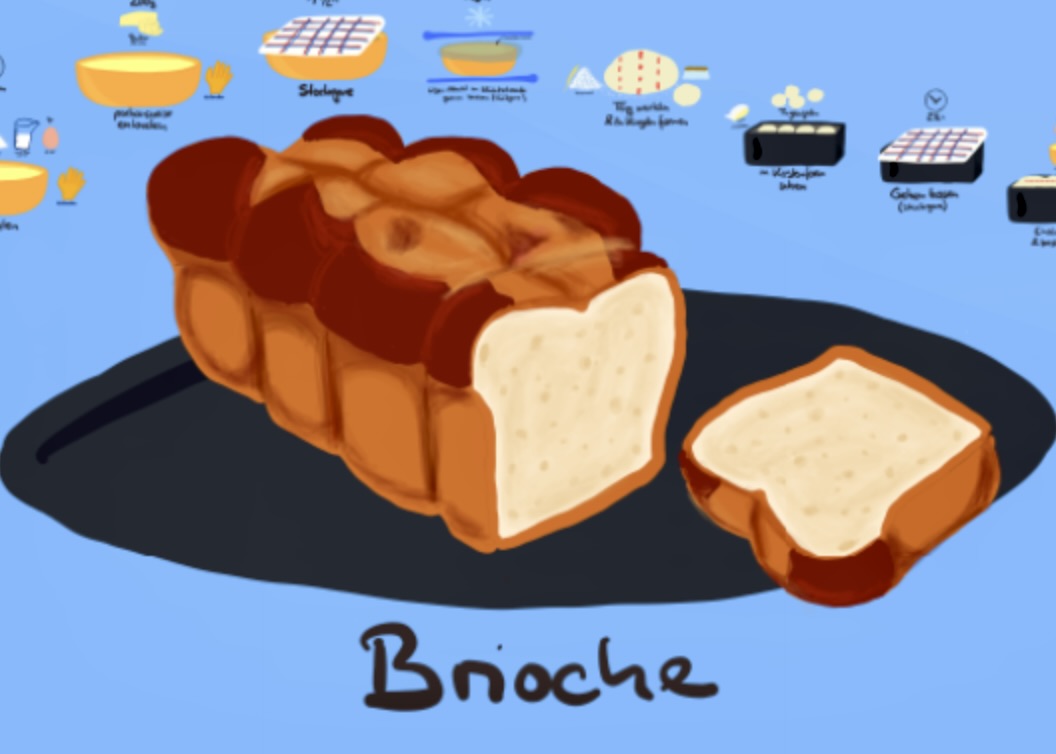
Brioche
Discover brioche on yummy.world! Soft, buttery French bread—perfect for breakfast, buns, and sweet treats.
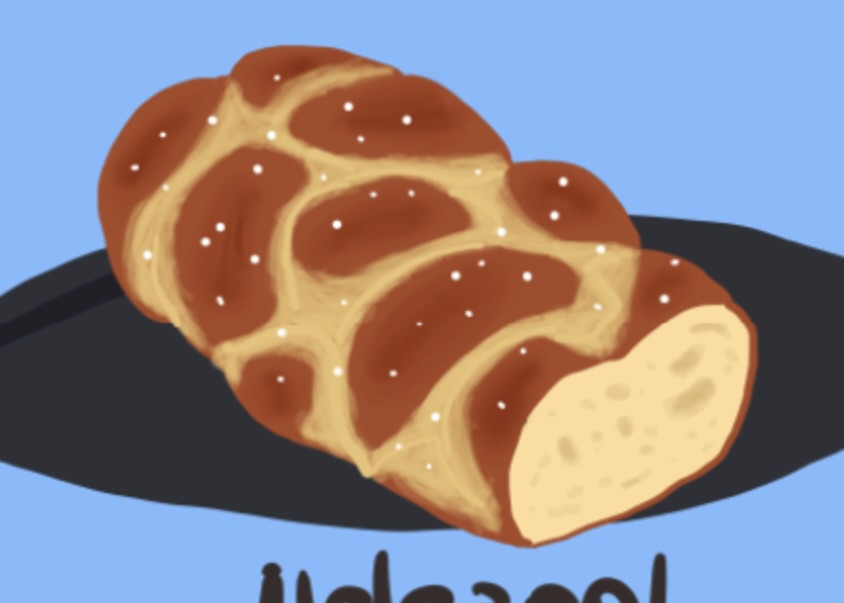
German Braided Sweet Bread
Discover zopf on yummy.world! Soft braided bread—classic, buttery, and perfect for breakfast.