
Wheat Bread with Type 812 & Semolina
Cook along on the interactive map
Ingredients 🧂🥕
 Strong White Flour (Type 812)420 g
 Coarse Semolina80 g
 Dry Yeast1 g
 Salt10 g
Step-by-Step Video Guide 👩🍳
Step-by-step:
- Prepare the wheat dough: Combine the wheat flour and durum semolina with yeast, water, salt and the remaining recipe ingredients. Use the illustrated recipe for the exact quantities, timings and cooking settings.
- Develop and prove the dough: Knead until smooth and elastic, then cover and allow the dough to rise.
- Shape the loaf: Shape the dough into a loaf without tearing its surface and transfer it to the prepared baking vessel or surface.
- Prove and bake: Let the loaf become visibly airy again, then bake using the illustrated method until cooked through with a browned crust.
- Cool before slicing: Cool the wheat bread on a rack so the crumb sets before slicing.
Wheat Bread with Type 812 Flour and Durum Semolina

This wheat bread is ready for breakfast toast, a lunch sandwich or a slice beside soup. Type 812 flour and semolina give it a mild grain flavor that leaves room for your favorite topping. Let the loaf cool, then reach for the bread knife.
Flour, semolina, dry yeast and salt
Type 812 wheat flour forms the base, with coarse semolina mixed through it. Semolina comes from wheat too. Dry yeast raises the loaf and salt seasons it. Water brings everything together. Weigh the small yeast amount carefully and follow its preparation instructions.
Mix flour and semolina evenly, then combine with yeast, salt and water to form a cohesive dough. Knead until smooth and elastic, gathering dry patches into the dough as you work. A scraper helps lift sticking dough without repeatedly adding more flour.
Give the dough room to grow
Cover the bowl and let the dough become noticeably larger and airy. The small yeast quantity needs time, so watch the dough's development. A lightly floured surface is enough when you turn it out for shaping.
Gather it into a loaf, gently drawing the outside taut without tearing it. Place in a prepared loaf pan or on a suitable lined baking sheet. Cover and let it rise again until visibly puffy. Avoid flattening it when moving it to the oven.
Bake in a preheated oven until the crust is browned and the center fully baked. A hollow sound when tapped is only a clue, not proof of a done center. Remove from the pan if used and cool fully on a rack before slicing; the soft crumb firms as it cools.
Never taste raw dough. Clean hands, utensils and the work surface after handling flour, and keep flour away from ready-to-eat toppings.
Make a slice of breakfast toast
Spread a toasted slice with our apricot jam with lemon. The fruit brings sweetness and a bright edge to the mild bread. Serve a small dish of the cooled jam and keep the remaining batch refrigerated as its recipe directs. A clean spoon keeps bread crumbs out of the stored spread.
Keep flour out of the seams
Brush loose flour from the surface before folding the dough inward during shaping. This helps the dough join cleanly instead of enclosing a dry stripe inside the loaf.
Try cheese and tomato toast
For an optional savory topping, melt sliced cheese on toasted bread under the broiler. Add washed tomato slices afterward for a juicy bite, and serve promptly.
Freeze easy breakfast slices
Freeze completely cooled slices with portions separated so they are easy to lift out. Toast or warm what you need, then add the spread.
Frequently asked questions
Is this whole wheat bread?
No. This loaf uses Type 812 wheat flour and semolina; it is not a whole wheat formula.
Why is my loaf dense?
The dough may have needed more rising or kneading, or picked up too much extra flour. Look for good expansion both before and after shaping.
How do I keep leftovers?
Cool plain bread fully before airtight packing. Store perishable toppings separately at 40°F (4°C) or below. Discard toppings or topped bread left out beyond two hours, or one hour above 90°F (32°C).
Best Bread Recipes to Try at Home
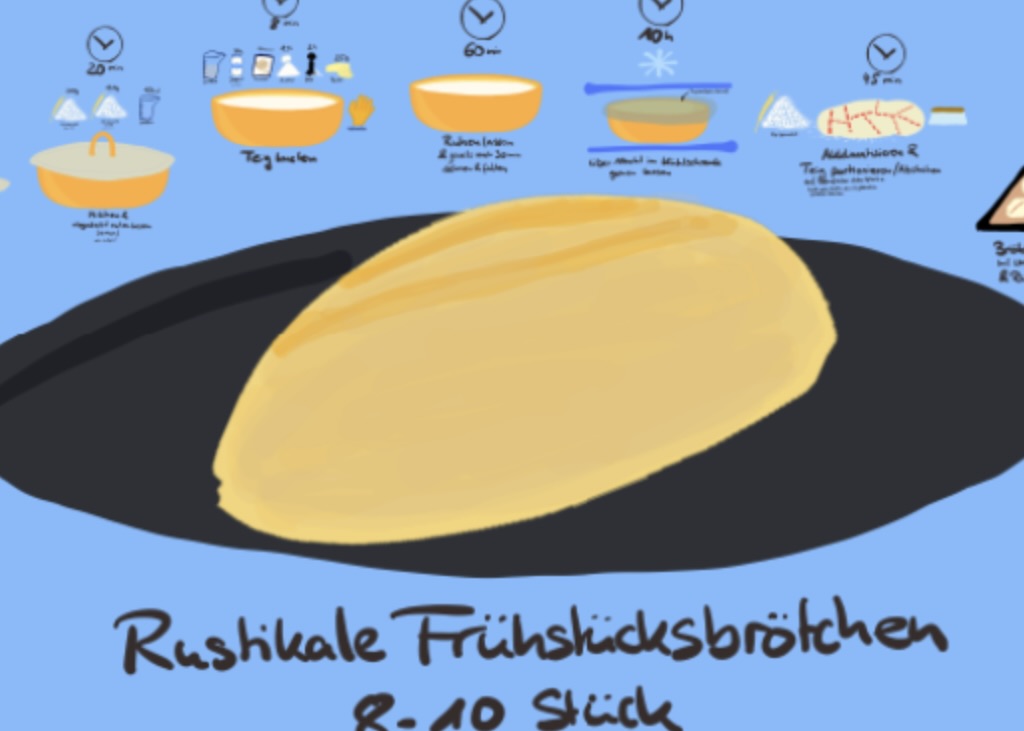
Rustic Breakfast Rolls
Make rustic breakfast rolls with a crisp crust and soft center. Get practical guidance on kneading, the final rise, cooling, and breakfast pairings.
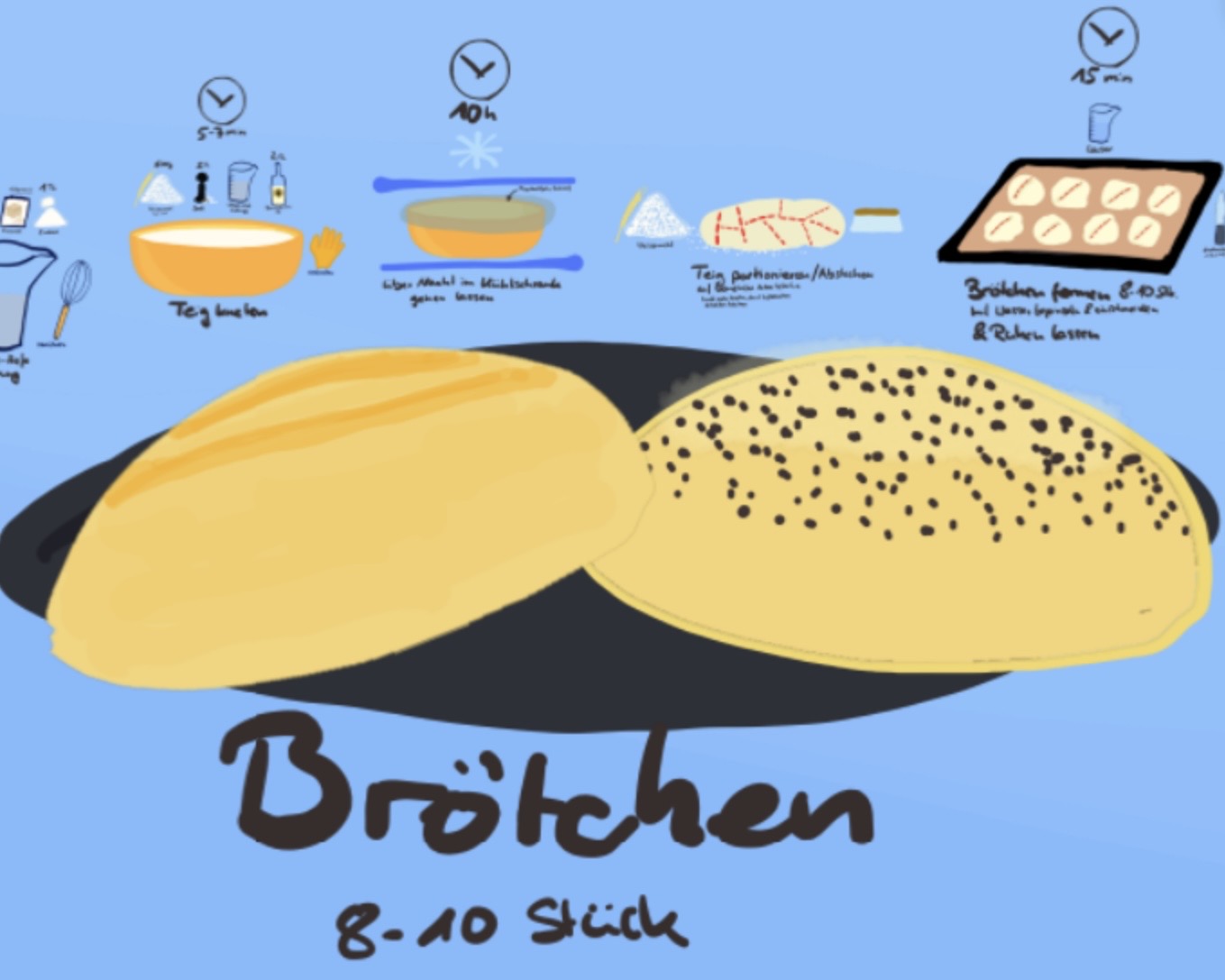
Rolls
Bake golden bread rolls with yeast and sunflower oil. Find practical tips for soft dough, gentle shaping and serving them warm with sweet or savory toppings.
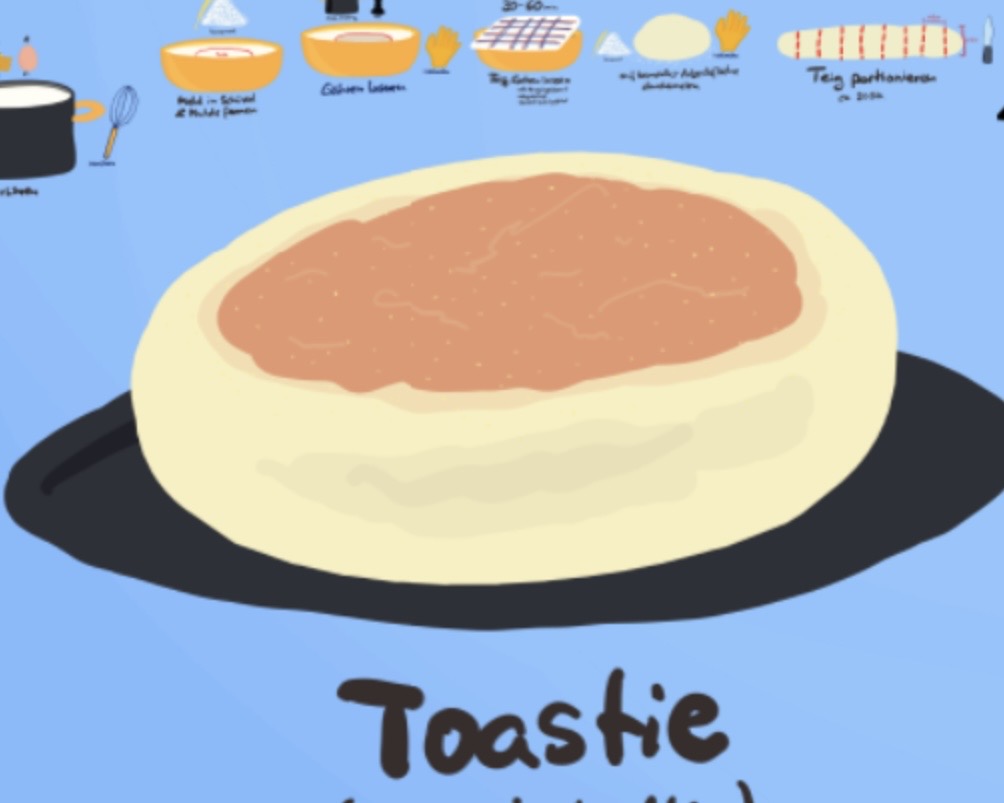
English Muffins
Make soft English muffins with milk, butter, egg and honey. Find gentle pan-cooking advice, fork-splitting tips and sweet or savory ideas for toasted halves.
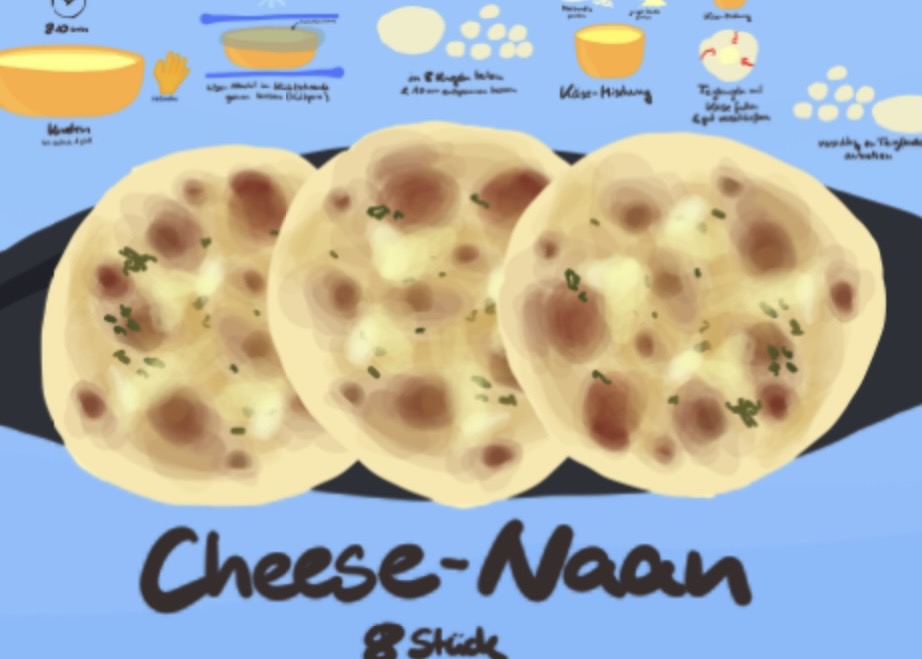
Cheese Naan
Soft naan encloses mozzarella and young Gouda. Learn how to manage cheese moisture, seal the dough, and cook the center without burning the outside.
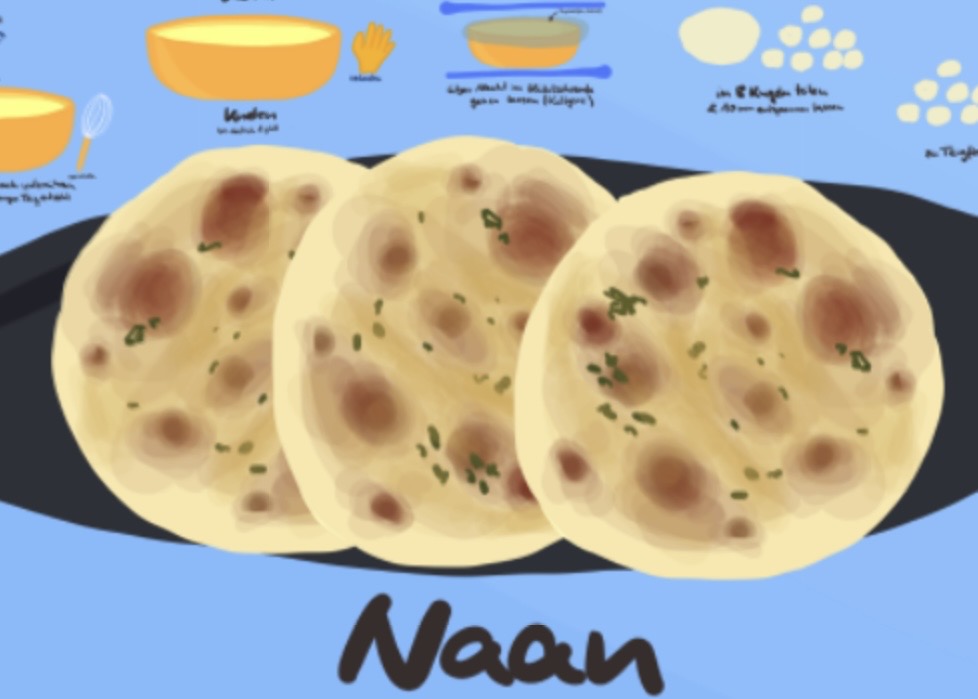
Indian Butter Naan Bread
Soft yogurt naan with garlic, cilantro, and a buttery finish. Learn how dough rise, gentle shaping, and controlled pan heat help the bread cook evenly.
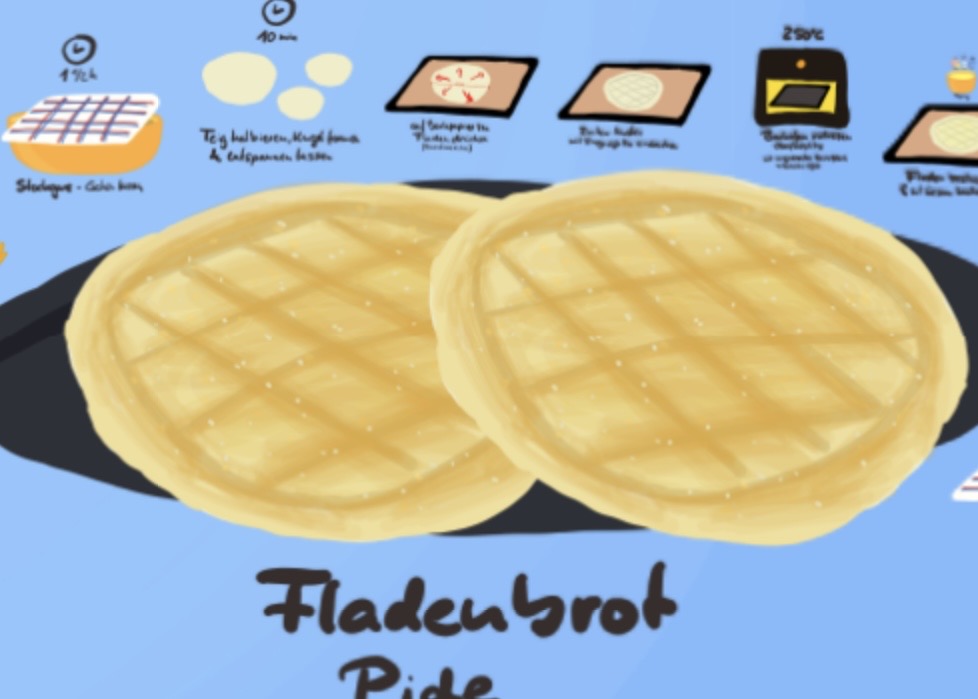
Pide bread
Bake soft pide bread with a golden sesame crust. Learn what well-risen dough looks like, how to shape it gently, and why the center needs careful checking.
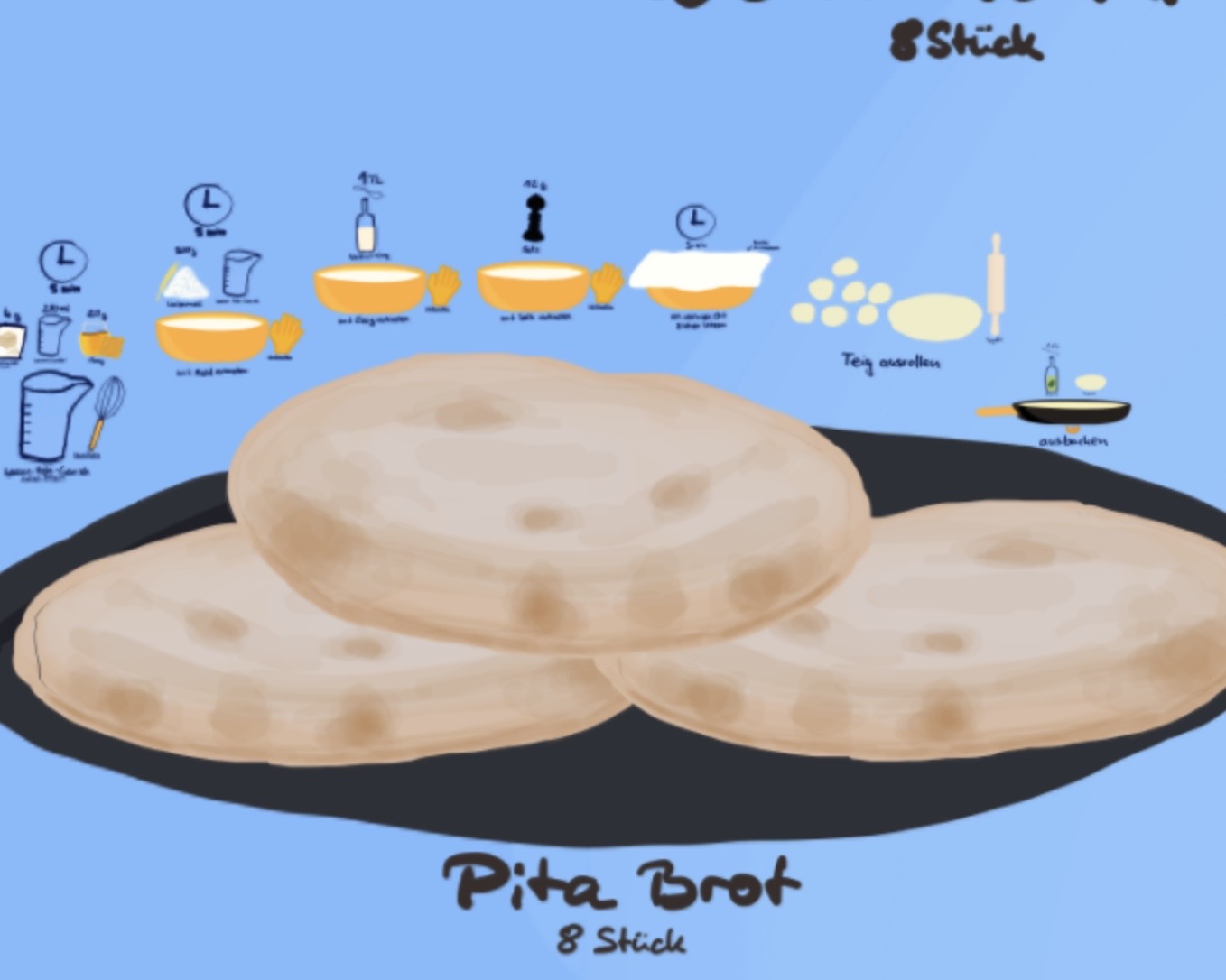
Pita bread
Bake soft pita bread with honey, vinegar and olive oil. Learn how even rolling and a hot baking surface help it puff, then fill it or share it with dips.
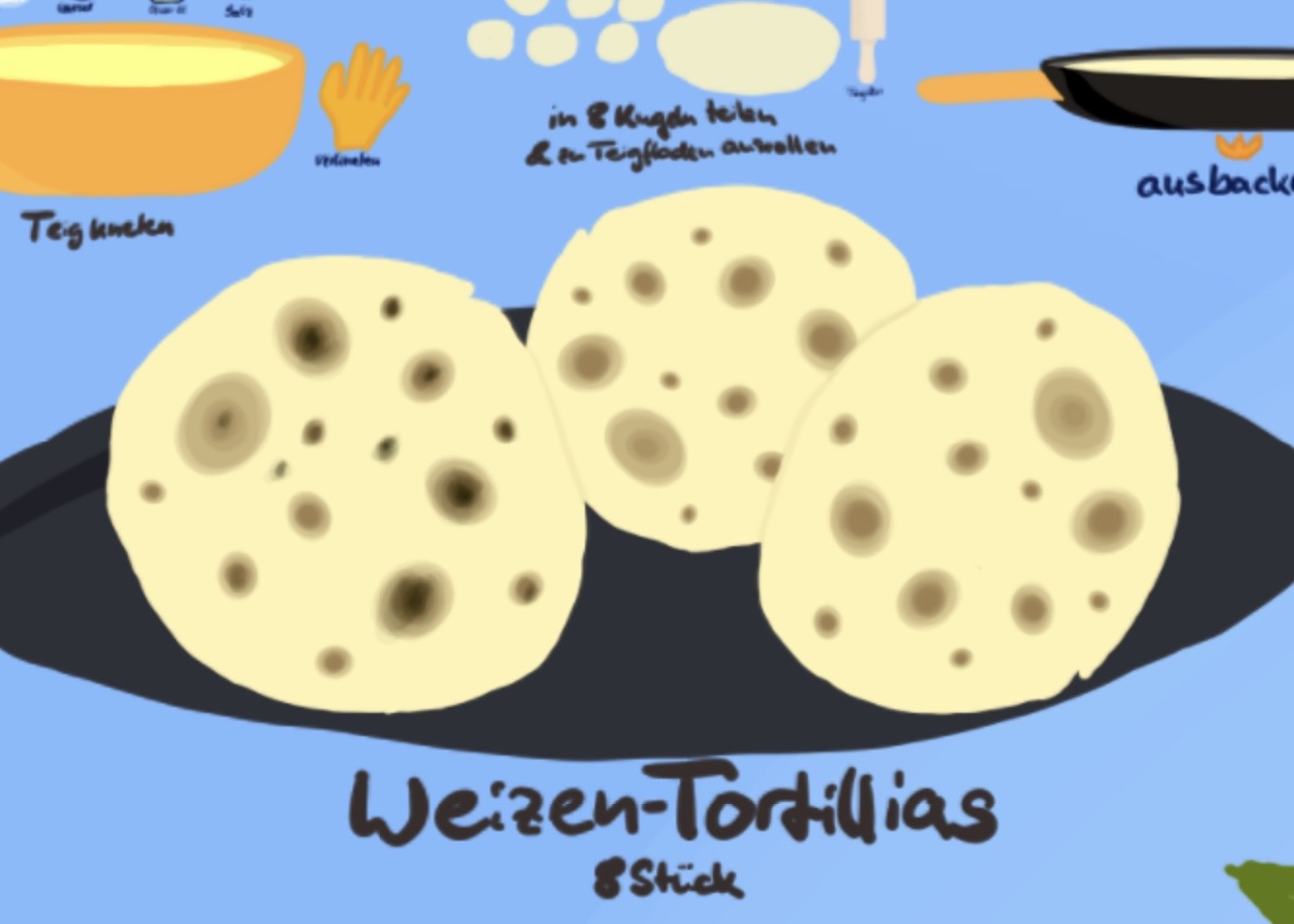
Flour Tortillas
Make soft flour tortillas with olive oil in a dry pan. Find tips for resting, even rolling, brown spots, and filling warm wraps with chicken and guacamole.
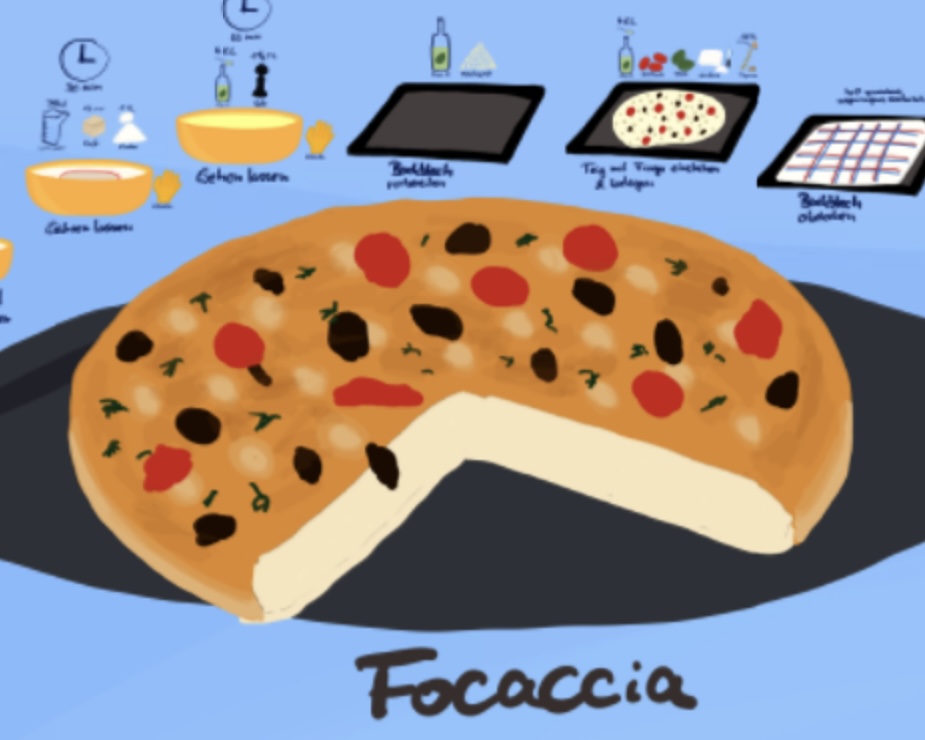
Focaccia
Bake soft focaccia topped with sweet tomatoes, black olives, feta, and thyme. Get tips for a gentle rise, well-spaced toppings, and warm slices to share.
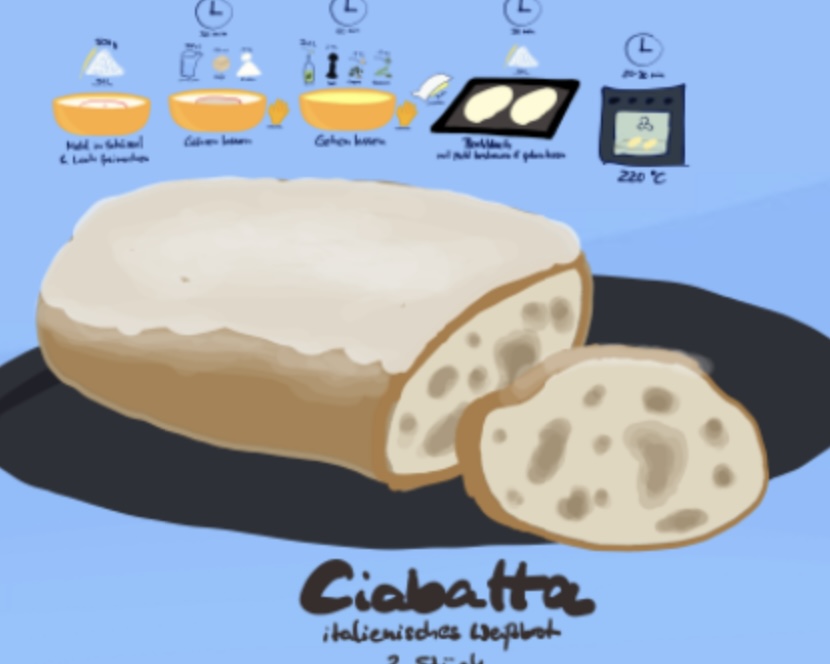
Ciabatta Bread
Bake ciabatta with oregano, dried rosemary and olive oil. Learn how gentle folding and shaping help a sticky dough become a crisp loaf with an airy center.
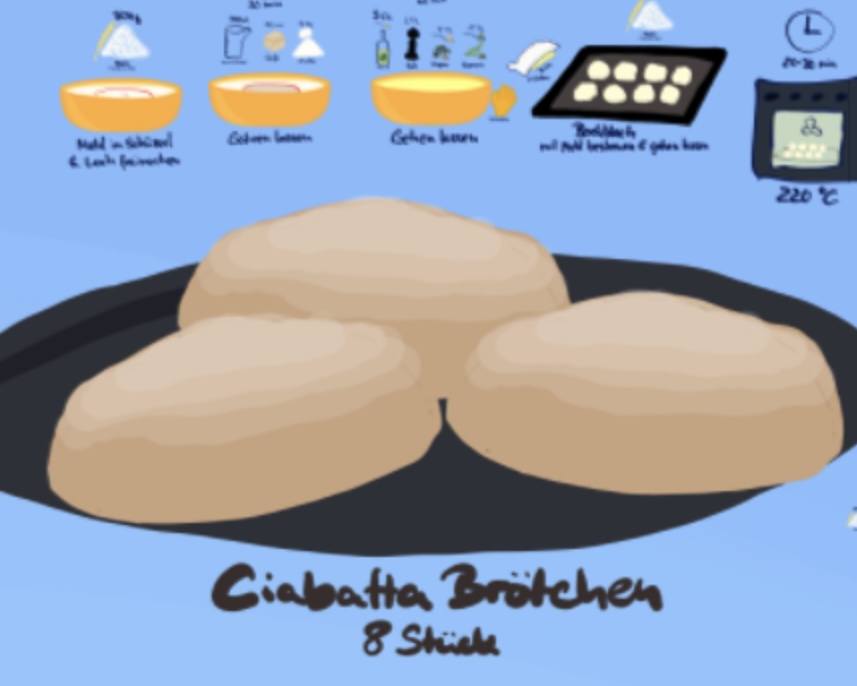
Ciabatta Rolls
Bake ciabatta rolls with oregano and rosemary. Fold sticky dough, gently divide it into rectangles and serve the crisp rolls with savory fillings.
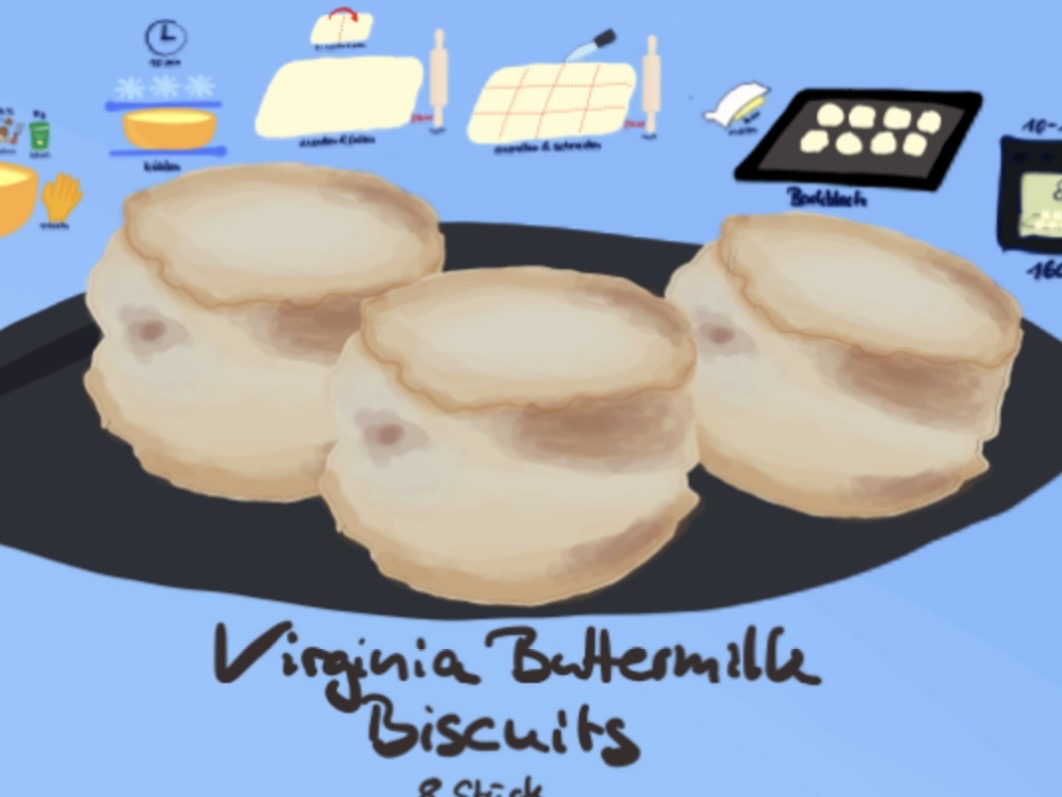
Virginia Buttermilk Biscuits
Bake tender buttermilk biscuits with cold butter, cinnamon and nutmeg. Find gentle shaping tips and ideas for serving them warm with butter or fruit preserves.
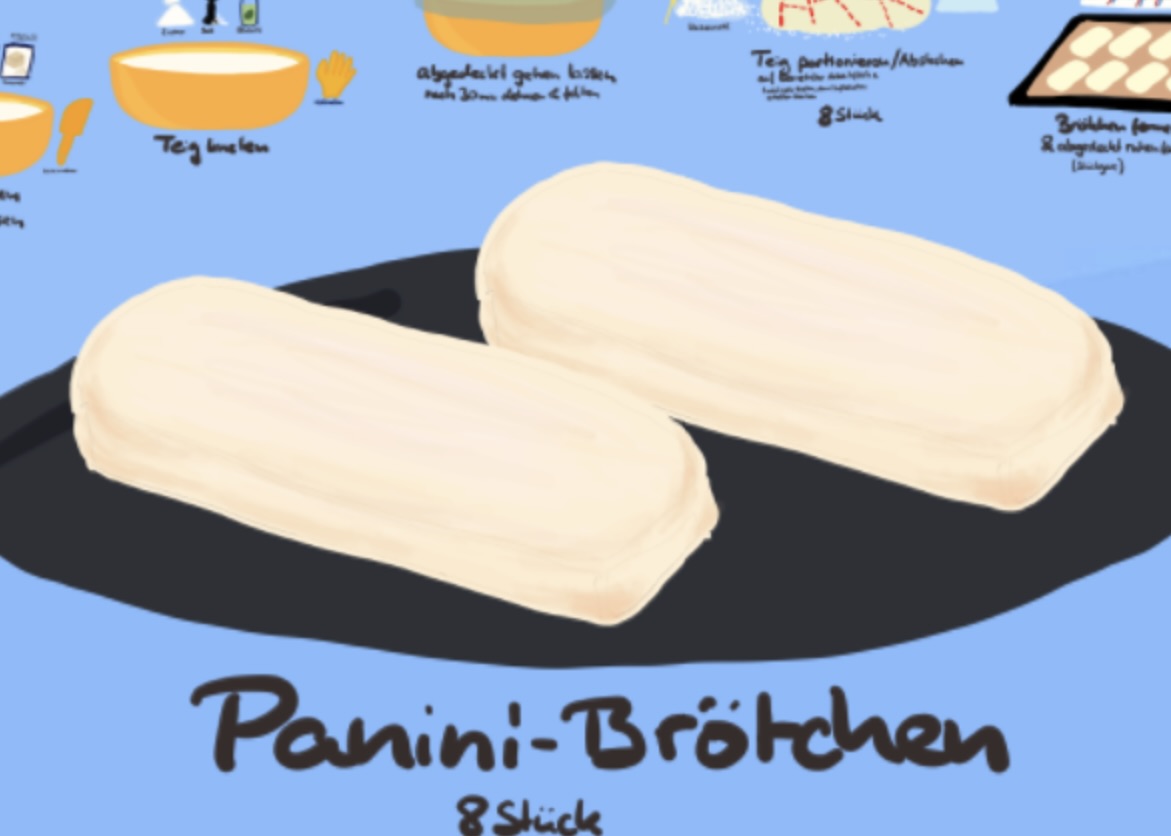
Panini Bread
Bake panini bread with a tender crumb and golden crust. Learn how to judge the rise, shape even rolls, and keep pressed sandwiches from turning soggy.
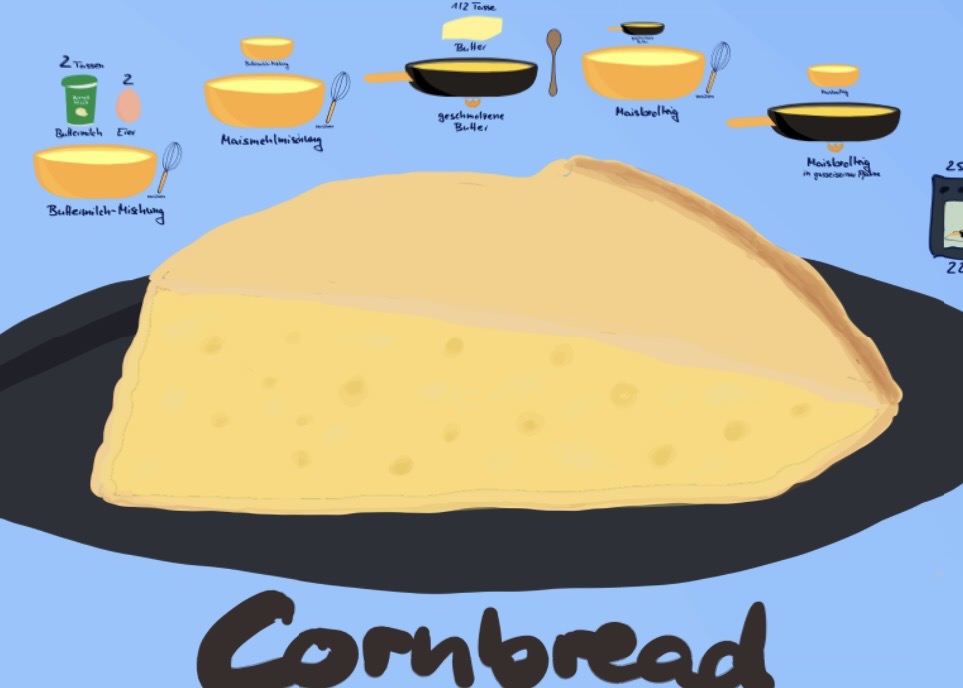
Cornbread
Bake golden cornbread with cornmeal, buttermilk and butter. Get tips for gentle mixing, checking the center and serving it with pulled pork or beans.
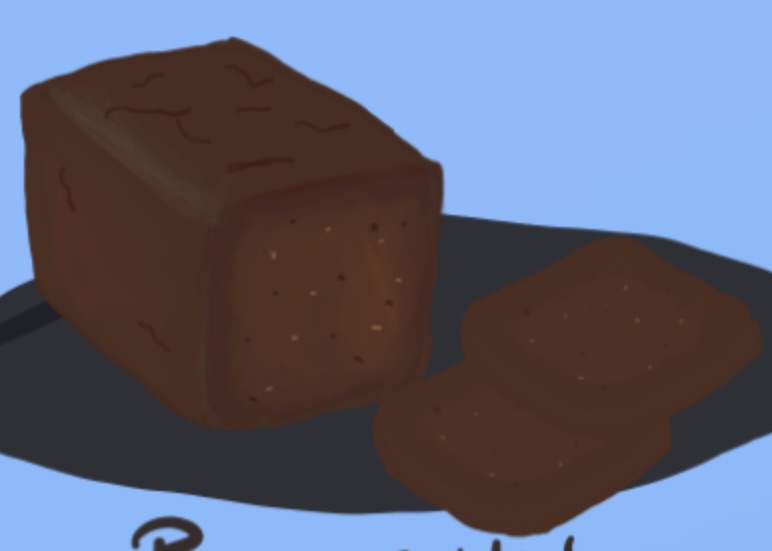
Pumpernickel
Explore pumpernickel’s dense rye crumb, gentle baking, and full cooling. Find practical slicing tips and toppings that suit its deep grain flavor.
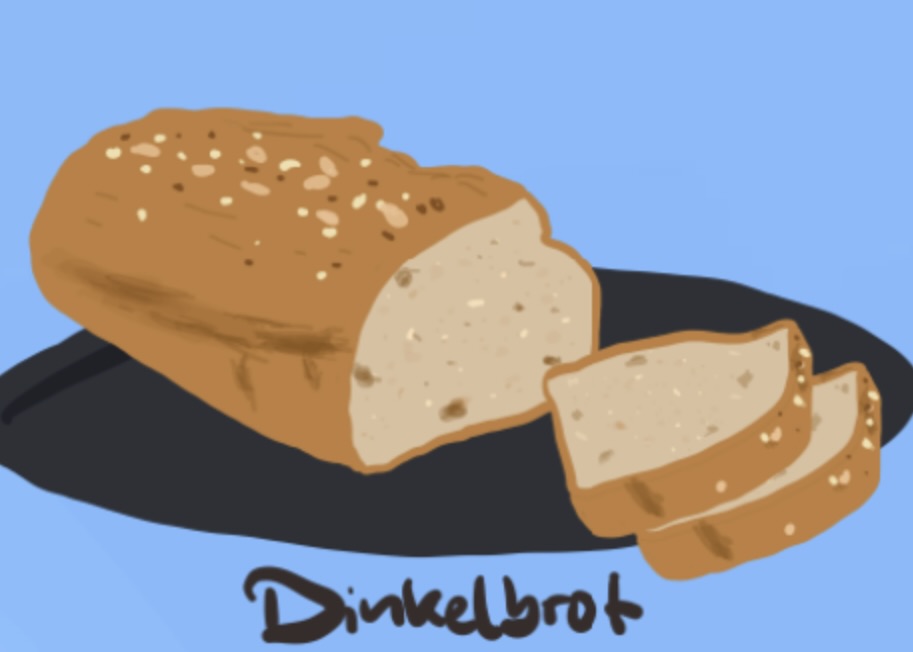
Spelt bread
Bake a mildly nutty spelt loaf with yeast. Find tips for gentle kneading, rising in a pan or proofing basket, and cooling the bread for neat slices.
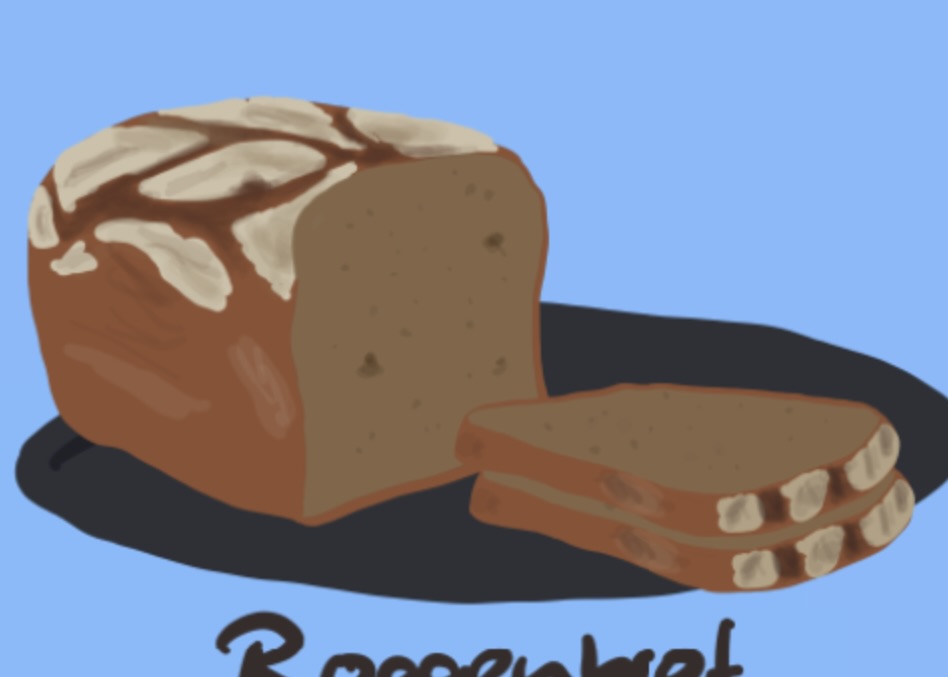
Rye bread
Get to know rye bread’s hearty flavor and moist crumb, with useful guidance on dough texture, cooling, neat slicing and savory toppings for everyday meals.
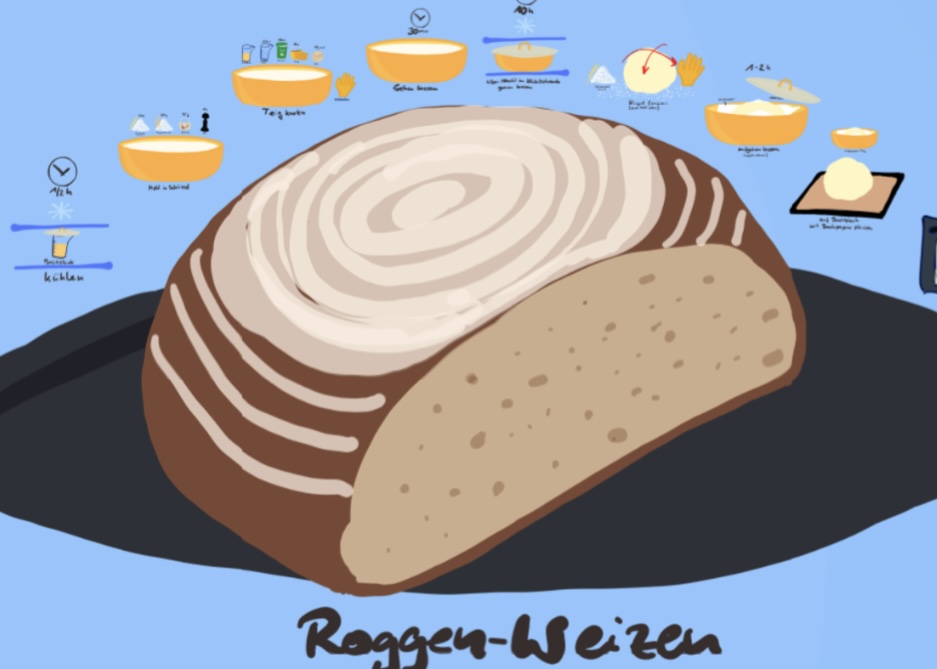
Mixed Rye Bread with Whole Grain Rye
Explore mixed rye bread with whole grain rye, wheat flour, sourdough, and buttermilk. Learn about sticky dough, cooling, and toppings for hearty slices.
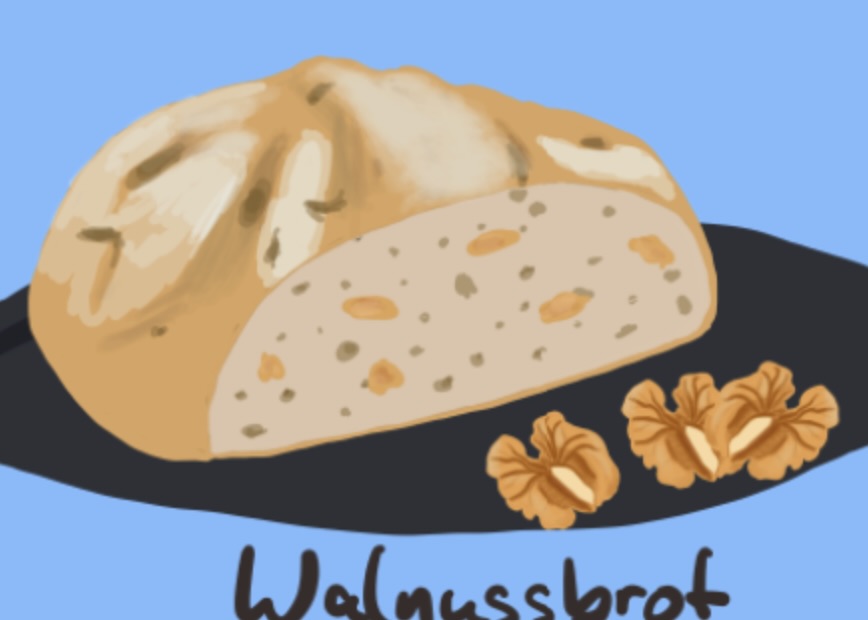
Walnut bread
Bake walnut bread with lightly toasted nuts and a tender crumb. Learn when to add the walnuts, how to slice the loaf and what to serve with each nutty piece.
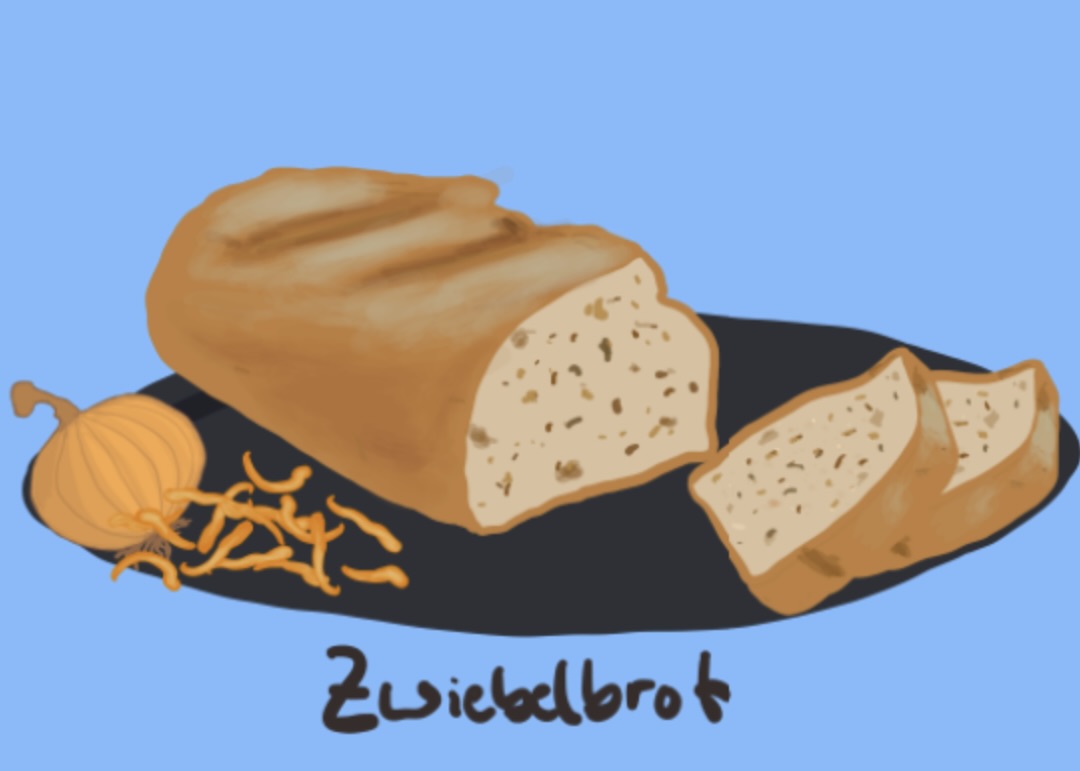
Onion bread
Bake onion bread with soft caramelized onions and a golden crust. Find tips for cooling the onions, folding them into dough and serving savory slices.
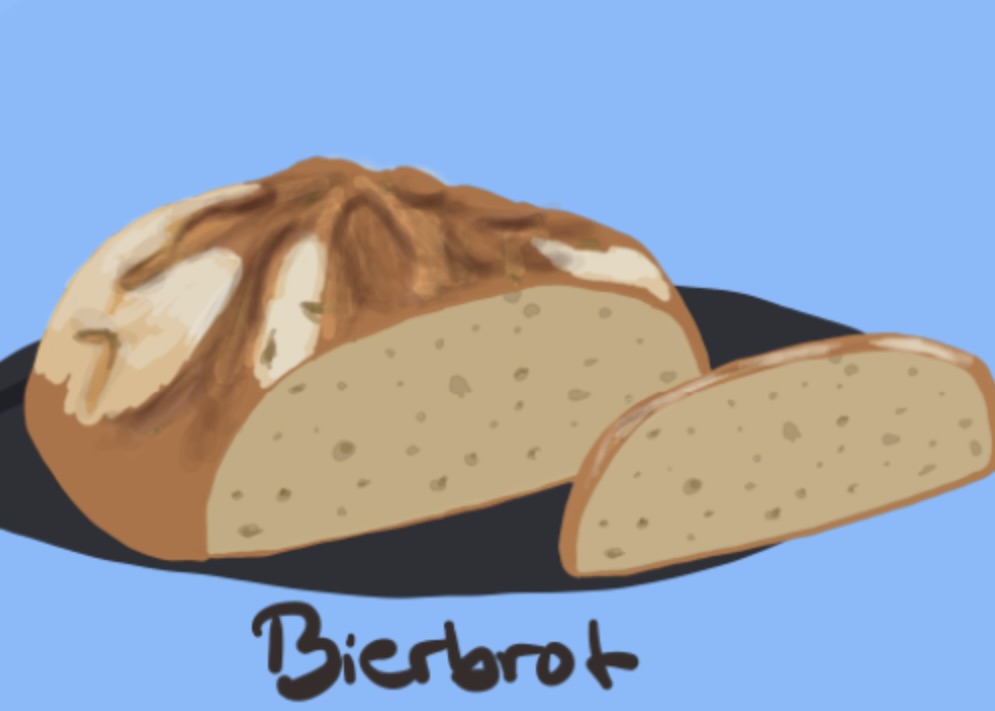
Beer bread
Stir up beer bread with baking powder and a melted-butter topping. Learn how to mix the batter briefly, choose the beer and bake a tender savory loaf.
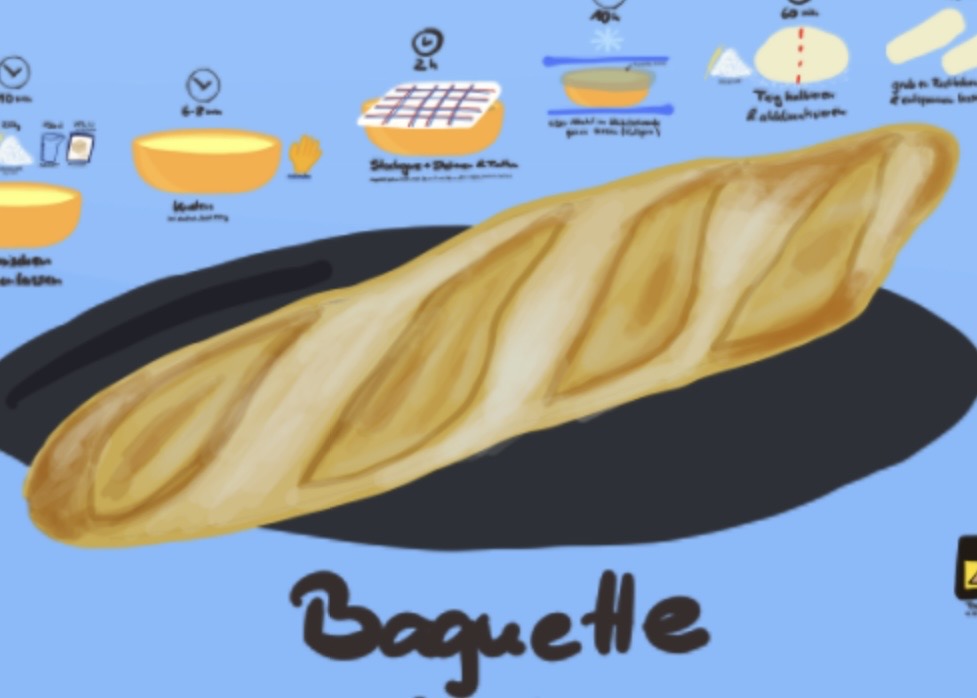
Baguette
Bake baguettes with a crisp crust and tender center. Find practical advice for shaping long loaves, scoring safely and using steam as your oven permits.
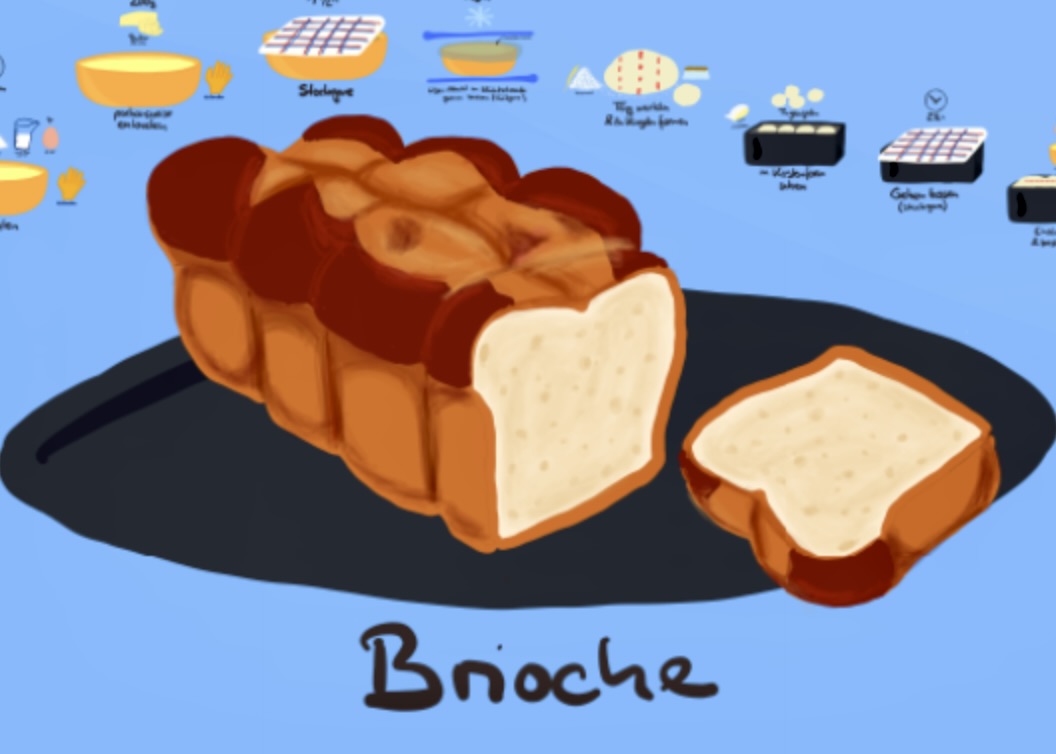
Brioche
Explore buttery brioche with eggs and milk. Learn to recognize a smooth dough and a puffy rise, check the bake, and choose sweet or savory toppings.
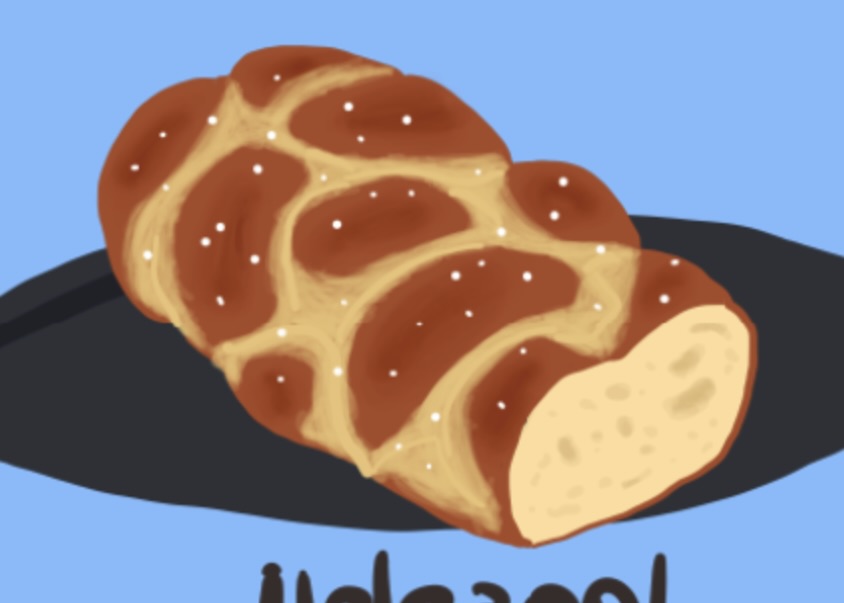
German Braided Sweet Bread
Bake a tender Hefezopf with a golden braid. Learn how to develop the dough, braid without pulling, judge the rise, and keep the center fully baked.

Bagels
Shape, briefly boil and bake bagels with a golden crust and a chewy center. Find practical tips for sealed rings, neat slicing and fresh breakfast toppings.