
Brioche Recipe: Soft, buttery French bread
Instructions 👩🍳
Cook along on the interactive map
Step-by-step:
- Activate yeast: Mix yeast with warm milk and a pinch of sugar.
Show all steps...
- Make dough: Combine flour, eggs, butter, sugar, and salt; knead until smooth.
- Rise: Let rise until doubled.
- Shape and proof: Shape loaf or buns; proof again until puffy.
- Bake and cool: Bake until golden; cool before slicing.
Brioche: buttery, soft, and wonderfully rich with a feather-light crumb
Brioche is one of the most luxurious breads you can bake at home: rich with butter and eggs, soft like a cloud, and delicate enough to feel special from the first slice. A great brioche should be tender and airy rather than greasy or heavy, with a fine, slightly stretchy crumb and a beautifully golden crust. It works for breakfast, brunch, sweet toppings, French toast, sandwiches, burger buns, and elegant desserts. The real secret is patience and balance: strong dough development, gradual butter incorporation, good proofing, and careful baking so the loaf stays rich yet light.
Why brioche works so well
- Rich but refined texture: Brioche combines buttery softness with a surprisingly light, elegant crumb.
- Highly versatile: It works for sweet breakfasts, savory sandwiches, burger buns, bread pudding, or French toast.
- Bakery-style feel: The golden shiny crust and soft interior make brioche feel instantly premium.
- Excellent flavor base: Butter and eggs create richness, while the dough still stays mild enough for many toppings and fillings.
- Great for make-ahead baking: Brioche dough often benefits from chilling, which also makes shaping easier.
High-Value Tips: How to make brioche really good
- Build structure before adding all the butter: Brioche needs strong gluten development first. If the dough is overloaded with butter too early, it struggles to build strength and can stay heavy.
- Add butter gradually: Soft butter should be worked in step by step. This creates a smoother dough and a finer, more even crumb.
- Do not rush kneading: Brioche dough takes time to become smooth, elastic, and glossy. Proper development is one of the biggest differences between light brioche and dense brioche.
- Use rest and chill time wisely: Brioche dough often handles better after chilling. Cold dough is easier to shape, and the flavor benefits from slower fermentation.
- Moisture control matters: Brioche should feel soft and rich, but not greasy or loose. Too much warmth during mixing can melt the butter and weaken the dough.
- Proof fully, but not too far: Under-proofed brioche can bake dense; over-proofed brioche may lose shape and richness in the oven. Aim for a dough that feels airy and slightly springy.
- Use egg wash carefully: A thin, even egg wash gives the signature glossy finish. Too much can drip and affect the crust unevenly.
- Bake gently enough to protect the crumb: Brioche should become deeply golden, but too much heat can darken the outside before the rich interior finishes baking.
Variations & alternatives
- Classic brioche loaf: Soft, buttery, and ideal for slicing, toasting, and breakfast spreads.
- Brioche buns: Perfect for burgers, sandwiches, or brunch-style savory fillings.
- Sweet brioche: Add pearl sugar, chocolate, cinnamon, or fruit for a more pastry-like direction.
- Mini brioches: Great for brunch baskets, dessert portions, or elegant breakfast service.
- Less rich version: A slightly leaner brioche-style dough can feel lighter while keeping the soft character.
- Filled brioche: Use the dough with jam, chocolate, cream cheese, or savory fillings for more variety.
Serving ideas / pairings
- Breakfast classic: Serve with butter, jam, honey, Nutella, or soft cream cheese.
- Brunch favorite: Use for French toast, egg sandwiches, or smoked salmon with soft cheese.
- Burger or sandwich bun: Brioche buns work beautifully with beef, chicken, cheese, and rich sauces.
- Sweet serving: Toast and top with berries, whipped cream, cinnamon sugar, or citrus marmalade.
- Dessert use: Brioche is excellent in bread pudding, bostock-style bakes, or warm buttered slices with sugar.
Storage, Meal-Prep & Reheating
Brioche keeps well for a few days if stored fully cooled and wrapped so it does not dry out. Because it contains butter and eggs, it stays tender longer than many lean breads, but it is still best at its softest in the first day or two. Toasting or gentle reheating works especially well and revives both aroma and texture beautifully. For longer storage, freeze the loaf or buns once cooled. Thaw at room temperature and refresh lightly if needed before serving.
FAQ
Why is my brioche dense instead of light?
The dough may not have developed enough strength, the butter may have been added too early, or the brioche may have been under-proofed.
Why does brioche dough feel sticky and difficult?
That is normal at first. Brioche is a rich dough, and it needs time to develop properly before it becomes smooth and elastic.
Can I make brioche dough ahead?
Yes. Brioche often improves with chilled overnight fermentation, which also makes shaping easier.
How do I keep brioche soft?
Store it wrapped once fully cooled, avoid overbaking, and toast or warm gently if serving later.
What is brioche best used for?
It is one of the best breads for breakfast, French toast, rich sandwiches, burger buns, and elegant sweet applications.
Best Bread Recipes to Try at Home
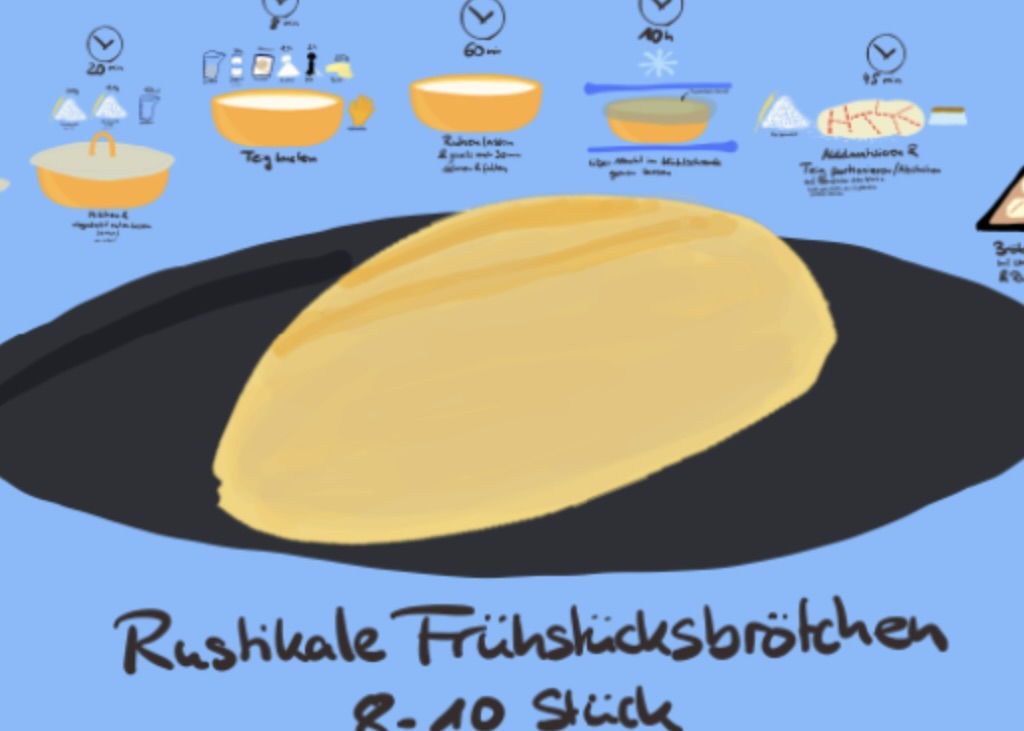
Rustic Breakfast Rolls
Discover rustic breakfast rolls on yummy.world! Crusty outside, fluffy inside—easy homemade bakery vibes.
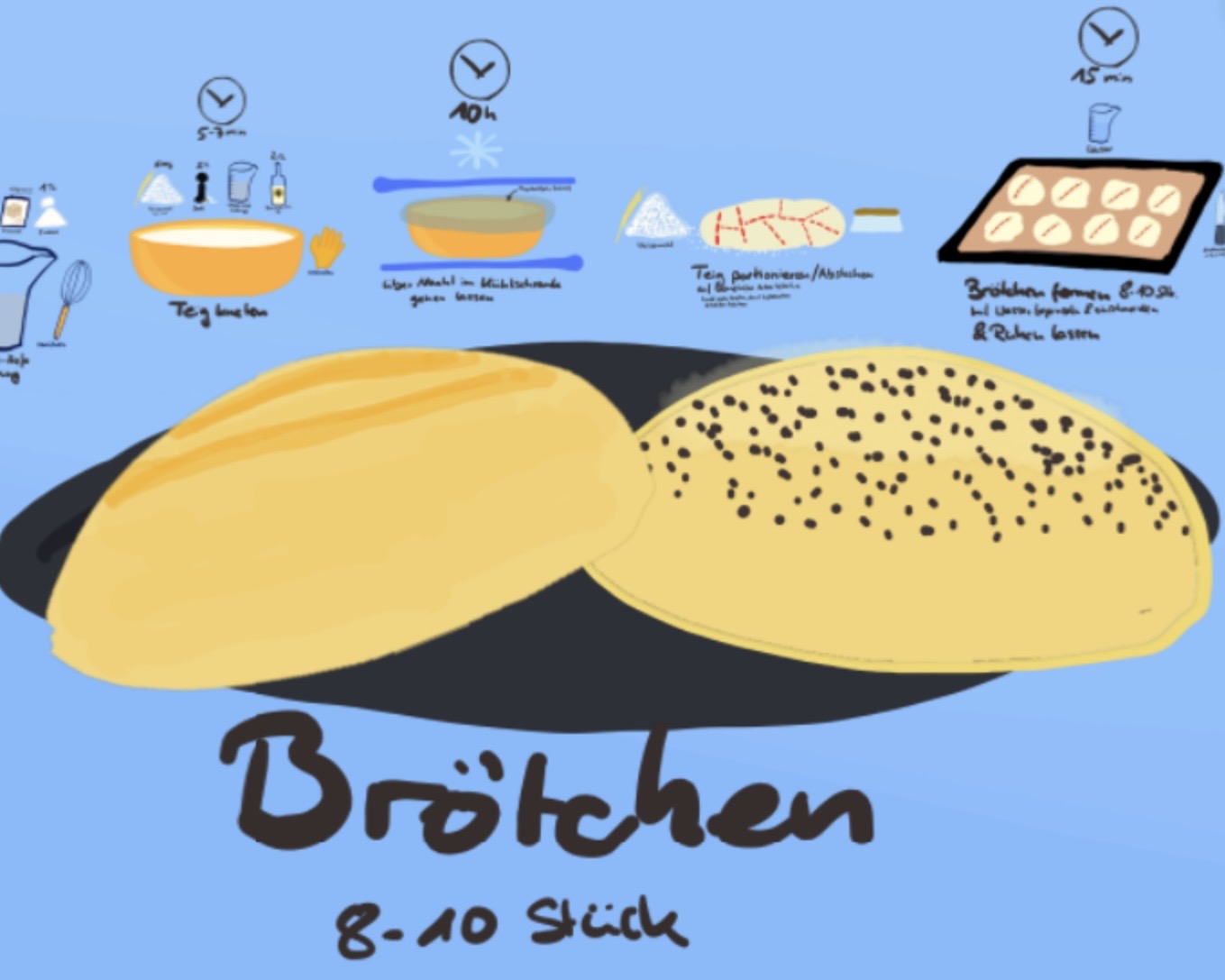
Rolls
Bake fluffy Sunday rolls with a golden crust and soft crumb. Includes tips for proofing, baking, storage, freezing, and serving for breakfast or brunch.
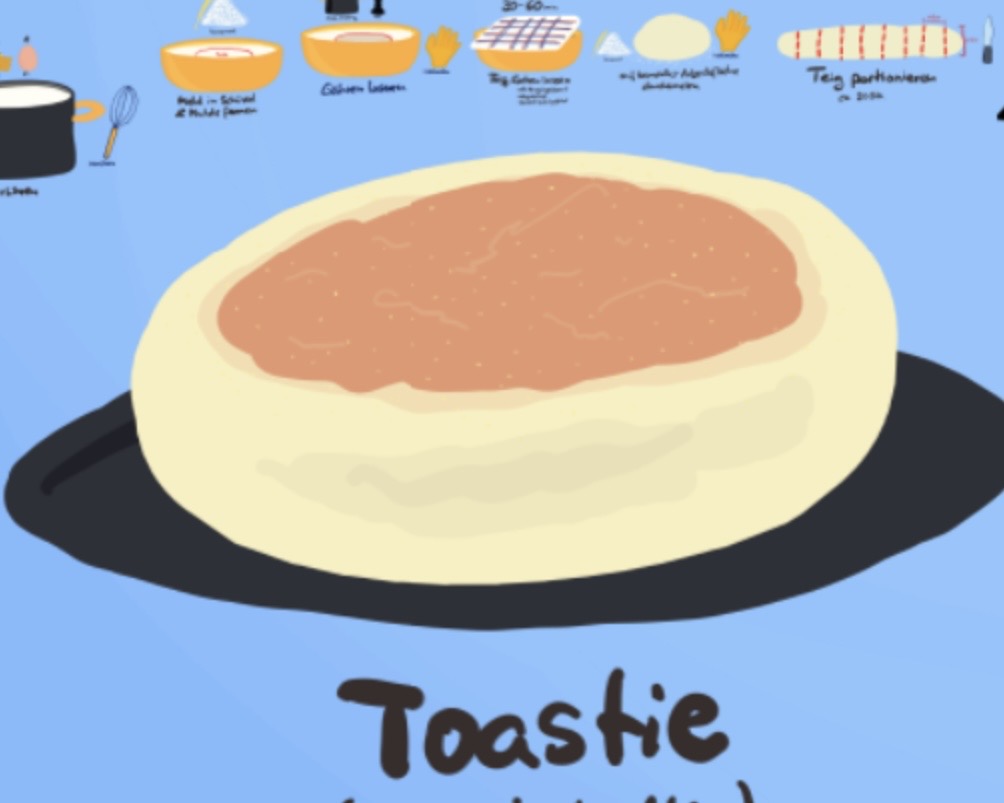
English Muffins
Create golden and fluffy English muffins, perfect for breakfast or sandwiches.

Cheese Naan
Discover Cheese Naan on yummy.world! Gooey, savory stuffed naan—perfect side for curries and sharing.
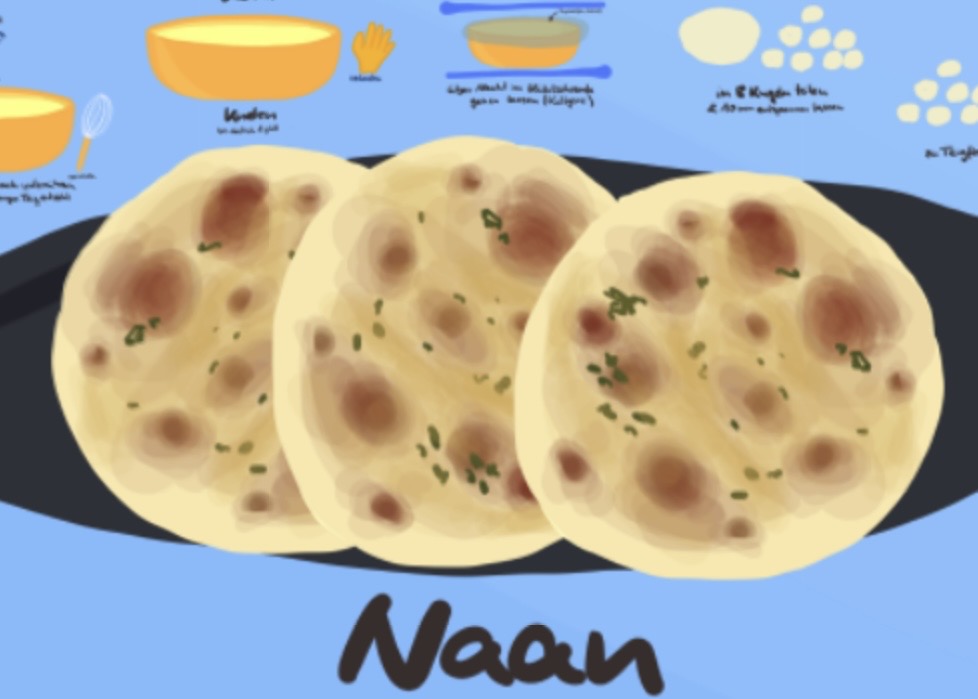
Indian Butter Naan Bread
Discover Indian Naan Bread on yummy.world! Soft, fluffy, pan-baked flatbread—perfect with curry and dips.
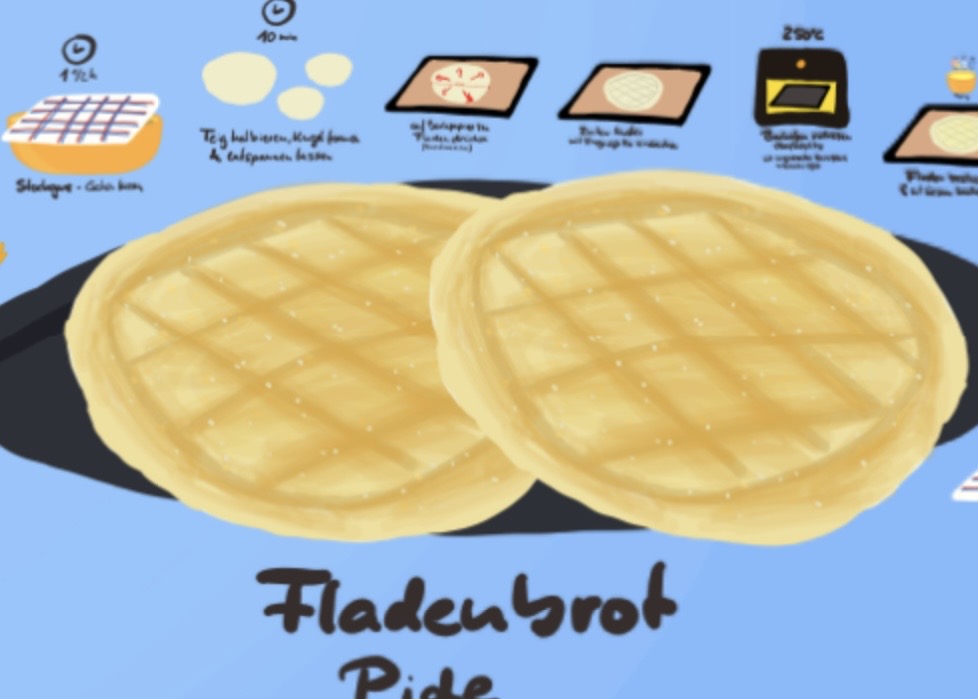
Pide bread
Discover Pide bread on yummy.world! Soft Turkish flatbread—easy to bake, perfect for dips and meals.
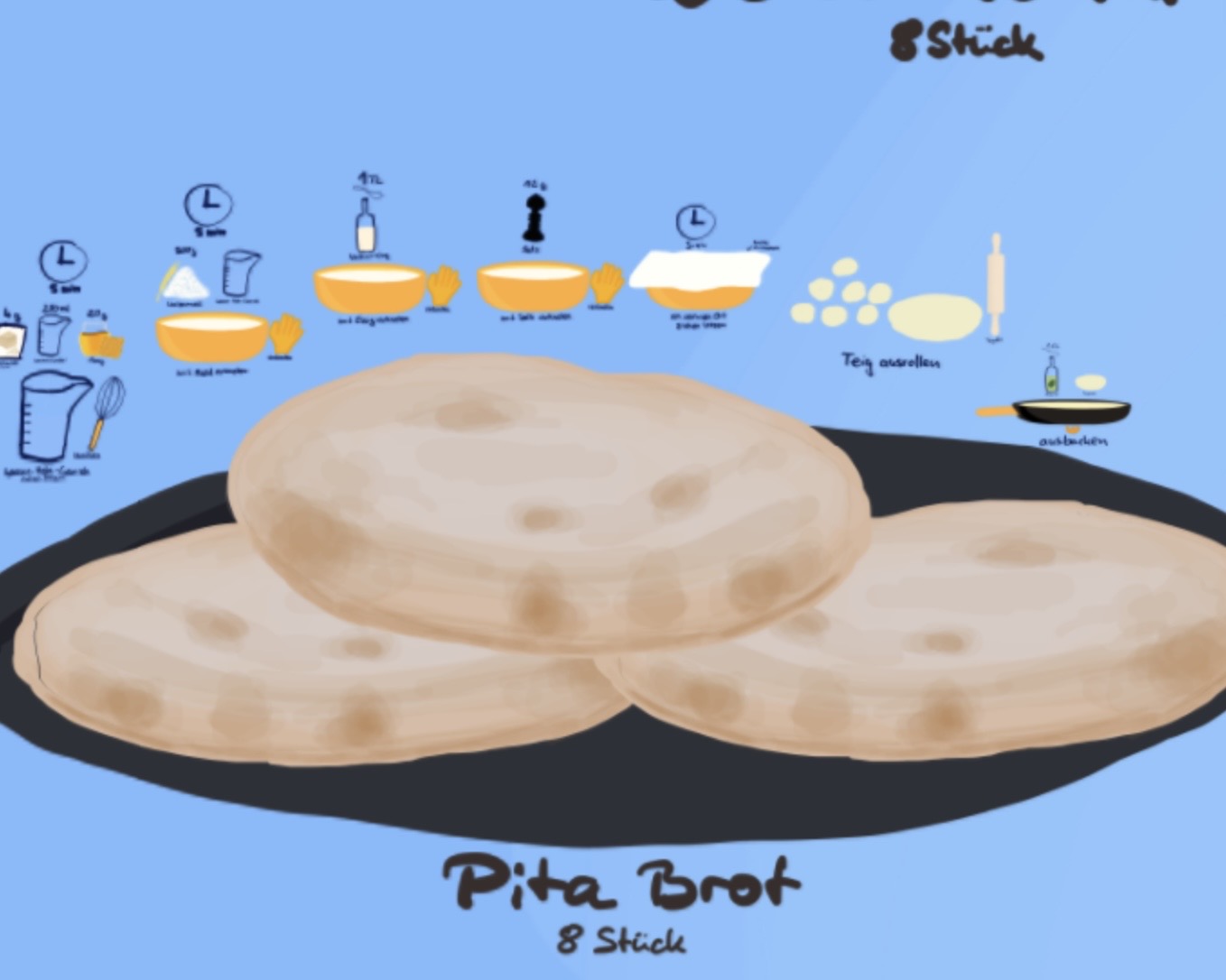
Pita bread
Discover pita bread on yummy.world! Soft, warm pockets—perfect for dips, wraps, and quick meals.
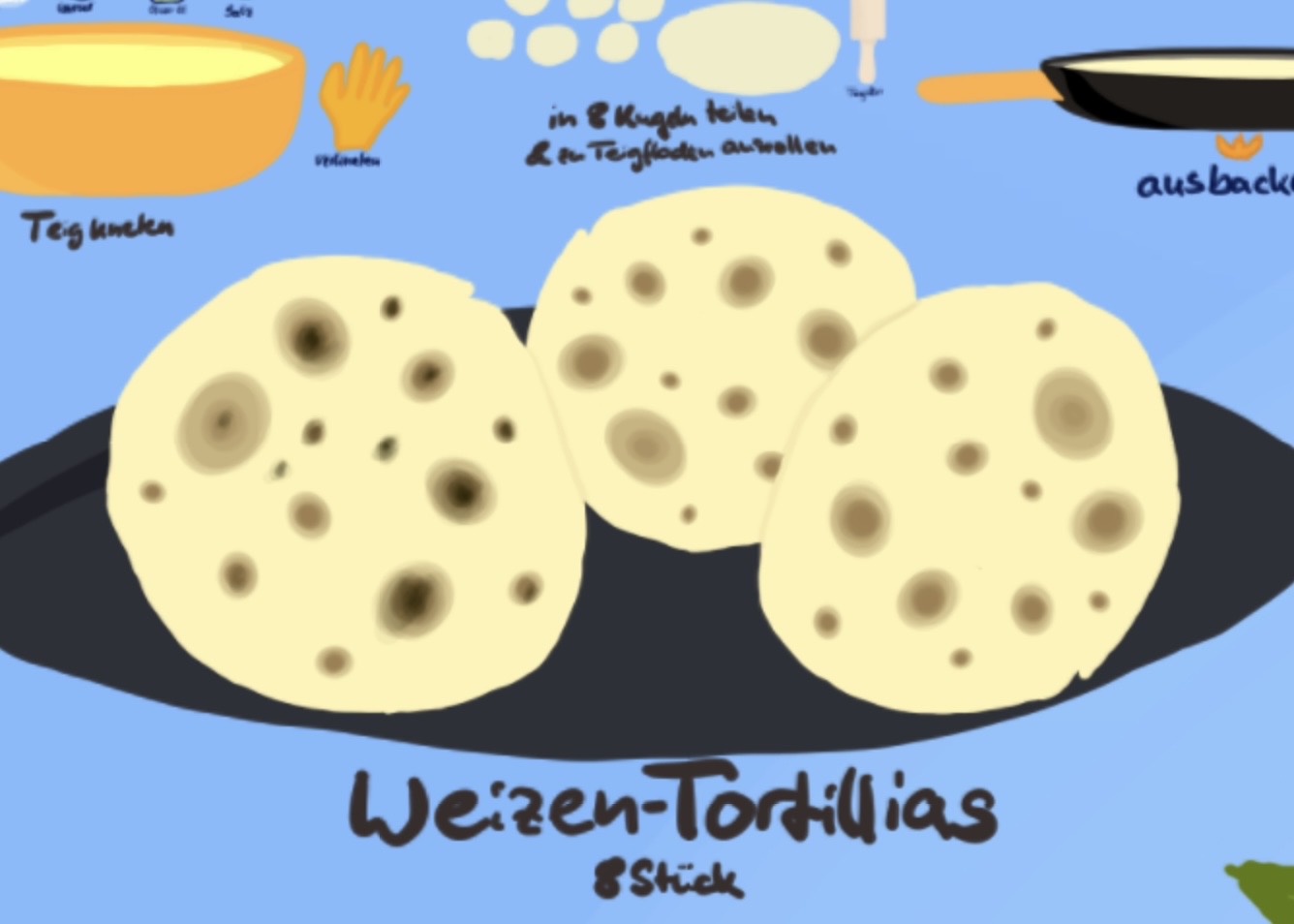
Flour Tortillas
Discover tortillas on yummy.world! Soft homemade wraps—perfect for tacos, burritos, and quick meals.
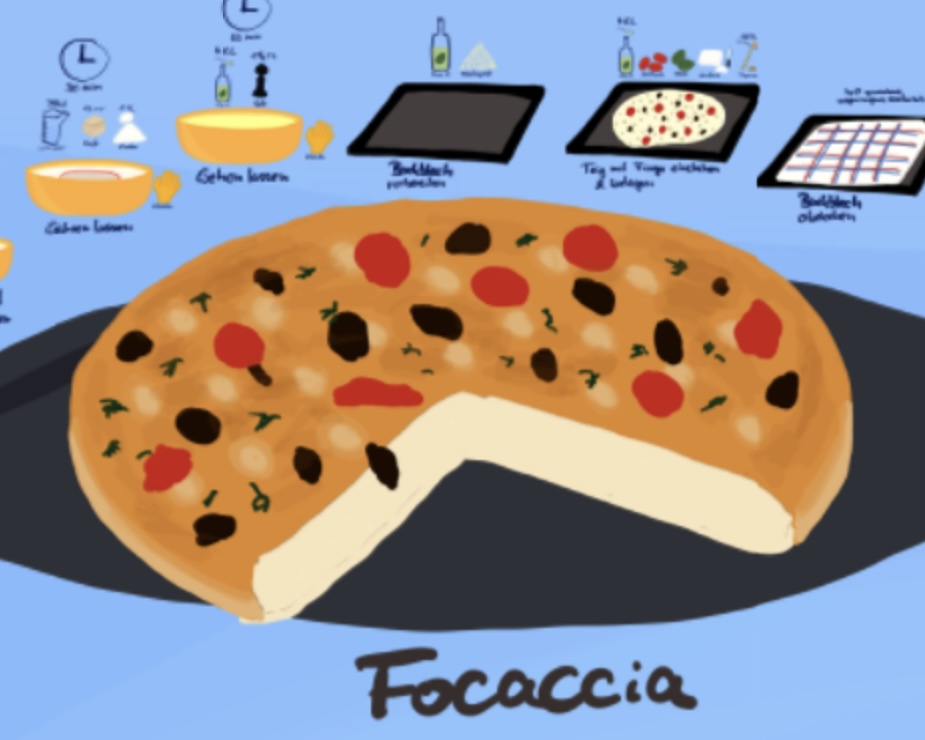
Focaccia
Bake fluffy focaccia with olive oil, thyme, tomatoes, olives and feta. Step-by-step method, proofing tips, storage advice and serving ideas.
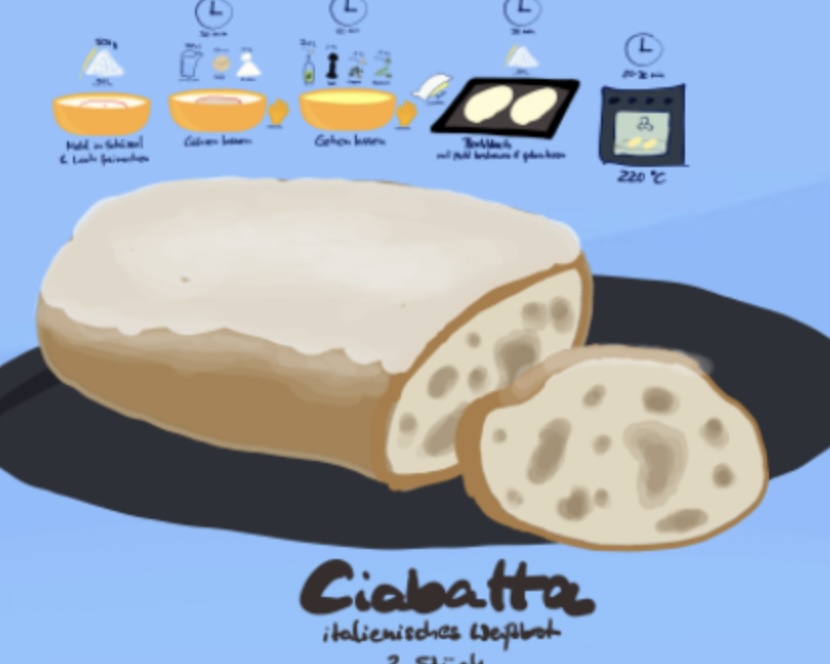
Ciabatta Bread
Create fluffy and crusty ciabatta bread, perfect for sandwiches or dipping.
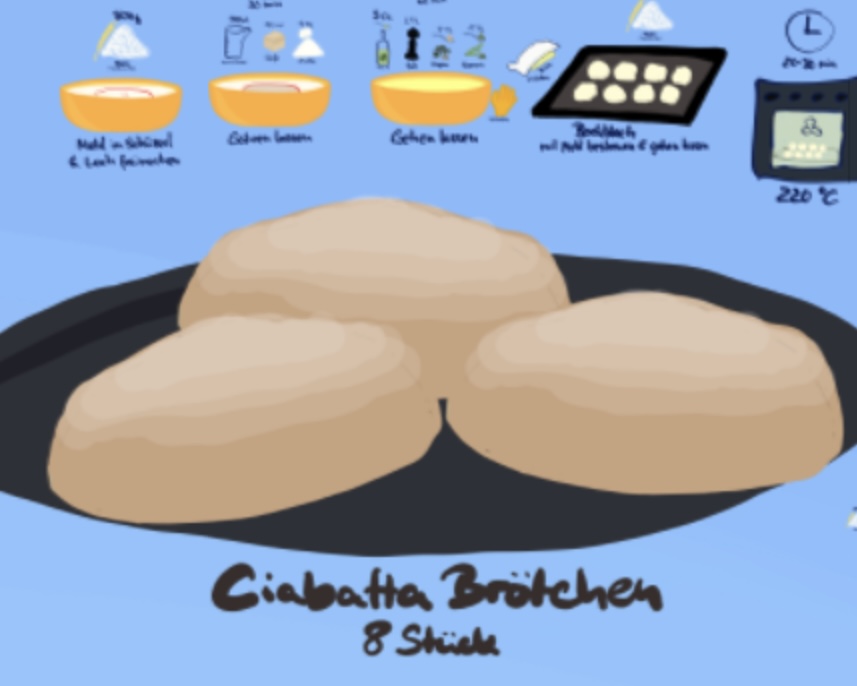
Ciabatta Rolls
Bake soft and golden ciabatta rolls, versatile for any meal or occasion.

Virginia Buttermilk Biscuits
Bake soft and flaky buttermilk biscuits, a delightful side for any meal.
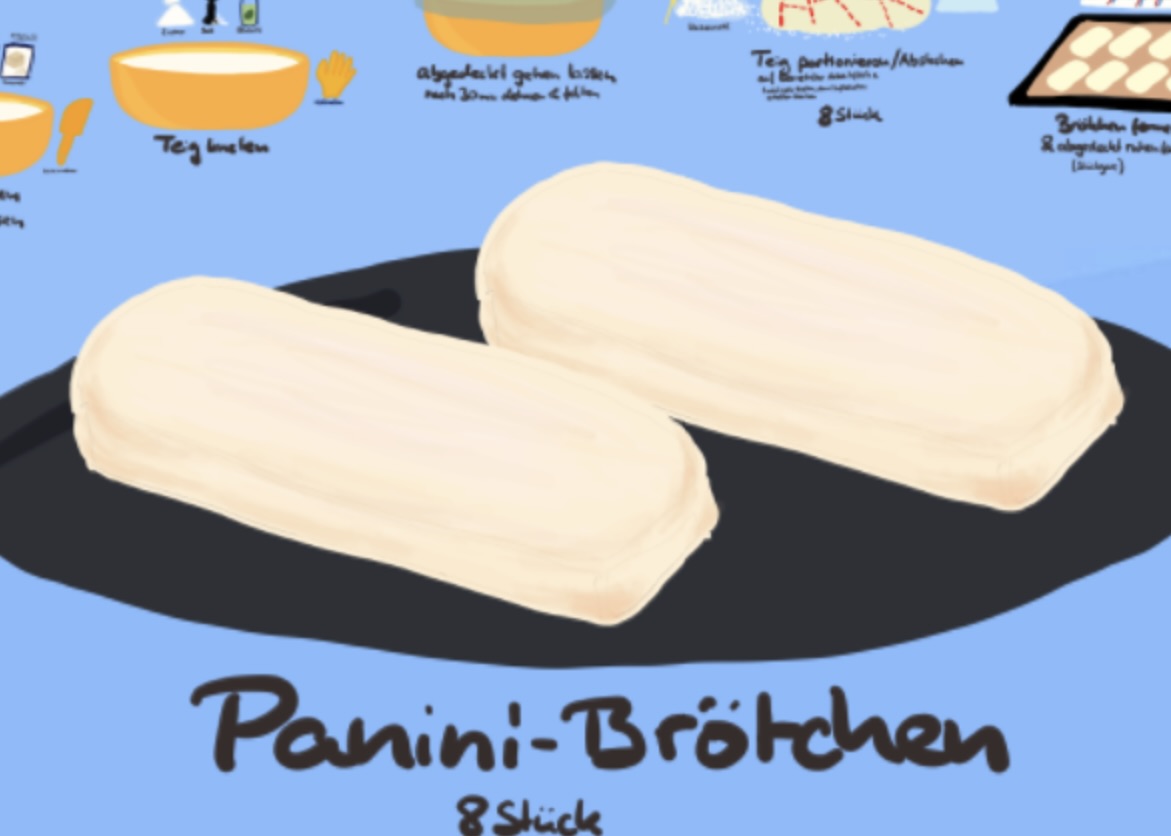
Panini Bread
Discover panini bread on yummy.world! Soft rolls made for pressing—perfect base for hot sandwiches.
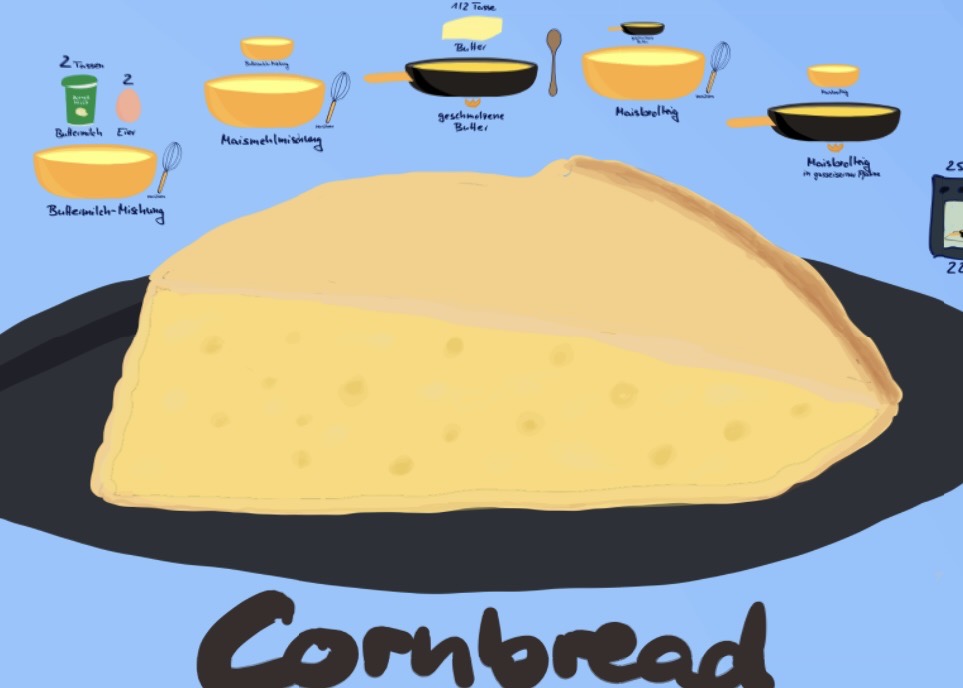
Cornbread
Enjoy the rich and moist texture of homemade cornbread, a perfect side for BBQs or soups.

Pumpernickel
Discover pumpernickel on yummy.world! German bread classic—serving ideas and pairing tips.
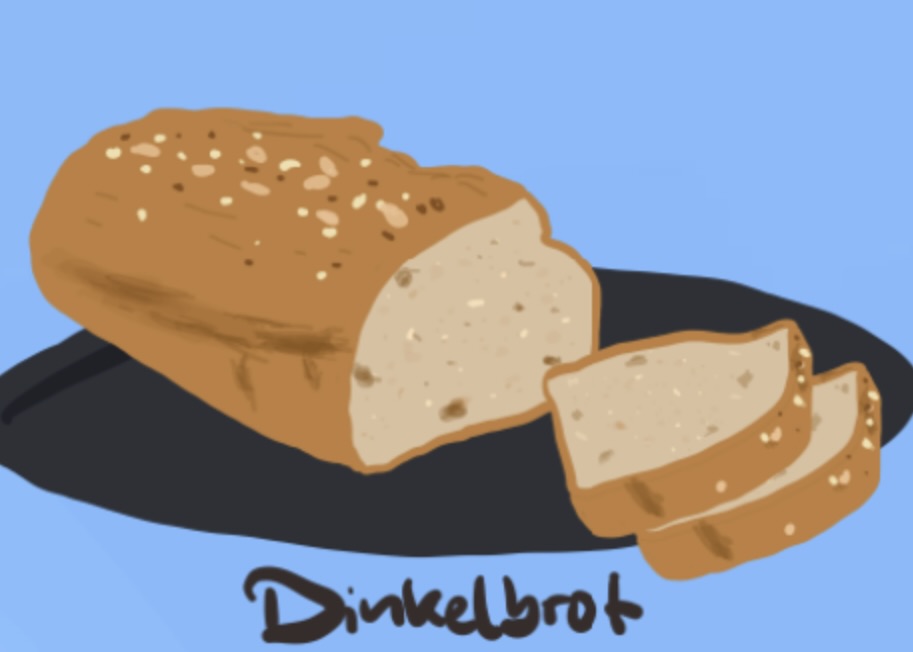
Spelt bread
Discover spelt bread on yummy.world! Rustic, flavorful loaf—easy to bake and perfect for hearty toppings.
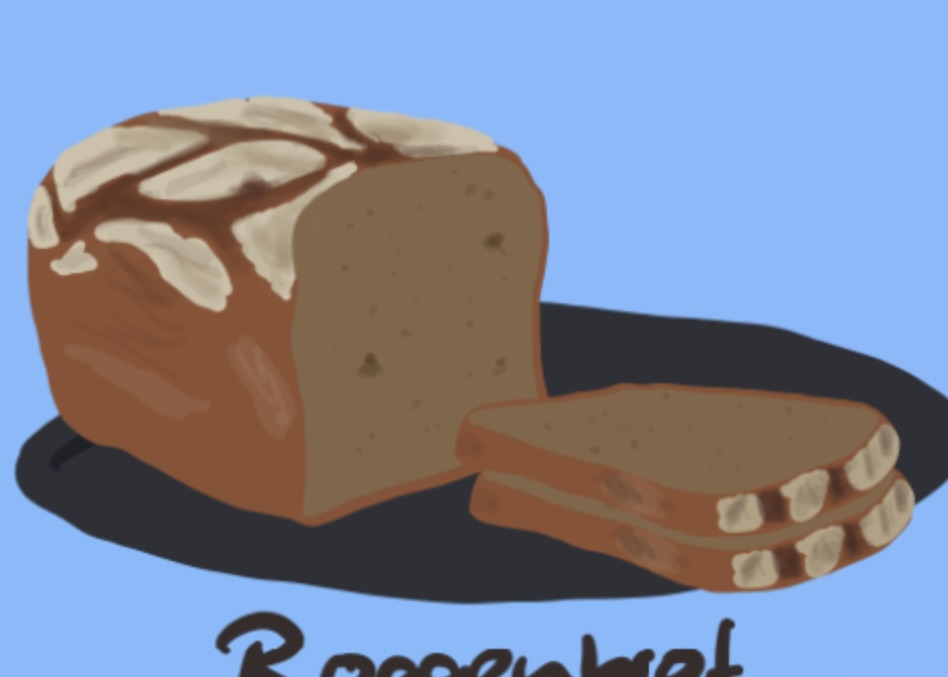
Rye bread
Bake hearty rye bread with rich flavors, perfect for any meal.
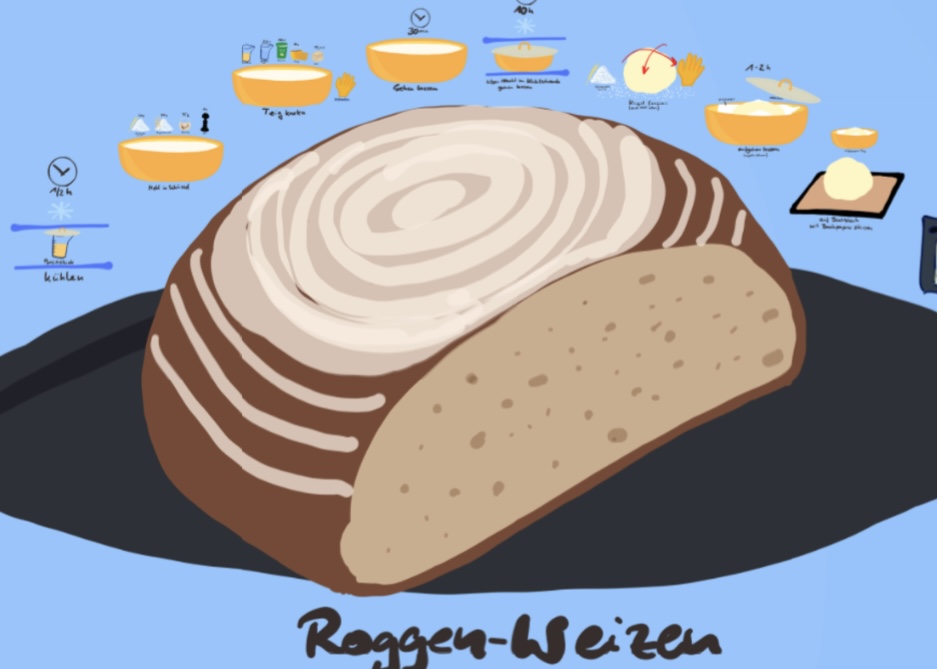
Mixed Rye Bread with Whole Grain Rye
Enjoy the nutty flavors and dense texture of homemade rye-wheat mixed bread.
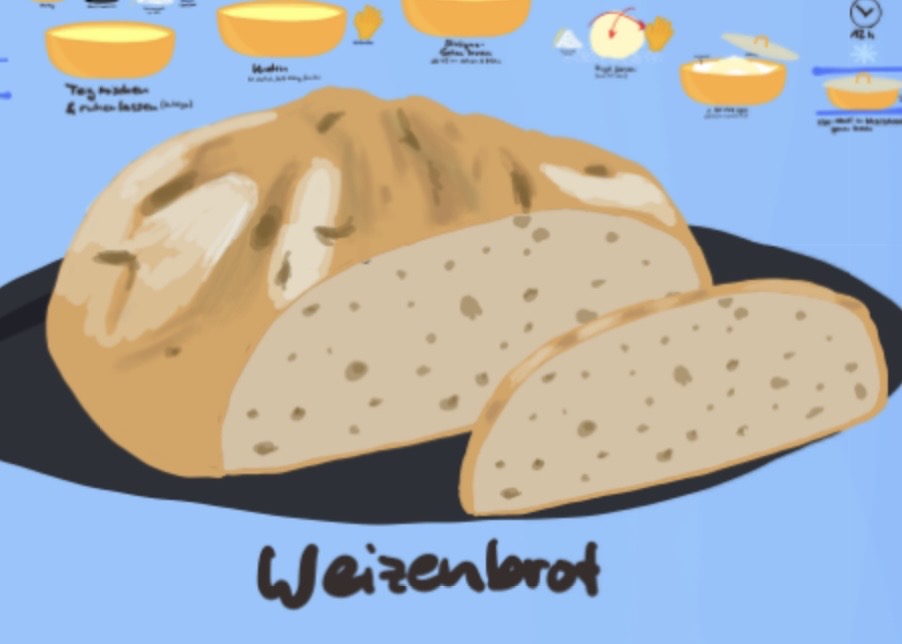
Wheat bread
Discover wheat bread on yummy.world! Everyday loaf with a soft crumb—great for sandwiches and toast.
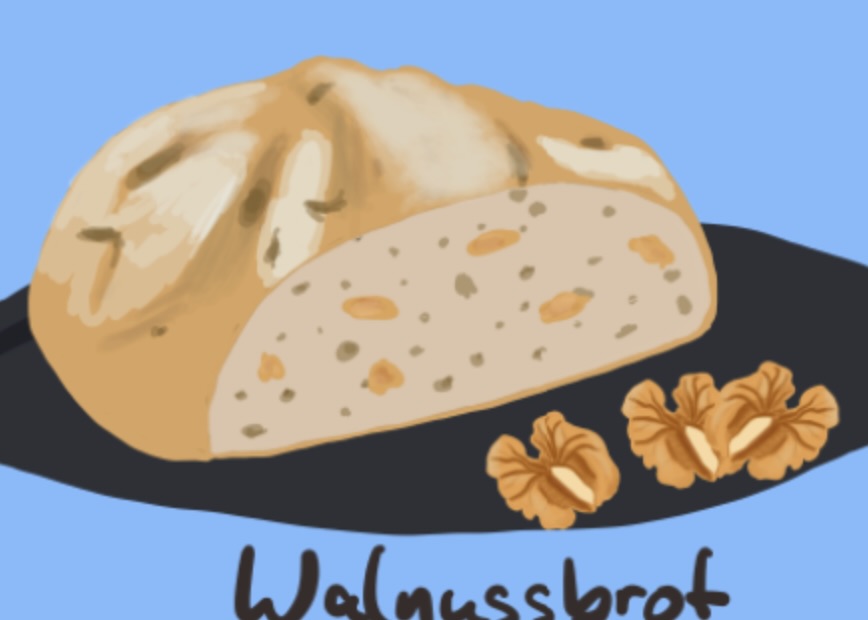
Walnut bread
Enjoy the hearty taste of walnut bread, perfect with cheese or as a snack.
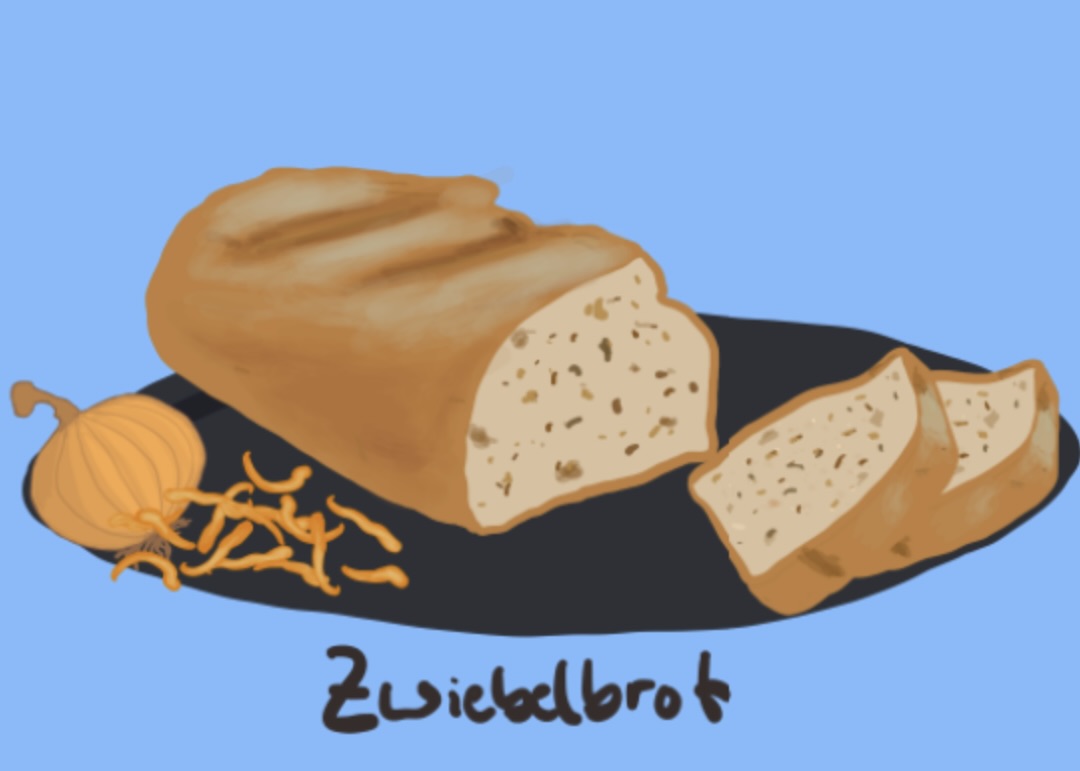
Onion bread
Bake hearty onion bread, perfect as a side for soups or a base for sandwiches.
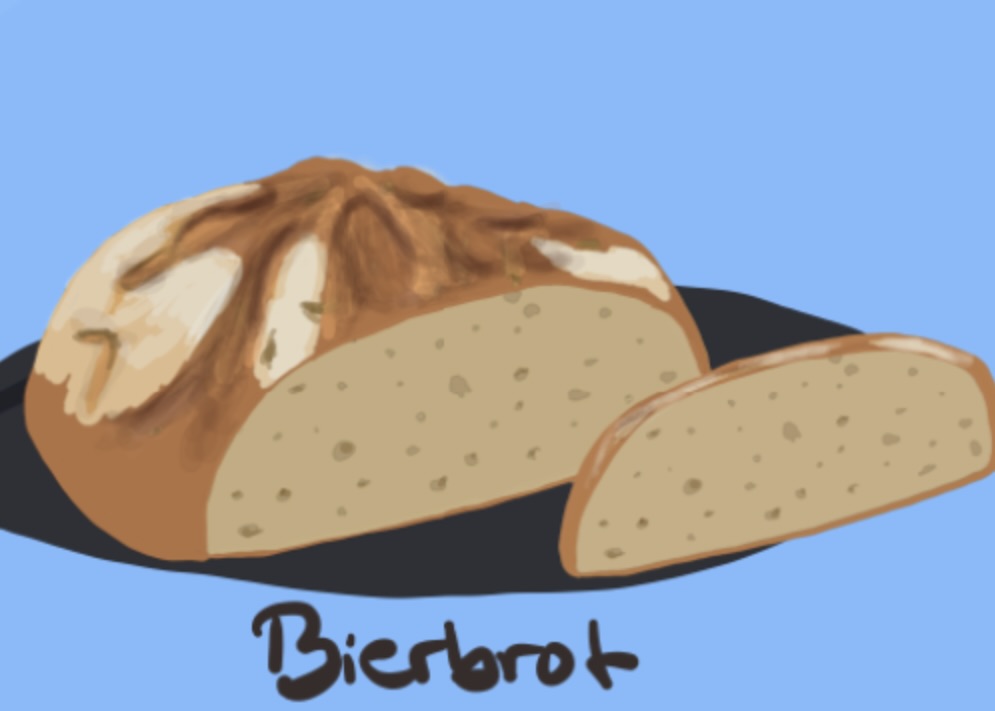
Beer bread
Discover beer bread on yummy.world! Super easy quick loaf—no yeast hassle, great with butter and soups.
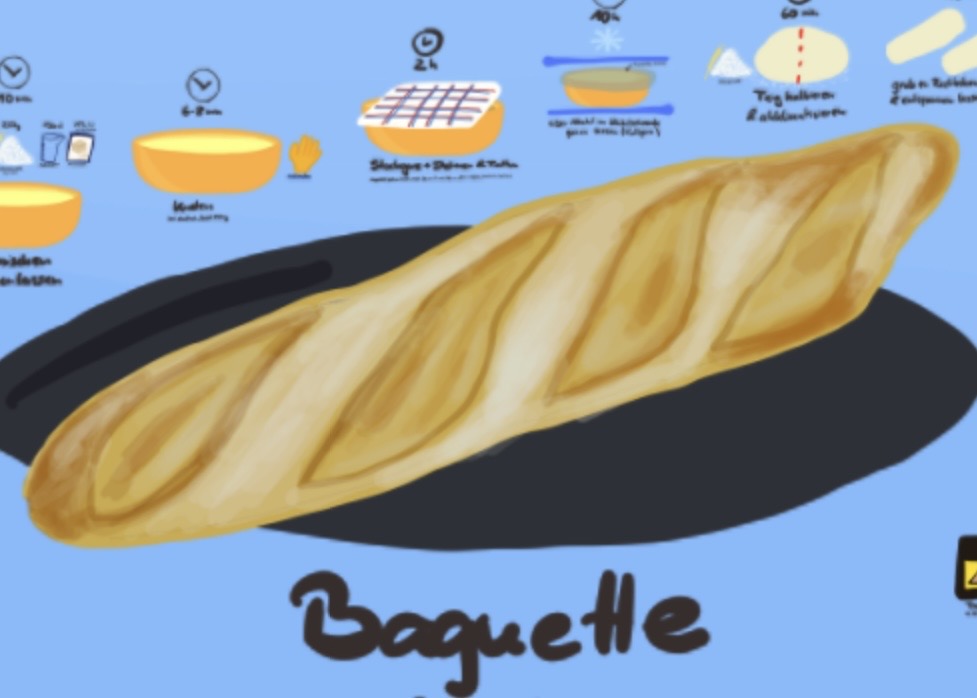
Baguette
Bake your own French-style baguette with this easy and authentic recipe.
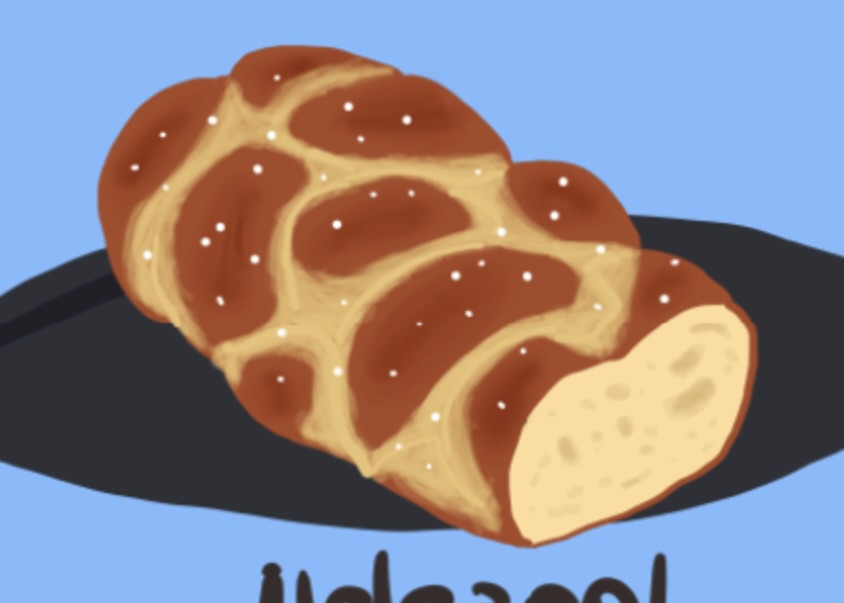
German Braided Sweet Bread
Discover zopf on yummy.world! Soft braided bread—classic, buttery, and perfect for breakfast.

Bagels
Make soft and chewy bagels at home with this foolproof recipe, ideal for any topping.