
Mixed Rye Bread with Whole Grain Rye
Cook along on the interactive map
Ingredients 🧂🥕
 Wholemeal Rye Flour350 g
 Plain Flour200 g
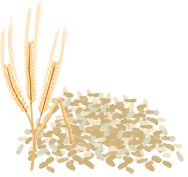 Cracked Rye50 g
 Sourdough75 g
 Yeast22 g
 Buttermilk100 ml
 Honey30 g
 Salt20 g
Step-by-step:
- Hydrate the rye: Combine the rye meal with water and let it soften. Mix the sourdough until evenly combined. Refer to the illustrated recipe for the exact details.
- Mix the bread dough: Combine the hydrated rye with wholegrain rye flour, wheat flour, sourdough, buttermilk and salt. Mix to an evenly hydrated, sticky dough rather than a dry ball.
- Let the dough ferment: Cover and let the dough become aerated. Avoid adding excessive flour simply to remove its natural stickiness.
- Shape and proof: Shape with damp hands or place in a prepared loaf tin. Let it proof until visibly expanded without losing its structure.
- Bake and cool fully: Bake until the loaf is cooked through and has a firm crust. Cool completely before slicing so the rye crumb can stabilise.
Mixed Rye Bread: whole grain flavor with a hearty crumb
A slice of mixed rye bread, a little butter and something crisp alongside: breakfast can start right there. Whole grain rye brings a hearty, nutty flavor, with a gentle tang in the crumb. Set out a few toppings and find your favorite bite.
Two grains with different jobs
Whole grain rye flour and cracked rye give this loaf its grain flavor and texture. Wheat flour helps the dough hold together. Sourdough and buttermilk add tang, honey rounds it out, and yeast and salt also belong to this version. Water helps hydrate the grain. The cracked pieces need time to soften; they behave differently from finely milled flour.
Stickiness is part of working with rye
Rye does not build the same stretchy structure as wheat. Its water absorption also makes the dough feel different. A cohesive, tacky mixture need not be corrected with handful after handful of flour: that changes the balance and can make the bread heavy. Sourdough contributes more than flavor; its acidity also helps the rye crumb hold its structure during baking. Judge the rise by visible aeration while the dough still holds its shape.
Bake the loaf through and let it cool completely before slicing. Moisture continues to move as it cools, and the crumb needs that time to become stable. Never taste raw flour or dough, and do not let children play with it. Keep it away from ready-to-eat food and wash hands, tools and surfaces afterward. Use oven mitts for the hot pan. This bread contains honey and is not suitable for babies under one year.
Move the dough without drying it out
A dough scraper helps gather sticky patches from the bowl and work surface. Lightly damp hands make gentle shaping easier without coating the dough in extra flour. Once the loaf is fully cool, use a serrated knife with a gentle sawing motion so you do not squash the crumb.
Optional sweet or savory toppings
Try cream cheese with a little fruit spread for a sweet contrast. For a savory slice, add cheese, mustard and thin radish slices. Toasting a slice gives it a crisper edge. Keep these changes in the topping so the loaf retains its rye character.
Compare two kinds of rye bread
Butter lets you taste the grain clearly; cheese and cucumber make a fresh, savory combination. For a darker, more compact slice, explore pumpernickel. Its coarse rye dough and covered bake produce a different texture from this rye-and-wheat loaf. Wash vegetables before slicing and keep perishable toppings refrigerated until serving.
Save slices for another breakfast
Let the loaf cool completely before wrapping it, so warm steam is not trapped inside. Protect the cut surface and slice only what you need. For later meals, freeze fully cooled slices in airtight portions, separating them if useful. Thaw or toast the portion you want, then add the toppings. Keep moist and perishable toppings separately refrigerated.
Frequently asked questions
Does this loaf use sourdough or yeast?
Both belong to this version. Buttermilk and honey are also part of the dough.
Should I add flour until the dough feels dry?
No. Rye dough remains tacky. A scraper and lightly damp hands help you handle it without changing the flour balance.
Why wait until the bread is completely cool?
The moist crumb is still settling after baking. Cutting too soon can compress it and leave a gummy slice.
Best Bread Recipes to Try at Home
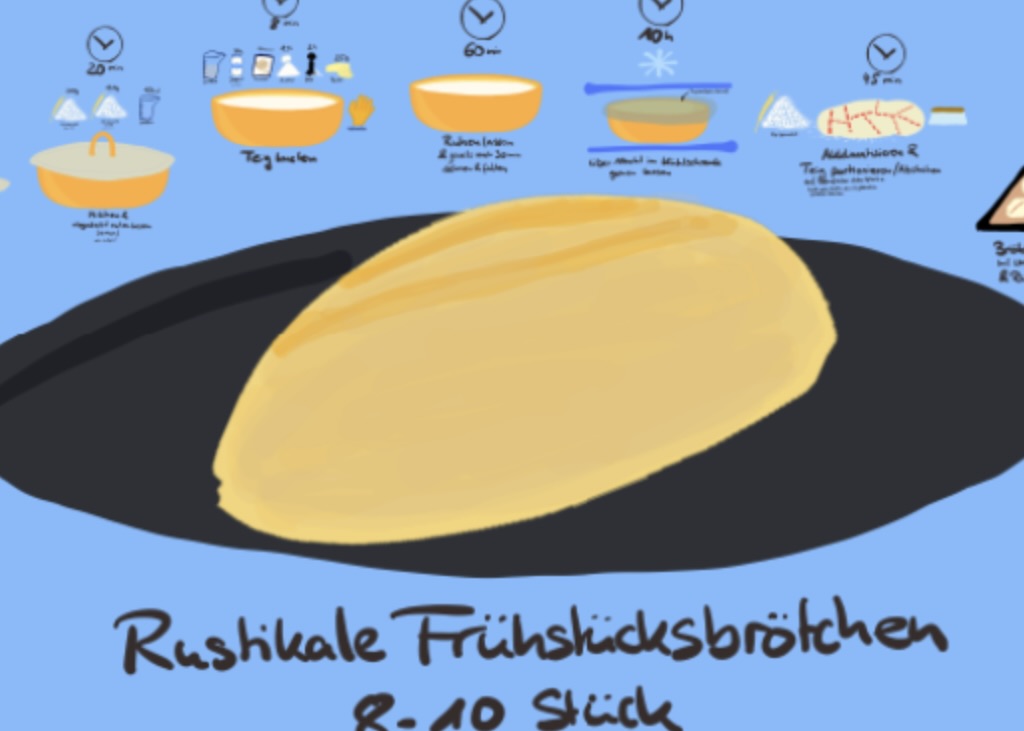
Rustic Breakfast Rolls
Make rustic breakfast rolls with a crisp crust and soft center. Get practical guidance on kneading, the final rise, cooling, and breakfast pairings.
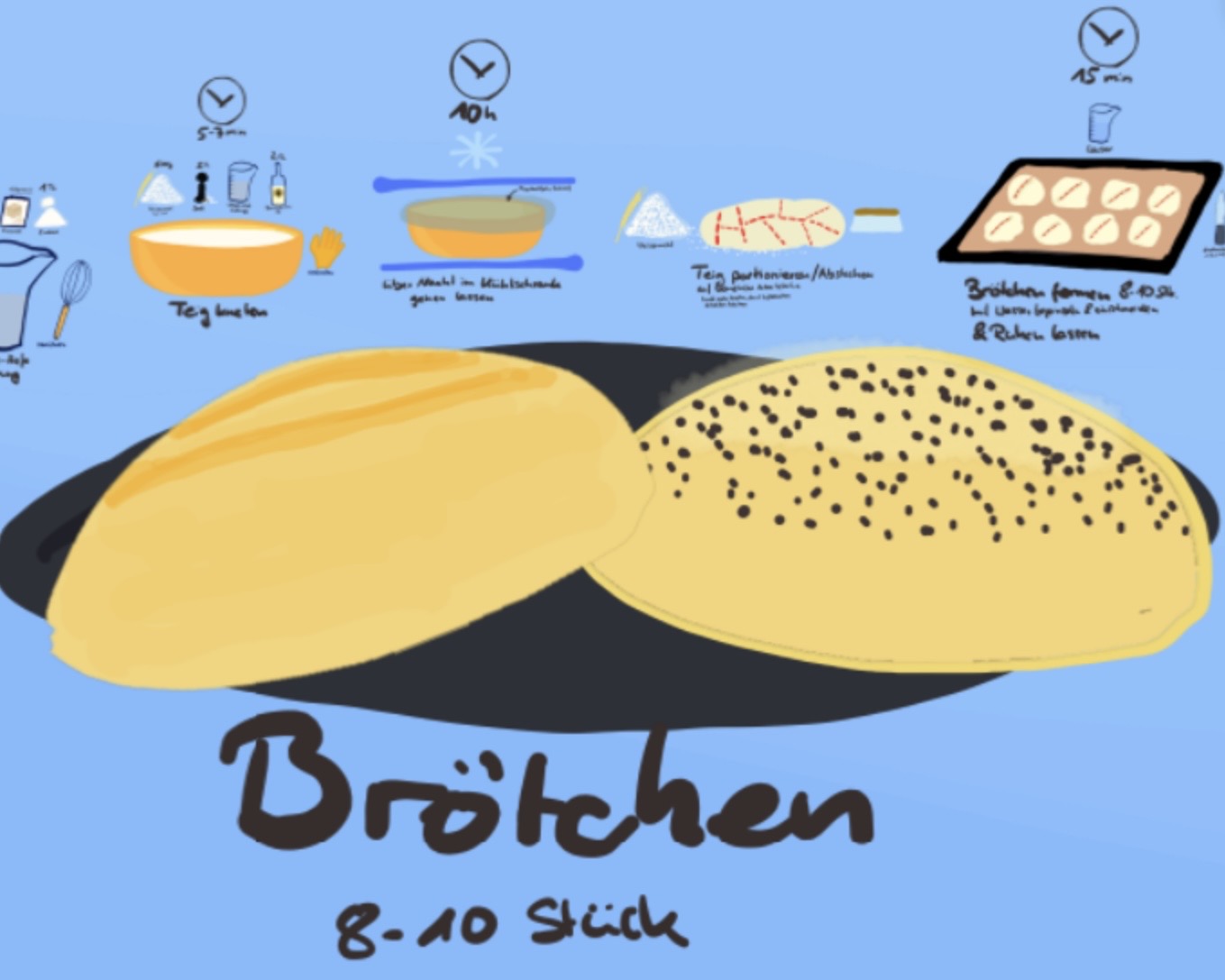
Rolls
Bake golden bread rolls with yeast and sunflower oil. Find practical tips for soft dough, gentle shaping and serving them warm with sweet or savory toppings.
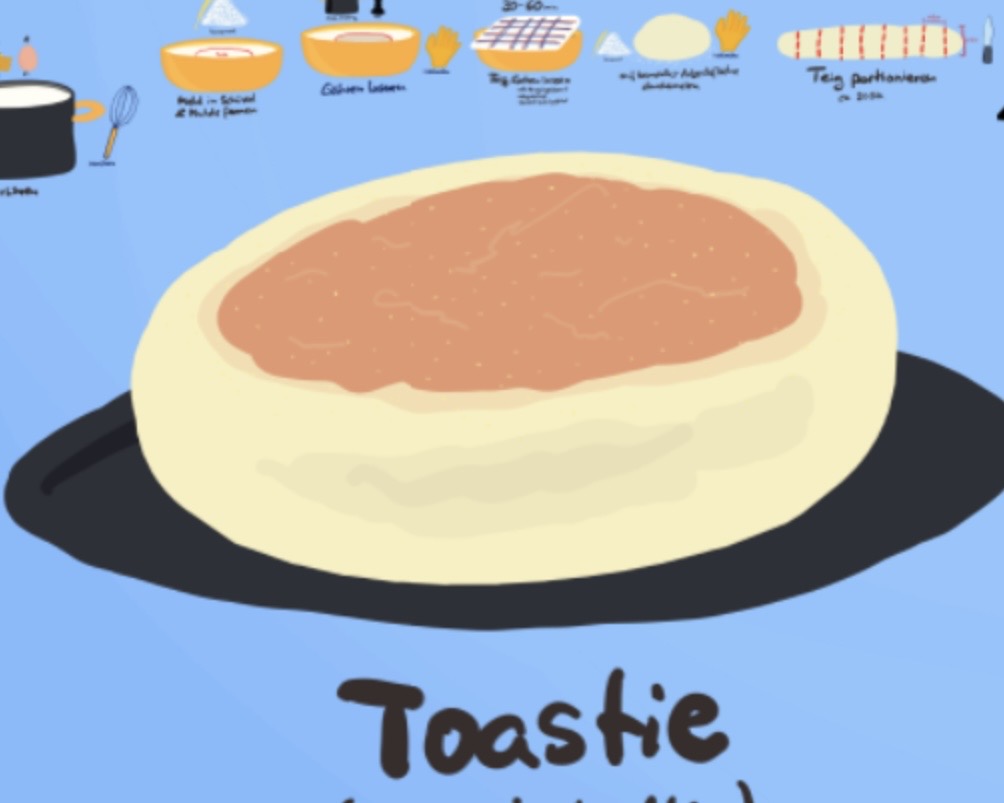
English Muffins
Make soft English muffins with milk, butter, egg and honey. Find gentle pan-cooking advice, fork-splitting tips and sweet or savory ideas for toasted halves.

Cheese Naan
Soft naan encloses mozzarella and young Gouda. Learn how to manage cheese moisture, seal the dough, and cook the center without burning the outside.
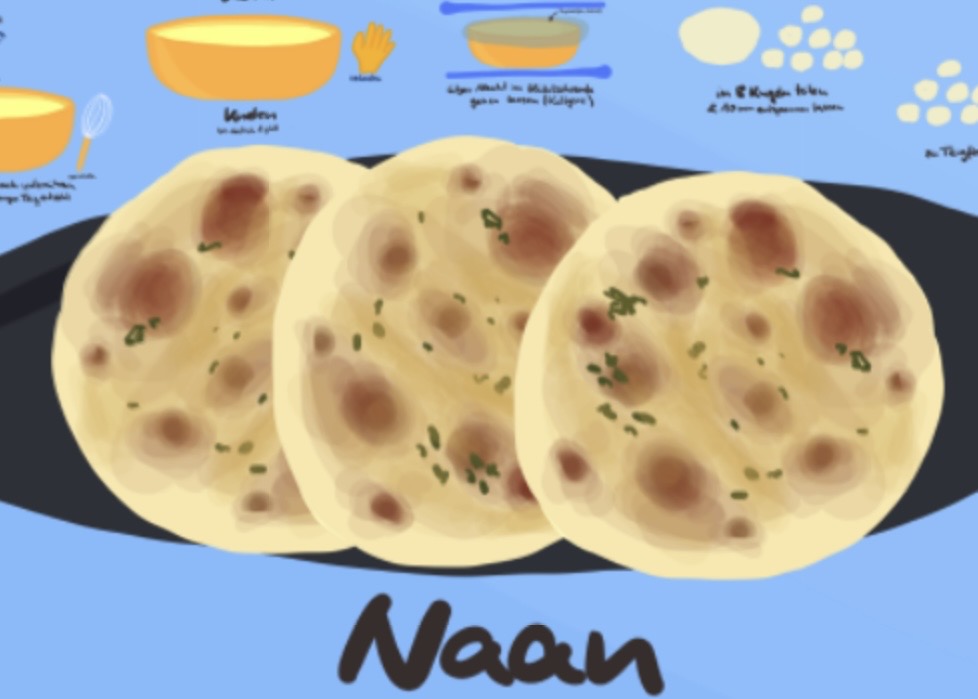
Indian Butter Naan Bread
Soft yogurt naan with garlic, cilantro, and a buttery finish. Learn how dough rise, gentle shaping, and controlled pan heat help the bread cook evenly.
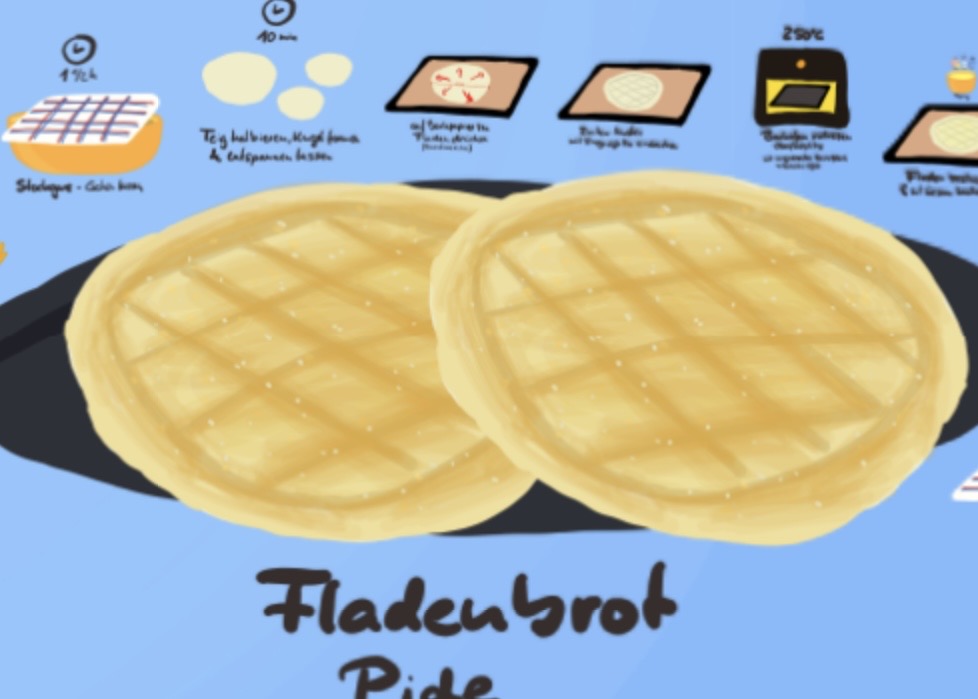
Pide bread
Bake soft pide bread with a golden sesame crust. Learn what well-risen dough looks like, how to shape it gently, and why the center needs careful checking.
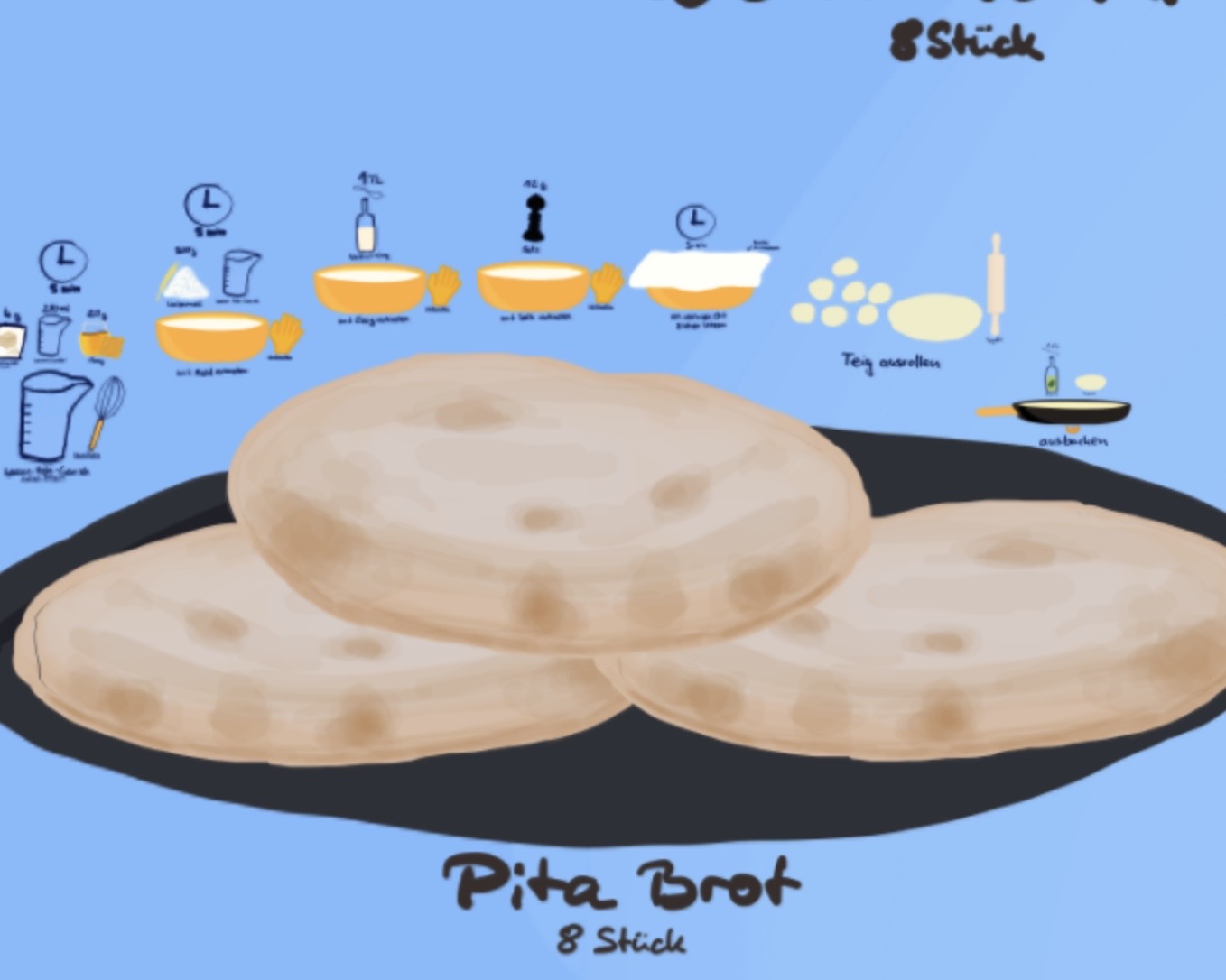
Pita bread
Bake soft pita bread with honey, vinegar and olive oil. Learn how even rolling and a hot baking surface help it puff, then fill it or share it with dips.
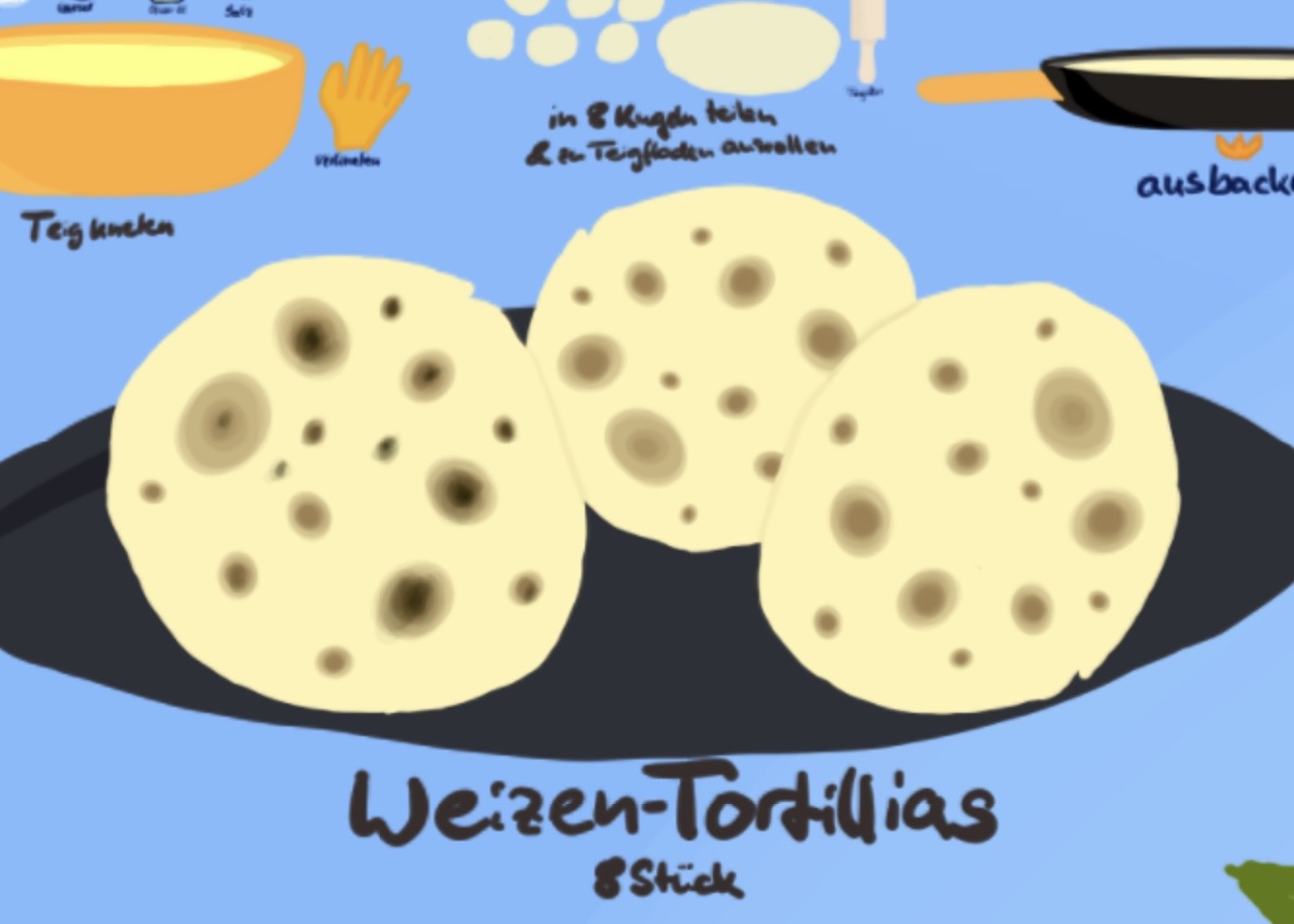
Flour Tortillas
Make soft flour tortillas with olive oil in a dry pan. Find tips for resting, even rolling, brown spots, and filling warm wraps with chicken and guacamole.
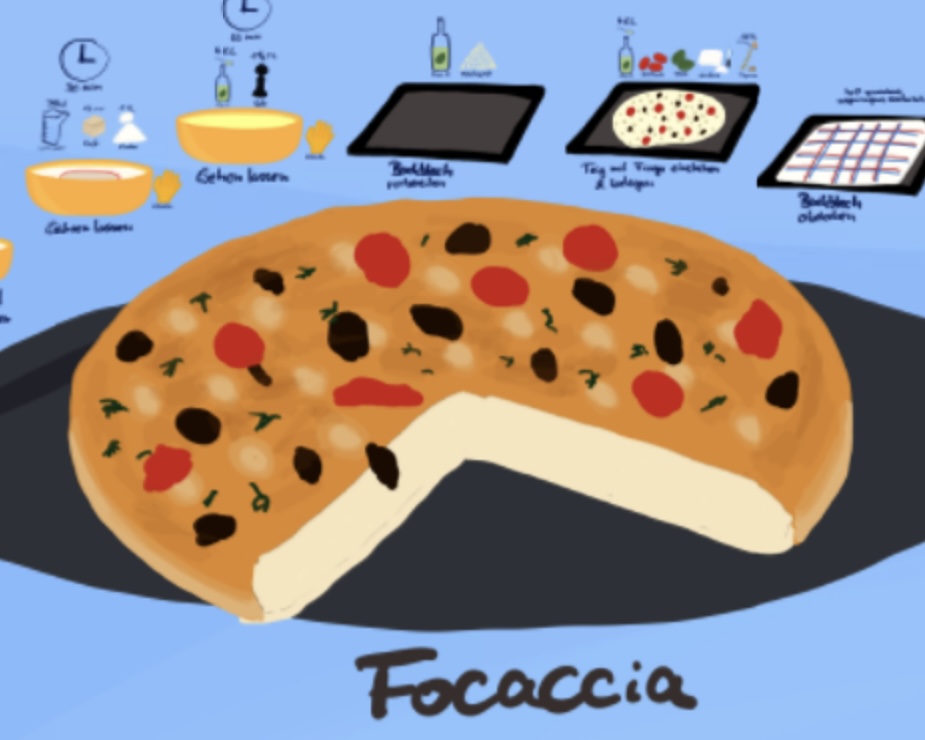
Focaccia
Bake soft focaccia topped with sweet tomatoes, black olives, feta, and thyme. Get tips for a gentle rise, well-spaced toppings, and warm slices to share.
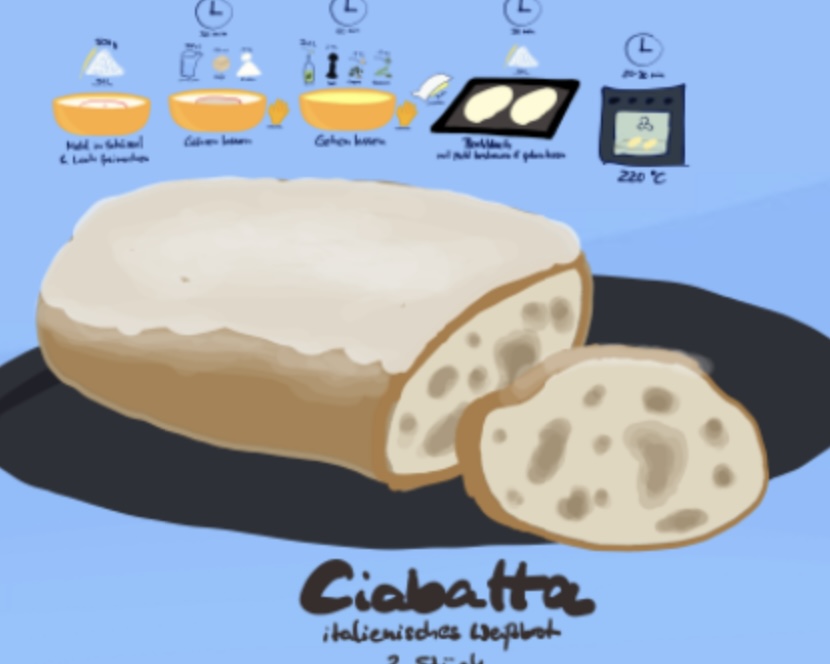
Ciabatta Bread
Bake ciabatta with oregano, dried rosemary and olive oil. Learn how gentle folding and shaping help a sticky dough become a crisp loaf with an airy center.
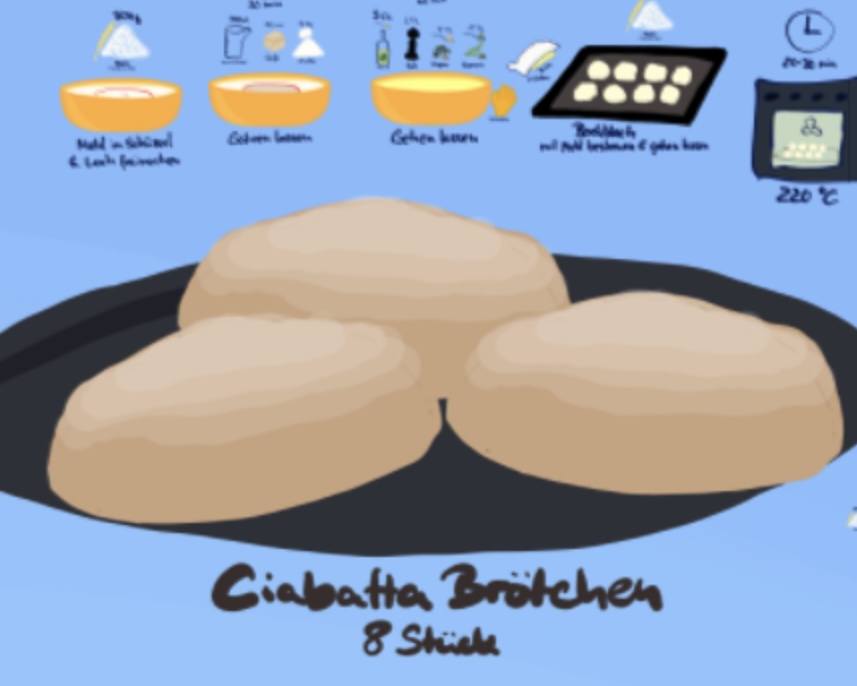
Ciabatta Rolls
Bake ciabatta rolls with oregano and rosemary. Fold sticky dough, gently divide it into rectangles and serve the crisp rolls with savory fillings.

Virginia Buttermilk Biscuits
Bake tender buttermilk biscuits with cold butter, cinnamon and nutmeg. Find gentle shaping tips and ideas for serving them warm with butter or fruit preserves.
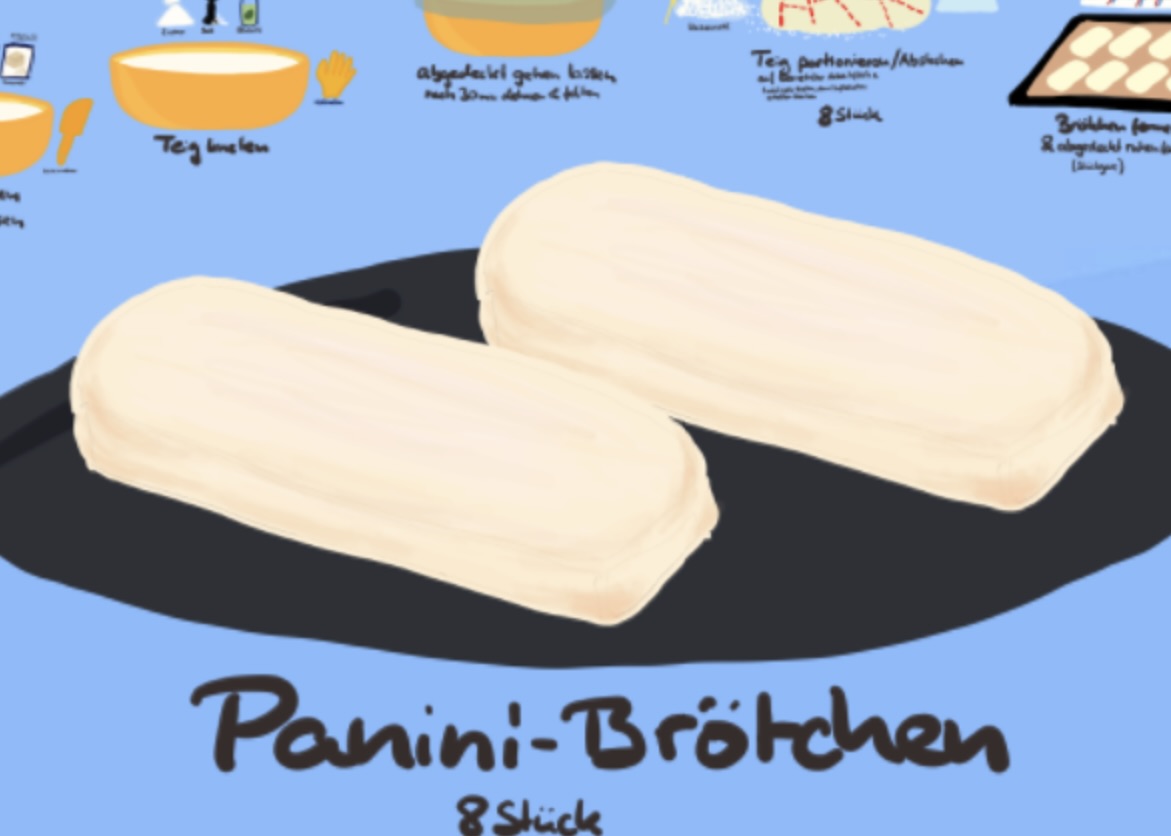
Panini Bread
Bake panini bread with a tender crumb and golden crust. Learn how to judge the rise, shape even rolls, and keep pressed sandwiches from turning soggy.
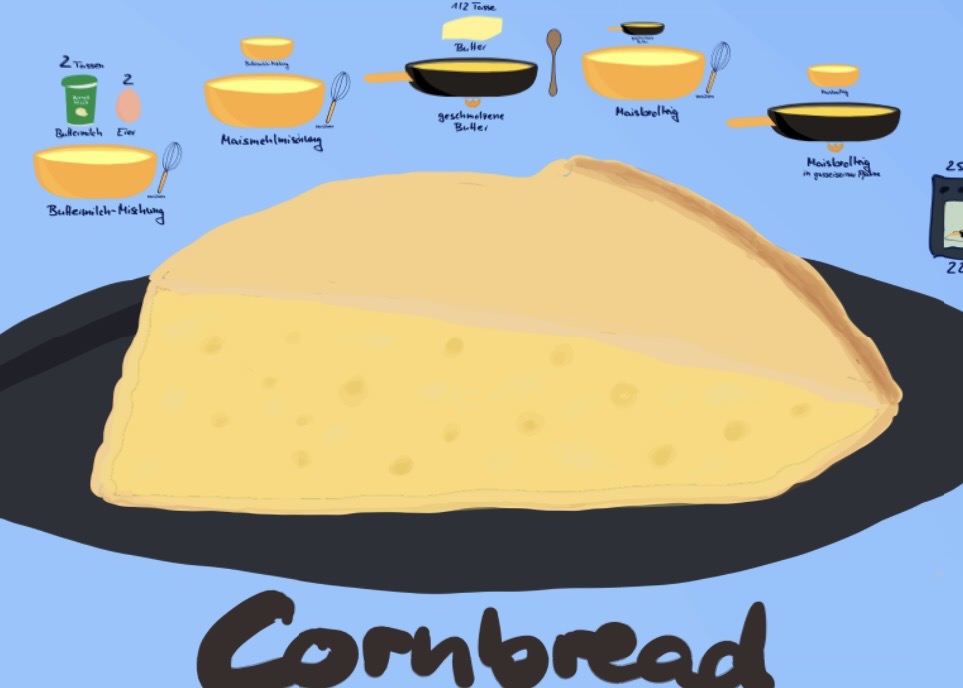
Cornbread
Bake golden cornbread with cornmeal, buttermilk and butter. Get tips for gentle mixing, checking the center and serving it with pulled pork or beans.
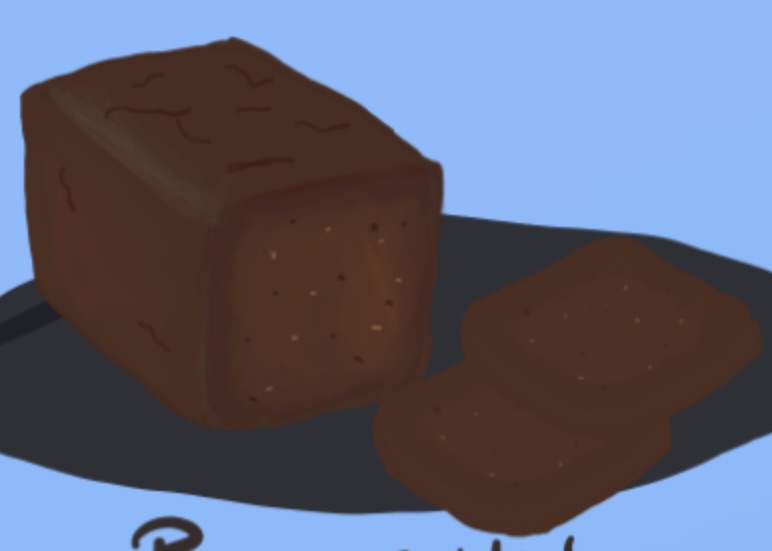
Pumpernickel
Explore pumpernickel’s dense rye crumb, gentle baking, and full cooling. Find practical slicing tips and toppings that suit its deep grain flavor.
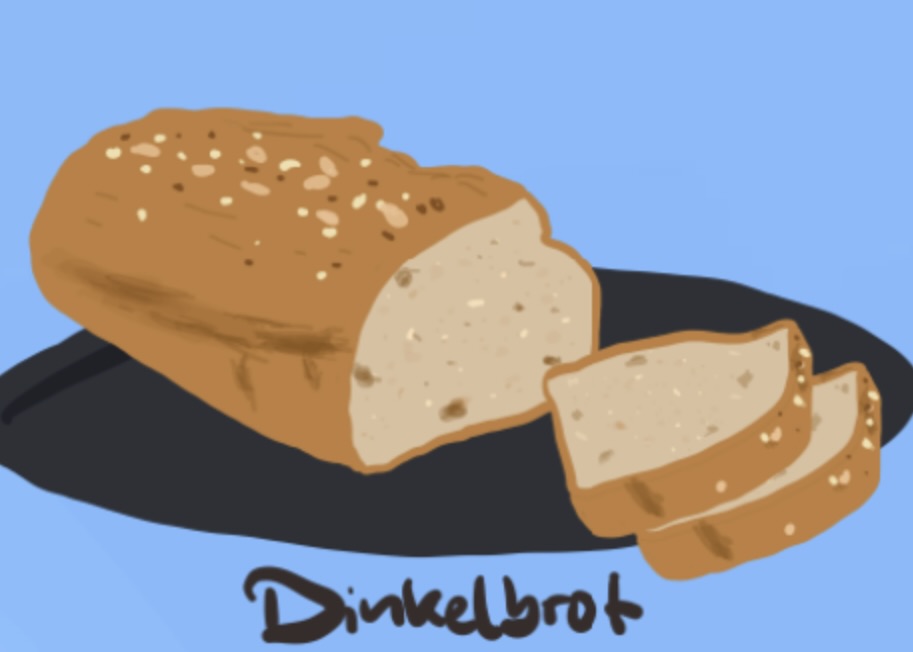
Spelt bread
Bake a mildly nutty spelt loaf with yeast. Find tips for gentle kneading, rising in a pan or proofing basket, and cooling the bread for neat slices.
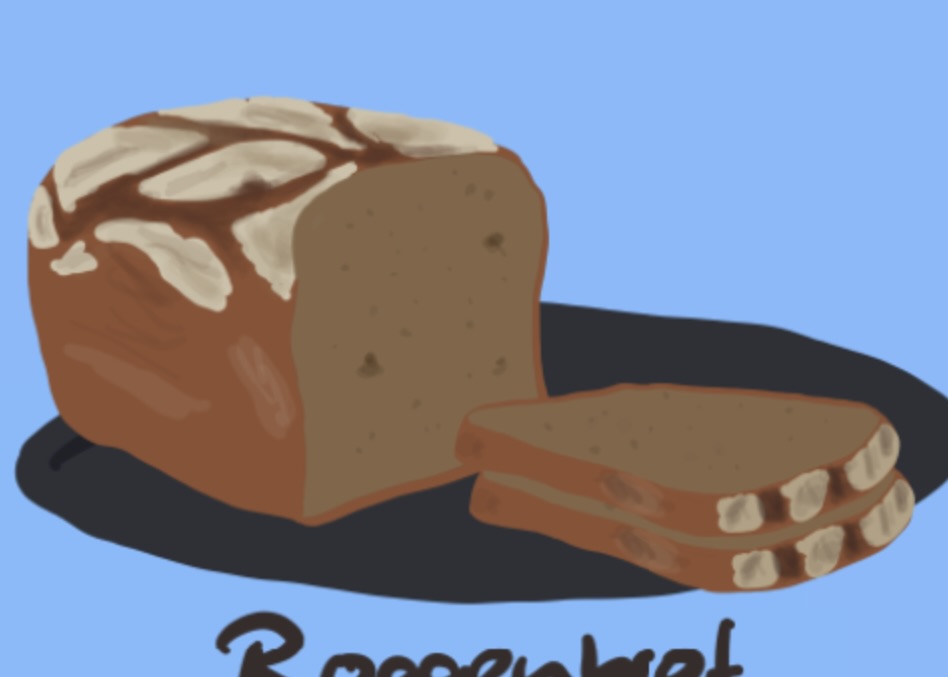
Rye bread
Get to know rye bread’s hearty flavor and moist crumb, with useful guidance on dough texture, cooling, neat slicing and savory toppings for everyday meals.
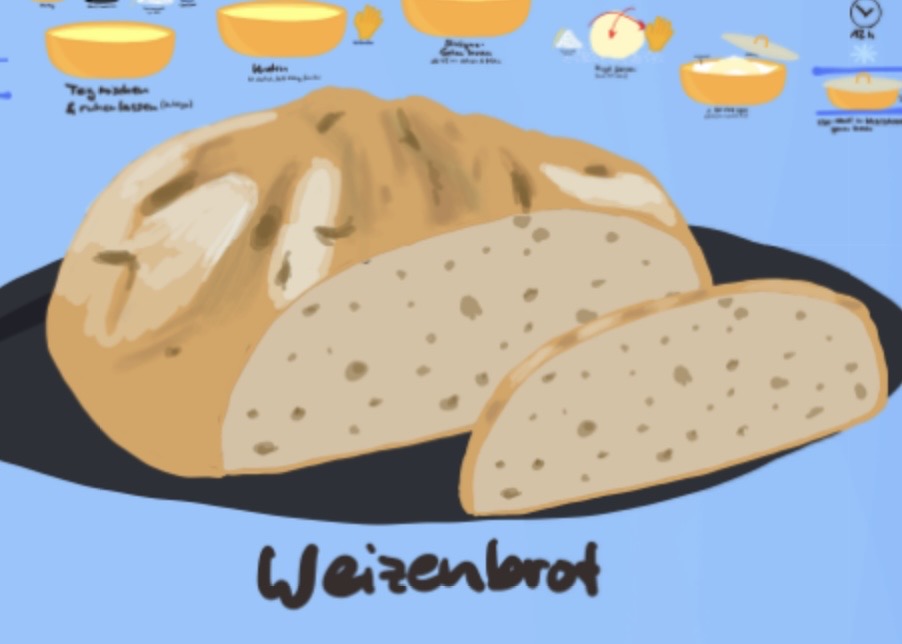
Wheat bread
Bake a mild wheat bread with Type 812 flour and durum semolina. Learn what to look for when kneading, letting the dough rise, shaping and slicing the loaf.
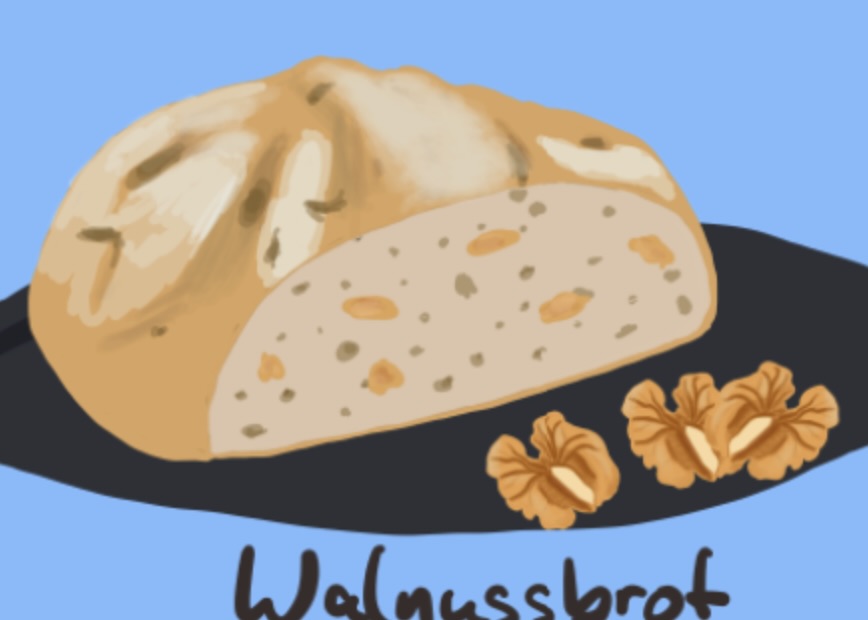
Walnut bread
Bake walnut bread with lightly toasted nuts and a tender crumb. Learn when to add the walnuts, how to slice the loaf and what to serve with each nutty piece.
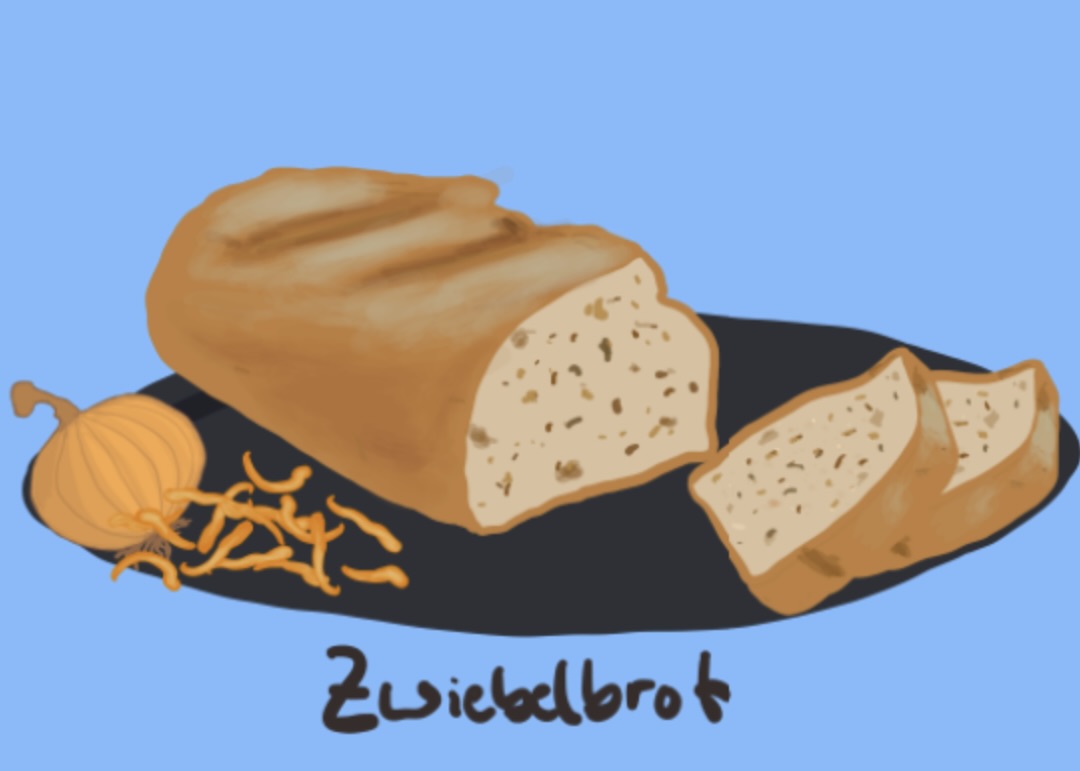
Onion bread
Bake onion bread with soft caramelized onions and a golden crust. Find tips for cooling the onions, folding them into dough and serving savory slices.
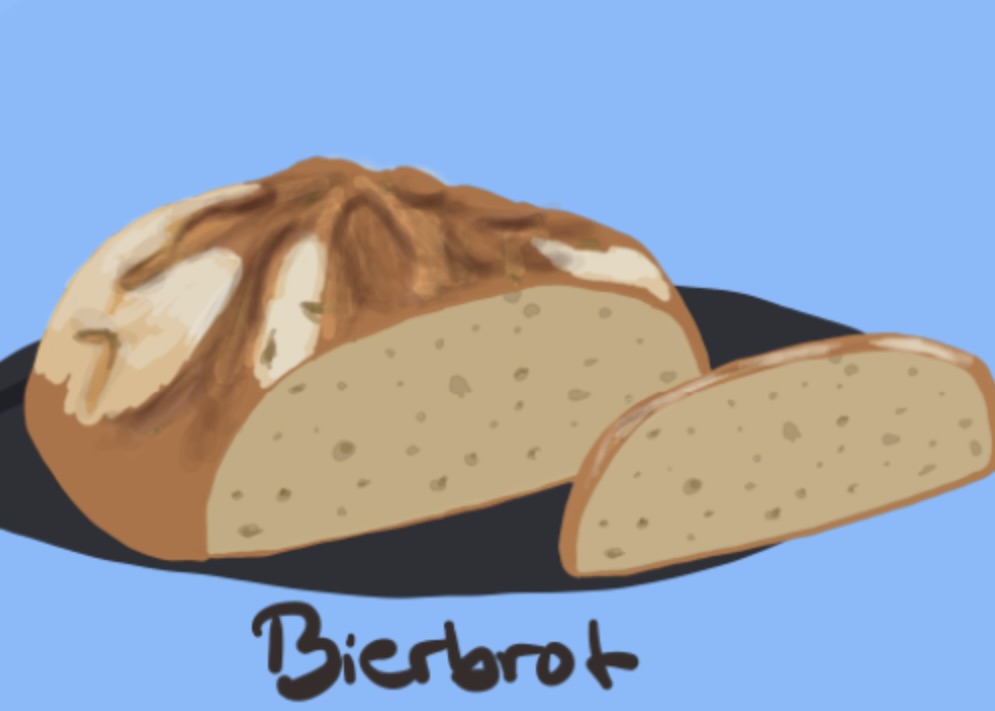
Beer bread
Stir up beer bread with baking powder and a melted-butter topping. Learn how to mix the batter briefly, choose the beer and bake a tender savory loaf.
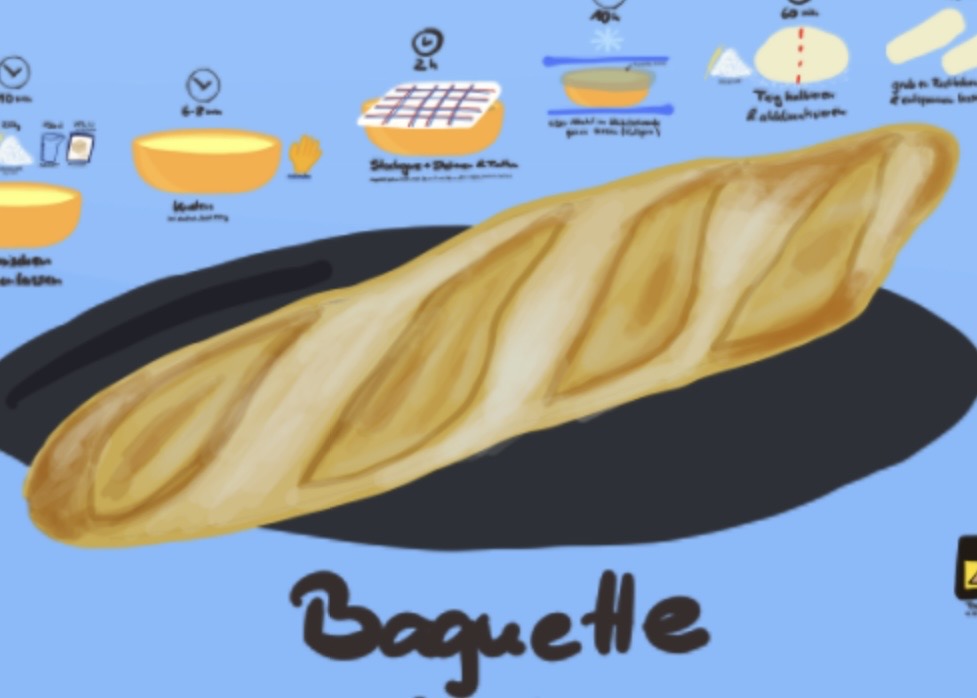
Baguette
Bake baguettes with a crisp crust and tender center. Find practical advice for shaping long loaves, scoring safely and using steam as your oven permits.
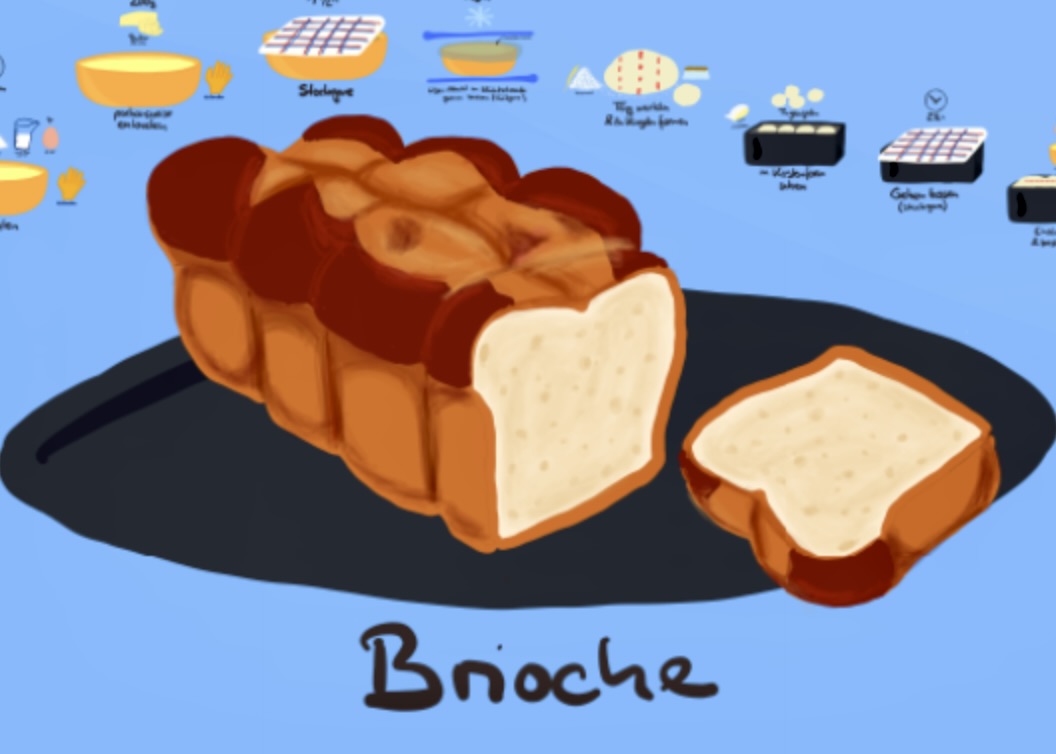
Brioche
Explore buttery brioche with eggs and milk. Learn to recognize a smooth dough and a puffy rise, check the bake, and choose sweet or savory toppings.
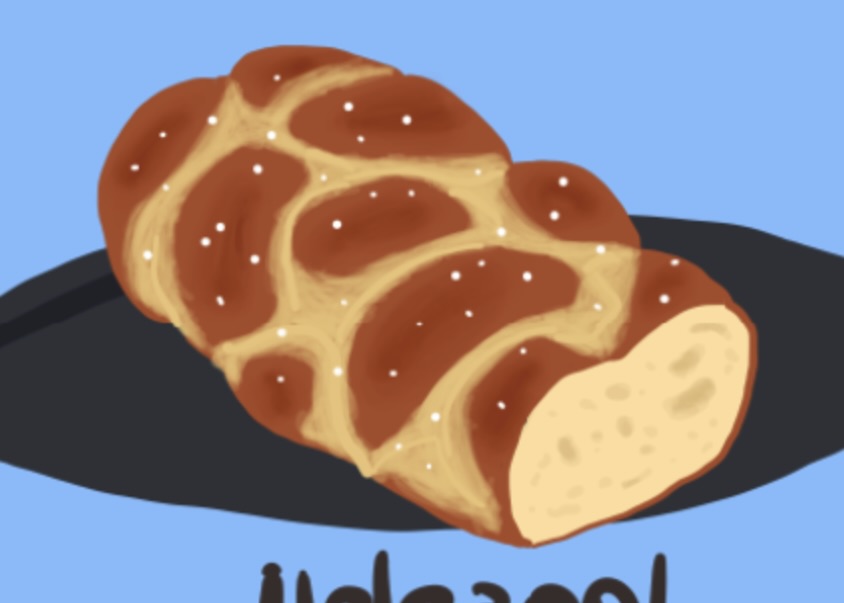
German Braided Sweet Bread
Bake a tender Hefezopf with a golden braid. Learn how to develop the dough, braid without pulling, judge the rise, and keep the center fully baked.

Bagels
Shape, briefly boil and bake bagels with a golden crust and a chewy center. Find practical tips for sealed rings, neat slicing and fresh breakfast toppings.