
Pumpernickel: Serving ideas & German bread classic
Instructions 👩🍳
Cook along on the interactive map
Step-by-step:
- Mix dough: Combine rye flour with sourdough/yeast, salt, and water.
Show all steps...
- Rest: Let dough rest so rye hydrates well.
- Proof: Proof in a pan until risen.
- Bake low and slow: Bake at moderate heat for a long time for dark, dense crumb.
- Cool and serve: Cool fully; slice thin and serve with cheese.
Pumpernickel: dense, dark rye bread with deep flavor and remarkable keeping quality
Pumpernickel is one of the most distinctive breads in the world: dark, moist, compact, and rich with slow-developed rye flavor. It is not a fluffy breakfast roll or a crisp artisan loaf. Instead, great pumpernickel is earthy, slightly sweet, full-bodied, and deeply satisfying in thin slices. That makes it perfect for breakfast boards, smoked fish, cheese, sandwiches, and meal-prep-friendly lunches. The secret is patience: rye structure, moisture control, long baking, and enough resting time after baking. Done right, pumpernickel tastes complex, slices cleanly, and stays fresh far longer than many other breads.
Why pumpernickel works so well
- Deep rye character: Pumpernickel delivers an earthy, malty, almost gently sweet flavor that feels much richer than standard bread.
- Excellent moisture retention: A well-made loaf stays pleasantly moist instead of drying out quickly.
- Long shelf life: Pumpernickel is famous for keeping well, which makes it ideal for meal prep and make-ahead baking.
- Thin-slice power: Because it is dense and flavorful, even a small slice feels satisfying.
- Strong pairing bread: It works beautifully with butter, cream cheese, smoked salmon, ham, eggs, pickles, and strong cheeses.
High-Value Tips: How to make pumpernickel really good
- Respect rye dough behavior: Rye does not behave like wheat. You do not build an elastic, stretchy dough in the same way, so avoid overworking it and focus more on even mixing.
- Moisture control is critical: Pumpernickel should be moist, but not wet or gummy. Too much water can leave the center heavy and under-set; too little makes the loaf dry and crumbly.
- Slow baking builds the signature flavor: True pumpernickel benefits from long, gentle baking. That is what creates the dark color, subtle sweetness, and deep aroma without burning.
- Do not expect a light loaf: Good pumpernickel is naturally dense. The goal is sliceable, moist, and tender-dense—not fluffy.
- Use the right pan and cover when needed: A loaf tin helps the bread bake evenly and keep its shape. Covered baking can help control moisture and protect the crust from drying too fast.
- Let it rest after baking: Pumpernickel often improves after cooling fully and resting. Cutting too early can make the crumb seem gummy and less settled.
- Slice thinly: Thin slices highlight the bread’s depth and keep the dense texture enjoyable instead of heavy.
- Seasoning should support, not dominate: Rye flavor is the star. Sweeteners, seeds, or spices should add depth, not overwhelm the bread’s character.
Variations & alternatives
- Classic pumpernickel: Dark, moist rye bread with deep flavor and a compact crumb.
- Seeded version: Add sunflower, flax, or pumpkin seeds for more texture and a nuttier finish.
- Sourdough rye style: A sourdough-based version adds more tang and extra flavor complexity.
- Slightly lighter version: A partial mix with less coarse rye can make the texture a little more approachable while keeping the rye identity.
- Molasses or malt depth: Small amounts can support color and sweetness, but balance matters.
- Breakfast-friendly variation: Pair with butter and honey or fruit preserves for a sweet-savory contrast.
Serving ideas / pairings
- Classic breakfast: Serve thinly sliced with butter, cream cheese, jam, or honey.
- Smoked fish favorite: Pumpernickel is excellent with smoked salmon, trout, dill, and soft cheese.
- Cheese board partner: It pairs beautifully with strong cheeses, blue cheese, goat cheese, or aged cheddar.
- Open-faced sandwiches: Top with ham, eggs, cucumber, radish, mustard, or pickles.
- Brunch platter: Use on a spread with eggs, cold cuts, butter, fresh herbs, and sharp toppings.
Storage, Meal-Prep & Reheating
Pumpernickel keeps very well compared with many other breads. Once fully cooled, store it wrapped so it retains its moisture without drying out. It often tastes even better after resting for a day, because the crumb settles and the rye flavor deepens. Slice only as much as you need to keep the remaining loaf fresher for longer. Freezing also works very well, especially in slices, so you can thaw or toast portions as needed. If serving warm, toast lightly rather than reheating the full loaf.
FAQ
Why is pumpernickel so dark?
The dark color comes from rye, long slow baking, and sometimes ingredients that deepen color and flavor, such as malt or molasses.
Why is my pumpernickel gummy?
It was likely too wet, underbaked, or sliced too early before the crumb had time to set.
Should pumpernickel be dense?
Yes. A good loaf is naturally compact and moist, but it should still slice cleanly and not feel raw or sticky.
What toppings go best with pumpernickel?
Butter, cream cheese, smoked fish, ham, mustard, eggs, pickles, and strong cheeses all work especially well.
Can I freeze pumpernickel?
Absolutely. It freezes very well, especially pre-sliced for easy use later.
Best Bread Recipes to Try at Home
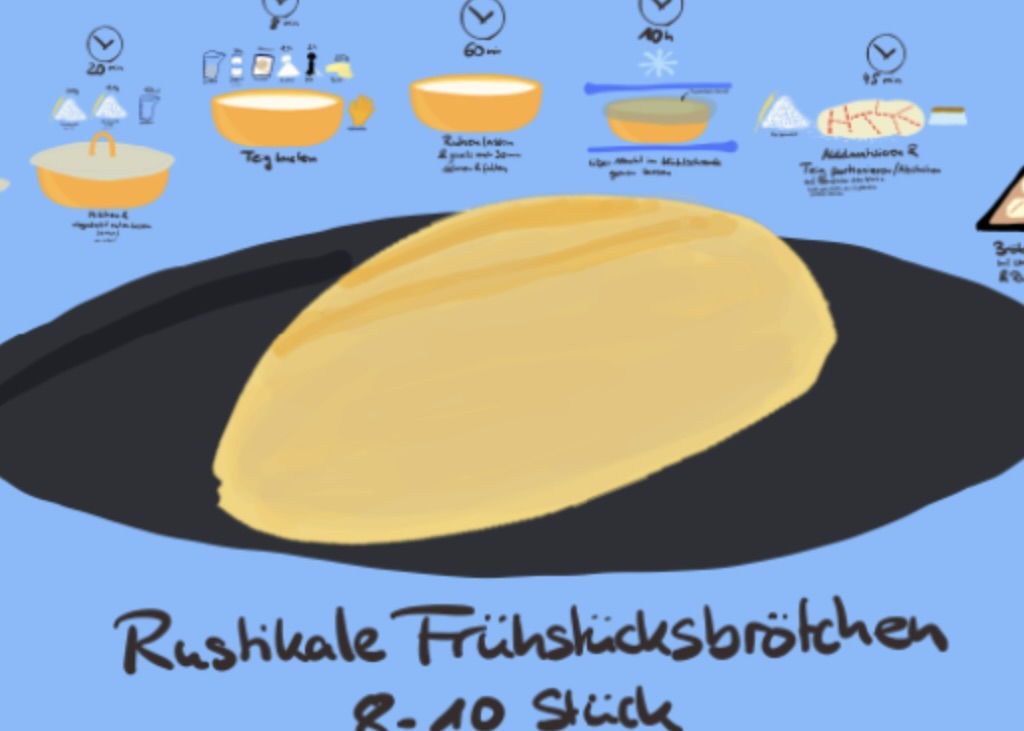
Rustic Breakfast Rolls
Discover rustic breakfast rolls on yummy.world! Crusty outside, fluffy inside—easy homemade bakery vibes.
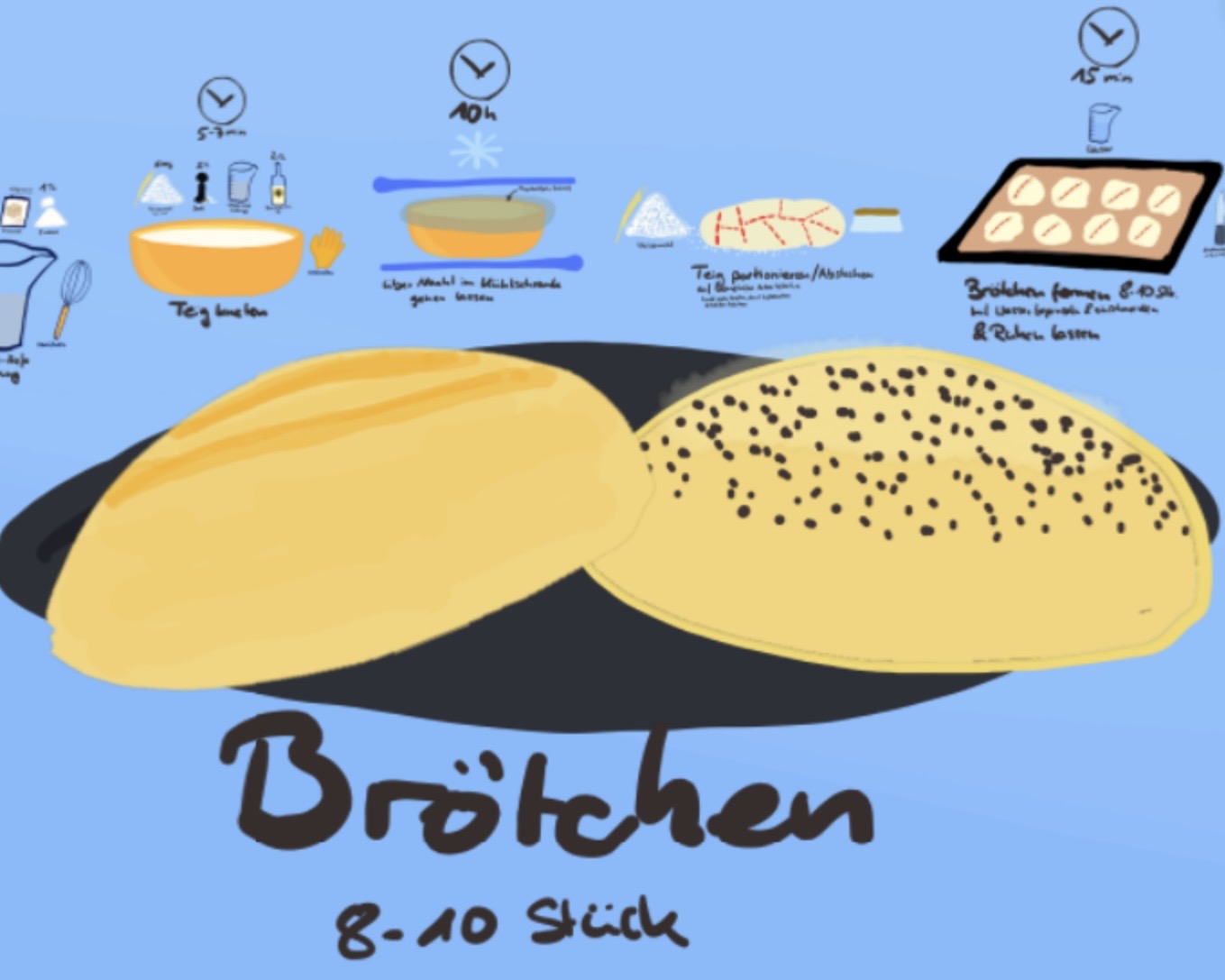
Rolls
Bake fluffy Sunday rolls with a golden crust and soft crumb. Includes tips for proofing, baking, storage, freezing, and serving for breakfast or brunch.
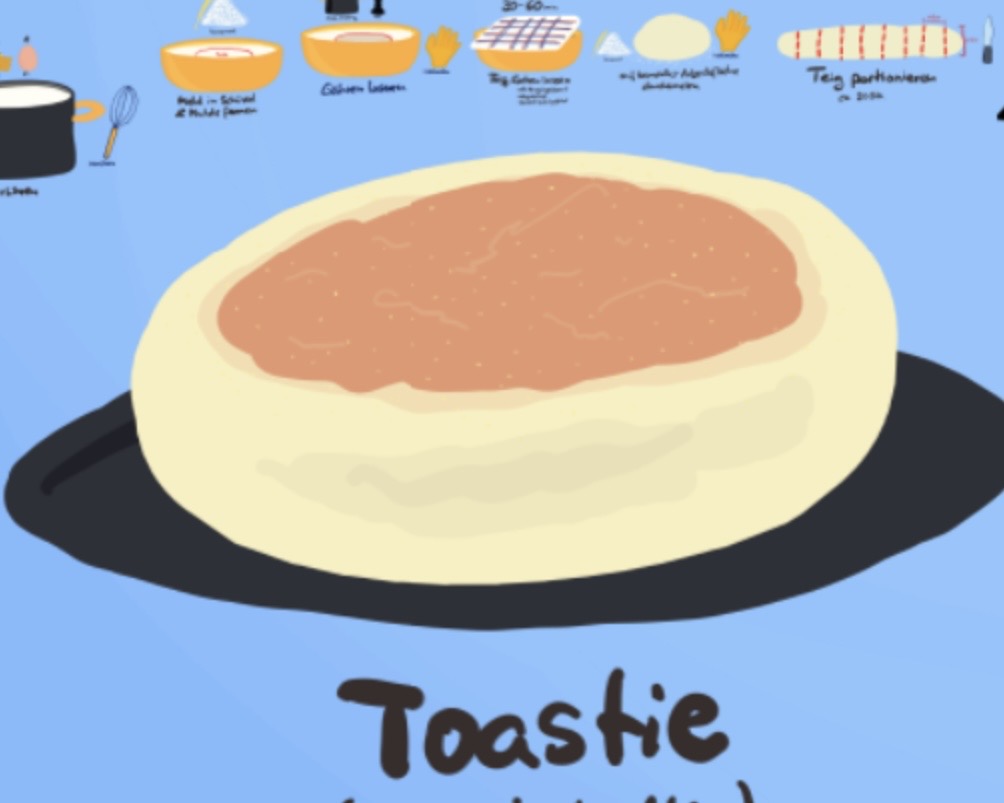
English Muffins
Create golden and fluffy English muffins, perfect for breakfast or sandwiches.
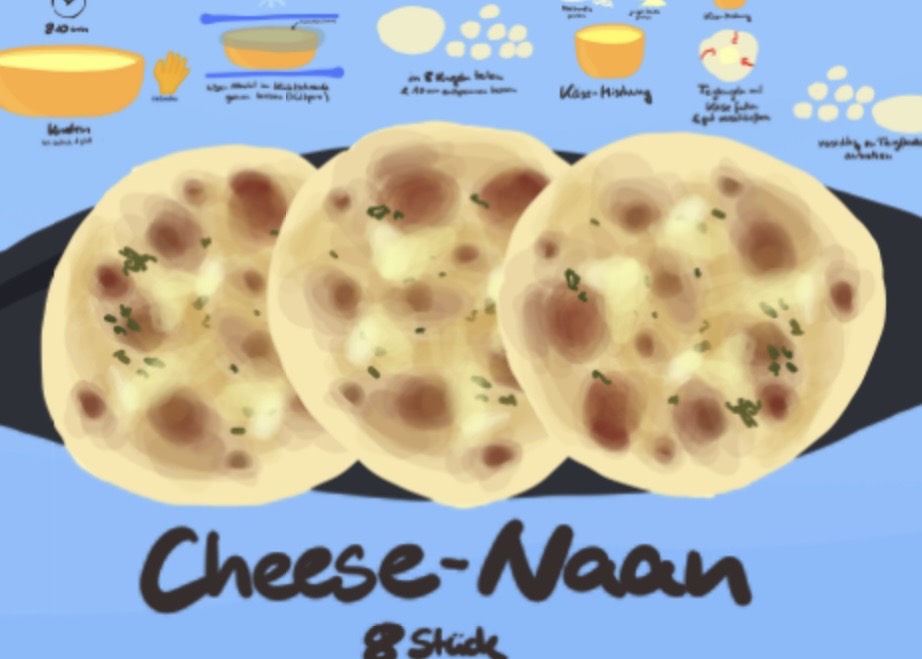
Cheese Naan
Discover Cheese Naan on yummy.world! Gooey, savory stuffed naan—perfect side for curries and sharing.
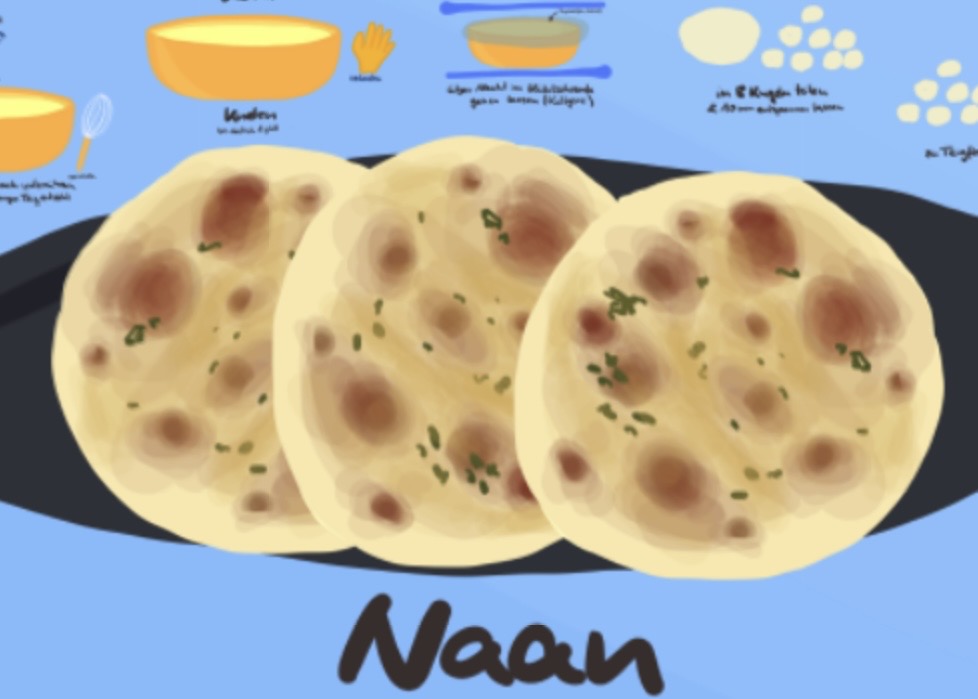
Indian Butter Naan Bread
Discover Indian Naan Bread on yummy.world! Soft, fluffy, pan-baked flatbread—perfect with curry and dips.
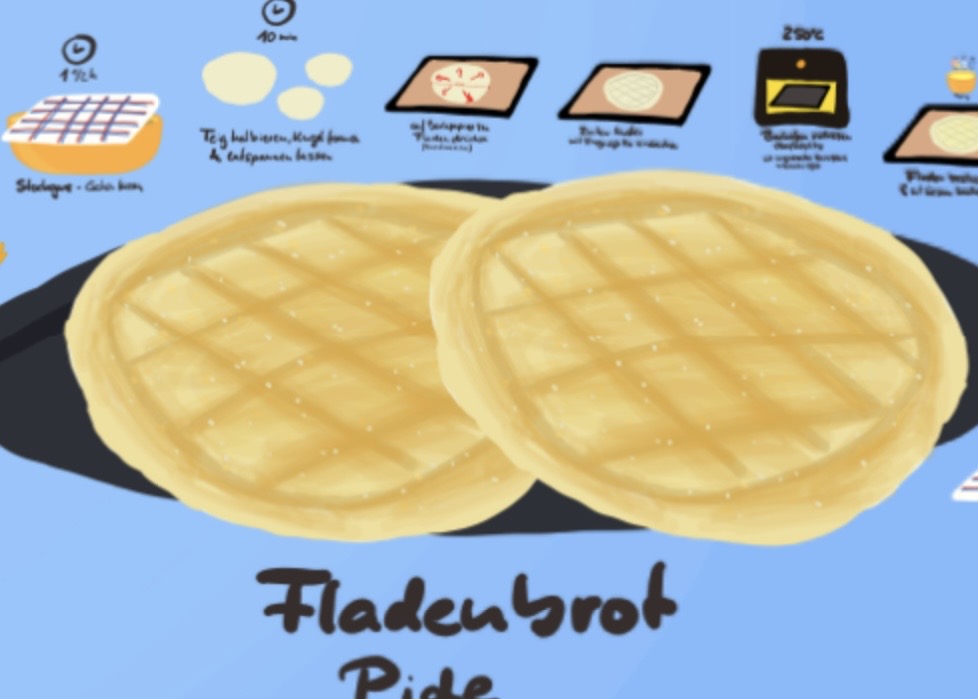
Pide bread
Discover Pide bread on yummy.world! Soft Turkish flatbread—easy to bake, perfect for dips and meals.
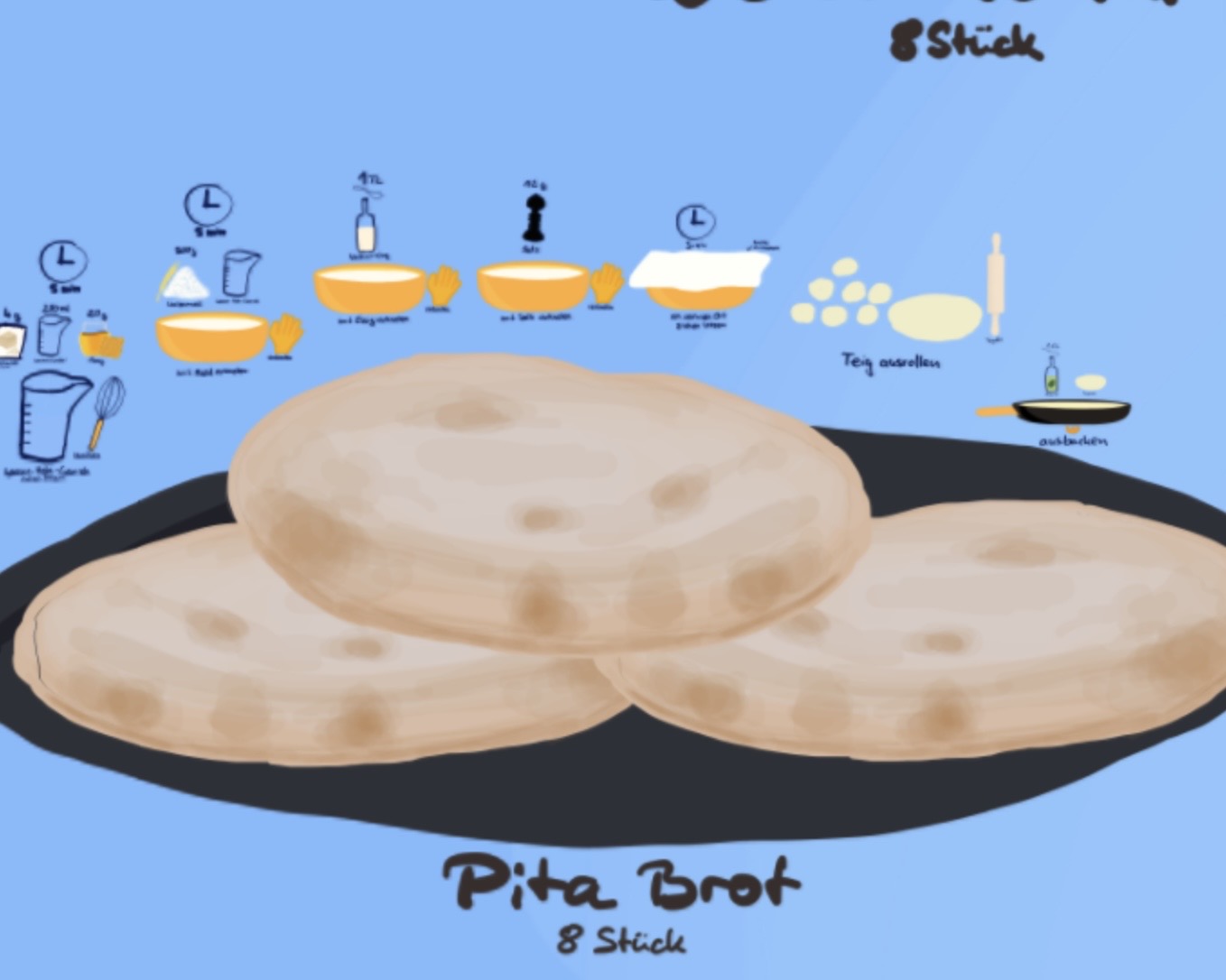
Pita bread
Discover pita bread on yummy.world! Soft, warm pockets—perfect for dips, wraps, and quick meals.
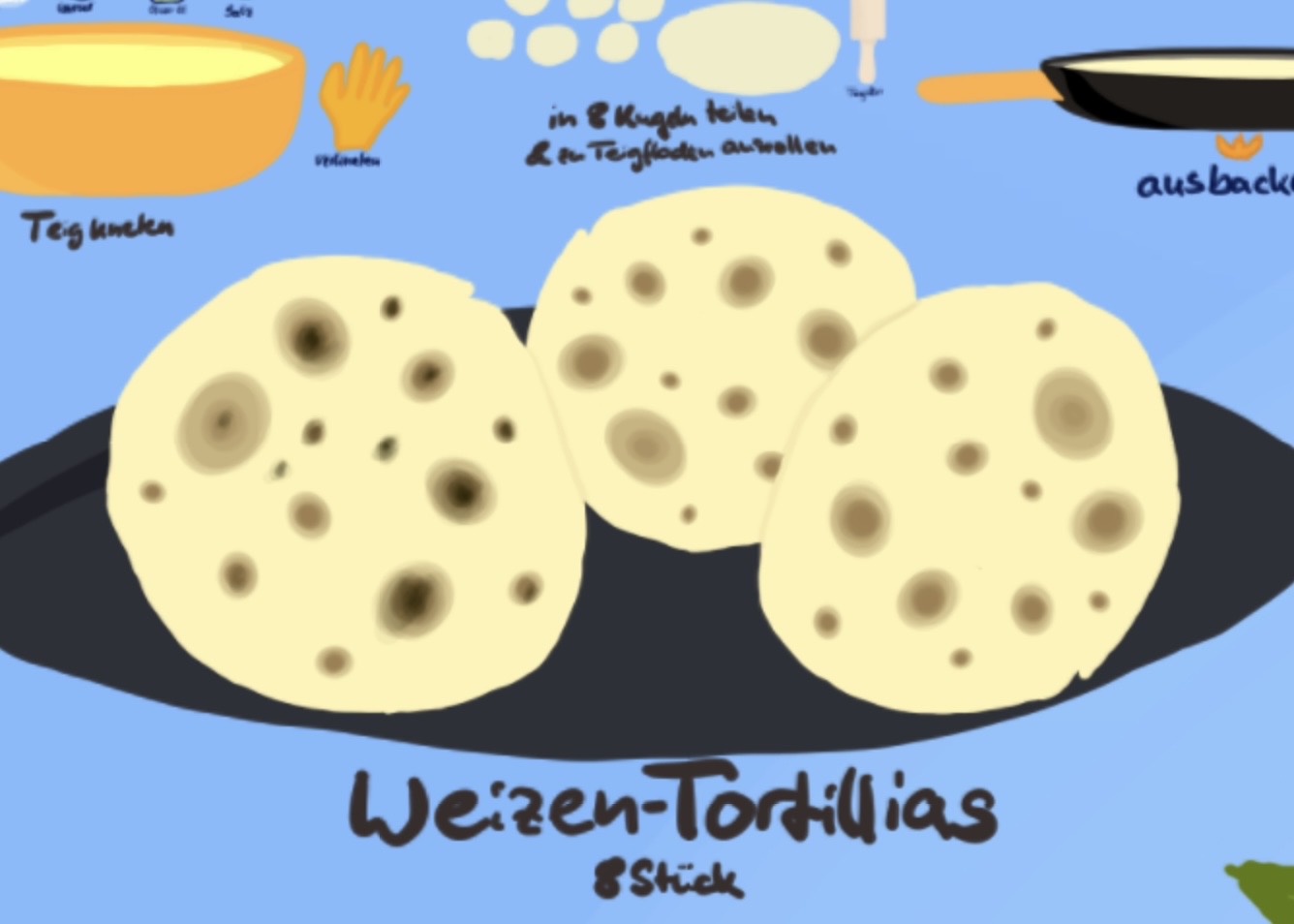
Flour Tortillas
Discover tortillas on yummy.world! Soft homemade wraps—perfect for tacos, burritos, and quick meals.
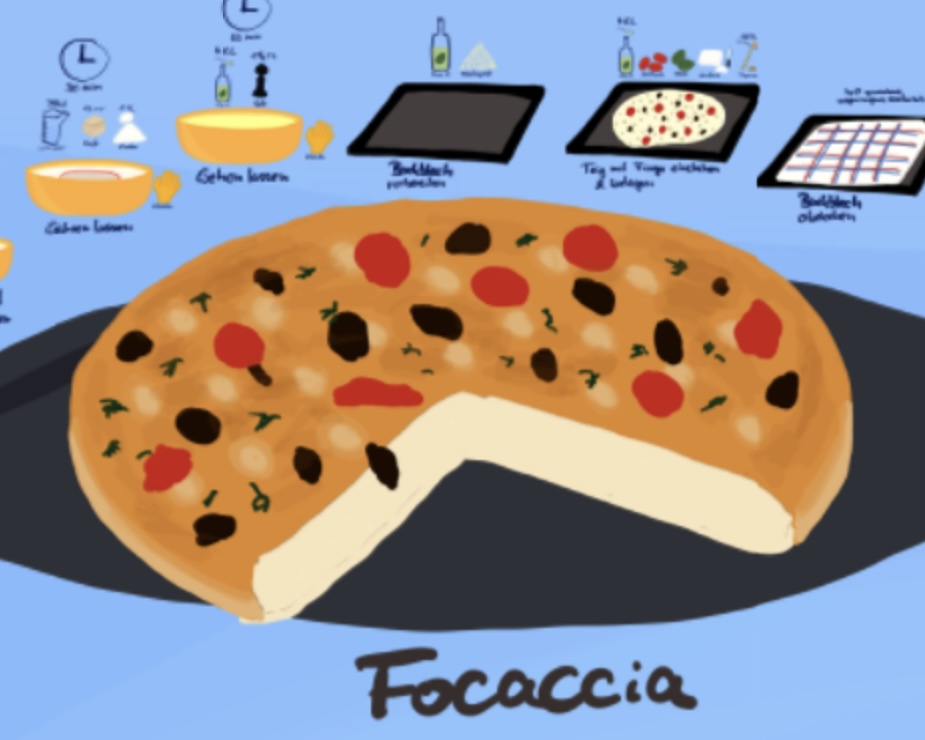
Focaccia
Bake fluffy focaccia with olive oil, thyme, tomatoes, olives and feta. Step-by-step method, proofing tips, storage advice and serving ideas.
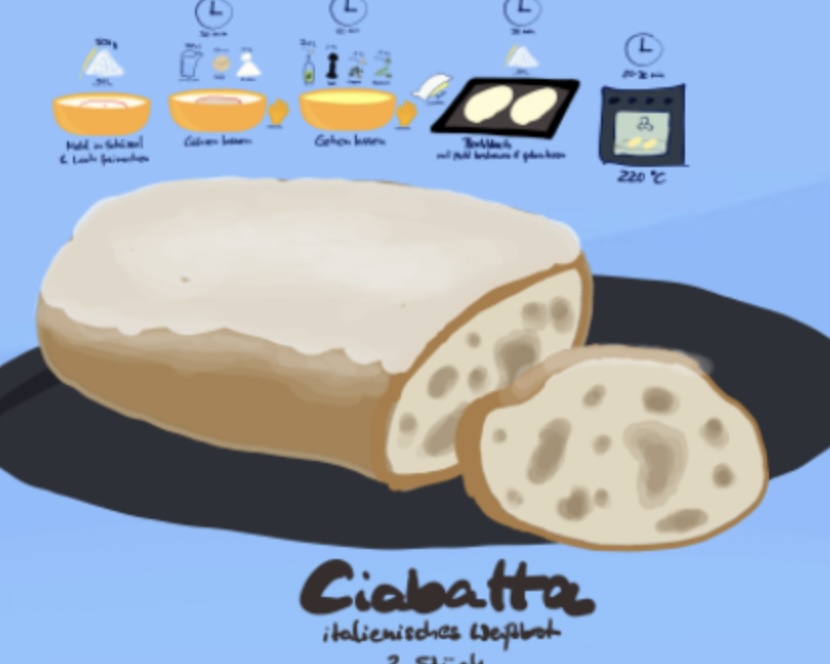
Ciabatta Bread
Create fluffy and crusty ciabatta bread, perfect for sandwiches or dipping.
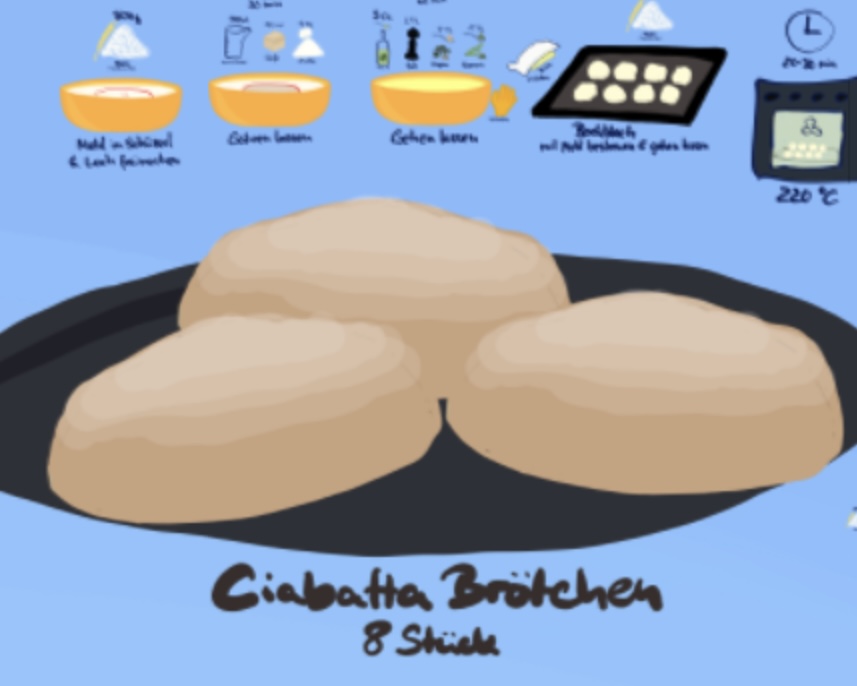
Ciabatta Rolls
Bake soft and golden ciabatta rolls, versatile for any meal or occasion.
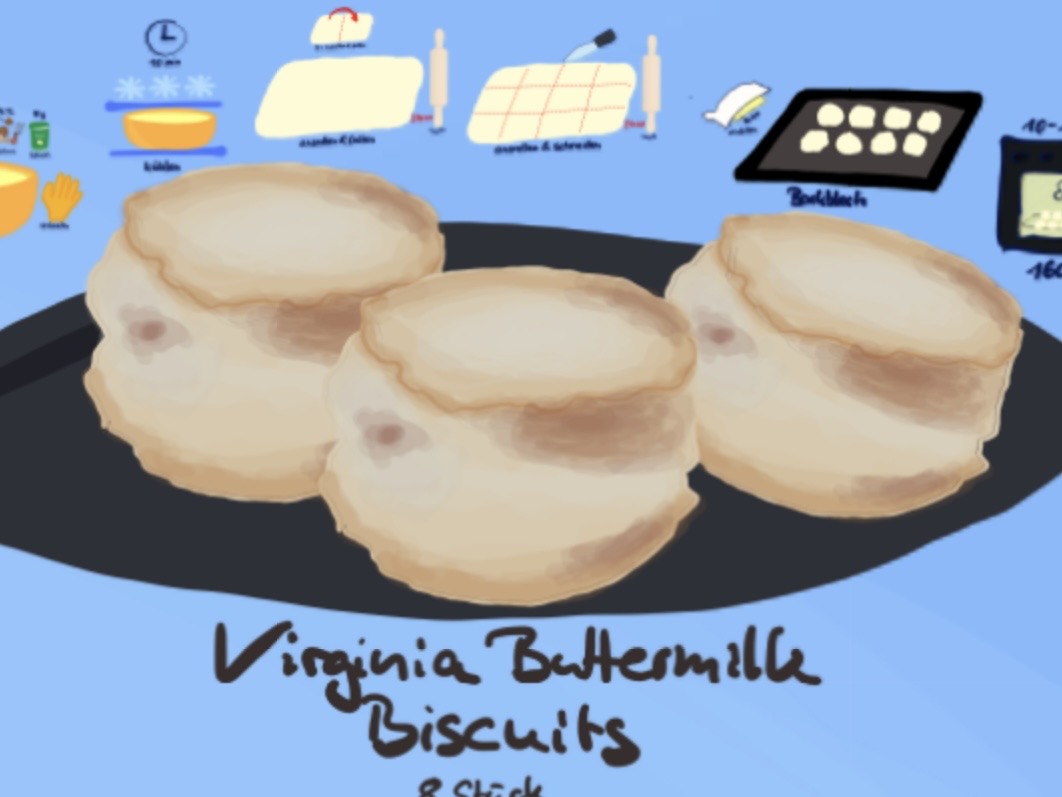
Virginia Buttermilk Biscuits
Bake soft and flaky buttermilk biscuits, a delightful side for any meal.
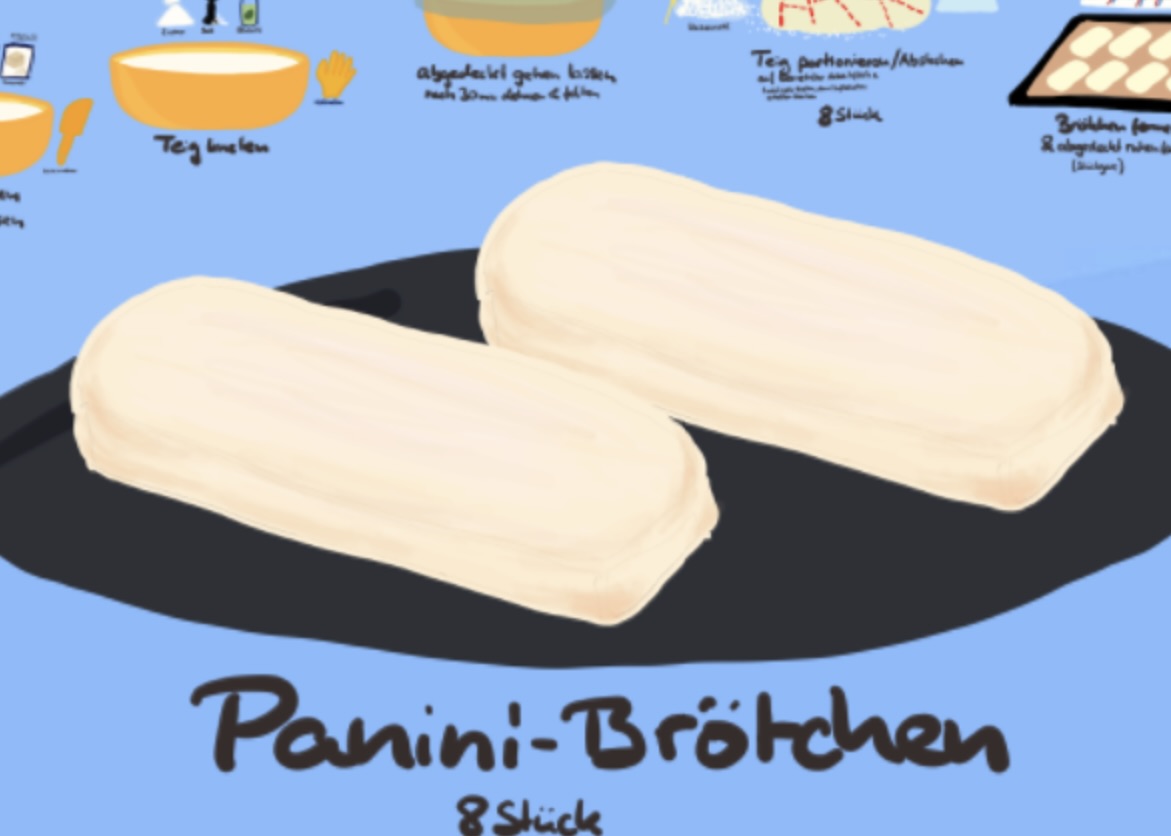
Panini Bread
Discover panini bread on yummy.world! Soft rolls made for pressing—perfect base for hot sandwiches.
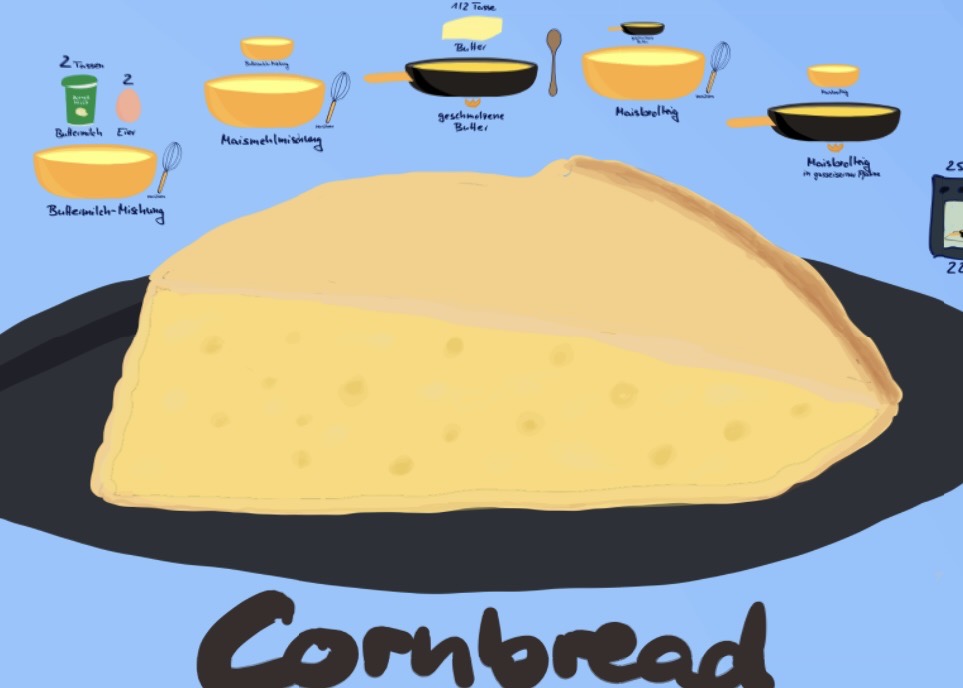
Cornbread
Enjoy the rich and moist texture of homemade cornbread, a perfect side for BBQs or soups.
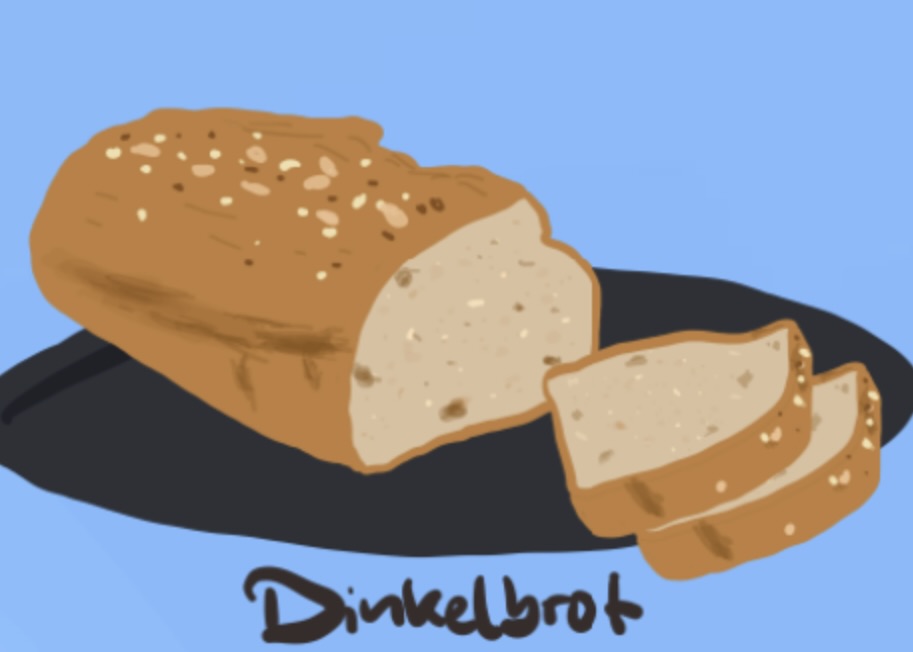
Spelt bread
Discover spelt bread on yummy.world! Rustic, flavorful loaf—easy to bake and perfect for hearty toppings.
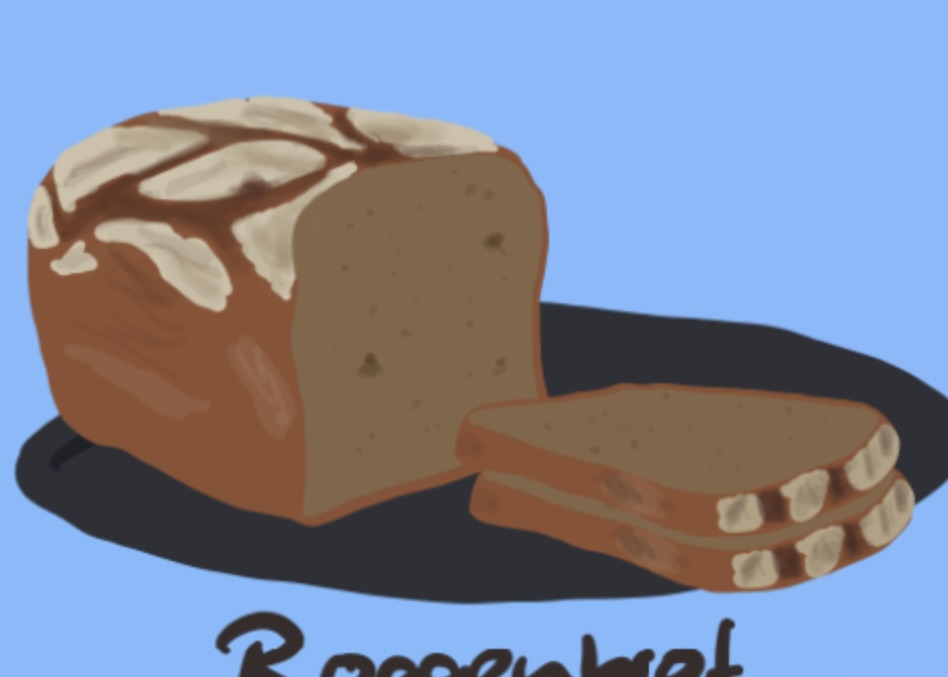
Rye bread
Bake hearty rye bread with rich flavors, perfect for any meal.
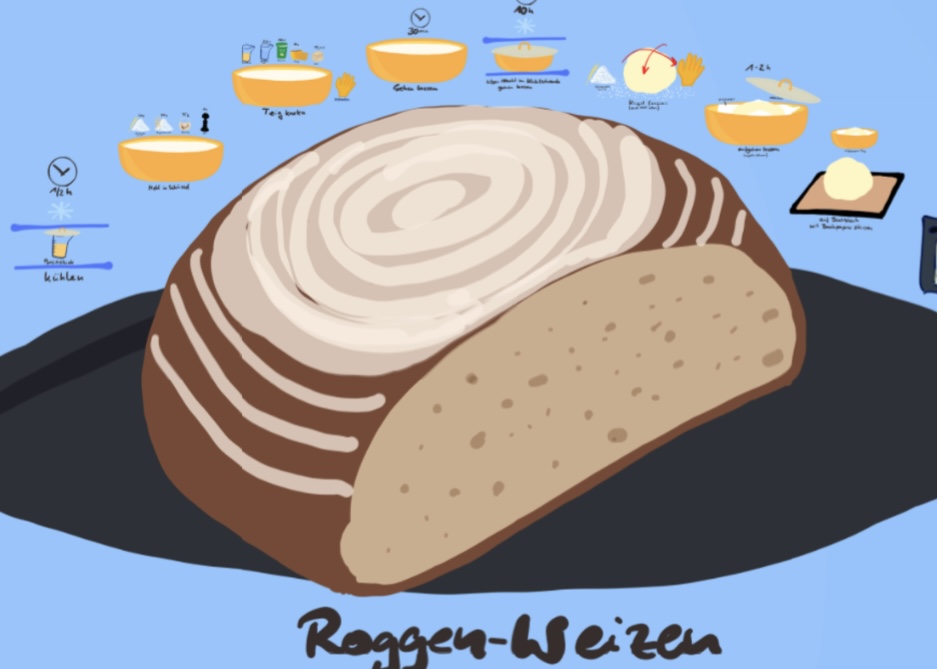
Mixed Rye Bread with Whole Grain Rye
Enjoy the nutty flavors and dense texture of homemade rye-wheat mixed bread.
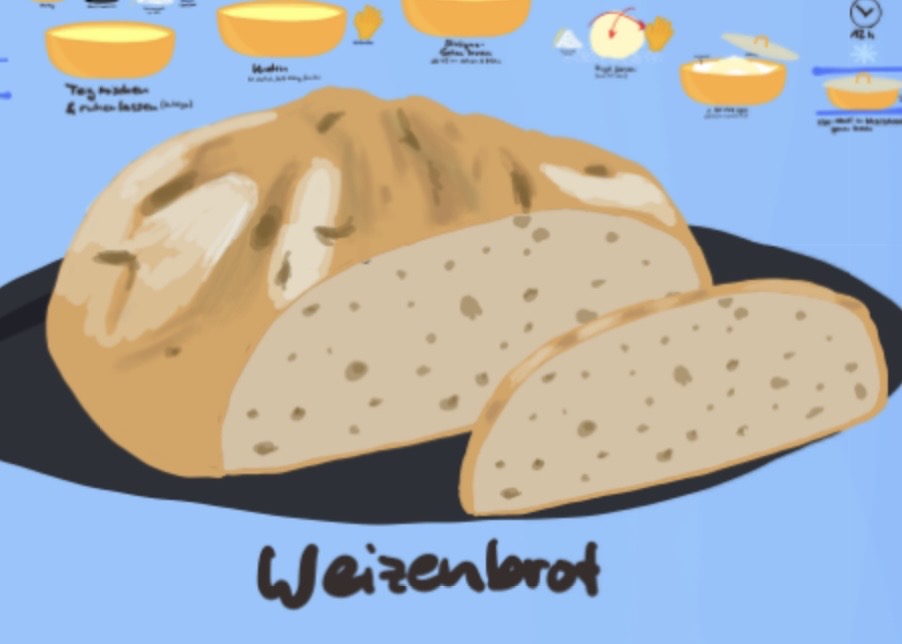
Wheat bread
Discover wheat bread on yummy.world! Everyday loaf with a soft crumb—great for sandwiches and toast.
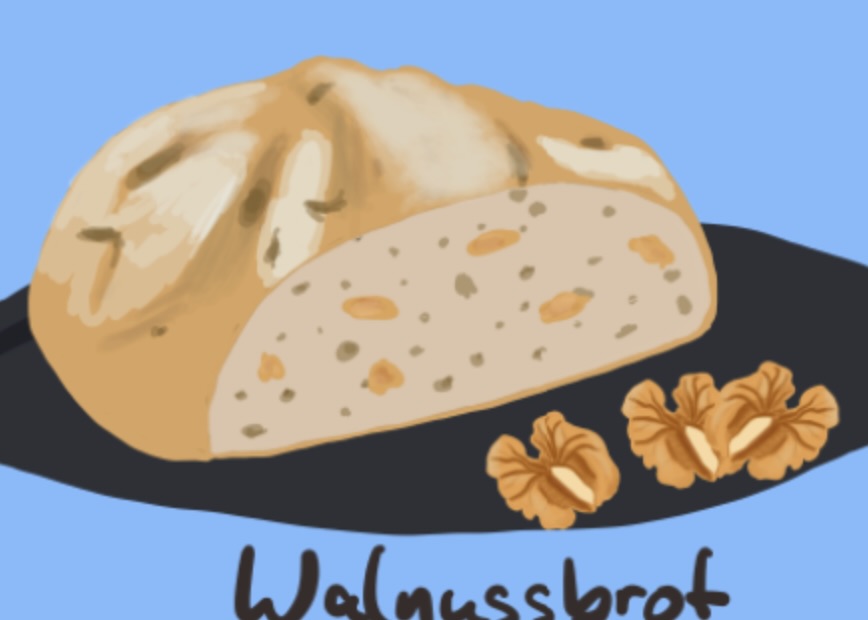
Walnut bread
Enjoy the hearty taste of walnut bread, perfect with cheese or as a snack.
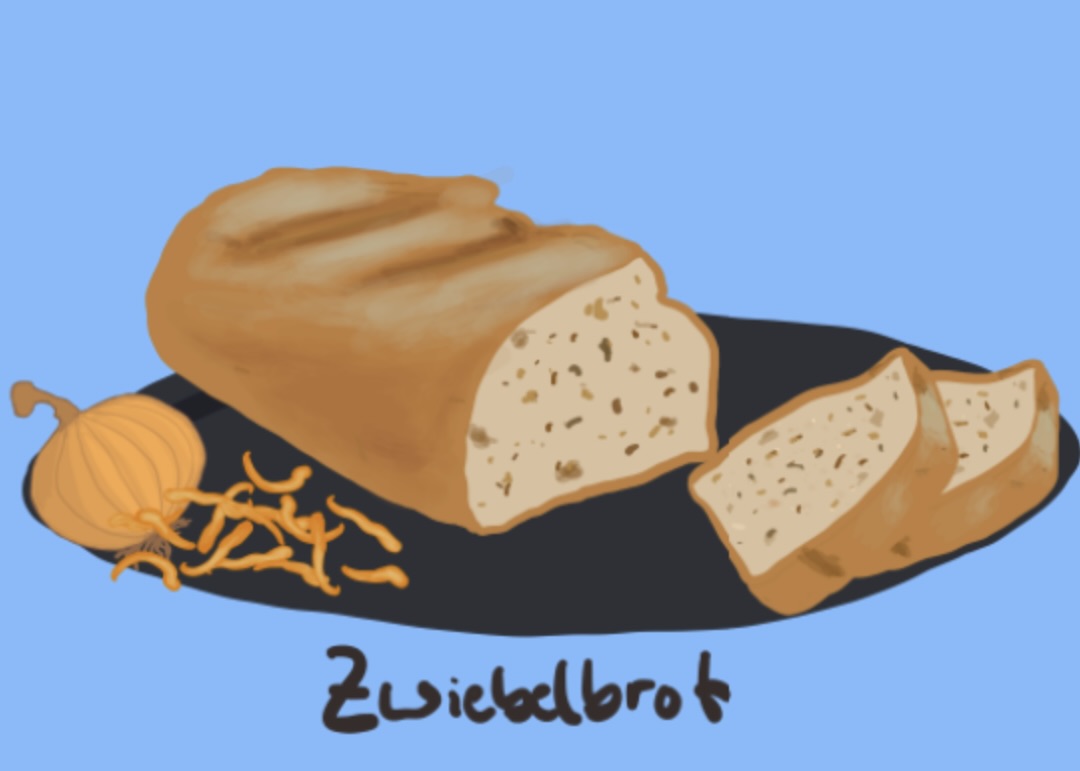
Onion bread
Bake hearty onion bread, perfect as a side for soups or a base for sandwiches.
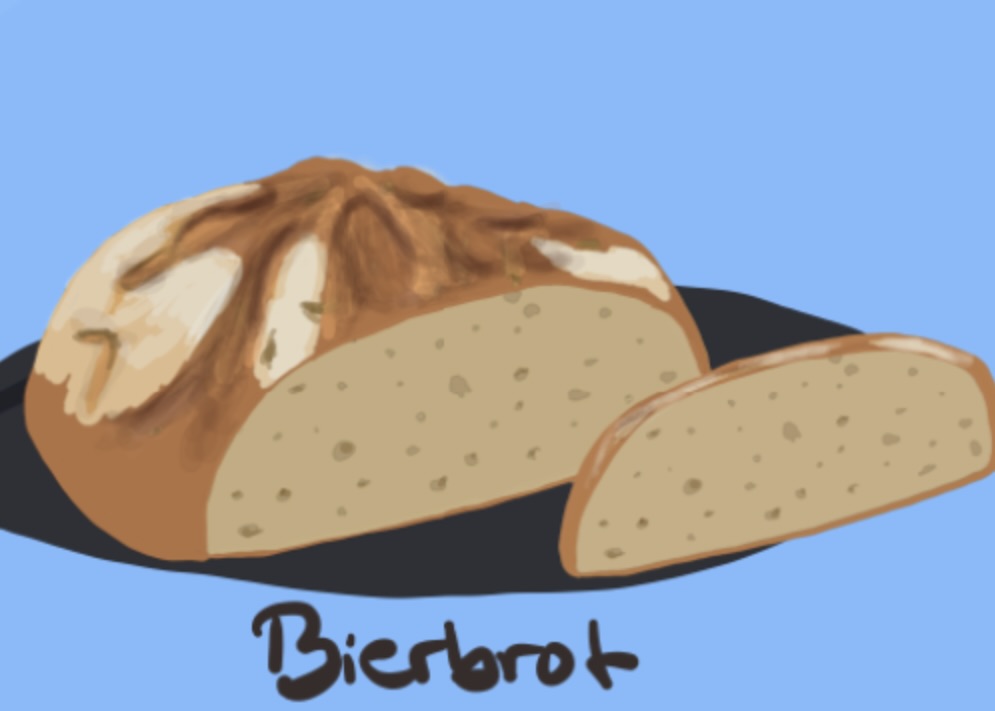
Beer bread
Discover beer bread on yummy.world! Super easy quick loaf—no yeast hassle, great with butter and soups.
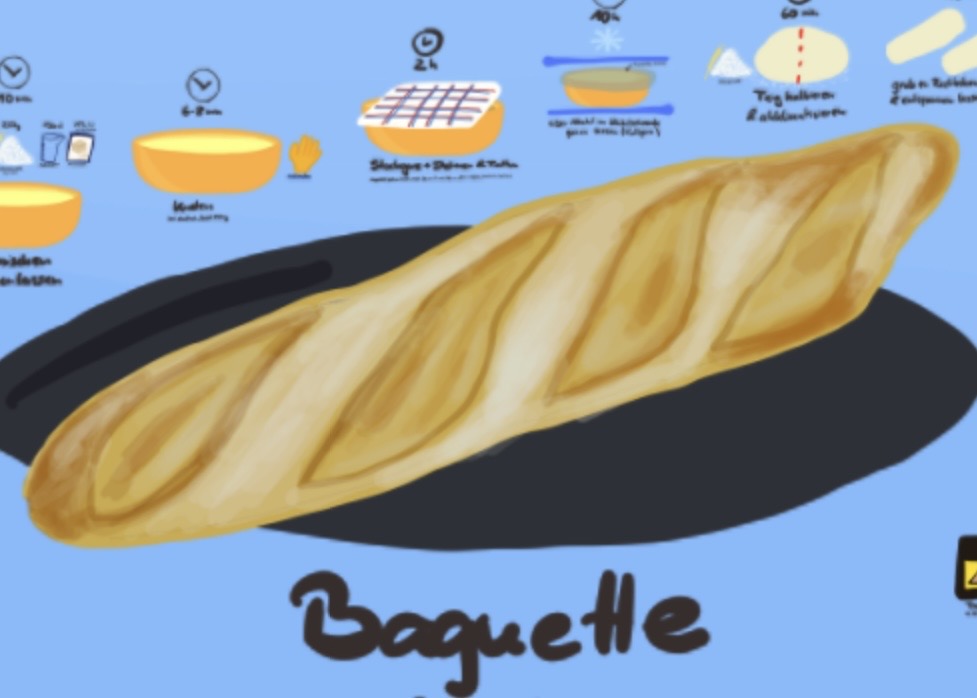
Baguette
Bake your own French-style baguette with this easy and authentic recipe.
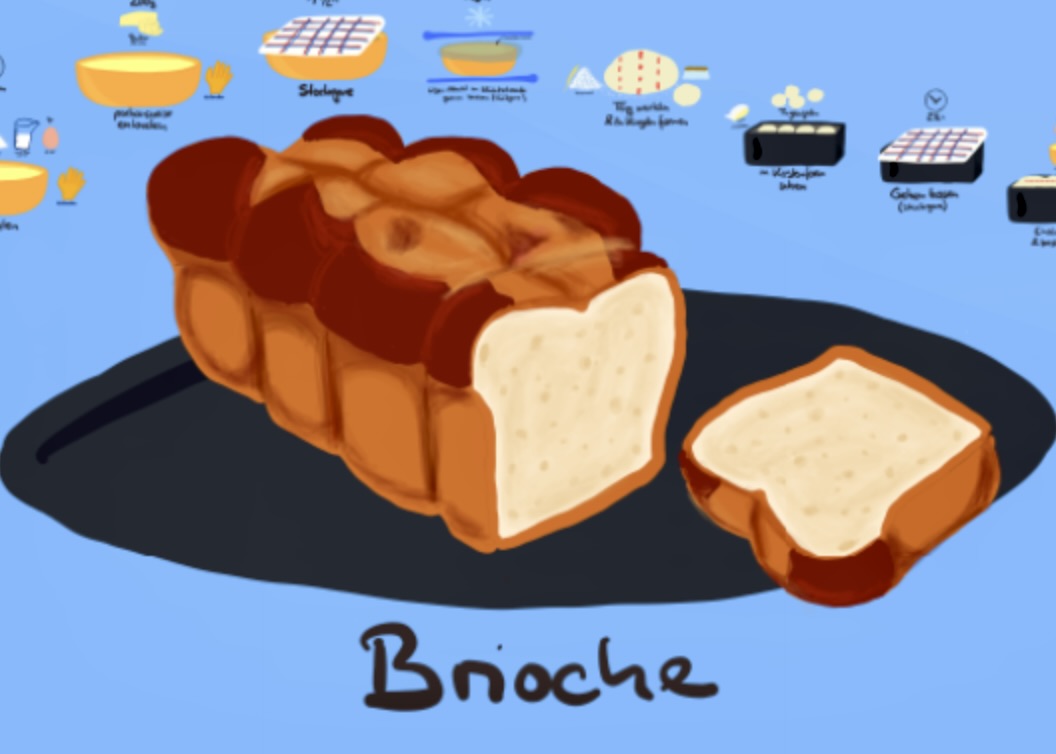
Brioche
Discover brioche on yummy.world! Soft, buttery French bread—perfect for breakfast, buns, and sweet treats.
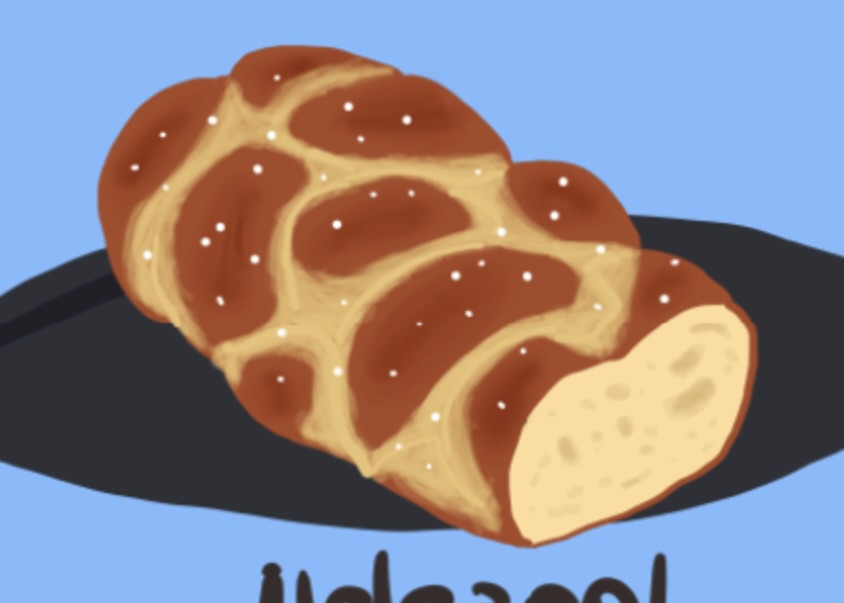
German Braided Sweet Bread
Discover zopf on yummy.world! Soft braided bread—classic, buttery, and perfect for breakfast.

Bagels
Make soft and chewy bagels at home with this foolproof recipe, ideal for any topping.