
Beer Bread Recipe: Quick no-yeast loaf, super easy
Instructions 👩🍳
Cook along on the interactive map
Step-by-step:
- Mix quickly: Stir flour, baking powder, salt, and herbs if desired.
Show all steps...
- Add beer: Pour in beer and mix just until combined.
- Fill pan: Spoon batter into a greased loaf pan.
- Top: Brush with melted butter for a crisp crust.
- Bake: Bake until golden and set; cool slightly before slicing.
Beer Bread: hearty, aromatic, and one of the easiest savory breads to bake at home
Beer bread is the kind of loaf that feels rustic, comforting, and deeply flavorful without demanding much effort. It is known for its tender crumb, hearty aroma, and slightly malty, savory depth that comes from the beer itself. Depending on the style, beer bread can lean lighter and softer or darker and more robust, which makes it a brilliant all-round loaf for soups, chili, barbecue, cheese boards, and simple buttered slices. The secret to really good beer bread is balance: enough moisture for a soft crumb, the right beer for flavor without bitterness, and careful baking so the loaf stays tender instead of dry or heavy.
Why beer bread works so well
- Big flavor with little effort: Beer brings malt, aroma, and savory depth without needing a complicated ingredient list.
- Rustic and versatile: Beer bread works with soups, grilled food, cheese, butter, dips, and hearty meals.
- Comfort-food character: It feels cozy and satisfying, especially when served warm or lightly toasted.
- Flexible loaf style: Lighter beers create a milder loaf, while darker beers can make the bread richer and more intense.
- Great for simple home baking: Beer bread often has a lower barrier than more technical yeast breads and still delivers a strong result.
High-Value Tips: How to make beer bread really good
- Choose the beer thoughtfully: The beer affects the final flavor directly. Mild lagers create a gentler loaf, while darker beers bring more bitterness, malt, and deeper aroma.
- Moisture control matters: Beer adds liquid, but the dough or batter should still feel balanced. Too wet, and the loaf turns heavy or underbaked in the center; too dry, and it becomes crumbly and tight.
- Do not overmix: Especially with quick-style beer breads, overmixing can make the crumb tougher and less tender. Mix only until everything comes together.
- Watch bitterness: Strongly bitter beers can dominate the loaf. If you want a softer profile, use a milder beer or balance with a little butter, honey, or a more neutral flour blend.
- Build crust color carefully: Beer bread benefits from a nicely browned top and edges, but too much oven time can dry the crumb quickly.
- Use the right pan: A loaf tin gives better shape and more even baking, especially for denser batter-style beer breads.
- Let it rest before slicing: Fresh beer bread smells incredible, but slicing too early can make the crumb seem less set and more fragile.
- Finish for extra flavor: A little melted butter on top after baking can enhance aroma, softness, and that classic savory-bread appeal.
Variations & alternatives
- Classic beer bread: Mild, savory, and easy enough for everyday baking.
- Darker beer loaf: Richer, more robust, and especially good with cheese or hearty soups.
- Cheddar beer bread: Add cheddar and black pepper for a deeper savory profile.
- Herb beer bread: Rosemary, thyme, or chives work especially well with the malty background.
- Whole grain beer bread: Add some whole wheat flour for a more rustic, fuller loaf.
- Sweet-savory version: A touch of honey or brown sugar can round the malt flavor and soften bitterness.
Serving ideas / pairings
- Soup and chili side: Beer bread is excellent with chili, stews, potato soup, lentil soup, and bean dishes.
- Cheese board favorite: Serve with cheddar, blue cheese, soft goat cheese, butter, or savory spreads.
- Barbecue pairing: It works especially well alongside grilled meats, pulled pork, roasted vegetables, or smoky sauces.
- Breakfast or brunch: Toast and serve with butter, cream cheese, eggs, or savory jams.
- Snack slices: Warm slices with butter or a little mustard make a very simple, very good snack.
Storage, Meal-Prep & Reheating
Beer bread keeps best once fully cooled and stored wrapped so it does not lose moisture too quickly. Because many beer breads have a tender, slightly dense crumb, they often toast especially well the next day. Slice only what you need to keep the remaining loaf fresher. For longer storage, freeze it whole or in slices and thaw as needed. Reheating in the oven or toasting brings back aroma and texture much better than long exposure to the microwave.
FAQ
Why is my beer bread dense?
It may have been mixed too much, baked with a batter that was too wet, or simply needed more bake time in the center.
What beer works best for beer bread?
Milder beers are the safest all-round choice. Darker beers can be excellent too, but they create a stronger, sometimes slightly bitter flavor.
Can beer bread taste bitter?
Yes, especially if the beer is strongly hopped or very dark. A milder beer or a small touch of sweetness helps balance that.
How do I keep beer bread moist?
Use balanced hydration, avoid overbaking, and store it wrapped once fully cooled.
Can I freeze beer bread?
Absolutely. It freezes very well, especially sliced for easy later use.
Best Bread Recipes to Try at Home
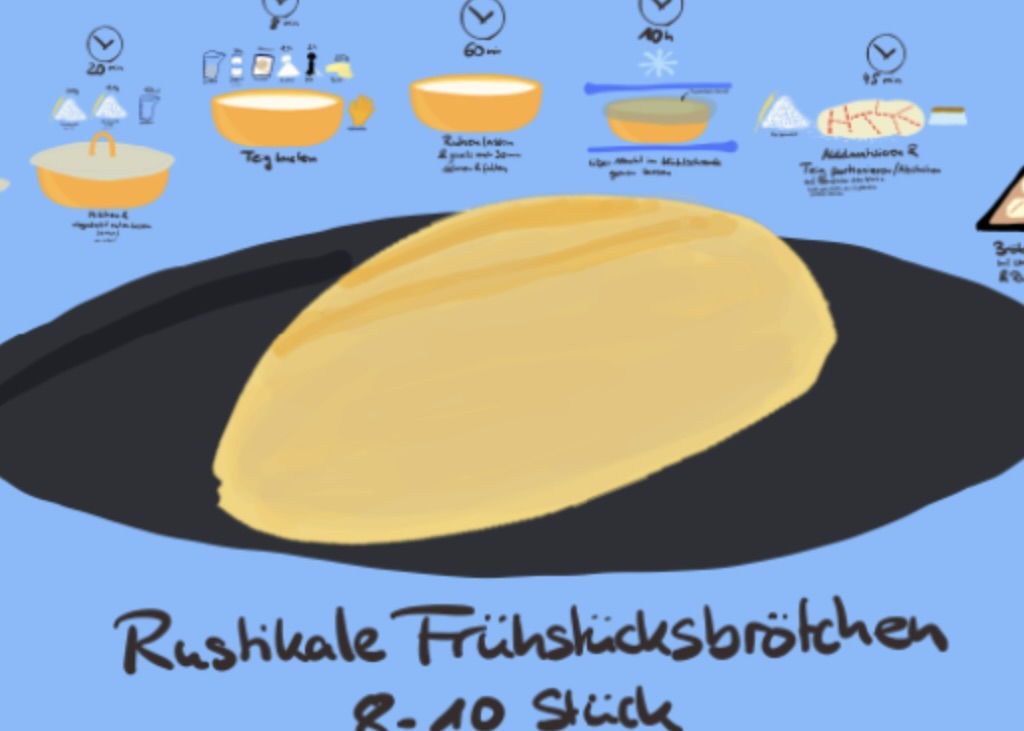
Rustic Breakfast Rolls
Discover rustic breakfast rolls on yummy.world! Crusty outside, fluffy inside—easy homemade bakery vibes.
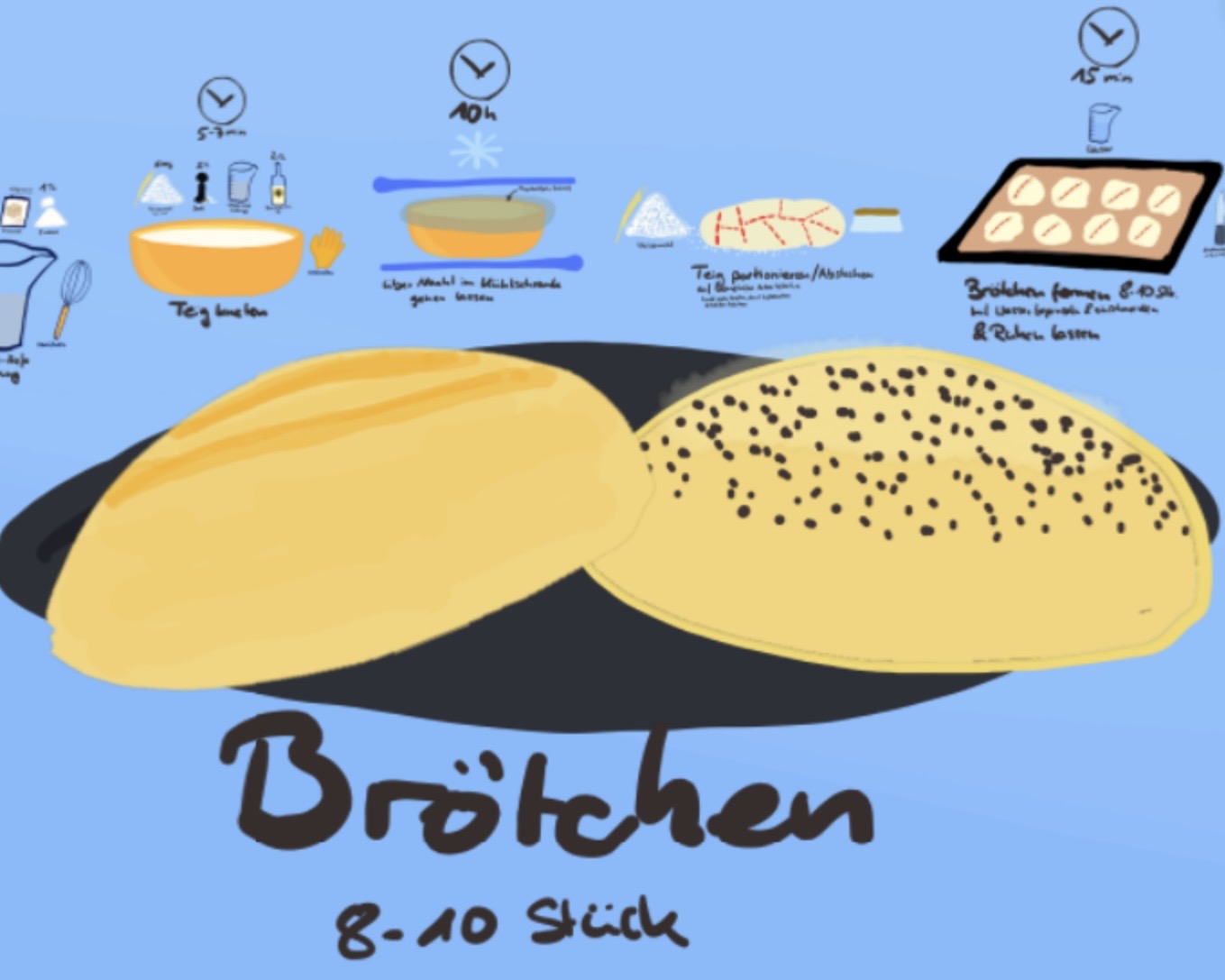
Rolls
Bake fluffy Sunday rolls with a golden crust and soft crumb. Includes tips for proofing, baking, storage, freezing, and serving for breakfast or brunch.
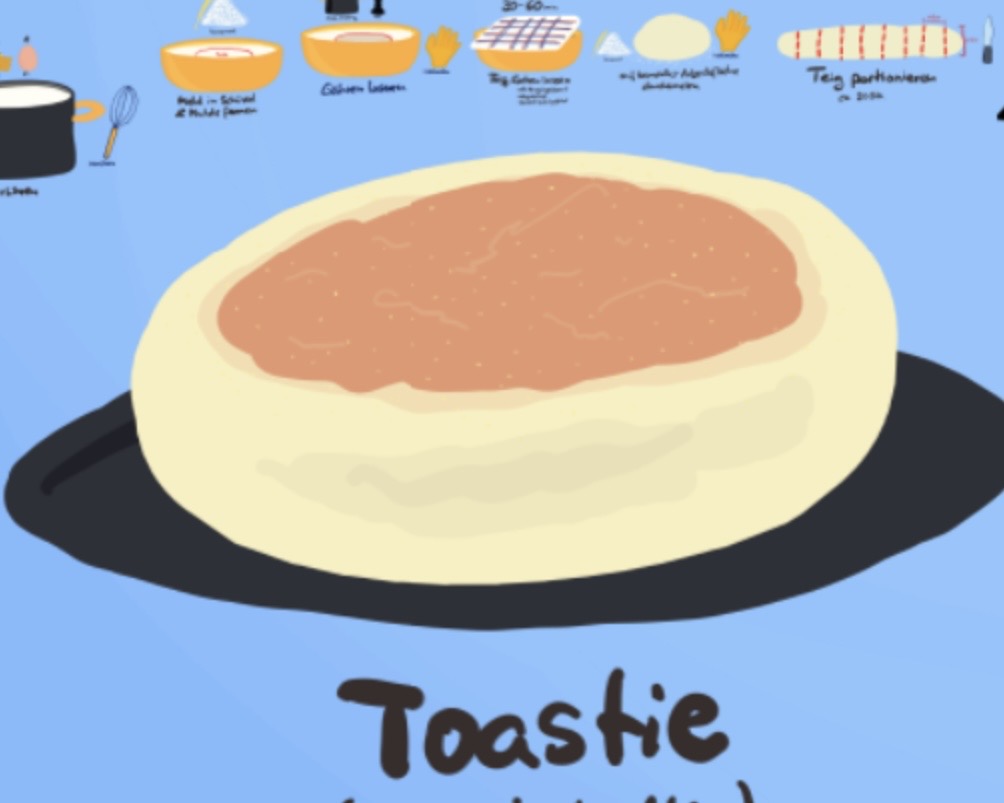
English Muffins
Create golden and fluffy English muffins, perfect for breakfast or sandwiches.
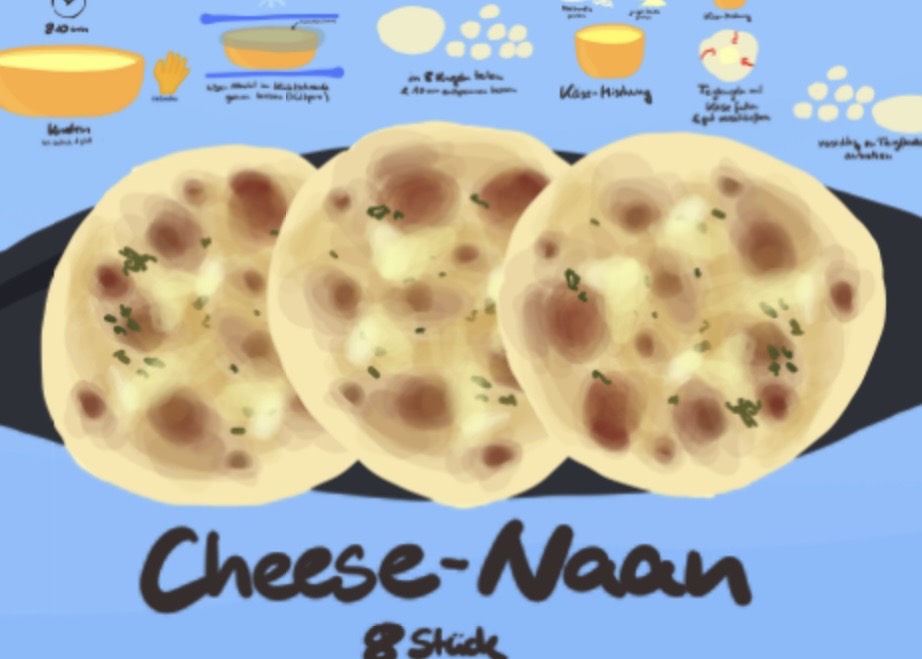
Cheese Naan
Discover Cheese Naan on yummy.world! Gooey, savory stuffed naan—perfect side for curries and sharing.
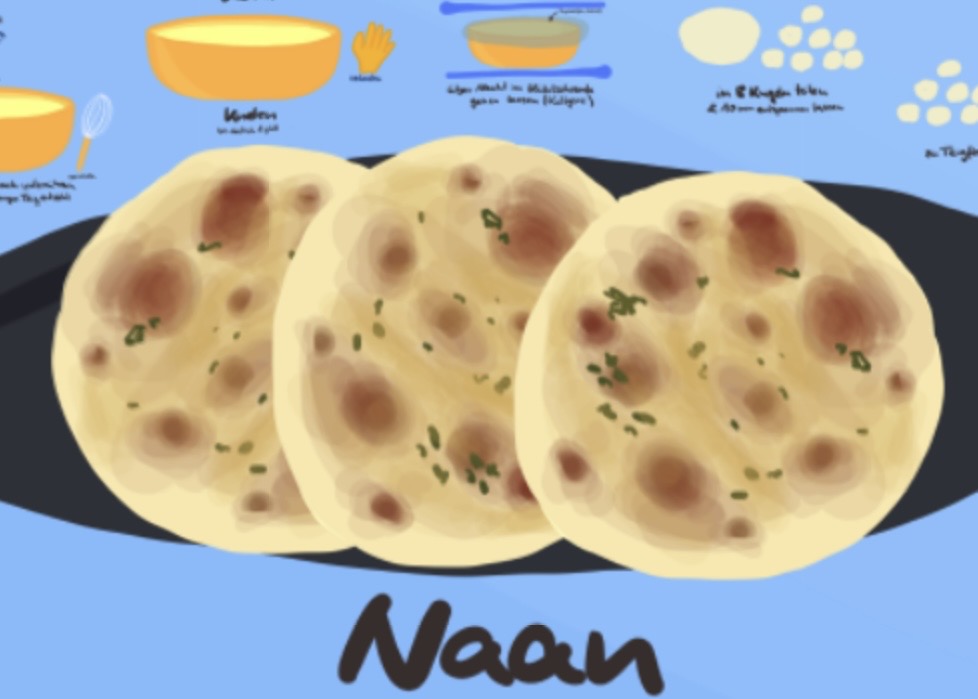
Indian Butter Naan Bread
Discover Indian Naan Bread on yummy.world! Soft, fluffy, pan-baked flatbread—perfect with curry and dips.
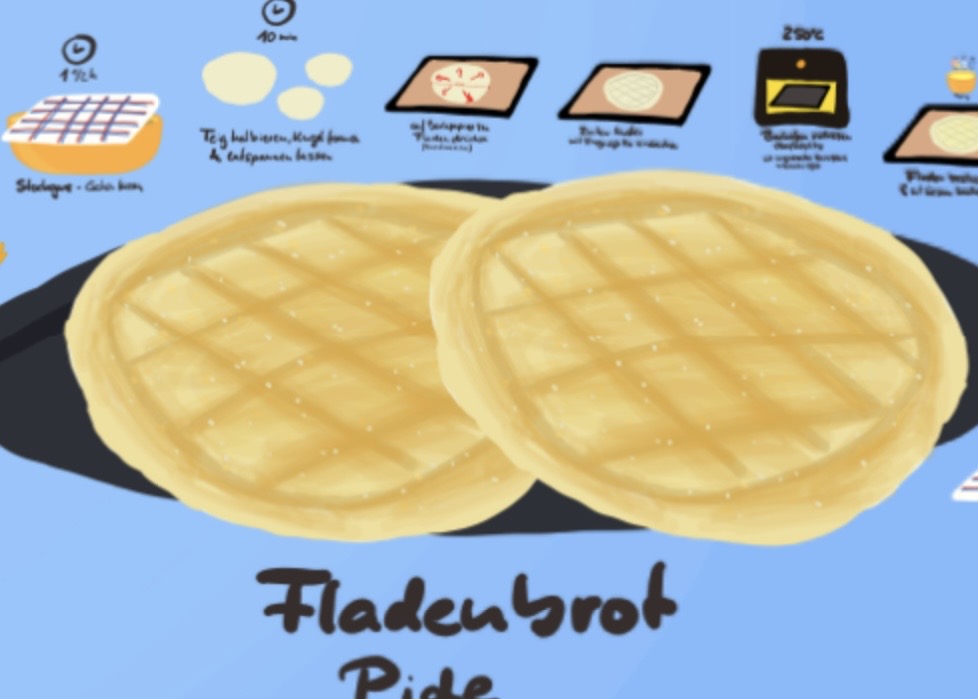
Pide bread
Discover Pide bread on yummy.world! Soft Turkish flatbread—easy to bake, perfect for dips and meals.
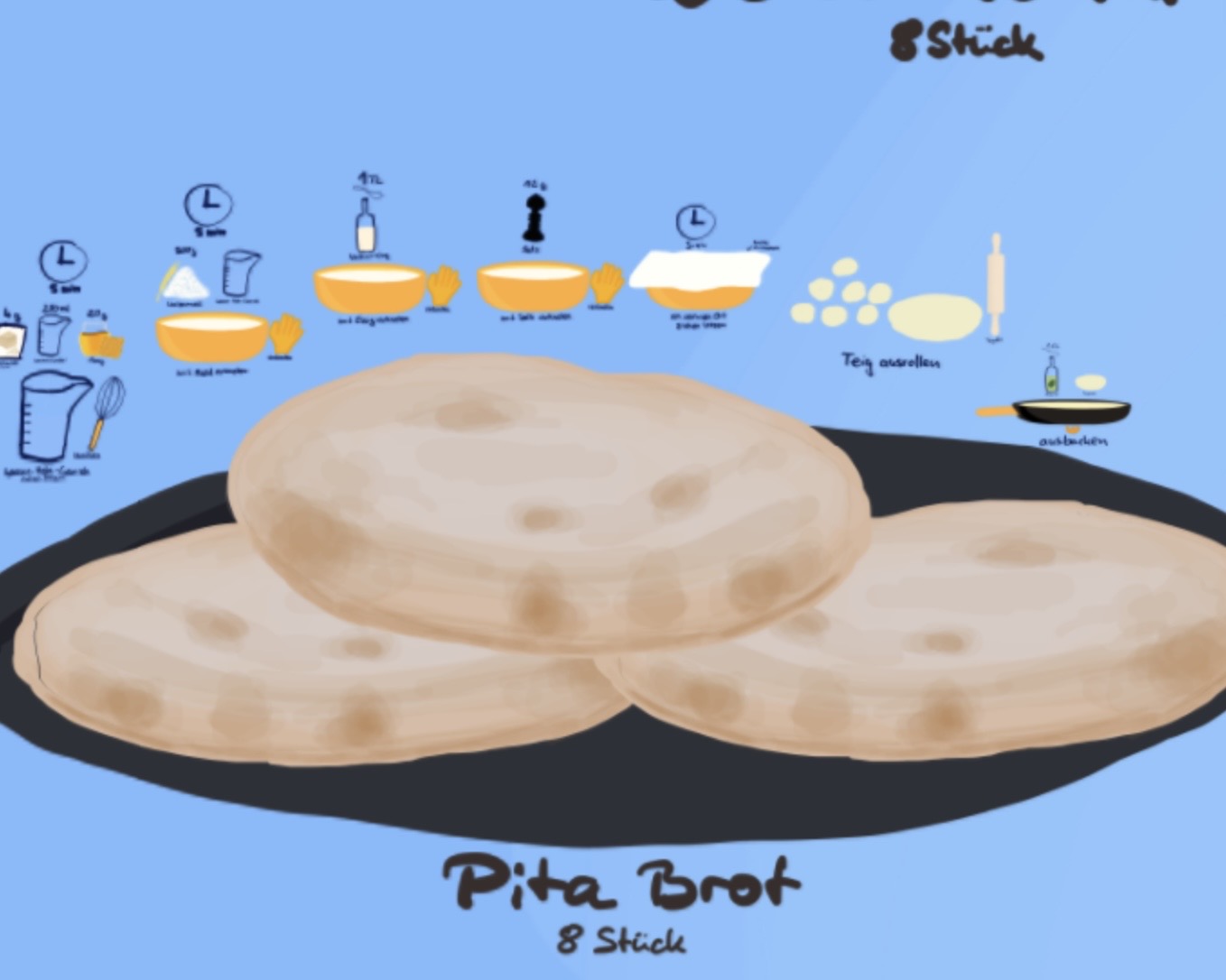
Pita bread
Discover pita bread on yummy.world! Soft, warm pockets—perfect for dips, wraps, and quick meals.
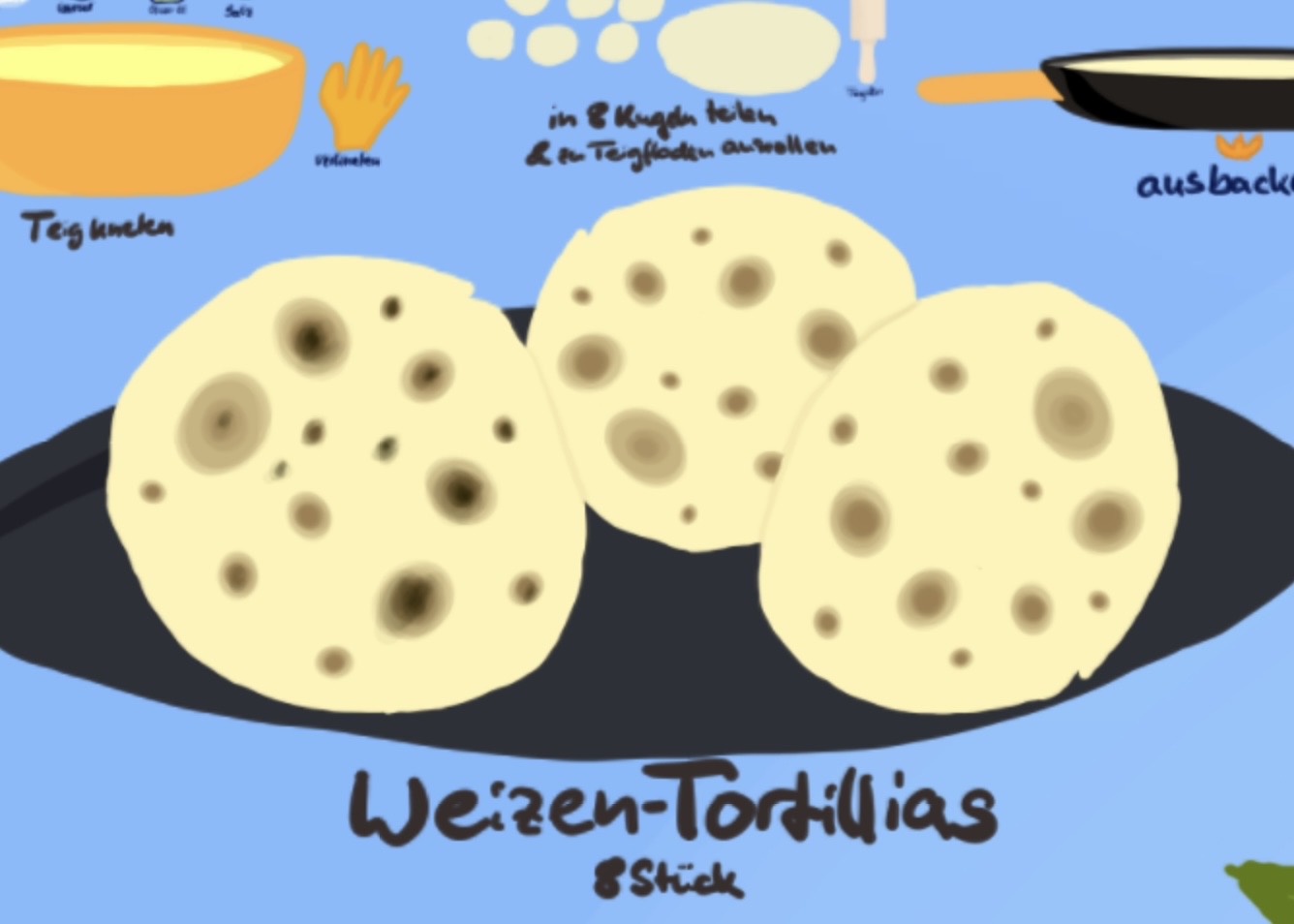
Flour Tortillas
Discover tortillas on yummy.world! Soft homemade wraps—perfect for tacos, burritos, and quick meals.
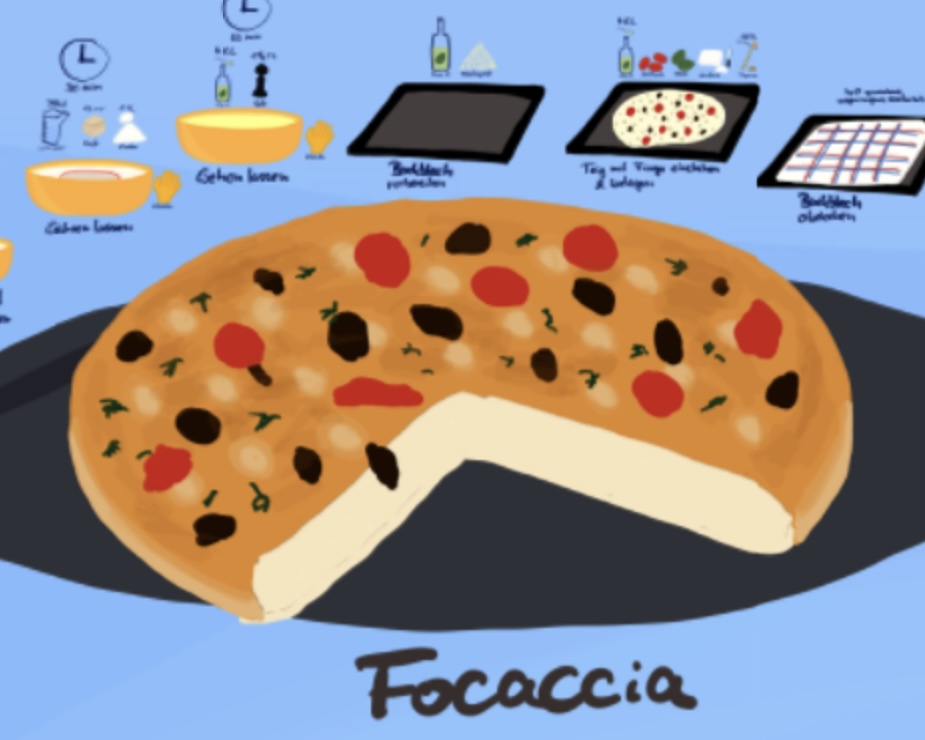
Focaccia
Bake fluffy focaccia with olive oil, thyme, tomatoes, olives and feta. Step-by-step method, proofing tips, storage advice and serving ideas.
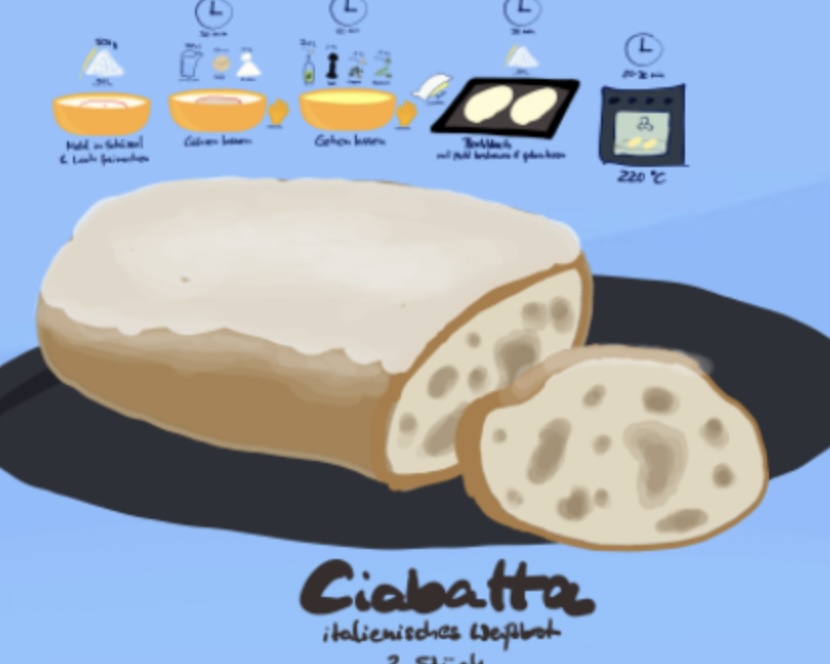
Ciabatta Bread
Create fluffy and crusty ciabatta bread, perfect for sandwiches or dipping.
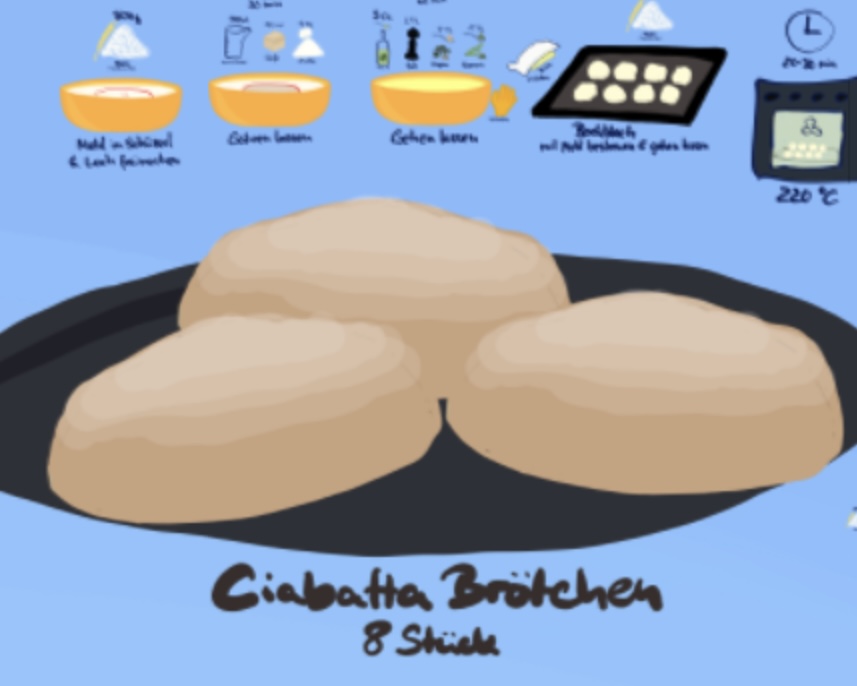
Ciabatta Rolls
Bake soft and golden ciabatta rolls, versatile for any meal or occasion.
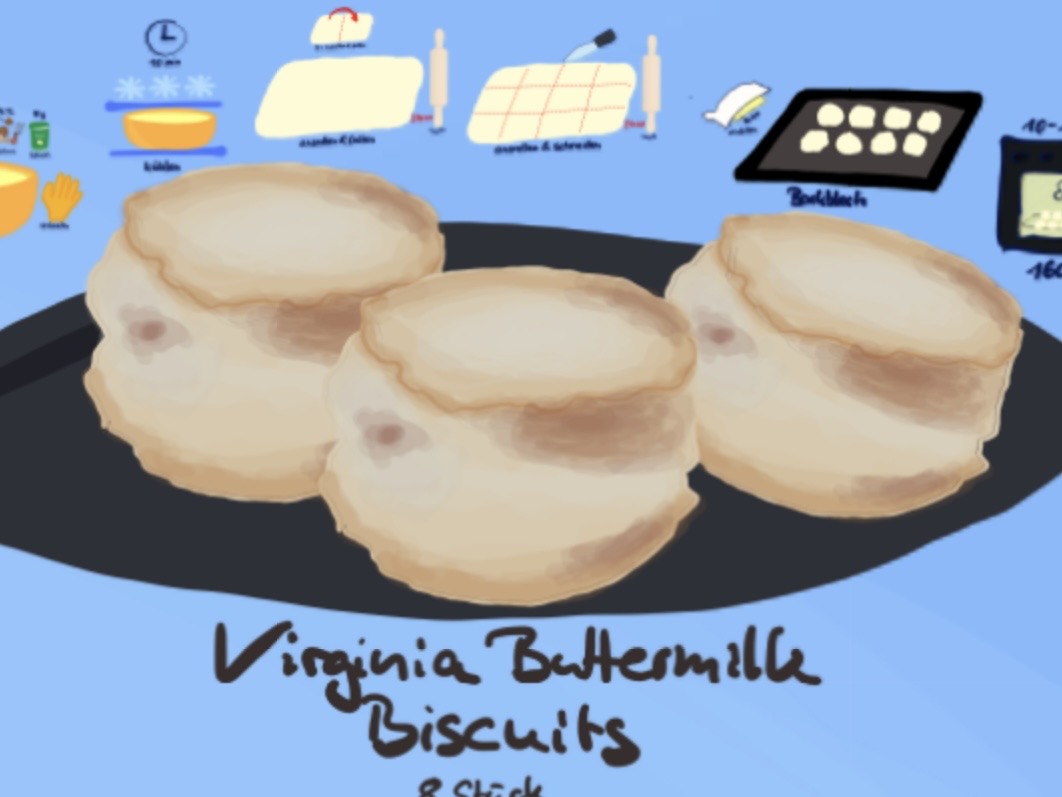
Virginia Buttermilk Biscuits
Bake soft and flaky buttermilk biscuits, a delightful side for any meal.
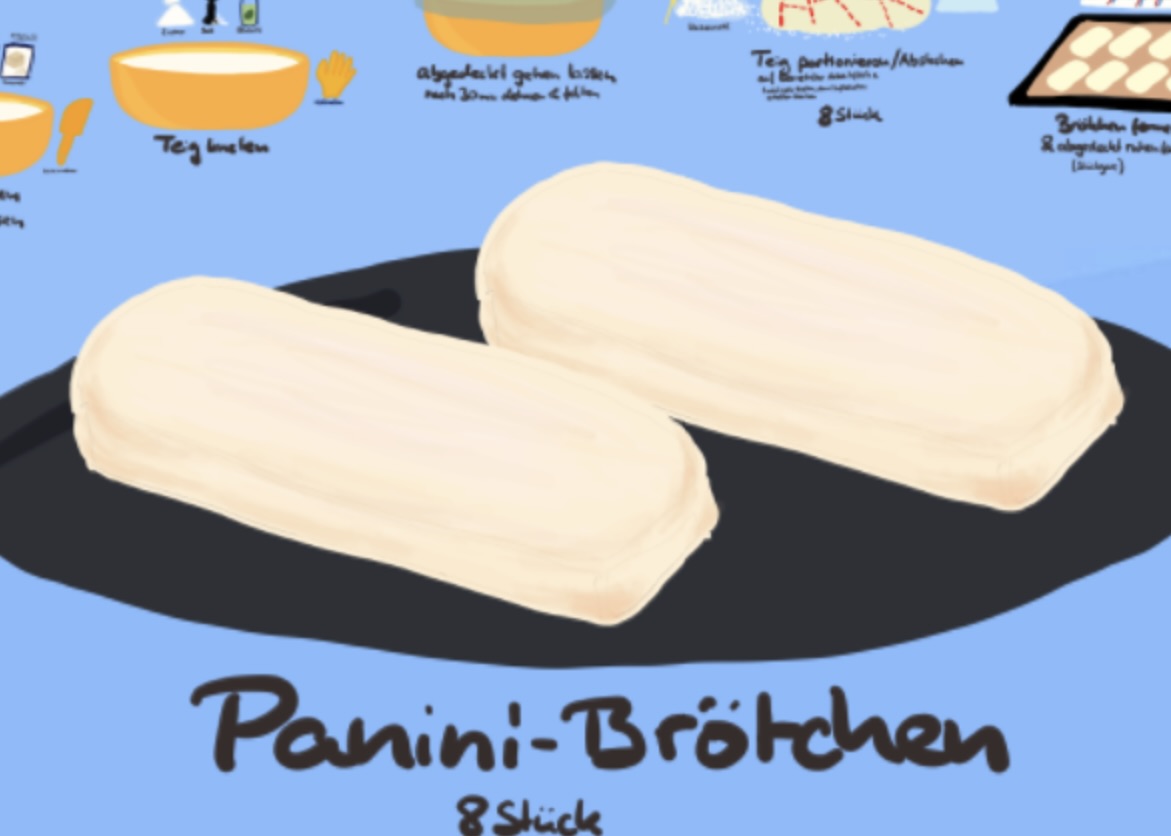
Panini Bread
Discover panini bread on yummy.world! Soft rolls made for pressing—perfect base for hot sandwiches.
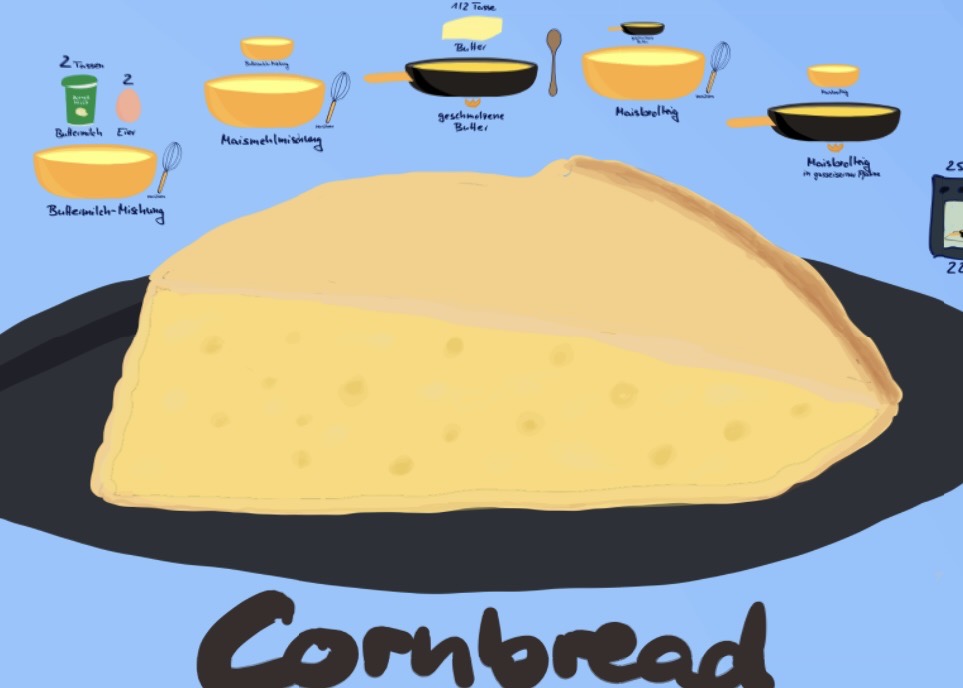
Cornbread
Enjoy the rich and moist texture of homemade cornbread, a perfect side for BBQs or soups.

Pumpernickel
Discover pumpernickel on yummy.world! German bread classic—serving ideas and pairing tips.
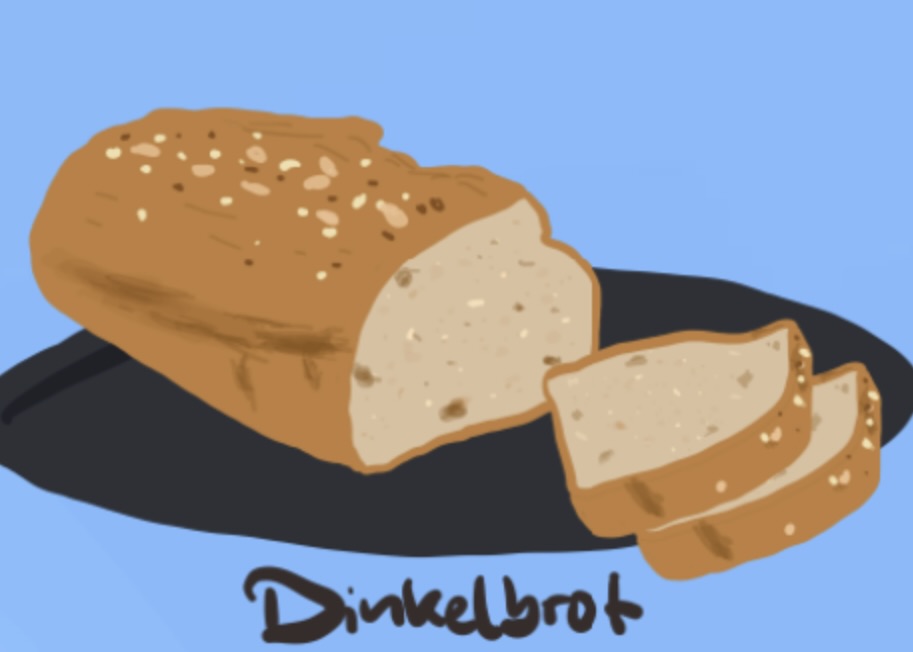
Spelt bread
Discover spelt bread on yummy.world! Rustic, flavorful loaf—easy to bake and perfect for hearty toppings.
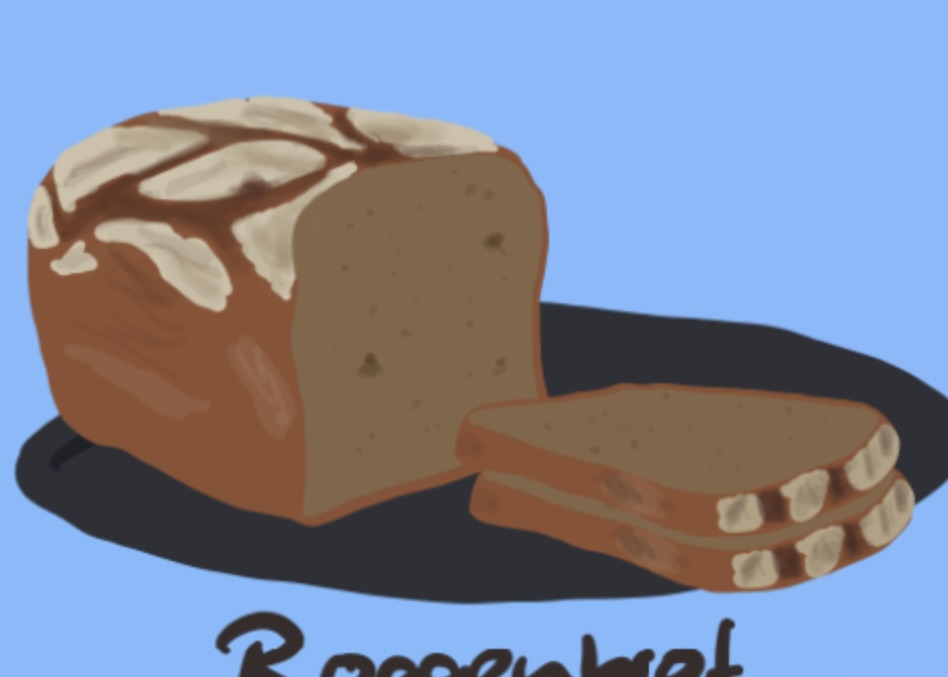
Rye bread
Bake hearty rye bread with rich flavors, perfect for any meal.
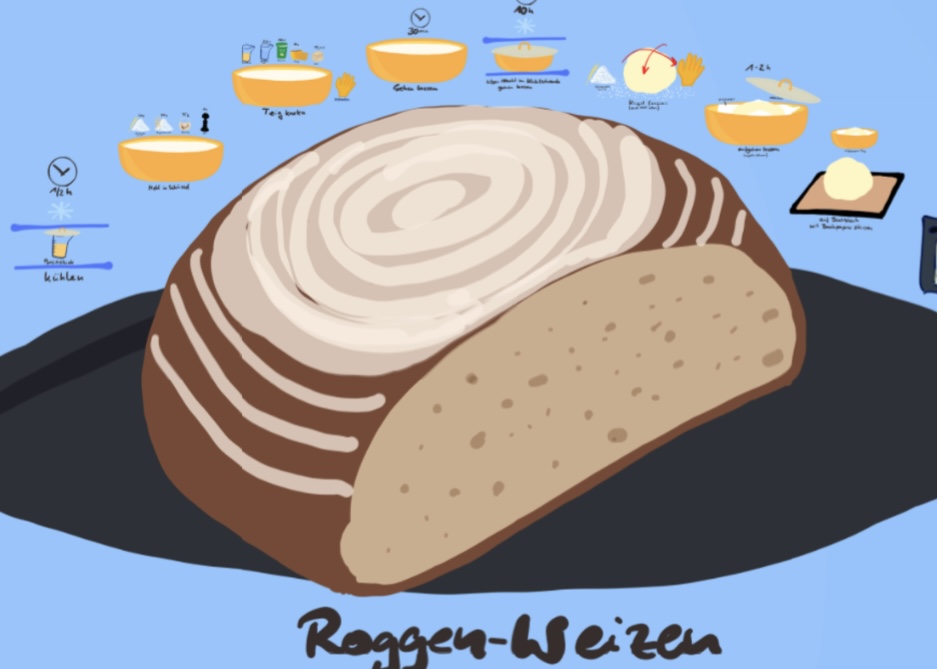
Mixed Rye Bread with Whole Grain Rye
Enjoy the nutty flavors and dense texture of homemade rye-wheat mixed bread.
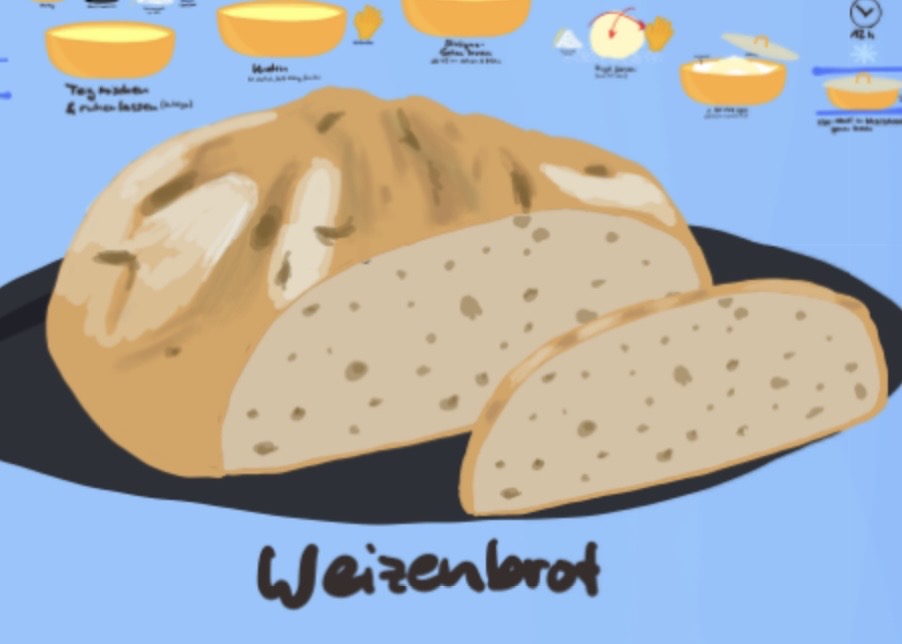
Wheat bread
Discover wheat bread on yummy.world! Everyday loaf with a soft crumb—great for sandwiches and toast.
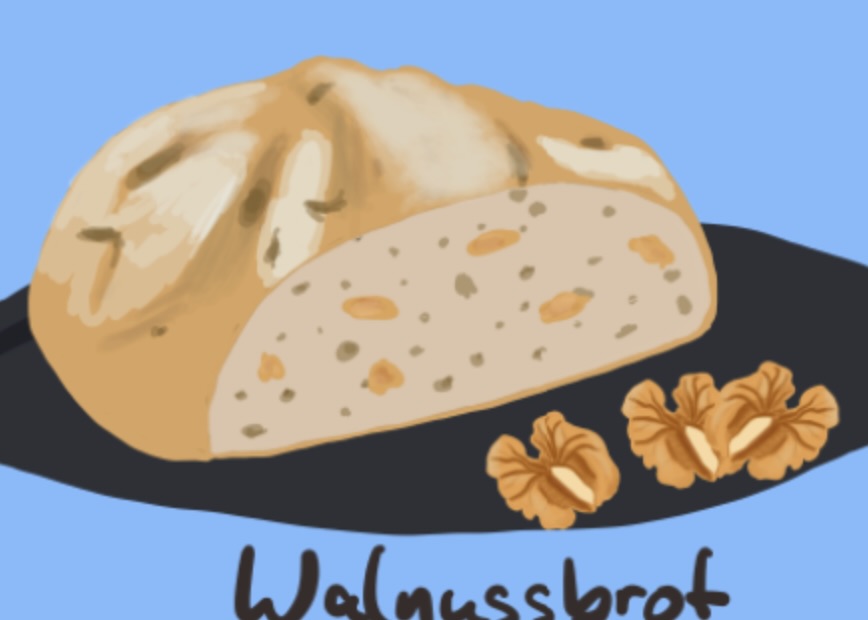
Walnut bread
Enjoy the hearty taste of walnut bread, perfect with cheese or as a snack.
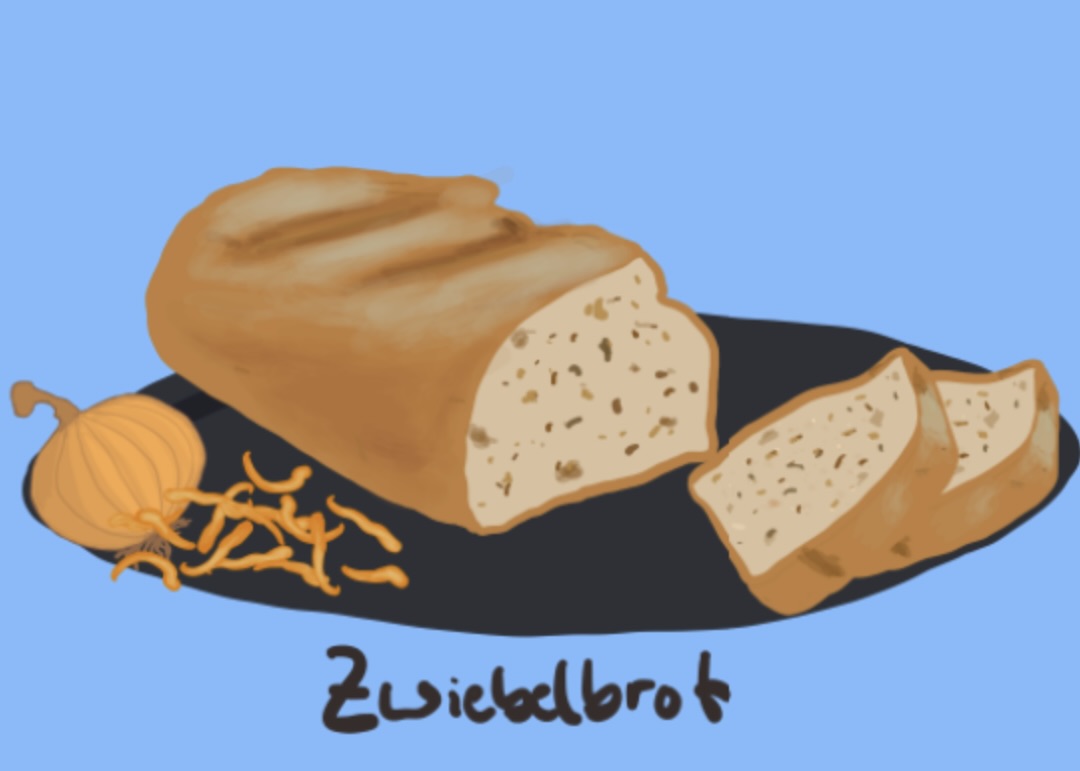
Onion bread
Bake hearty onion bread, perfect as a side for soups or a base for sandwiches.
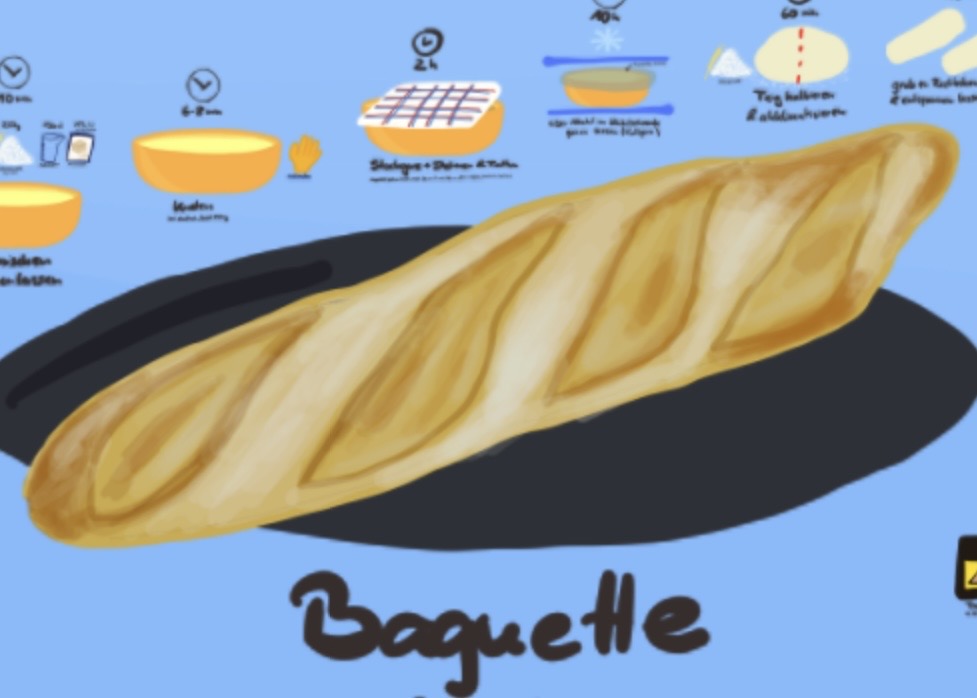
Baguette
Bake your own French-style baguette with this easy and authentic recipe.
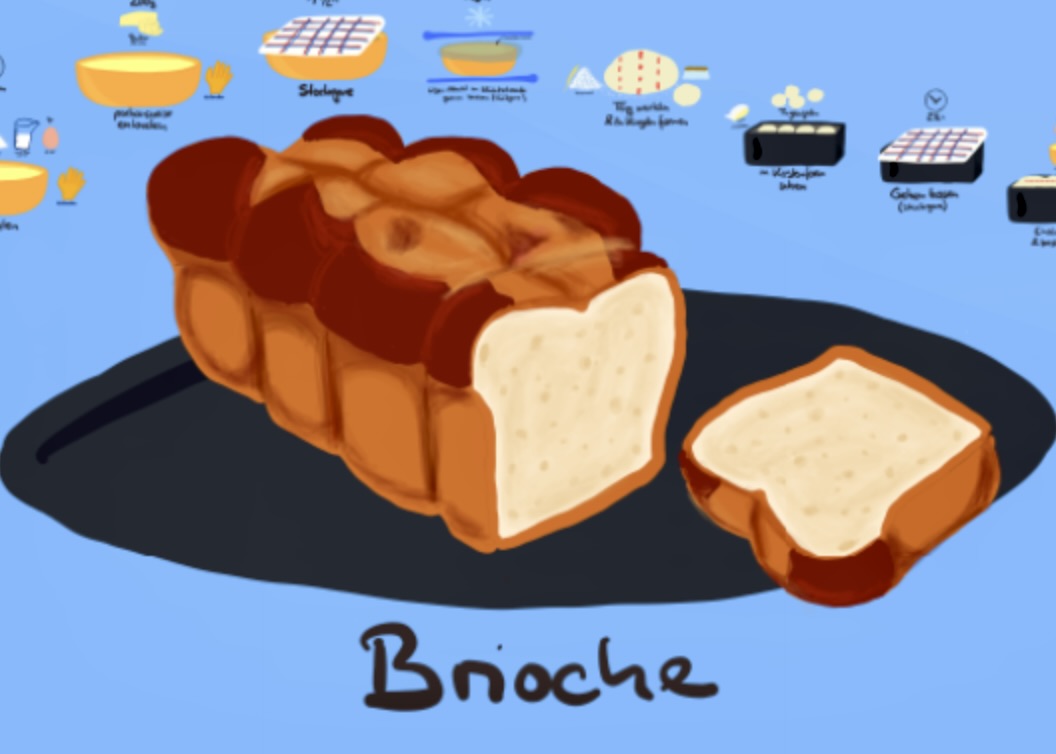
Brioche
Discover brioche on yummy.world! Soft, buttery French bread—perfect for breakfast, buns, and sweet treats.
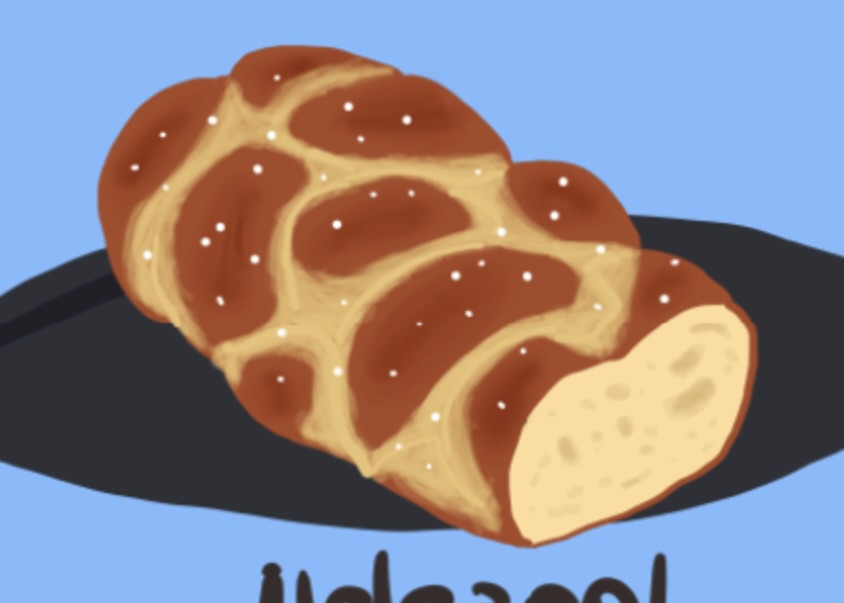
German Braided Sweet Bread
Discover zopf on yummy.world! Soft braided bread—classic, buttery, and perfect for breakfast.

Bagels
Make soft and chewy bagels at home with this foolproof recipe, ideal for any topping.