
Onion Bread with Soft Caramelized Onions
Cook along on the interactive map
Step-by-step:
- Prepare the caramelised onions: Slice the onions and cook until softened and golden, then allow them to cool. Use the illustrated recipe for the exact quantities, timings and cooking settings.
- Knead the bread dough: Mix the flour, yeast, salt and water, then knead into a smooth, elastic dough.
- Fold in the onions: Work the cooled onions gently into the dough so they are evenly distributed. Cover and let the dough rise until airy.
- Shape the onion loaf: Form the dough into a loaf, transfer it to the prepared baking surface and let it rise again.
- Bake and slice: Bake until the onion bread has a golden crust and is cooked through. Cool on a rack before slicing to preserve the soft crumb.
Onion bread with soft caramelized onions and a golden crust

Onion bread makes a bowl of soup feel like a proper meal. Soft, golden onions bring a savory sweetness to the loaf, and the crust is made for dipping. Set a few slices beside your bowl and enjoy the contrast between crisp edges and tender onion pieces.
Cook the onions before mixing
Flour, yeast, salt and water make the bread dough; cooked onions give it its character. Peel and slice the onions into similar-sized pieces. Cook gently in a suitable pan, stirring as they soften. If needed, lightly coat the pan with cooking oil or butter.
Let the onions become soft and golden brown. Lower the heat if the edges darken too soon. A splash of water helps loosen sticking browned juices; let loose liquid evaporate before transferring the onions. Leave excess pan fat behind and spread the onions in a shallow container to cool.
If preparing them ahead, refrigerate promptly at 40°F (4°C) or below, within two hours of cooking or one hour above 90°F (32°C). Discard onions left unchilled longer. Do not leave them on the counter overnight.
Fold in, let rise and bake
Mix the flour, yeast, salt and water and knead until smooth and elastic, following your yeast's preparation instructions. Gently fold in the cooled onions, separating clumps. Stop when evenly distributed so the soft pieces keep some shape.
Cover and let the dough grow visibly larger and airy. Shape a loaf gently, place on the prepared baking surface and cover for a second rise. Move carefully into a preheated oven without flattening the dough.
Bake until the crust is golden and the center fully baked. The moist onion pockets need to cook through too; color outside is only a clue. Cool on a rack before slicing with a serrated knife.
Never taste raw dough. Clean hands, tools and surfaces after handling flour and keep it away from ready-to-eat foods.
Serve beside a creamy soup
Try a slice with our tomato soup with cream and basil. Its Parmesan finish and gentle tomato acidity suit the onions' sweetness. Serve the bread separately and dip as you eat, keeping some crust crisp.
Use a scraper when shaping
Lift sticky edges with a dough scraper instead of repeatedly covering the countertop with flour. This makes it easier to gather the loaf without folding dry flour into it.
Make a cheese toast
For an optional topping, scatter grated cheese over a slice and melt it under the broiler. Add a little black pepper if you like and serve while the edges are crisp.
Save slices for another soup night
Freeze promptly chilled portions with slices separated. Thaw in the refrigerator and warm or toast before serving. Keep soup and bread packed separately.
Frequently asked questions
Can I use raw onions?
This loaf uses cooked onions. Raw pieces release more moisture in the dough and give a different flavor.
Why is the crumb gummy?
Loose onion liquid, insufficient baking or slicing too warm can contribute. Judge the crumb after cooling; do not eat a raw center.
How do I store leftovers?
Refrigerate this moist onion bread and perishable accompaniments promptly using the chilling limits above. Keep them covered and separate; freeze spare bread rather than leaving it out for days.
Best Bread Recipes to Try at Home
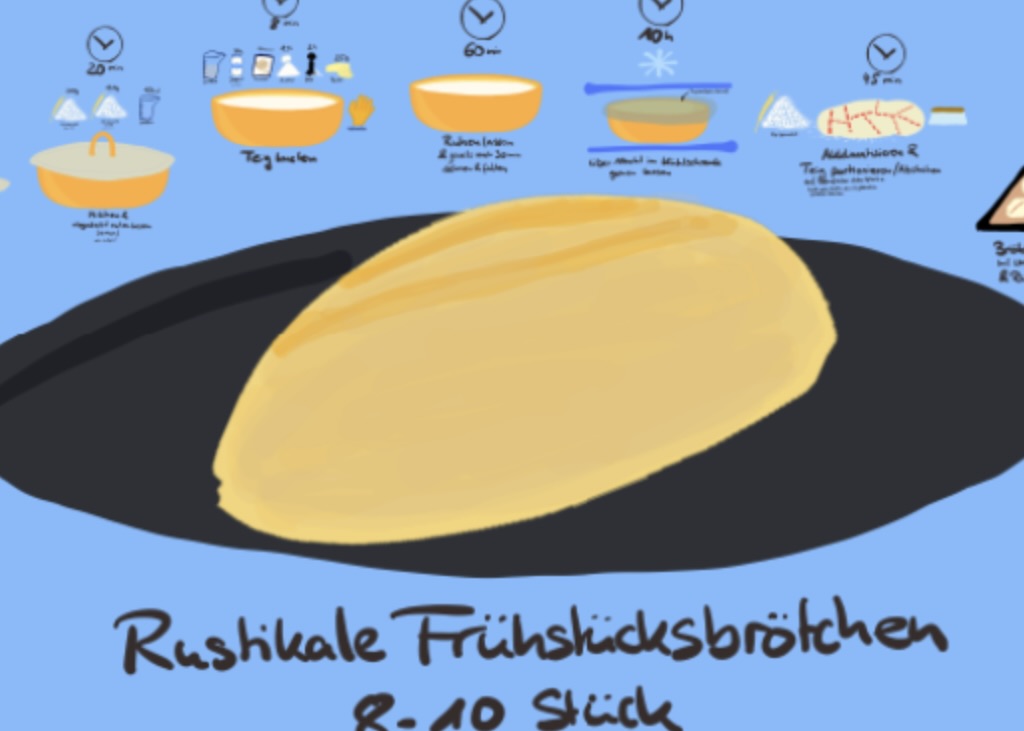
Rustic Breakfast Rolls
Make rustic breakfast rolls with a crisp crust and soft center. Get practical guidance on kneading, the final rise, cooling, and breakfast pairings.
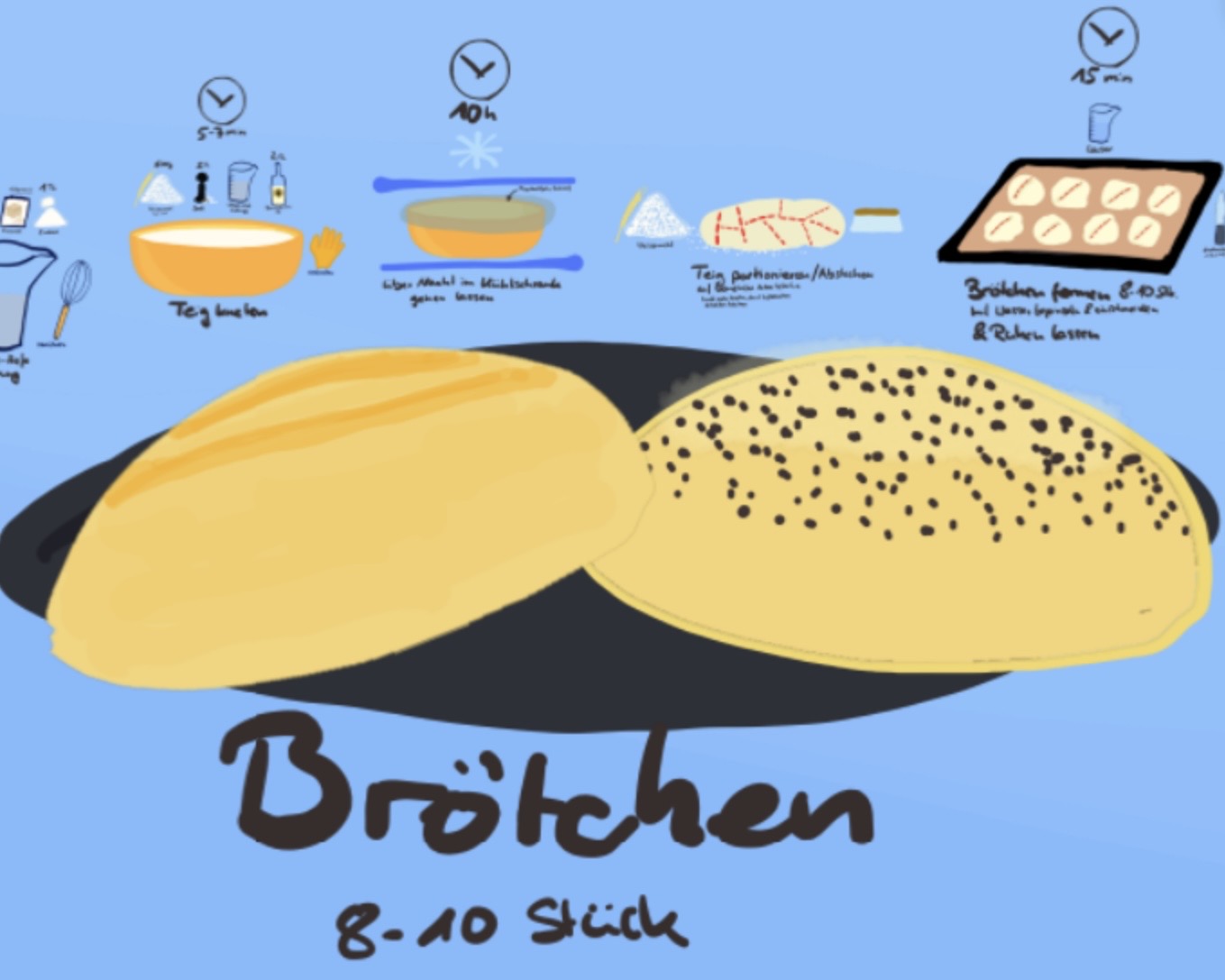
Rolls
Bake golden bread rolls with yeast and sunflower oil. Find practical tips for soft dough, gentle shaping and serving them warm with sweet or savory toppings.
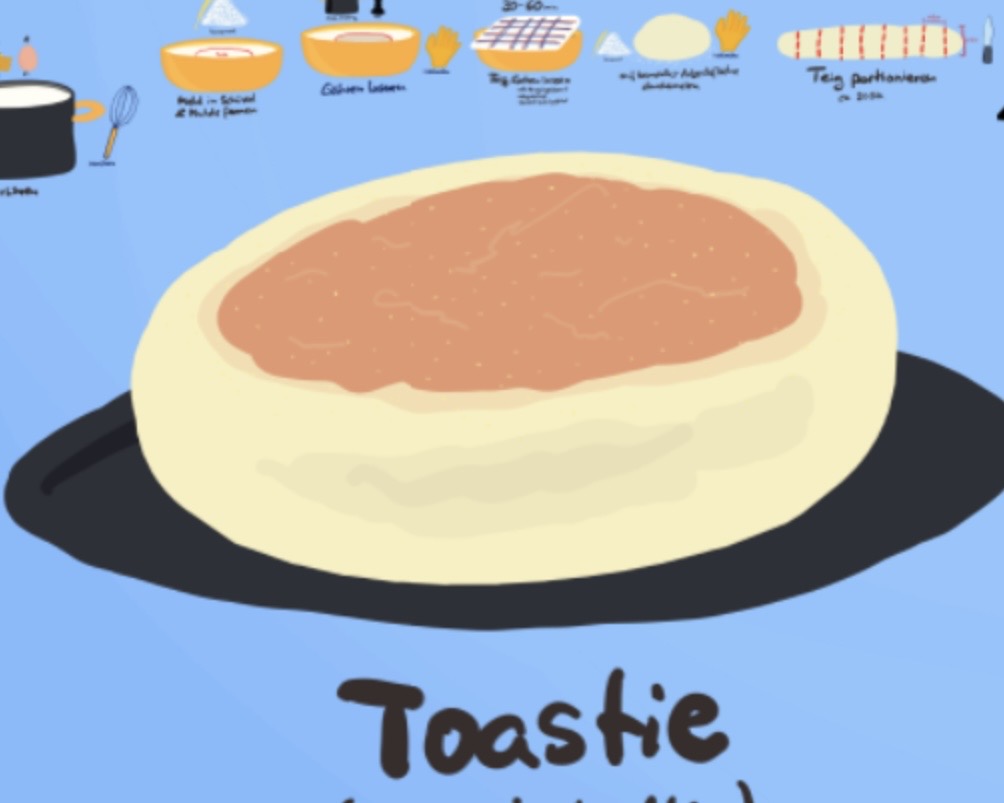
English Muffins
Make soft English muffins with milk, butter, egg and honey. Find gentle pan-cooking advice, fork-splitting tips and sweet or savory ideas for toasted halves.

Cheese Naan
Soft naan encloses mozzarella and young Gouda. Learn how to manage cheese moisture, seal the dough, and cook the center without burning the outside.
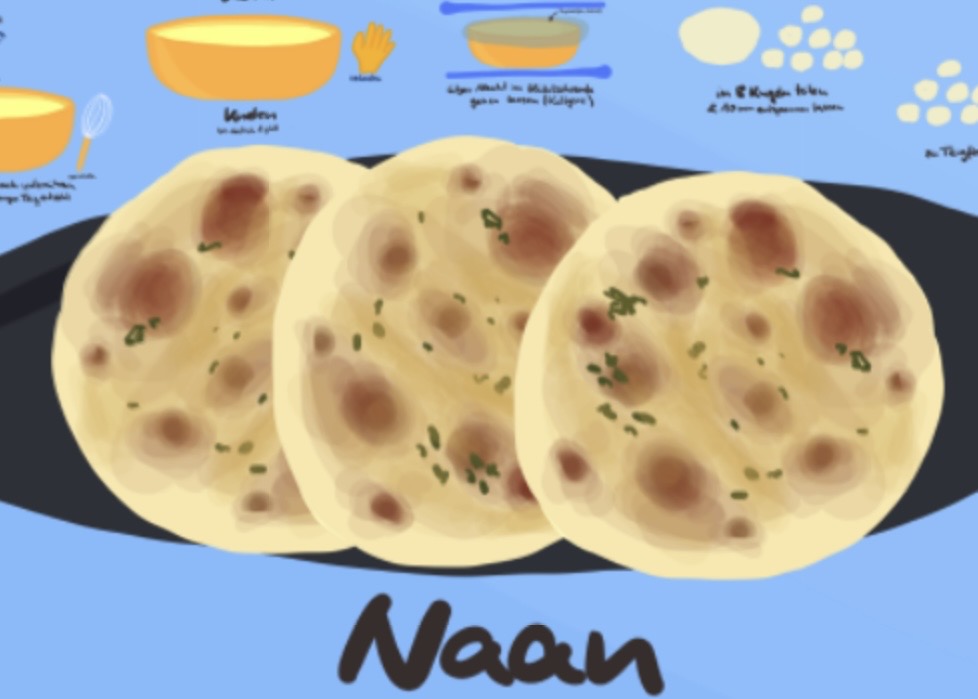
Indian Butter Naan Bread
Soft yogurt naan with garlic, cilantro, and a buttery finish. Learn how dough rise, gentle shaping, and controlled pan heat help the bread cook evenly.
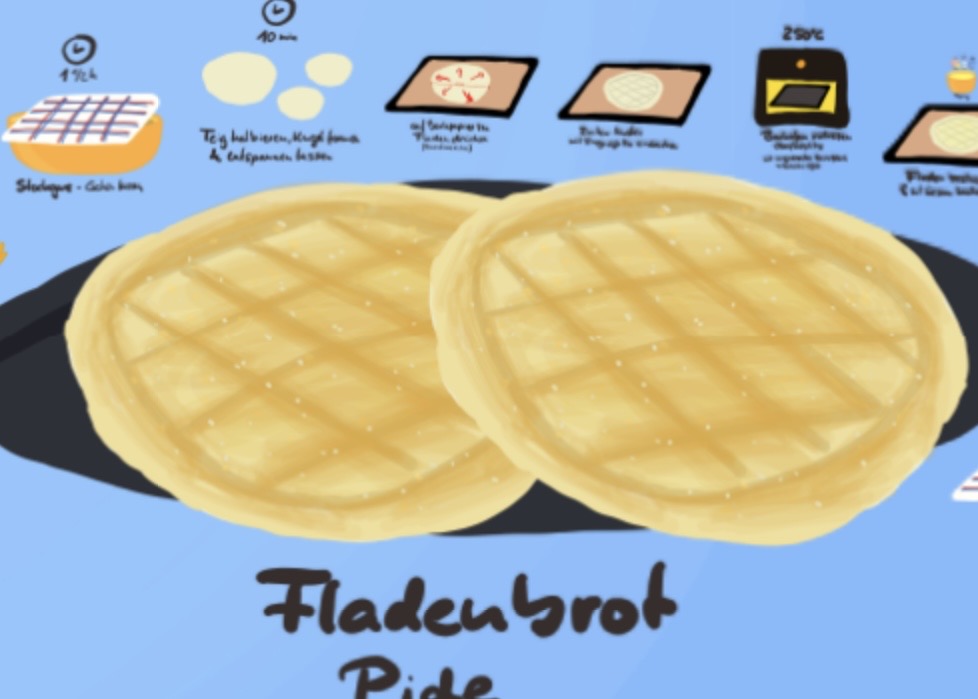
Pide bread
Bake soft pide bread with a golden sesame crust. Learn what well-risen dough looks like, how to shape it gently, and why the center needs careful checking.
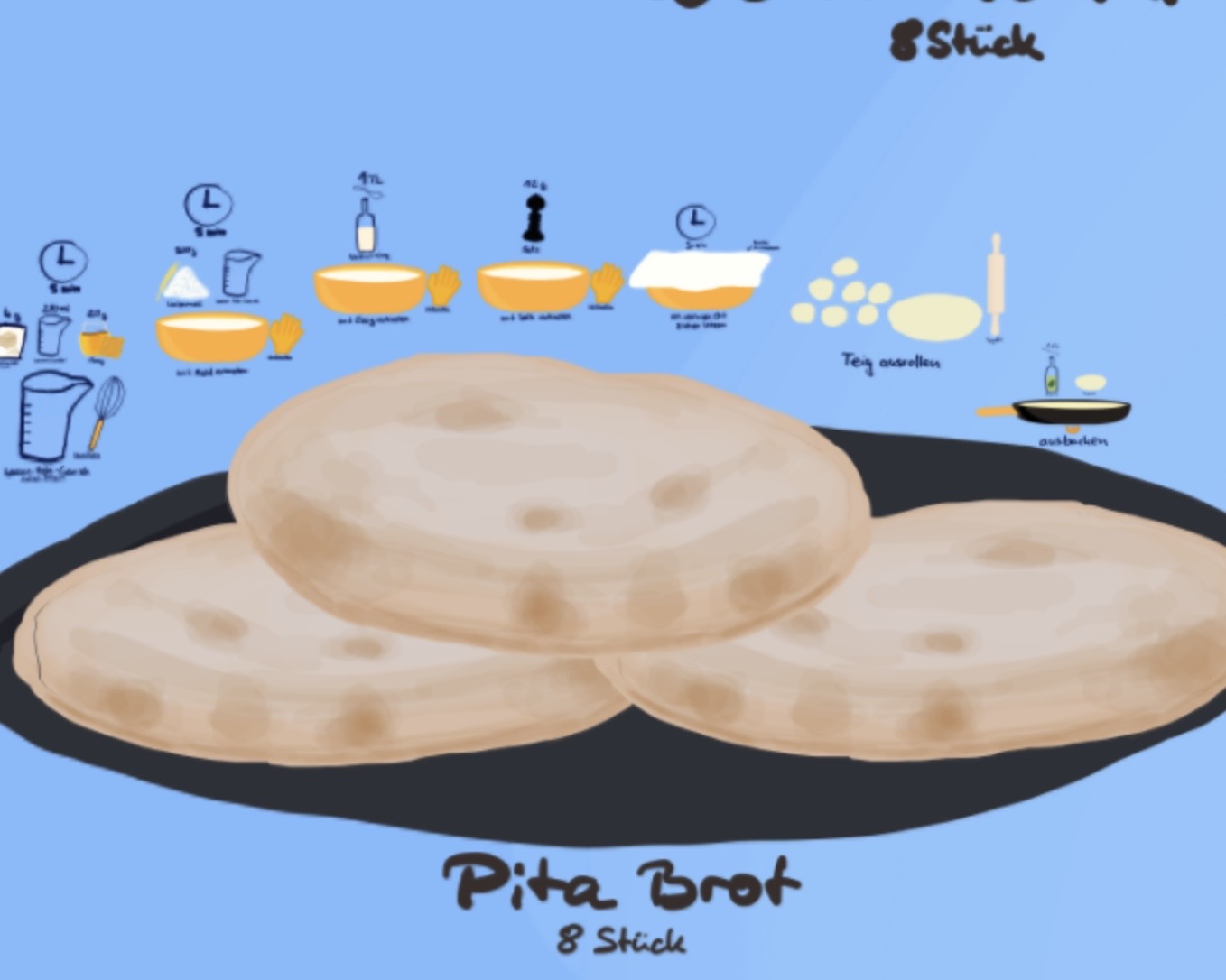
Pita bread
Bake soft pita bread with honey, vinegar and olive oil. Learn how even rolling and a hot baking surface help it puff, then fill it or share it with dips.
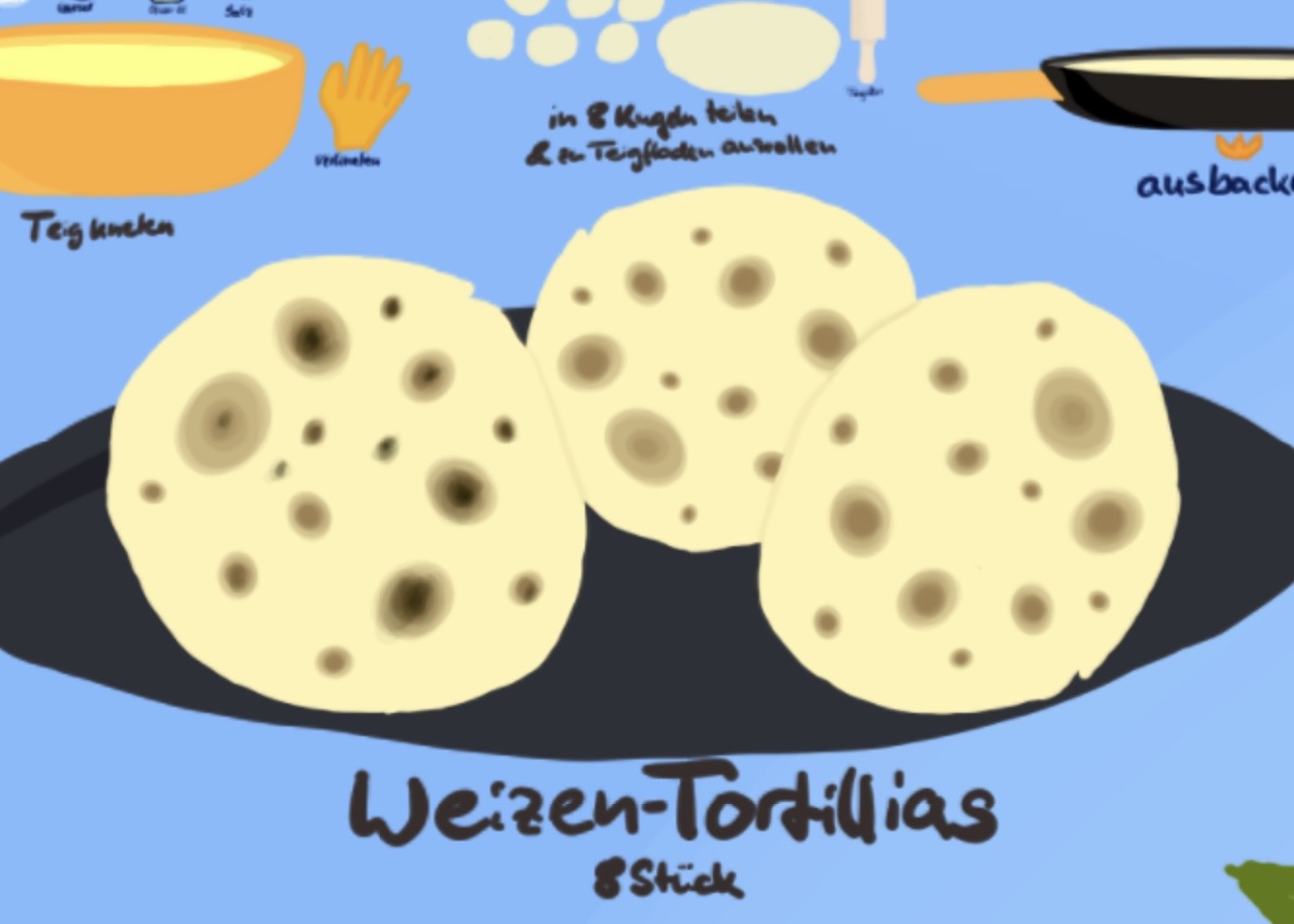
Flour Tortillas
Make soft flour tortillas with olive oil in a dry pan. Find tips for resting, even rolling, brown spots, and filling warm wraps with chicken and guacamole.
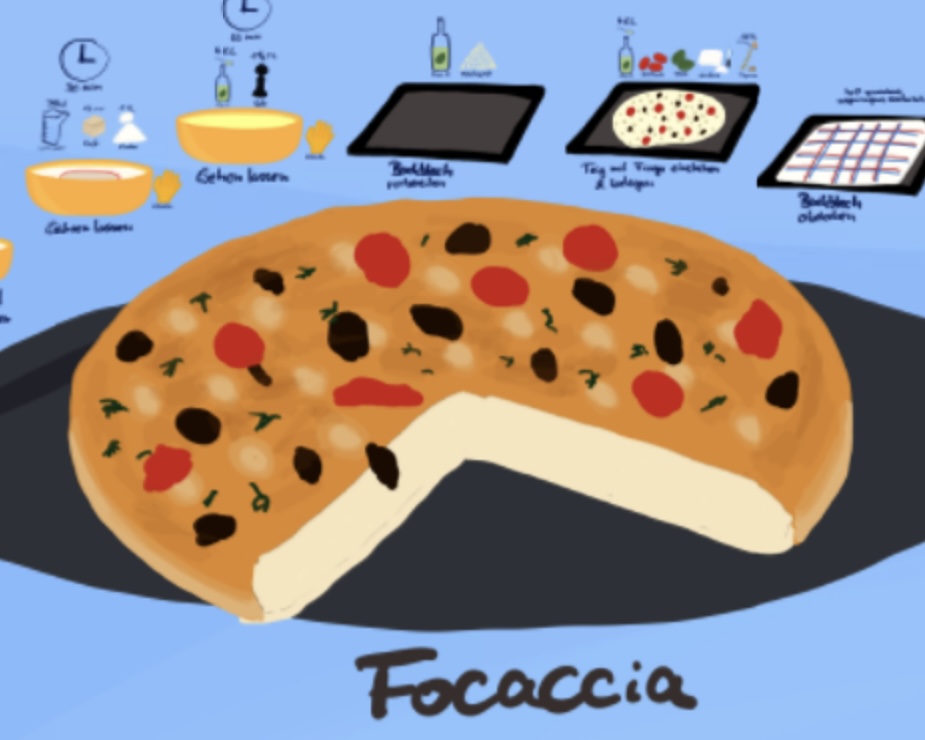
Focaccia
Bake soft focaccia topped with sweet tomatoes, black olives, feta, and thyme. Get tips for a gentle rise, well-spaced toppings, and warm slices to share.
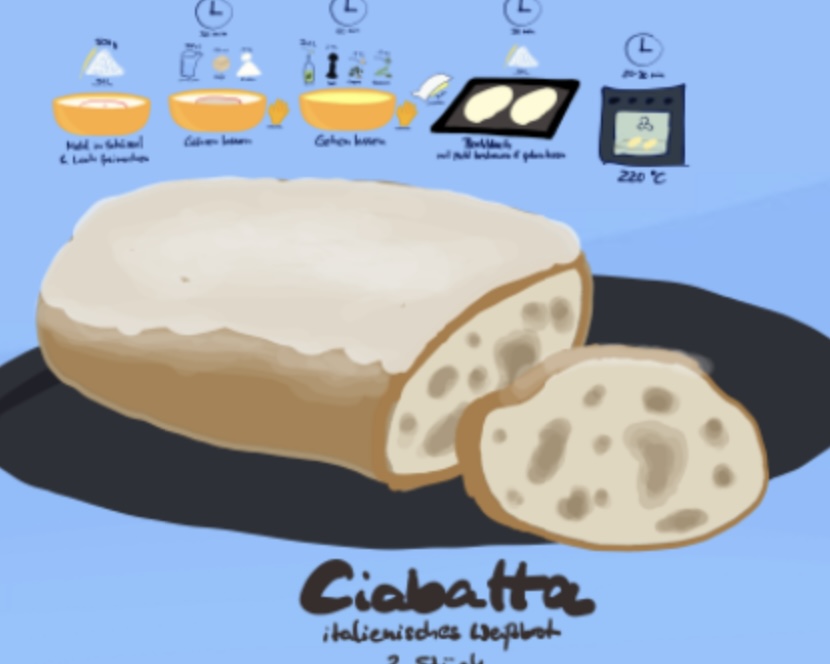
Ciabatta Bread
Bake ciabatta with oregano, dried rosemary and olive oil. Learn how gentle folding and shaping help a sticky dough become a crisp loaf with an airy center.
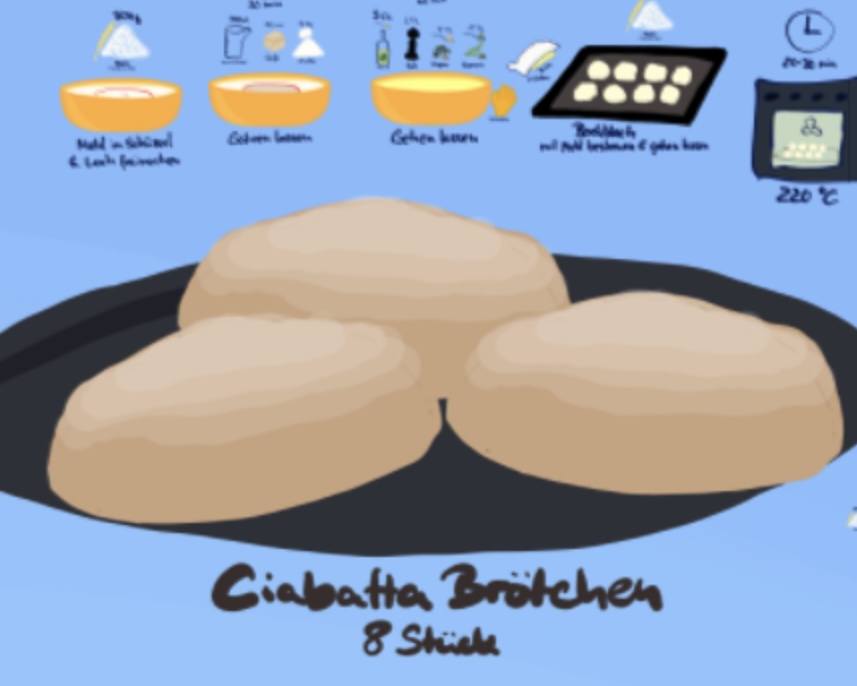
Ciabatta Rolls
Bake ciabatta rolls with oregano and rosemary. Fold sticky dough, gently divide it into rectangles and serve the crisp rolls with savory fillings.

Virginia Buttermilk Biscuits
Bake tender buttermilk biscuits with cold butter, cinnamon and nutmeg. Find gentle shaping tips and ideas for serving them warm with butter or fruit preserves.
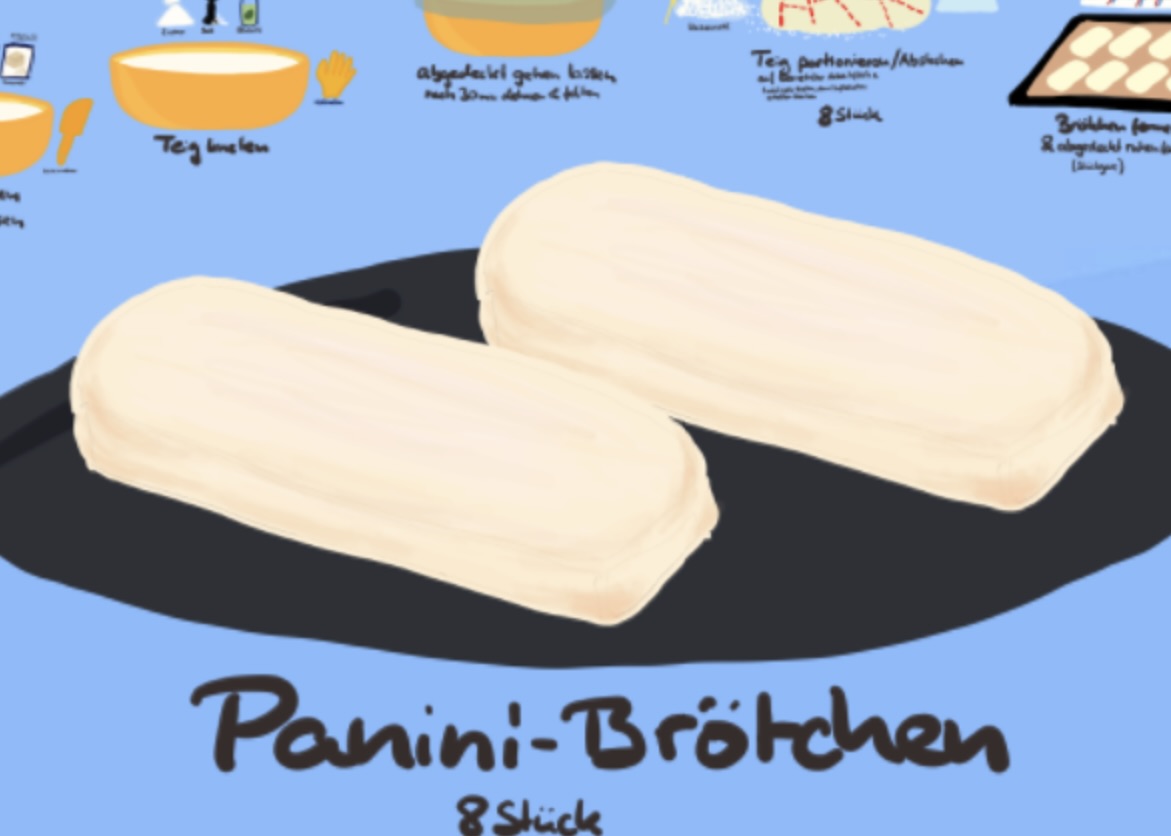
Panini Bread
Bake panini bread with a tender crumb and golden crust. Learn how to judge the rise, shape even rolls, and keep pressed sandwiches from turning soggy.
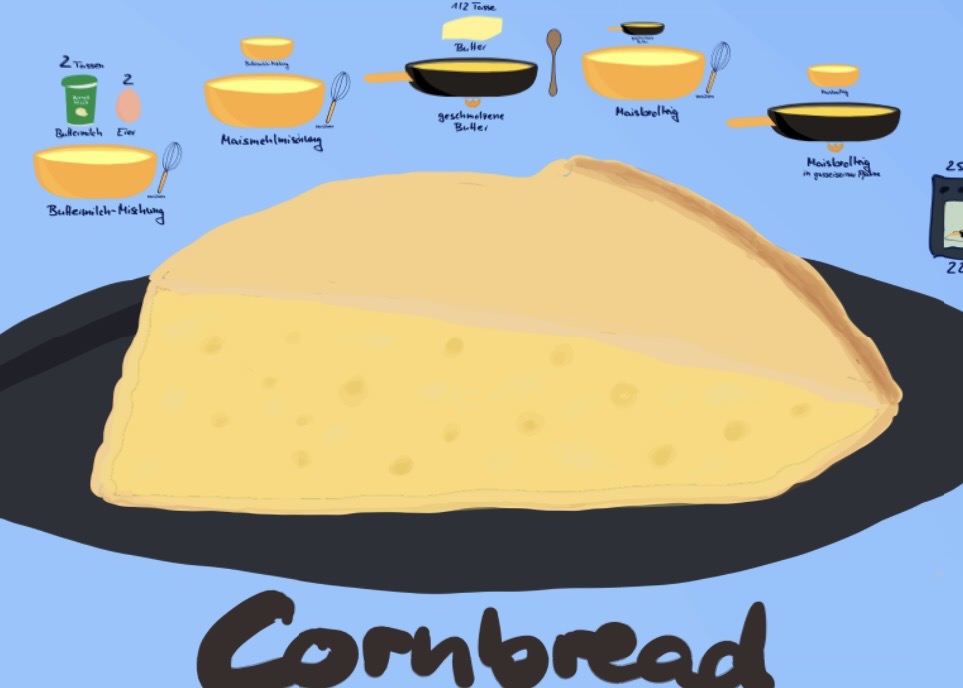
Cornbread
Bake golden cornbread with cornmeal, buttermilk and butter. Get tips for gentle mixing, checking the center and serving it with pulled pork or beans.
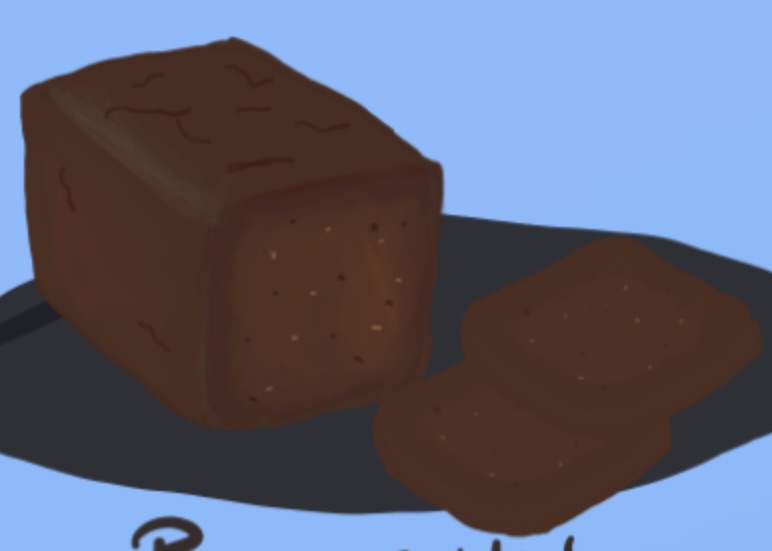
Pumpernickel
Explore pumpernickel’s dense rye crumb, gentle baking, and full cooling. Find practical slicing tips and toppings that suit its deep grain flavor.
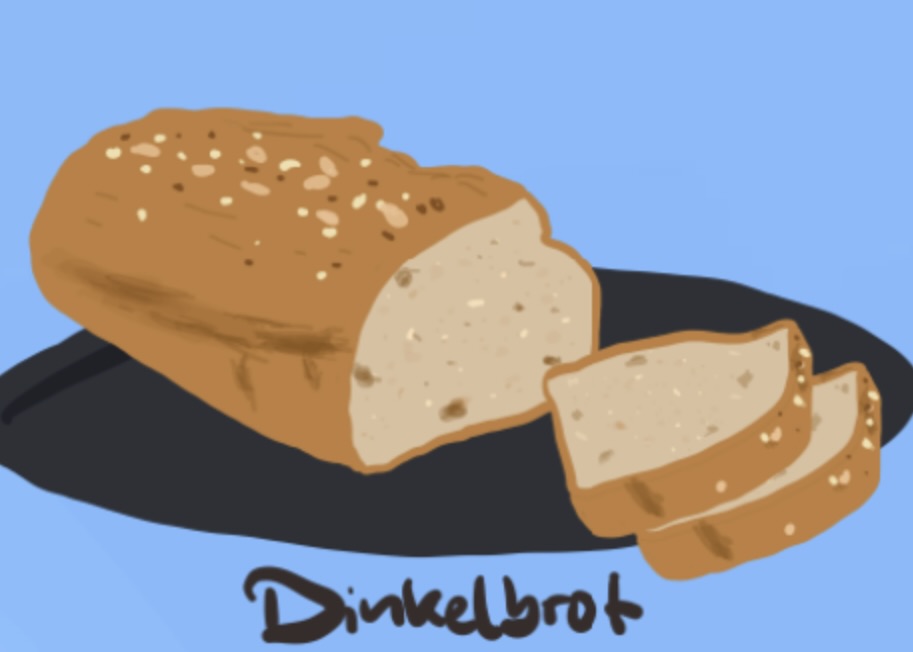
Spelt bread
Bake a mildly nutty spelt loaf with yeast. Find tips for gentle kneading, rising in a pan or proofing basket, and cooling the bread for neat slices.
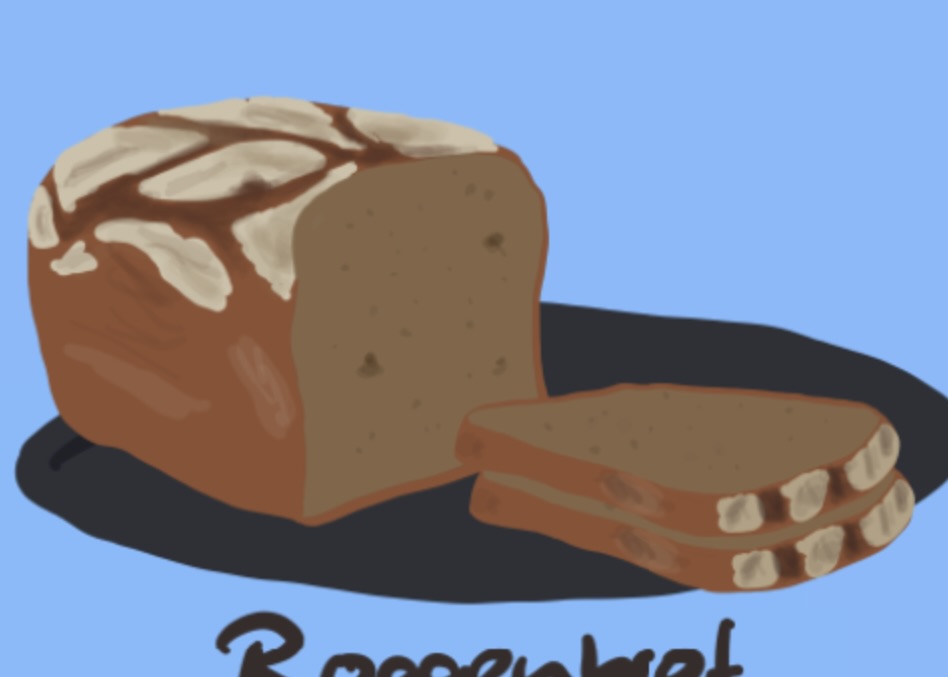
Rye bread
Get to know rye bread’s hearty flavor and moist crumb, with useful guidance on dough texture, cooling, neat slicing and savory toppings for everyday meals.
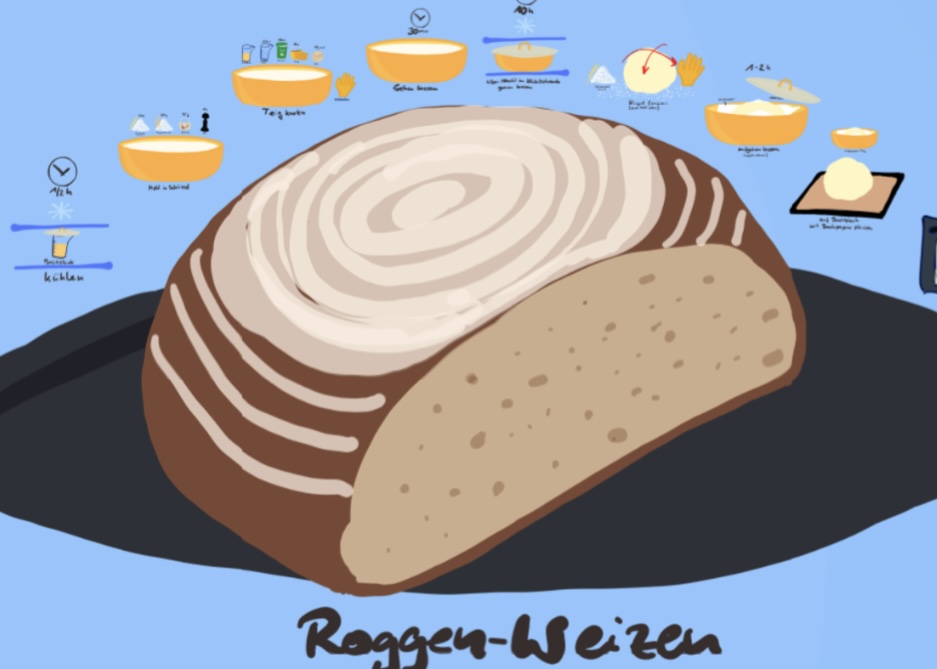
Mixed Rye Bread with Whole Grain Rye
Explore mixed rye bread with whole grain rye, wheat flour, sourdough, and buttermilk. Learn about sticky dough, cooling, and toppings for hearty slices.
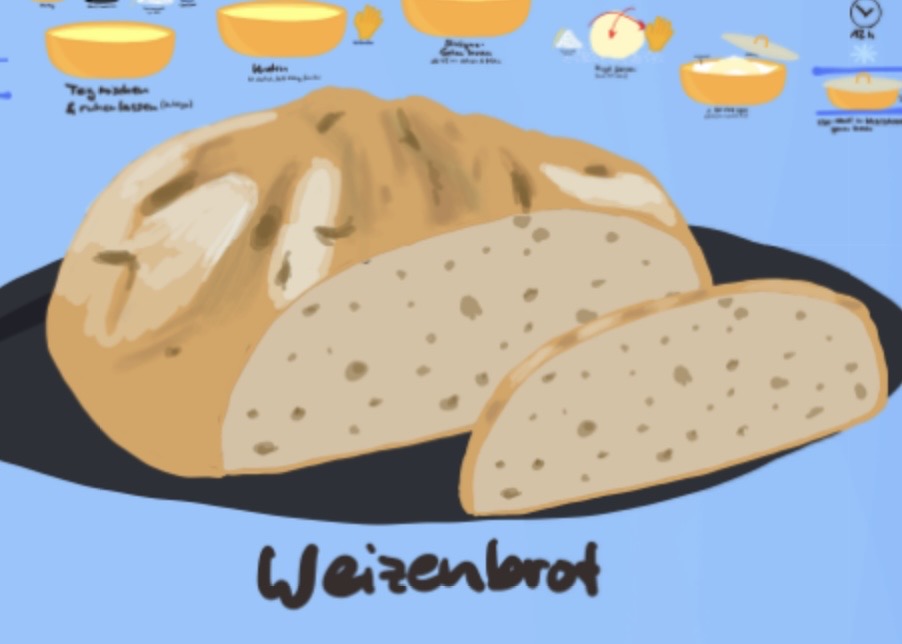
Wheat bread
Bake a mild wheat bread with Type 812 flour and durum semolina. Learn what to look for when kneading, letting the dough rise, shaping and slicing the loaf.
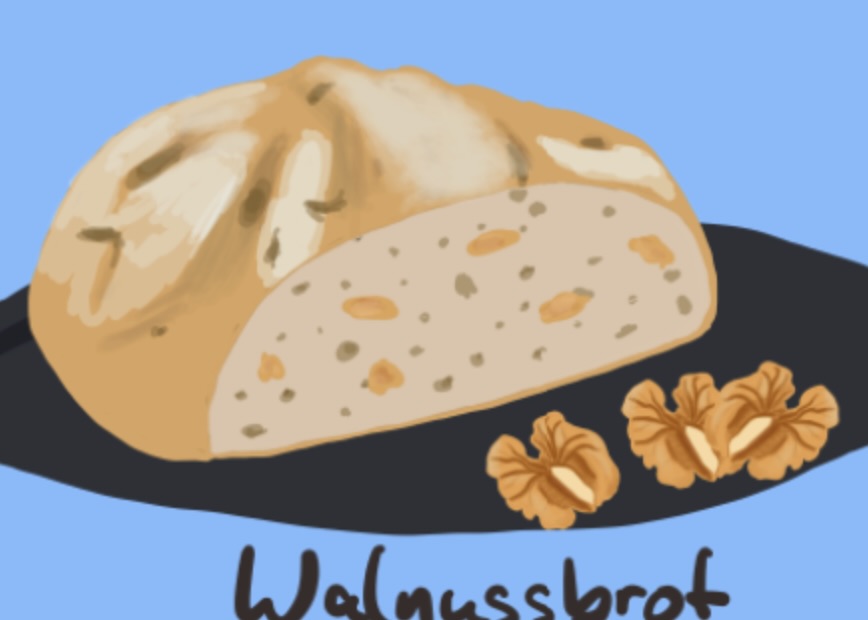
Walnut bread
Bake walnut bread with lightly toasted nuts and a tender crumb. Learn when to add the walnuts, how to slice the loaf and what to serve with each nutty piece.
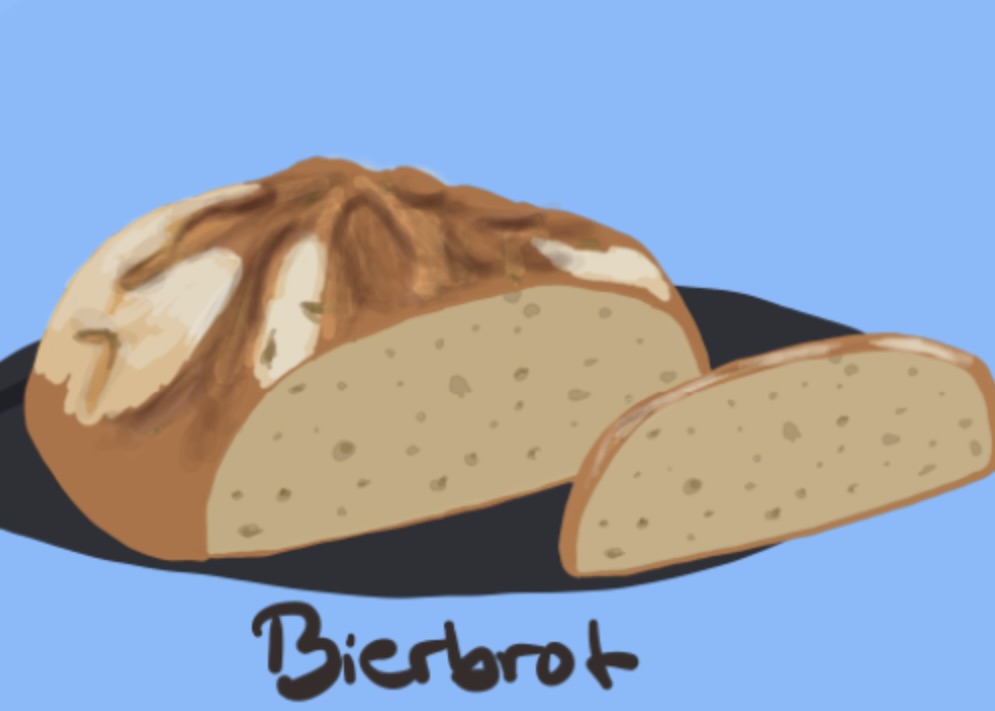
Beer bread
Stir up beer bread with baking powder and a melted-butter topping. Learn how to mix the batter briefly, choose the beer and bake a tender savory loaf.
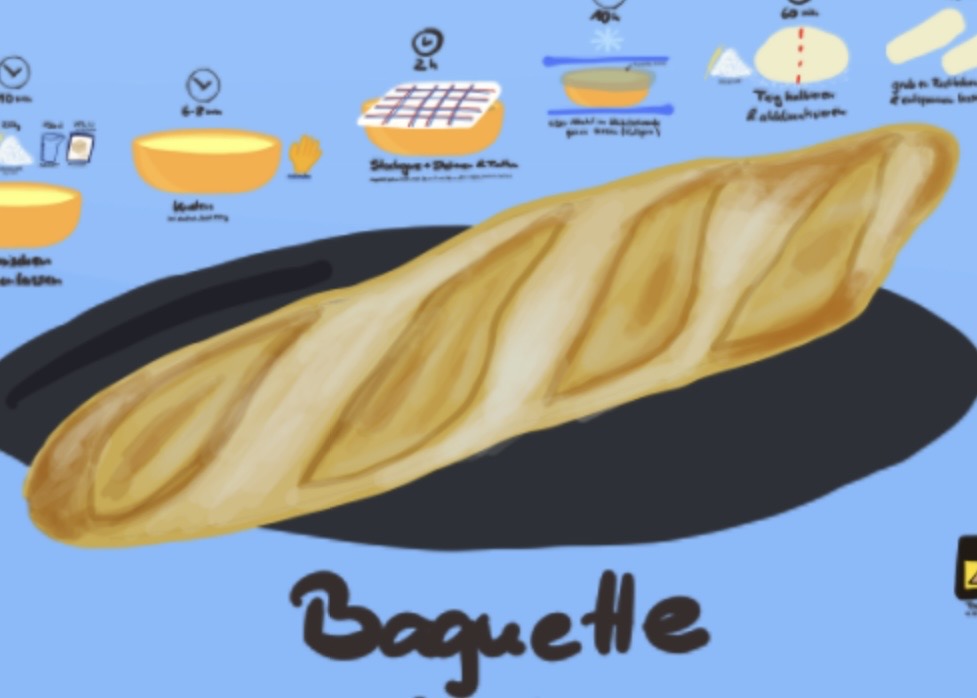
Baguette
Bake baguettes with a crisp crust and tender center. Find practical advice for shaping long loaves, scoring safely and using steam as your oven permits.
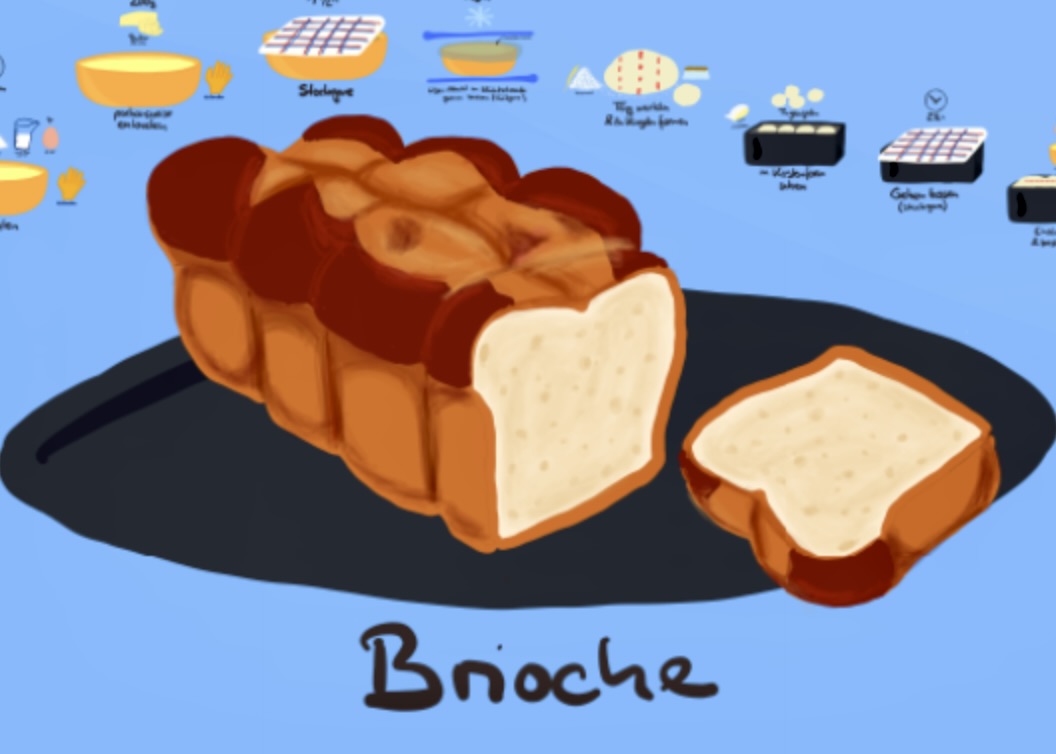
Brioche
Explore buttery brioche with eggs and milk. Learn to recognize a smooth dough and a puffy rise, check the bake, and choose sweet or savory toppings.
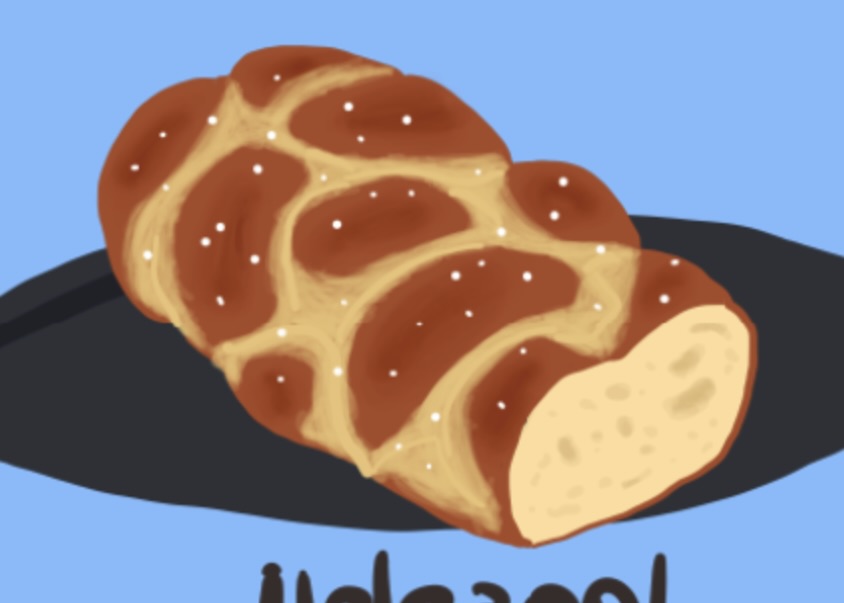
German Braided Sweet Bread
Bake a tender Hefezopf with a golden braid. Learn how to develop the dough, braid without pulling, judge the rise, and keep the center fully baked.

Bagels
Shape, briefly boil and bake bagels with a golden crust and a chewy center. Find practical tips for sealed rings, neat slicing and fresh breakfast toppings.