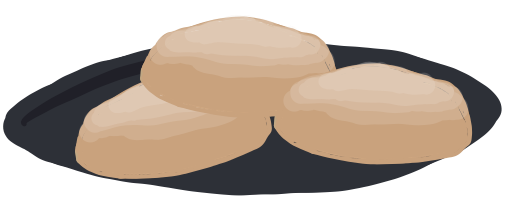
Chocolate Croissants with Flaky Layers
Cook along on the interactive map
Instructions 👩🍳
Step-by-step:
- Proof dough: Let chocolate croissant dough or pastry come to room temp if needed.
- Shape: Place chocolate sticks on dough and roll tightly.
- Second rise: Let shaped pastries rise until puffy (if using yeasted dough).
- Bake: Bake until deep golden and flaky.
- Cool and serve: Cool a few minutes and enjoy warm.
Chocolate croissants with flaky layers and a rich center
A chocolate croissant gives you two very different bites at once: delicate flakes on the outside and a rich chocolate center tucked into soft pastry. Start with prepared croissant dough, wrap it around chocolate sticks and let the oven bring out that buttery aroma. A few flakes on the plate are part of the pleasure. Give the filling time to cool before taking the first bite.
Prepared dough and chocolate sticks
Layered croissant dough already contains the thin layers that open up during baking. When it contains yeast, it also needs time to rise after shaping. Check the dough label or its recipe before you begin, since handling and baking guidance depend on the product.
Chocolate sticks make a filling you can enclose neatly. Keep them within the width of the dough so the pastry can wrap around them without tearing. The chocolate gives a concentrated cocoa flavor against the buttery layers; you do not need a separate sauce to make the center taste rich.
Shape gently and bake beyond the surface
Let the prepared dough become pliable only as needed and according to its instructions. It should bend without cracking while staying cool, with no soft, greasy butter smearing out. If it becomes too warm to handle neatly, return it to the refrigerator before continuing.
Roll the dough snugly around the chocolate without squeezing the layers flat. Set the seam underneath and leave space between the pastries on the tray. For yeasted dough, let the shaped pieces become visibly puffy, following the dough guidance. A fixed waiting time cannot tell you how every dough will behave.
Preheat and bake according to the dough instructions until the pastries are deeply golden, flaky and cooked through. Check the overlaps as well as the top. If you are unsure, open a pastry carefully and inspect the dough beside the chocolate: it should be set, with no raw, gummy band. Melted chocolate alone does not tell you whether the surrounding pastry is done.
Do not taste raw dough. Wash hands, tools and surfaces after handling it, and keep unused dough refrigerated according to its packaging. Let baked pastries cool on a rack before serving; the chocolate inside can be much hotter than the crust feels. Keep chocolate-filled pastry out of a slot toaster, where filling can leak onto the heating elements.
A warm pastry and a milky coffee
Serve when the pastry is still pleasantly warm and the chocolate has cooled enough to eat. Put the croissants on plates without piling them up, so their thin crusts do not get crushed.
A cappuccino brings roasted espresso flavor and soft milk foam alongside the chocolate. If you would like something without a chocolate filling in the breakfast basket, the plain croissant guide starts with baked pastry and offers gentle warming and filling ideas.
Two details for a tidier batch
- Compare before rolling: Similar pieces of dough make pastries that are easier to bake together. Check their size before adding the chocolate.
- Keep your tray cool: If baking in batches, let a used tray cool before putting more raw pastry on it. A hot tray can soften the underside before the pastry reaches the oven.
Optional changes to try
Try dark or milk chocolate sticks intended for baking, depending on whether you want more cocoa bitterness or a sweeter center.
Yeast-free puff pastry is an optional alternative for a different chocolate pastry. It can bake into crisp layers, but it will not have the same yeast-raised interior. Follow its own preparation and baking instructions; it does not need a yeast rise.
Pack after cooling and warm gently
Let spare baked chocolate croissants cool completely before packing them, so trapped steam does not immediately soften the crust. Freeze individually wrapped portions for later, following any product-specific guidance for the dough you used.
Remove the wrapping and refresh the pastry gently in the oven, watching the delicate edges. Let the chocolate cool again before eating.
Frequently asked questions
Do I need to make and fold the dough from scratch?
No. This preparation starts with croissant or pastry dough that is ready to shape. Check its instructions before filling it.
Why is butter smearing out while I roll?
The dough may be too warm. Chill it until it is cool and workable again, then continue gently without pressing the layers flat.
Why is the middle doughy when the top is brown?
The surface can color before the thick overlaps finish baking. Check the dough near the filling and continue baking as needed, using the guidance for your pastry.