
Milk Rolls: Soft, Lightly Sweet Breakfast
Cook along on the interactive map
Instructions 👩🍳
Step-by-step:
- Make the milk dough: Combine flour, yeast, sugar, salt, milk and egg into a cohesive dough. Refer to the illustrated recipe for ingredient quantities and preparation details.
- Incorporate the butter: Work the butter into the dough and knead until smooth and elastic.
- Let the dough rise: Cover and allow the dough to rise until visibly airy and expanded.
- Shape the milk rolls: Divide the dough and shape smooth rolls, placing the seams underneath on the prepared tray. Leave space for the rolls to expand.
- Finish and bake: Let the shaped rolls become puffy, brush with milk and bake until evenly golden and cooked through.
- Cool and serve: Move the milk rolls to a rack and let their soft crumb settle before opening and serving.
Soft Milk Rolls with a Lightly Sweet, Buttery Crumb

Soft milk rolls, a pot of jam and time for another coffee: a lovely breakfast. Milk, egg and butter give them a tender crumb and gentle sweetness. Try the first one slightly warm.
Knead a soft, buttery dough
Start with flour, yeast, sugar, salt, milk, egg and butter. Follow the yeast package directions; use lukewarm, not hot milk, and softened butter.
Combine flour, yeast, sugar, salt, milk and egg into a cohesive dough. Knead in butter gradually until smooth and elastic, without dry flour pockets or separate butter pieces.
Gather lightly tacky dough with a scraper rather than stiffening it with extra flour. Cover in a roomy bowl and let rise until visibly expanded and airy.
Shape, let rise again and bake
Divide into similar portions on a lightly floured surface. Draw the edges of each piece underneath to make a smooth top, pinch the seam closed and set it seam-side down on a prepared tray. Leave room for expansion.
Cover loosely and let the shaped rolls become puffy. Preheat the oven for baking. Brush the tops gently with milk, avoiding puddles around the bases, then bake until evenly golden and fully cooked inside. Check a roll's center rather than relying only on surface color; it should have a set crumb without raw, sticky dough.
Transfer to a rack and let the crumb settle before opening. Do not taste raw dough, and clean hands, tools and surfaces after contact with flour or raw egg. Keep raw flour and egg separate from finished bread.
A fruity breakfast topping
Spread a cut roll with our apricot jam with lemon. Its fruity sweetness suits the mild bread. Let homemade jam cool before serving, and keep its main container refrigerated. Butter underneath is optional.
Help the seam stay closed
Brush loose flour off the edges before pinching them together. A clean join seals more easily and helps keep the rounded shape.
Optional sesame tops
Sprinkle sesame seeds over some milk-brushed rolls before baking. They add a nutty note; leave the rest plain for comparison.
Set up before shaping
Prepare the tray, space on the counter and cooling rack while the first dough rises. Keep divided pieces covered while shaping the others.
Frequently asked questions
Why are the rolls dense?
Extra flour can stiffen the dough, while insufficient rising leaves less air inside. Keep it soft and allow both rises.
Can I add a cold filling while they are hot?
Let rolls cool first. Add chilled fillings just before eating so they keep their texture.
How do I store extra rolls?
Cool plain rolls fully before sealing. Freeze in portions for later; thaw unfilled and warm gently if desired. Keep perishable toppings refrigerated and separate.
Best Bakery Recipes to Try at Home
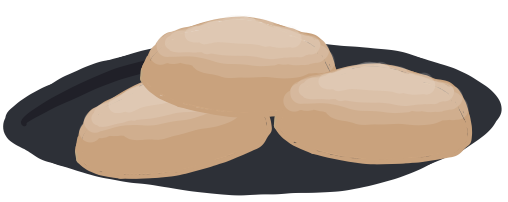
Ciabatta Rolls for Breakfast
Turn baked ciabatta rolls into a warm breakfast with butter, olive oil or cream cheese and your choice of fillings. Find serving and make-ahead tips.