
Caesar Salad Recipe: Classic, creamy & crunchy
Instructions 👩🍳
Cook along on the interactive map
Step-by-step:
- Make dressing: Whisk mayonnaise, lemon juice, mustard, garlic, salt, pepper; add anchovy if you like.
Show all steps...
- Prep lettuce: Wash and dry romaine, then chop.
- Add croutons: Add croutons to the bowl (store-bought or homemade).
- Toss: Toss lettuce with dressing until evenly coated.
- Finish: Top with parmesan and serve immediately.
Caesar Salad: crisp, creamy, and the ultimate classic salad with real flavor

Caesar salad is one of those rare salads that feels both fresh and genuinely satisfying. Crisp romaine lettuce, crunchy croutons, savory Parmesan, and a creamy, punchy dressing come together in a way that makes every bite balanced, rich, and lively. It works beautifully as a starter, a light main, a brunch salad, or a side for grilled dishes because it feels elegant without being complicated. A really good Caesar salad should never taste bland, soggy, or overdressed. The secret is texture contrast, strong seasoning, and a creamy dressing that coats the leaves without weighing them down.
Why Caesar salad works so well
- Classic contrast: Crisp lettuce, creamy dressing, crunchy croutons, and salty cheese make every bite more interesting.
- Big flavor from a small ingredient list: The dressing brings depth, acidity, richness, and savory character all at once.
- Fresh but satisfying: Caesar salad still feels light, but it has enough flavor and texture to feel like more than just greens.
- Very versatile: It works as a starter, side dish, lunch salad, or base for proteins like chicken or shrimp.
- Timeless appeal: Caesar salad stays popular because it feels familiar, polished, and reliably delicious.
High-Value Tips: How to make Caesar salad really good
- Use crisp romaine lettuce: Caesar salad depends on crunch. Fresh, cold romaine gives the salad its signature texture and keeps the creamy dressing from feeling too heavy.
- Dry the lettuce thoroughly: Wet leaves dilute the dressing and make the salad watery instead of glossy and well coated.
- Build a balanced dressing: Creaminess is important, but so are acidity, garlic, mustard, and savory depth. A good Caesar dressing should taste bold, not flat or overly rich.
- Use garlic with control: Caesar dressing should have a clear garlic note, but too much raw garlic can dominate the whole salad.
- Anchovy should add depth, not fishiness: If you use it, it should disappear into the dressing and boost umami rather than taste obvious and harsh.
- Croutons need real crunch: Soft croutons weaken the whole salad. Toast them well so they stay crisp even after dressing hits the bowl.
- Grate or shave the Parmesan properly: The cheese should distribute well and add salty, nutty character in more than just a few heavy bites.
- Dress shortly before serving: Caesar salad is best when the leaves stay crisp and the dressing has just coated everything lightly.
- Do not overdress: The lettuce should be glossy, not drowning. Too much dressing quickly turns Caesar salad heavy and soggy.
- Season clearly: Lettuce needs enough salt, pepper, lemon brightness, and savory depth, or the salad will taste much weaker than it looks.
Variations & alternatives
- Classic Caesar salad: Romaine, creamy dressing, croutons, and Parmesan for the timeless version.
- With grilled chicken: Turns Caesar salad into a fuller lunch or dinner while keeping the classic feel.
- With shrimp: A lighter but still savory variation that works especially well in warm weather.
- Vegetarian version: Skip the anchovy and build flavor with mustard, lemon, Parmesan, and a strong dressing balance.
- With extra crunch: Add toasted seeds or more croutons for a stronger texture contrast.
- Lighter style: Use a slightly fresher dressing balance with a little less creamy base and more lemon lift.
Serving ideas / pairings
- Classic starter: Serve Caesar salad before pasta, grilled chicken, or a simple fish dish.
- Light main course: Add grilled chicken, shrimp, egg, or extra croutons for a more filling plate.
- Brunch salad: It works surprisingly well next to toasted bread, soft eggs, or savory pastries.
- Side for grilled dishes: Caesar salad balances richer meats with freshness and crunch.
- Sharing bowl: Serve in a wide bowl so the leaves stay airy and the croutons do not get crushed too quickly.
Storage, Meal-Prep & Reheating
Caesar salad is best assembled right before serving, because the lettuce and croutons lose their signature texture once they sit in dressing too long. For meal prep, keep the washed lettuce, dressing, croutons, and Parmesan separate, then combine everything shortly before eating. The dressing itself can be made ahead very well and often tastes even better after chilling briefly. Reheating is not relevant here, because Caesar salad should stay cold, crisp, and freshly dressed.
FAQ
Why is my Caesar salad soggy?
Usually because the lettuce was still wet, the salad was dressed too early, or too much dressing was used.
What makes Caesar dressing taste really good?
A good balance of creaminess, lemon, garlic, mustard, salt, pepper, and savory depth is what makes it feel complete.
Do I need anchovy for Caesar salad?
Not strictly, but it adds classic savory depth. Used well, it should support the dressing rather than stand out sharply.
Can I make Caesar salad ahead?
You can prepare the components in advance, but the salad itself should be tossed shortly before serving.
What goes best with Caesar salad?
Grilled chicken, shrimp, bread, pasta, or simple roasted dishes all pair especially well.
Best Salad Recipes to Try at Home
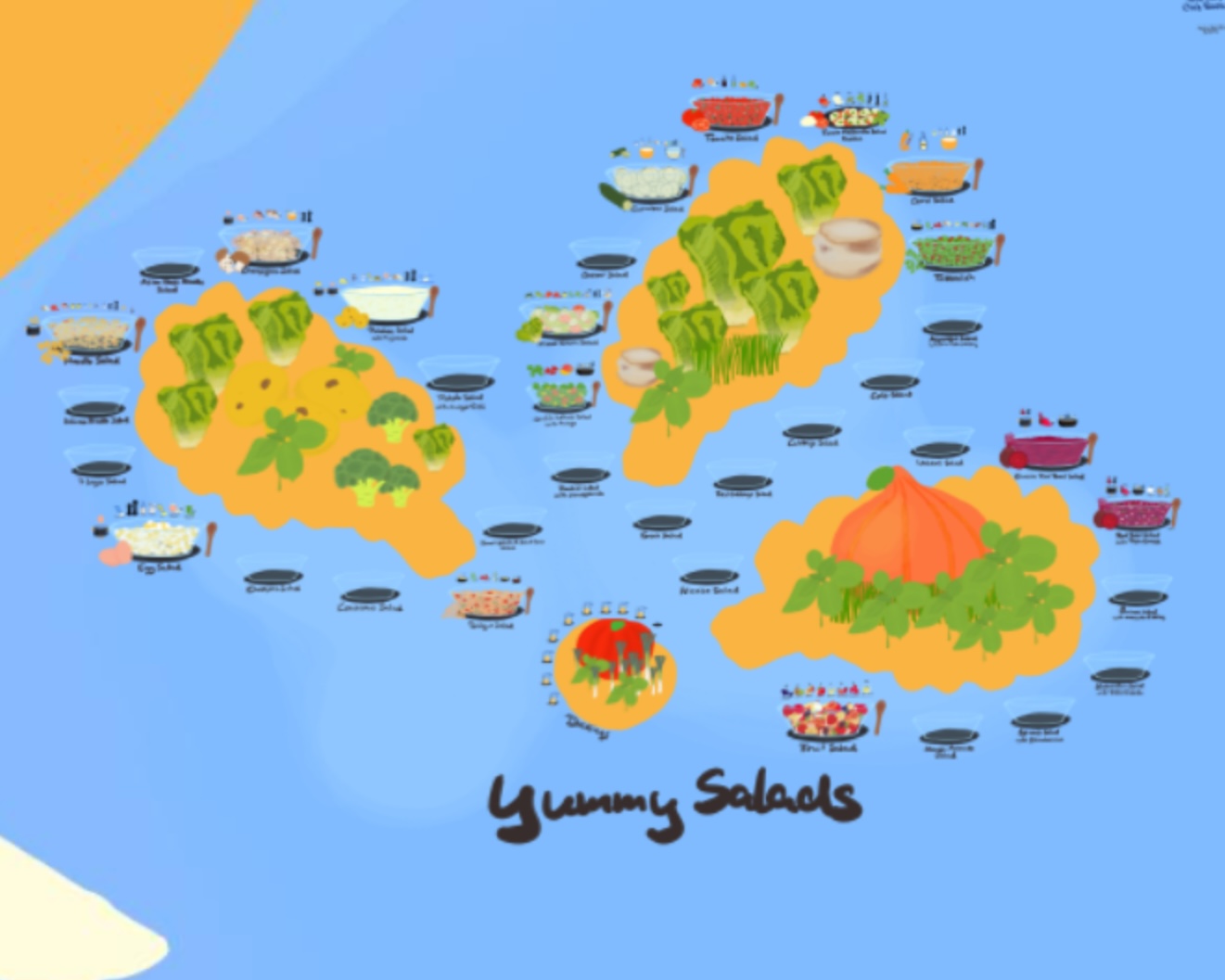
Yummy Salads
Explore creative salad recipes for every occasion—from refreshing summer bowls to hearty winter options. Get inspired with yummy.world and enjoy the variety!
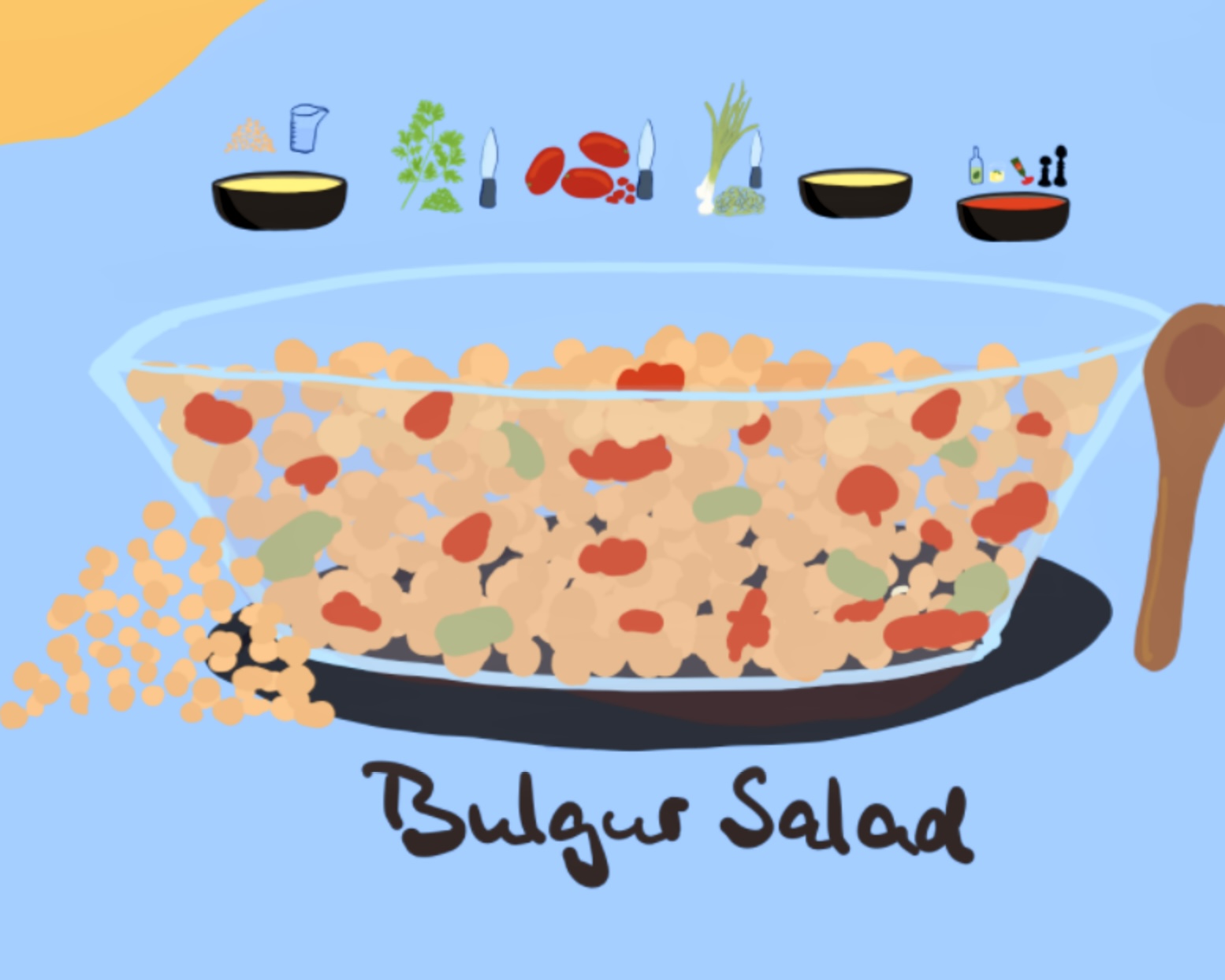
Bulgur Salad
Bulgur salad with parsley, tomato, cucumber and spring onion—lemony dressing, olive oil and pomegranate option; meal-prep friendly, perfect for BBQs and lunch boxes.

Couscous salad
Discover couscous salad on yummy.world! Fresh, zesty salad—perfect for BBQs, lunch boxes, and meal prep.
Chickpea salad
Discover chickpea salad on yummy.world! Protein-rich, fresh, and quick—perfect everyday lunch.
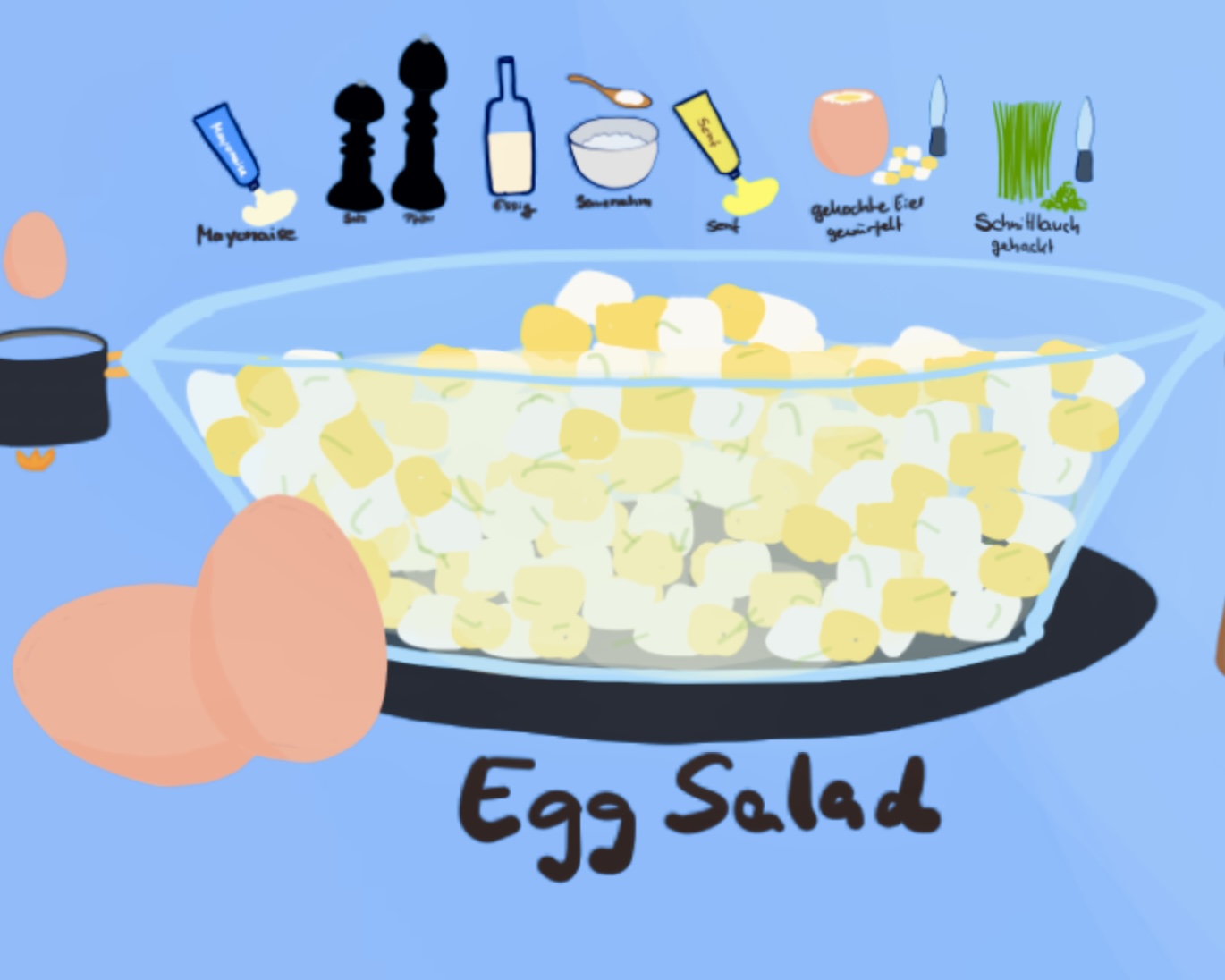
Egg Salad
Discover egg salad on yummy.world! Creamy, savory, and quick—perfect for sandwiches and lunch boxes.
7 Layer salad
Discover 7 layer salad on yummy.world! Easy make-ahead party salad—creamy, crunchy, and crowd-pleasing.
Italian noodle salad
Discover Italian noodle salad on yummy.world! Mediterranean pasta salad—great for BBQs and potlucks.
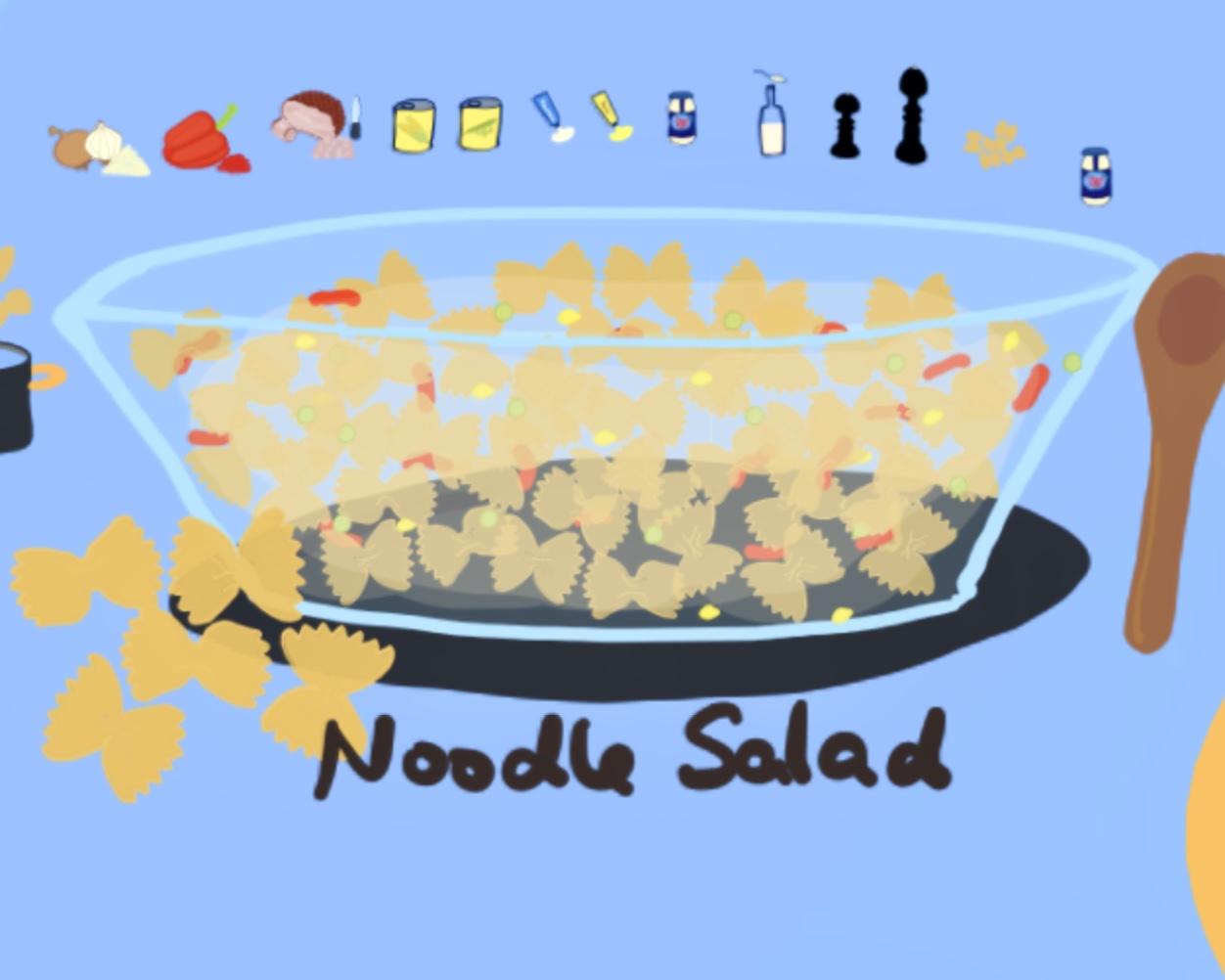
Noodle Salad
Discover noodle salad on yummy.world! Simple make-ahead salad—great for BBQs, lunch boxes, and buffets.
Asian glass noodle salad
Discover Asian glass noodle salad on yummy.world! Fresh, zesty, and light with a punchy dressing.
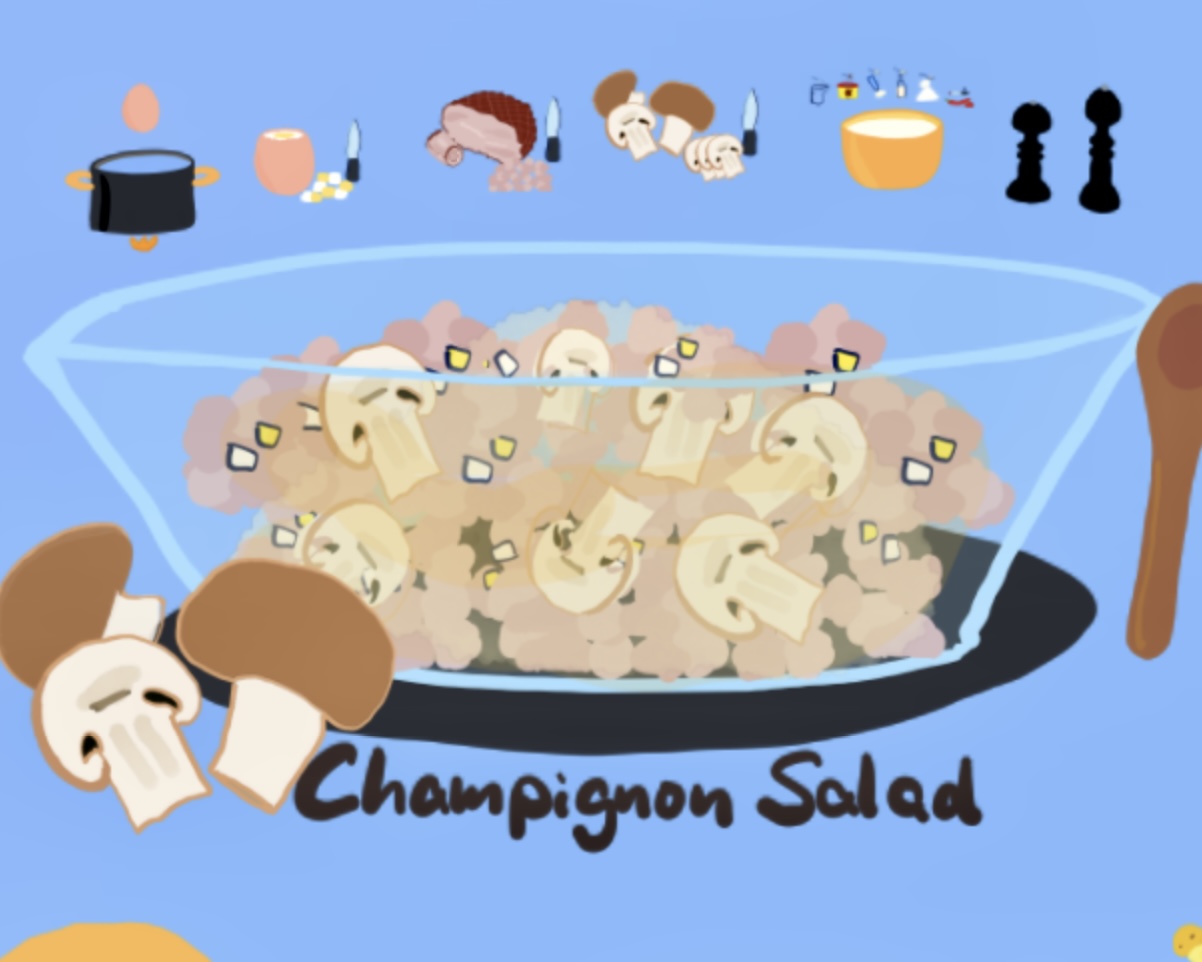
Champignon Salad
Discover champignon salad on yummy.world! Quick marinated mushrooms—light, savory, and great as a side.
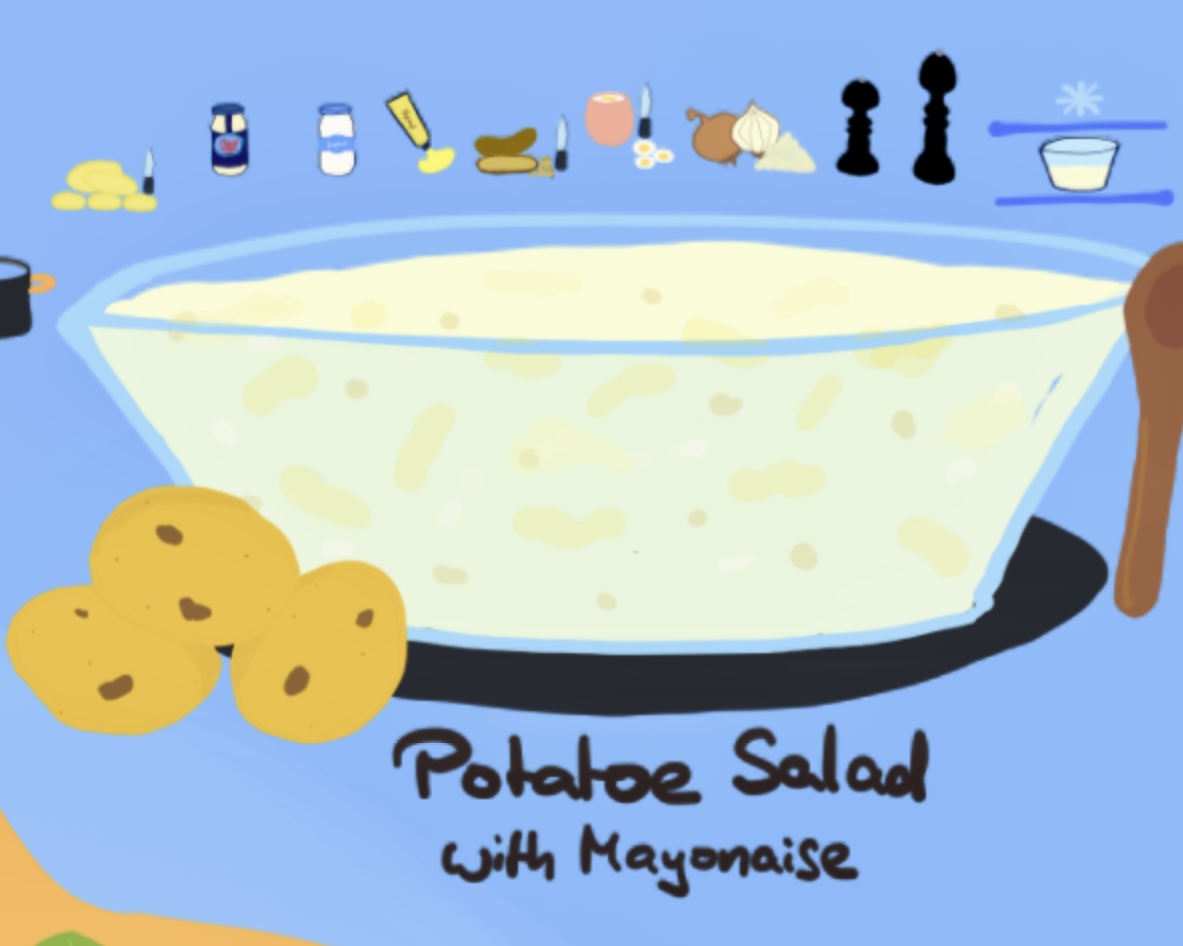
Potatoe Salad
Discover potato salad on yummy.world! Simple, comforting side dish—perfect for BBQs and picnics.
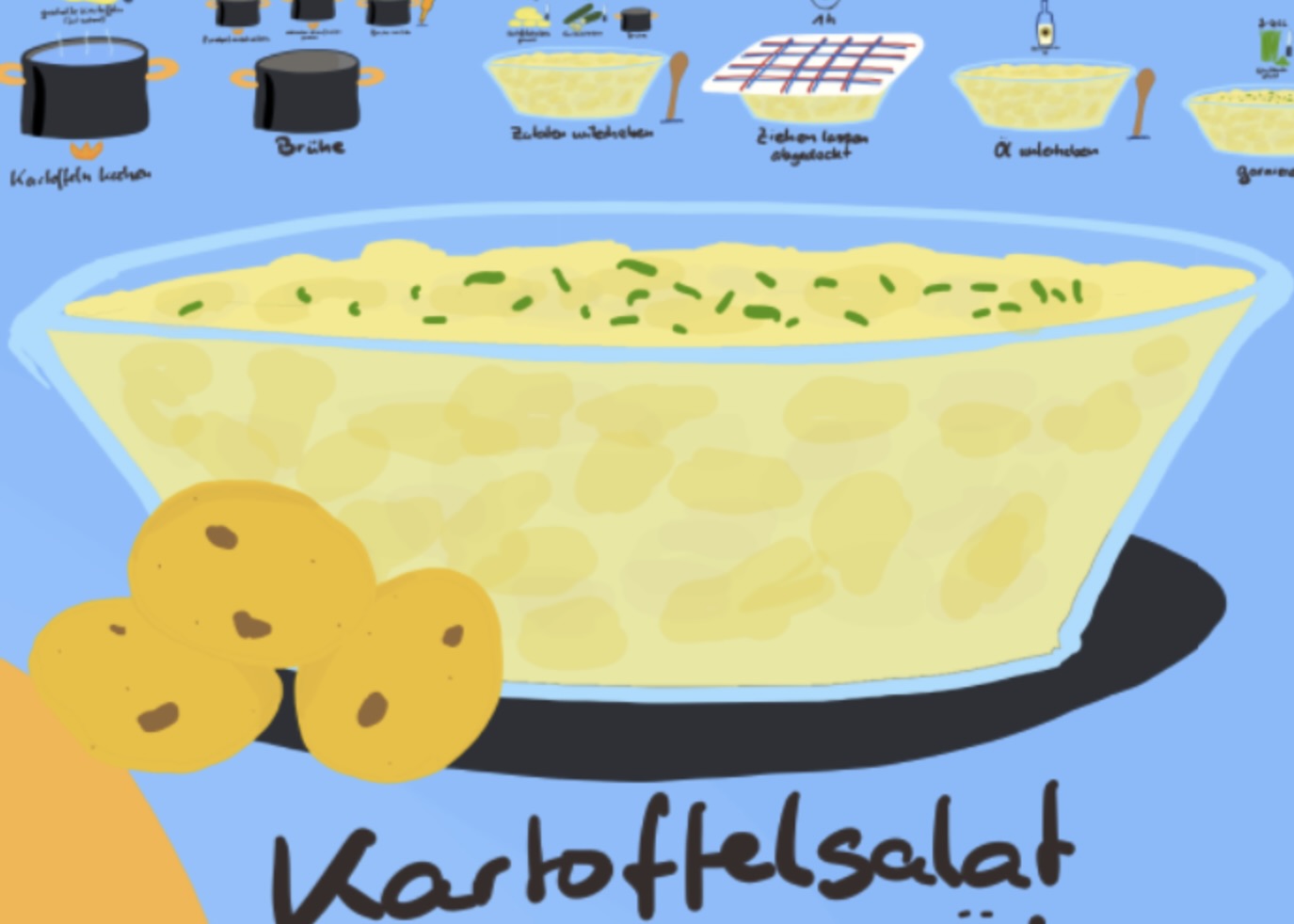
Potato Salad with vinegar & oil
Discover potato salad with vinegar & oil on yummy.world! Classic light style—perfect for BBQs and picnics.
Sweet potato & black bean salad
Discover sweet potato & black bean salad on yummy.world! Hearty, colorful salad—great for meal prep and BBQs.
Rocket salad with pomegranate
Discover rocket salad with pomegranate on yummy.world! Peppery greens with fruity crunch—quick and elegant.
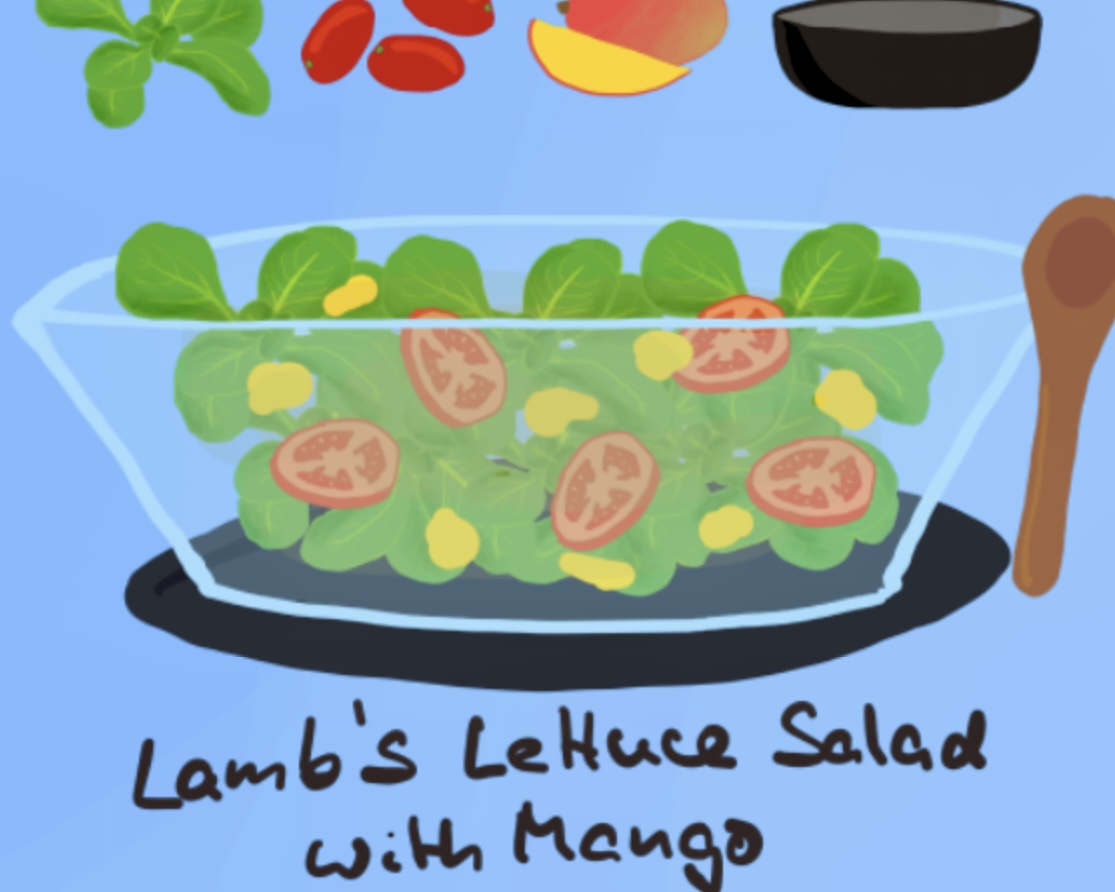
Lamb's Lettuce Salad with mango
Discover lamb’s lettuce salad with mango on yummy.world! Fruity, fresh salad—light, quick, and colorful.
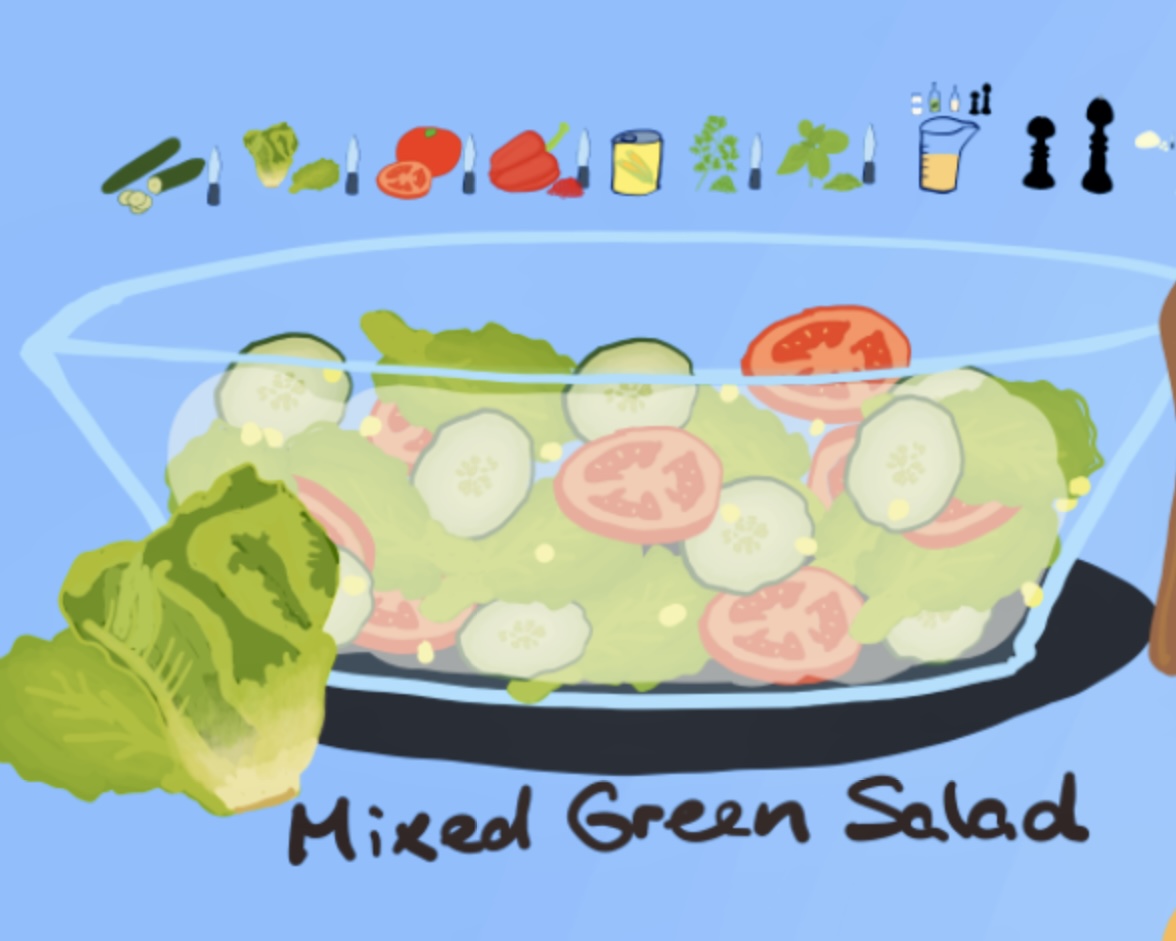
Mixed Green Salad
Discover mixed green salad on yummy.world! Simple everyday greens with an easy dressing—fresh and quick.
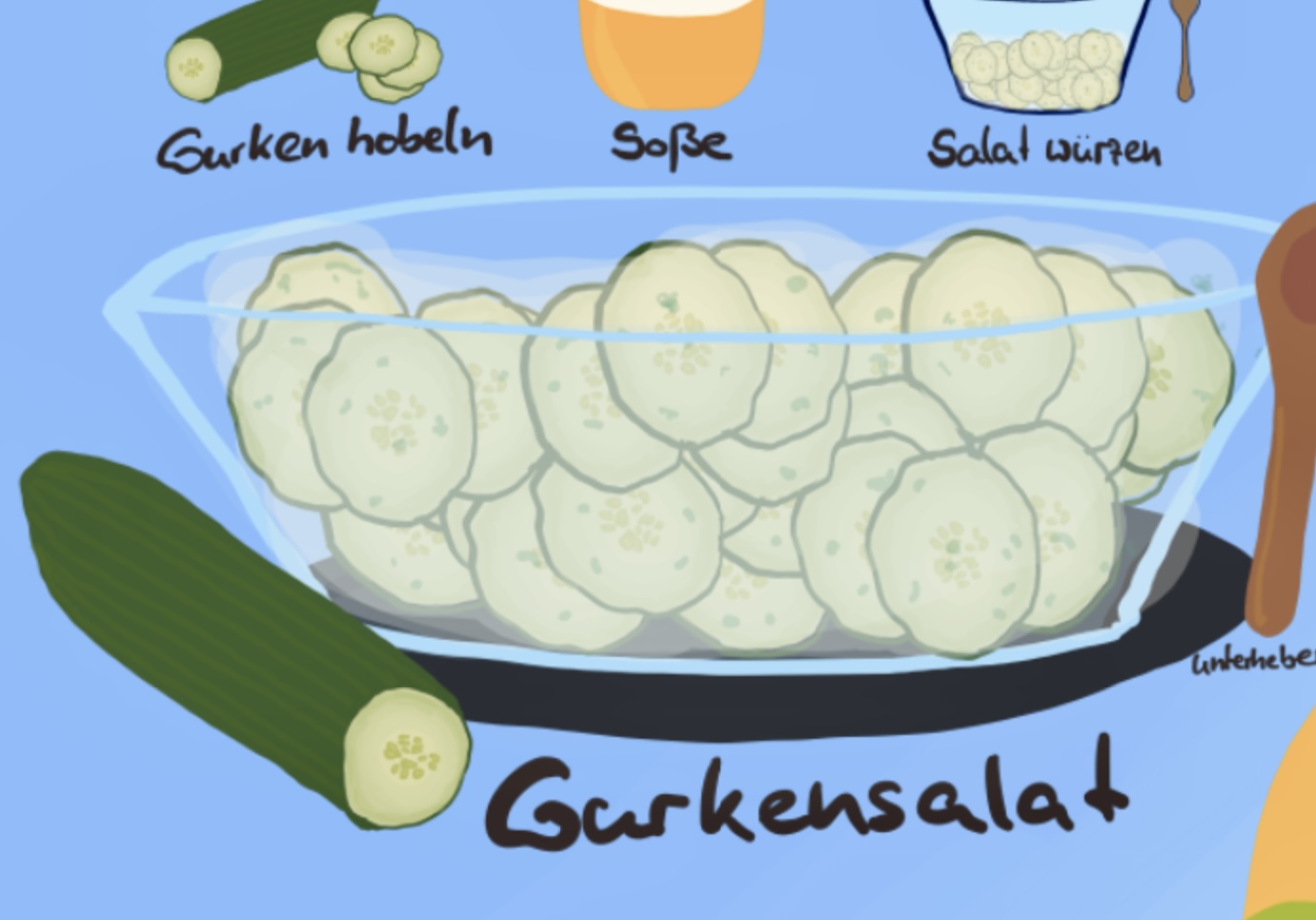
Cucumber Salad
Discover cucumber salad on yummy.world! Crisp, refreshing, and ready in minutes—perfect side dish.
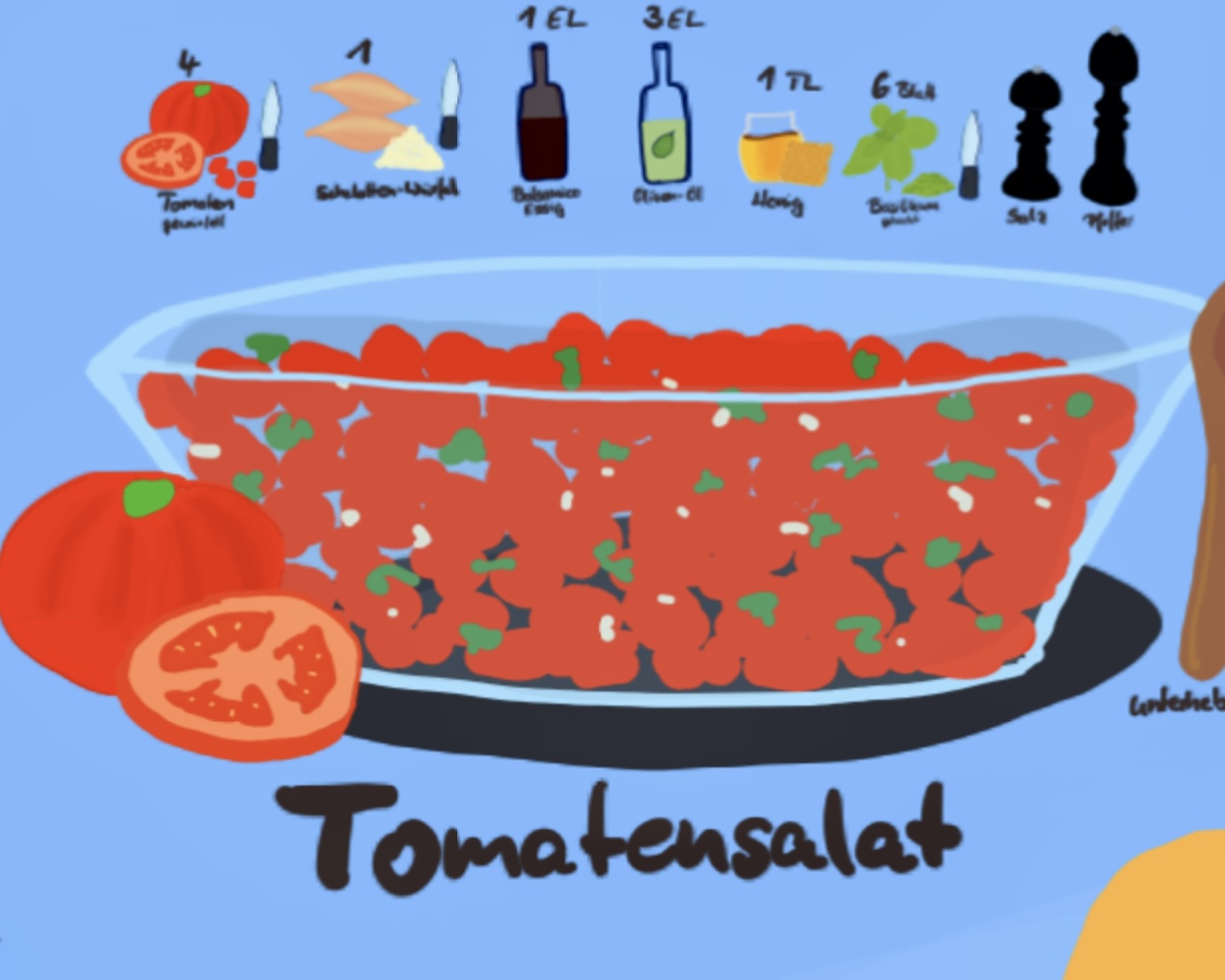
Tomato Salad
Discover tomato salad on yummy.world! Juicy tomatoes with a simple dressing—fast, fresh, and flavorful.
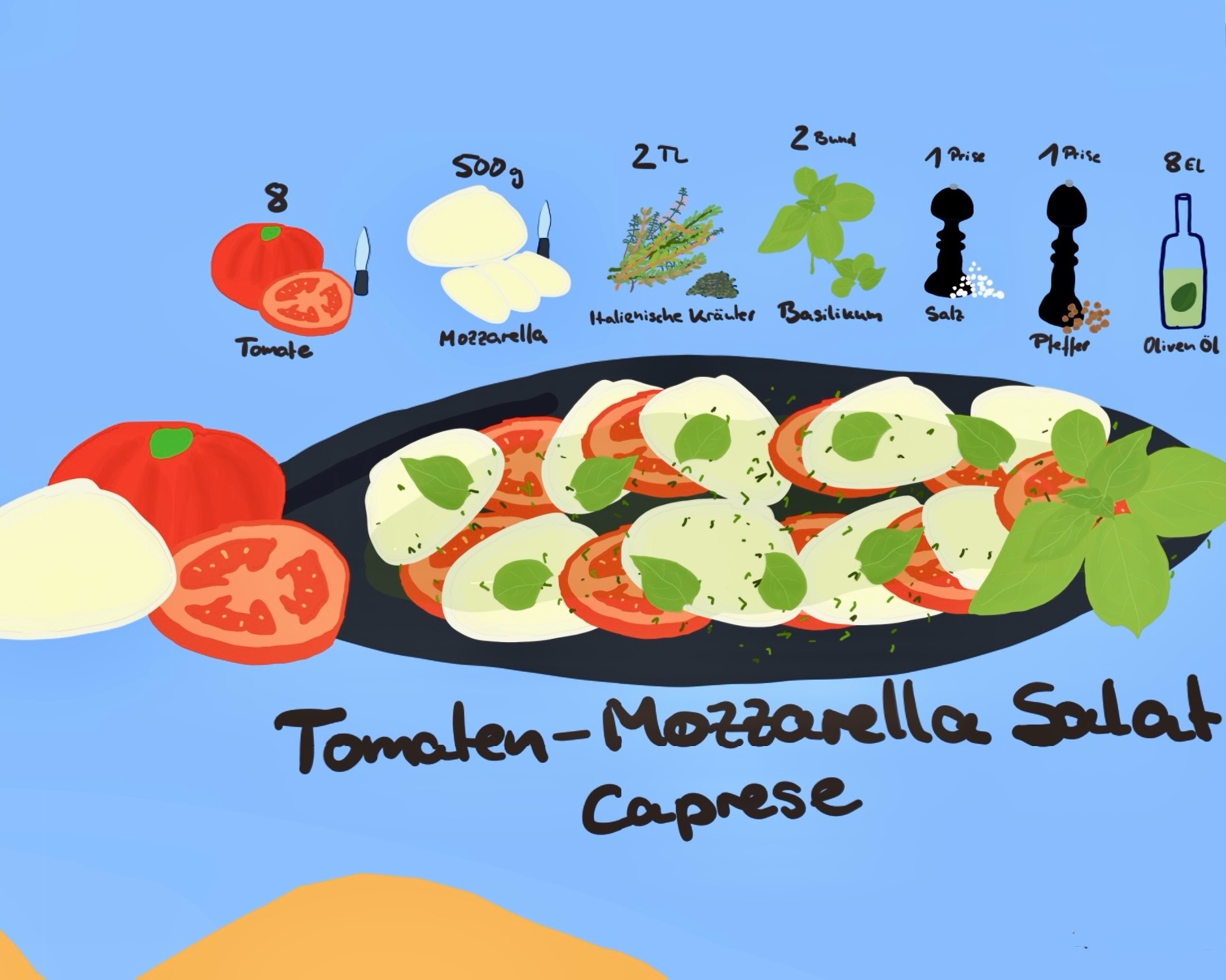
Tomato mozzarella salad
Discover tomato mozzarella salad on yummy.world! Caprese-style classic—fresh, quick, and always a hit.
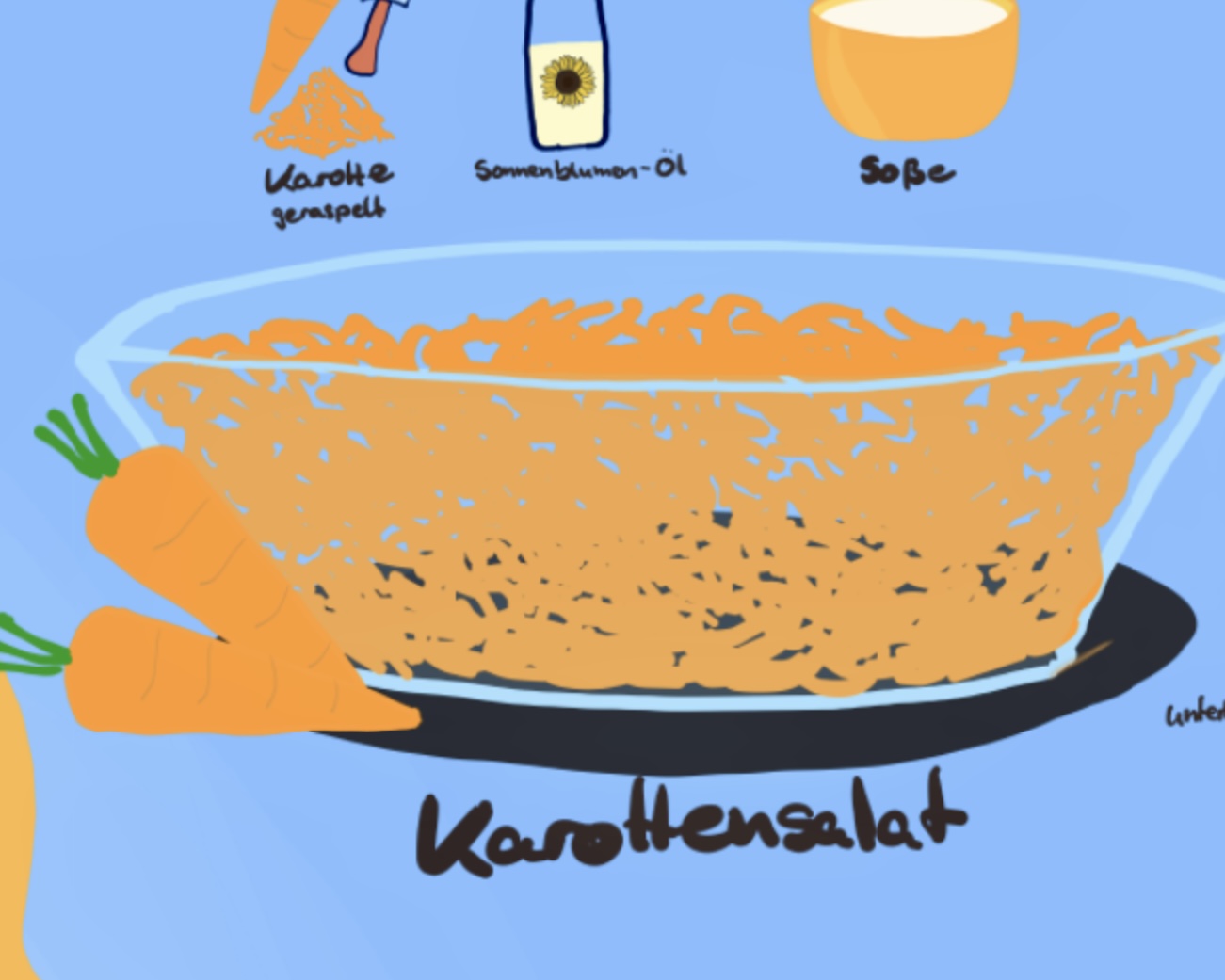
Carrot Salad
Discover carrot salad on yummy.world! Bright, crunchy side with a simple dressing—ready in minutes.
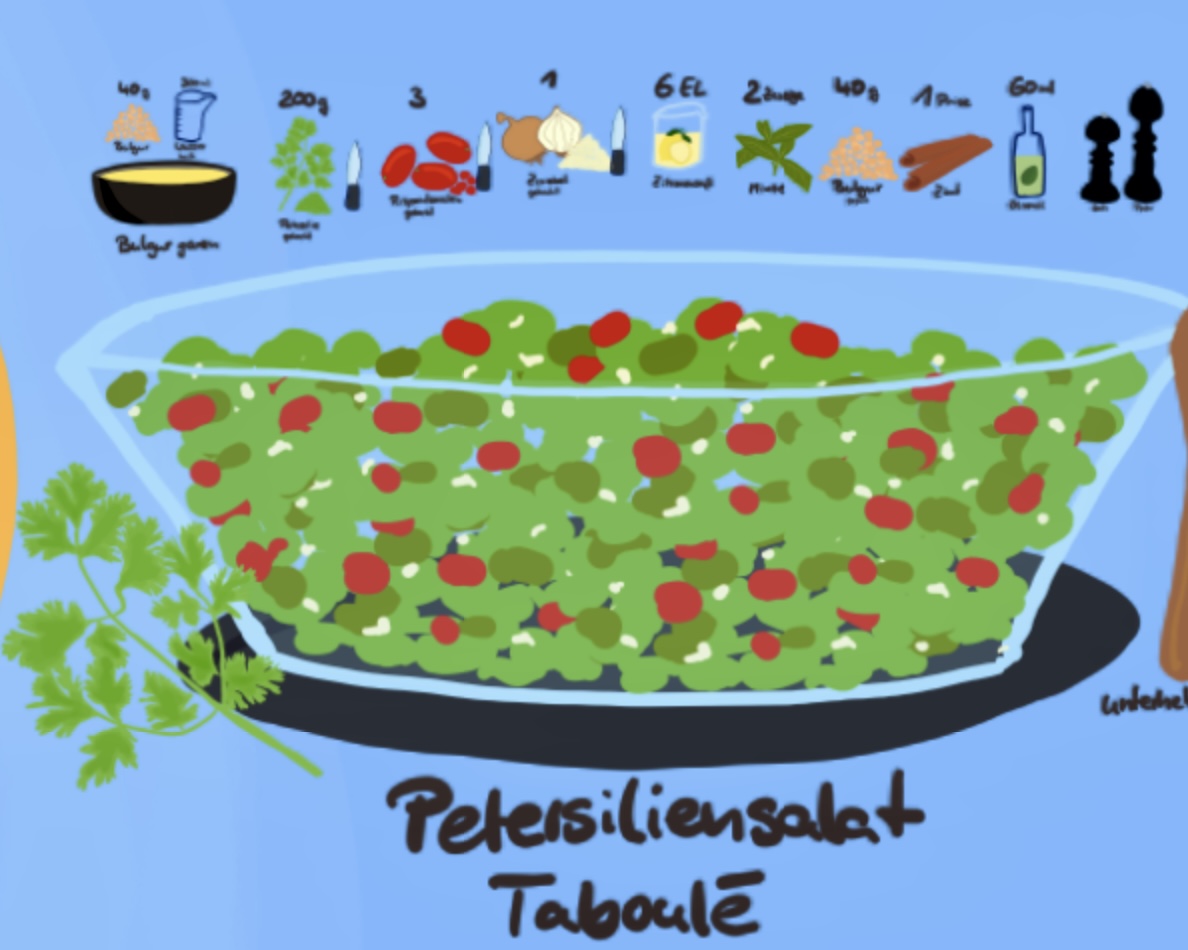
Tabbouleh
Discover tabbouleh on yummy.world! Herb-packed salad with bulgur, lemon, and a refreshing bite.
Asparagus Salad
Discover asparagus salad on yummy.world! Light seasonal salad—fresh, elegant, and easy to make.
Coleslaw
Discover coleslaw on yummy.world! Creamy cabbage salad—perfect for BBQs, burgers, and sandwiches.
Cabbage Salad
Discover cabbage salad on yummy.world! Crunchy, refreshing side—perfect with BBQ and sandwiches.
Red Cabbage Salad
Discover red cabbage salad on yummy.world! Crunchy, colorful salad—fresh, tangy, and easy.