
Salad Recipes: Crunchy Sides and Meal Ideas
Cook along on the interactive map
Salad recipes with crunch, tang, and creamy dressings

A good salad gives you a reason to reach for another forkful: crisp cabbage, tender potatoes, a tangy dressing, or a mix of soft and crunchy ingredients. Start with the part of the meal it needs to play. A side beside hot food calls for a different bowl than a salad you want to build lunch around.
Two different ways to fill the bowl
Coleslaw brings finely shredded cabbage and carrot together with a creamy mayonnaise-and-vinegar dressing. It is a useful cool contrast to a toasted sandwich or something hot from the grill. Potato salad with vinegar and oil offers tender potato pieces, cucumber, and chives in a savory, tangy dressing. This particular version also contains beef broth powder and butter, so it is not a vegetarian alternative to the slaw.
Match the dressing to the ingredients
Thinly sliced vegetables pick up dressing more evenly than large, uneven pieces. Delicate leaves need a light hand and dressing close to serving; cabbage can benefit from the short rest specified in its recipe. Potatoes need gentle folding so they keep their shape. Taste a dressed bite of the salad, rather than just the dressing, before adjusting the seasoning.
Make combinations with a clear contrast
Pair creamy coleslaw with a warm sandwich and keep most of it alongside so the bread stays crisp. Serve potato salad beside cooked vegetables, chicken, or sausages. If you put both salads on a shared table, use separate bowls and utensils: their creamy and vinegar-based dressings offer a useful contrast. For a leafy salad of your own, combine tender leaves with crisp cucumber and a dressing you enjoy rather than adding every topping at once.
Keep the salad fresh for serving
Wash fresh produce before preparing it and drain well so water does not dilute the dressing. Keep ready-to-eat salad away from raw meat and its utensils. Refrigerate perishable salads, including potato salad with vinegar; acidity is not a substitute for cold storage. For transport, use a cooler with ice packs and keep the reserve chilled when serving a buffet.
Frequently asked questions
Which salad works beside hot food?
Coleslaw offers cool crunch and a creamy tang. Potato salad provides softer pieces and a savory vinegar dressing; choose the contrast you prefer.
Why does my salad turn watery?
Water from washing and moisture released by cut vegetables can collect in the bowl. Drain the ingredients well and dress delicate leaves close to eating.
Can a salad be the main meal?
Yes. Choose a recipe and portion that suit the meal, or add suitable cooked components. Keep those additions distinct from the ingredients of the linked recipes.
Does a vinegar dressing mean I can skip refrigeration?
No. Prepared potato salad and other perishable salads still need chilled storage and careful handling.
Greek salad with juicy tomatoes, feta and olives

Juicy tomatoes, cool cucumber and salty feta: one forkful already tastes like summer. Add Kalamata olives, oregano and a simple dressing, and this Greek salad is ready for the table. A piece of bread for the juices is always a good idea.
Fresh vegetables and a tangy dressing
Roma tomatoes, cucumber, green bell pepper and red onion make the vegetable base. Kalamata olives and feta bring the savory, salty flavor. Olive oil, red wine vinegar, oregano, salt and black pepper are all you need for the dressing.
Chop, dress and finish with feta
Wash the vegetables under running water and dry them. Remove tomato stems, cucumber ends and pepper seeds and core. Cut the tomatoes, cucumber and pepper into comfortable bite-size pieces. Peel and thinly slice the red onion so its sharpness spreads through the bowl.
Drain the olives and feta, and remove any olive pits. Whisk the red wine vinegar with olive oil, oregano and black pepper. Fold the vegetables and olives through it, then taste with a little feta before adding salt. The cheese and olives already contribute plenty of seasoning.
Place feta on top in a slab or add generous pieces with one gentle turn of the spoon. Serve freshly assembled, while the vegetables are crisp. Keep prepared vegetables and feta refrigerated until needed.
Three ways to keep a good bite
- Use a sharp tomato knife. Clean cuts keep ripe pieces from getting crushed.
- Check the cucumber center. Scoop out a very loose, watery center; a firm one can stay.
- Add feta last. Repeated stirring turns small crumbles into part of the dressing.
Make a small change
Red bell pepper gives a sweeter version than green. A few capers add more tang, or cooked, drained chickpeas make the bowl more substantial. These are optional additions; taste again before adding salt.
For lunch or beside the grill
Serve with bread, grilled fish or roasted vegetables. Spoon some tomato juice and dressing over each portion. On a shared salad table, our beet salad with caraway adds tender vegetables and a gently sweet flavor. Give each bowl its own serving spoon.
Keep leftovers at 40°F or below. Limit the total time out of refrigeration to two hours, or one hour above 90°F, and discard food left out longer. Follow the feta package's storage guidance.
Get the parts ready
Keep prepared vegetables, drained olives, feta and dressing separately covered in the refrigerator. Combine only what you need for the meal. Dress the rest later for a crisper bowl, and keep bread separate so it does not become soggy.
Frequently asked questions
Does this salad need lettuce?
No. The base here is tomatoes, cucumber, green pepper and red onion.
Should I add lemon juice?
This dressing uses red wine vinegar. Extra lemon would make it more acidic, so it is not part of the base recipe.
Why is there liquid at the bottom?
Tomatoes and cucumber release juice that mixes with the dressing. A little is normal. Dry the washed vegetables and dress close to serving to keep the salad crisp.


Ideas for a varied salad table

Tomato Mozzarella Salad
Fresh Delight in Every Bite!

Champignon Salad
Fresh Flavors, Naturally Perfect!

Bacon-Wrapped Dates
Sweet Meets Savory: The Perfect Bite!

Cheeseburger
Get closer to heaven with some yummy burgers!

Chorizos
Spice Up Your Grill with Flavorful Sizzle

Grilled Chicken Breast
Grilled to Perfection, Packed with Flavor!

Grilled Corn on the Cob
Golden kernels, smoky taste!

Grilled Pizza Rolls
The Ultimate BBQ Snack You Didn’t Know You Needed!

Focaccia for BBQ
The Perfect BBQ Sidekick!

Aioli
Where Taste Meets Creamy

Rhubarb Crumble
Sooo yummmmmyyy!

Whiskey Sour
The Classic Cocktail That Never Goes Out of Style

Malbec
Bold Flavor, Rich Character
Best Salad Recipes to Try at Home
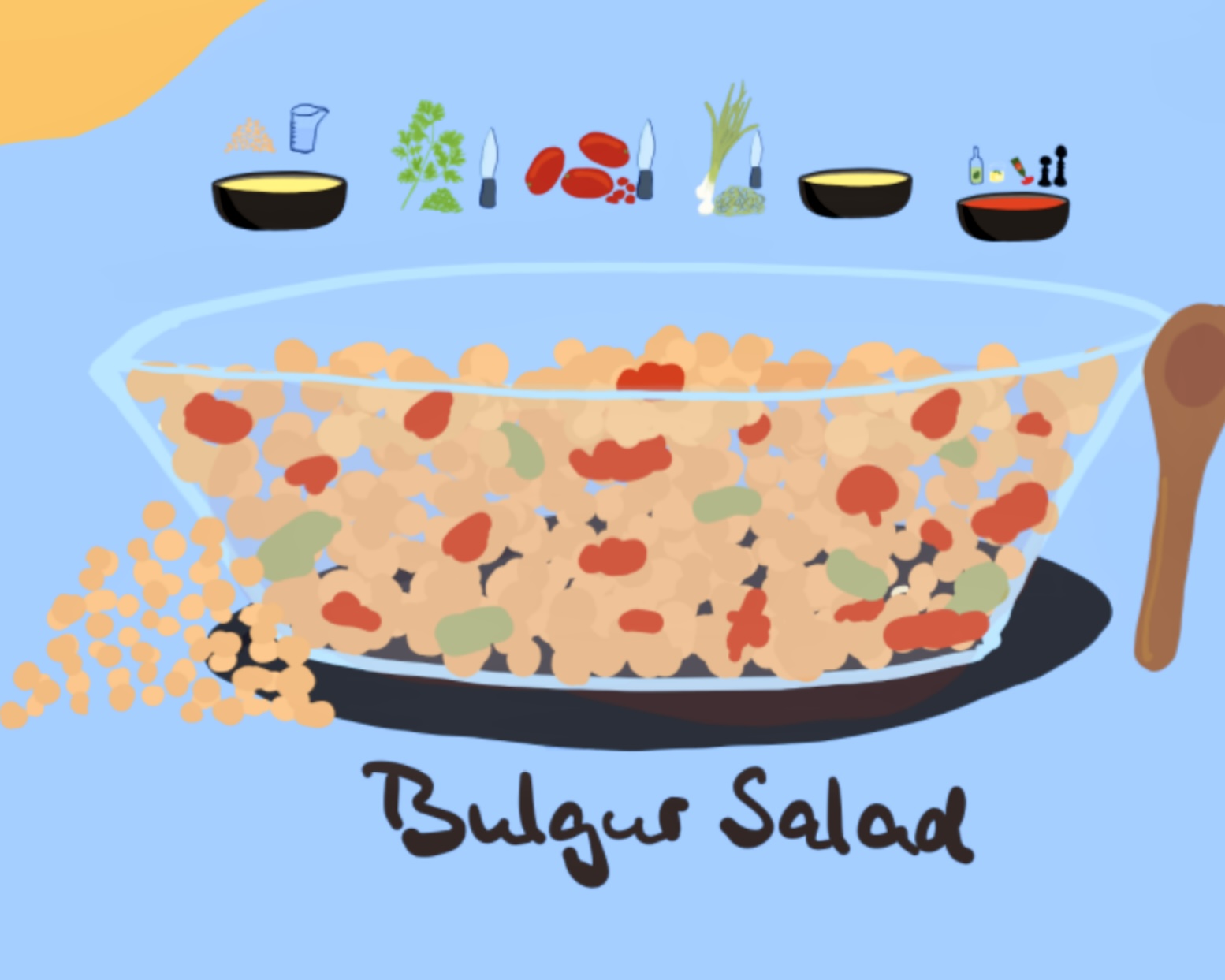
Bulgur Salad
Juicy tomatoes, parsley, and lemon make this bulgur salad a fresh lunch or BBQ side. Find easy tips for fluffy grains and a flavorful tomato dressing.
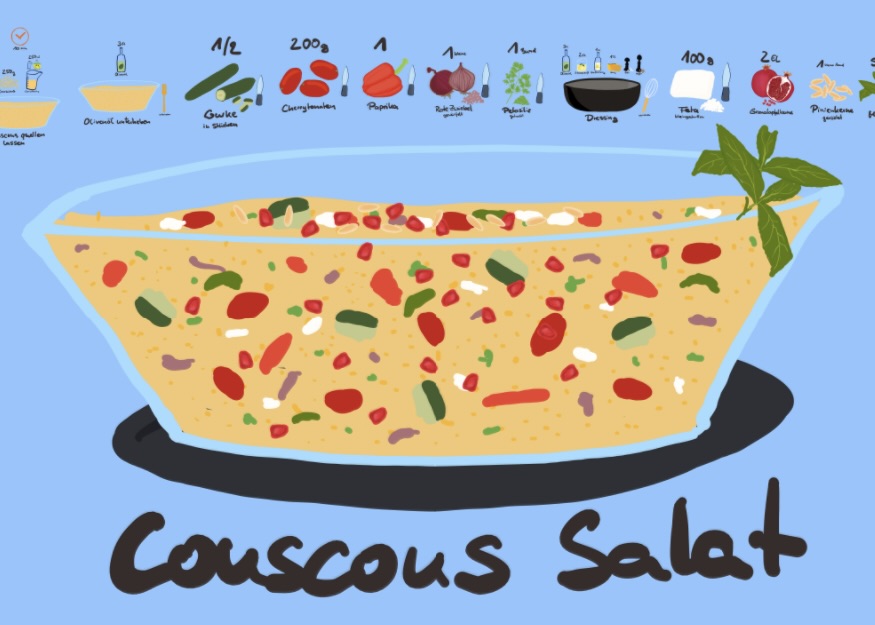
Couscous salad
Fluffy couscous, crisp vegetables and parsley meet a bright lemon dressing. Learn how to keep the grains separate and the finished salad fresh.
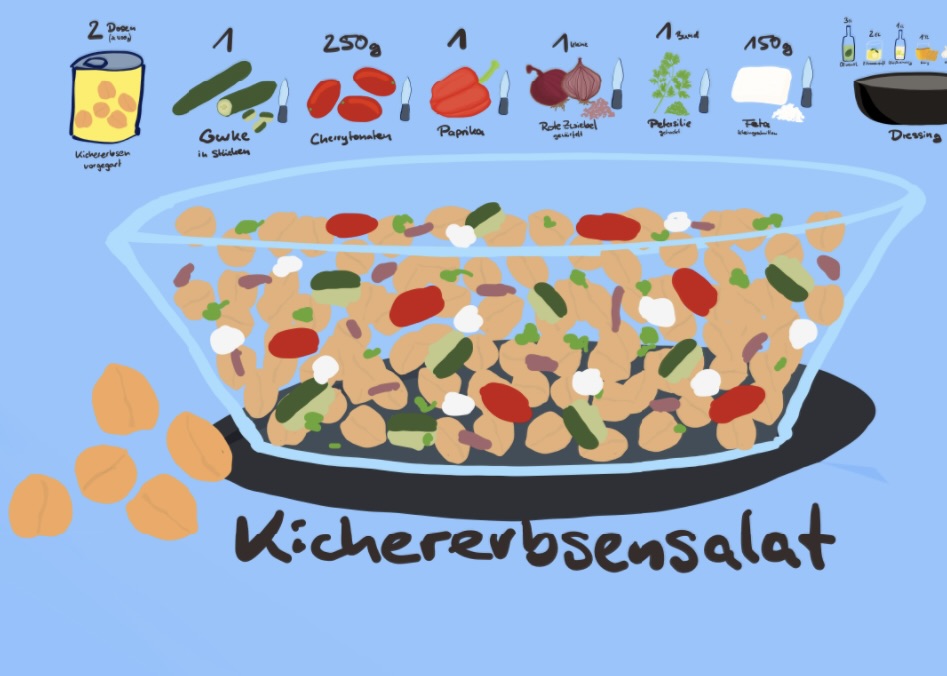
Chickpea salad
Canned chickpeas, crisp vegetables and feta make a colorful salad with lemon and herbs. Get the draining, dressing and chilled serving details right.
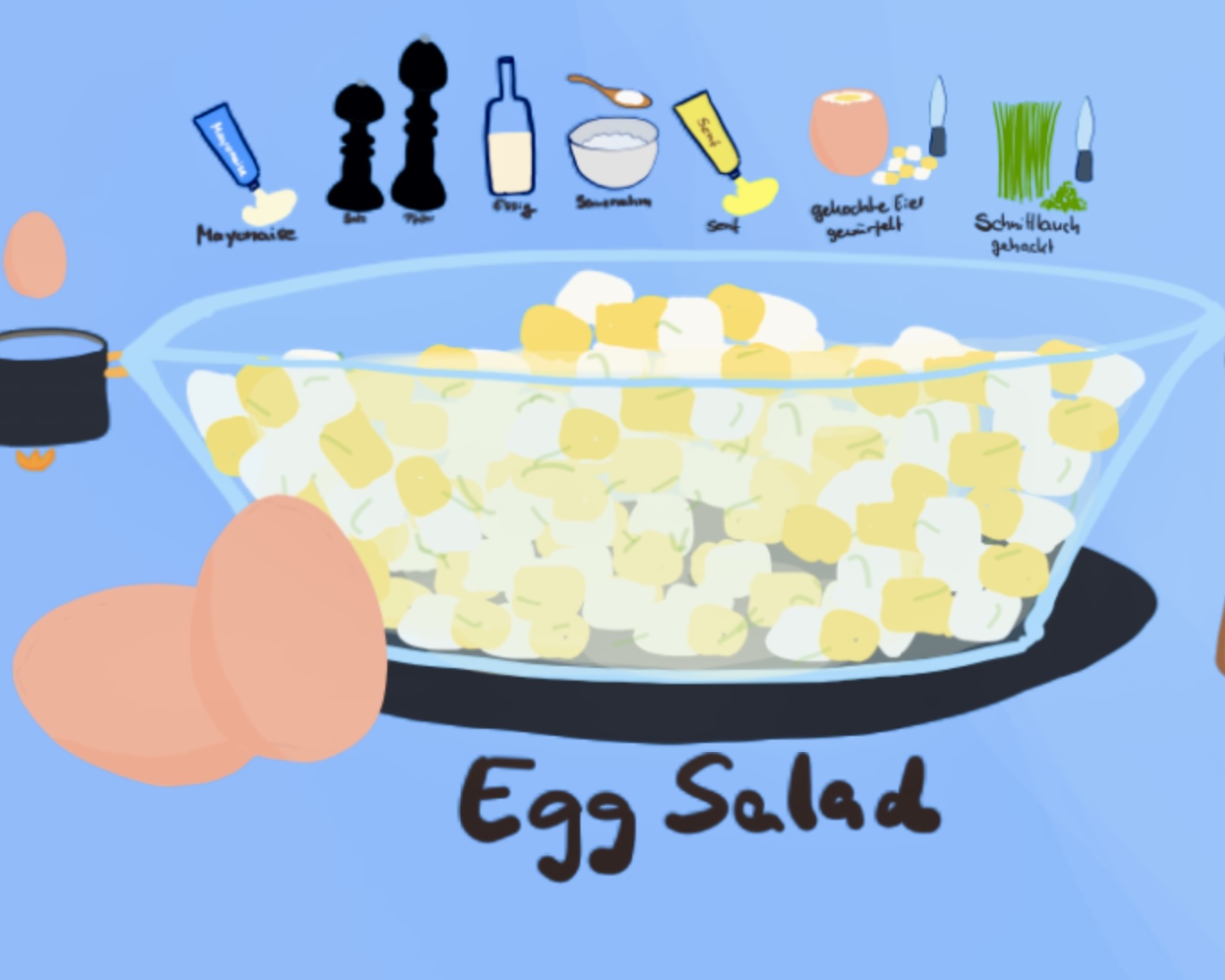
Egg Salad
Make creamy egg salad with mayonnaise, mustard, vinegar, and fresh chives. Find tips for tender pieces, balanced seasoning, sandwiches, and chilled storage.
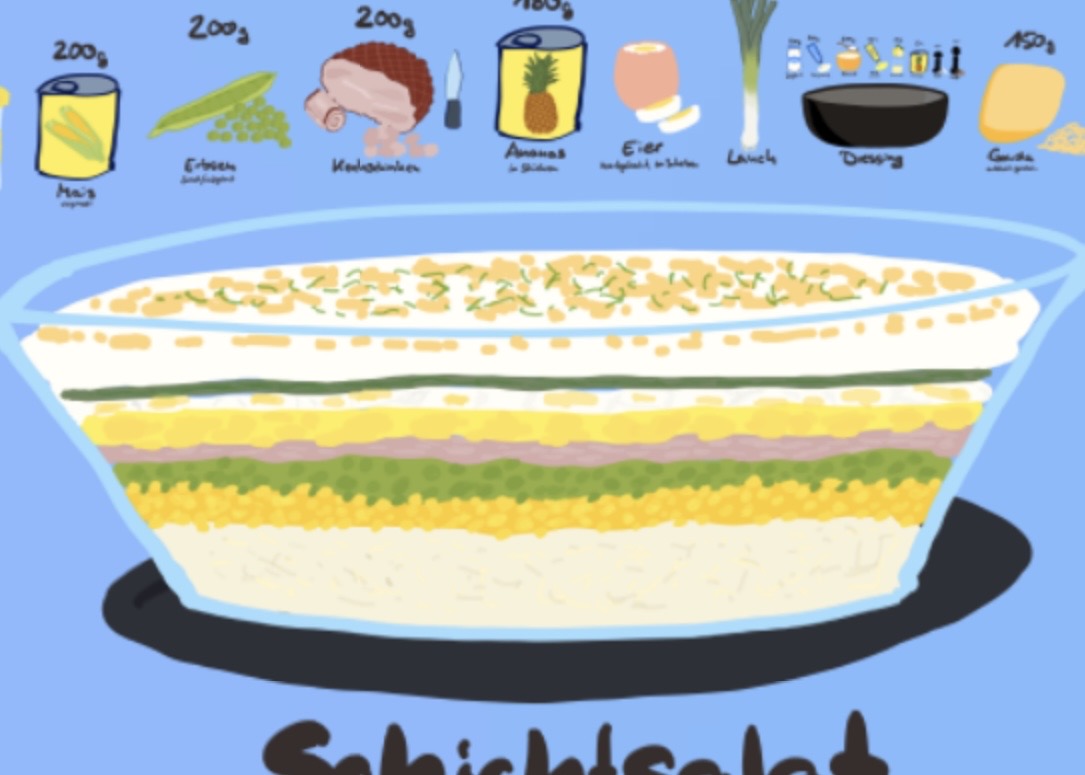
7 Layer salad
Layer celery salad, pineapple, ham, eggs, and Gouda with a creamy dressing. Get practical tips for draining ingredients, keeping it chilled, and serving.

Italian noodle salad
Make Italian pasta salad with fusilli, mozzarella, tomatoes and basil. Get tips for a balanced dressing, well-drained ingredients and a chilled serving.
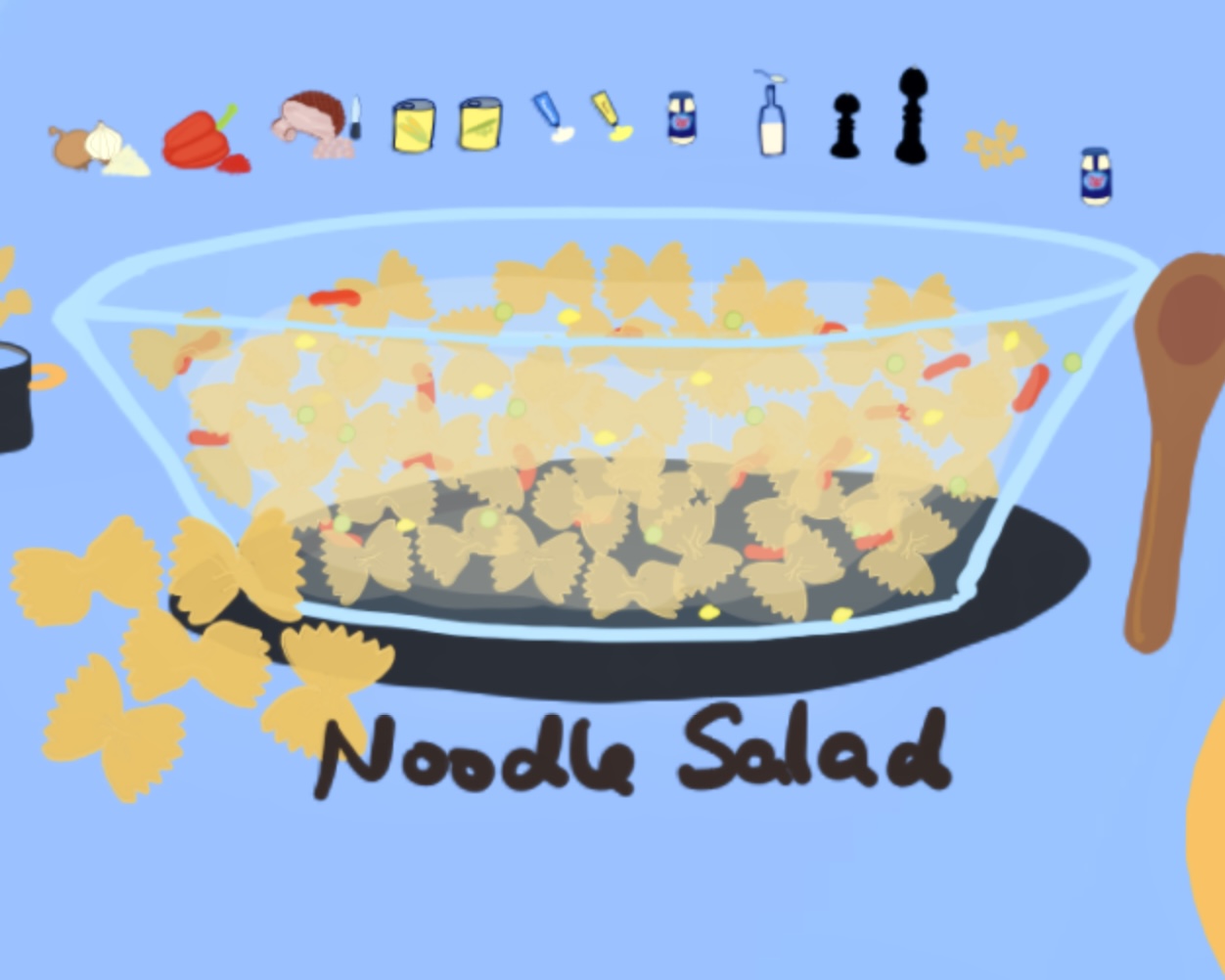
Noodle Salad
Farfalle, ham, crisp bell pepper, peas and corn meet a creamy mustard dressing. Make noodle salad with tips for cooling, mixing and taking it to a cookout.
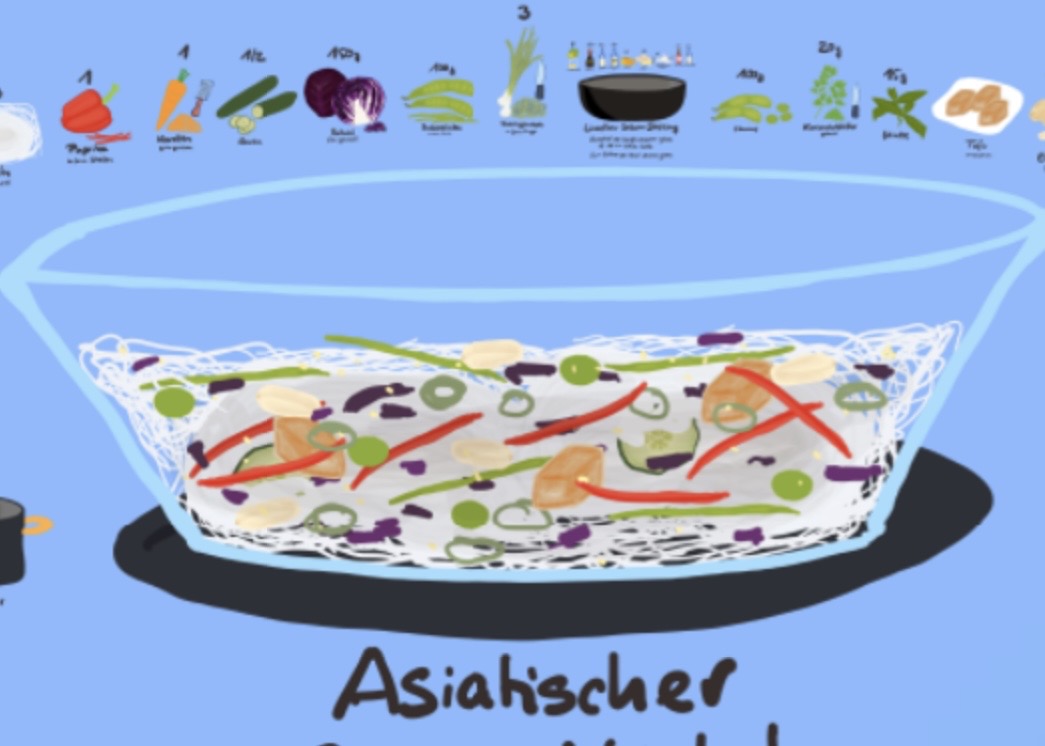
Asian glass noodle salad
Make glass noodle salad with tofu, colorful vegetables and soy-lime dressing. Get tips for tender noodles, well-prepared edamame and a crisp, chilled bowl.
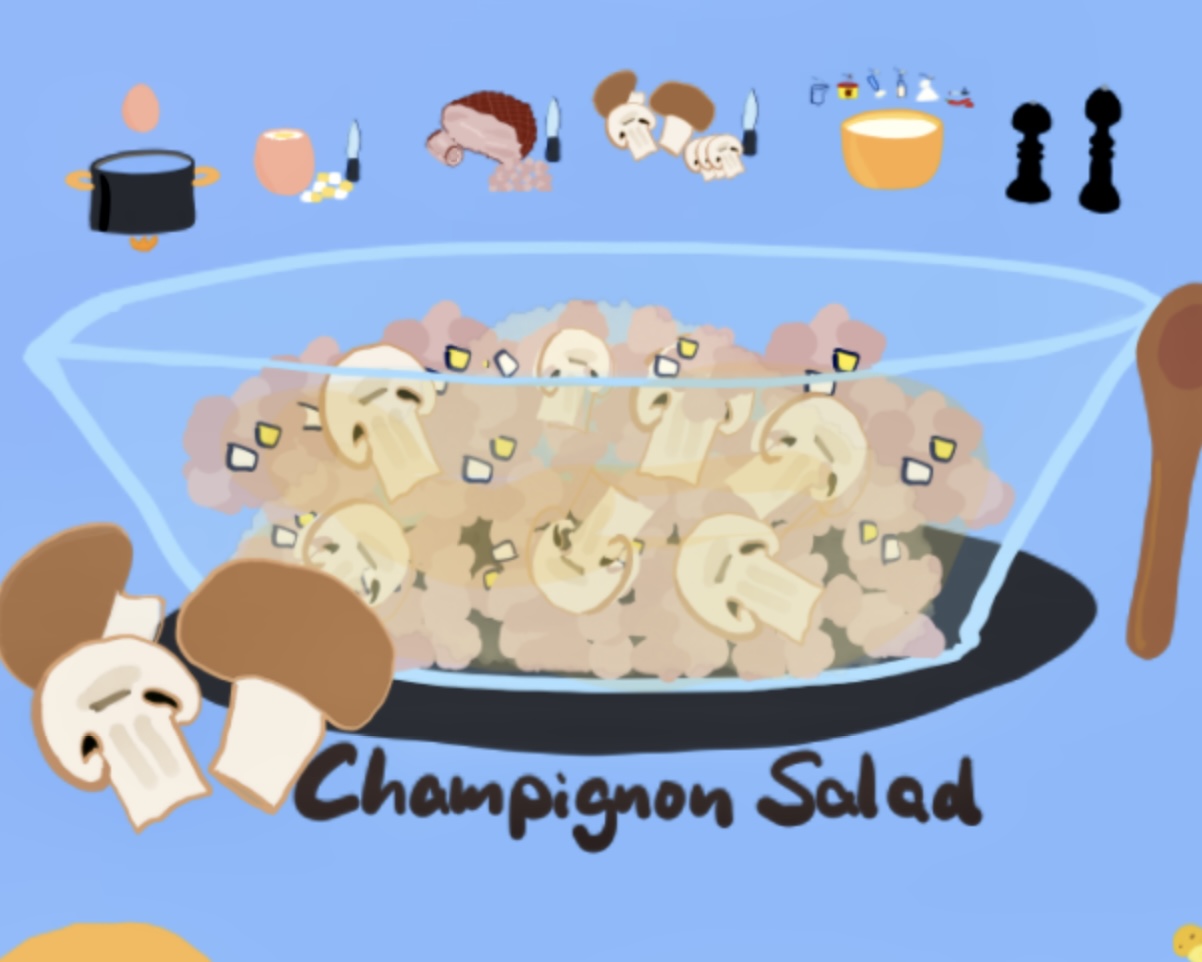
Champignon Salad
Fresh mushrooms, ham, and hard-boiled egg in a creamy, tangy dressing. Make this easy mushroom salad for a cold lunch, a picnic, or your next family buffet.
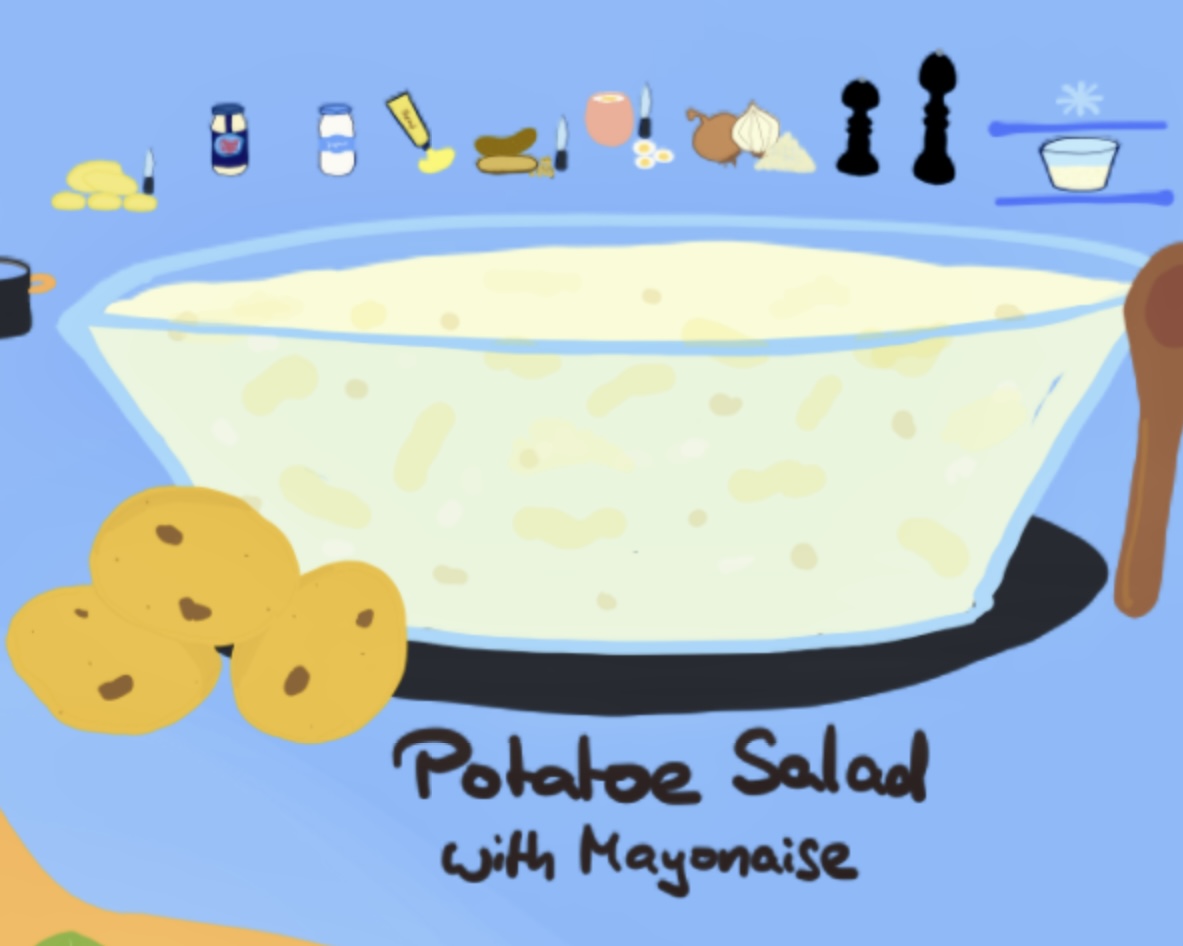
Potatoe Salad
Tender potatoes, crunchy pickles, and hard-boiled eggs in a creamy yogurt dressing. Bring this easy potato salad to a BBQ or serve it with a simple dinner.
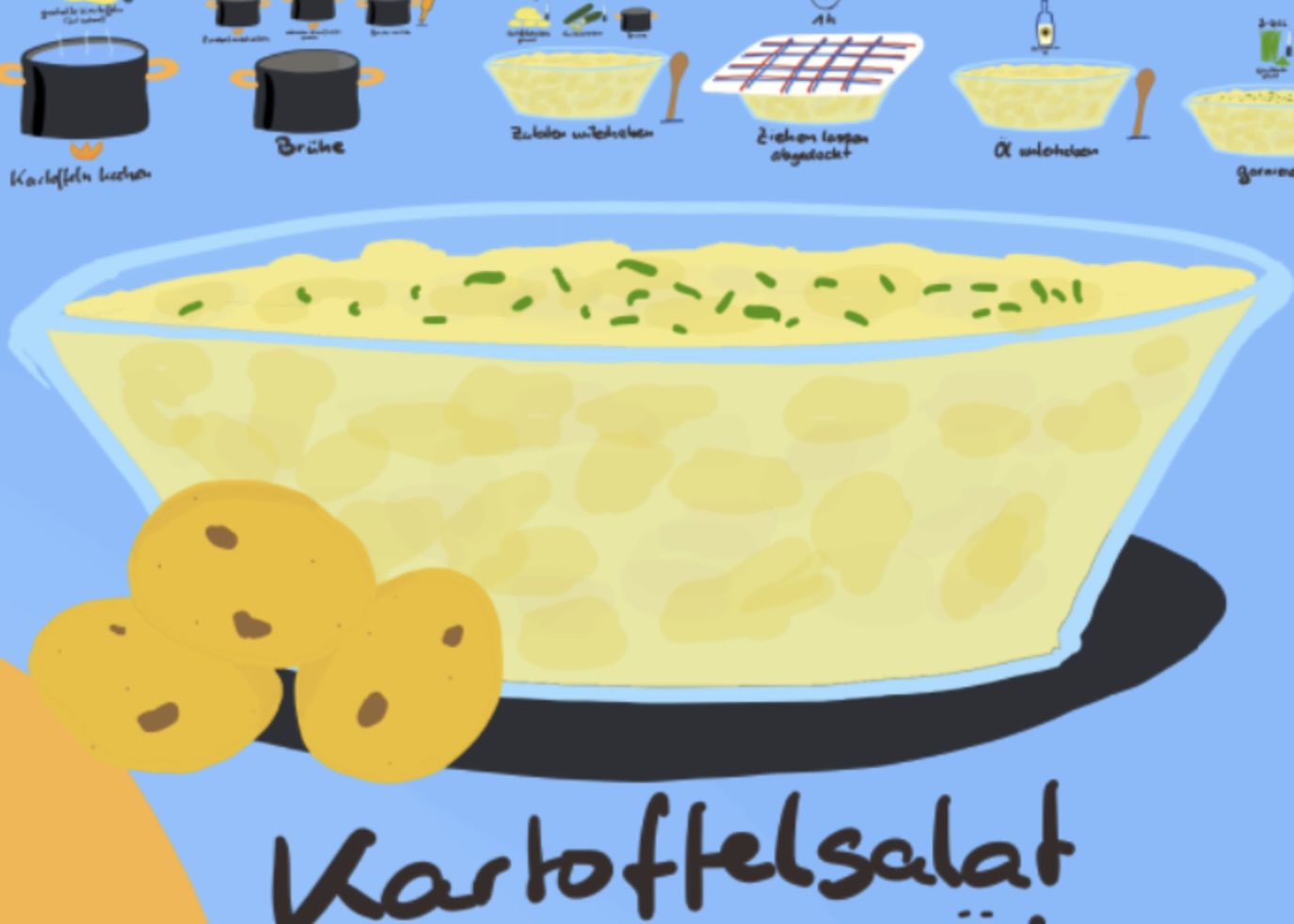
Potato Salad with vinegar & oil
Make tangy potato salad with waxy potatoes, vinegar, sunflower oil, cucumber, and chives. Learn about dressing warm potatoes, gentle mixing, and chilling.
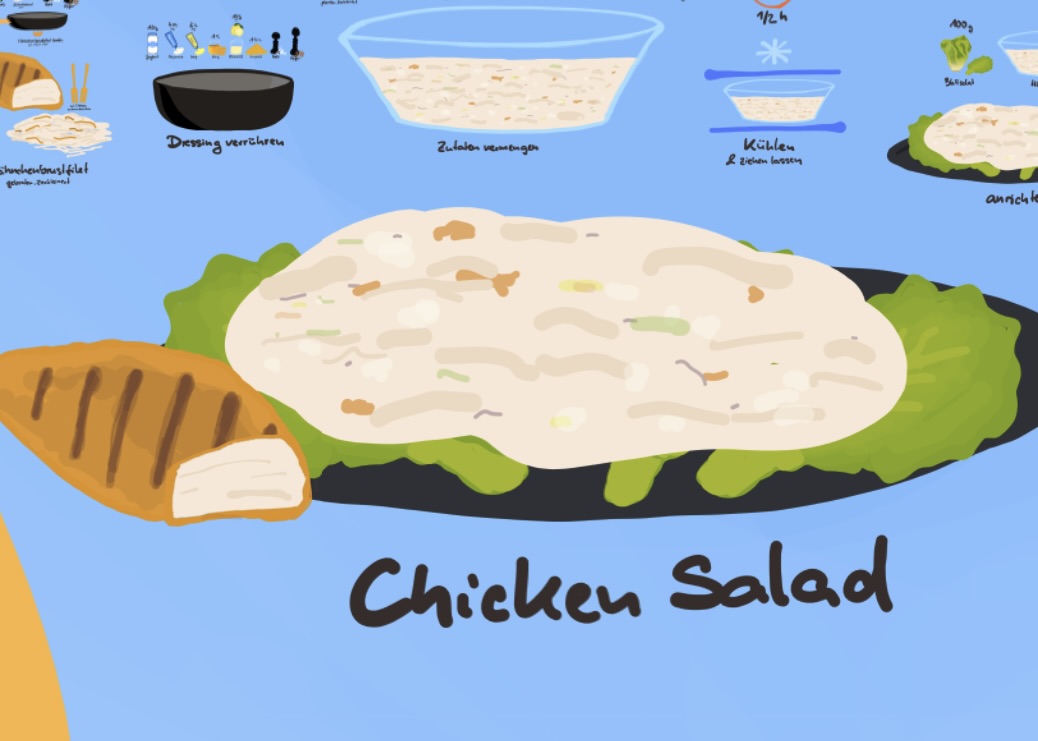
Grilled Chicken Salad
Pair grilled chicken with apples, grapes, celery and walnuts. Learn how to balance the creamy curry dressing, keep lettuce crisp and prepare chicken safely.
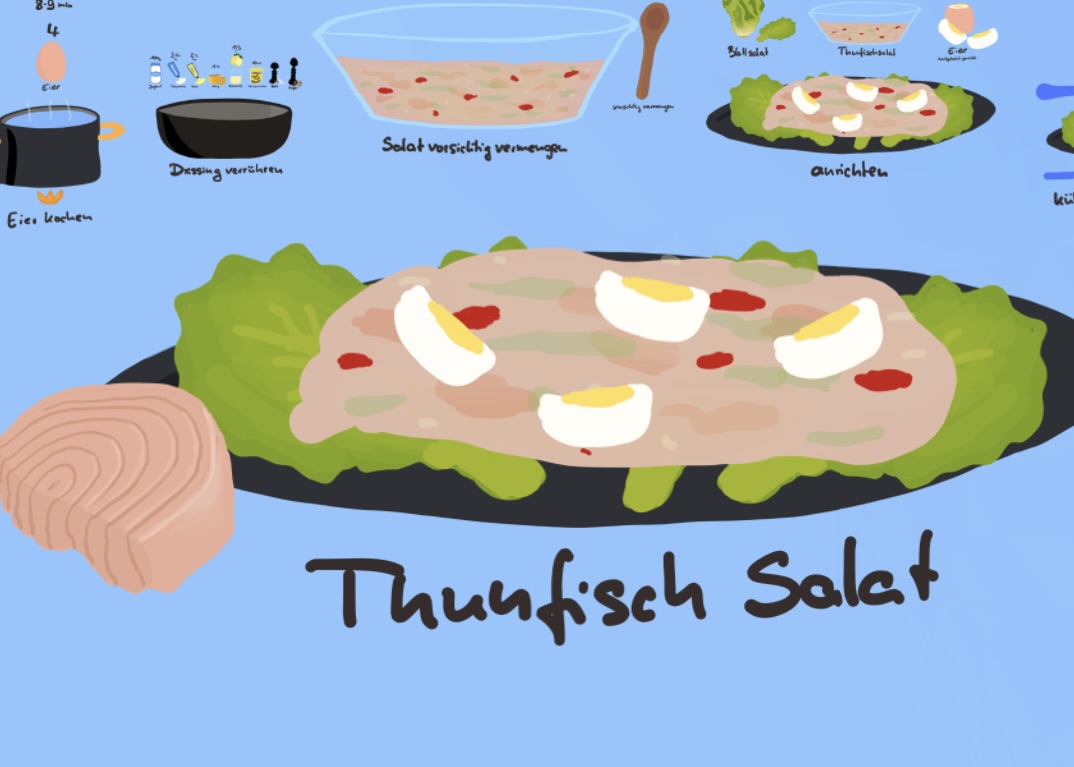
Tuna Salad
Creamy tuna salad with cooked eggs, crisp vegetables and yogurt-mayo dressing. Tips for draining, gentle mixing and keeping your lunch chilled.
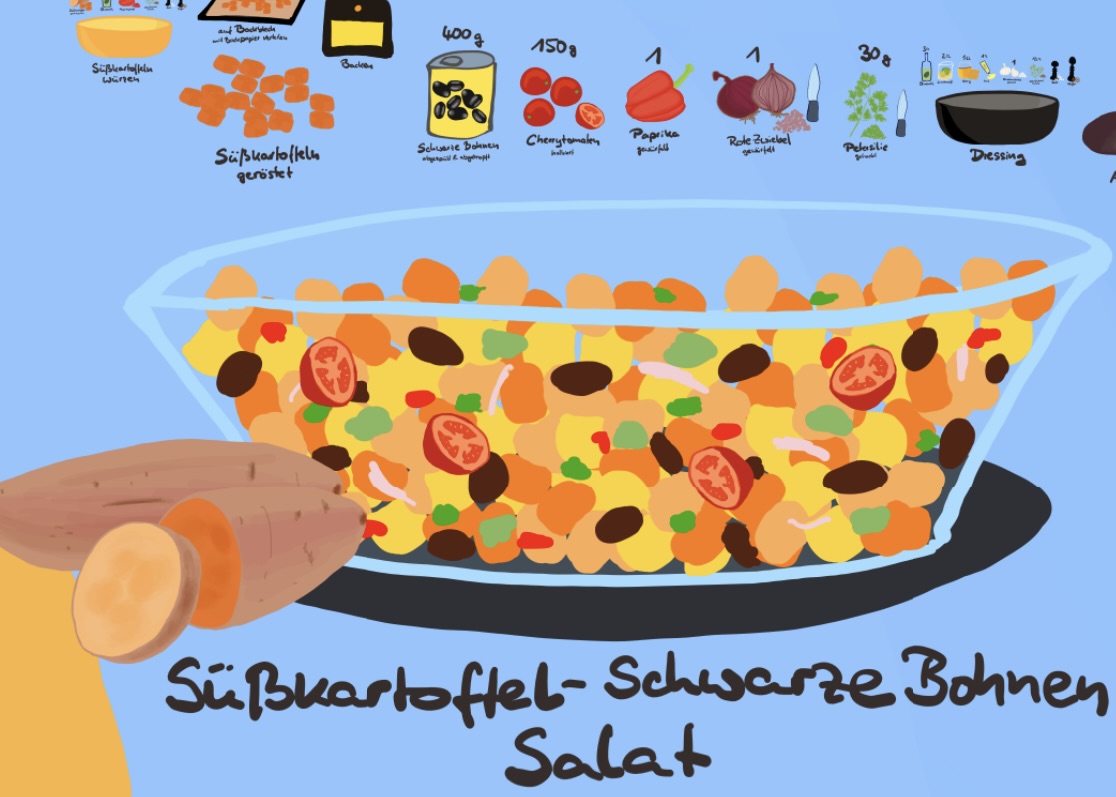
Sweet potato & black bean salad
Roasted sweet potato, cooked black beans, avocado and feta make a colorful salad with lime. Enjoy it freshly warm or prepare a chilled version.
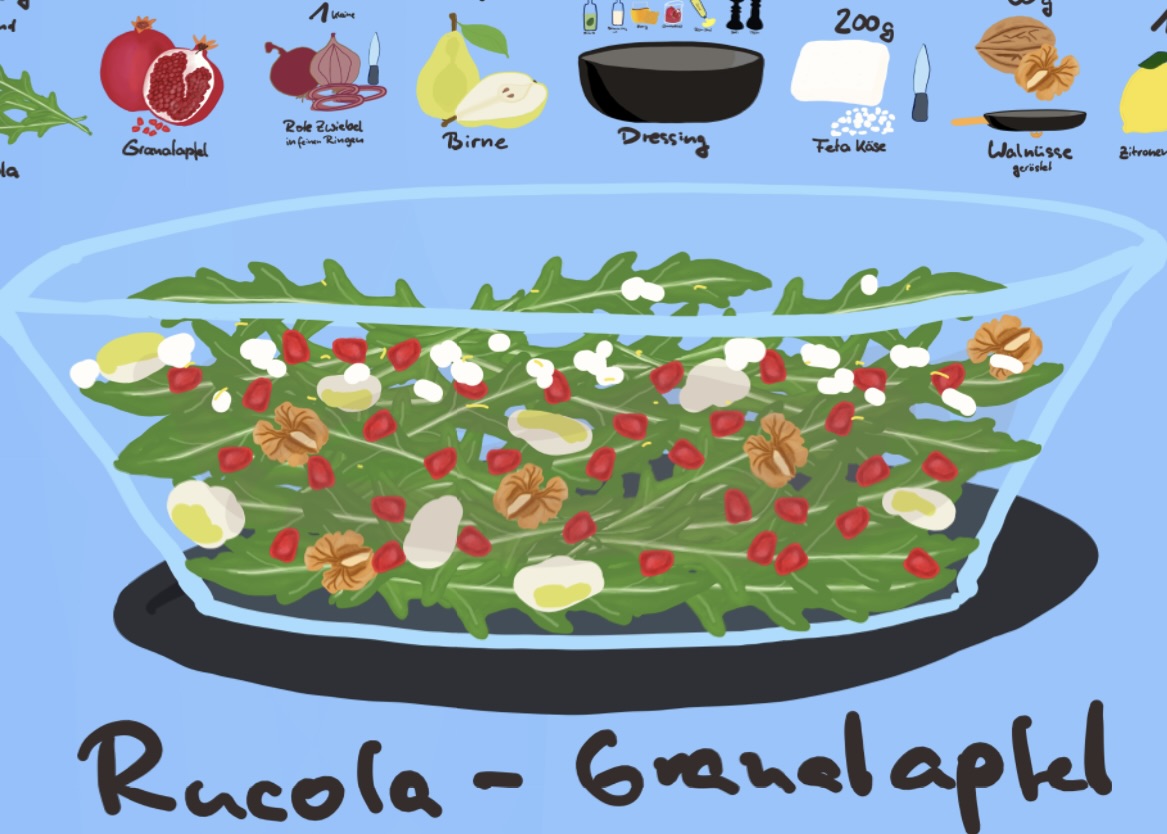
Rocket salad with pomegranate
Peppery arugula, juicy pomegranate, pear, walnuts, and feta make a colorful salad. Find useful tips for the dressing, fresh serving, and chilled prep.
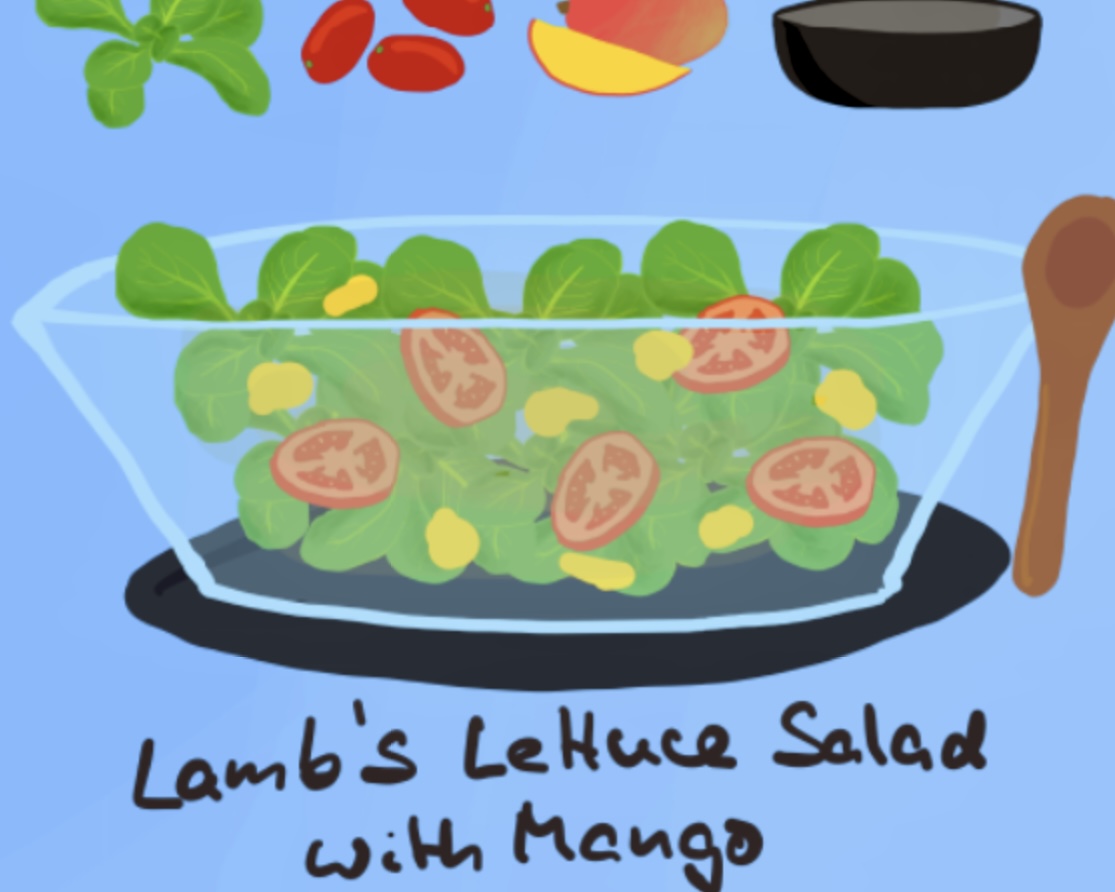
Lamb's Lettuce Salad with mango
Make lamb’s lettuce salad with mango, cherry tomatoes, and honey-mustard balsamic dressing. Learn how to choose the fruit and keep the delicate leaves fresh.
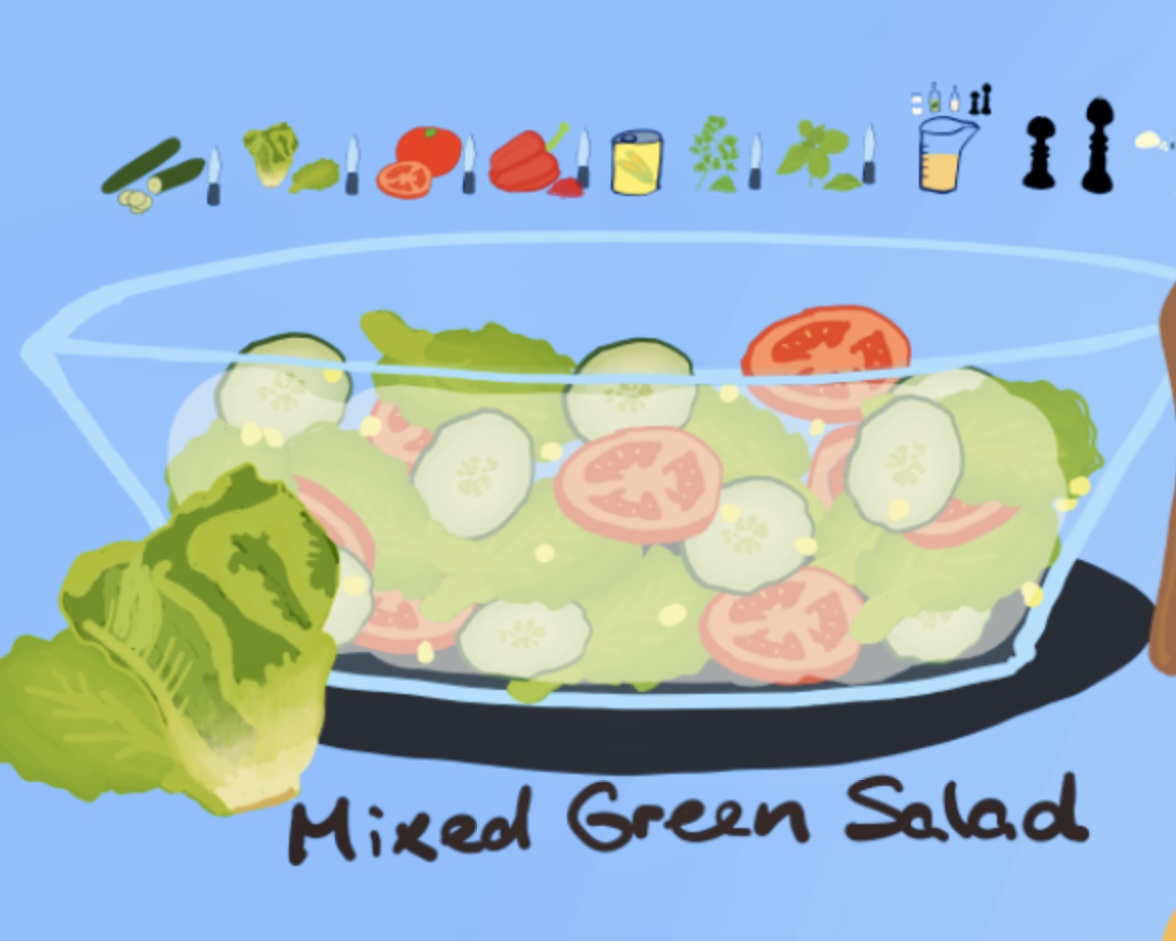
Mixed Green Salad
Toss romaine, cucumber, tomatoes, red pepper, and corn with yogurt and white balsamic dressing. Fresh herbs and practical tips bring crunch to your salad.

Caesar Salad
Toss crisp romaine with creamy lemon, mustard, and garlic dressing, then finish with croutons and Parmesan. Find tips for texture and preparing ahead.
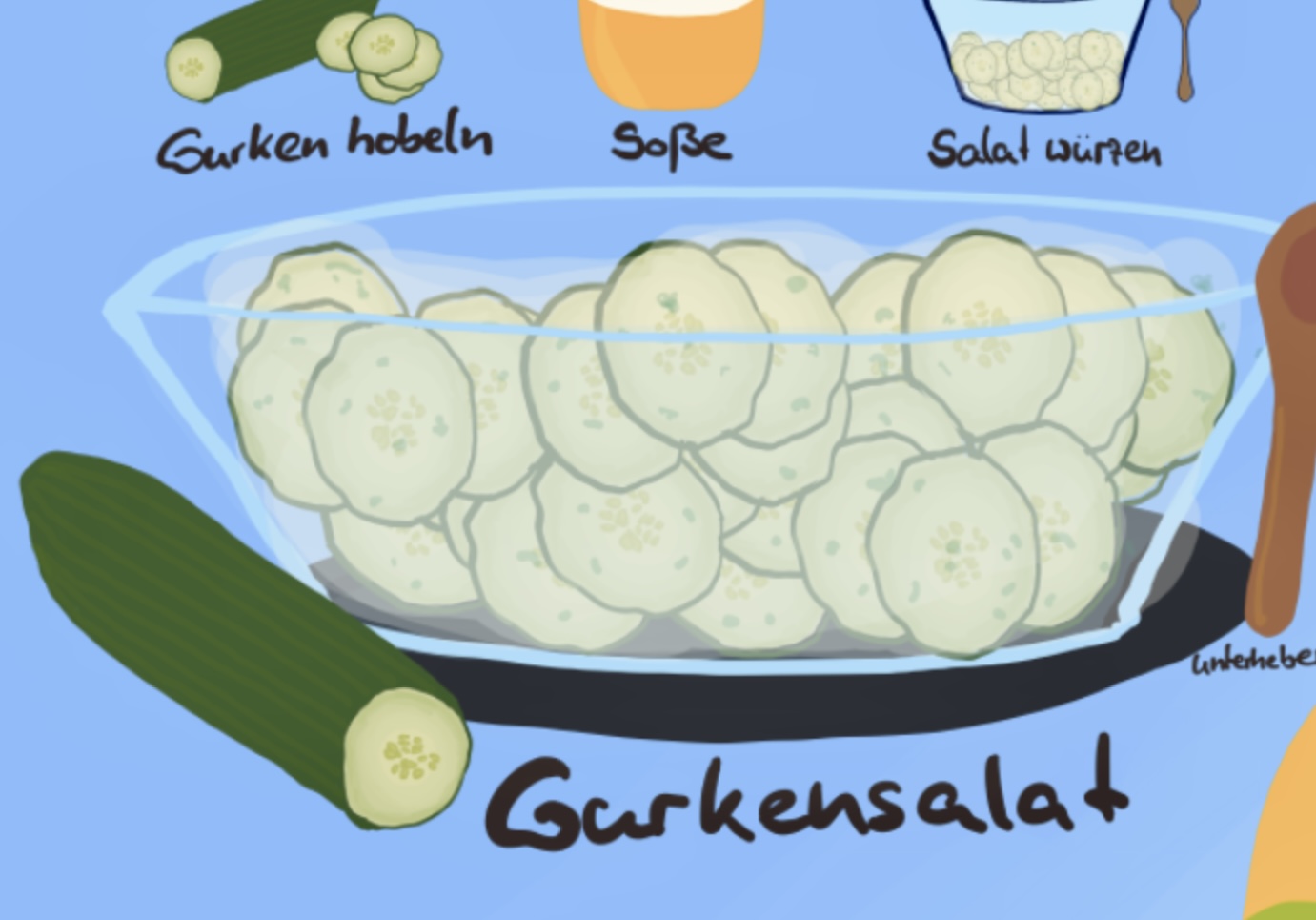
Cucumber Salad
Cool cucumber salad with yogurt and parsley makes a fresh side for warm meals. Learn how to slice evenly, drain cucumber liquid and gently mix the dressing.
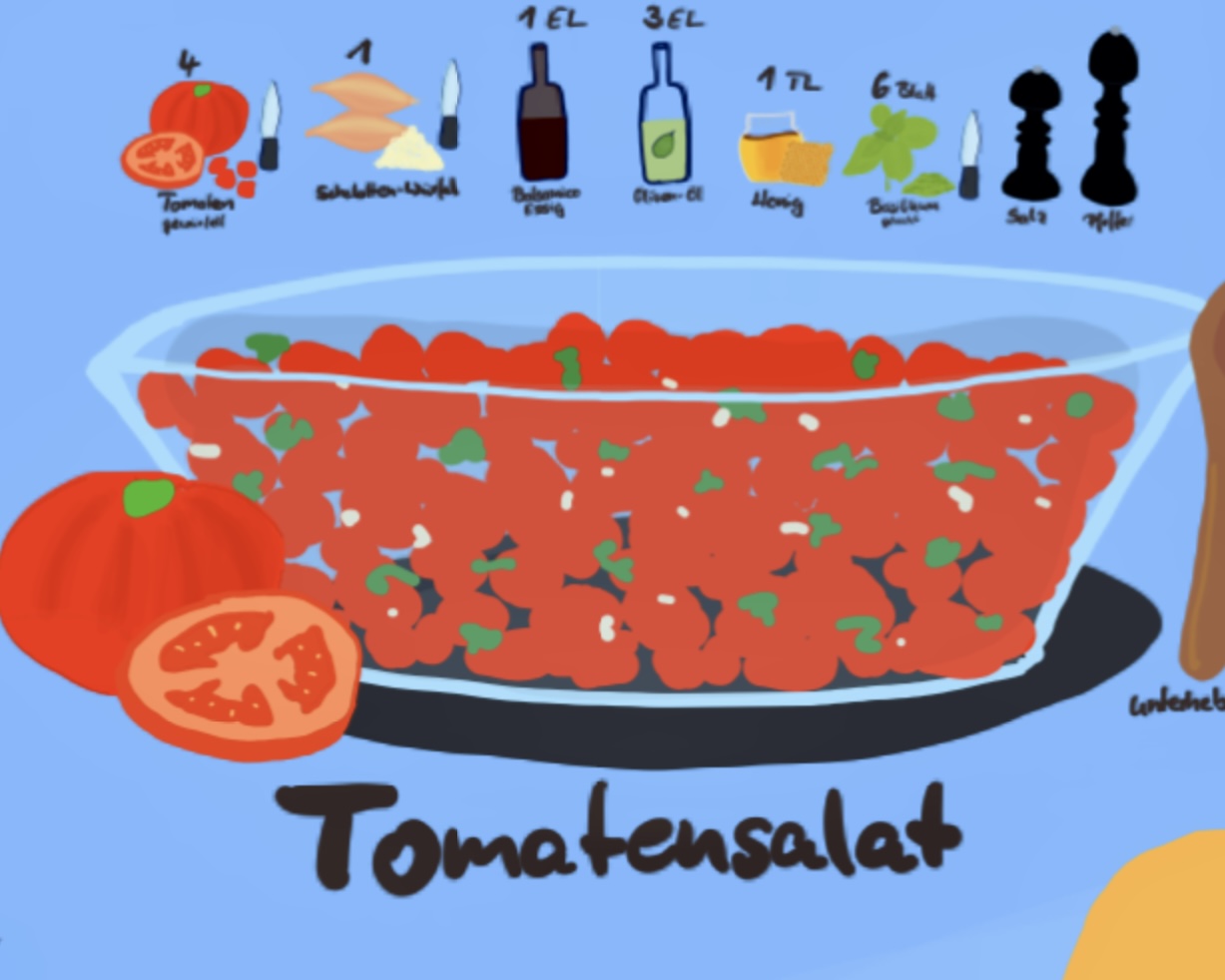
Tomato Salad
Juicy tomato salad with basil, shallot and honey-balsamic dressing. Learn to cut and mix gently, then serve with whole-grain toast to soak up the juices.
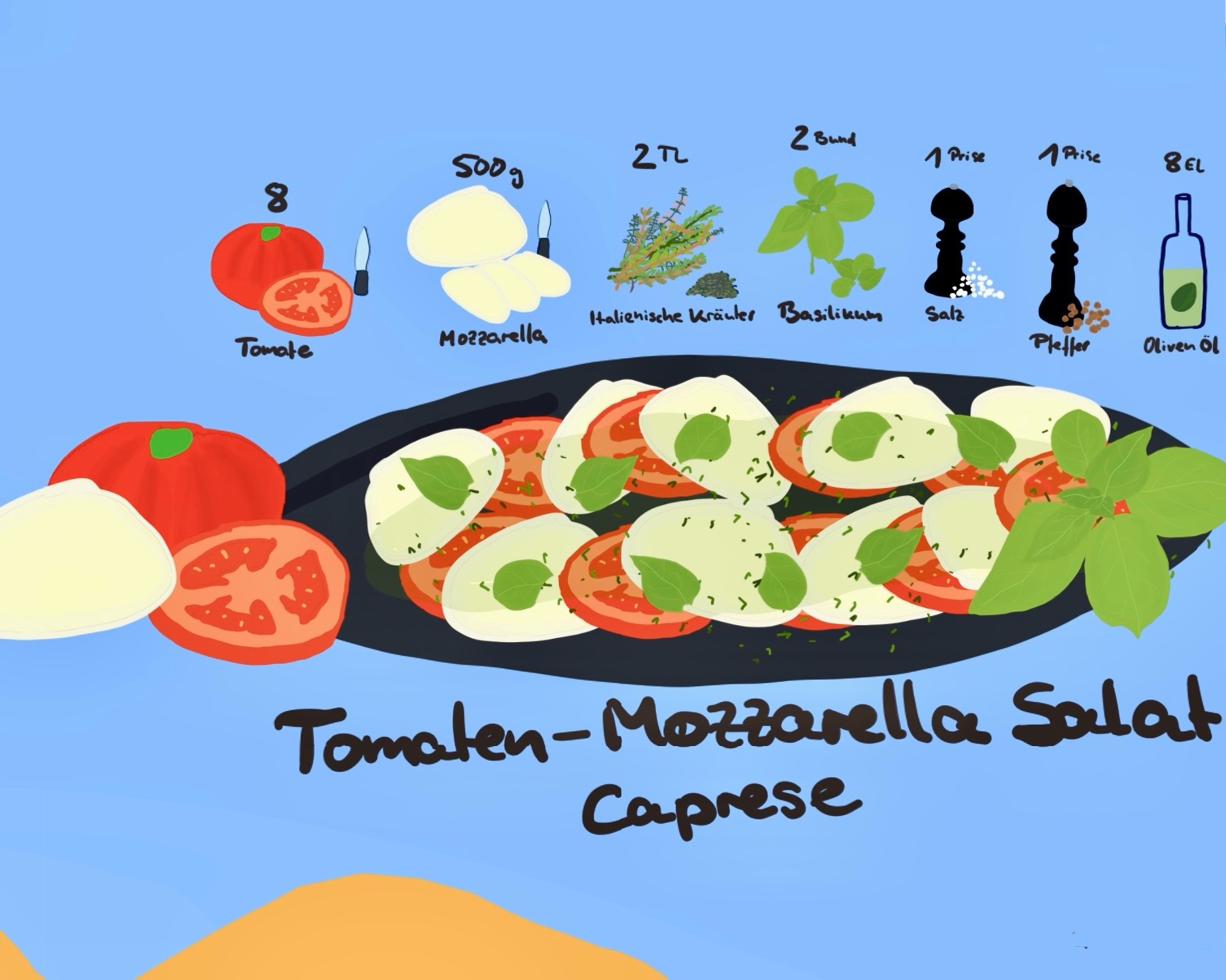
Tomato mozzarella salad
Make Caprese salad with tomatoes, mozzarella, basil and Italian herbs. Learn how to avoid a watery plate, balance the seasoning and serve it freshly made.
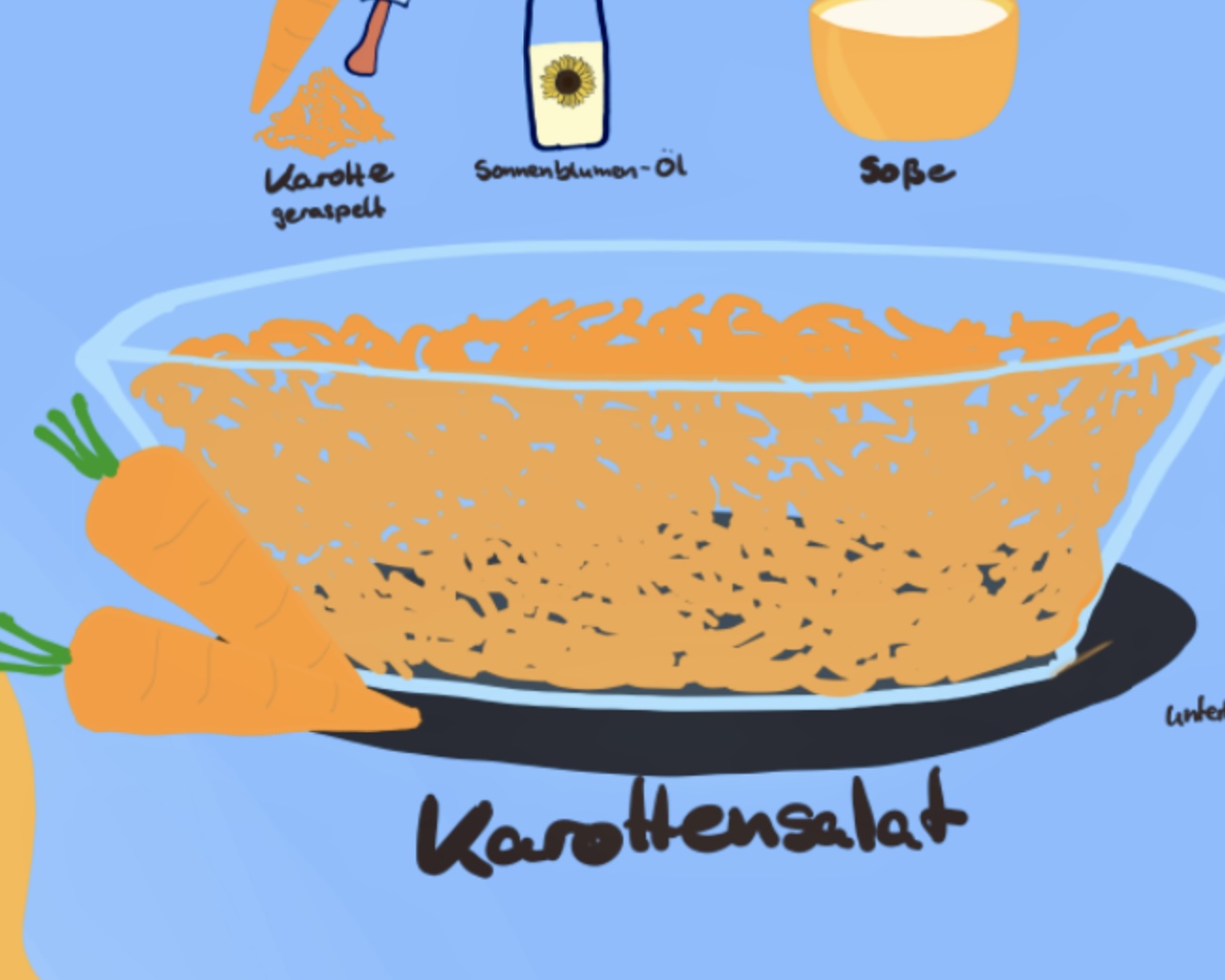
Carrot Salad
Grated carrots, fresh lemon and a tangy vinegar dressing make a colorful side. Learn how to keep the shreds juicy and serve them with everyday meals.
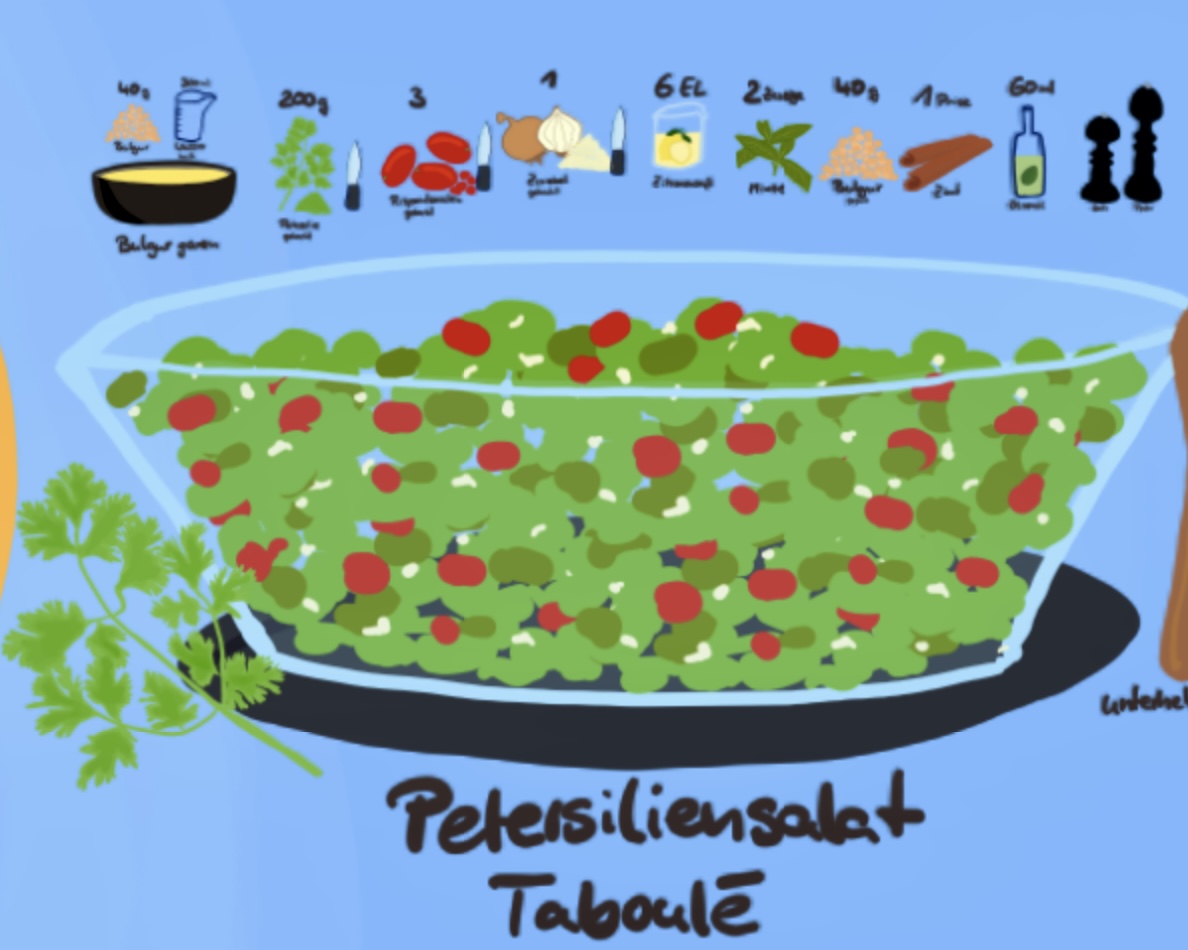
Tabbouleh
Fresh parsley, mint and tomatoes make this lemony tabbouleh, with tender bulgur and a hint of cinnamon. Find practical chopping, mixing and serving tips.
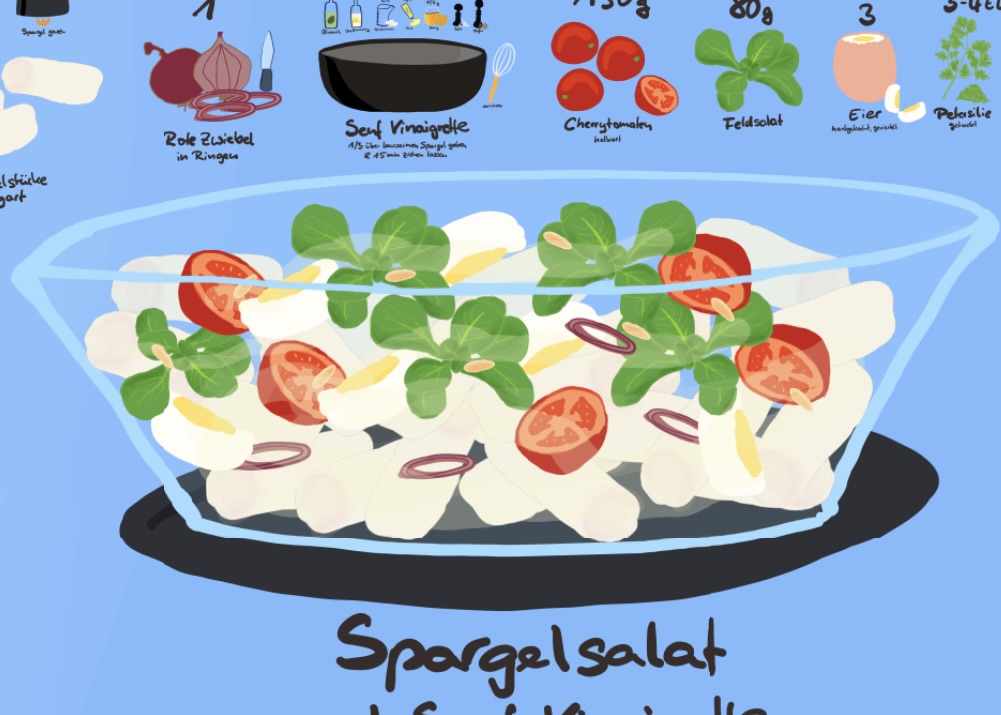
Asparagus Salad
White asparagus salad with eggs, cherry tomatoes and honey-mustard dressing. Learn how to peel, gently cook and assemble it with greens, pine nuts and toast.
Coleslaw
Make crunchy coleslaw with cabbage, carrot, and a creamy mayonnaise dressing. Learn how to balance the tang, soften the cabbage, and serve it with burgers.