
Rich Cheese Fondue Recipe
Instructions 👩🍳
Cook along on the interactive map
Step-by-step:
- Prep dippers: Cut bread into cubes; prep veggies and cured meats if desired.
Show all steps...
- Make cheese base: Rub pot with garlic, then melt cheese gently over low heat.
- Add wine: Stir in white wine a little at a time until smooth.
- Thicken and season: Add a little cornstarch slurry if needed; season with pepper and nutmeg.
- Serve: Keep warm and dip bread, veggies, and meats.
Cheese Fondue: A Timeless Delight for Cheese Lovers
Cheese fondue, a dish steeped in tradition and communal dining, continues to be a beloved classic around the world. Originating from the Alps of Switzerland, this delightful meal offers a warm, melty haven for cheese enthusiasts. Whether it’s a cozy gathering, a festive celebration, or simply a whimsical dinner, cheese fondue turns any evening into a special occasion.
The Rich History of Cheese Fondue
Fondue’s origins can be traced back to 18th century Switzerland, where it was introduced as a means to use aged cheeses and bread during the winter months when fresh food was scarce. The name "fondue" comes from the French verb *fondre*, which means "to melt," aptly describing the heart of this dish. It has since evolved into a cherished symbol of Swiss culture and culinary pride.
Crafting the Perfect Cheese Fondue
The magic of cheese fondue lies in its simplicity and the quality of its ingredients. The traditional recipe calls for a blend of cheeses, typically a mix of Gruyère and Emmental. These are melted slowly with garlic, white wine, a bit of cornstarch, and often a splash of kirsch, a cherry brandy, to create a smooth, creamy mixture that’s both rich in flavor and texture.
To make your fondue, start by rubbing a garlic clove around the inside of the fondue pot before discarding it. This subtly infuses the dish with a hint of garlic. Next, add white wine to the pot and heat it gently. Gradually stir in grated cheese mixed with cornstarch, ensuring it melts slowly, preventing the cheese from clumping or becoming stringy. Once the mixture is smooth, stir in a teaspoon of lemon juice and kirsch, which enhance the flavor and add a slight tang.
Fondue Dippers: Beyond the Baguette
While chunks of crusty bread remain the quintessential fondue dipper, there are numerous other options to explore. Boiled potatoes, steamed vegetables like broccoli or cauliflower, and even slices of apple or pear make excellent companions to the cheese. For meat lovers, cubes of ham or salami can add a savory touch to the creamy dip.
Modern Twists on a Classic Dish
Modern variations of cheese fondue invite creativity and personal flair. Experiment with different types of cheeses like sharp cheddar, smoked gouda, or blue cheese for a unique twist. Spices such as nutmeg or paprika can be added to the cheese mixture for an extra layer of flavor. For those looking to add a luxurious touch, try drizzling a bit of truffle oil over the finished fondue.
The Fondue Experience: More Than Just Eating
Cheese fondue is as much about the experience as it is about the taste. It's a communal dish, meant to be enjoyed around a table with friends and family. The act of dipping and sharing creates an intimate and interactive dining experience that encourages conversation and laughter. It’s a perfect way to slow down, enjoy good company, and indulge in the creamy richness of melted cheese.
Conclusion
Cheese fondue remains a timeless favorite that transcends trends. It offers a delightful blend of simplicity, comfort, and indulgence, making it the perfect centerpiece for social gatherings. So gather your fondue pot, light the flame, and dip into the warm, cheesy bliss of a perfectly prepared cheese fondue. It’s more than a meal; it’s an experience that warms the heart and satisfies the soul.
Best Soulfood Recipes to Try at Home

Chicken Nuggets with Fries
Enjoy the perfect comfort food combo of crispy chicken nuggets and golden fries.

Grilled Feta Cheese
Enjoy the smoky and creamy flavors of grilled feta cheese, perfect as a starter.
Baked Camembert
Discover baked camembert on yummy.world! Gooey oven cheese appetizer—perfect with bread, nuts, or jam.

Hot Dogs
Discover hot dogs on yummy.world! Easy classic with topping ideas—perfect for parties and family nights.
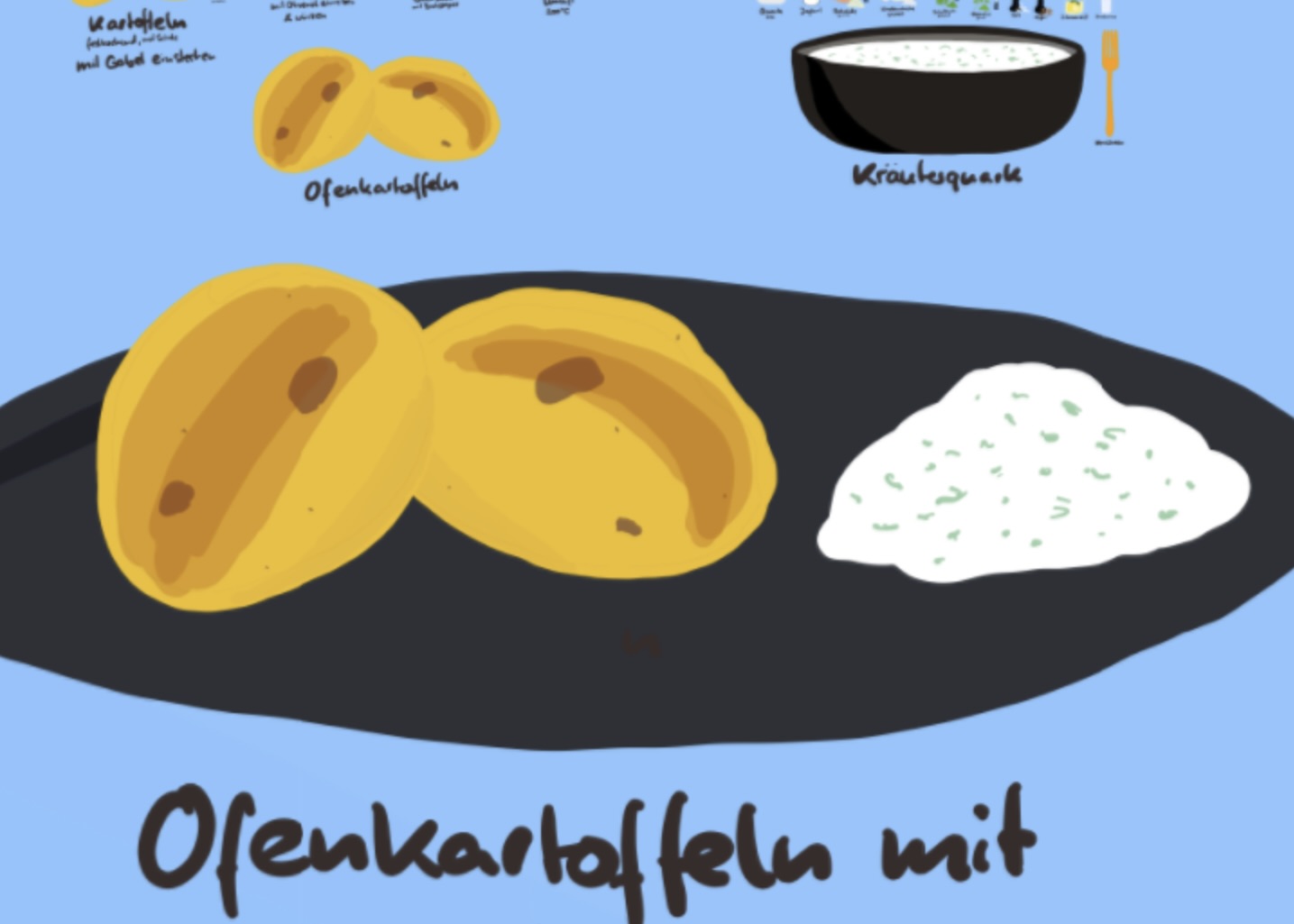
Baked potatoes with herb quark dip
Discover baked potatoes with herb quark dip on yummy.world! Crispy skins, fluffy inside—easy oven comfort food.
Hawaiian Toast
Combine ham, pineapple, and melted cheese for the ultimate Hawaiian toast experience.
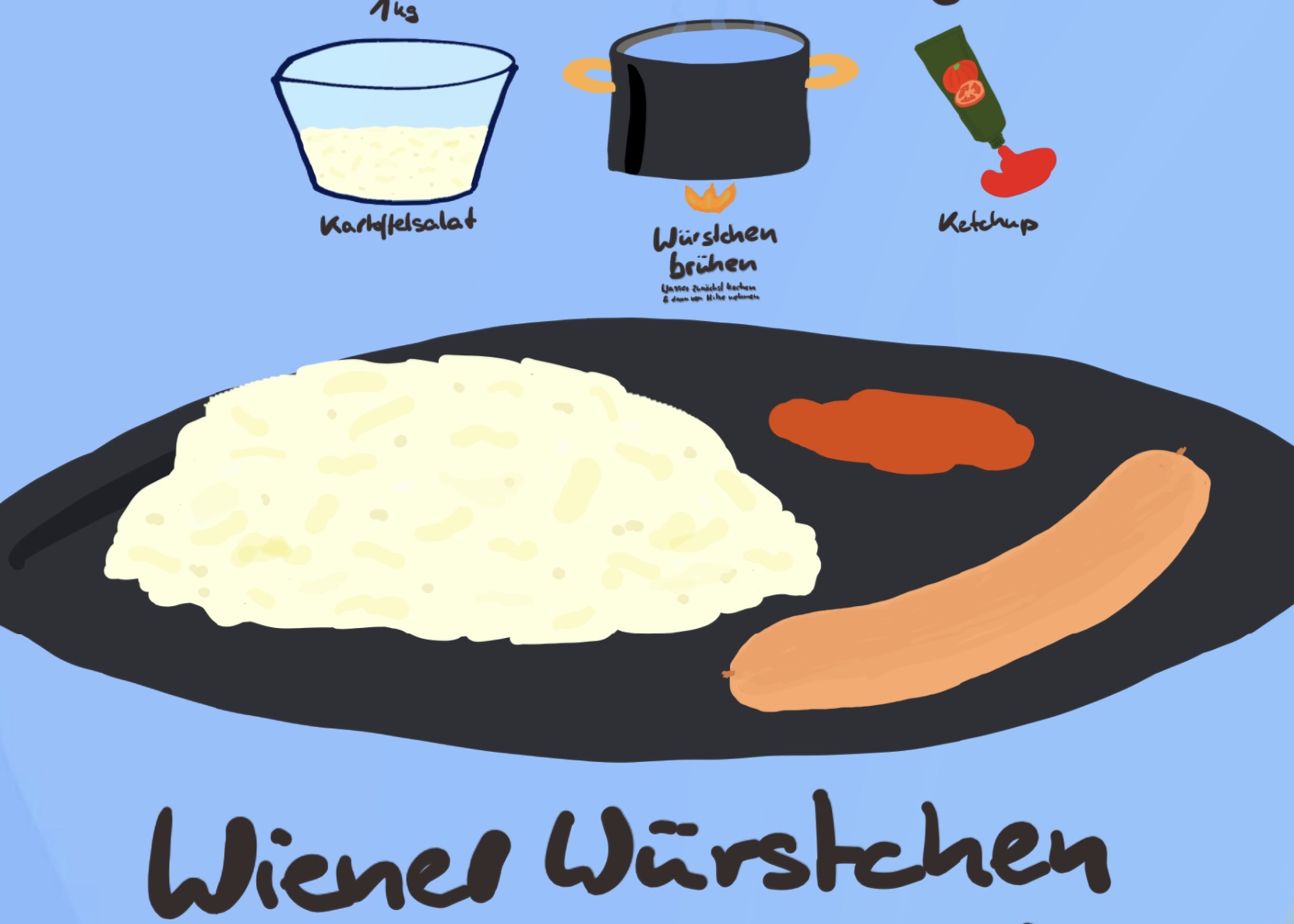
Wieners with Potato Salad
Discover the simple pleasure of perfectly cooked wieners, ideal for quick meals.
Fine stew
Discover fine stew on yummy.world! Classic creamy ragout—comforting, elegant, and great for special meals.
Rustic Ham and Egg Sandwich
Start your day with a hearty ham and egg sandwich, a breakfast staple.
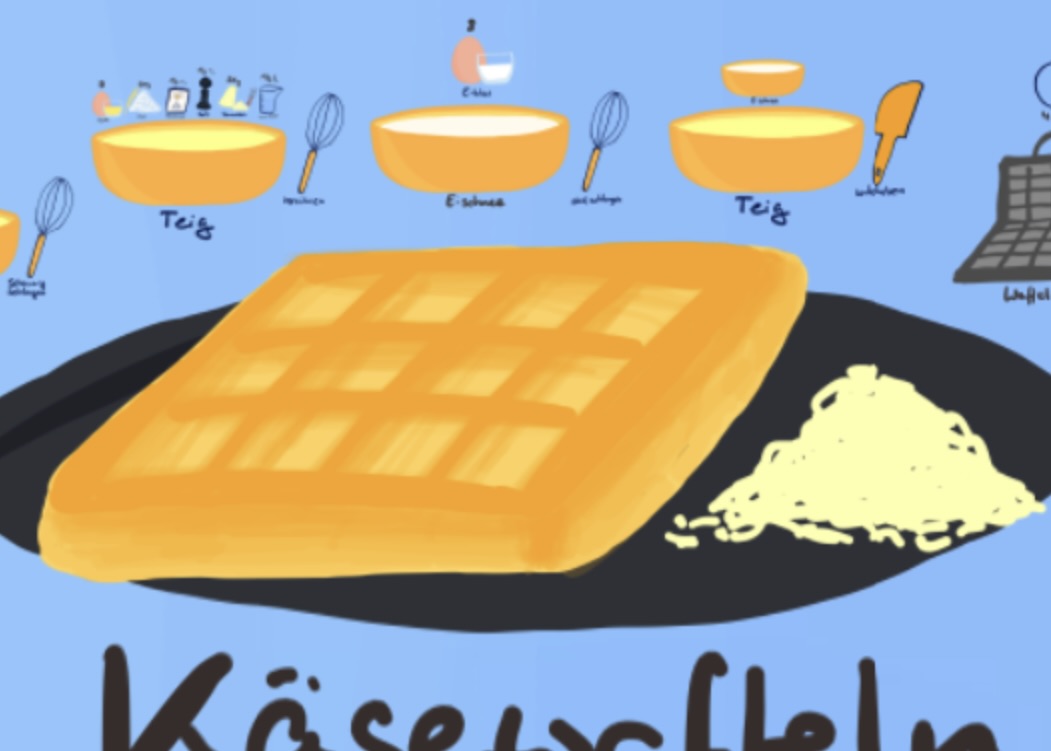
Cheese waffles
Discover cheese waffles on yummy.world! Savory waffles—crispy, cheesy, perfect for brunch or snacks.