
Pempek Fish Cakes with Tangy Chili Sauce
Cook along on the interactive map
Step-by-step:
- Prepare the fish mixture: Combine the fish paste with the flour and seasoning specified for the recipe until a smooth, shapeable mixture forms. Refer to the illustrated recipe for the exact details.
- Shape the fish cakes: Shape the mixture into even fish cakes, keeping them similar in thickness so the centres cook consistently.
- Cook the pempek: Lower the fish cakes into simmering water and cook them through. Check that their centres are cooked, then lift out and drain.
- Prepare the vinegar sauce: Simmer vinegar, sugar, chilli and garlic together, stirring until the sugar dissolves and the flavours combine.
- Serve with the sauce: Arrange the Pempek and serve with the sweet-sour vinegar sauce.
Pempek fish cakes with a tangy garlic and chili sauce

Pempek pairs savory fish cakes with a bright sauce of vinegar, sugar, chili, and garlic. The cakes have a soft surface after cooking in water, ready to take on as much tangy sauce as you like. Put a bowl in the middle of the table and dip as you go.
A smooth mixture and a lively sauce
Fish paste gives the cakes their flavor, while flour helps the mixture hold together. Use the flour intended for the recipe: changing its type or adding more can change the cooked texture. A smooth, evenly mixed dough is easier to shape consistently. In the sauce, vinegar supplies acidity, sugar balances it, and garlic and chili add aroma and heat. Taste the cooked sauce with a cooked piece of pempek before adjusting it.
Similar thickness, gentle cooking
Even thickness matters more than making every piece look identical. Thick centers take longer to cook than thin ends, while gently simmering water is kinder to the shapes than a rolling boil. Floating is not proof of doneness. Cook the mixture through and check the thickest centers with a food thermometer: for thorough heating, keep 158°F (70°C) or above throughout for at least two minutes. The fish-and-flour mixture must also be fully cooked, with no raw center.
Keep raw fish mixture chilled and separate from sauce and ready-to-eat food. Do not taste it raw; flour needs cooking too. Clean hands, utensils, and work surfaces after handling it.
Let the cooked texture guide you
The raw mixture and the cooked cake will feel different. Check the texture of a fully cooked piece before changing the remaining mixture, rather than adding flour simply because it feels sticky.
Optional browned finish
For a browned surface, you can fry the fully cooked, well-drained cakes afterward. Dry their surfaces and lower them carefully into hot oil with suitable utensils to limit splashing. Offer the sauce separately so the surface stays crisp longer. Cucumber or noodles are optional sides.
Sweet-sour sauce at the table
Add sauce a little at a time, or serve it for dipping. For a noodle plate with a creamy dressing, try Ketoprak: tofu, cucumber, and cooked sprouts meet a peanut-lime sauce instead of the vinegar sauce here.
Store the sauce separately
Keep cooked cakes and sauce in separate covered containers in the refrigerator. This prevents the cakes from soaking up sauce during storage and makes it easy to take out just the portion you want.
Refrigerate leftovers in shallow containers at 40°F (4°C) or below within two hours, or one hour above 90°F (32°C); discard food left out longer. Reheat thoroughly, keeping every part at 158°F (70°C) or above for at least two minutes.
Frequently asked questions
Do I have to fry these pempek?
No. The base preparation cooks them through in water; browning afterward is optional.
Does floating mean they are cooked?
No. Check the thickest centers rather than relying on floating or surface appearance.
Does this version need an egg filling?
No. These are unfilled fish cakes, so the mixture stays consistent from edge to center.
Best Indonesian Cuisine Recipes to Try at Home
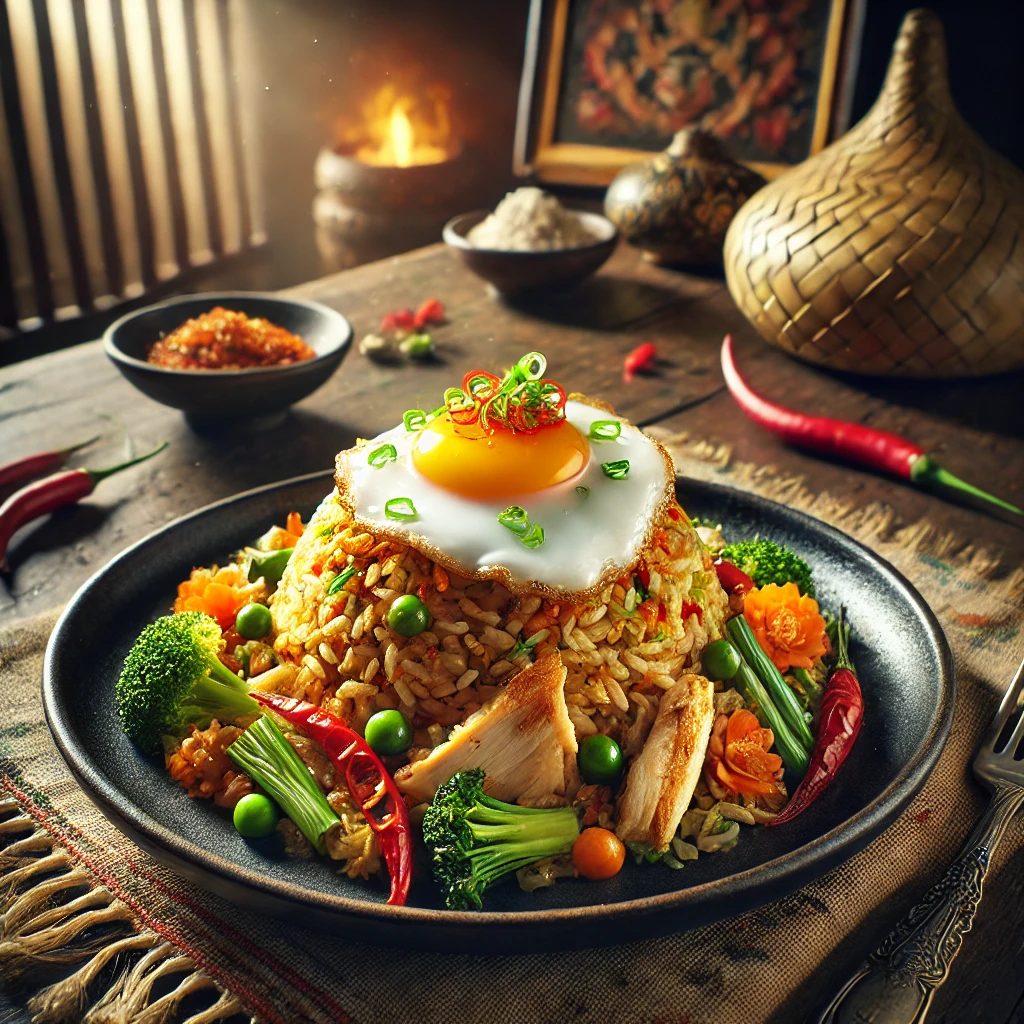
Nasi Goreng
Garlic, shallots, chili and kecap manis give fried rice a savory-sweet finish. Learn how to handle cooled rice and serve it hot with a fried egg.
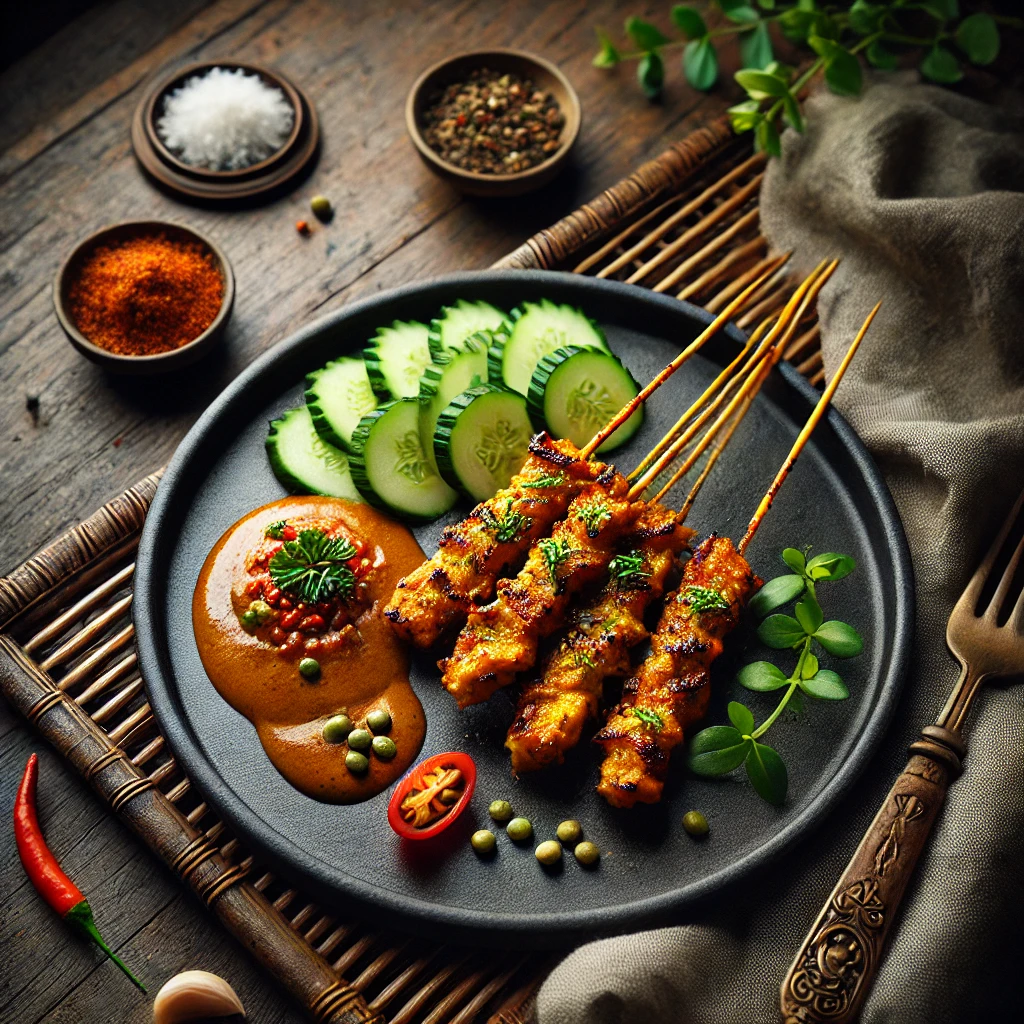
Satay Ayam (Chicken Sate)
Grilled chicken satay with garlic, ginger, and a creamy peanut-coconut sauce. Practical tips for even cooking, safe handling, serving, and storing leftovers.
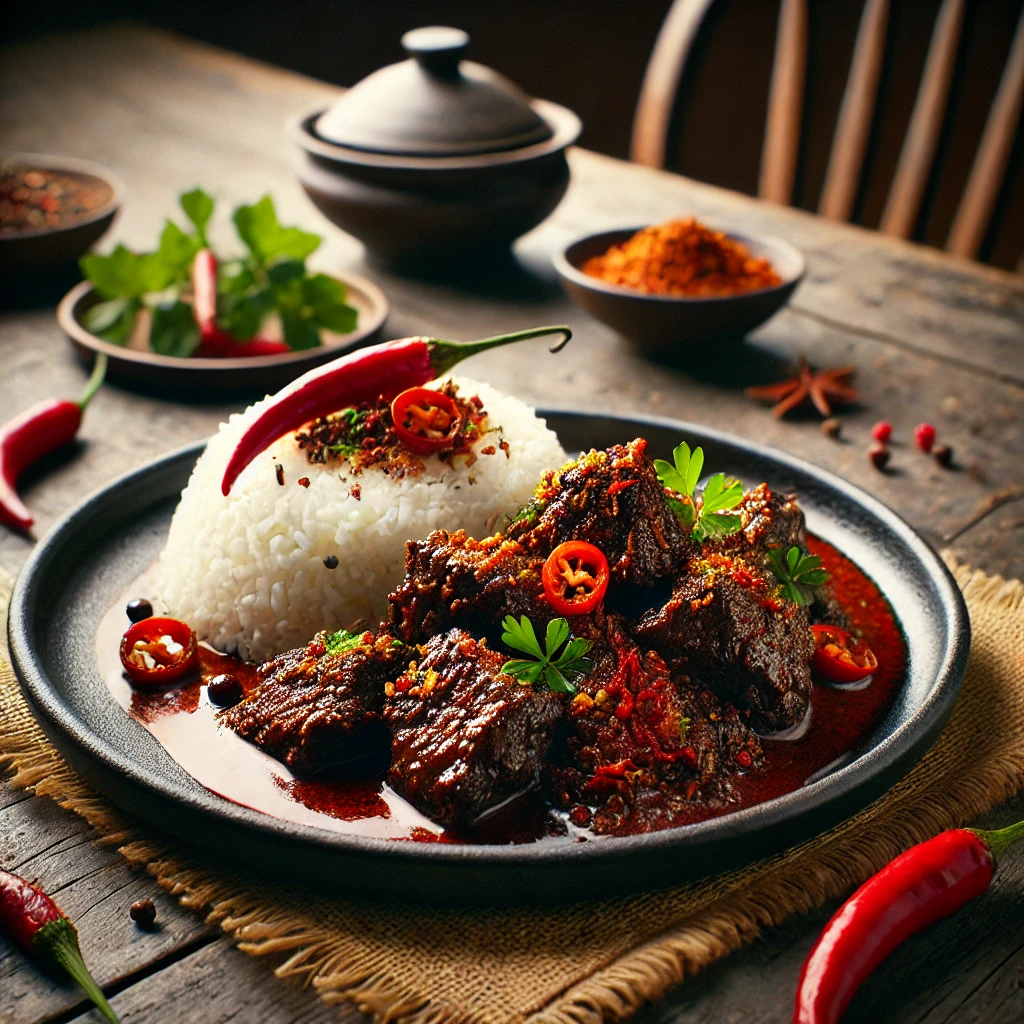
Rendang Sapi
Beef simmers with coconut milk, spice paste and lemongrass until tender and richly coated. Learn what to watch as the sauce reduces.
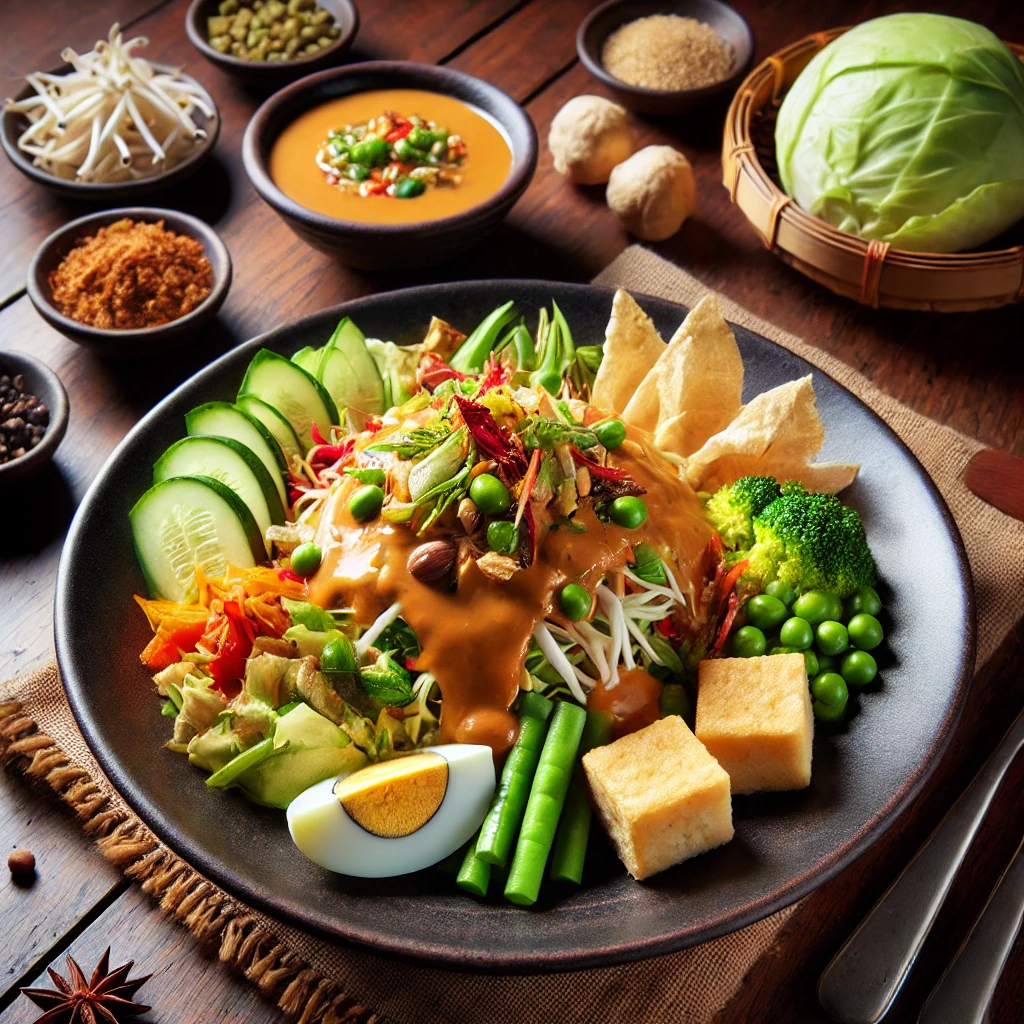
Gado-Gado
Cooked vegetables, tofu, and egg with a creamy peanut-lime dressing. Explore texture, optional pan-fried tofu, serving ideas, and practical cooling tips.
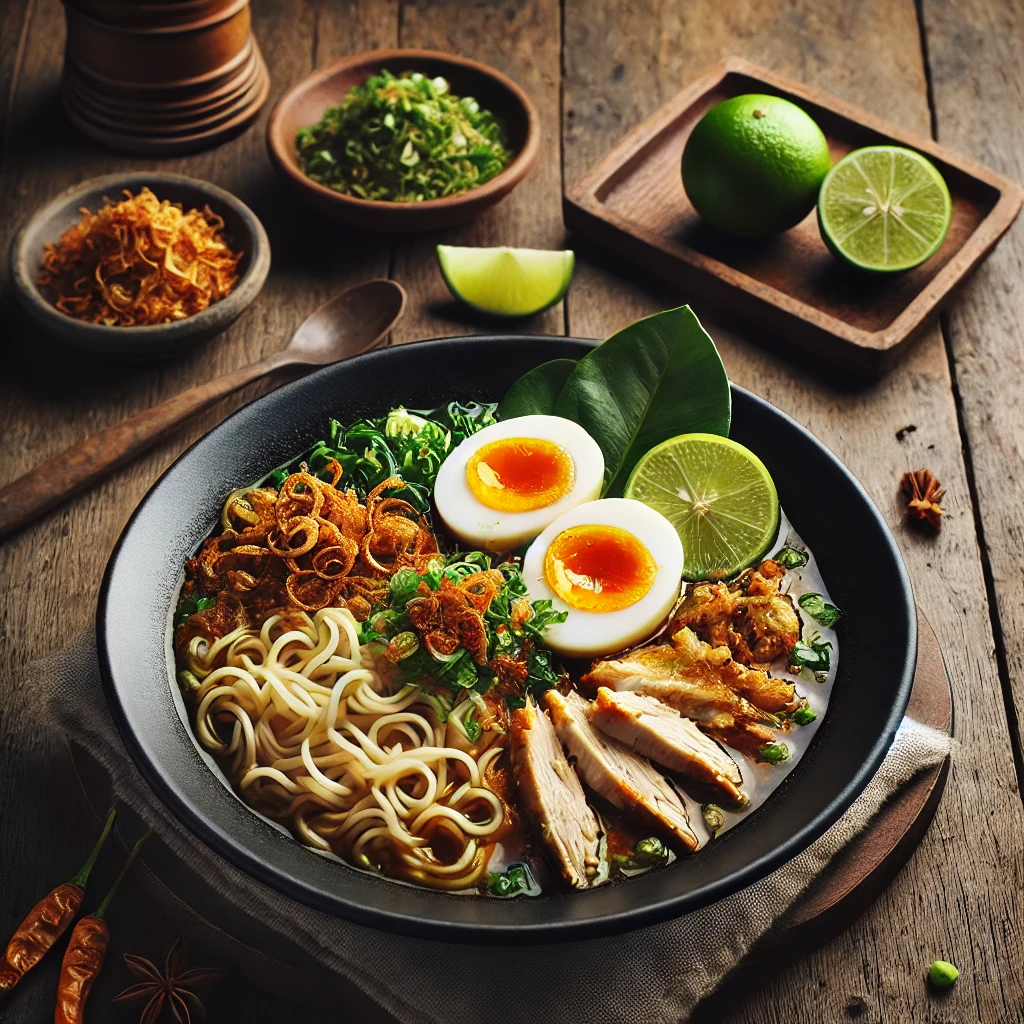
Soto Ayam
Make Soto Ayam with chicken, turmeric, lemongrass and ginger. Get tips for an aromatic broth, rice or noodles, fresh toppings and safe cooling of leftovers.
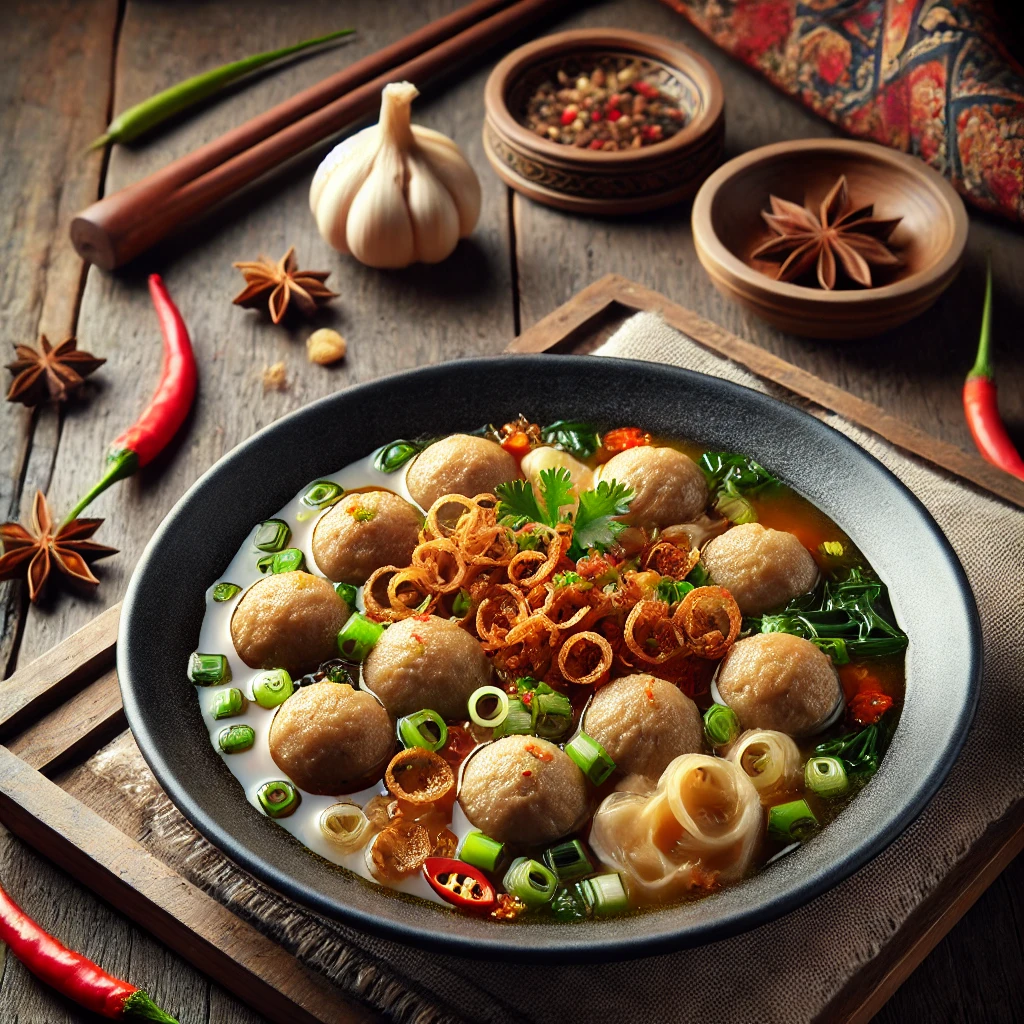
Bakso Meatballs
Bakso brings meatballs, noodles and vegetables together in hot broth. Learn how browning, gentle cooking and the toppings shape each bowl.
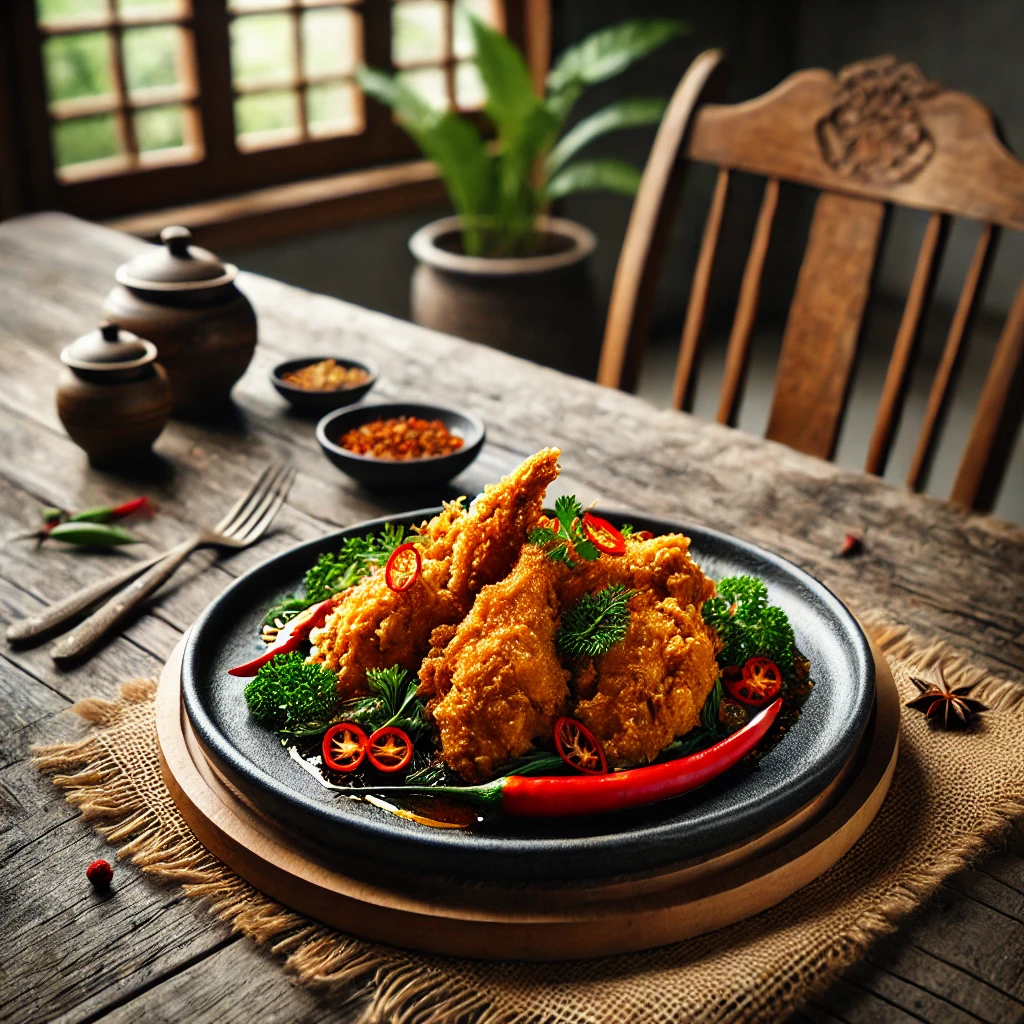
Ayam Goreng
Make Ayam Goreng with a garlic and turmeric marinade, optional flour coating, rice and sambal. Find tips for careful frying and checking chicken doneness.
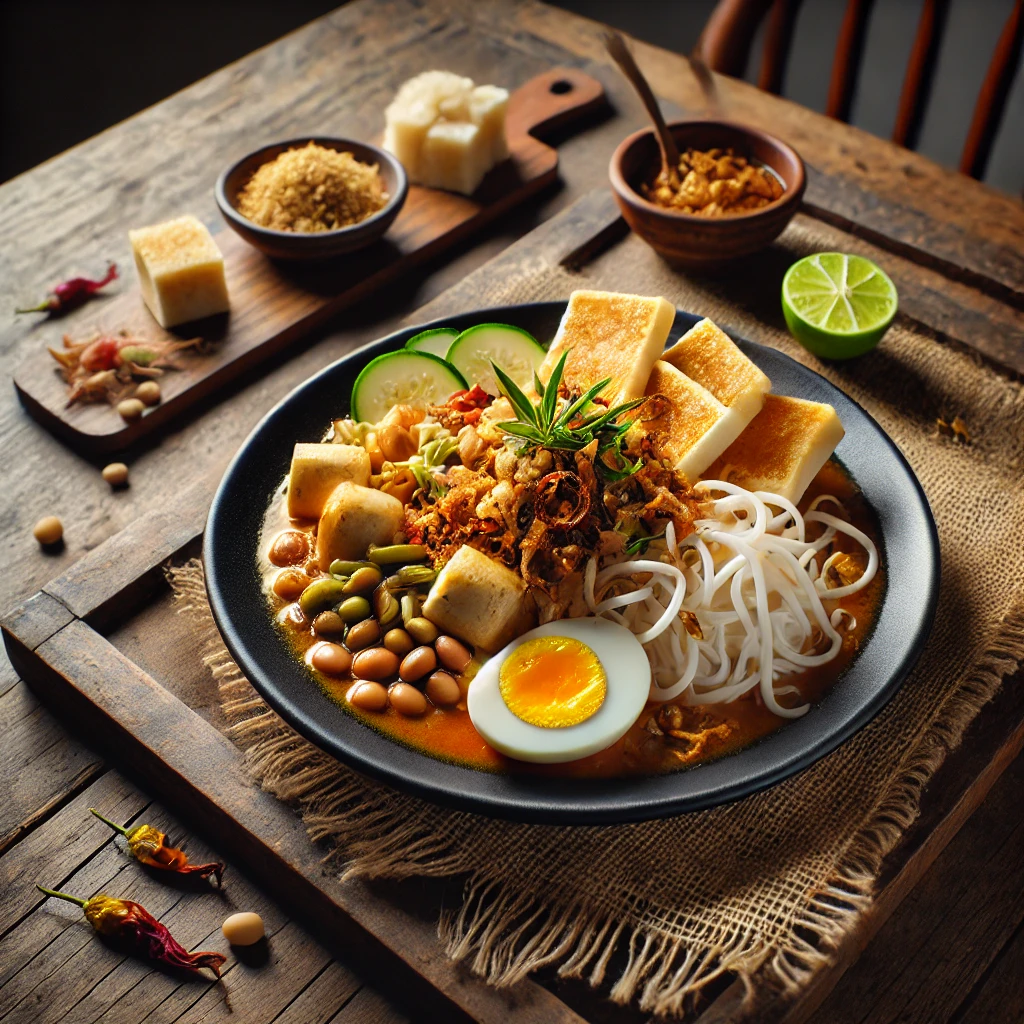
Ketoprak
Rice noodles, tofu, cucumber, and peanut-lime sauce make a colorful Ketoprak plate. Find tips for sauce texture, thoroughly cooked sprouts, and preparing ahead.
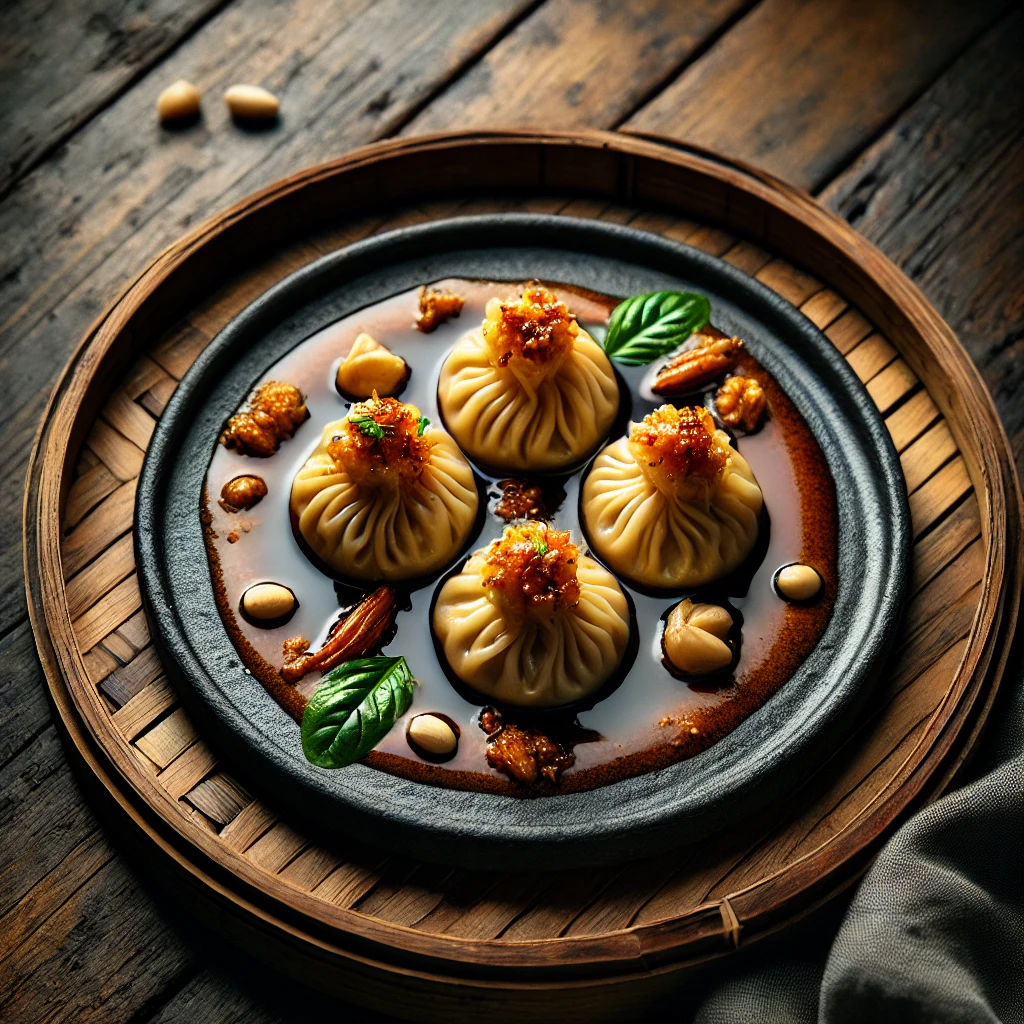
Siomay
Steamed fish dumplings with potatoes, vegetables, and peanut-lime sauce. Explore Siomay texture, safe doneness checks, serving ideas, and chilled preparation.