
Rendang Sapi with Beef, Coconut & Lemongrass
Cook along on the interactive map
Instructions 👩🍳
Step-by-step:
- Prepare and brown the beef: Cut the beef into even cubes and pat dry. Brown it in the cooking pot so the surfaces develop flavour. Refer to the illustrated recipe for the exact details.
- Cook the spice base: Add the spice paste, garlic and lemongrass and stir until fragrant, loosening the browned residue from the base.
- Simmer with coconut milk: Pour in the coconut milk and bring to a gentle simmer. Stir and turn the beef as it cooks so the sauce does not catch.
- Reduce until the meat is coated: Continue cooking until the beef is tender and the coconut sauce becomes thick enough to cling to it. Stir more carefully as the liquid reduces.
- Finish and serve: Taste the Rendang Sapi, adjust the seasoning and serve the beef with its concentrated sauce.
Rendang Sapi with tender beef and a rich coconut coating

Rendang Sapi is for the kind of meal you let simmer while the kitchen fills with the scent of coconut, garlic, and lemongrass. The beef becomes tender, and the spice sauce cooks down until it clings to every piece. A bowl of rice makes a lovely partner.
Coconut milk becomes a coating
Coconut milk supplies both the cooking liquid and richness. As water evaporates, the sauce thickens and the spice paste tastes more concentrated. Garlic and lemongrass add aromatic depth; the paste determines much of the heat and seasoning. Taste the finished mixture before adding more, since reducing the sauce also concentrates salt.
Two signs to watch
Tender meat and a thick coating are separate goals. Browning adds flavor, but it does not make the beef tender. A gentle simmer gives the meat time to soften; stirring across the base becomes more important as the liquid reduces. Some oil separating from the coconut mixture is expected. Test a piece of beef as well as the sauce: color alone cannot tell you whether the meat is ready. If the coating thickens while the beef is still firm, a little water and continued gentle cooking can help prevent scorching.
Keep raw beef chilled and separate from cooked food, rice, and garnishes. Use clean hands and utensils. After eating, divide leftovers into shallow containers and refrigerate within two hours, or one hour above 90°F (32°C); discard food left out longer. Do not leave the whole pot cooling on the counter. Keep leftovers at 40°F (4°C) or below and reheat to 165°F (74°C) throughout, checking the meat with a thermometer.
Reach the bottom of the pot
Use a spoon or spatula that reaches the corners, where concentrated sauce can stick. Fold the beef gently as it becomes tender so the pieces keep their shape.
Optional changes to the heat
Choose a milder or hotter rendang paste to suit your table, checking its ingredients and seasoning. A crisp cucumber side is another optional contrast to the rich beef; it does not need another heavy sauce.
Rice alongside, sauce around the beef
Plain rice picks up the concentrated coconut and spices. If you enjoy chicken from the grill, try Satay Ayam: garlic and ginger season the skewers, with a separate peanut sauce for dipping.
Keep portions with their sauce
Store chilled beef covered with its coating, keeping rice and fresh garnishes separate. Warm only the portion you need, stirring carefully so the thick sauce does not catch.
Frequently asked questions
Should rendang have lots of thin sauce?
This version reduces the coconut mixture until it coats the beef. Check tenderness as well as thickness.
Has the sauce failed if oil separates?
No. Some oil can separate as the coconut mixture reduces. Keep watching the bottom of the pot for sticking.
Why is the beef still firm?
It needs more gentle cooking, even if the sauce already looks thick. Keep enough moisture in the pot to avoid scorching as the meat softens.
Best Indonesian Cuisine Recipes to Try at Home
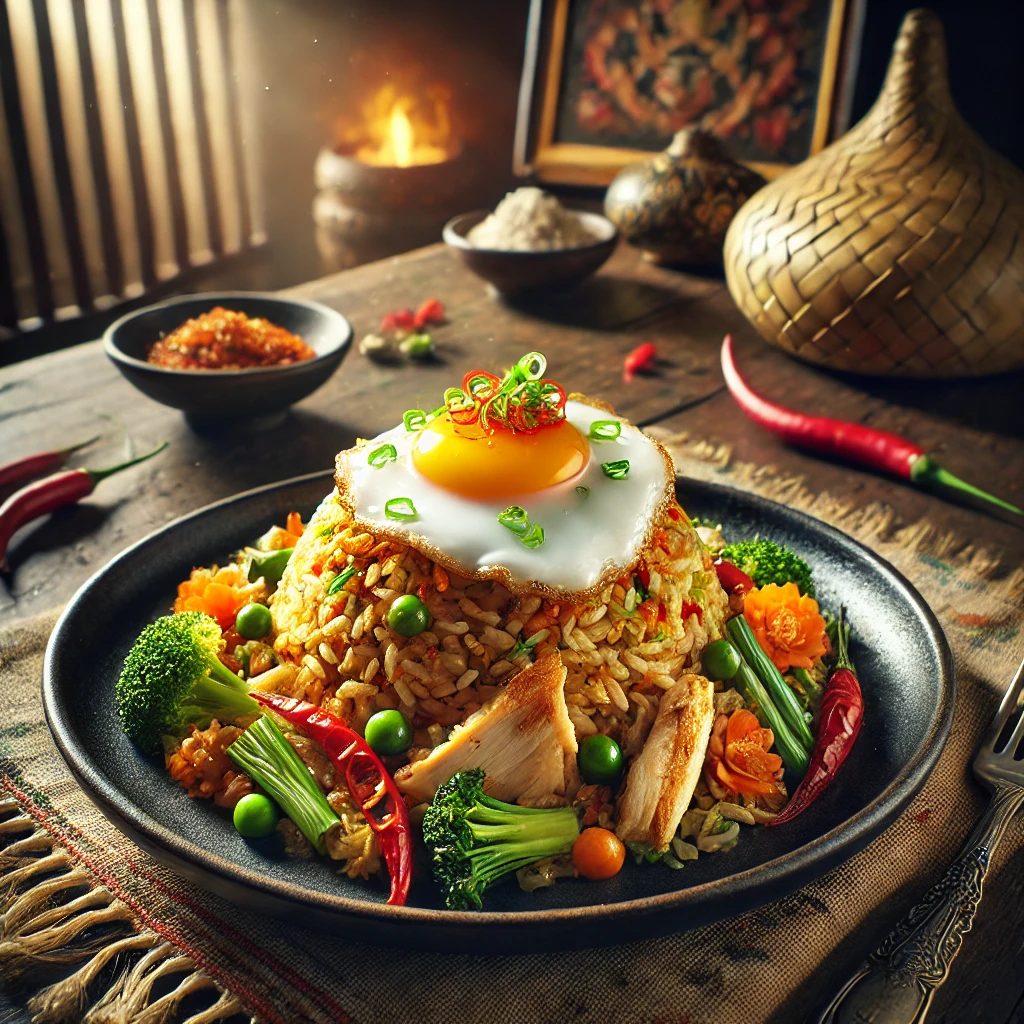
Nasi Goreng
Garlic, shallots, chili and kecap manis give fried rice a savory-sweet finish. Learn how to handle cooled rice and serve it hot with a fried egg.
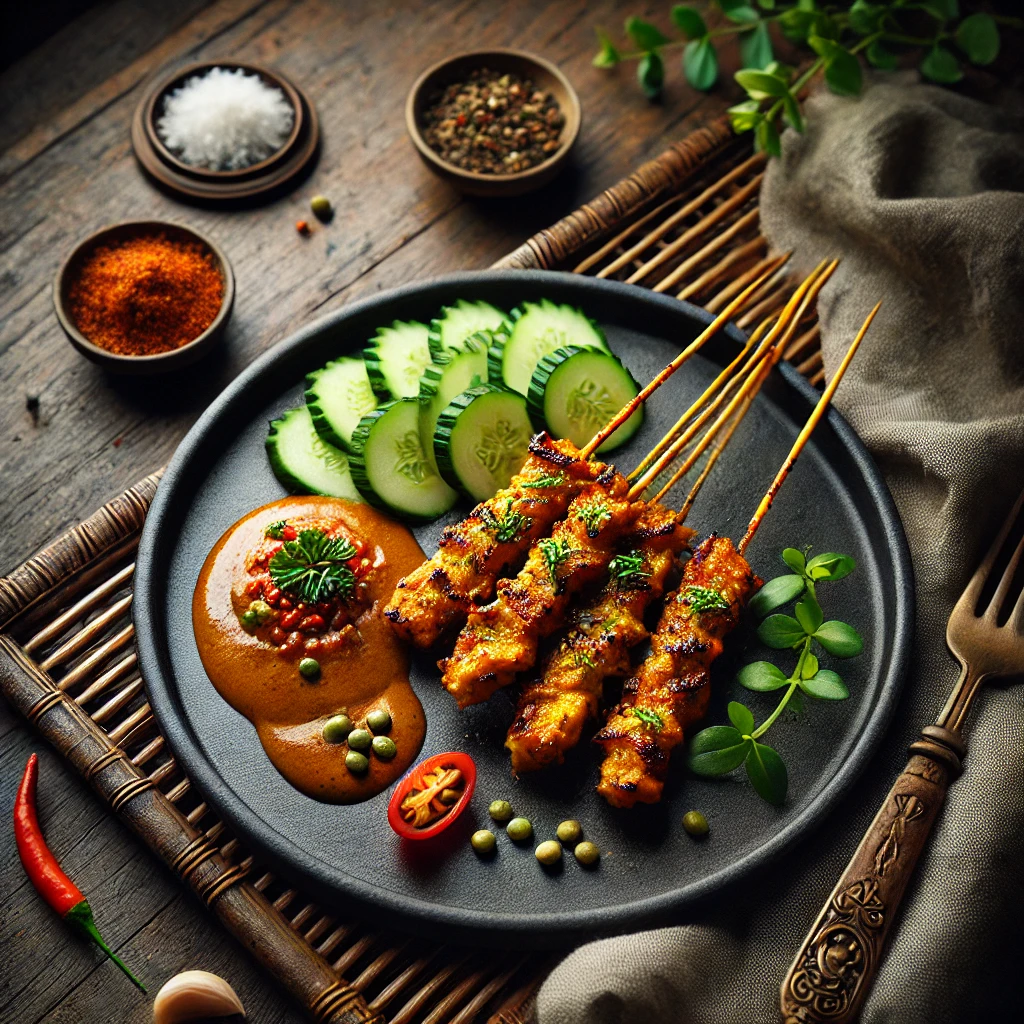
Satay Ayam (Chicken Sate)
Grilled chicken satay with garlic, ginger, and a creamy peanut-coconut sauce. Practical tips for even cooking, safe handling, serving, and storing leftovers.
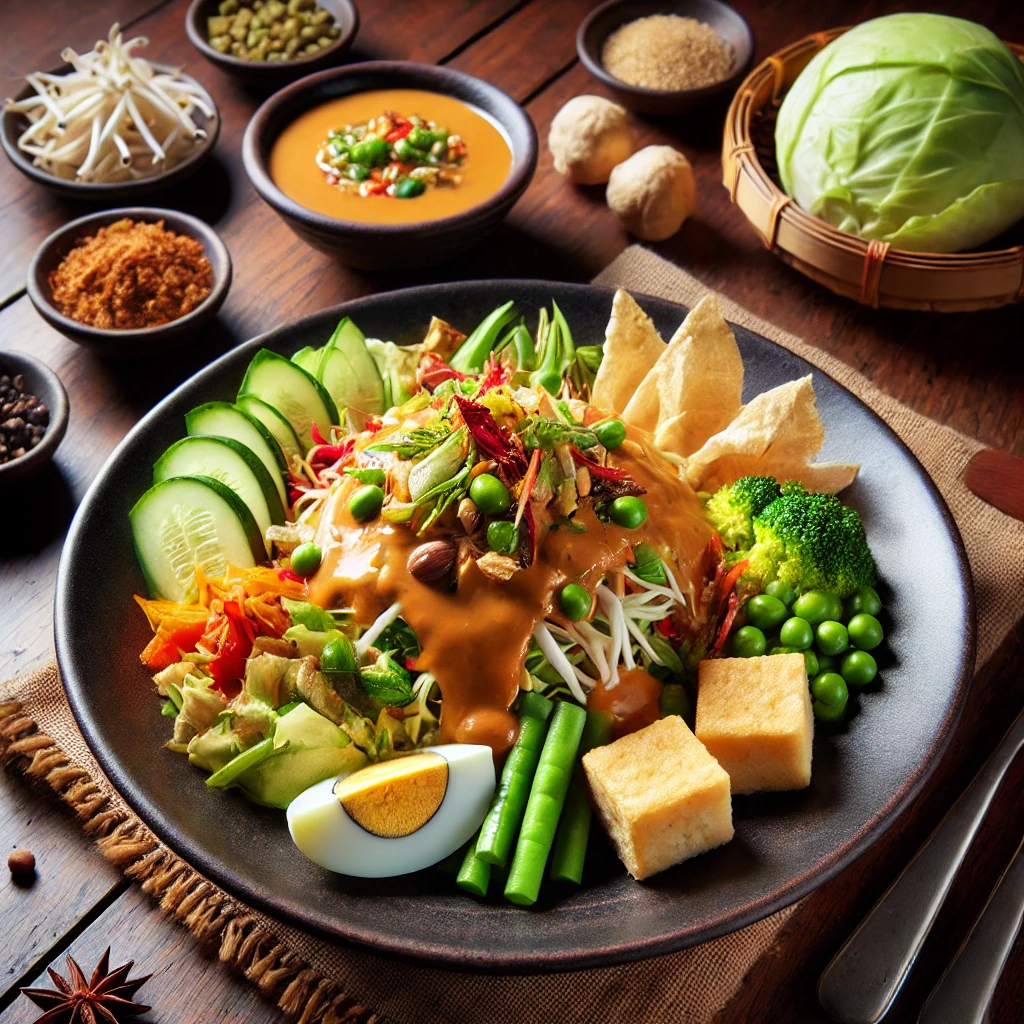
Gado-Gado
Cooked vegetables, tofu, and egg with a creamy peanut-lime dressing. Explore texture, optional pan-fried tofu, serving ideas, and practical cooling tips.
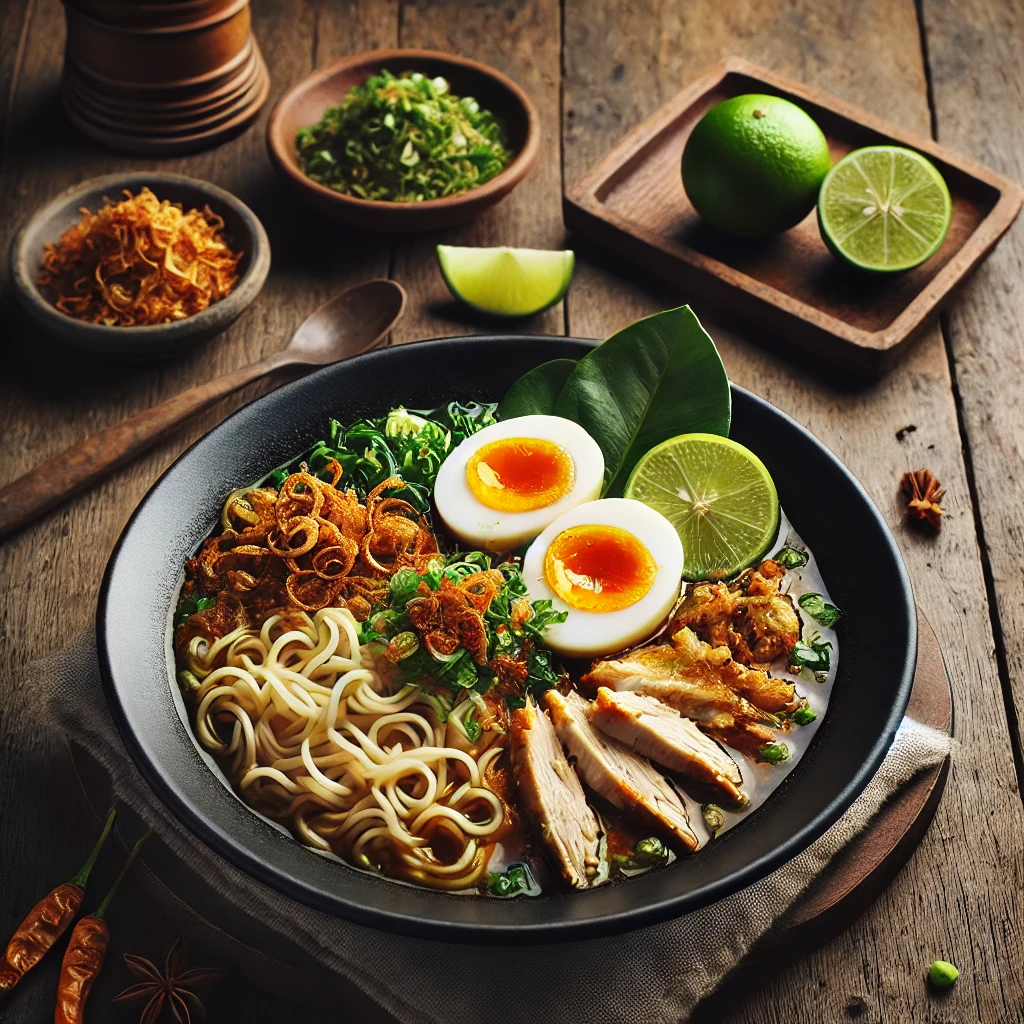
Soto Ayam
Make Soto Ayam with chicken, turmeric, lemongrass and ginger. Get tips for an aromatic broth, rice or noodles, fresh toppings and safe cooling of leftovers.
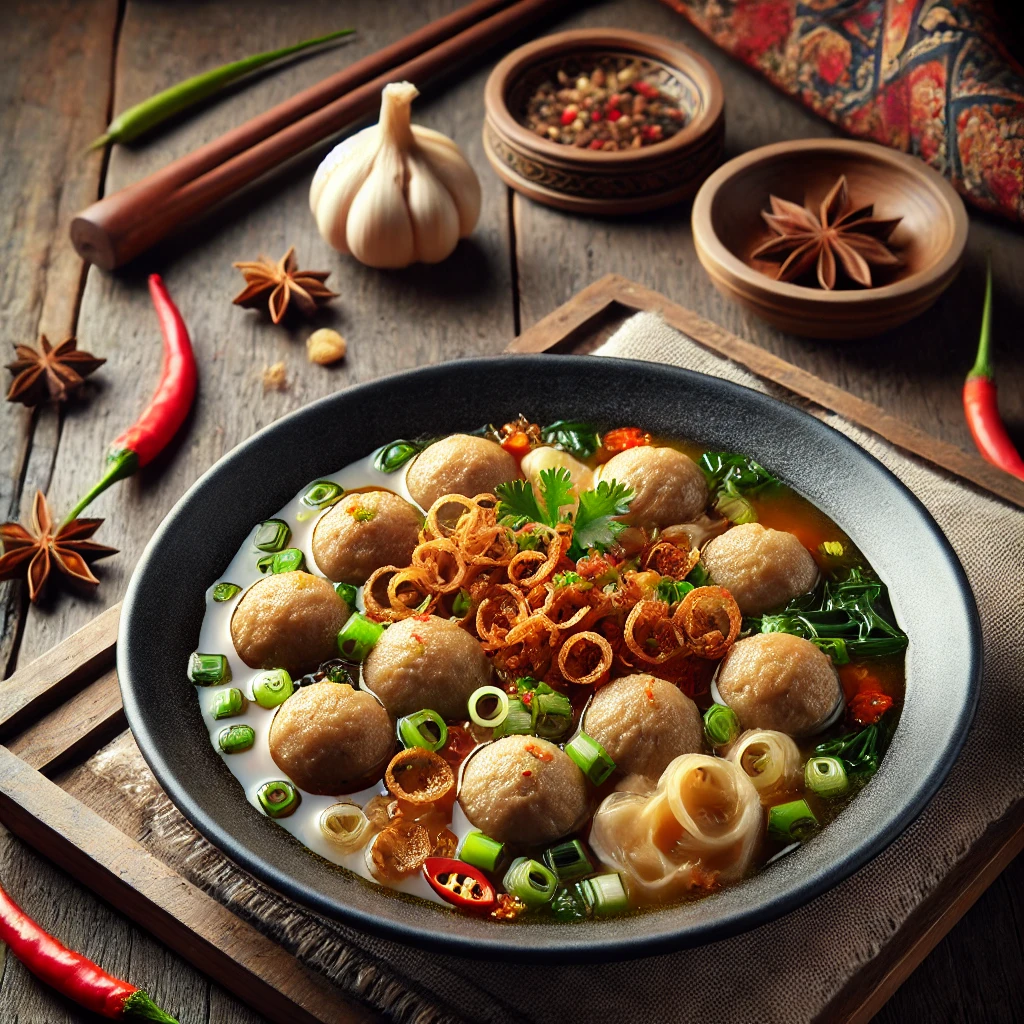
Bakso Meatballs
Bakso brings meatballs, noodles and vegetables together in hot broth. Learn how browning, gentle cooking and the toppings shape each bowl.
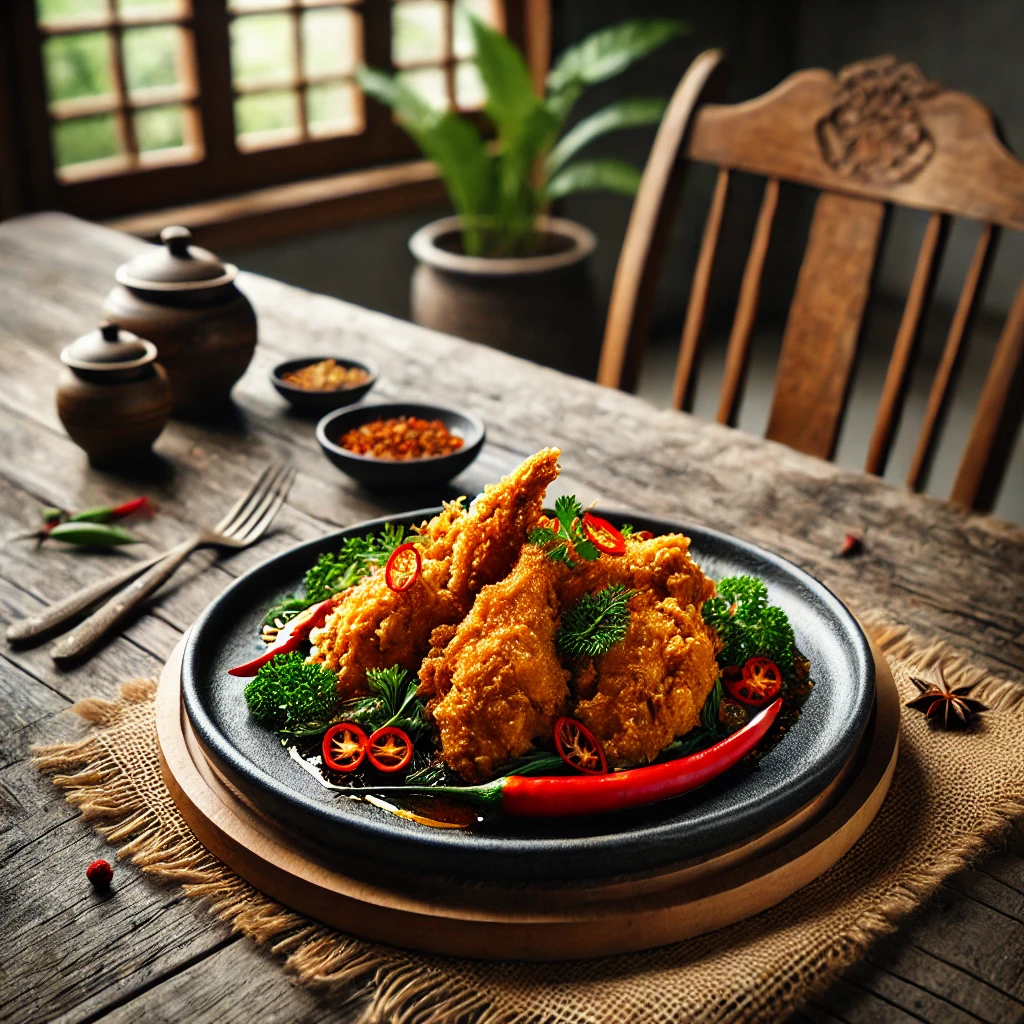
Ayam Goreng
Make Ayam Goreng with a garlic and turmeric marinade, optional flour coating, rice and sambal. Find tips for careful frying and checking chicken doneness.
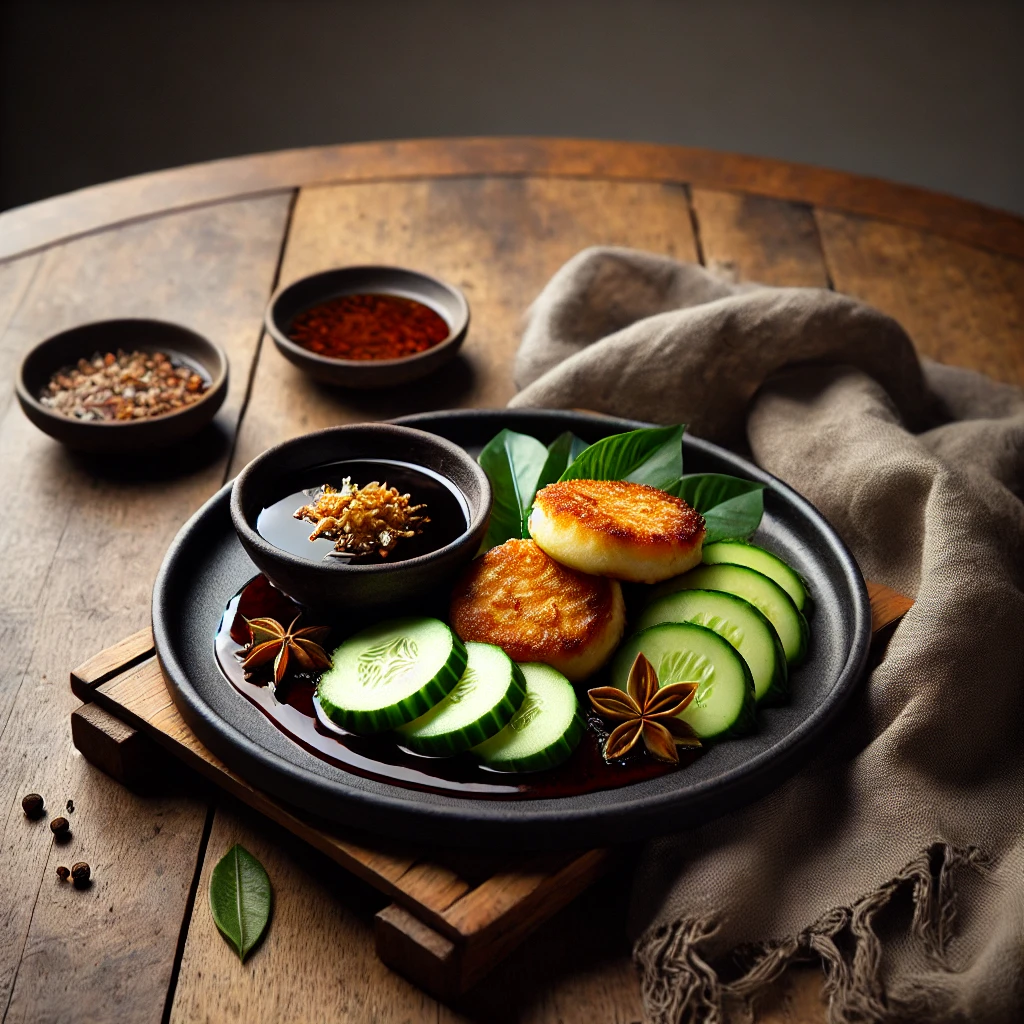
Pempek
Pempek pairs a smooth fish-and-flour mixture with a tangy vinegar sauce. Explore boiled or fried textures and learn what matters when cooking the center.
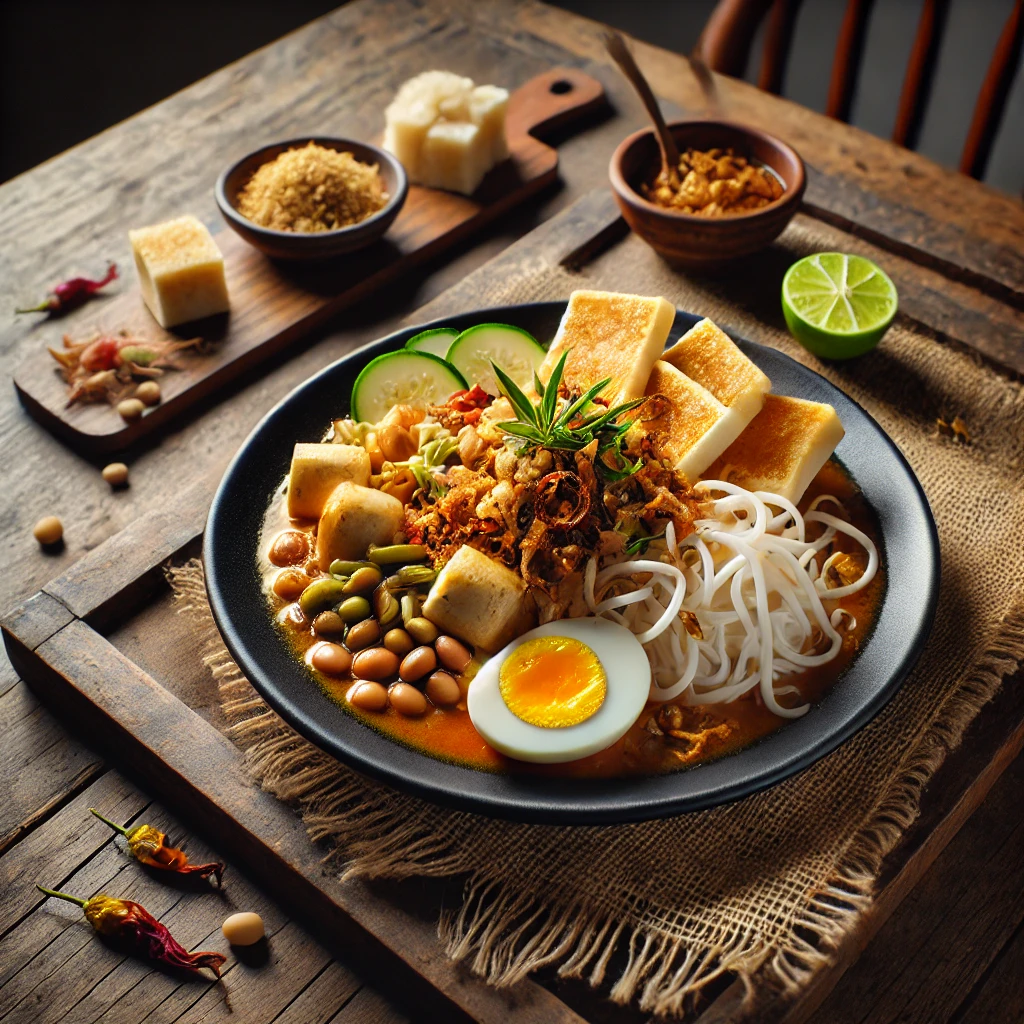
Ketoprak
Rice noodles, tofu, cucumber, and peanut-lime sauce make a colorful Ketoprak plate. Find tips for sauce texture, thoroughly cooked sprouts, and preparing ahead.
Siomay
Steamed fish dumplings with potatoes, vegetables, and peanut-lime sauce. Explore Siomay texture, safe doneness checks, serving ideas, and chilled preparation.