
Irresistible Homemade Cookie Recipes
Crispy or chewy, these sweet treats come in endless varieties and flavors.Instructions: Tap the Map & Cook Along 👇
A Crumbly Affair: Unwrapping the Global Love for Cookies

There’s a universal language that transcends borders, cultures, and generations—a language spoken through the delightful crunch of a freshly baked cookie. From the humble chocolate chip to intricate European biscuits, cookies have woven themselves into the fabric of our culinary traditions and personal memories. Let’s embark on a sweet journey through the history, varieties, and enduring charm of cookies that continue to warm our hearts and kitchens worldwide.
A Bite of History: The Origins of Cookies
The story of cookies begins in 7th-century Persia, one of the first regions to cultivate sugar. As sugar spread along trade routes to Europe, so did the art of cookie making. The term “cookie” itself derives from the Dutch word koekje, meaning “little cake.” By the 14th century, cookies were common in all levels of European society, from royal courts to street vendors, serving as both indulgent treats and practical travel snacks due to their longevity.
The Cookie Goes Global
Europe: Europe is a treasure trove of diverse cookie traditions, each country adding its unique flavor and technique to the cookie repertoire.
Germany boasts an impressive array of cookies, especially during the festive seasons. Lebkuchen, often compared to gingerbread, is a spiced cookie that comes in various shapes and is sometimes glazed or covered in chocolate. Spritzgebäck are buttery, pressed cookies typically flavored with almonds or vanilla, known for their delicate texture and intricate designs. Pfeffernüsse are small, spiced cookies dusted with powdered sugar, offering a delightful combination of sweetness and warmth from spices like cinnamon and cloves.
In England, tea biscuits became a staple companion to afternoon tea. Classic varieties like Digestives and Jammie Dodgers are beloved for their simplicity and comforting flavors.
France introduced the world to delicate macarons, colorful meringue-based cookies with creamy fillings, and sablés, rich, buttery cookies that crumble perfectly with each bite.
Italy’s biscotti are twice-baked to achieve their signature crunch, making them perfect for dipping in coffee or wine. Amaretti, almond-flavored cookies with a chewy texture, are another Italian favorite.
America: The iconic chocolate chip cookie was a happy accident by Ruth Graves Wakefield in the 1930s at the Toll House Inn in Massachusetts. Attempting to make chocolate cookies, she added chopped chocolate bits to her dough, expecting them to melt—but they held their shape, and a classic was born.
Asia: In China, almond cookies symbolize good luck, while Japan blends Western baking with local flavors, creating treats like matcha-infused cookies. India offers nankhatai, a buttery shortbread cookie spiced with cardamom.
Cookies as Cultural Symbols
Cookies often carry significant cultural meanings, representing more than just sweet indulgence.
- Fortune Cookies: Although associated with Chinese cuisine, fortune cookies were popularized in the United States. These crisp cookies hide a slip of paper with words of wisdom or prophecy, adding an element of surprise to the dining experience.
- Gingerbread: Originating from Europe, gingerbread cookies have become synonymous with the holiday season, symbolizing warmth, family, and festivity. The tradition of decorating gingerbread houses and men adds a creative twist to holiday celebrations.
- Mooncakes: In Chinese culture, mooncakes are a delicacy during the Mid-Autumn Festival, symbolizing unity and completeness. While not a cookie in the traditional sense, their pastry-like exterior and sweet fillings place them in the broader cookie family.
The Science of Baking the Perfect Cookie
Baking cookies is both an art and a science. The texture, flavor, and appearance can be altered by tweaking ingredients and techniques.
- Fats: Butter yields a rich flavor and crisp edges, while shortening can produce a softer, taller cookie.
- Sugars: White sugar leads to a crisper cookie, whereas brown sugar’s molasses content adds moisture, resulting in a chewier texture.
- Leavening Agents: Baking soda spreads cookies out, making them thinner and crisper, while baking powder gives a puffier, cake-like consistency.
- Temperature: Chilling dough can prevent cookies from spreading too much, leading to a thicker cookie with a gooey center.
Modern Twists and Trends
Dietary Innovations: With growing dietary preferences, bakers are crafting gluten-free, vegan, and keto-friendly cookies without compromising on taste.
Flavor Fusions: Adventurous palates can enjoy cookies infused with exotic ingredients like lavender, chili, sea salt, and various herbs.
Artistic Expressions: Decorated sugar cookies have become edible art. Intricate designs for weddings, holidays, and special events showcase the limitless creativity of bakers.
Cookies in the Digital Age
The love for cookies has found a new home online. Social media platforms overflow with cookie photos, recipes, and baking hacks. Viral trends like cookie decorating tutorials and unconventional flavor combinations inspire both amateur and professional bakers worldwide. Virtual bake-offs and recipe swaps have fostered a global community united by a shared passion for this timeless treat.
A Sweet Conclusion
From their ancient origins to modern-day innovations, cookies have remained a beloved treat that brings joy across the globe. Whether biting into a classic chocolate chip cookie or experimenting with new flavors in your kitchen, each cookie carries a piece of history and a whole lot of love. So next time you indulge, remember you’re part of a global tradition—a crumbly, sweet, and delightful affair that connects us all.
Macarons: A Bite-Sized Symphony of Elegance and Flavor

In the world of confections, the macaron stands out as a tiny testament to the art of French patisserie. These small, round treats, characterized by their smooth domed tops, ruffled edges (referred to as "feet"), and a flat base, are more than just cookies; they are a harmonious blend of texture and flavor that can elevate any occasion to a celebration.
The Allure of Macarons
Macarons captivate the senses from the very first glance. Available in a rainbow of colors and a myriad of flavors, each macaron is a visual delight. From pastel pinks and vibrant greens to elegant blacks and golds, macarons are often too pretty to eat. Yet, it's their delicate crunch and soft, chewy interior that truly make them irresistible.
A Flavor for Every Palate
The true magic of macarons lies in their versatility. Traditional flavors like chocolate, vanilla, and raspberry promise a classic experience, while adventurous varieties such as matcha, lavender, and salted caramel invite connoisseurs to explore new taste territories. Seasonal offerings, like pumpkin spice or peppermint during the holidays, ensure that macaron lovers always have something new to anticipate.
The Symbol of Sophistication
Often associated with luxury and refinement, macarons have become a fashionable treat for weddings, showers, and upscale events. Their sophisticated appearance and association with French culinary excellence make them a popular choice for gift-giving and special treats. A beautifully packaged box of macarons not only delights the recipient but also adds a touch of elegance to the simplest moments.
More Than Just Dessert
While macarons are undoubtedly a delightful end to any meal, their appeal goes beyond dessert. They are a staple at high tea experiences, where they add color and sweetness to the array of mini sandwiches and scones. Cafés and patisseries display them as edible jewels, attracting patrons who might just pop in for a coffee but leave with a handful of these confections.
The Cultural Icon
Beyond their taste and beauty, macarons are steeped in cultural significance. Originating in Italy and brought to France by Catherine de' Medici in the 16th century, the macaron evolved into its current form in the early 20th century. Since then, it has not only become an emblem of French culinary prowess but also a global sensation, inspiring bakers around the world to create their own interpretations of this beloved treat.
Conclusion
The macaron, with its delicate structure and complex flavors, continues to enchant and engage all who encounter it. Whether enjoyed with a cup of espresso, as part of an elaborate dessert tray, or simply as a sweet little indulgence, the macaron remains a celebration of craftsmanship and joy. For those who have yet to succumb to its charm, a world of flavor and finesse awaits.


Our Favorite Cookies to Sweeten Your Christmas!

Tomato Mozzarella Salad
Fresh Delight in Every Bite!

Champignon Salad
Fresh Flavors, Naturally Perfect!

Bacon-Wrapped Dates
Sweet Meets Savory: The Perfect Bite!

Cheeseburger
Get closer to heaven with some yummy burgers!

Chorizos
Spice Up Your Grill with Flavorful Sizzle

Grilled Chicken Breast
Grilled to Perfection, Packed with Flavor!

Grilled Corn on the Cob
Golden kernels, smoky taste!

Grilled Pizza Rolls
The Ultimate BBQ Snack You Didn’t Know You Needed!

Focaccia for BBQ
The Perfect BBQ Sidekick!

Aioli
Where Taste Meets Creamy

Rhubarb Crumble
Sooo yummmmmyyy!

Whiskey Sour
The Classic Cocktail That Never Goes Out of Style

Malbec
Bold Flavor, Rich Character
No Dessert Toppings mood? How about…
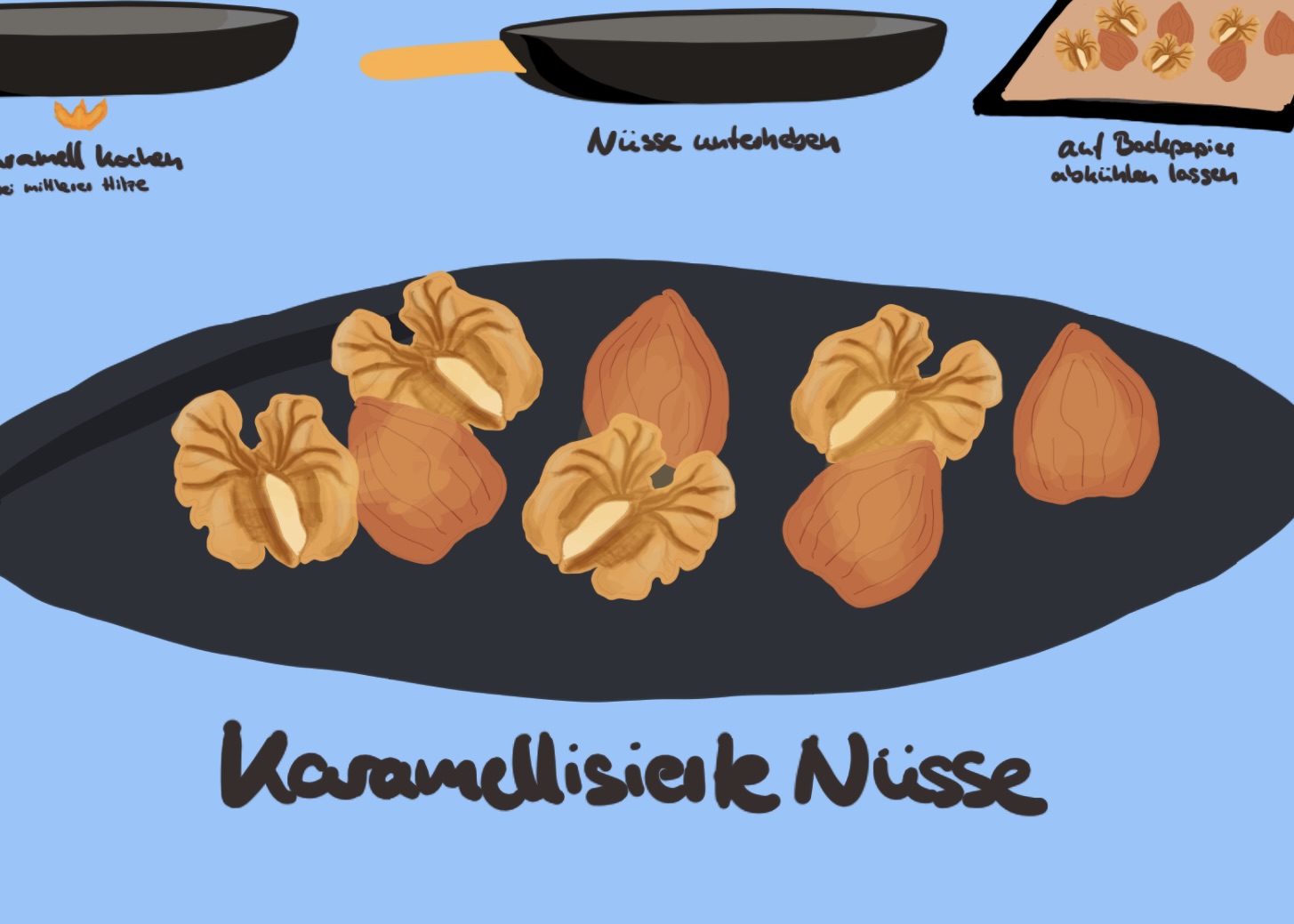
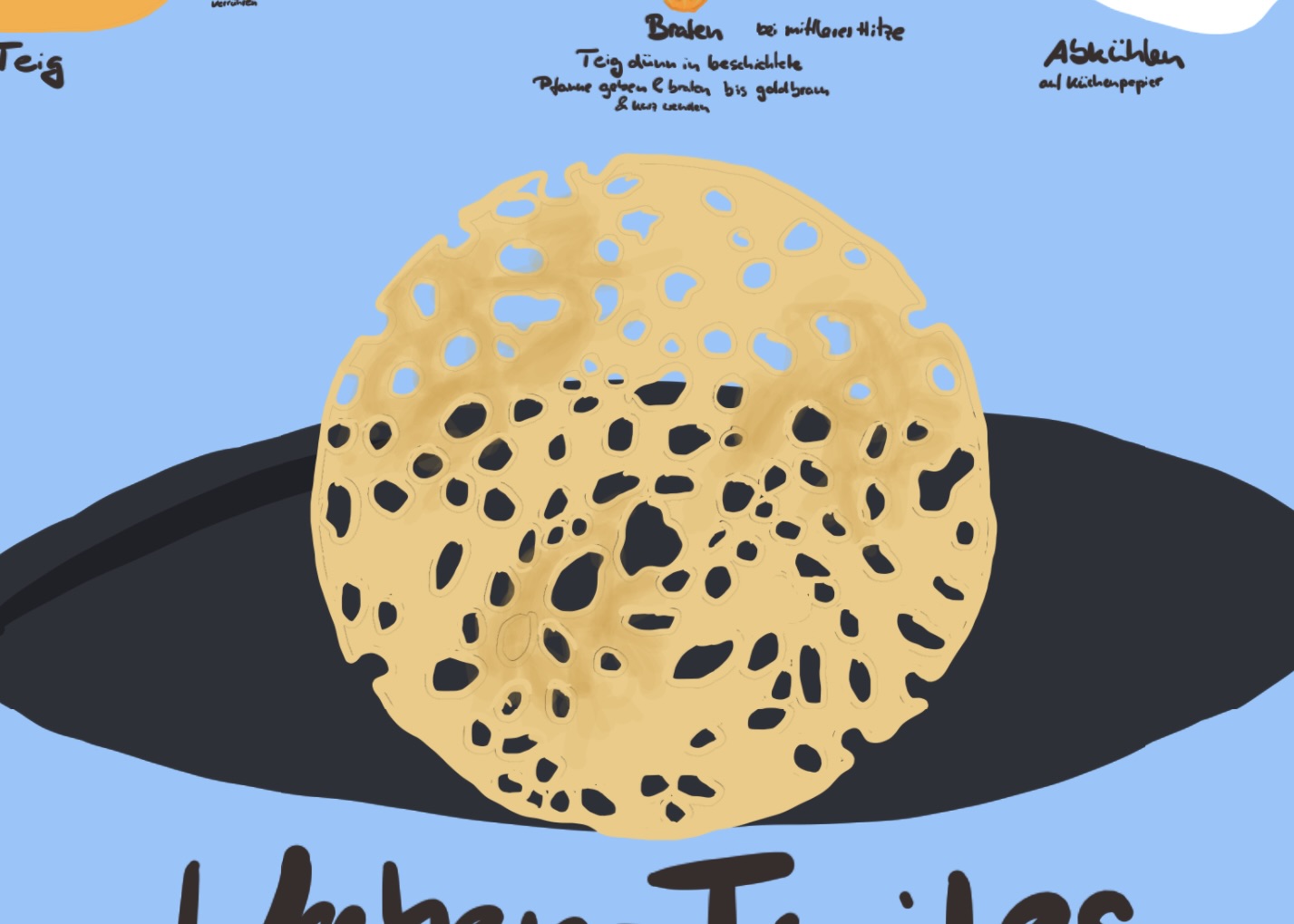
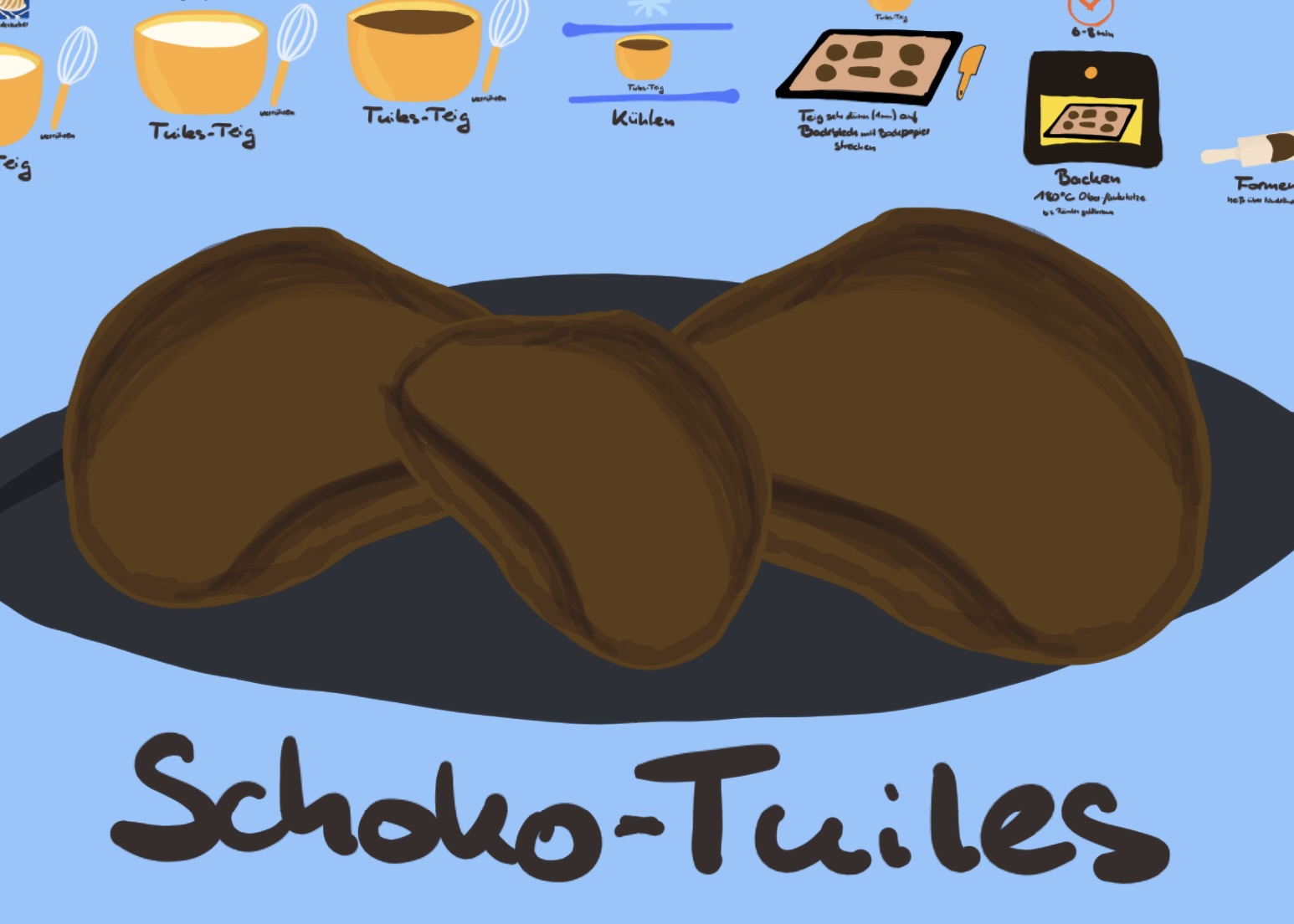
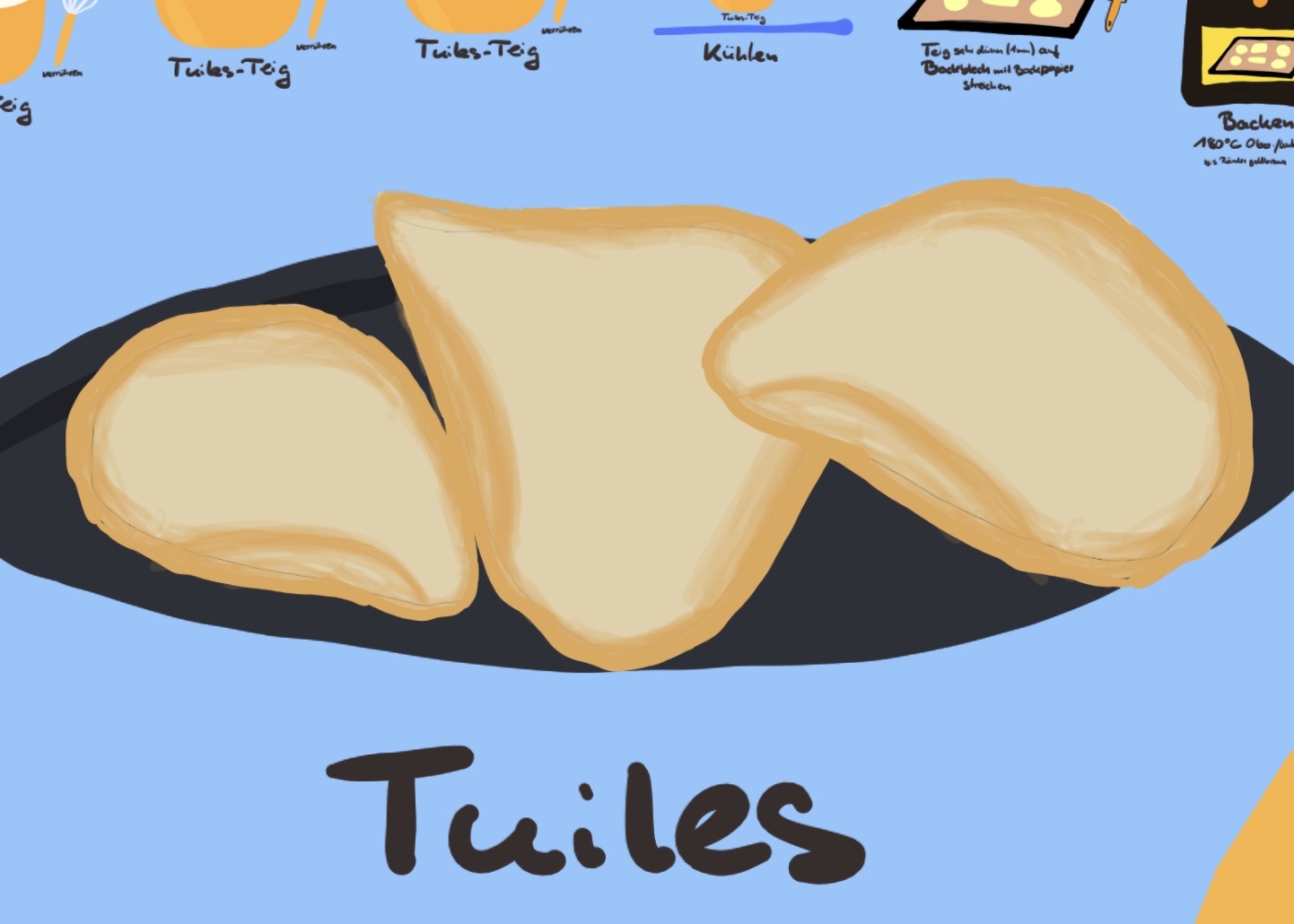
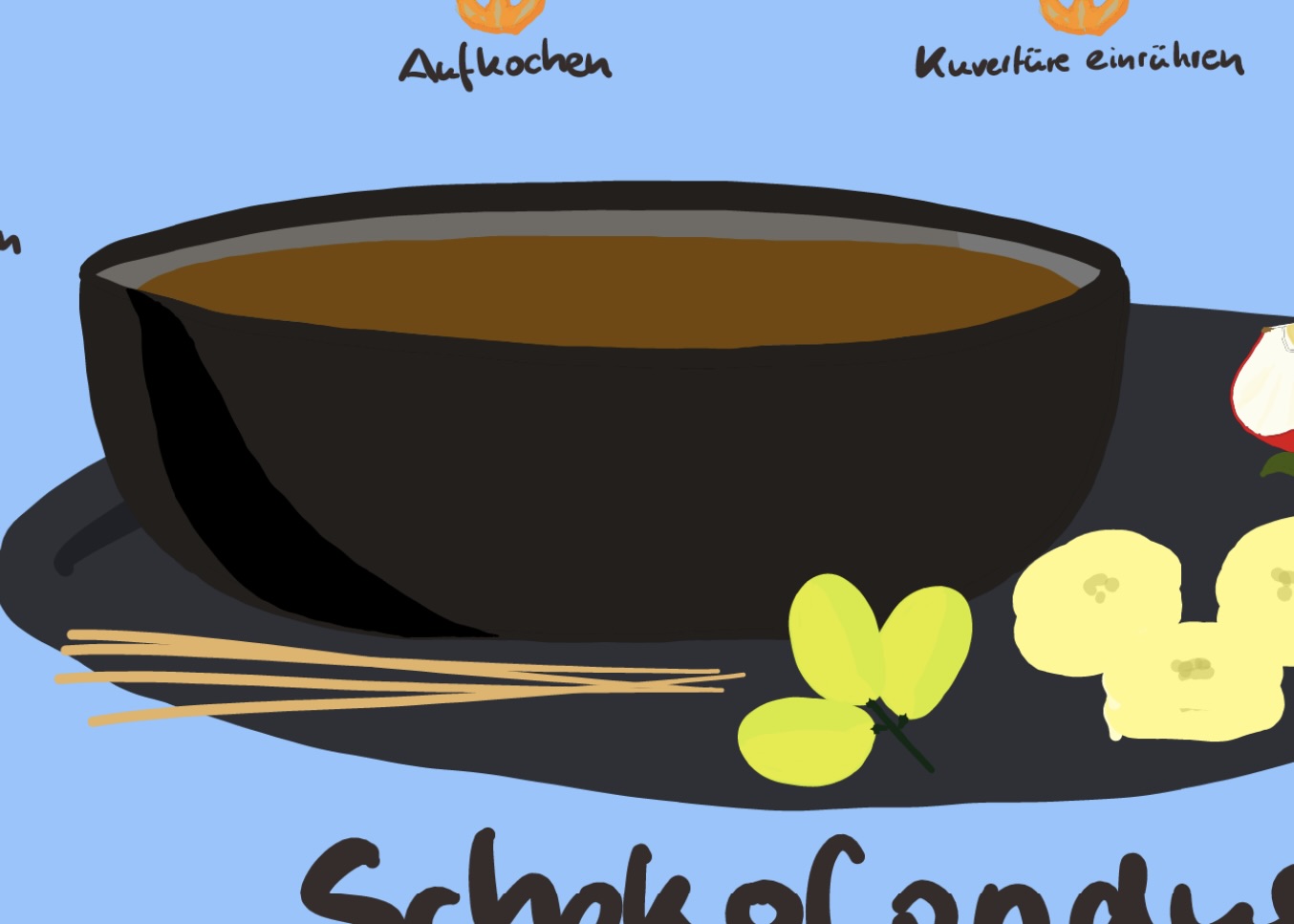
Chocolate sauceChocolate sauce
Make a luscious chocolate sauce, ideal for topping desserts or ice cream.
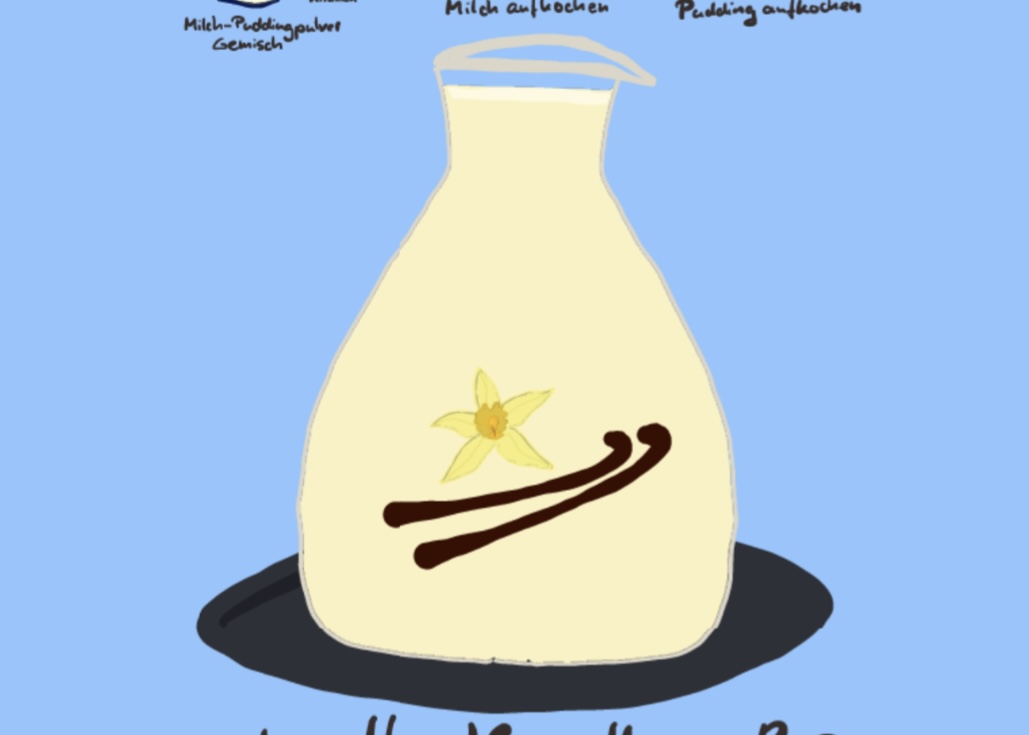
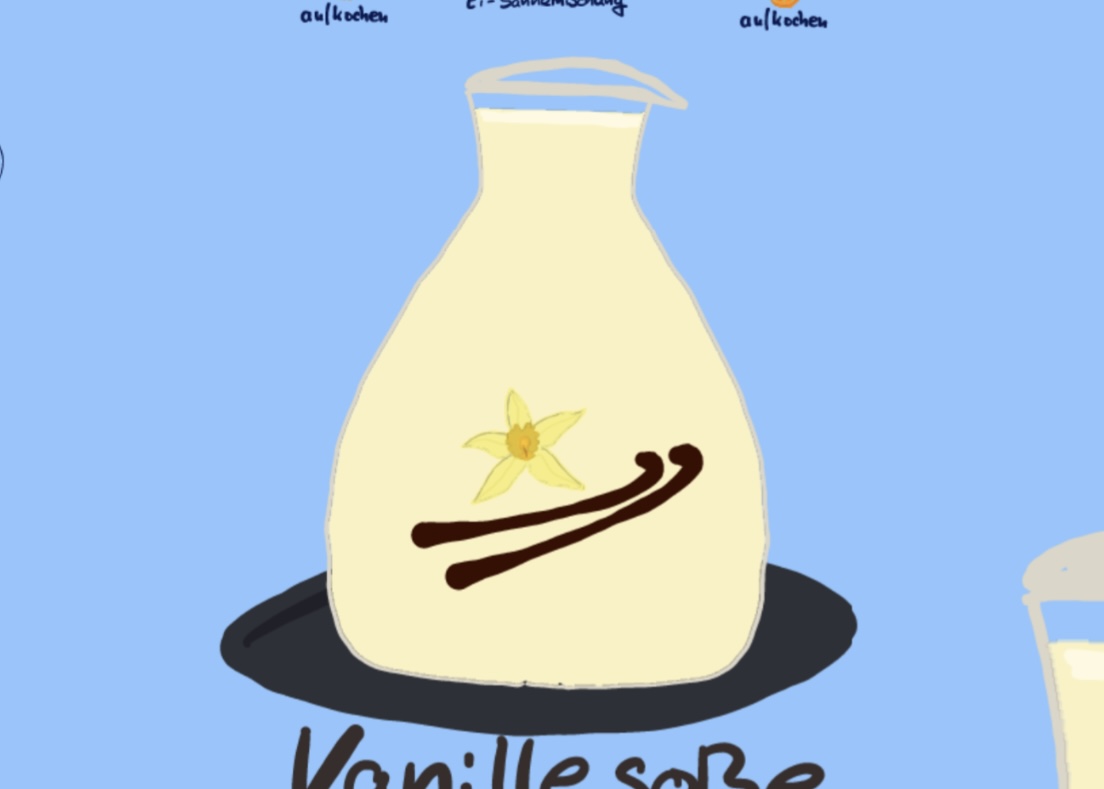
Vanilla Custard (Crème Anglaise)Vanilla Custard (Crème Anglaise)
Pour this rich and creamy vanilla sauce over your favorite desserts.