
Classic Caramel Popcorn | Golden, Crunchy & Buttery
Directions 👩🍳
Tap the map & cook step-by-step
Classic Caramel Popcorn: crisp, golden, buttery, and properly caramelized
Classic caramel popcorn is the upgrade from simple sweet popcorn: deeper flavor, more crunch, and that glossy golden coating that makes every handful feel like a treat. The key difference is the caramel itself. Instead of just tossing popcorn with butter and sugar, you cook a real caramel that coats the popcorn evenly and sets into a thin, crisp shell. With the right heat, good moisture control, and enough time for the coating to dry properly, classic caramel popcorn turns out crunchy instead of sticky and rich instead of burnt. Perfect for movie nights, parties, gifting, and snack boards.
Why classic caramel popcorn works so well
- Real caramel depth: Cooked sugar and butter create a richer, rounder flavor than simple sweet popcorn.
- Thin crisp shell: A proper caramel coating gives the popcorn shine, crunch, and better shelf life.
- Big treat energy: It feels more special and dessert-like than everyday popcorn.
- Easy to customize: You can add salt, vanilla, cinnamon, nuts, or chocolate once the base works.
- Great for sharing: It is ideal for parties, movie bowls, lunchbox treats, and edible gifts.
High-value tips: How to make classic caramel popcorn really good
- Start with dry popcorn: Fresh popcorn should be fully popped and allowed to release steam briefly. If it is still damp, the caramel coating turns soft faster.
- Cook the caramel with control: Sugar needs steady heat, not panic heat. Let it melt and deepen gradually so it reaches a warm amber tone without burning.
- Watch color carefully: Pale caramel tastes flat and overly sweet; dark caramel can turn bitter. Aim for a deep golden to light amber shade.
- Butter smooths the texture: Butter gives the caramel richness and helps it coat more evenly, but too much can soften the final crunch.
- Moisture control matters: The caramel should be fluid enough to coat, but concentrated enough to set. Undercooked caramel usually leads to sticky popcorn.
- Coat quickly: Pour the caramel over the popcorn in stages and toss immediately in a very large bowl so more pieces get evenly covered.
- Use the oven for extra crunch: A short bake at low heat after coating helps dry the caramel and gives you a more classic crisp finish.
- Salt makes it better: Even classic caramel popcorn benefits from a small pinch of salt to sharpen the sweetness and prevent a one-note result.
Variations & alternatives
- Salted caramel: Increase the salt slightly for a stronger sweet-salty contrast.
- Vanilla caramel: Add vanilla after the caramel is cooked for a softer dessert note.
- Cinnamon caramel: Stir in cinnamon for a warm, cozy version.
- With nuts: Roasted peanuts, pecans, or almonds bring extra crunch and a snack-mix vibe.
- Chocolate finish: Once fully cool, drizzle with melted chocolate for a more confection-style treat.
- Lighter caramel coat: Use slightly less caramel and toss thoroughly if you want less clustering and a thinner shell.
Serving ideas / pairings
- Movie-night bowl: Serve once the caramel is set and the popcorn feels fully crisp.
- Party snack: Portion into paper cones, cups, or jars for easy sharing.
- Giftable treat: Pack into tins or bags after it has cooled completely.
- Snack board: Pair with pretzels, nuts, chocolate pieces, or cookies.
- Holiday version: Add cinnamon, nuts, or chocolate drizzle for a festive feel.
Storage, meal-prep & reheating
Classic caramel popcorn should cool fully before storing so the coating can harden properly. Keep it in an airtight container at room temperature, where it usually stays crisp for several days depending on humidity. If it softens slightly, a short low-oven refresh can help bring back some crunch. Avoid the fridge, because extra moisture can make the caramel tacky. For longer-lasting crispness, the oven-drying step after coating is worth it.
FAQ
Why did my caramel popcorn turn sticky?
The caramel was likely undercooked, or the popcorn still held too much steam. Cook the caramel a bit further and let the popcorn dry slightly before coating.
Why does my caramel taste bitter?
The sugar went too dark or the heat was too high. Caramel should be amber, not dark brown.
Do I need to bake caramel popcorn after coating?
Not always, but it helps dry the coating and gives a more classic crisp texture.
Why is the coating uneven?
The caramel sets quickly. Pour it over in stages and toss immediately in a large bowl.
How do I keep caramel popcorn crunchy longer?
Cool it completely, store it airtight, and keep moisture away. A short oven-dry step helps a lot.
Best Popcorn Recipes to Try at Home
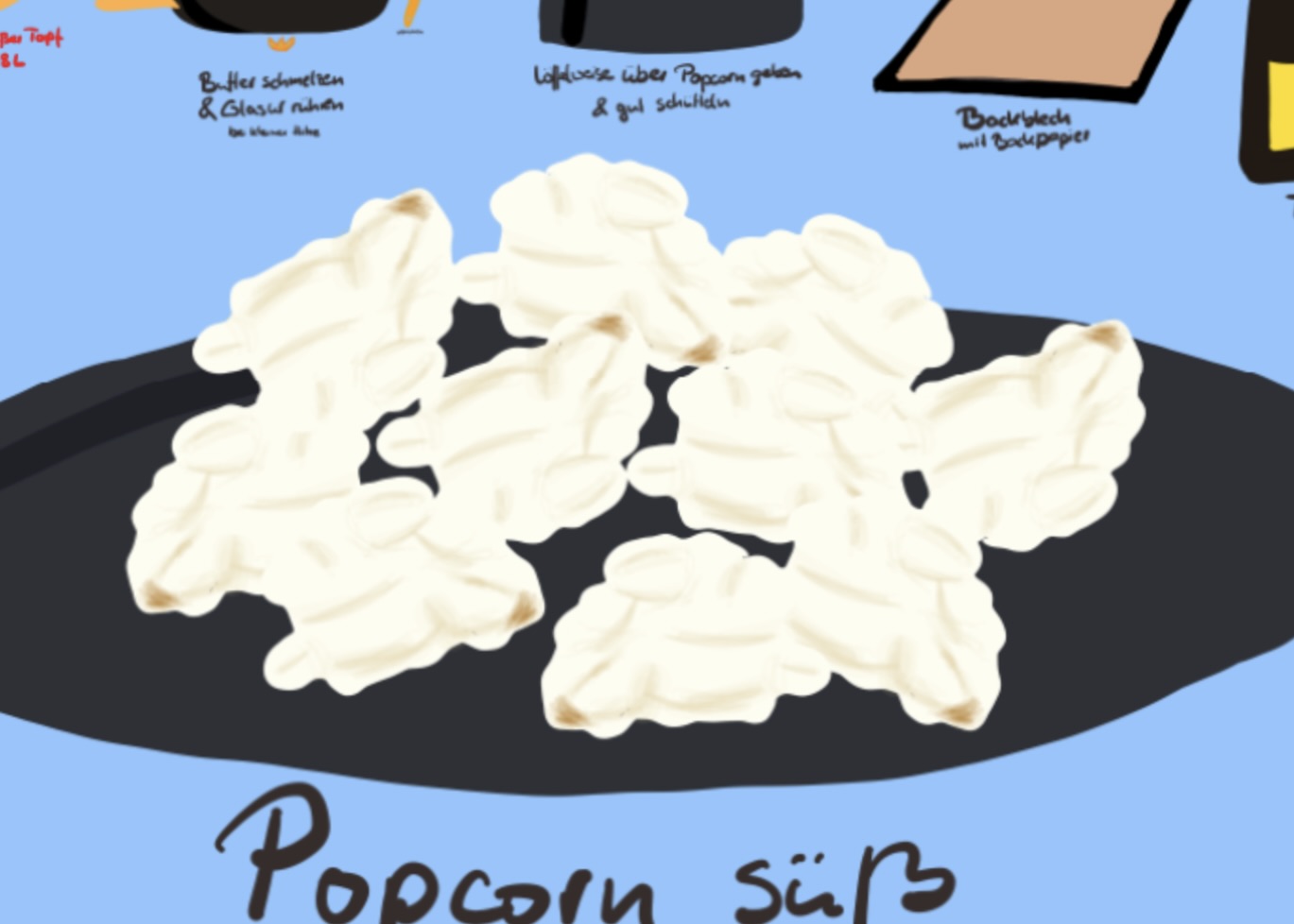
Sweet Popcorn
Sweet popcorn with melted butter and sugar: quick, buttery, crunchy, and perfect for movie night. Includes tips for coating, texture, and serving fresh.
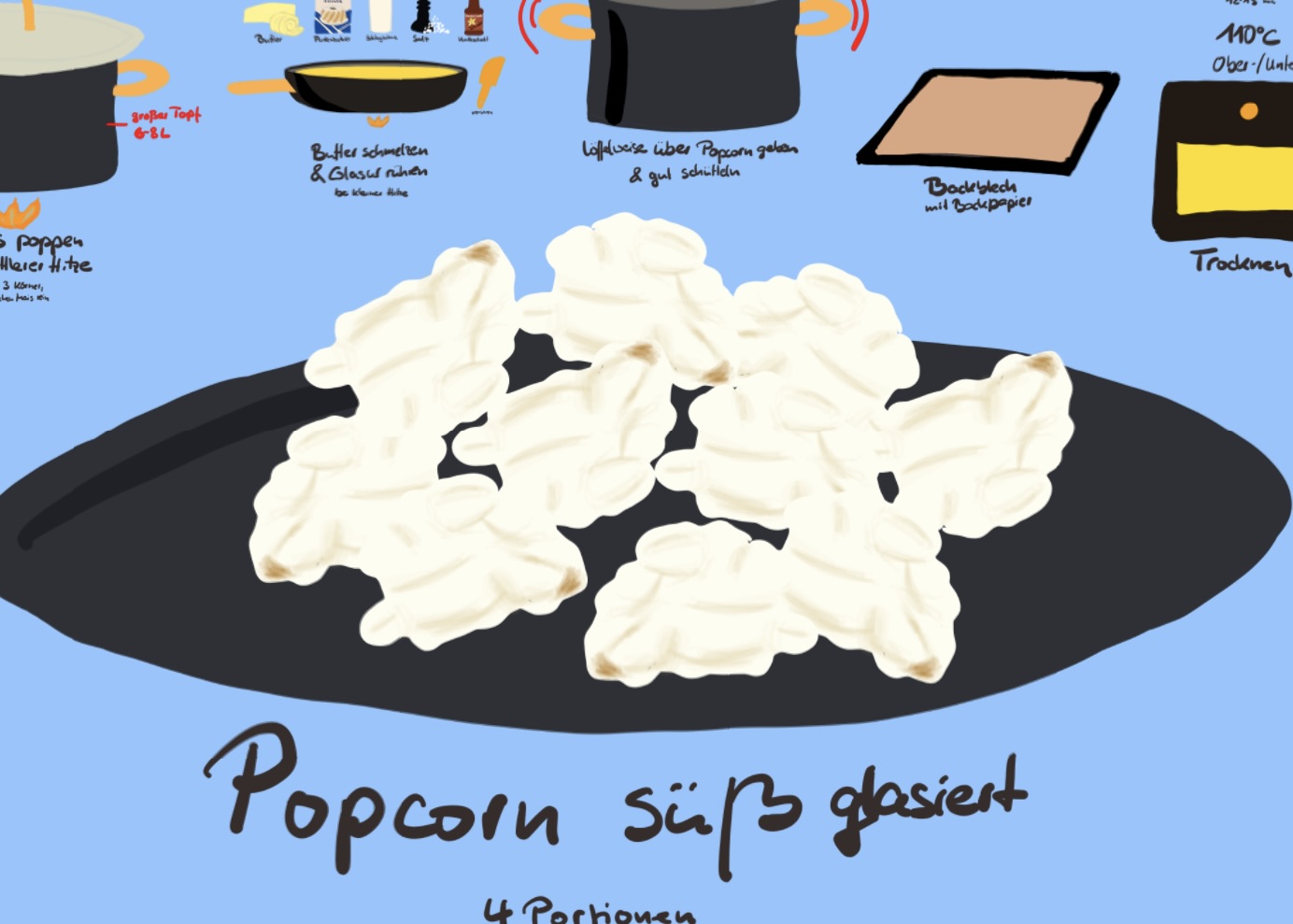
Sweet Glazed Popcorn
Make glazed popcorn with a rich sugar-cream-butter coating. Includes tips for caramel color, crunch, even coating, storage and party-ready snack ideas.