
Perfectly Poached Egg Recipe
Ingredients 🧂🥕
- Eggs4 pcs
- Vinegar0.5 fl oz
Directions 👩🍳
Tap the map & cook step-by-step
Step-by-step:
- Simmer water: Bring a pot of water to a gentle simmer and add a splash of vinegar.
Show all steps...
- Prep egg: Crack egg into a small cup for easy sliding.
- Create a whirlpool: Stir water to create a gentle whirlpool.
- Poach: Slide egg into the center and cook 3–4 minutes until set.
- Drain and serve: Lift out, drain on paper towel, season, and serve.
Poached Egg: silky, runny-yolk perfection for breakfast and brunch

A poached egg is one of the most satisfying breakfast skills: tender whites, a soft, runny yolk, and a clean, elegant look on toast, bowls, and classic brunch plates like Eggs Benedict. The good news: perfect poached eggs come down to a few controllable basics—fresh eggs, a gentle simmer, and smart handling so the whites set neatly instead of turning stringy.
What makes a great poached egg?
- Set whites: no raw, cloudy edges.
- Soft yolk: warm and runny for that classic “break” moment.
- Neat shape: the whites hug the yolk instead of feathering out.
High-value tips for clean, consistent poached eggs
- Use fresh eggs: fresher whites hold together better (older eggs spread more).
- Keep the water at a gentle simmer: tiny bubbles only—boiling water tears the whites.
- Crack into a small bowl first: easier to slide in and avoid broken yolks.
- Don’t overcrowd: poach one at a time (or leave plenty of space) for neat results.
- Dry before plating: lift with a slotted spoon and blot briefly so water doesn’t soak toast or dilute sauce.
Timing guide (for a runny yolk)
- Soft/runny: remove when whites are just set and the yolk still feels soft.
- More set: leave slightly longer if you want a thicker, jammy yolk.
- Test quickly: gently lift and press the yolk area—it should feel soft but not liquidy-thin.
Common problems (and how to fix them)
- Stringy whites: egg wasn’t fresh or water was boiling too hard—use fresher eggs and lower the heat.
- Egg spreads out: older egg—poach gently and avoid dropping from height (slide in close to the water).
- Undercooked whites: water too cool—keep a steady gentle simmer.
- Broken yolk: crack into a bowl first and slide in carefully.
Best ways to serve a poached egg
- On toast: avocado toast, mushrooms on toast, or tomato toast.
- On bowls: grain bowls, breakfast potato bowls, or veggie plates.
- Classic brunch: Eggs Benedict, Egg Hemingway/Royale, Florentine.
- With greens: arugula or spinach adds freshness and balance.
Make-ahead hack (for brunch)
If you’re serving a crowd, you can poach eggs ahead and keep them in cool water, then re-warm briefly in hot (not boiling) water. Dry them well before plating so they don’t water down your toast or sauce.
FAQ
Do I need vinegar?
Not strictly. Vinegar can help whites set a bit faster, but fresh eggs and a gentle simmer matter more for clean results.
Why do my eggs look messy?
Usually older eggs or boiling water. Use fresher eggs, keep the simmer gentle, and slide the egg in close to the water.
What pairs best with poached eggs?
Avocado, smoked salmon, sautéed mushrooms, spinach, tomatoes, and anything that benefits from a rich runny yolk.
Best Eggs for Breakfast Recipes to Try at Home

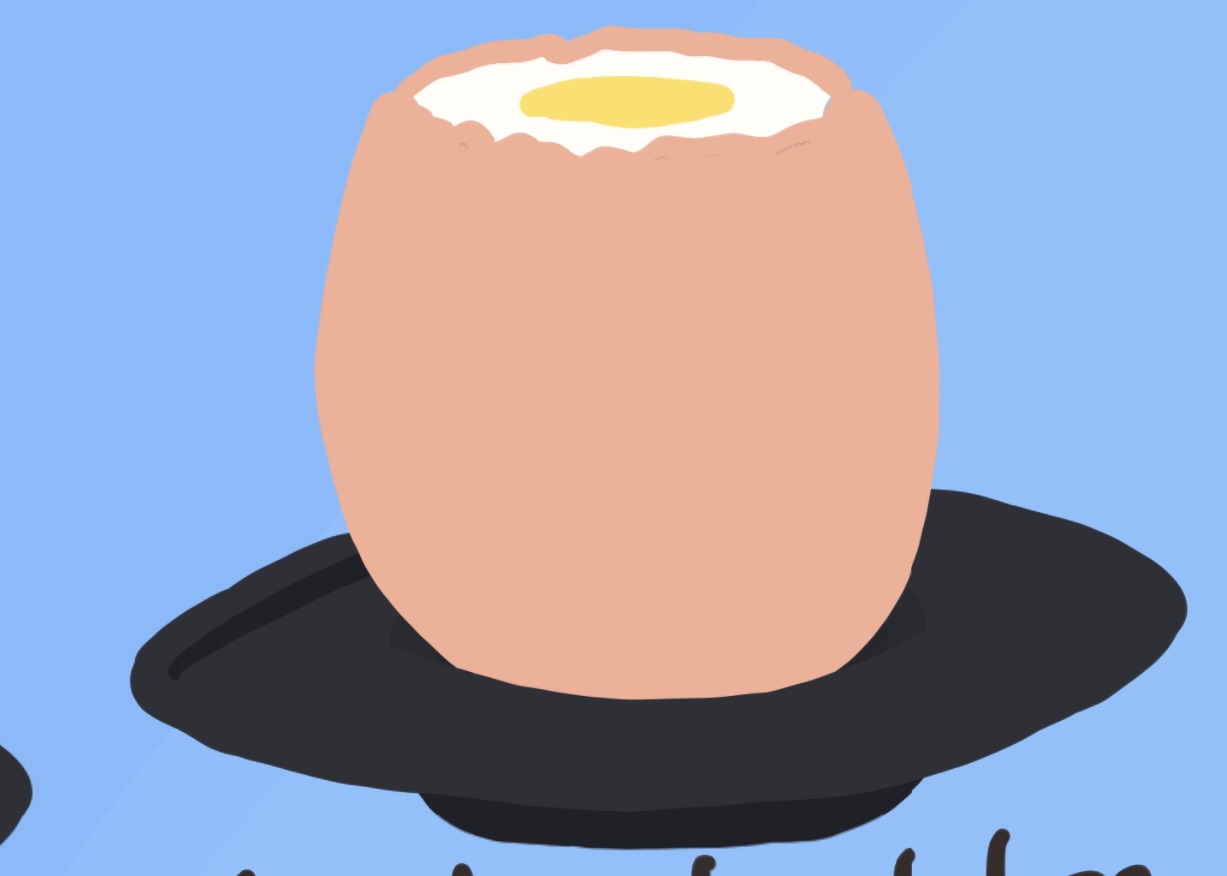
Soft boiled eggs
Master the art of cooking soft-boiled eggs with creamy yolks every time.
Hard boiled eggs
Learn the secret to making perfectly cooked hard-boiled eggs every time.
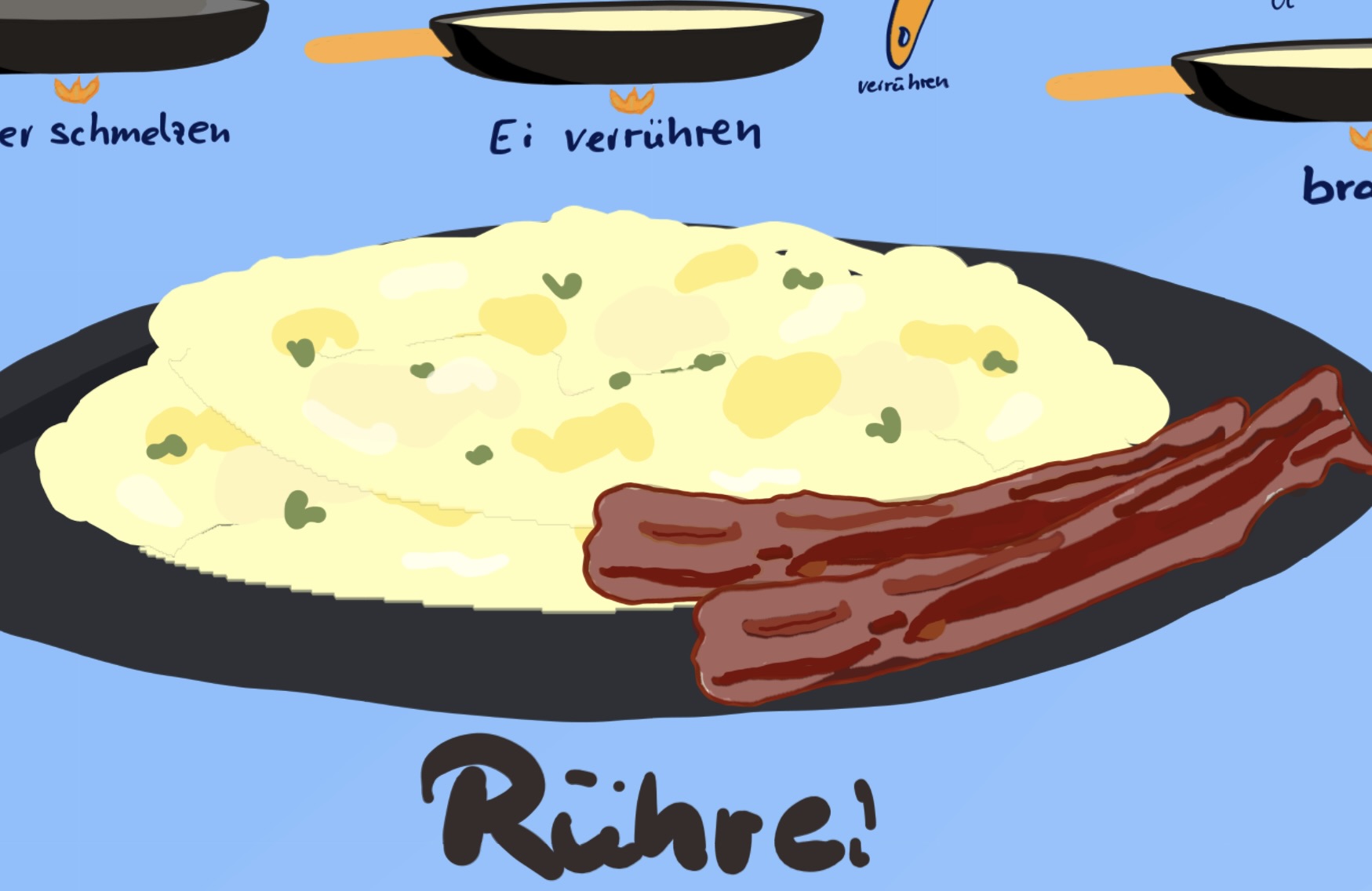
Scrambled Eggs
Make delicious scrambled eggs in minutes, perfect for breakfast or brunch.
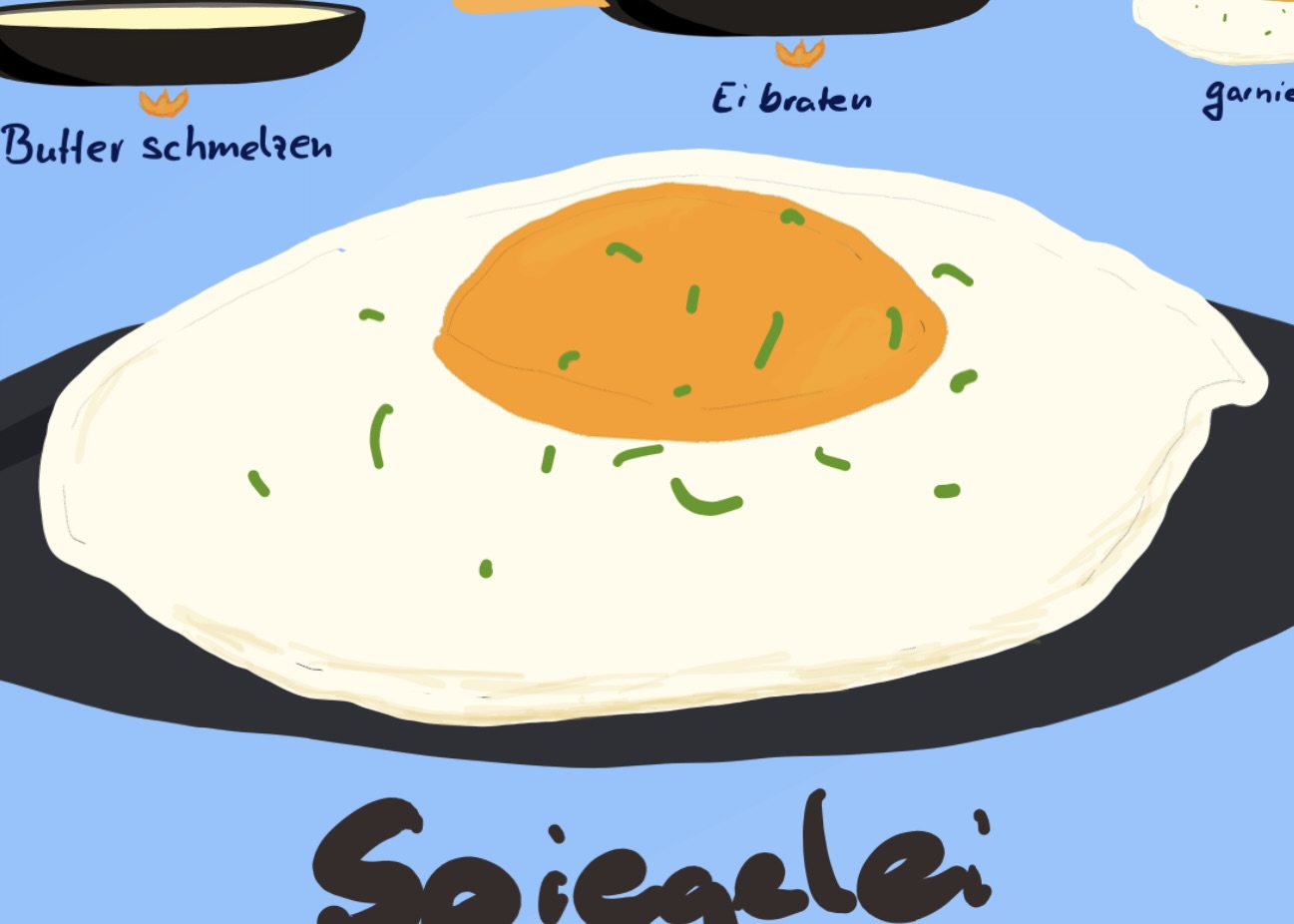
Fried Egg sunny side up
Learn to cook sunny side up eggs with perfectly runny yolks every time.
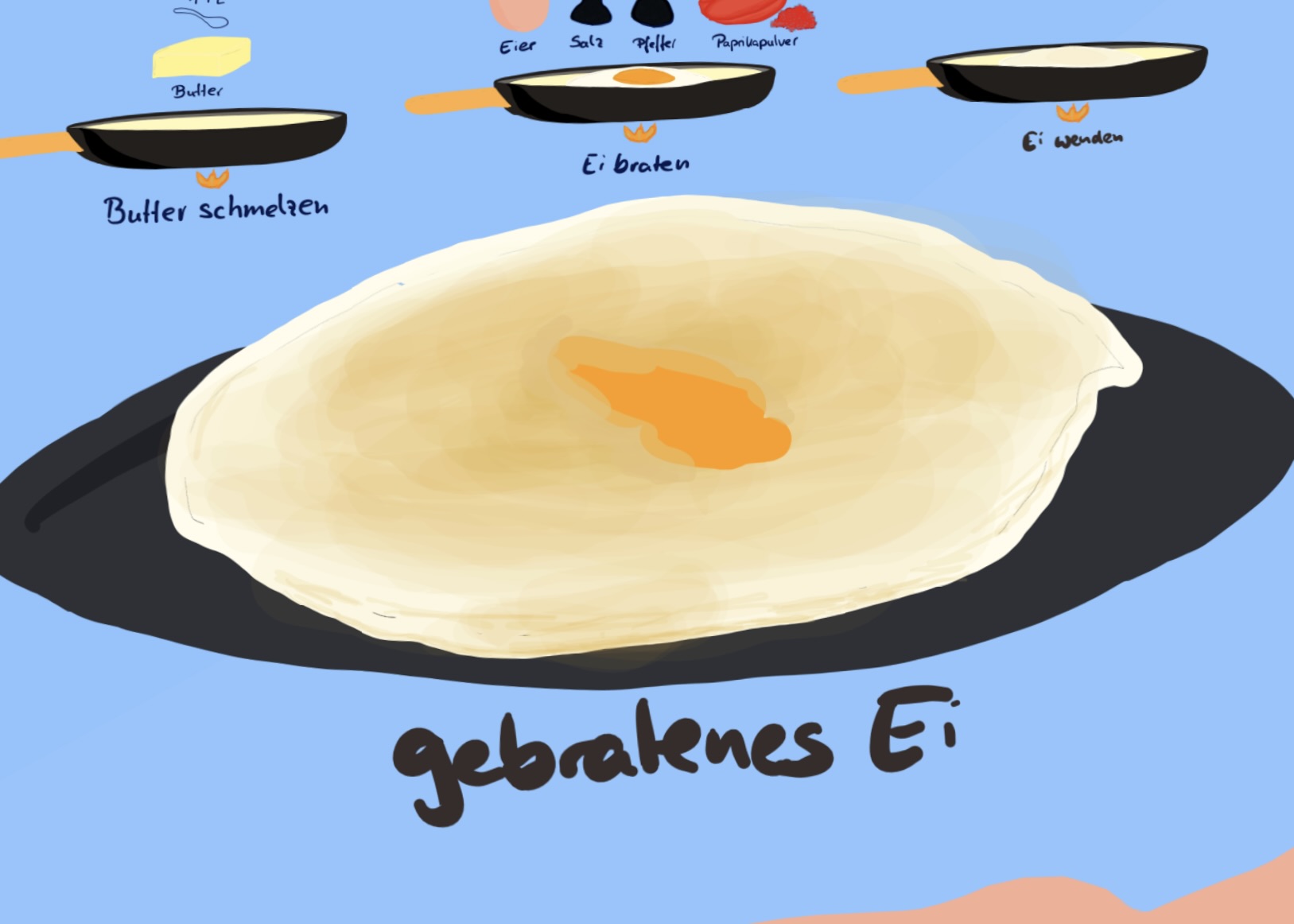
Fried Egg over easy
Learn how to make the perfect over-easy fried egg, a breakfast staple.
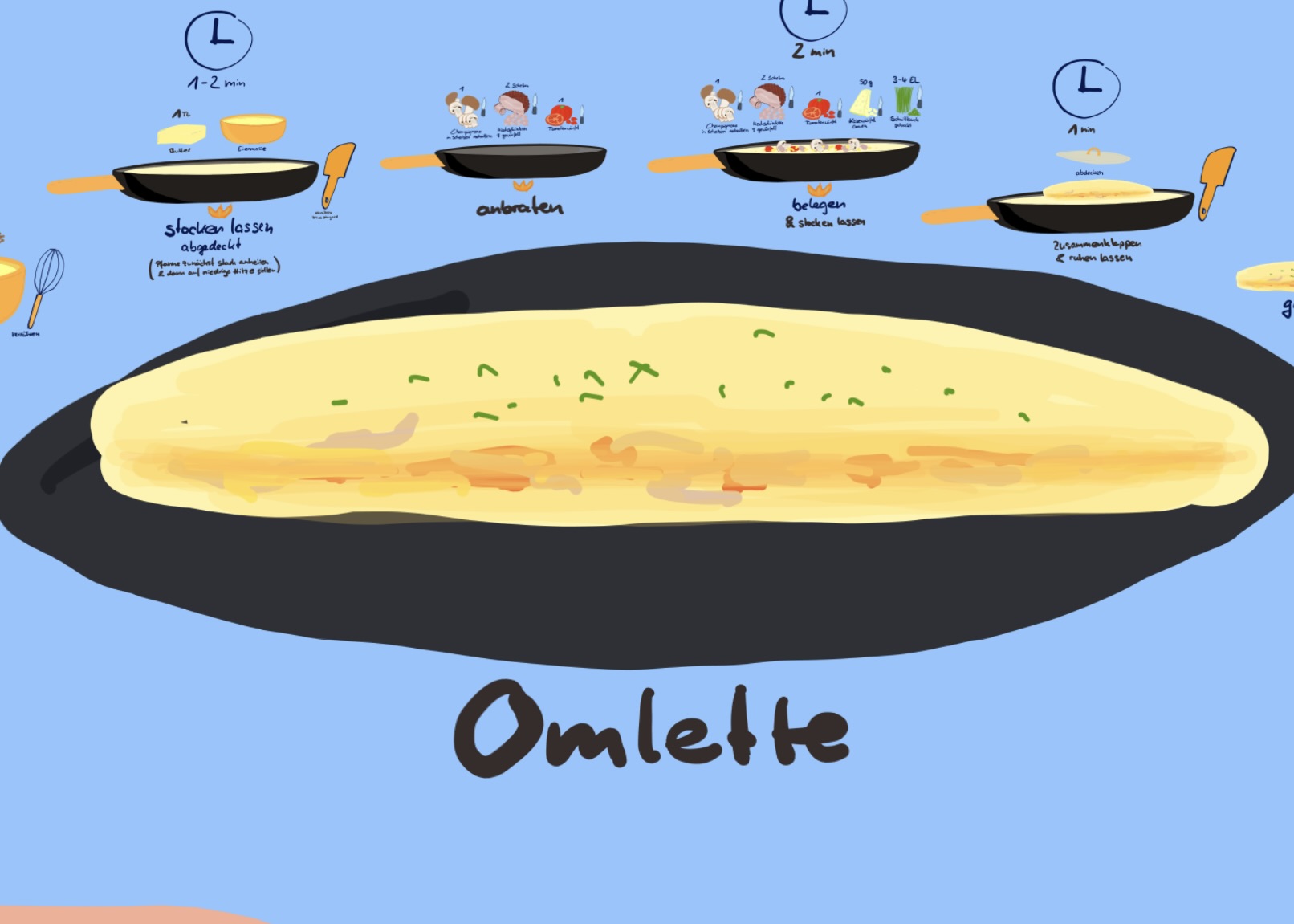
Omelet
Prepare a soft and fluffy omelet, perfect for a quick and satisfying meal.
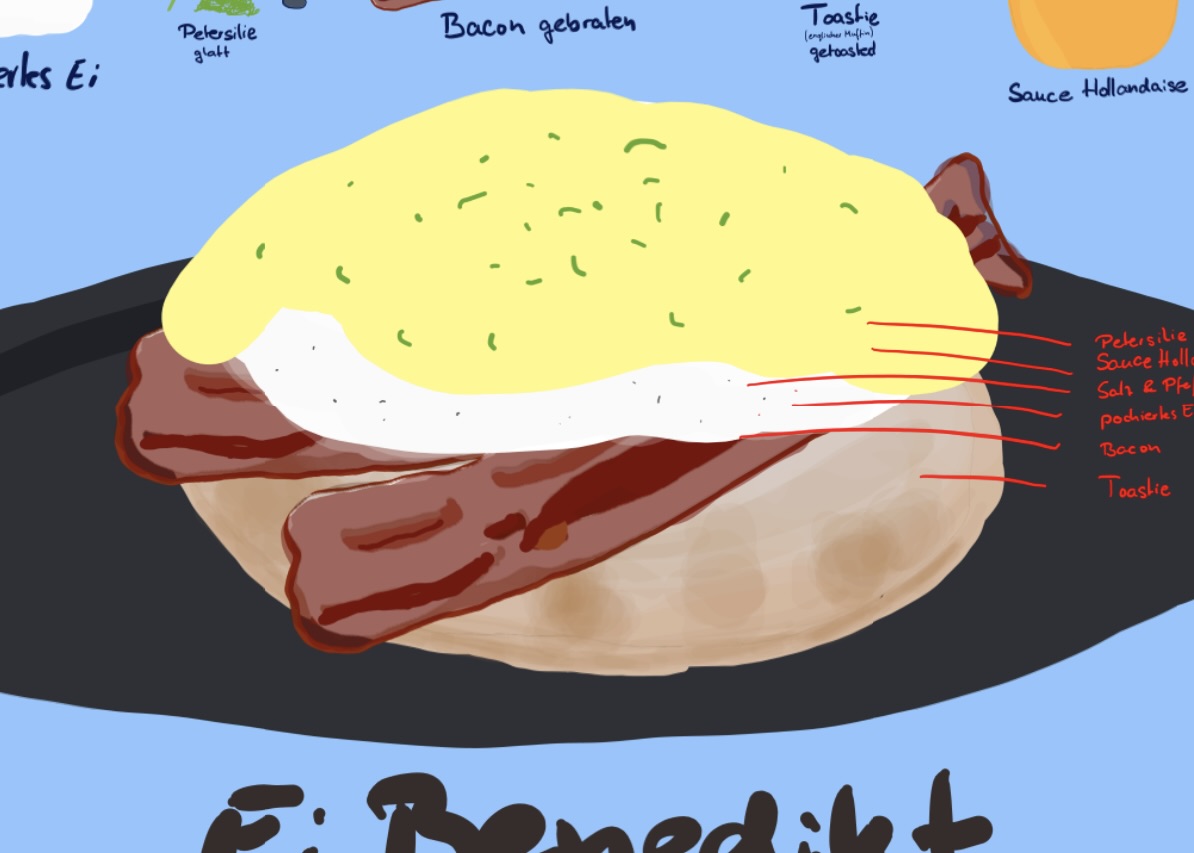
Egg Benedict
Learn how to make the classic and indulgent Egg Benedict at home.
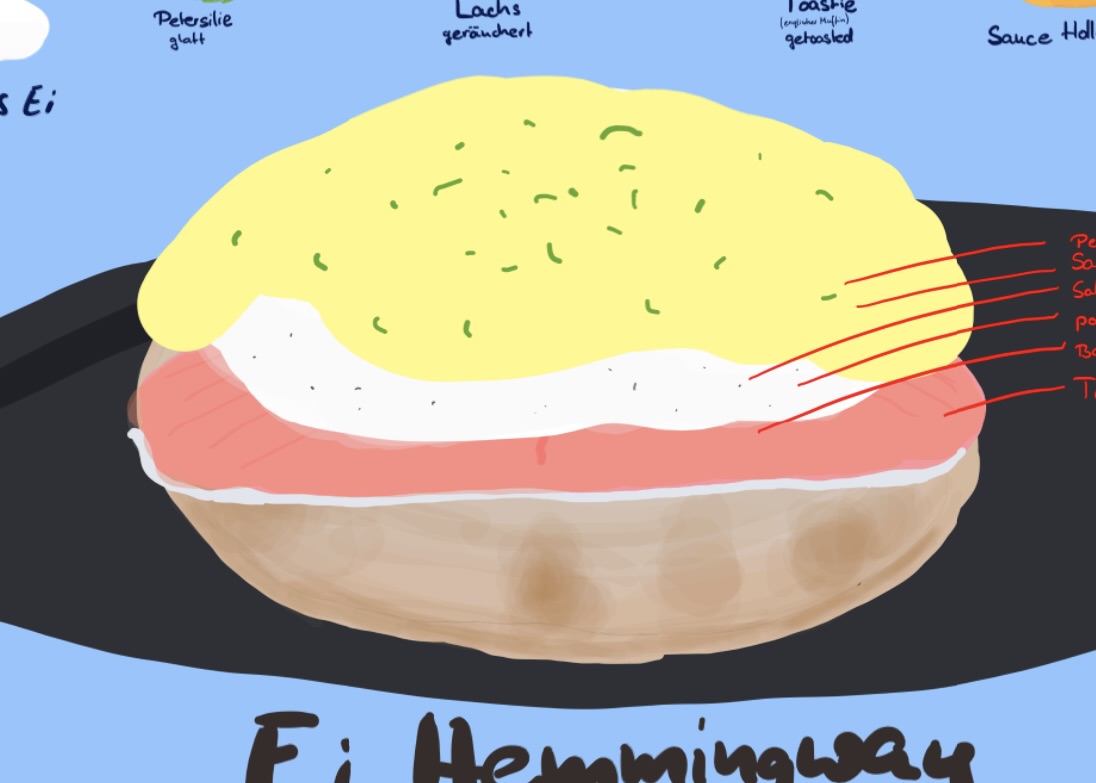
Egg Hemingway
Savor the sophisticated twist of Egg Hemingway, perfect for brunch.

Egg Muffins with Tomato, Spinach & Mozzarella
Delight in these wholesome egg muffins with tomato, spinach, and mozzarella.

Egg Muffins with Bacon & Cheddar Cheese
Enjoy these irresistible egg muffins loaded with bacon and cheddar cheese.
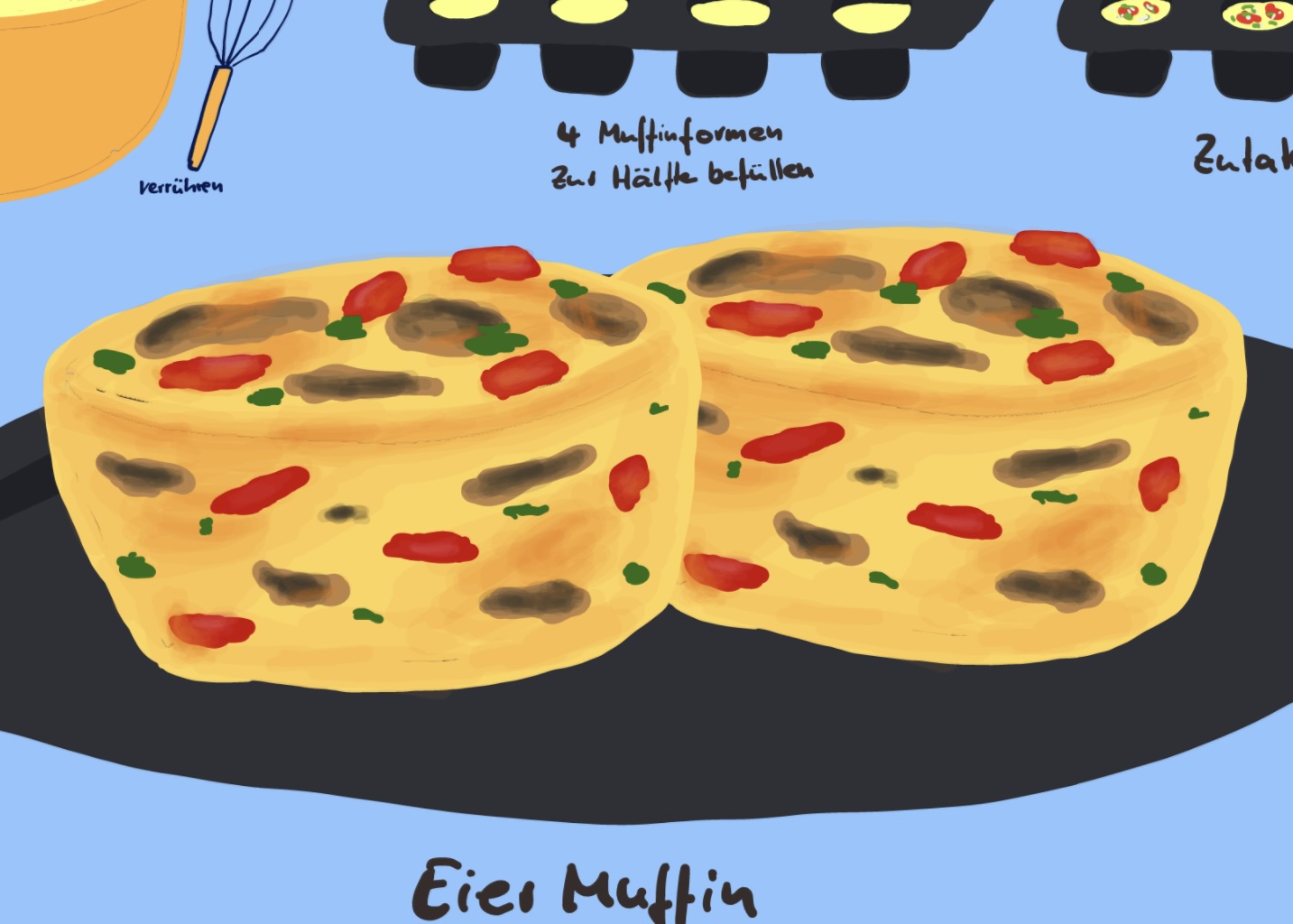
Egg Muffins with mushrooms & bell peppers
Bake these egg muffins with mushrooms and bell peppers for a hearty breakfast.