
German Recipes: Schnitzel, Spätzle, Pretzels, Sauerkraut & Cakes
Recipes on the interactive map 👩🍳
Cook along on the interactive map
German recipes: hearty classics, regional dishes, and comforting meals for everyday cooking and special occasions
German cuisine is one of the strongest comfort-food traditions in Europe because it combines regional depth, seasonal ingredients, practical home cooking, and deeply satisfying textures. A strong German recipe hub should help you move between crisp schnitzel, rich roasts, dumplings, potato dishes, sausages, cabbage, spaetzle, creamy sauces, and bakery-style classics without losing the bigger picture. Whether you are looking for Bavarian comfort food, Rhineland classics, Swabian specialties, Franconian dishes, North German fish meals, or simple everyday German home cooking, the best German recipes balance hearty flavor, reliable structure, and familiar ingredients in a way that feels both traditional and useful.
Why German recipes work so well
- German cuisine is built for comfort: Crispy, creamy, roasted, braised, and potato-based dishes create meals that feel deeply satisfying and family-friendly.
- Regional variety gives the category strength: Bavarian, Rhineland, Swabian, Franconian, Berlin, and northern German dishes all bring distinct styles to the table.
- It works across everyday and festive cooking: German food can be simple enough for weeknights but also strong enough for Sunday meals, guests, and seasonal celebrations.
- Traditional sides are a major part of the appeal: Spaetzle, bread dumplings, potato dumplings, red cabbage, sauerkraut, mashed potatoes, and fried potatoes give the cuisine real structure.
- Seasonality matters: German cooking is especially strong when tied to asparagus season, cabbage season, festive roasts, and colder-weather comfort dishes.
High-value tips: how to build better German meals
- Use a simple German meal builder:Main dish + hearty side + vegetable or cabbage element + sauce or gravy. This keeps the plate balanced and recognizably German.
- Think in regional families: Schnitzel, sausages, and beer-hall comfort fit one direction, while Sauerbraten, roulades, dumplings, and red cabbage build a more festive classic table.
- Do not underestimate the side dish: In German cuisine, spaetzle, potato dumplings, bread dumplings, croquettes, sauerkraut, and potato sides often define the meal as much as the protein.
- Match richness with acidity and structure: Rich roasts, creamy sauces, and hearty meats get much better with pickled notes, mustard, red cabbage, sauerkraut, or cleaner vegetable sides.
- Use texture on purpose: Crispy schnitzel, silky dumplings, creamy sauces, tender braises, and crunchy onions create much stronger German plates than soft-heavy food alone.
- Build around the occasion: Currywurst, potato pancakes, fried potatoes, and chicken fricassee work especially well for easier everyday cooking, while Sauerbraten, roulades, Schäufele, crusted roasts, and dumpling plates are stronger for guests and Sunday meals.
- Remember seasonal anchors: German cuisine becomes even more useful when you connect it to asparagus season, festive winter meals, cabbage dishes, and regional holiday cooking.
Variations & alternatives
- Hearty meat classics: Sauerbraten, beef roulades, Kassler, roast dishes, cabbage roulades, meatloaf, and stuffed peppers are ideal when you want richer traditional German comfort food.
- Schnitzel, sausage, and tavern-style dishes: Hunter’s schnitzel, bratwurst, curry sausage, roast beef with onions, and rustic skillet meals are especially strong for more casual German dinner plates.
- Dumplings, spaetzle, and potato favorites: Cheese spaetzle, spaetzle with lentils, Thuringian dumplings, potato pancakes, fried potatoes, potato noodle dishes, and mashed potato pairings are central to the category.
- Fish and northern-style dishes: Baked fish with mustard sauce, matjes with fried potatoes, and lighter fish-based meals show a fresher side of German cuisine.
- Vegetable and seasonal classics: Asparagus with ham and hollandaise, Frankfurt green sauce with potatoes and egg, red cabbage, sauerkraut, and Brussels sprouts bring seasonality and balance to heavier plates.
- Builder shortcut:Crispy and pan-fried for easier comfort meals, braised and sauced for classic Sunday cooking, and dumpling-and-cabbage based for the most traditional festive German plates.
Serving ideas / pairings
- Classic Sunday plate: Serve braised meat or roast with dumplings, red cabbage, and gravy for a fuller traditional German meal.
- Weeknight German comfort: Potato pancakes, chicken fricassee, fried potatoes, sausages, and quick skillet dishes are especially useful for simpler dinners.
- Tavern-style table: Bratwurst, schnitzel, spaetzle, sauerkraut, and mashed potatoes create a strong casual German comfort spread.
- Seasonal German menu: Use asparagus dishes in spring, cabbage and roast dishes in colder months, and lighter fish meals when you want a fresher northern direction.
- Guest-friendly German dinner: Sauerbraten, roulades, crusted roast, Schäufele, dumplings, and cabbage sides work especially well when the table should feel generous and traditional.
Storage, meal prep & reheating
German recipes are often highly meal-prep friendly because braises, cabbage dishes, sauces, dumplings, and many potato-based meals hold up well after resting. Rich dishes like Sauerbraten, roulades, red cabbage, and many roast-style meals often taste even better the next day once the flavors settle. For best results, store sauces and crisp components separately when possible, and reheat gently so dumplings, potato sides, and braised meats keep their texture. Crisp items like schnitzel and potato pancakes are usually strongest when refreshed with dry heat rather than the microwave.
FAQ
What makes German cuisine so distinctive?
German cuisine stands out through regional variety, hearty side dishes, strong comfort-food structure, and a combination of roasted, braised, fried, and cabbage-based cooking.
Which German recipes are best for beginners?
Potato pancakes, chicken fricassee, curry sausage, fried potatoes, spaetzle dishes, and simpler sausage-and-potato meals are especially approachable.
What are the most classic German side dishes?
Spaetzle, bread dumplings, potato dumplings, mashed potatoes, fried potatoes, sauerkraut, and red cabbage are among the most important German sides.
Which German dishes work best for Sunday meals?
Sauerbraten, beef roulades, roast dishes, Schäufele, dumpling plates, and cabbage-based comfort meals are especially strong for more traditional Sunday cooking.
Can German recipes also be seasonal?
Yes. German cuisine becomes especially strong around asparagus season, cabbage season, festive winter dishes, and regional holiday cooking.
Best German Cuisine Recipes to Try at Home

Beef roulade with potatoes and Brussels sprouts
Discover beef roulade with potatoes and Brussels sprouts on yummy.world! Hearty classic—tender rolls and rich gravy.
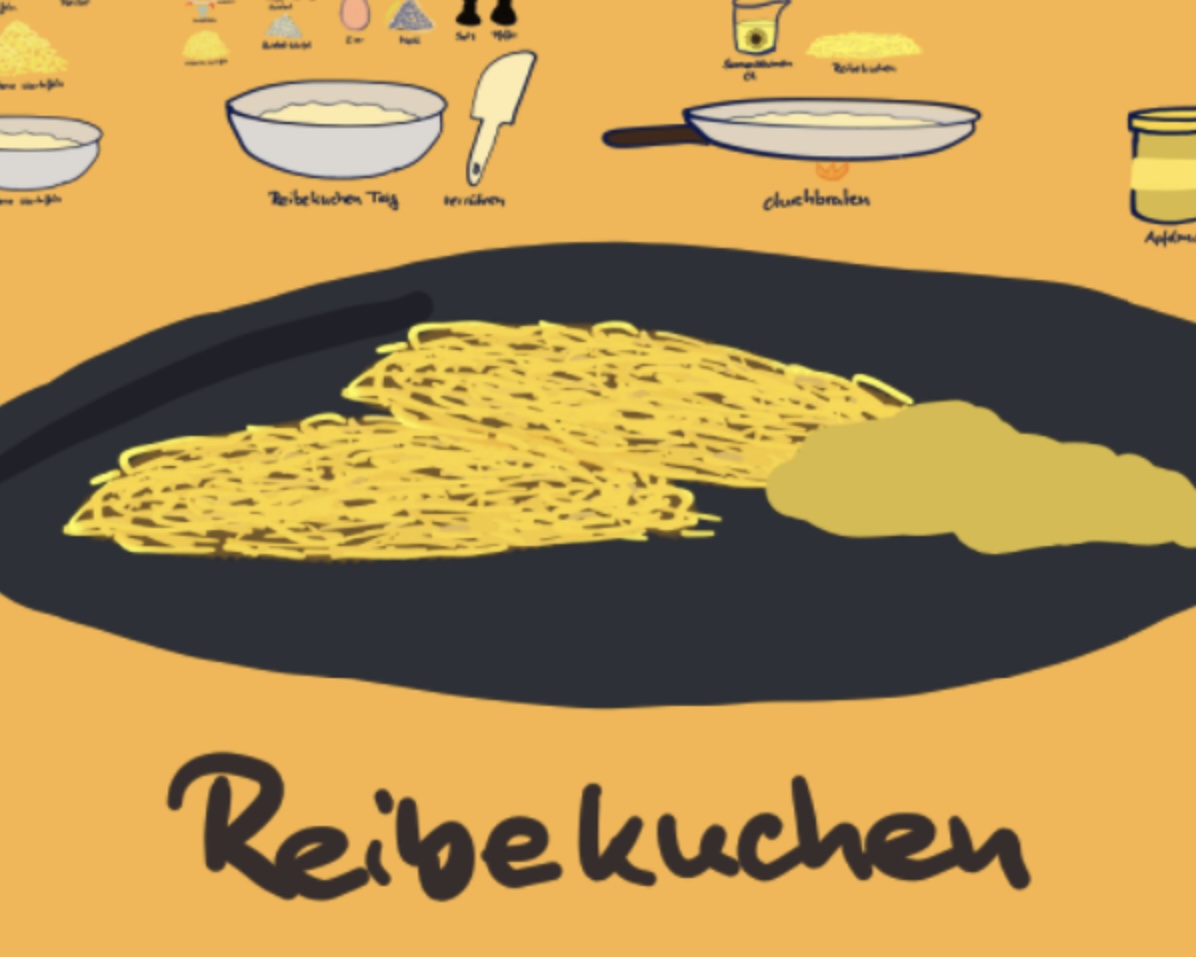
Potato pancakes with apple sauce
Enjoy crispy potato pancakes served with sweet apple sauce for a delightful treat.
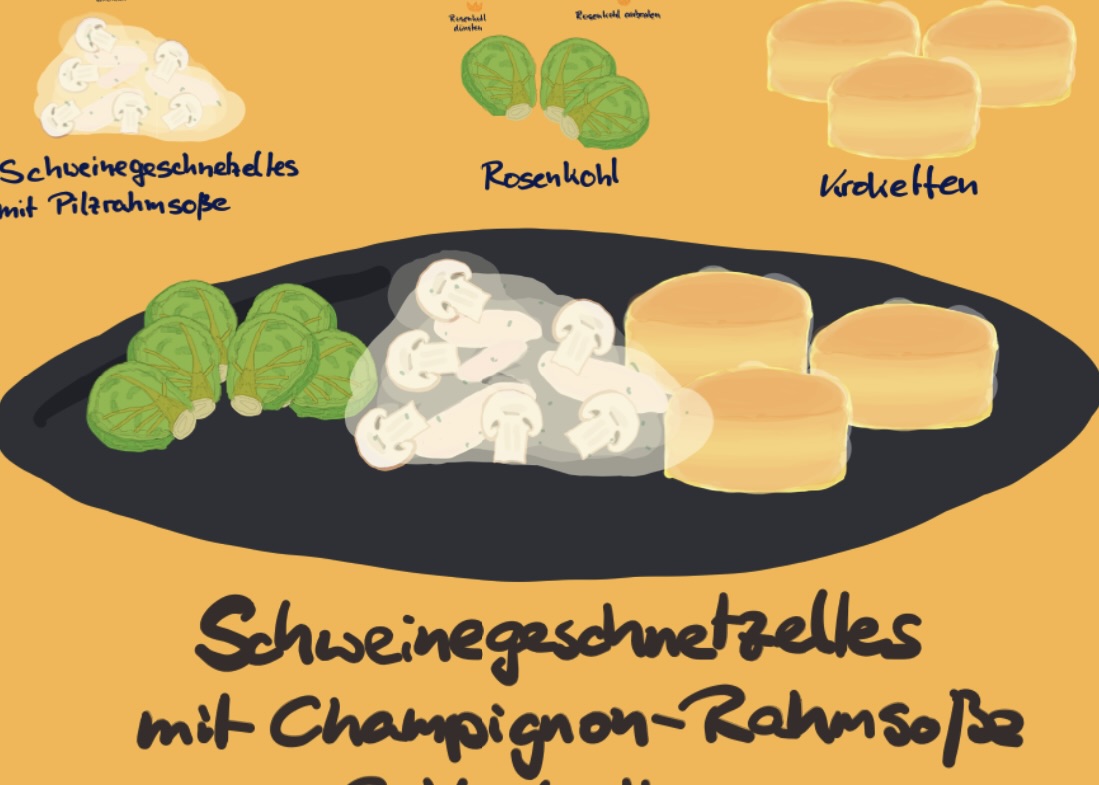
Sliced pork with mushroom cream sauce and croquettes
Indulge in tender pork slices served with a creamy mushroom sauce and crispy croquettes.

Homemade Thuringian Dumplings
Explore the authentic taste of Thuringia with this delicious homemade Thuringian dumplings recipe. Easy, traditional, and perfect for festive meals at yummy.world!
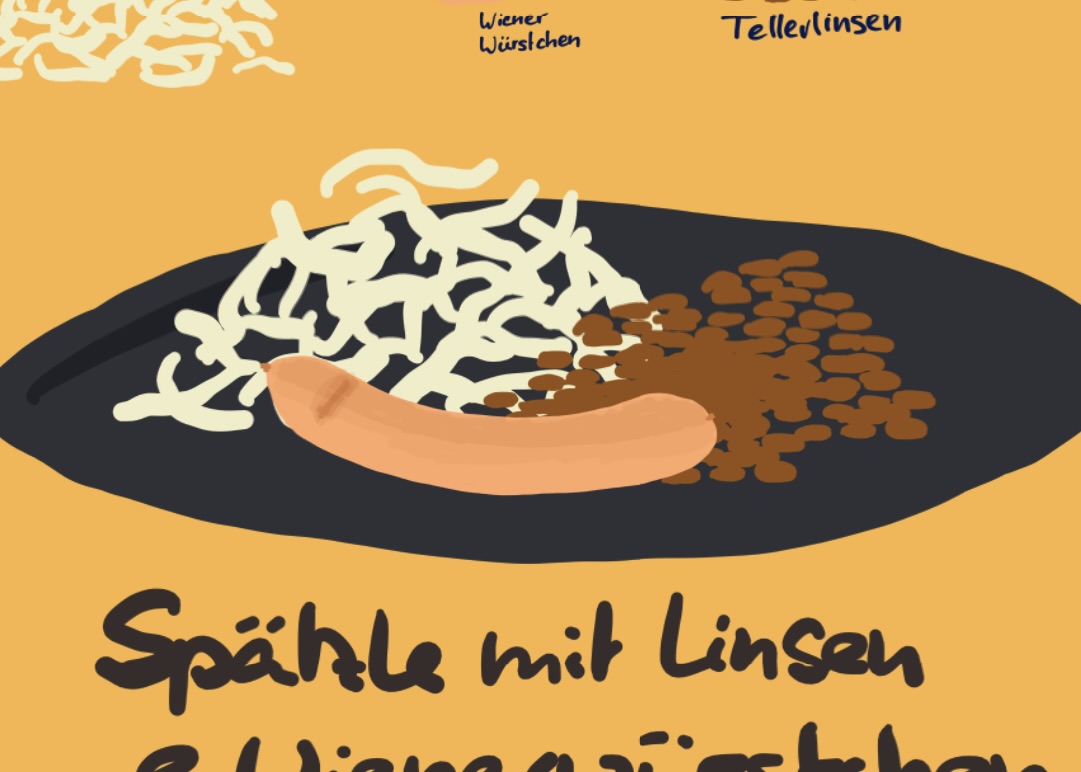
Spaetzle with lentils
Relish the comforting flavors of spaetzle paired with hearty lentils and smoked sausages.
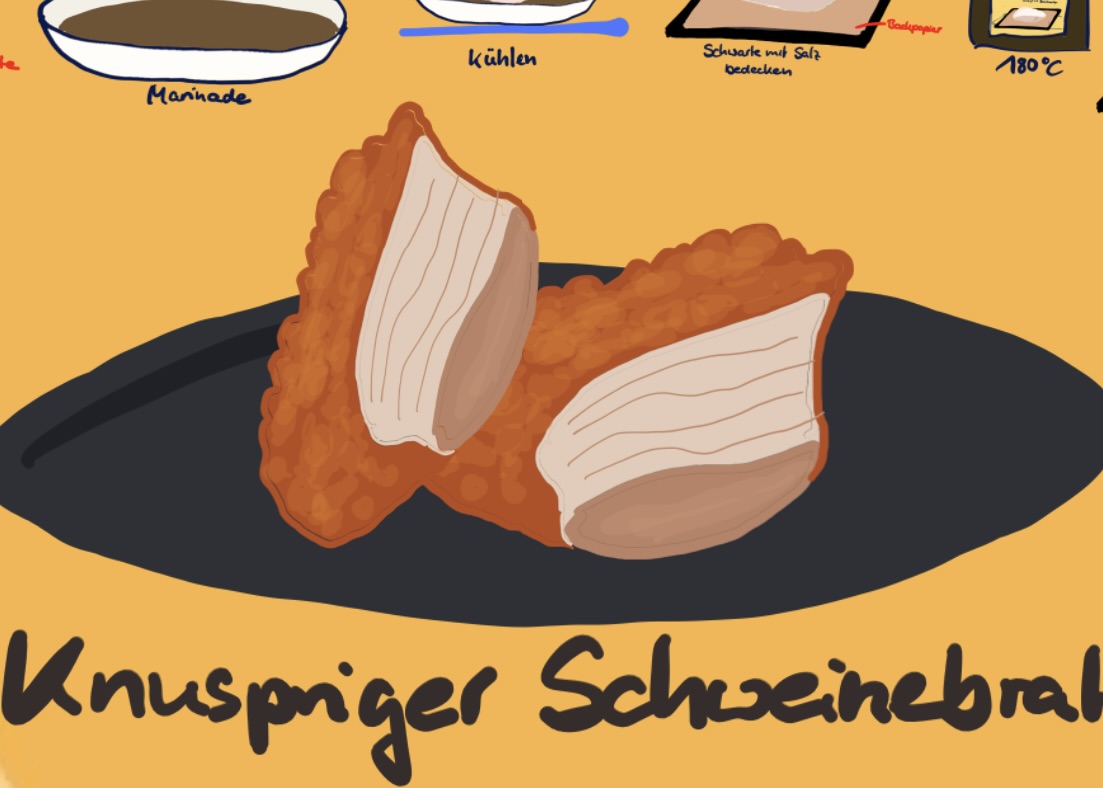
Bavarian crusted roast with dark beer sauce and bread dumplings
Experience Bavarian flavors with crusted roast, dark beer sauce, and fluffy bread dumplings.
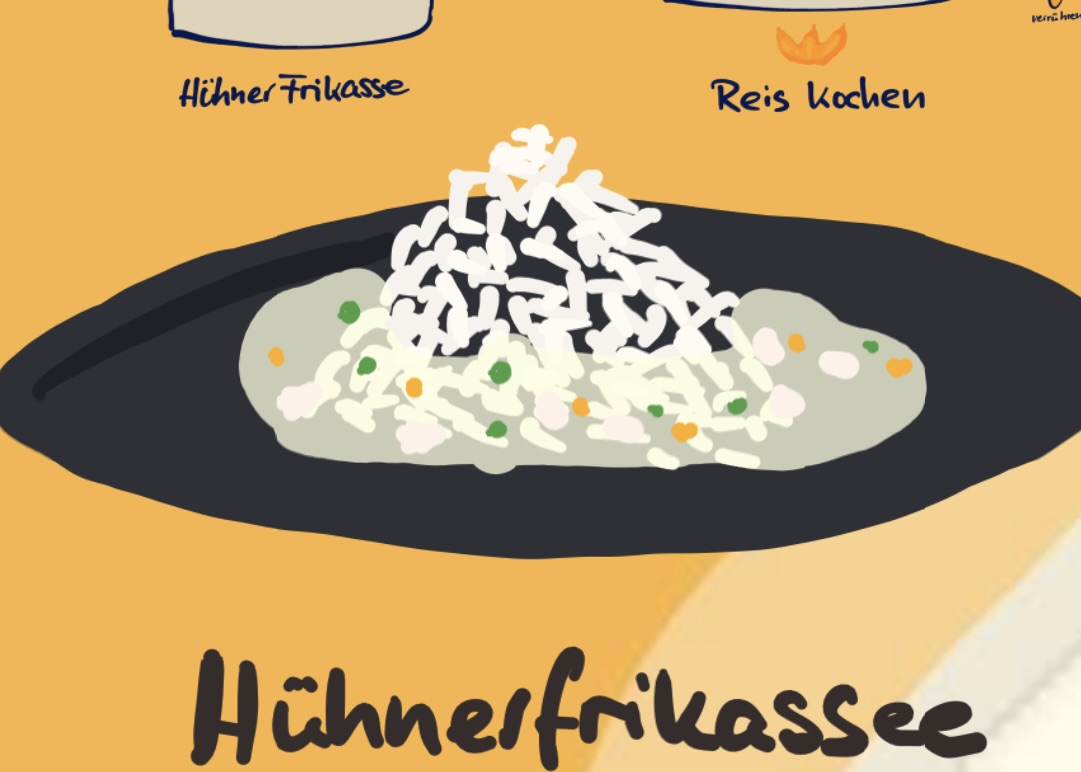
Chicken fricassee
Enjoy a creamy chicken fricassee with tender vegetables for a delicious comfort meal.
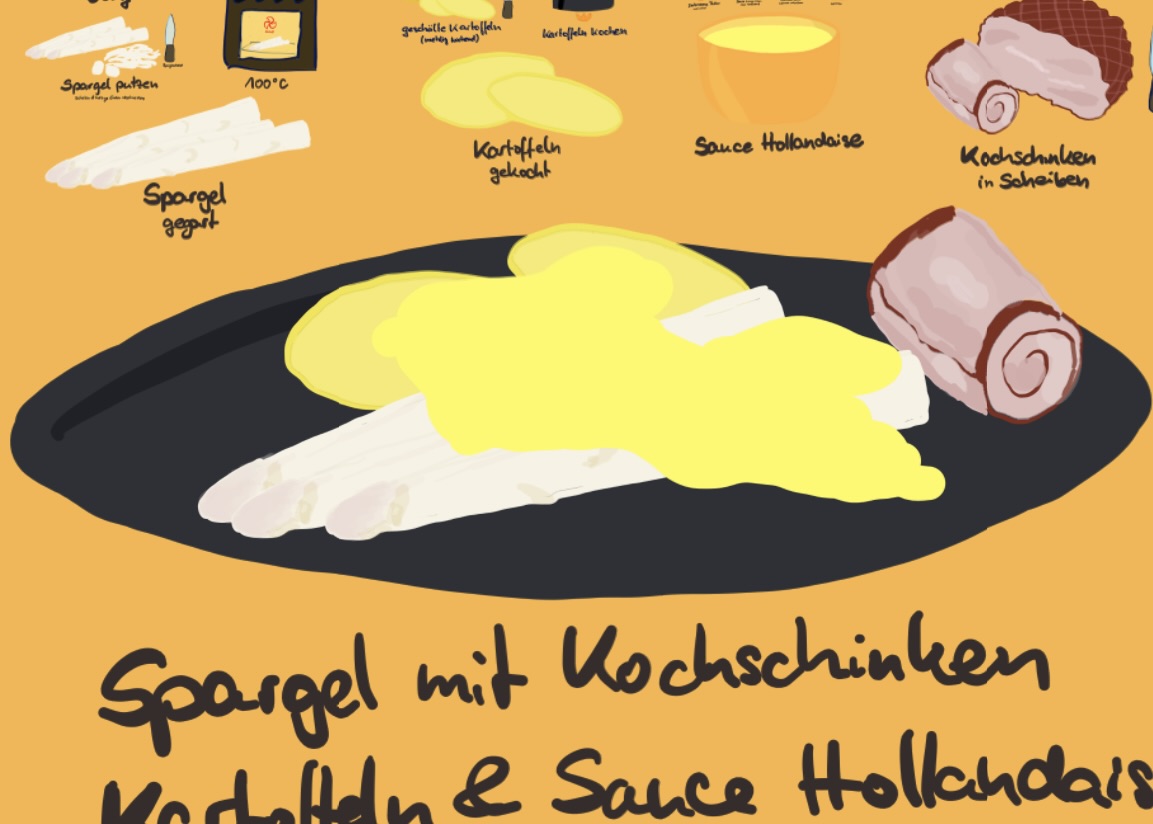
Asparagus with ham, potatoes and hollandaise sauce
Celebrate spring with tender asparagus served with ham, potatoes, and creamy hollandaise sauce.
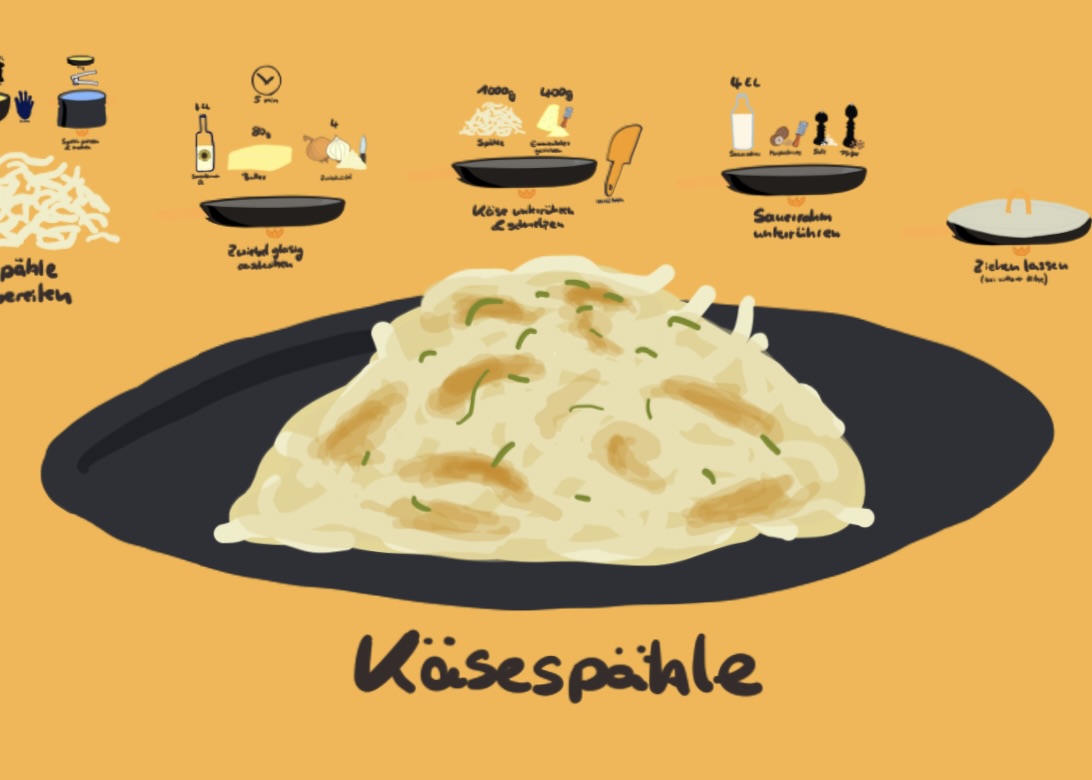
Cheese spaetzle
Create a comforting dish of cheese spaetzle topped with crispy onions.
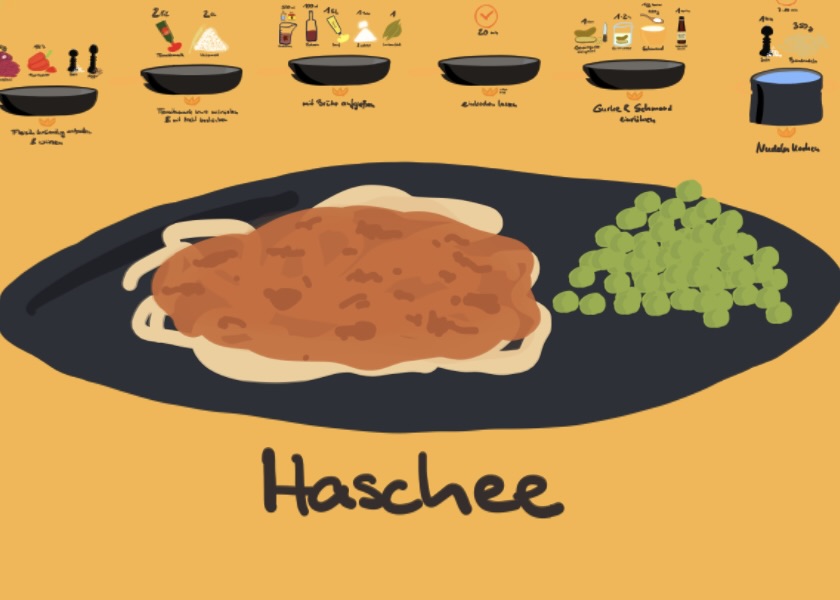
Haschee
Traditional German Haschee with minced beef in a savory gravy—finished with mustard and sour cream, perfect with pasta, peas or mashed potatoes.
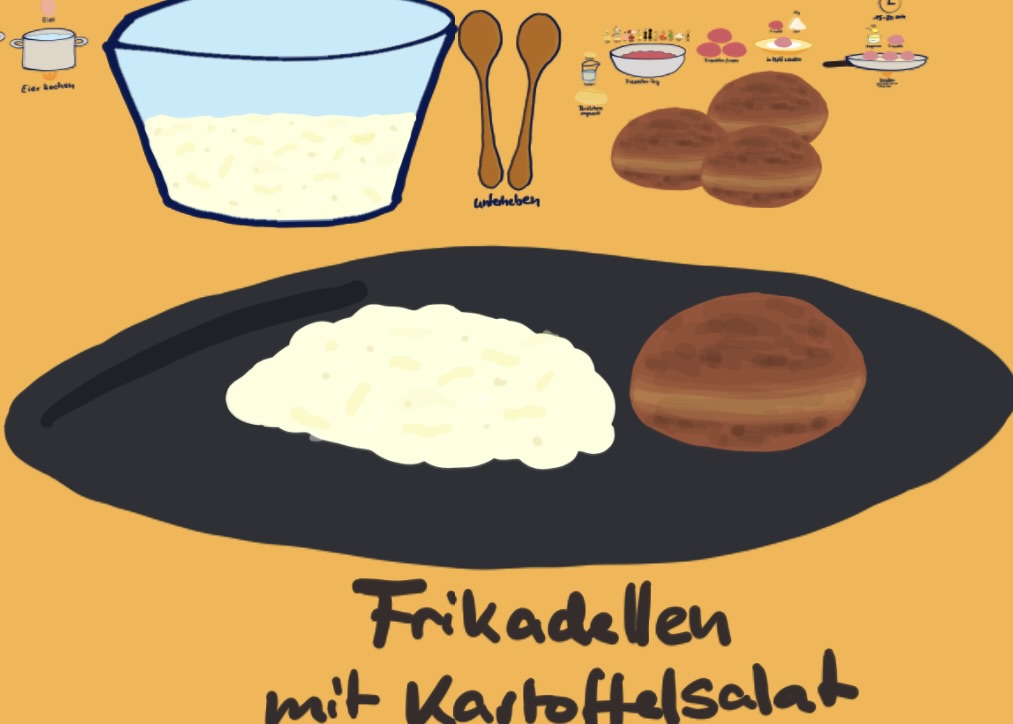
Meat patties with potato salad
Discover meat patties with potato salad on yummy.world! Easy comfort plate—juicy patties and classic side.