
Beef Roulade with Potatoes and Rich Gravy
Cook along on the interactive map
Ingredients 🧂🥕
- Beef Roulade180 g
- Bacon slices15 g
- Waxy Potatoes250 g
- Brussels Sprouts200 g
- Onions1 pcs
- Gherkins30 g
- Celeriac0.25 pcs
- Carrots1 pcs
- Mustard mild10 ml
- Bay Leaves0.3 g
- Cloves whole0.2 g
- Allspice Berries0.3 g
- Beef Broth Powder4 g
- Tomato Paste15 g
- Red Wine100 ml
- Margarine30 g
- Pepper black0.2 g
- Salt0.2 g
Instructions 👩🍳
Step-by-step:
- Prepare the filling: Cut the onion and pickles for the filling. Flatten the beef slices and season with salt and pepper. You can find the exact details in the illustrated recipe.
- Fill and secure the roulades: Spread mustard over the beef and add the bacon, onion and pickles. Fold in the edges, roll up the slices and secure them so the filling stays inside.
- Brown and braise: Heat the oil in a casserole and brown the roulades all over. Add the stock, cover and braise gently until the meat is tender.
- Cook the vegetables and finish the gravy: Peel the potatoes and trim the Brussels sprouts. Cook them in salted water until tender and drain. Lift the roulades out of the casserole and reduce the cooking liquid to a gravy.
- Plate the meal: Remove the roulade fastenings before serving. Arrange the beef with the potatoes and Brussels sprouts and spoon over the gravy.
Beef roulade with potatoes, Brussels sprouts and rich gravy

Slice into a beef roulade and there it is: bacon, onion, mustard and a tangy bite of pickle. Add potatoes, Brussels sprouts and plenty of gravy, and the dinner table is ready. Pass the sauce around while everything is hot.
A savory filling and a rich gravy
Thin raw beef slices wrap around bacon, onion, gherkins and mild mustard. The filling seasons the meat from within, while waxy potatoes keep their shape beside the Brussels sprouts. Salt and black pepper round out the seasoning.
Carrot, celeriac, tomato paste and red wine bring depth to the gravy. Bay leaves, whole cloves and allspice add warm spice notes. Margarine is the cooking fat here; prepare the beef broth powder according to its package before using the broth for braising.
Browning builds flavor; braising softens the beef
A browned surface gives the gravy roasted flavor. Tenderness develops during gentle, covered cooking in liquid, so a dark crust alone does not mean the roulade is ready. The meat should yield easily to a fork; check safe cooking separately with a thermometer in the center, including the filling, which must reach at least 165°F (74°C).
Fill the rolls shortly before cooking and cook them fully in one session. Keep raw beef and its juices away from prepared food, wash the vegetables and clean hands and equipment after raw-meat handling. Remove every pin or piece of twine, along with the whole spices and bay leaves, before serving.
Leave room for the filling
A narrow clear edge makes the roll easier to close. Cut onion and pickle small enough to tuck inside without forcing the seam apart. Secure the roulade and turn it gently while browning, keeping the filling in place.
Try a sharper mustard
For a more pronounced mustard flavor, use a stronger mustard in place of the mild one. Taste it before spreading: a little extra sharpness changes the filling without needing another sauce ingredient.
Serve with potatoes and Brussels sprouts
Spoon gravy over the roulade and alongside the cooked potatoes and Brussels sprouts. For another beef dinner, try Rhenish sauerbraten. Its vinegar marinade gives the gravy a tangier character, with dumplings and red cabbage on the side.
Store cooked roulades with gravy
Portion the fully cooked rolls with some gravy to help keep them moist. Refrigerate the potatoes and Brussels sprouts separately so you can reheat each component as needed. A little prepared broth can loosen gravy that has thickened during storage.
Refrigerate leftovers promptly in shallow, covered containers within two hours, or one hour above 90°F (32°C). Discard food left out longer. Reheat all components to 165°F (74°C), checking the center of the rolls, and bring the gravy to a boil.
Frequently asked questions
Why is the beef still firm?
It may need more gentle braising. Keep enough liquid in the pot and check both tenderness and the temperature in the filling.
Why season the gravy at the end?
Reducing it concentrates salt as well as flavor. Taste the fully cooked gravy before the final seasoning.
Can I brown the roulades today and finish tomorrow?
Cook them fully in one session. For another day, refrigerate the cooked roulades promptly with their gravy and reheat thoroughly.
Best German Cuisine Recipes to Try at Home
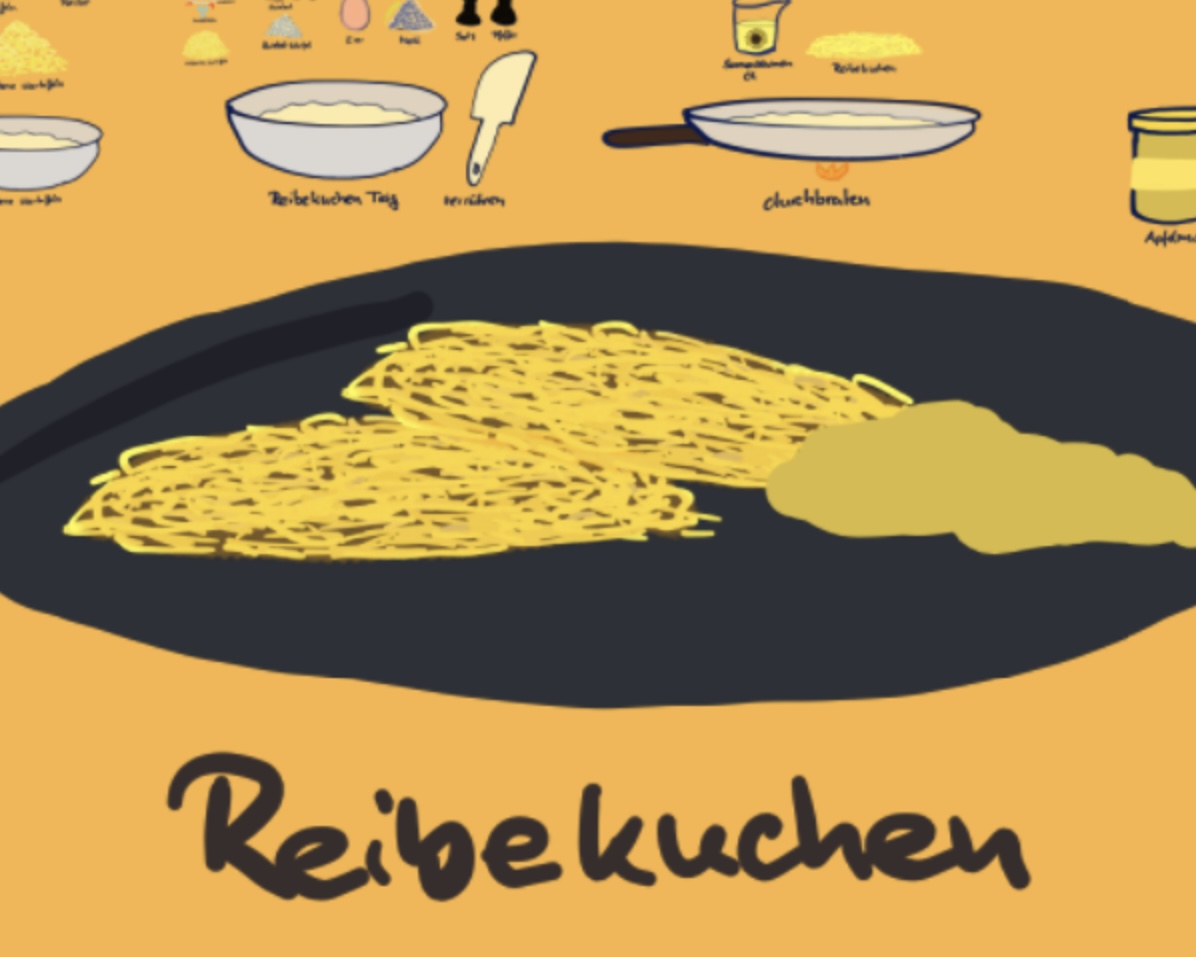
Potato pancakes with apple sauce
Make potato pancakes with crisp edges and a tender center, served with ready-made applesauce. Find useful tips for squeezing, frying and handling the batter.

Sliced pork with mushroom cream sauce and croquettes
Tender pork in mushroom cream sauce, crisp croquettes and Brussels sprouts: make a cozy dinner with practical tips for the sauce and gentle cooking.

Homemade Thuringian Dumplings
Make Thuringian potato dumplings with raw and cooked potatoes and a toasted bread center. Learn what helps them hold together and how to check the middle.

Spaetzle with lentils
Soft egg spaetzle, tender brown lentils and warm Wiener sausages: find tips for batter texture, cooking, optional vinegar and reheating leftovers.
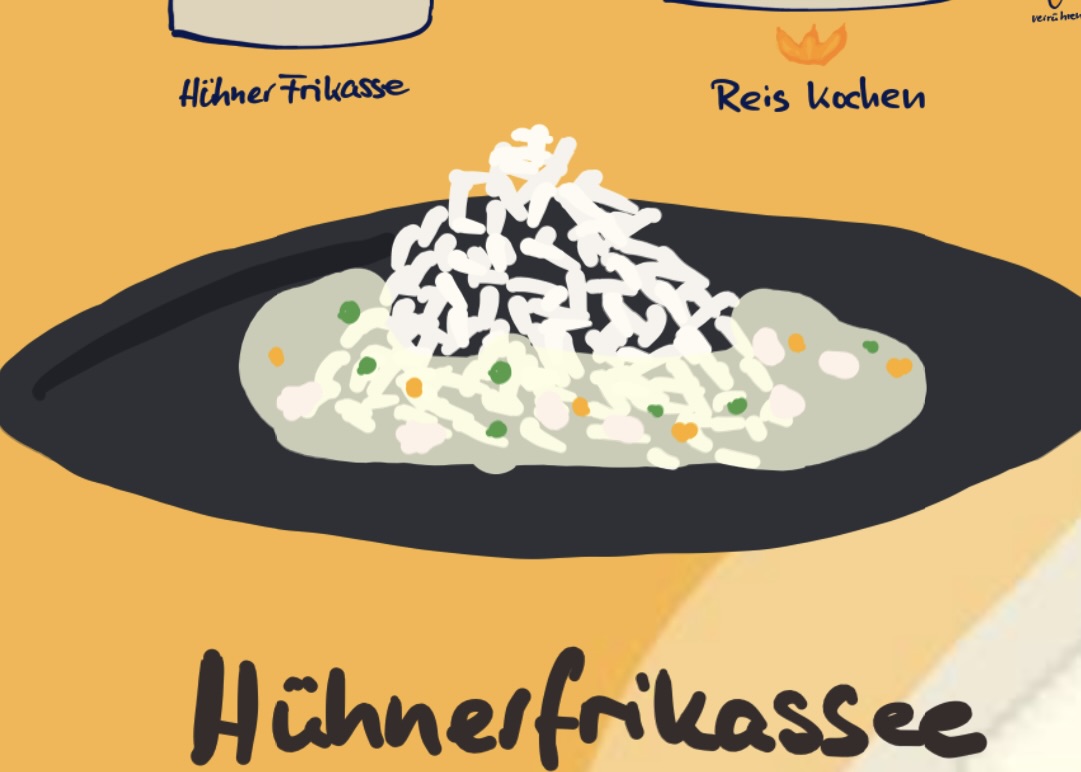
Chicken fricassee
Make chicken fricassee with tender chicken, mushrooms, peas and rice. Learn what keeps the pale sauce smooth and how to cool and reheat the meal safely.

Asparagus with ham, potatoes and hollandaise sauce
Serve white asparagus with cooked ham, potatoes and hollandaise. Get tips for tender spears, a smooth sauce and careful handling of the egg-based finish.
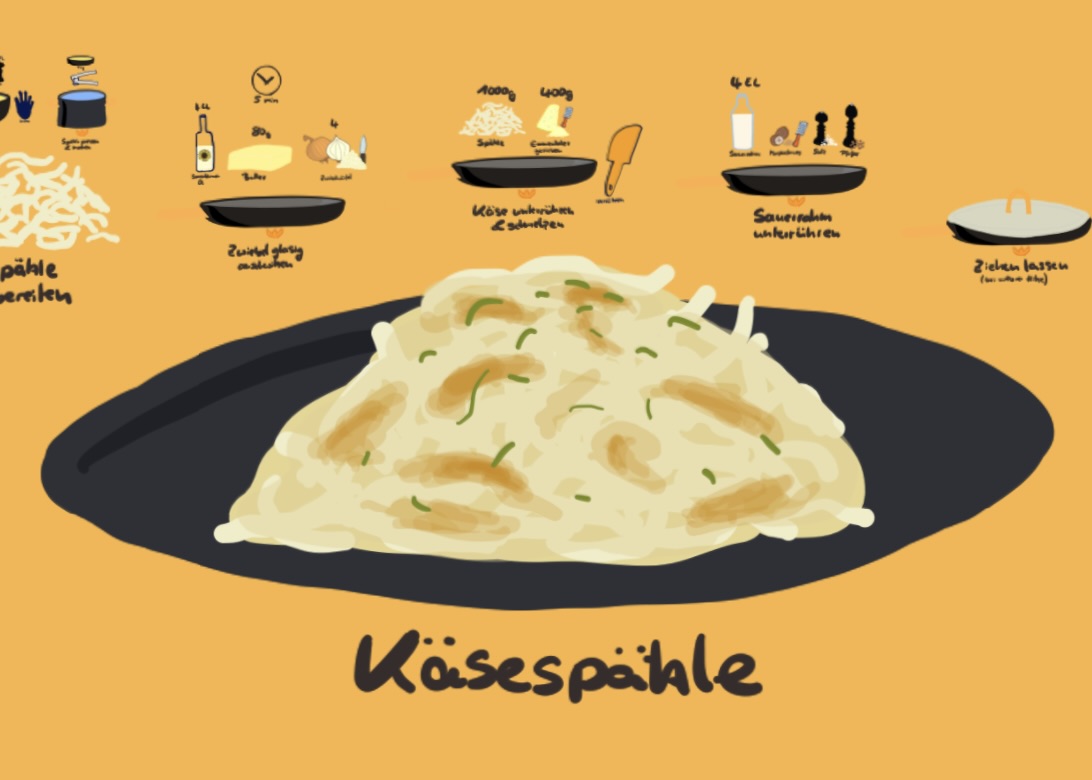
Cheese spaetzle
Tender spaetzle, melted cheese and golden onions make a comforting skillet meal. Learn how draining and gentle heat help the texture come together.
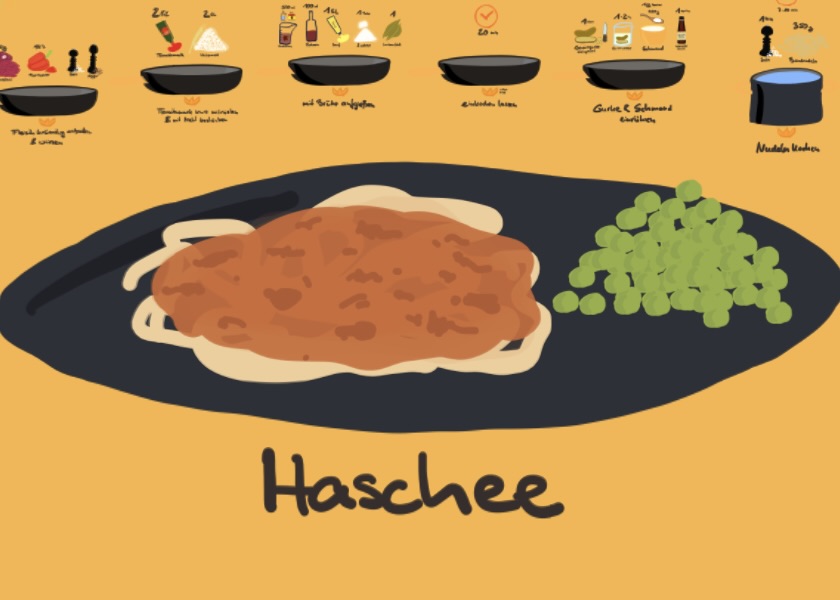
Haschee
Make Haschee with browned ground beef, tender onions and savory gravy. Find tips for a smooth sauce, serving with potatoes and safely reheating leftovers.

Meat patties with potato salad
Enjoy savory meat patties with potato salad. Learn how gentle mixing, balanced seasoning and a thermometer check help you prepare this satisfying plate.

Bavarian crusted roast with dark beer sauce and bread dumplings
Explore tender pork belly with soy sauces, garlic and rice wine. Learn how to balance the seasoning, check the meat and serve it with a crisp side.