
Chicken Fricassee with Vegetables and Rice
Cook along on the interactive map
Ingredients 🧂🥕
- Chicken Breast Fillet400 g
 Long Grain Rice300 g
 Carrots2 pcs
 Button Mushrooms250 g
 Parsley flat-leaf15 g
 Peas canned150 g
 Butter30 g
 Vegetable Broth Powder6 g
 Plain Flour20 g
 Curry Powder2 g
 Nutmeg1 g
 Salt0.2 g
 Pepper black0.1 g
Step-by-step:
- Cook the chicken: Gently cook the chicken in the broth until tender and cooked through. Lift it out, cut into pieces and keep the cooking broth for the sauce. You can find the exact details in the illustrated recipe.
- Prepare the mushrooms and rice: Clean and slice the mushrooms. Cook the rice so it is ready to serve with the fricassee.
- Build the pale sauce: For the roux, stir the flour into the designated cooking fat and cook without browning. Gradually whisk in the reserved broth, stirring until the sauce is smooth.
- Bring the fricassee together: Add the mushrooms and peas to the sauce and cook until tender. Return the chicken and heat it through without letting the sauce catch.
- Finish and serve: Stir in the cream and season with lemon juice. Serve the chicken fricassee with the cooked rice.
Chicken fricassee with a creamy sauce, vegetables and rice

Tender chicken, a silky sauce and plenty of rice to catch every spoonful: chicken fricassee is a cozy meal worth sitting down for. Carrots, peas and mushrooms bring color and flavor to the plate. Add a little parsley, pass the bowls around and enjoy.
What goes into this fricassee
Chicken breast cooks gently in vegetable broth, which then becomes the base of the sauce. Butter and flour make a pale roux to thicken it. Carrots bring sweetness, mushrooms add a savory note and canned peas need only gentle heating once the other vegetables are tender.
Long-grain rice belongs alongside the fricassee. Curry powder and nutmeg give the sauce a warm accent; keep that seasoning light enough for the chicken and vegetables to stand out. Parsley adds freshness at serving.
The secret to a smooth, pale sauce
Cook the butter and flour together without browning, then whisk in the broth gradually. The sauce should coat a spoon while still flowing around the chicken and vegetables. Mushrooms release some water as they cook, so judge the thickness after they have softened.
Gentle simmering helps chicken breast stay tender. Check the thickest part with a food thermometer: it must reach 165°F. Keep raw chicken and its juices separate from cooked food and ready-to-eat ingredients.
Adjust the sauce near the end
If the sauce is too thick, stir in a little broth at a time. If it needs to thicken, let it simmer while stirring rather than sprinkling raw flour into the finished dish. Taste before adding the final salt, since broth and canned peas may already provide some.
Optional finishing touches
A little cream makes the sauce richer; a squeeze of lemon adds brightness. These are optional ways to finish the pale roux sauce. Add gradually and taste as you go. You can also include asparagus pieces for a different vegetable mix, cooking them until tender.
Serve with plenty of rice
Spoon the fricassee beside the rice so everyone can mix in as much sauce as they like. Finish with parsley. For another comforting meal, try Tafelspitz with horseradish sauce and rösti: gently simmered beef with a sharper sauce and crisp potatoes.
Keep rice and sauce separate
Store the fricassee and rice in separate portions so the rice does not soak up the sauce. Add a little broth when reheating if the sauce has thickened. Stir gently to warm the chicken and vegetables evenly, and reheat only the amount you plan to serve.
Cool leftovers promptly in shallow portions and refrigerate them. Chill rice quickly, ideally within an hour, and use refrigerated rice within 24 hours. Reheat the fricassee to 165°F throughout and bring the sauce to a boil while stirring. Reheat rice only once, until steaming hot throughout.
Frequently asked questions
Do I brown the chicken first?
No. This version cooks the chicken gently in broth for a pale fricassee.
What thickens the sauce?
The butter-and-flour roux thickens the broth. Cream is an optional finish rather than the main thickener.
Are the peas raw?
No. The recipe uses canned peas, so add them toward the end and heat them gently.
Can I keep the rice for another meal?
Yes, if it is cooled quickly, refrigerated and used within 24 hours. Reheat it only once, until steaming hot throughout.
Best German Cuisine Recipes to Try at Home

Beef roulade with potatoes and Brussels sprouts
Make beef roulade with bacon, mustard and pickles, served with potatoes and Brussels sprouts. Find tips for neat rolls, tender braising and a rich gravy.
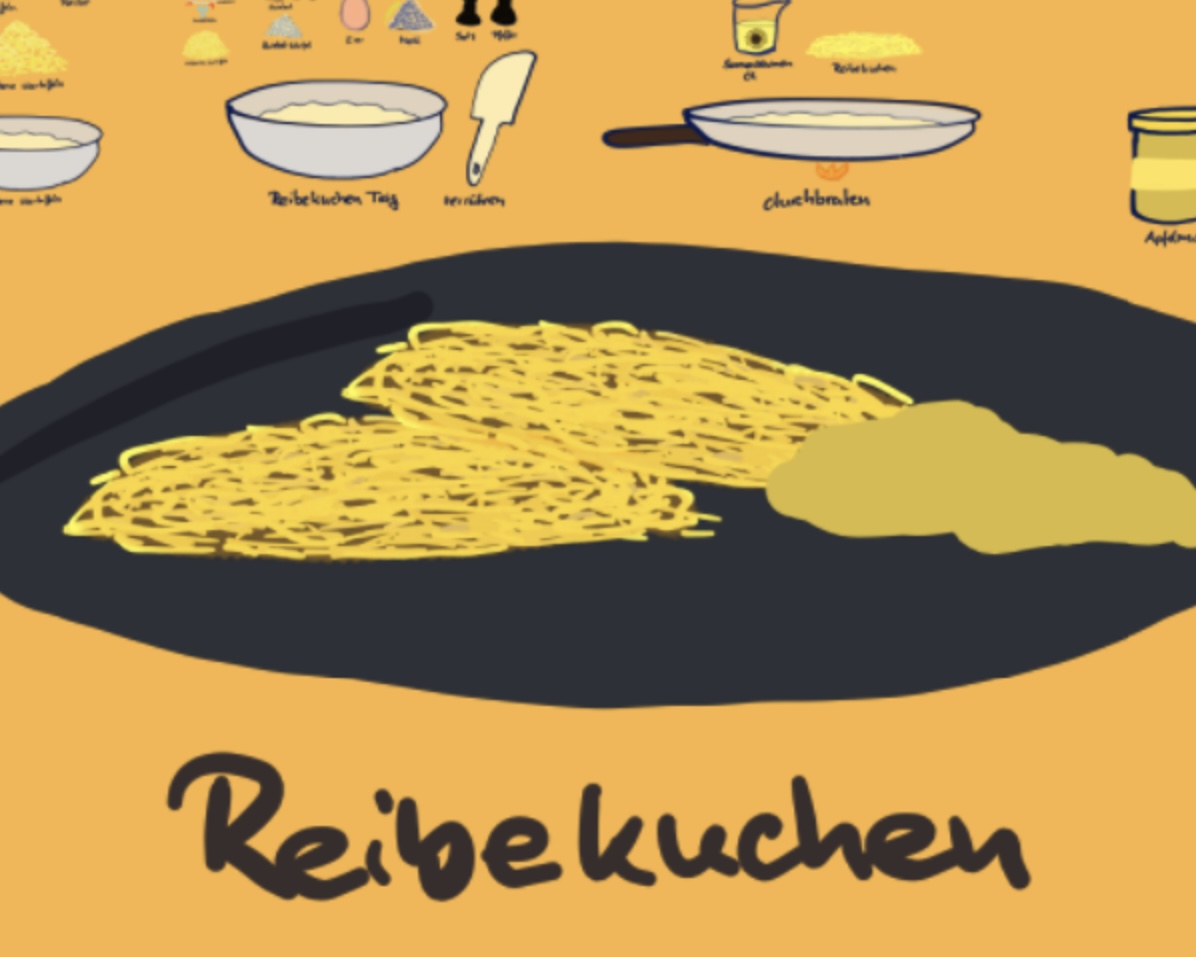
Potato pancakes with apple sauce
Make potato pancakes with crisp edges and a tender center, served with ready-made applesauce. Find useful tips for squeezing, frying and handling the batter.
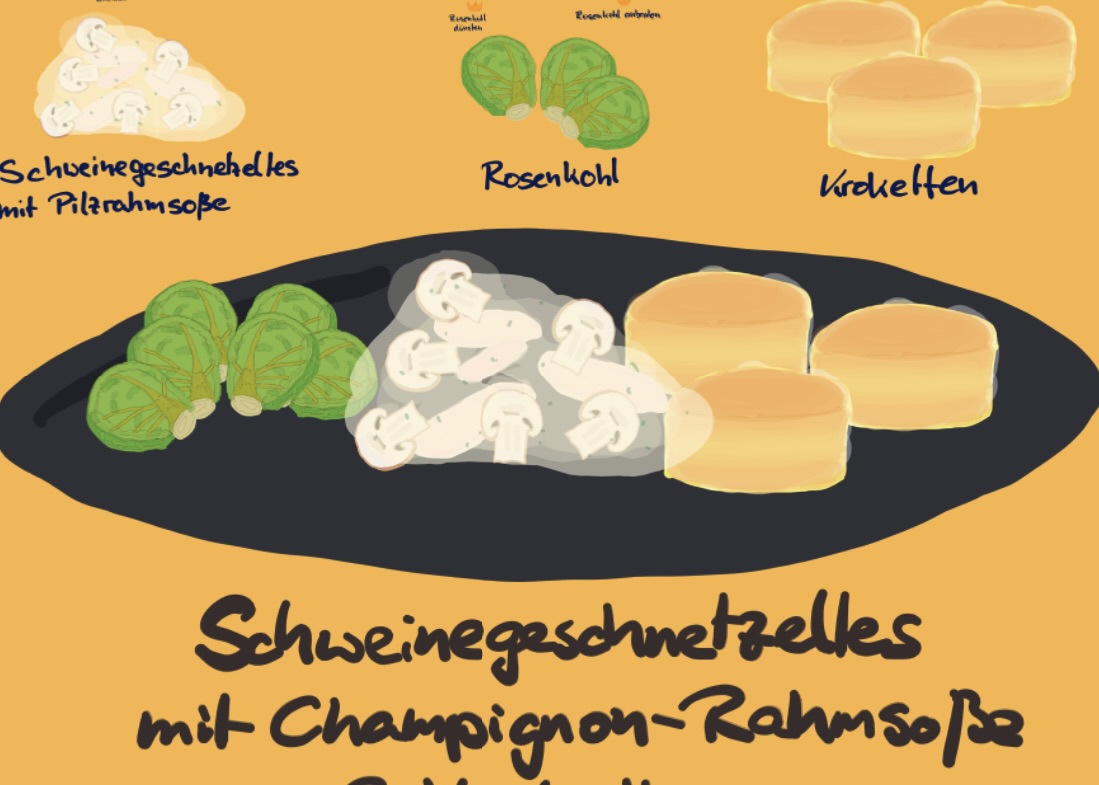
Sliced pork with mushroom cream sauce and croquettes
Tender pork in mushroom cream sauce, crisp croquettes and Brussels sprouts: make a cozy dinner with practical tips for the sauce and gentle cooking.

Homemade Thuringian Dumplings
Make Thuringian potato dumplings with raw and cooked potatoes and a toasted bread center. Learn what helps them hold together and how to check the middle.
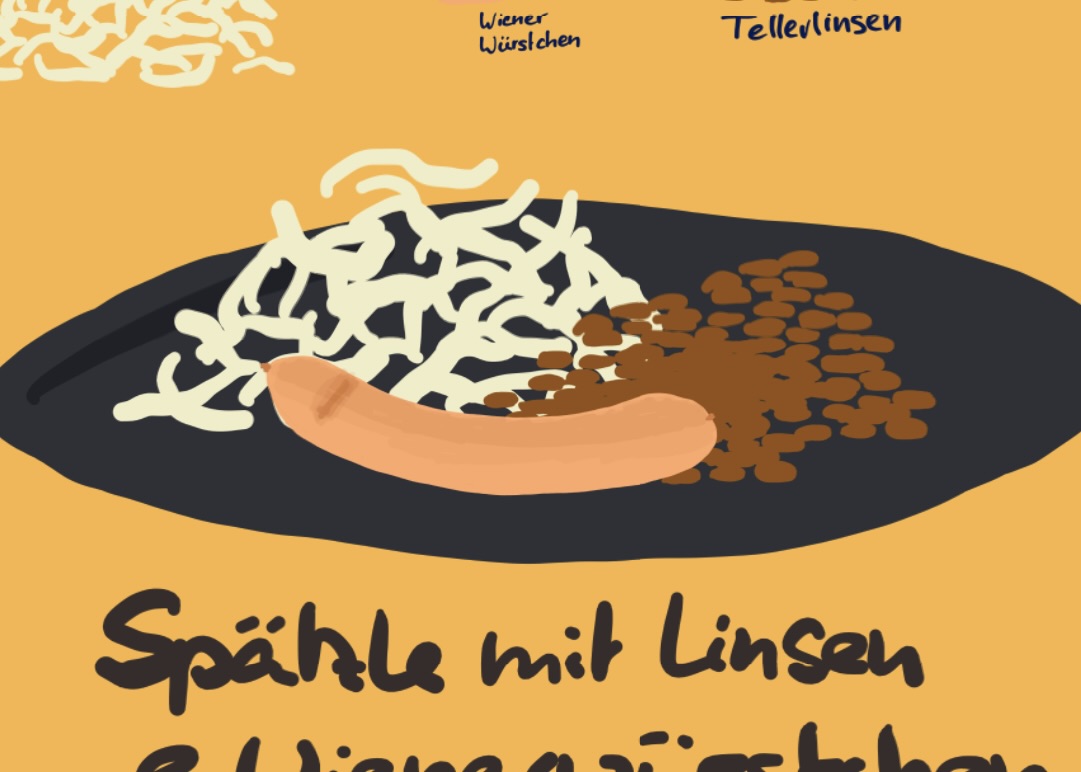
Spaetzle with lentils
Soft egg spaetzle, tender brown lentils and warm Wiener sausages: find tips for batter texture, cooking, optional vinegar and reheating leftovers.

Asparagus with ham, potatoes and hollandaise sauce
Serve white asparagus with cooked ham, potatoes and hollandaise. Get tips for tender spears, a smooth sauce and careful handling of the egg-based finish.
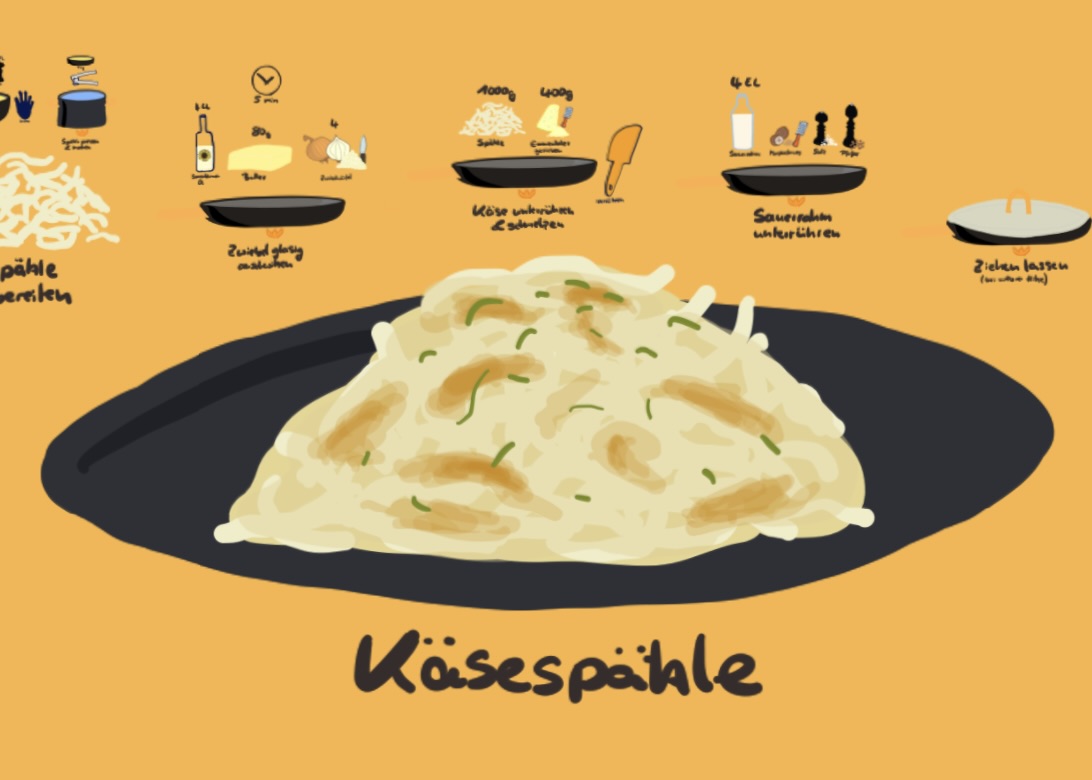
Cheese spaetzle
Tender spaetzle, melted cheese and golden onions make a comforting skillet meal. Learn how draining and gentle heat help the texture come together.
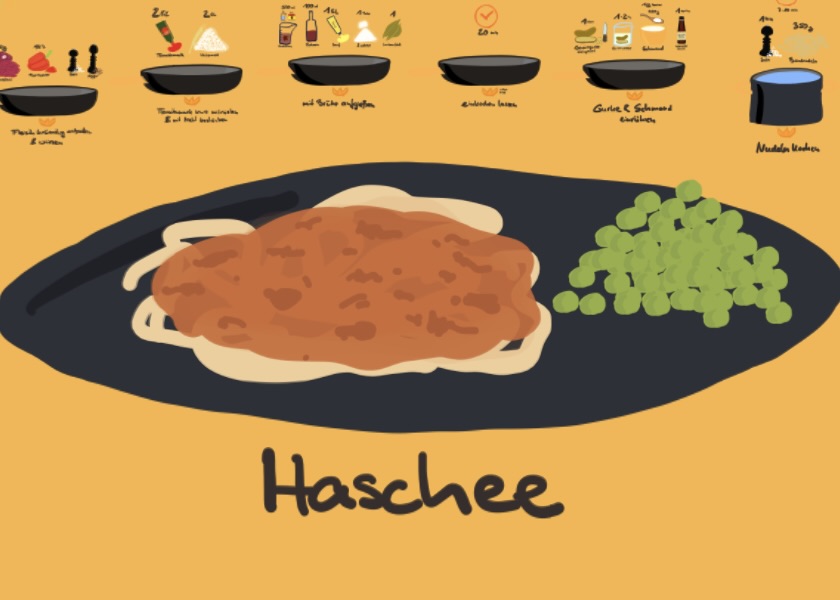
Haschee
Make Haschee with browned ground beef, tender onions and savory gravy. Find tips for a smooth sauce, serving with potatoes and safely reheating leftovers.

Meat patties with potato salad
Enjoy savory meat patties with potato salad. Learn how gentle mixing, balanced seasoning and a thermometer check help you prepare this satisfying plate.

Bavarian crusted roast with dark beer sauce and bread dumplings
Explore tender pork belly with soy sauces, garlic and rice wine. Learn how to balance the seasoning, check the meat and serve it with a crisp side.