
Pudding & Compote Recipes: Custards, Mousses & Fruit Compotes
Recipes on the interactive map 👩🍳
Cook along on the interactive map
Pudding and compote recipes: custards, mousses, creamy desserts, and fruit compotes for easy spoonable sweets
Puddings and compotes are some of the most useful dessert categories because they are comforting, elegant, easy to portion, and flexible enough for everyday sweet cravings, family desserts, dinner parties, and make-ahead treats. A strong puddings and compotes hub should help you move between silky custards, chocolate puddings, rice puddings, semolina desserts, airy mousses, creamy chilled desserts, and warm or cold fruit compotes depending on the season, the mood, and the level of richness you want. The best pudding and compote recipes balance texture, sweetness, fruit brightness, and serving temperature so every spoonful feels smooth, polished, and satisfying instead of runny, starchy, flat, or overly sweet.
Why pudding and compote recipes work so well
- They are naturally spoonable and comforting: Puddings and compotes feel soft, smooth, and easy to serve, which makes them ideal for both casual and elegant desserts.
- Huge variety in one category: Custards, mousses, pudding-style creams, rice and semolina desserts, fruit compotes, and chilled creamy jars all fit naturally together.
- Perfect across the seasons: Warm rice pudding and apple-style desserts shine in colder months, while berry compotes, lemon creams, panna cotta, and fruit-led puddings feel especially strong in spring and summer.
- Easy to portion and pair: These desserts work beautifully on their own, in glasses, in bowls, over cakes, with waffles, pancakes, cheesecake, or layered into more elaborate desserts.
- Great for make-ahead baking and dessert prep: Many puddings and compotes improve after chilling or resting, which makes them especially practical for entertaining.
High-Value Tips: How to make better puddings and compotes
- Start with the texture goal: Custards should be silky, mousses airy, rice and semolina puddings creamy but spoonable, and compotes glossy with softened fruit that still feels intentional.
- Use a simple spoonable-dessert builder:Creamy base + flavor direction + texture control + fruit or finish. This keeps puddings and compotes structured instead of random.
- Control thickening carefully: Eggs, starch, rice, semolina, tapioca, and chocolate all thicken differently. The goal is smooth body and clean spoon texture, not a gluey or broken finish.
- Moisture control matters: Fruit compotes should feel juicy but not watery, and creamy puddings should set softly without becoming too loose or too dense.
- Use temperature as part of the dessert: Some puddings are strongest warm, others chilled. Compotes can shift dramatically depending on whether they are served warm over cream desserts or cold as a fresher topping.
- Think in pairing contrast: Creamy puddings become more exciting with tart fruit, citrus, berries, caramel, spice, nuts, cocoa, or biscuit crunch.
- Do not oversweeten: Spoonable desserts feel more elegant when sweetness is balanced by dairy tang, cocoa bitterness, citrus, spice, or fruit acidity.
Variations & alternatives
- Classic puddings: Vanilla pudding, chocolate pudding, rice pudding, semolina pudding, banana pudding, and coconut tapioca pudding are ideal when you want familiar comfort desserts with strong everyday appeal.
- Custards and elegant creams: Bavarian cream, crème caramel, crème brûlée, crème Catalana, zabaione, and panna cotta are especially strong when the dessert should feel more refined and dinner-party friendly.
- Mousses and chilled creamy desserts: Chocolate mousse, mascarpone-style creams, lemon cream, and lighter spoon desserts work beautifully when you want something airy, rich, and elegant.
- Fruit compotes: Rhubarb compote and other berry, stone-fruit, apple, pear, plum, or citrus compotes are perfect when you want freshness, seasonality, and an easy fruit finish.
- Fruit-led bowl desserts: Fruit salad, quark fruit creams, and lighter chilled fruit desserts are strong when the sweet course should feel fresher and less heavy.
- Builder shortcut:Warm and creamy for comfort desserts, silky and chilled for elegant finishes, and fruity and glossy for fresh topping-style desserts.
Serving ideas / pairings
- Simple dessert bowls: Serve puddings and creams in glasses or bowls with fruit, cocoa, caramel, nuts, or biscuit crumbs for a clean spoon dessert.
- Creamy-meets-fruity pairing: Vanilla pudding with berry compote, chocolate cream with orange notes, or panna cotta with fruit topping creates one of the strongest contrasts in this category.
- Warm-and-cold dessert moments: Rice pudding, semolina pudding, and some compotes work especially well when warm elements meet chilled cream or fruit.
- Cake and breakfast pairings: Fruit compotes are especially useful on cheesecake, waffles, pancakes, yogurt bowls, and softer breakfast desserts.
- Elegant plated dessert: Custards, mousses, and smooth creams feel especially polished with berries, citrus zest, caramel, chocolate shavings, or a crisp garnish.
Storage, Meal-Prep & Serving
Puddings and compotes are especially make-ahead friendly because many of them need time to chill, thicken, or settle. Store creamy desserts well covered so the surface stays smooth and protected, and keep fruit compotes separate when you want a cleaner final texture. Chilled puddings, mousses, and custards are often at their best after resting, while warm compotes can be reheated gently when needed. Add crunchy toppings, delicate fruit, or decorative finishes close to serving so contrast and freshness stay strong.
FAQ
What counts as a pudding dessert?
A pudding dessert usually has a soft spoonable texture and can be thickened with eggs, starch, rice, semolina, tapioca, chocolate, or dairy-based techniques.
What is a compote?
A compote is fruit gently cooked until soft, glossy, and flavorful, then served warm or chilled as a dessert or topping.
Which puddings are best for make-ahead desserts?
Vanilla pudding, chocolate pudding, panna cotta, Bavarian cream, crème caramel, mousse-style desserts, and many chilled creams are especially practical.
How do I stop puddings from becoming lumpy or too thick?
Use gentle heat, control the thickening carefully, stir consistently, and stop cooking when the pudding is set but still smooth.
Why are compotes so useful in desserts?
They add fruit, acidity, gloss, color, and contrast, which helps creamy desserts feel fresher and more balanced.
Best Puddings & Compote Recipes to Try at Home
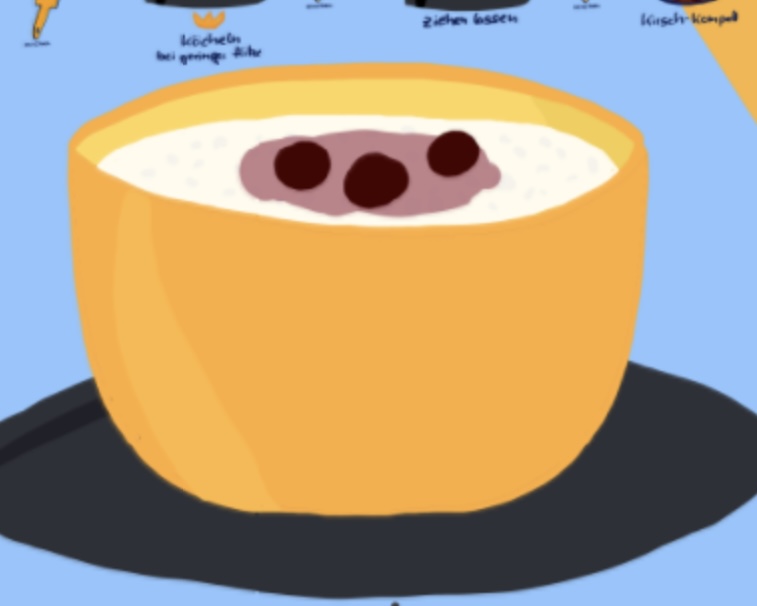
Rice Pudding Dessert
Enjoy a comforting bowl of creamy rice pudding with a hint of cinnamon.

Semolina pudding
Discover semolina pudding on yummy.world! Creamy classic dessert—quick to cook and kid-friendly.
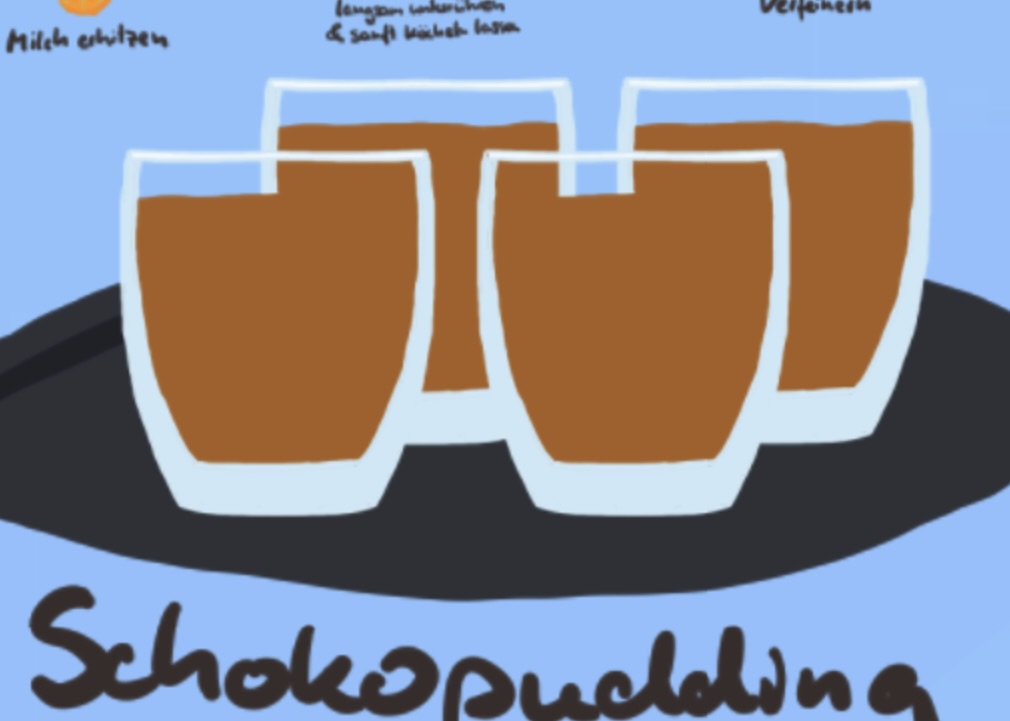
Chocolat Pudding
Discover chocolate pudding on yummy.world! Creamy classic dessert—rich cocoa flavor and super simple.

Vanilla Pudding for dessert
Discover vanilla pudding for dessert on yummy.world! Creamy, smooth, and ready fast—perfect with fruit.
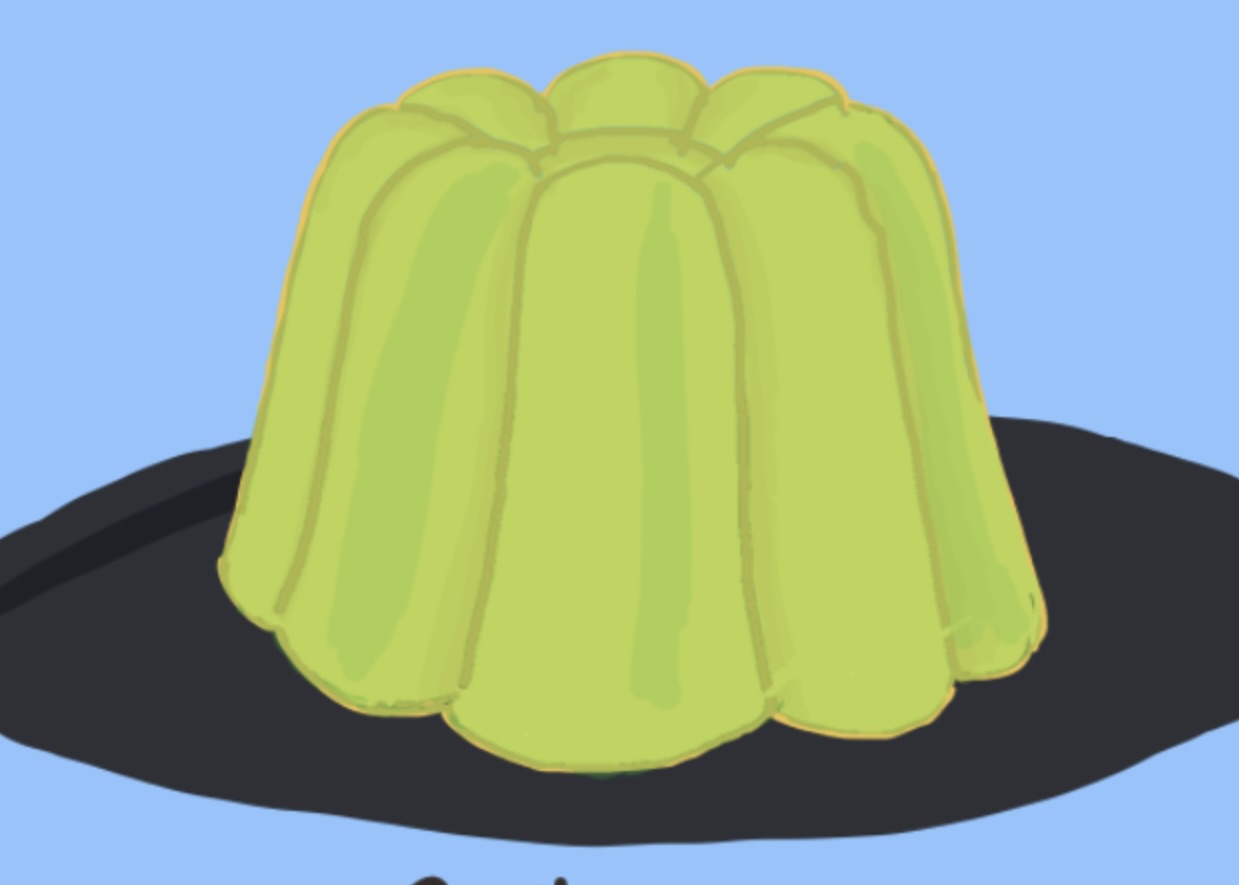
Jelly
Discover jelly on yummy.world! Fun wobbly dessert cups—easy to make, great for kids and parties.
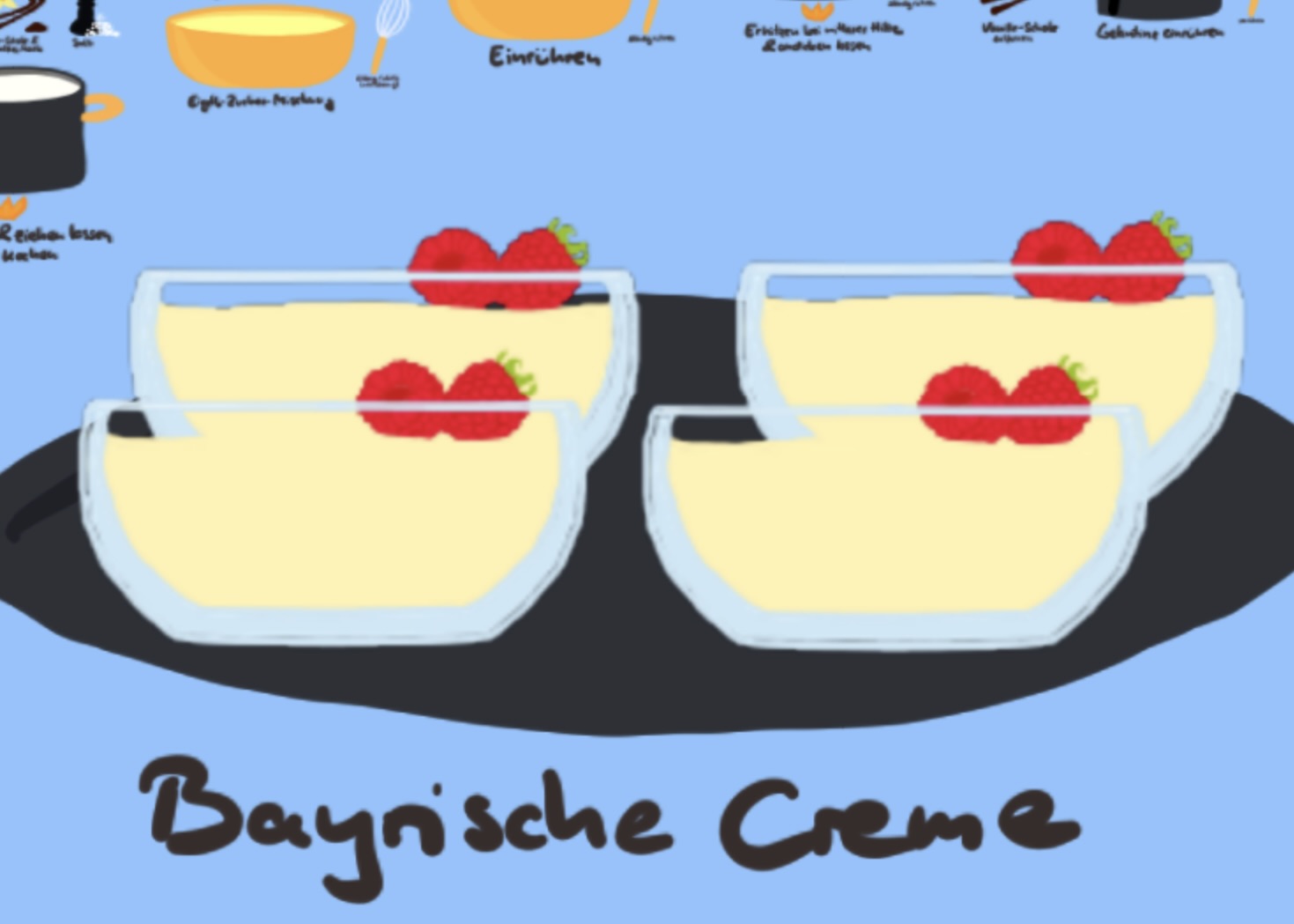
Bavarian Cream
Discover Bavarian cream on yummy.world! Light, silky dessert cream—elegant, airy, and perfect for plating.
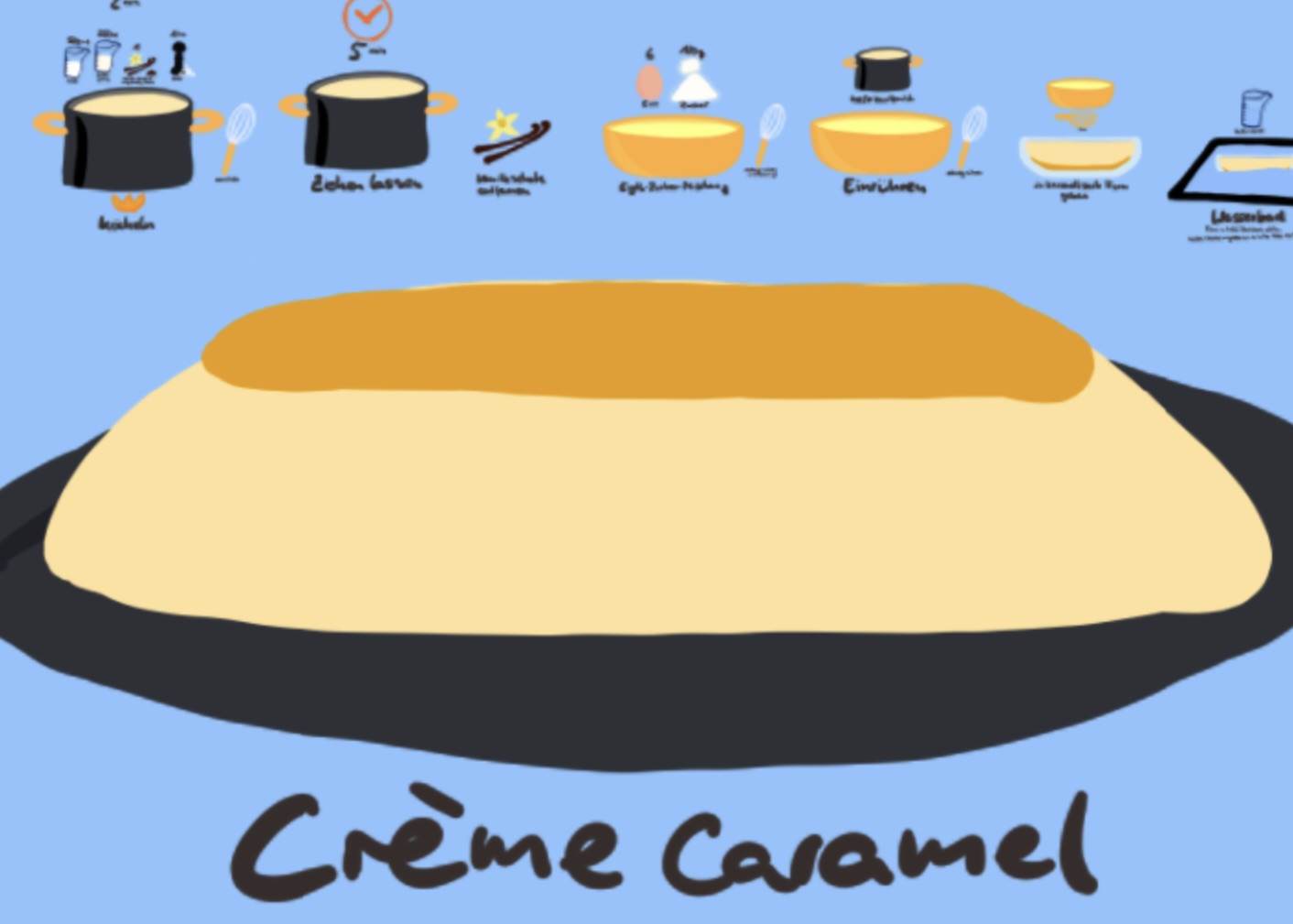
Creme Caramel / Flan
Discover crème caramel / flan on yummy.world! Classic custard with caramel—silky, elegant, and timeless.
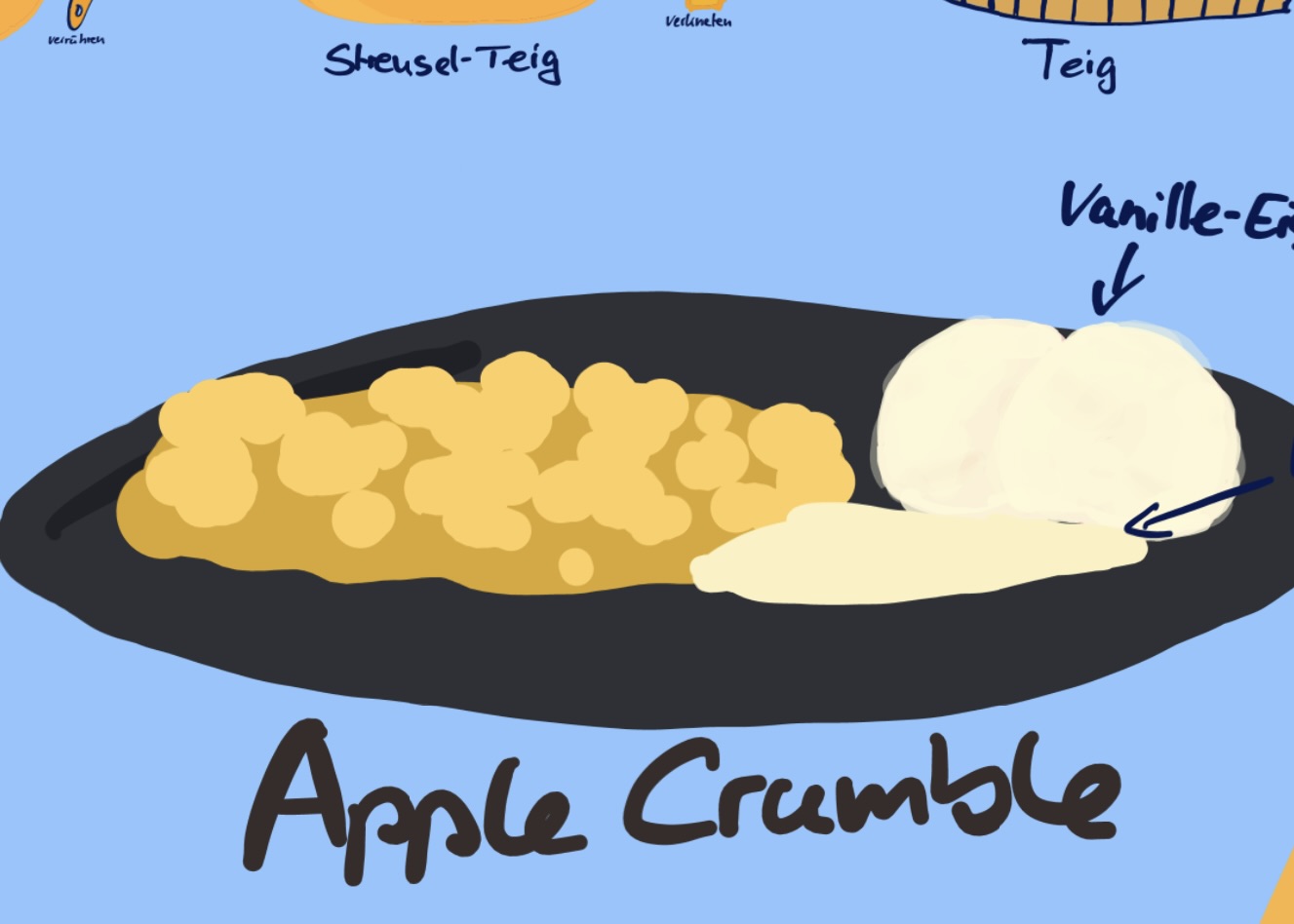
Apple Crumble
Discover apple crumble on yummy.world! Warm apples with buttery topping—easy comfort dessert.
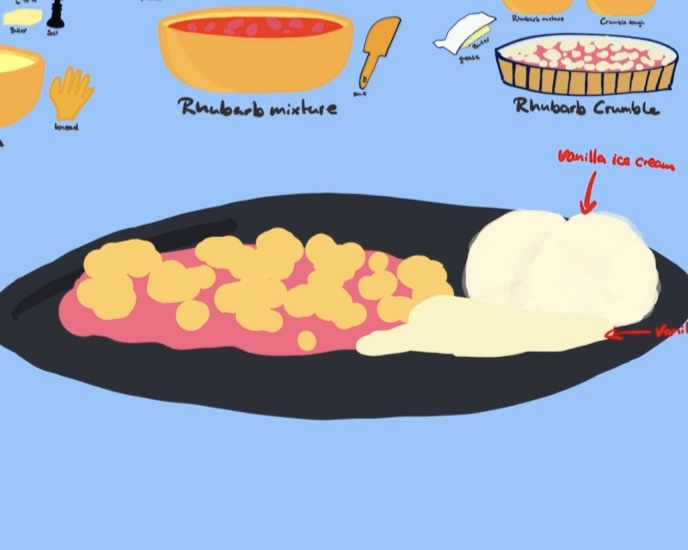
Rhubarb crumble
Discover rhubarb crumble on yummy.world! Tangy fruit with buttery crumble—easy and seasonal.
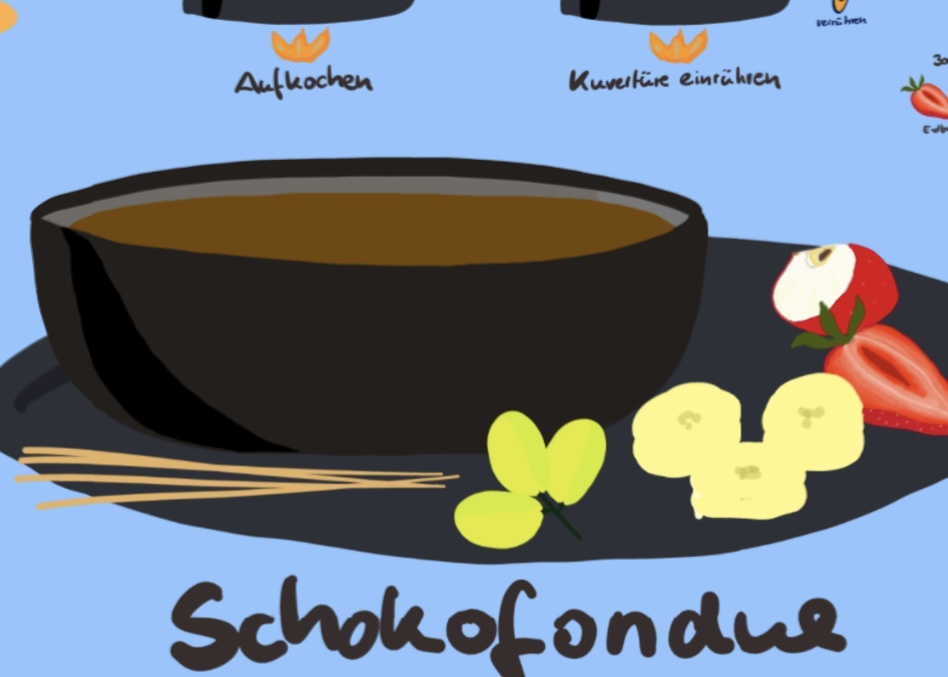
Chocolate Fondue
Melt chocolate to perfection and dip your favorite treats for a luxurious dessert.
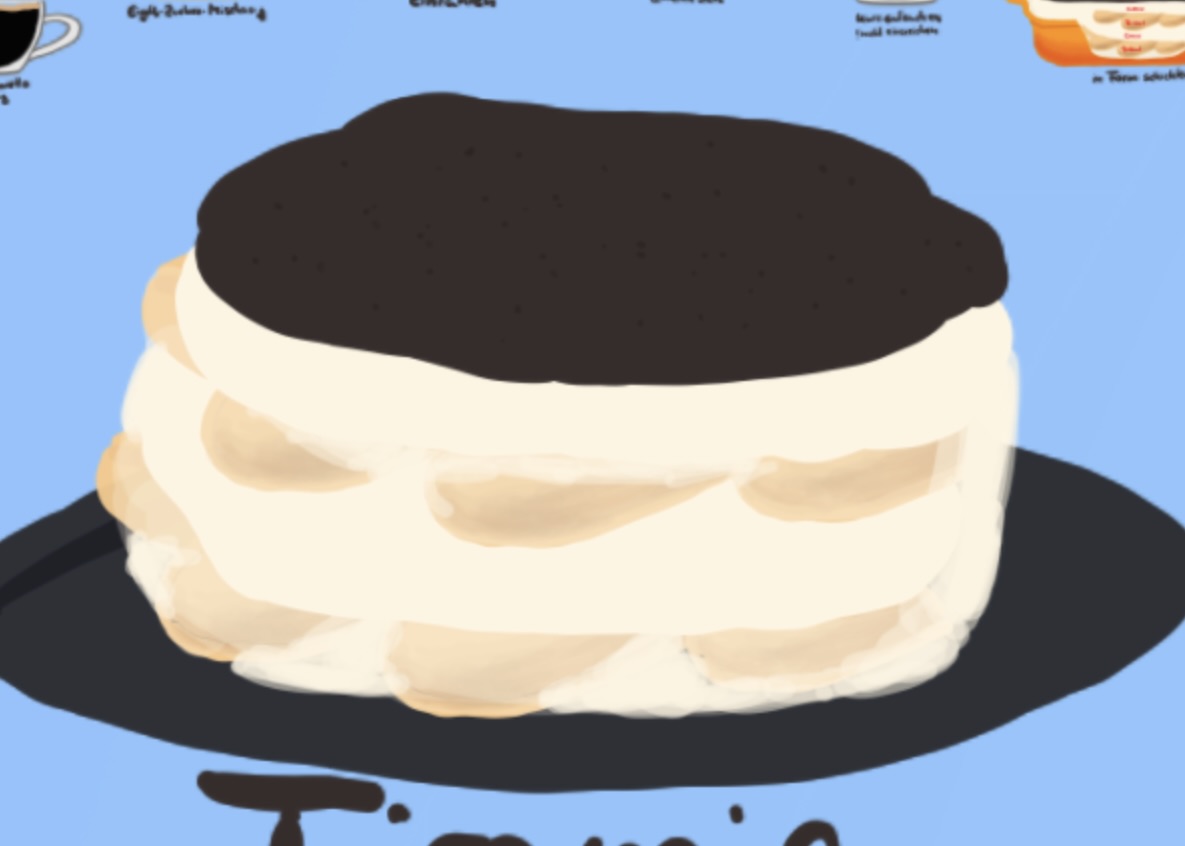
Tiramisu
Layer creamy mascarpone with coffee-soaked biscuits for a timeless Italian dessert.

Panna Cotta
Indulge in the smooth and creamy texture of traditional panna cotta with a hint of vanilla.
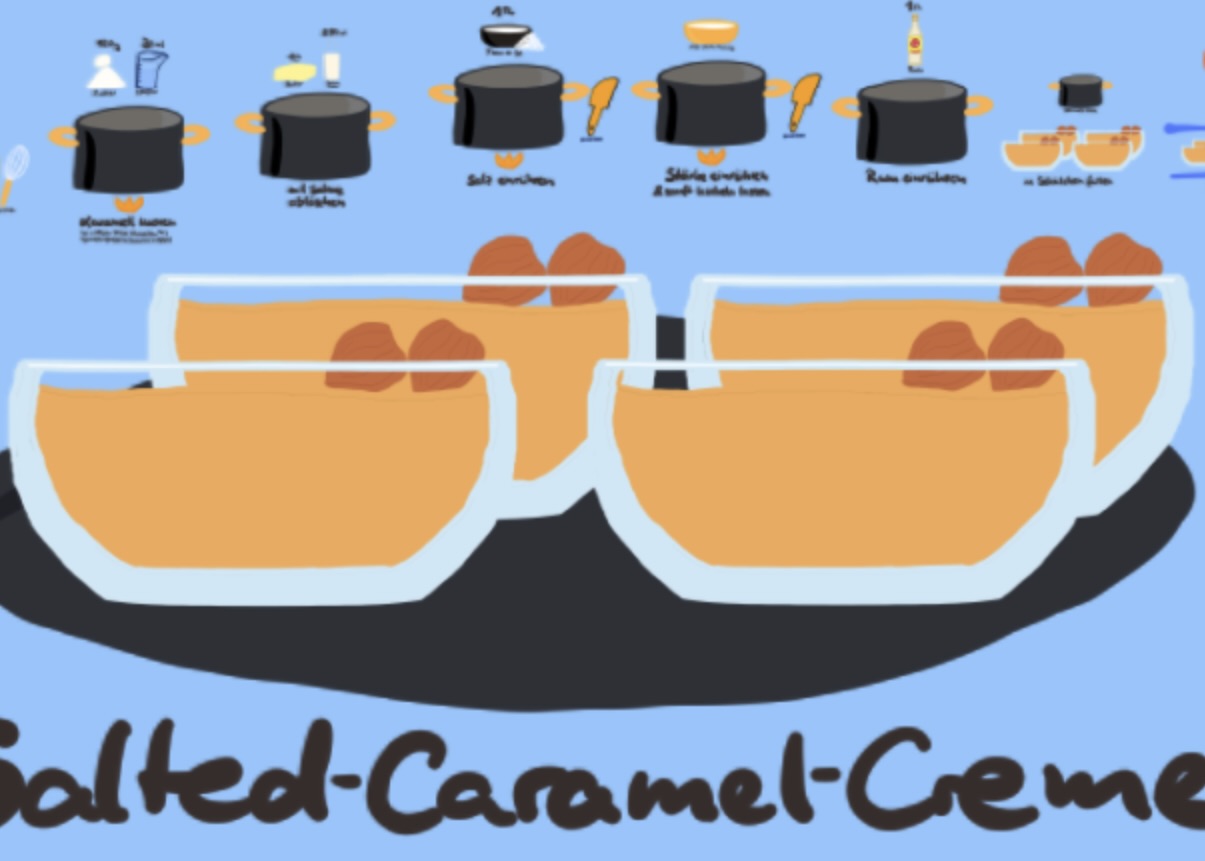
Salted Caramel Creme
Discover salted caramel creme on yummy.world! Sweet-salty, silky dessert—perfect for jars, cakes, and spooning.
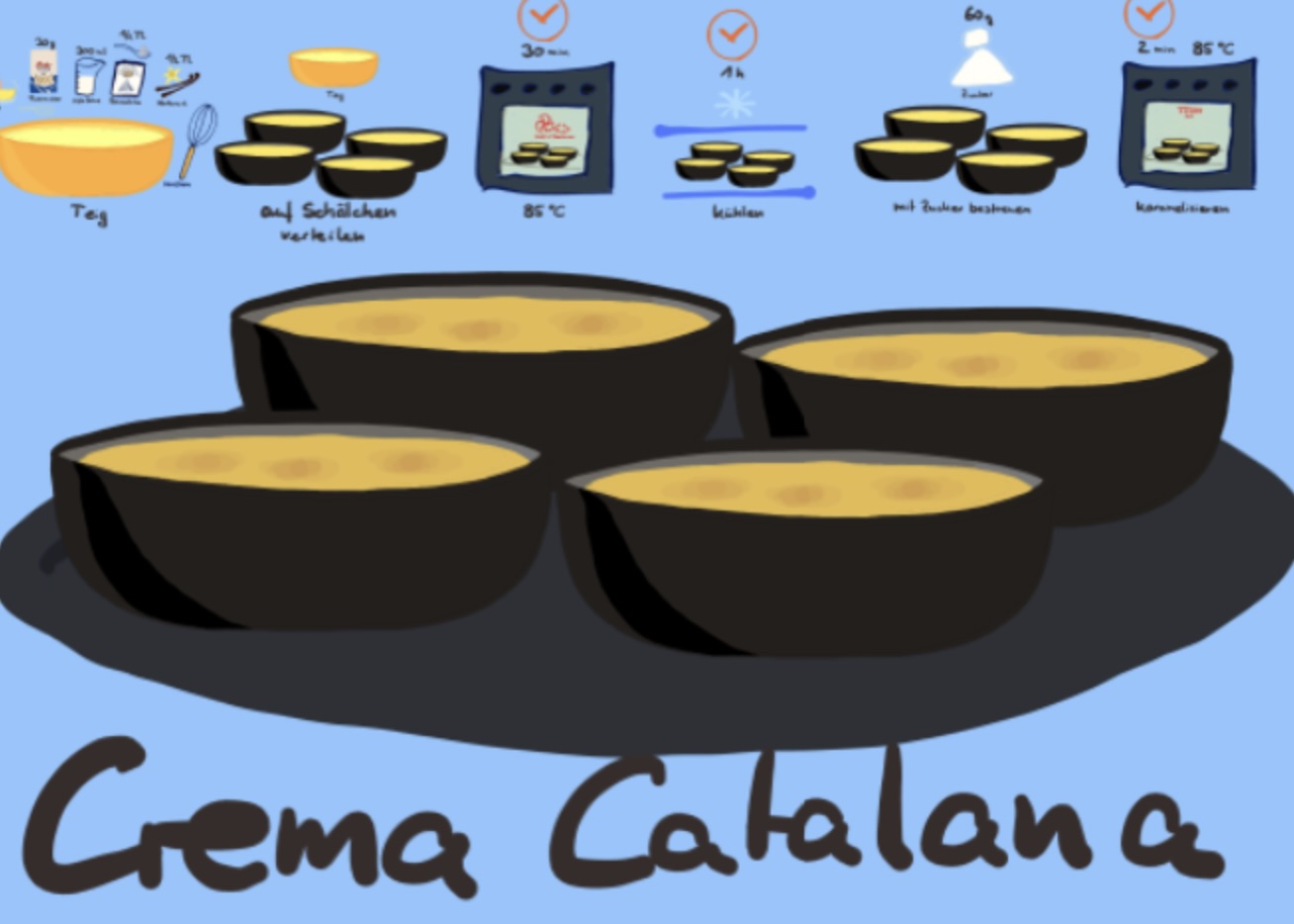
Creme Catalana
Prepare the Spanish classic dessert with a creamy custard and caramelized topping.
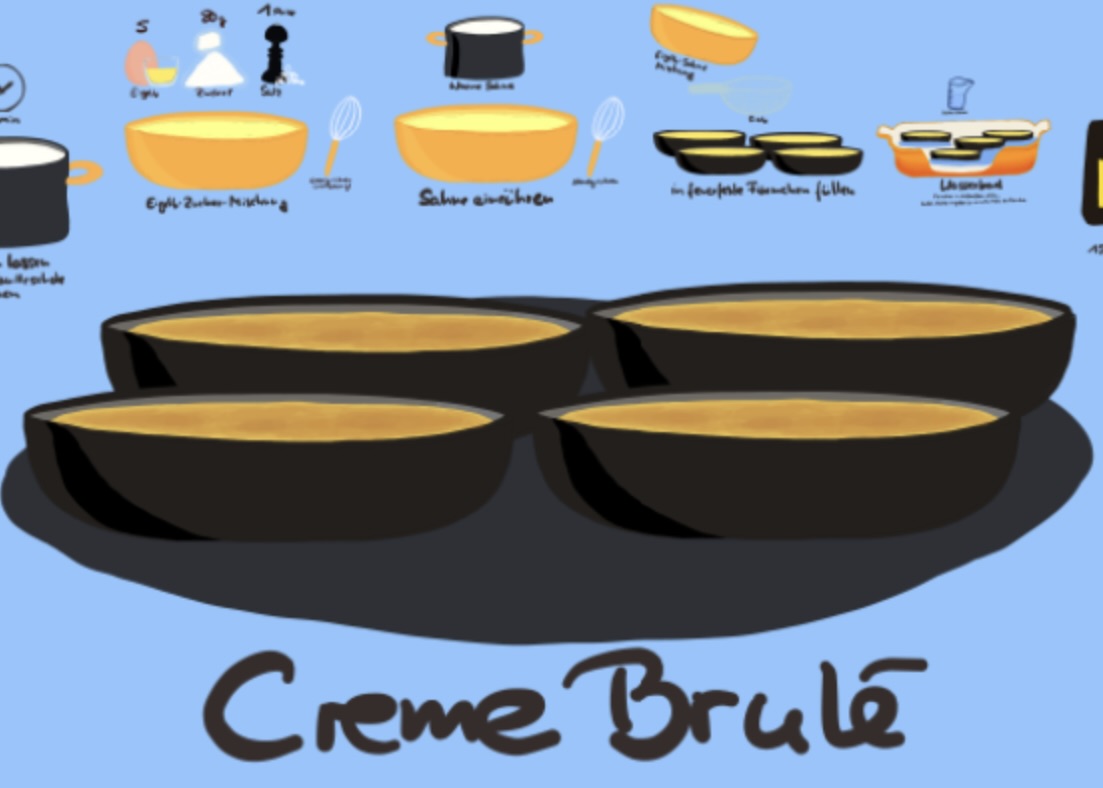
Creme Brulee
Impress your guests with a classic Creme Brulee, creamy and perfectly caramelized.

Chocolate Mousse
Whip up a light and airy chocolate mousse for a decadent dessert treat.
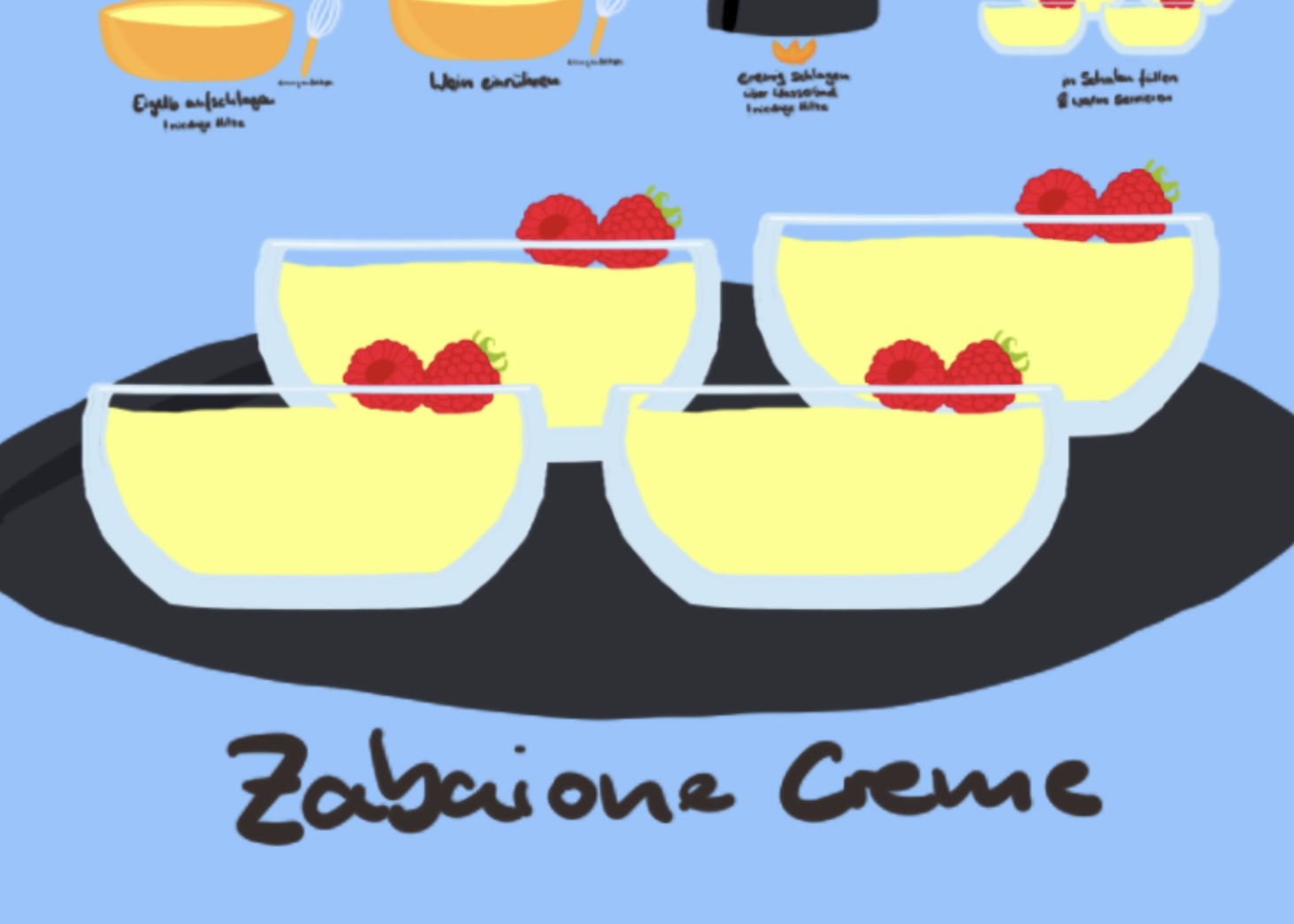
Zabaione Creme
Discover zabaione creme on yummy.world! Light Italian dessert cream—silky, airy, and irresistibly rich.
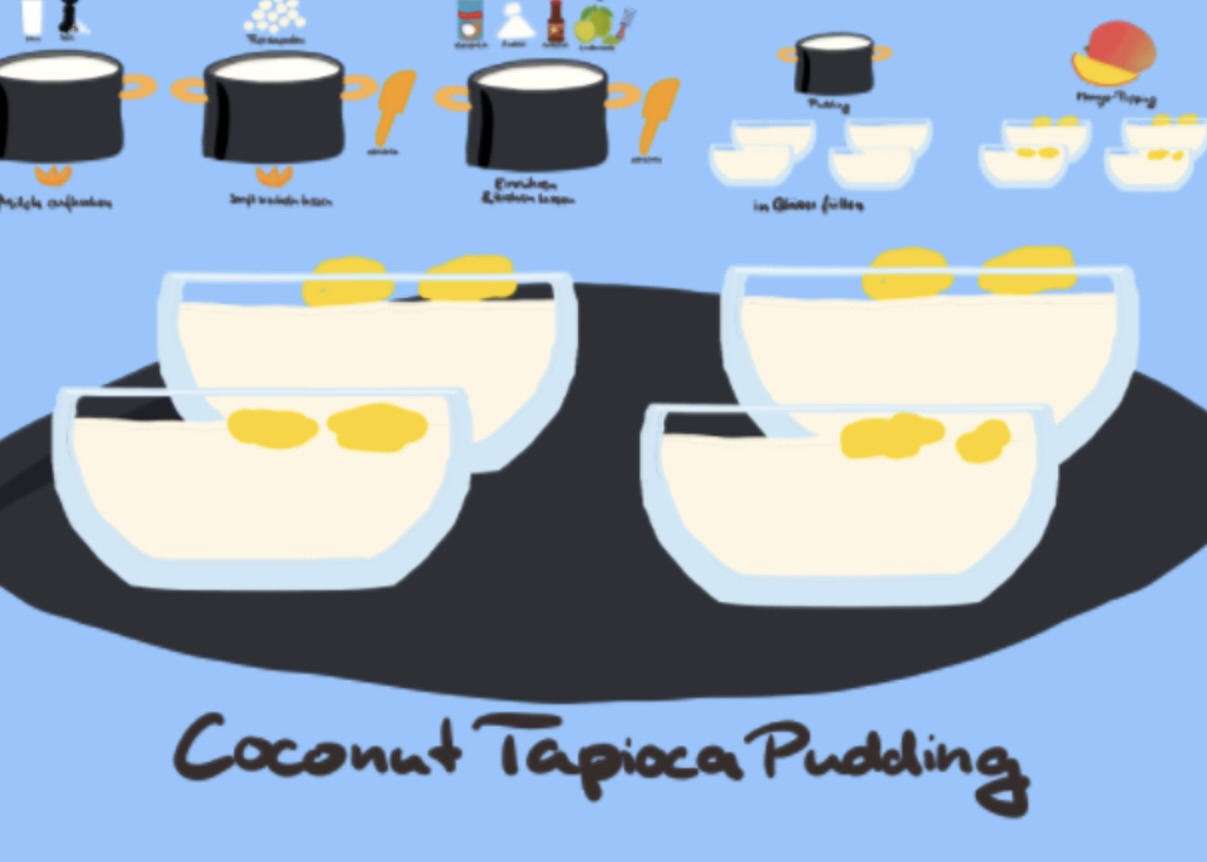
Coconut Tapioca Pudding
Discover coconut tapioca pudding on yummy.world! Creamy pearls with tropical flavor—comforting and delicious.
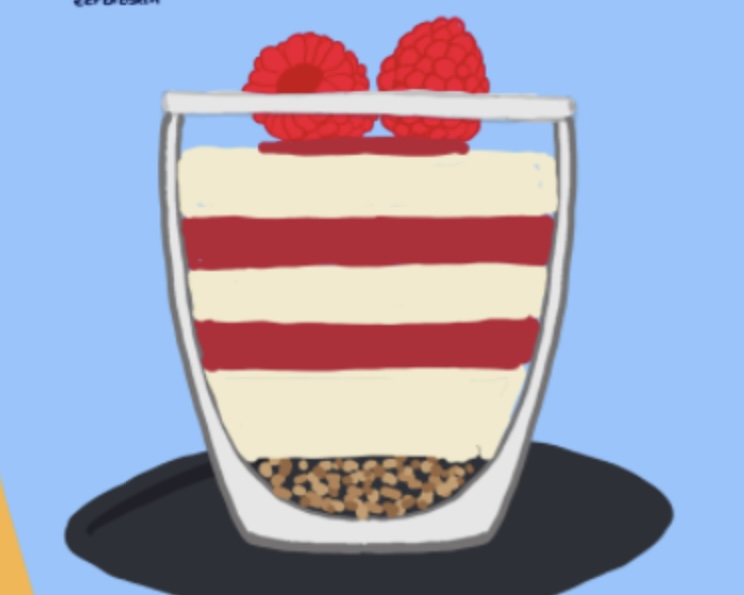
Raspberry Mascarpone Cream
Discover raspberry mascarpone cream on yummy.world! Fruity, creamy topping—perfect for cakes and dessert jars.
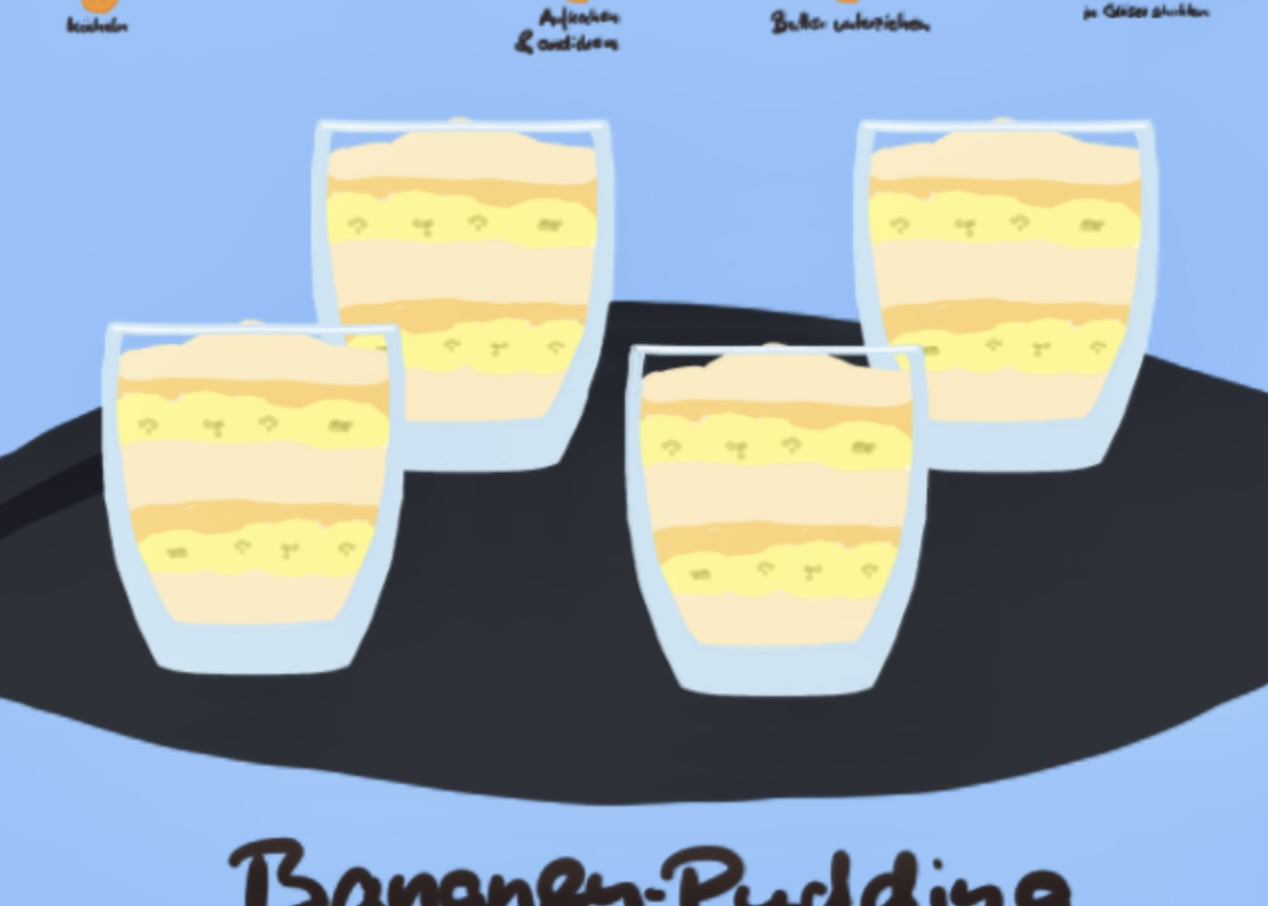
Banana Pudding
Discover banana pudding on yummy.world! Creamy comfort dessert with bananas—great for jars and parties.
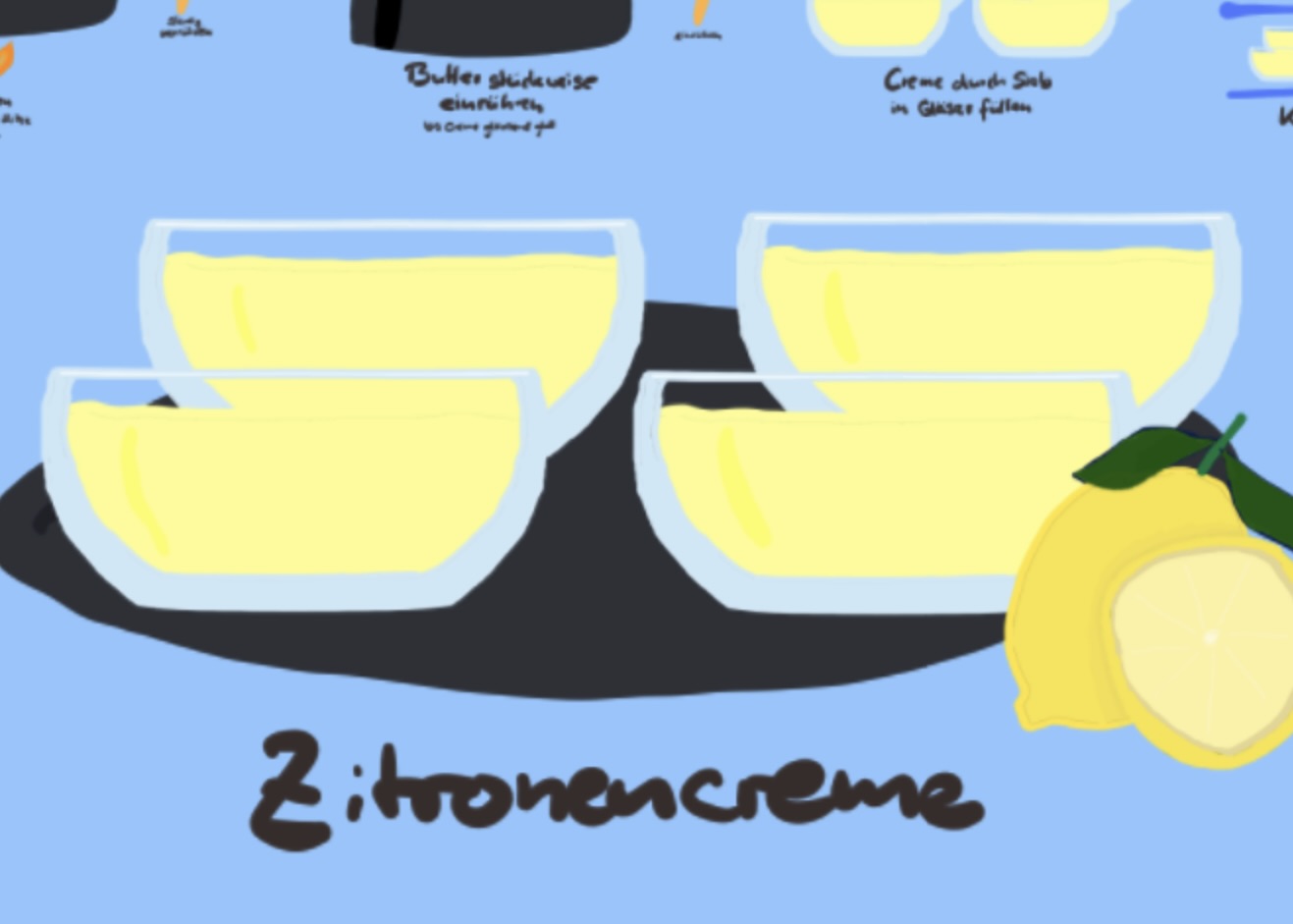
Lemon Creme
Discover lemon creme on yummy.world! Fresh, tangy dessert cream—light, silky, and perfect after meals.
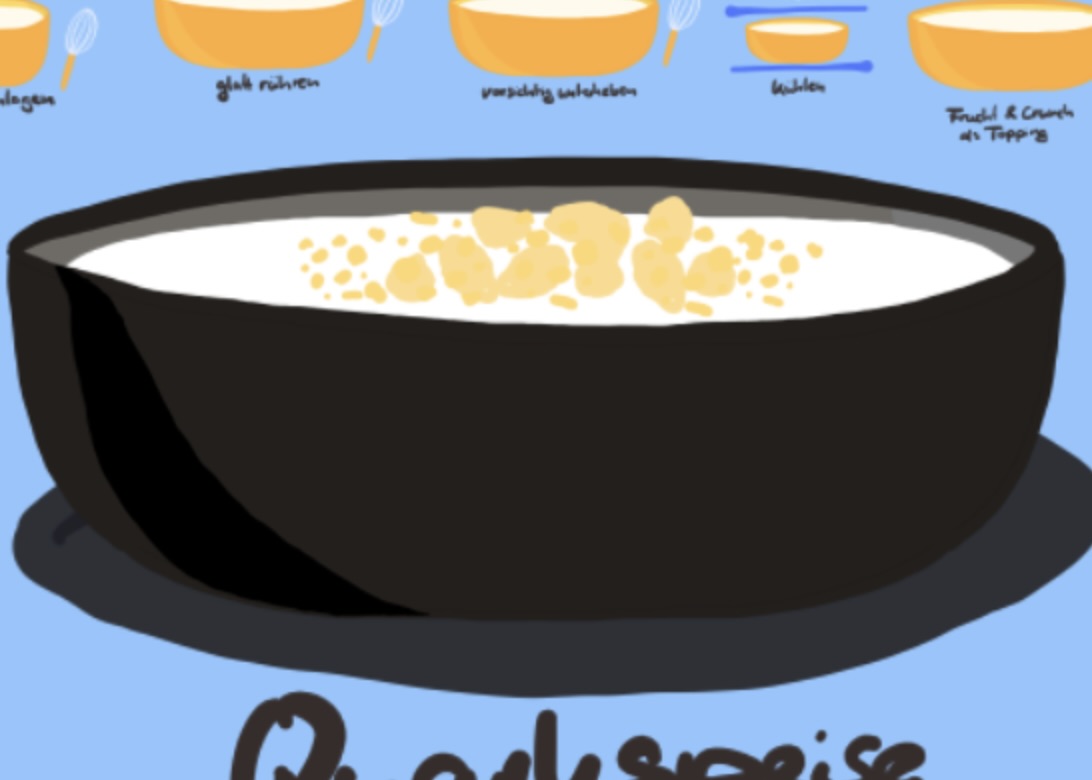
Quark fruit creme
Blend creamy quark with fresh fruits for a light and flavorful dessert.
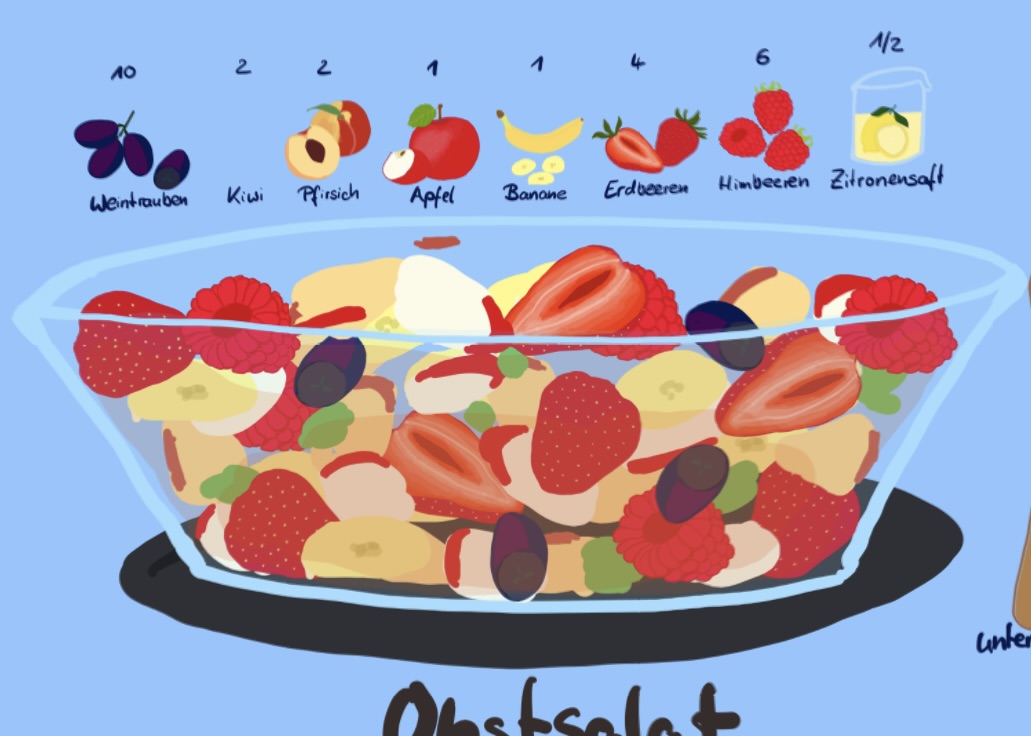
Fruit Salad
Create a vibrant mix of fresh fruits for a healthy dessert or snack option.
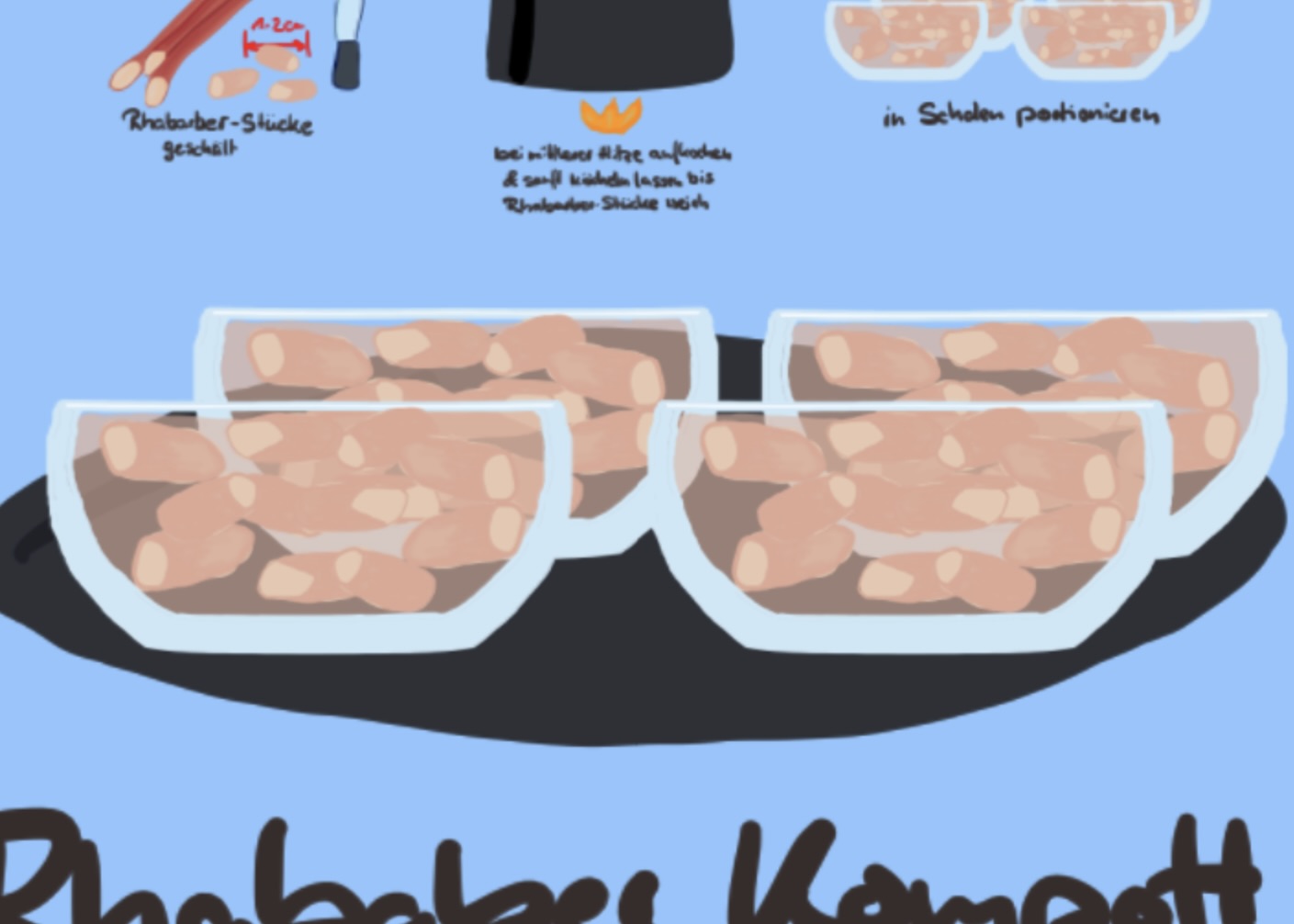
Rhubarb Compote
Cook fresh rhubarb into a sweet compote, perfect for pairing with desserts.