
Crème Caramel Flan: Silky Custard Tips
Cook along on the interactive map
Step-by-step:
- Prepare the caramel: Melt the sugar in a pan until it turns amber. Carefully pour the hot caramel into the moulds and spread it over their bases. Find the exact details in the illustrated recipe.
- Make the vanilla custard: Warm the milk with the vanilla. Stir the eggs and sugar together, then gradually stir in the warm milk. Strain the mixture into the caramel-lined moulds.
- Bake in a water bath: Place the moulds in a baking dish with hot water and bake until the custard is set around the edges but still trembles in the centre. Avoid baking it until it becomes firm throughout.
- Chill and turn out: Let the flans cool, then refrigerate until thoroughly chilled and set. Loosen the edges carefully and turn each flan onto a plate so the caramel flows over the custard.
Crème Caramel: Tender Flan with a Golden Sauce
Turn out a chilled crème caramel and the golden sauce runs over the soft vanilla custard. That little moment is half the fun. Bring it to the table with a spoon and enjoy it just as it is, or add a few berries on the side.
Milk, eggs, and a smooth texture
This flan gets its set from eggs, with milk, sugar, and vanilla making a gently sweet custard. Stir the mixture smoothly without whipping in lots of air. Foam can leave bubbles in the finished dessert, and straining catches little strands of egg before they reach the molds.
Watch the caramel color
Amber caramel brings a toasted note that balances the vanilla. Once the sugar is dark and smoking, it can taste burnt. Have heatproof molds ready, protect your hands with oven mitts, and never taste hot caramel. The melted sugar and the molds can cause burns.
A gentle bake keeps it tender
The water bath helps the custard cook evenly. Use a stable roasting pan and take care with the hot water. The edges should be set while the center trembles gently rather than sloshing. Check the center with a food thermometer: egg custards need to reach at least 160°F (71°C). A wobble alone does not show that it is cooked safely.
Do not taste the raw egg mixture, and wash tools after contact. Remove the cooked molds carefully from the water bath, cool promptly, and refrigerate until thoroughly chilled. Keep the flans refrigerated until serving.
A little care before turning out
Loosen the cold custard gently around the edge, keeping the knife close to the mold. Choose a plate with a rim to catch the sauce. If the flan resists, check the edge again instead of shaking it hard and breaking the custard.
Optional cinnamon or a salty finish
A little cinnamon alongside the vanilla gives the custard a warmer flavor. Or finish the turned-out flan with a few flakes of sea salt for a contrast to the caramel. Keep the addition light so you can still taste the vanilla.
Let the sauce do the decorating
Crème caramel is lovely on its own. Washed fresh berries add color and a tart bite. If you fancy a fluffier vanilla dessert, try Bavarian cream, made with a cooked custard base, gelatin, and folded-in whipped cream.
Chill in the molds
Keep the cooled flans covered in their molds in the refrigerator until you are ready to serve. They are easier to handle once fully chilled. Store any fruit separately and turn out only the portions you need.
Frequently asked questions
Why does the caramel go hard in the mold?
That is normal as melted sugar cools. Moisture from the custard helps turn it into sauce during baking and chilling.
Why are there holes in the custard?
Too much air in the mixture or excessive heat can leave bubbles and a coarse texture.
Will chilling cook a raw center?
No. Chilling firms a properly cooked custard; it cannot replace adequate cooking.
Best Puddings & Compote Recipes to Try at Home
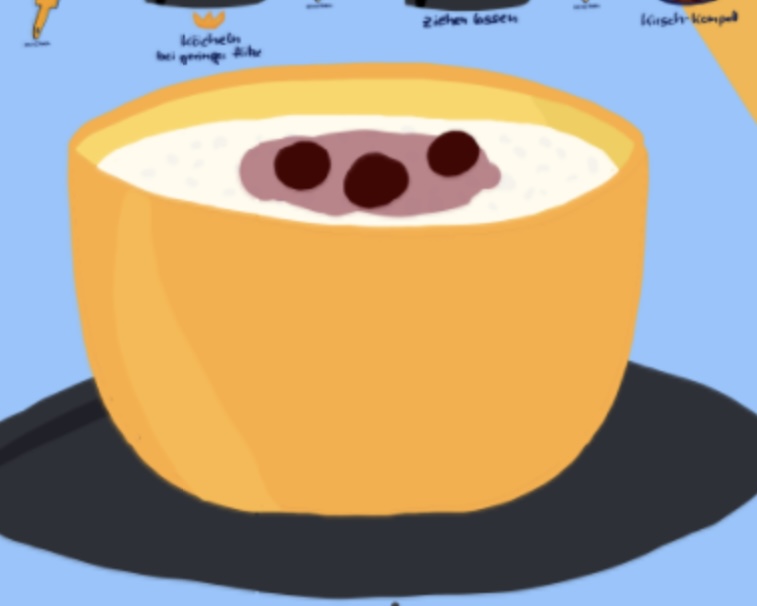
Rice Pudding Dessert
Cook creamy rice pudding with tender short-grain rice, cinnamon and cherry compote. Find tips for gentle simmering, a soft bite and prompt cooling.
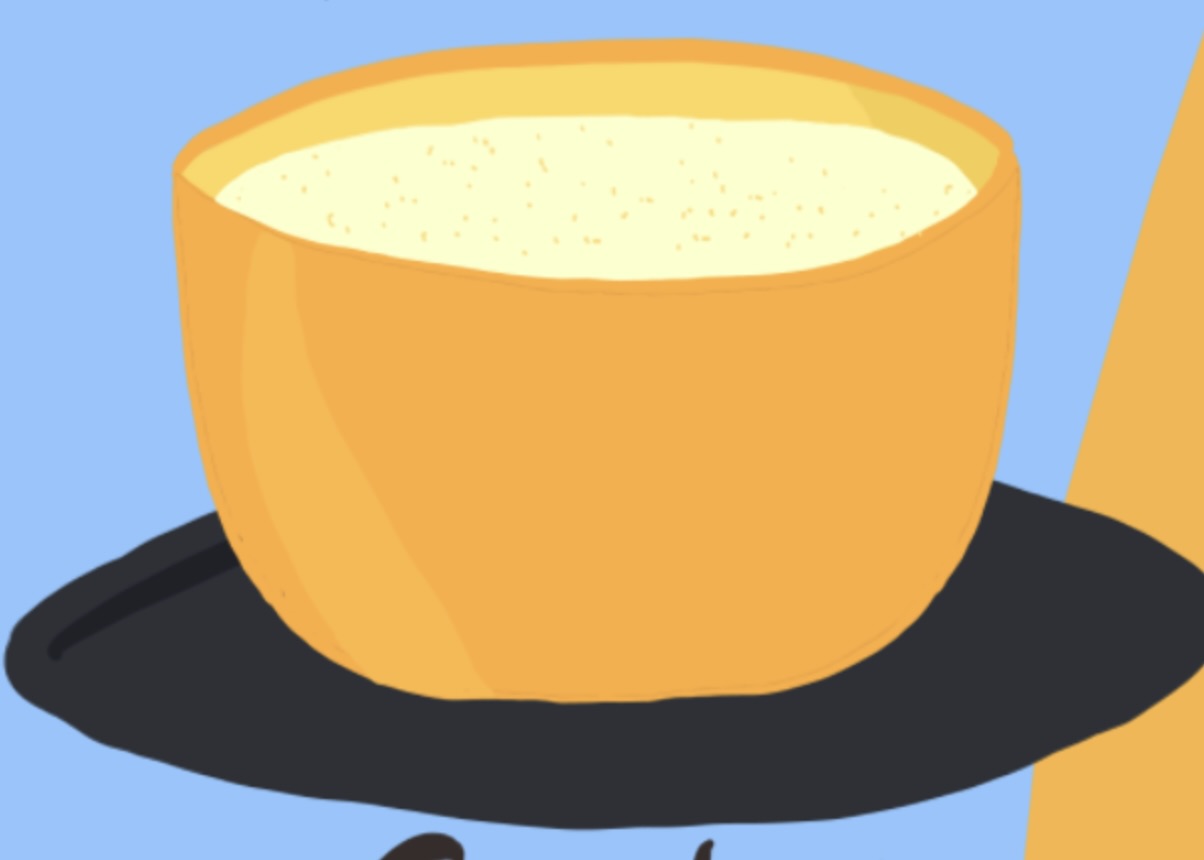
Semolina pudding
Make creamy semolina pudding with fine semolina, milk, vanilla sugar and butter. Learn to whisk without lumps and serve it with cinnamon or juicy fruit.
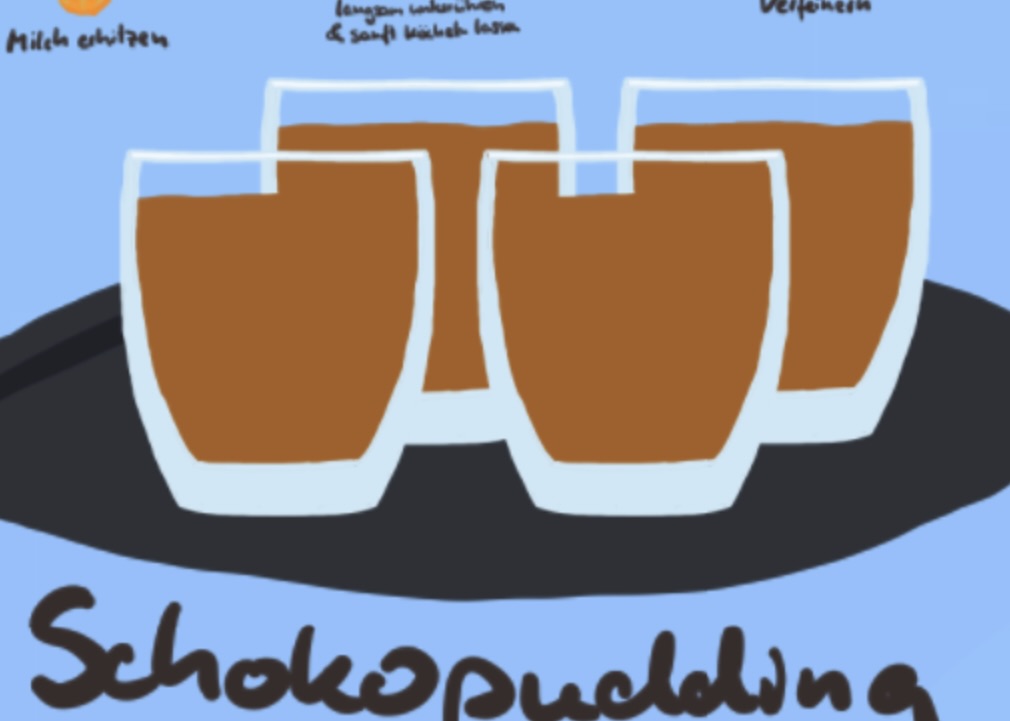
Chocolat Pudding
Milk, cocoa, and cornstarch make a creamy chocolate pudding. Find tips for a lump-free mixture, thorough cooking, prompt chilling, and simple toppings.
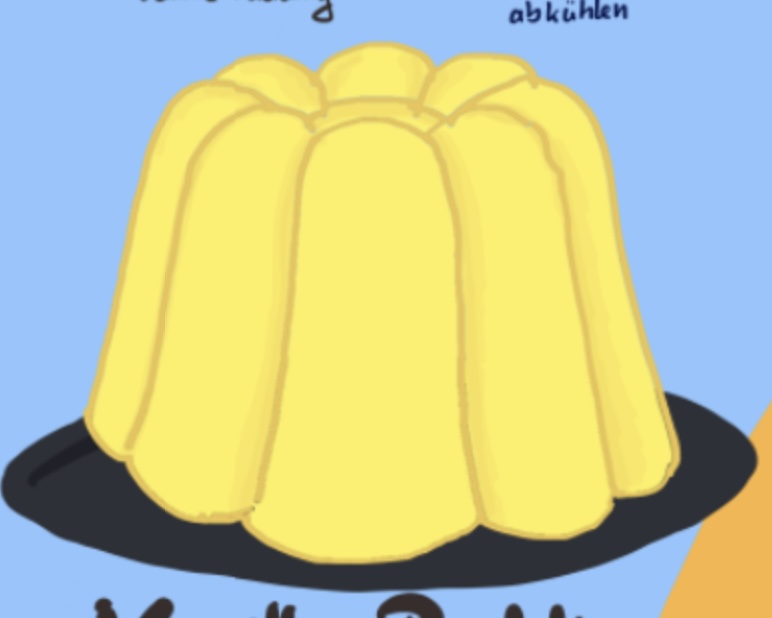
Vanilla Pudding for dessert
Cook vanilla pudding with milk, sugar and pudding powder. Find tips for smooth mixing, prompt cooling and serving a chilled bowl with fresh mango.
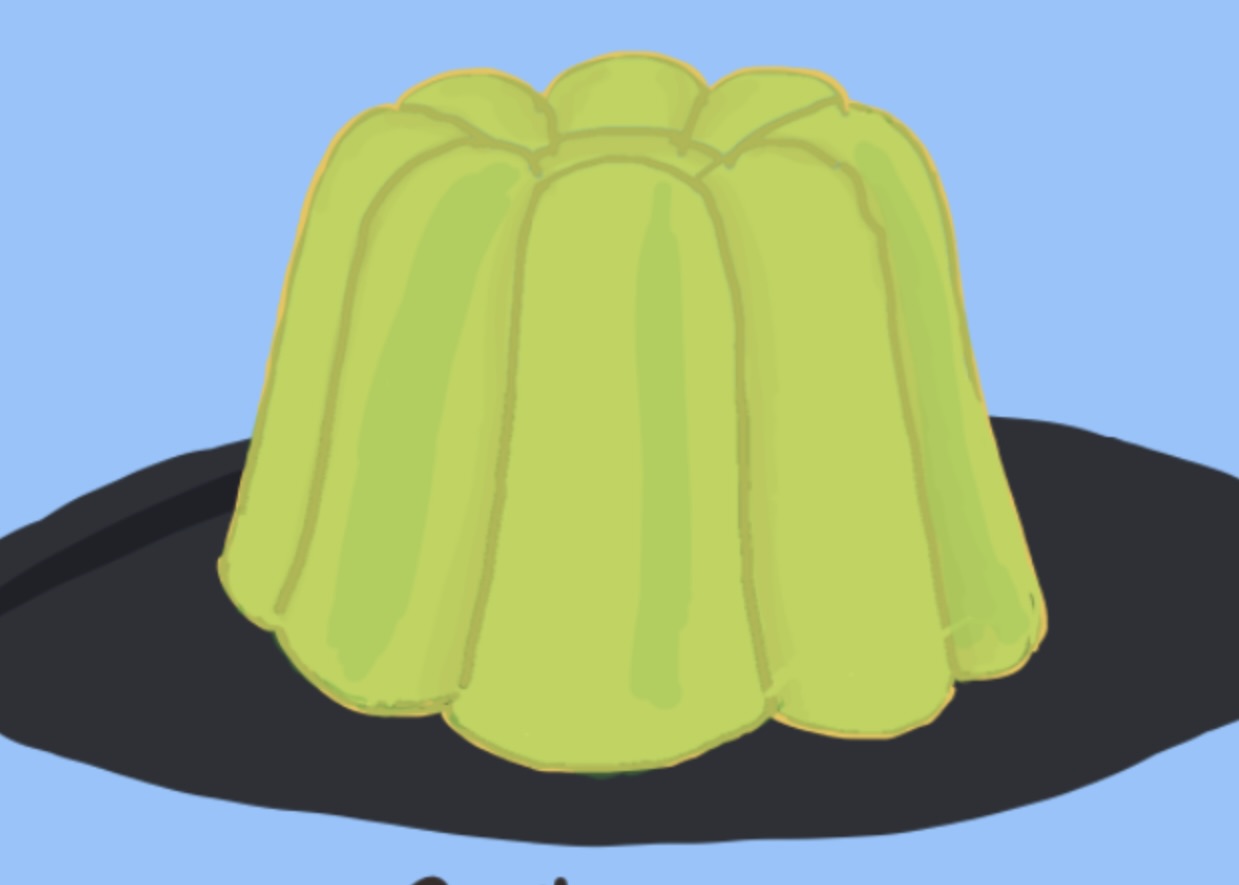
Jelly
Prepare jelly dessert cups from flavored powder and sugar. Learn what helps them set, how to choose toppings, and why the packet directions matter.
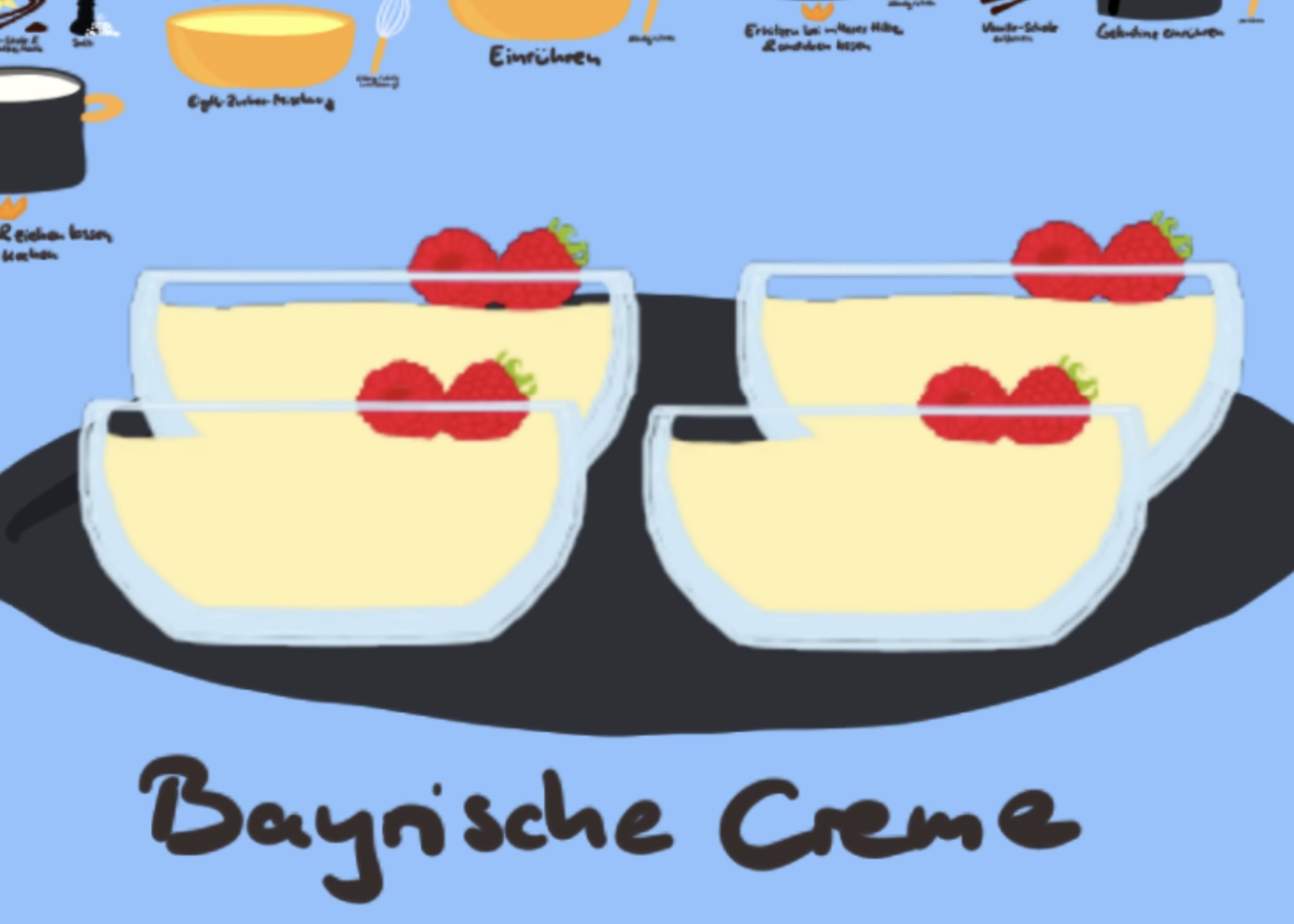
Bavarian Cream
Vanilla custard and whipped cream give Bavarian cream its delicate texture. Learn about gentle heating, classic gelatin binding, and chilled serving.
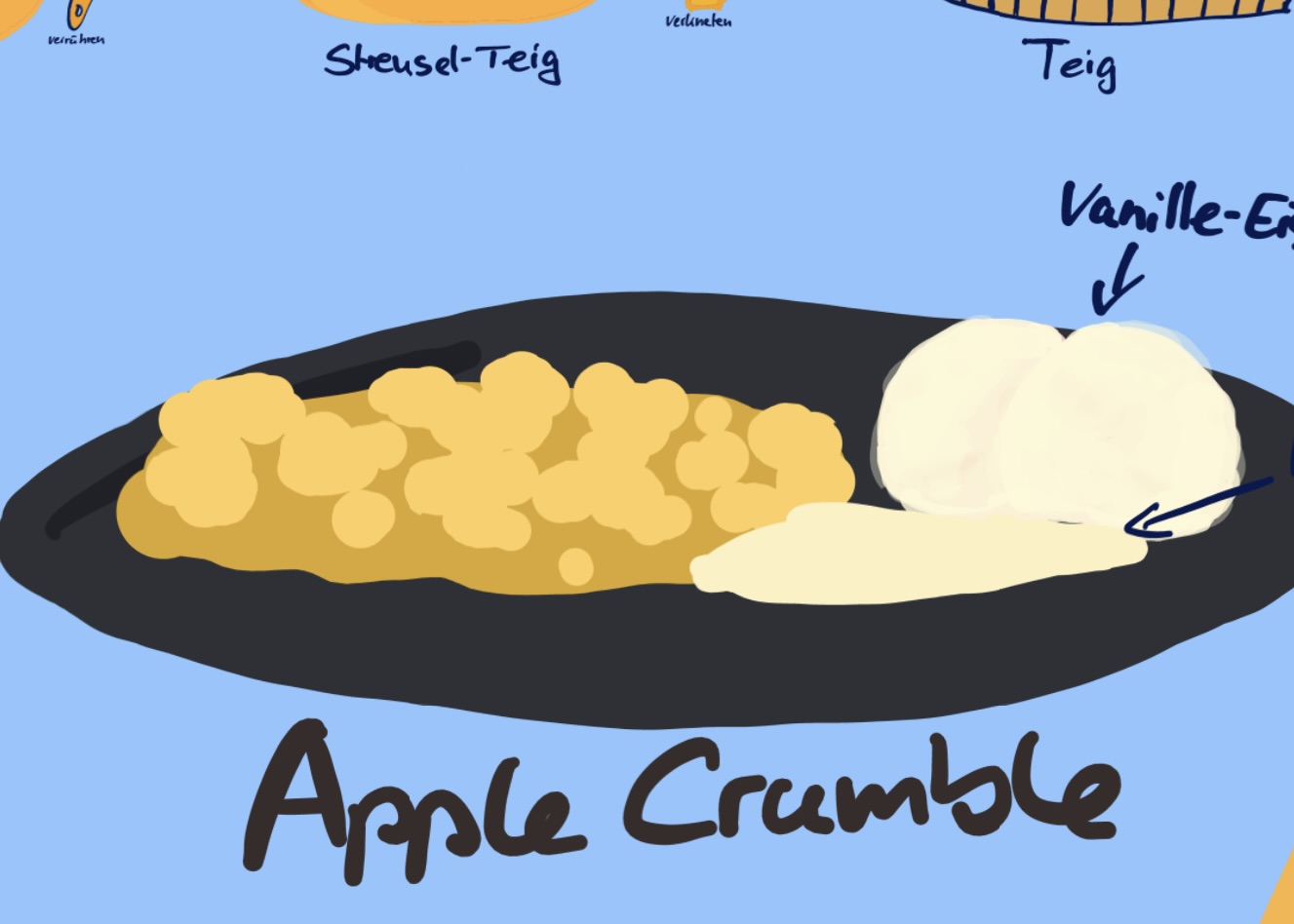
Apple Crumble
Bake tender apples under buttery brown sugar crumbs, with cinnamon, vanilla sugar, and lemon. Find texture tips and creamy accompaniments for serving.
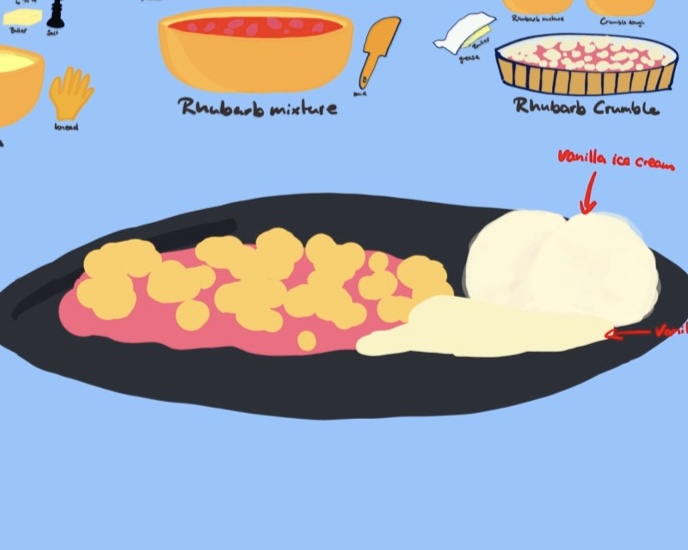
Rhubarb crumble
Bake tangy rhubarb and raspberries under buttery oat and almond crumbs. Find tips for juicy filling, crumbly topping, and a creamy vanilla accompaniment.
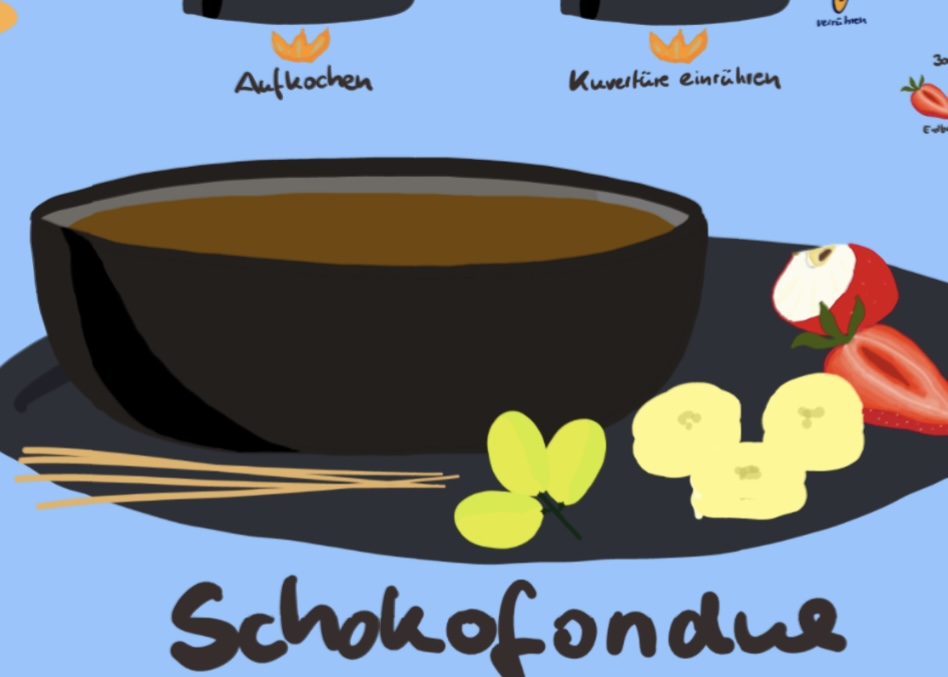
Chocolate Fondue
Dark and milk chocolate, cream, and fresh fruit make a fondue for sharing. Find tips for gentle heat, a smooth dip, fruit preparation, and serving safely.
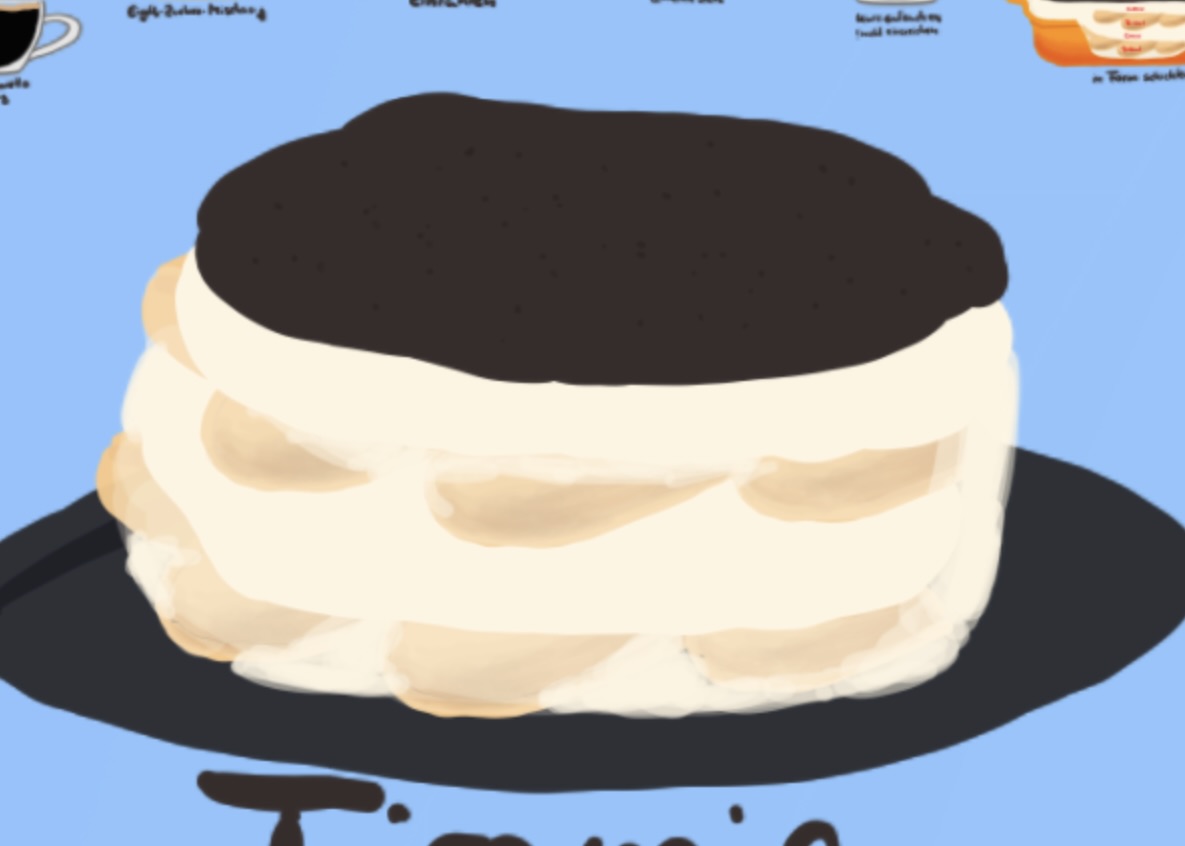
Tiramisu
Make tiramisu with coffee-dipped ladyfingers and mascarpone cream. Learn what keeps the layers soft, how to handle raw eggs safely and when to add the cocoa.
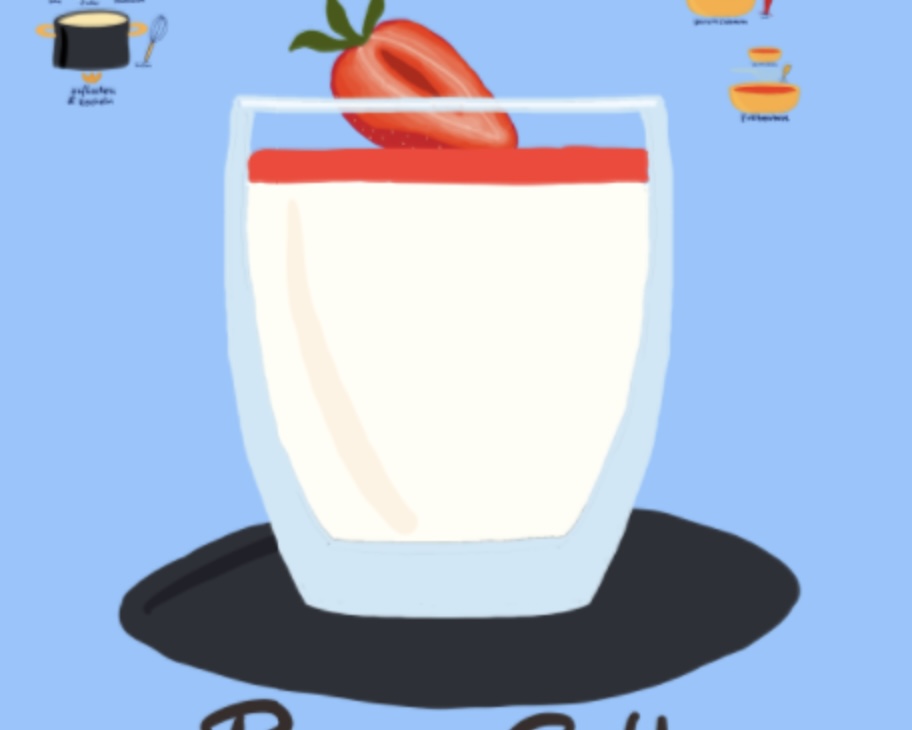
Panna Cotta
Make creamy vanilla panna cotta with strawberries. Learn how to dissolve sheet gelatin smoothly, chill the dessert and serve it straight from the glass.
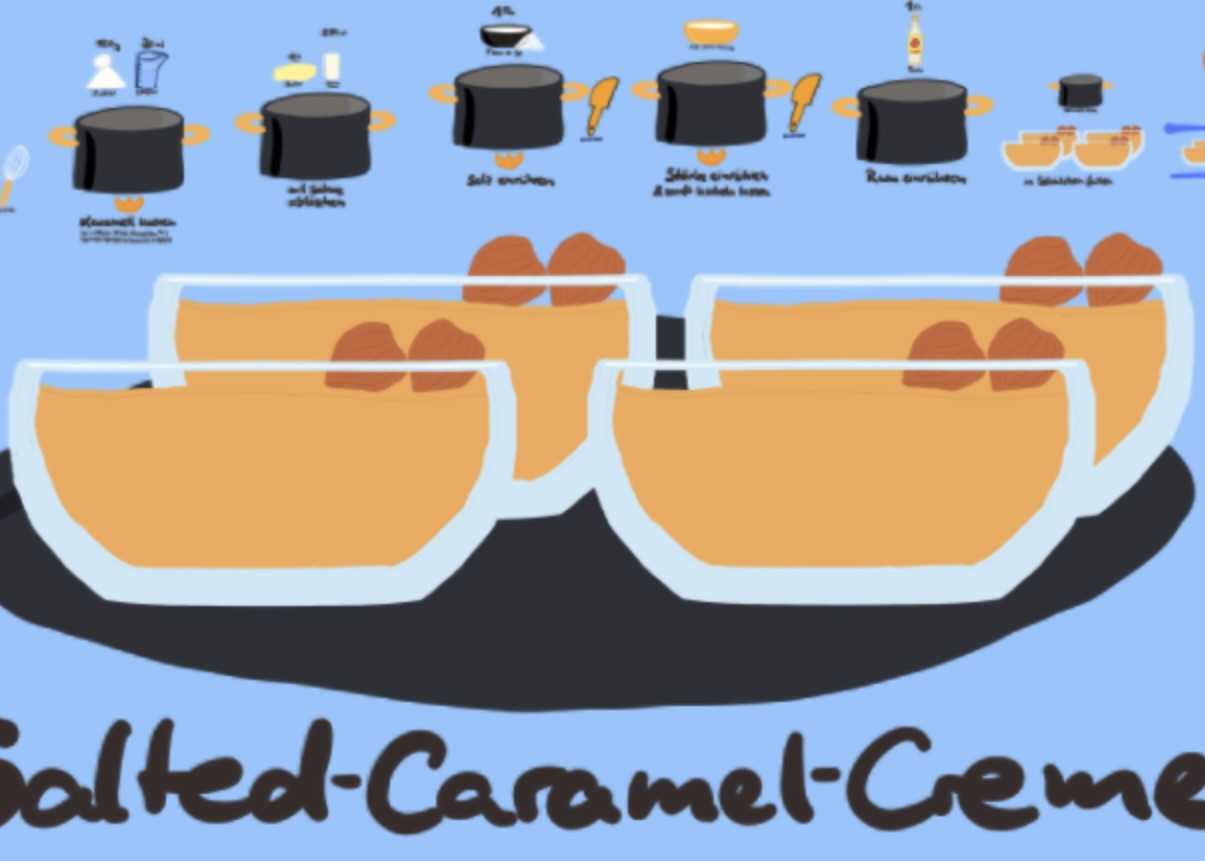
Salted Caramel Creme
Buttery salted caramel and mascarpone make a creamy dessert in a glass. Find tips for smooth mixing, careful caramel cooking, and crunchy toppings.
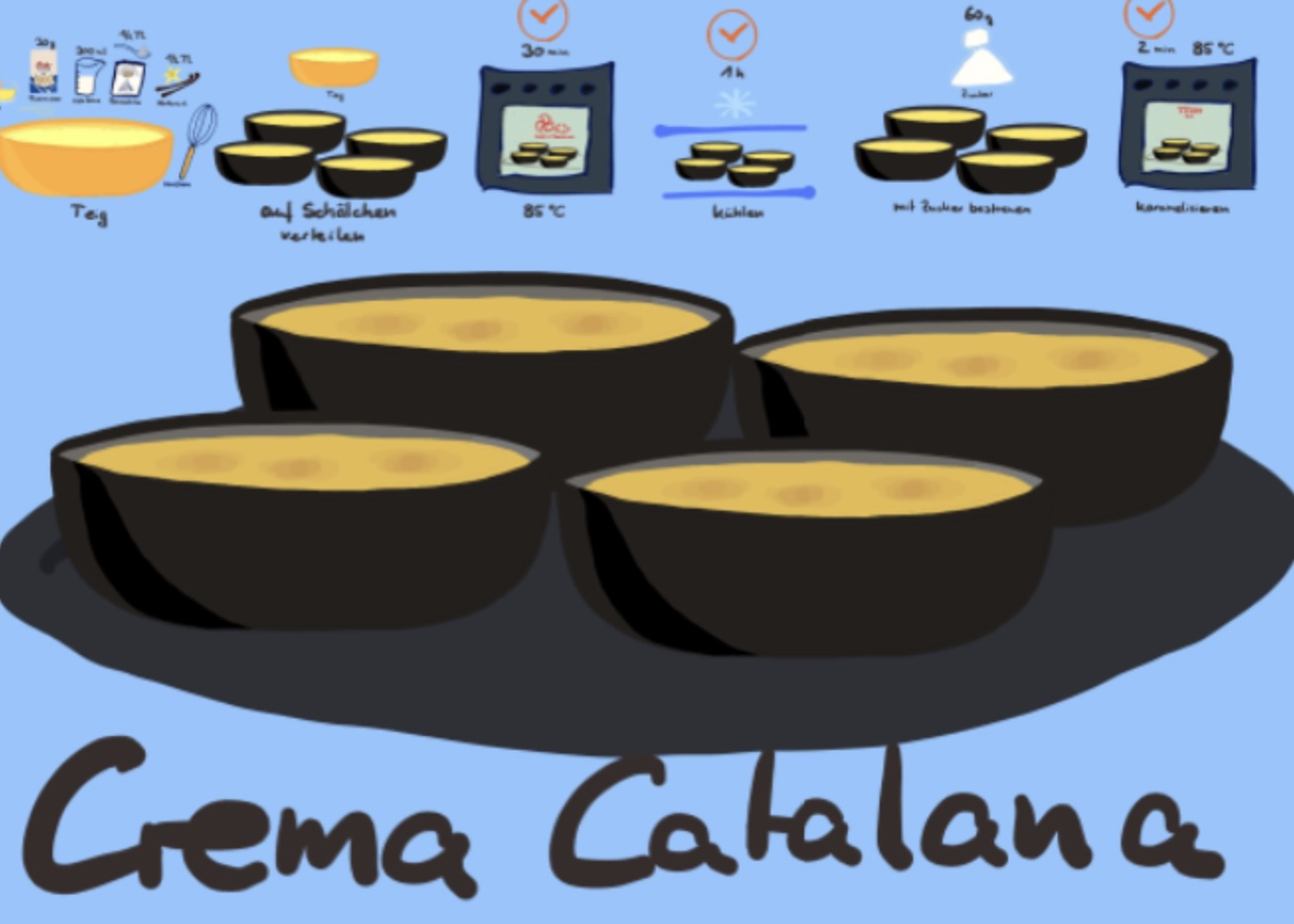
Creme Catalana
Make Crema Catalana with vanilla, cream and a crisp caramel top. Learn how to thicken the custard gently, chill it well and finish it just before serving.
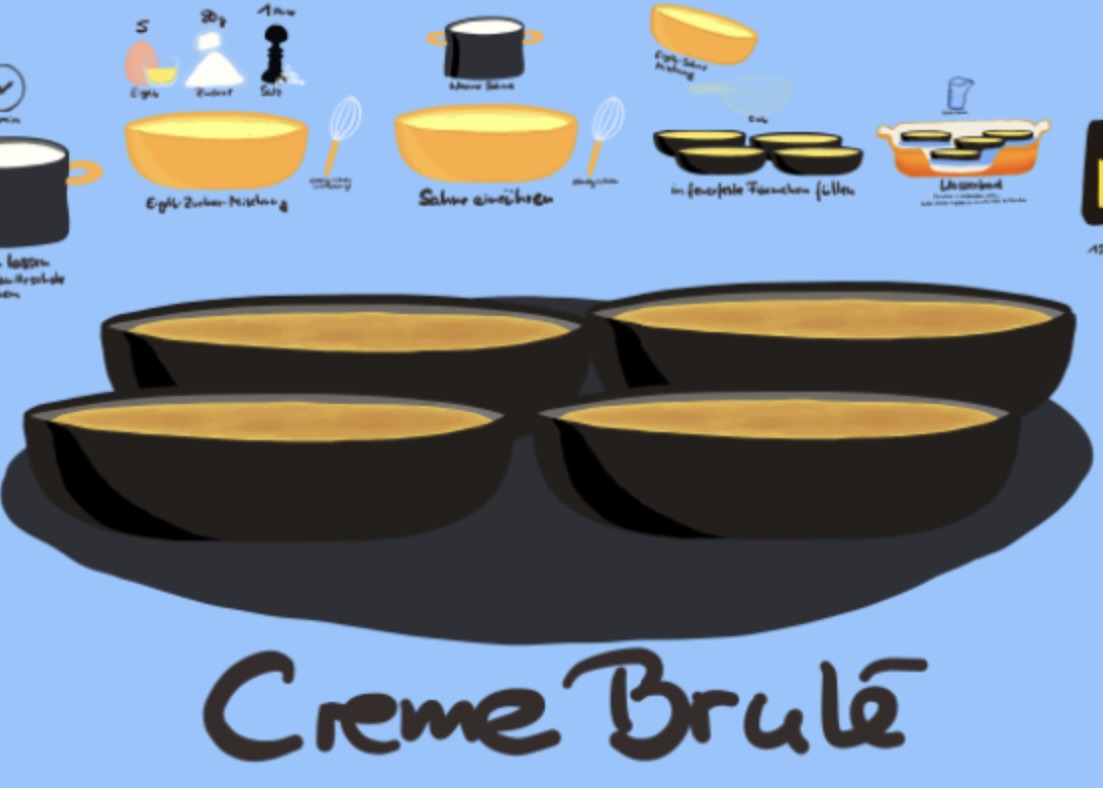
Creme Brulee
Bake smooth vanilla crème brûlée in a gentle water bath. Find clear tips for judging the custard, chilling it thoroughly and caramelizing a thin sugar crust.
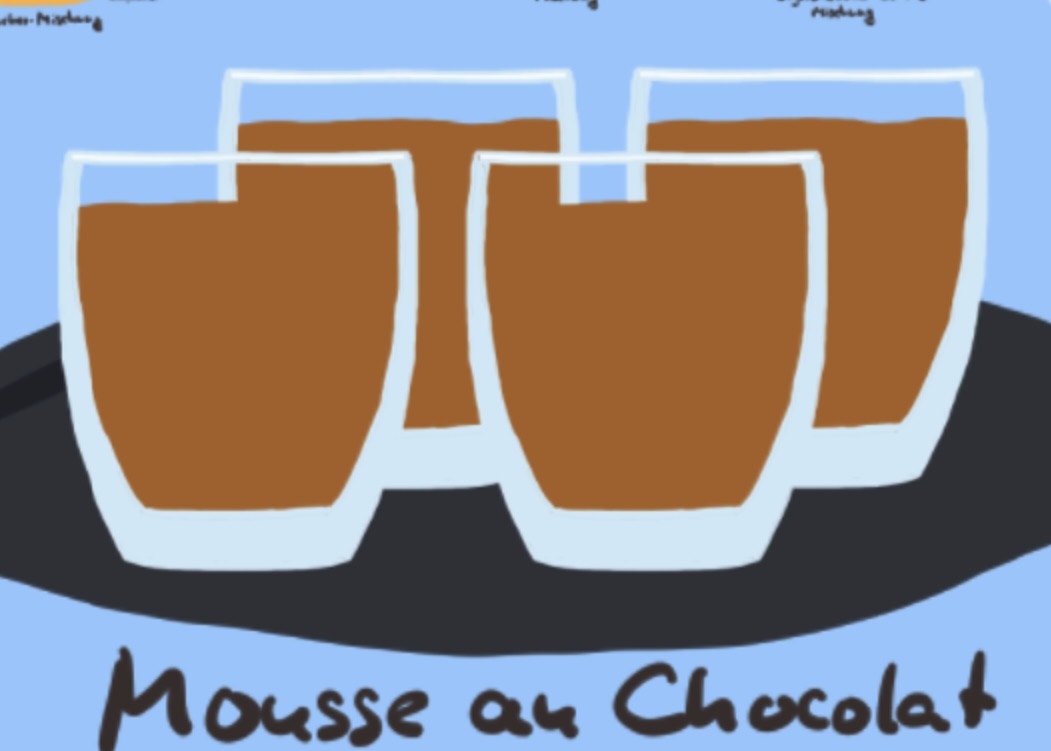
Chocolate Mousse
Make chocolate mousse with bittersweet chocolate, egg yolks and whipped cream. Learn how to keep the texture smooth, handle eggs safely and serve it chilled.
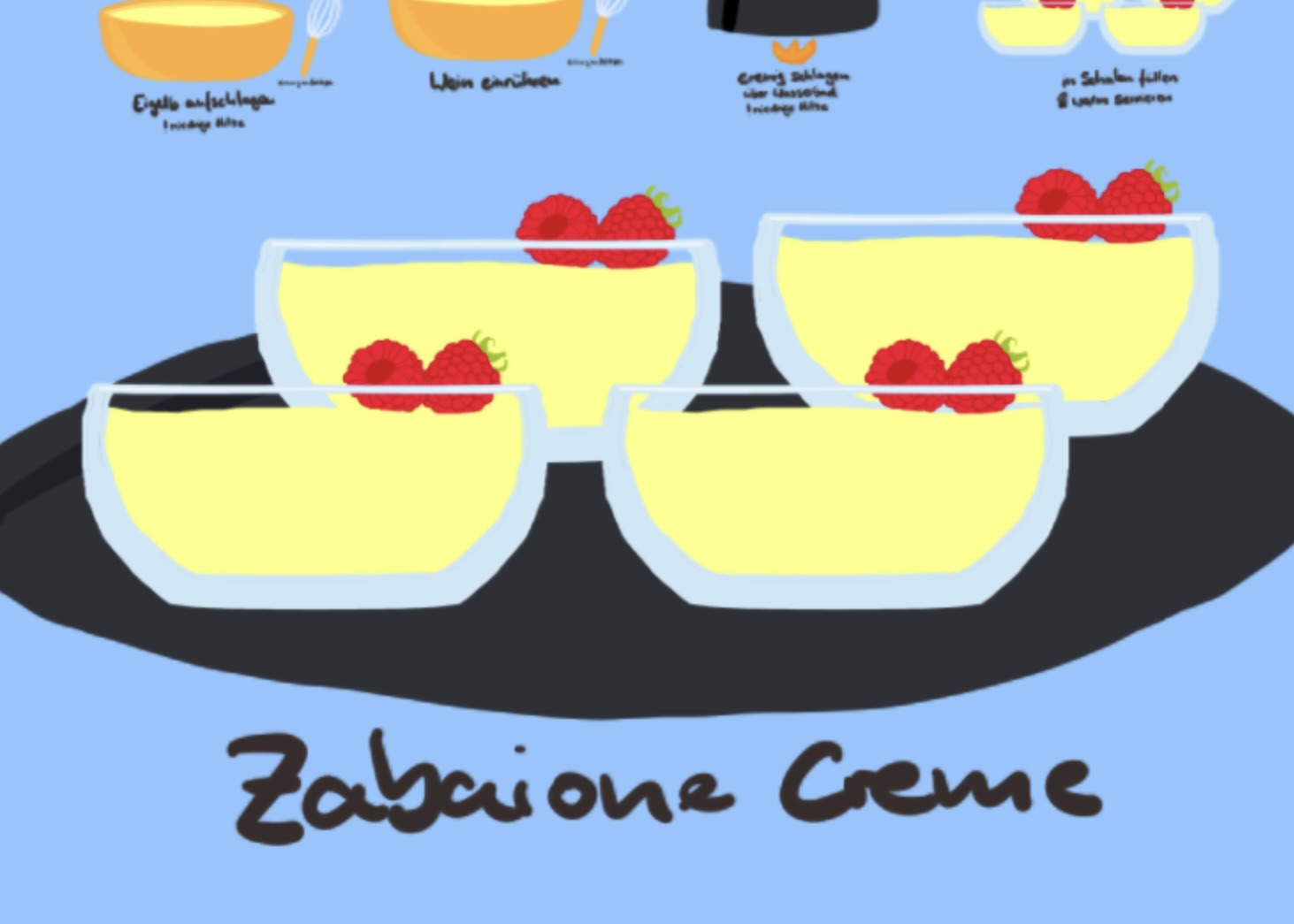
Zabaione Creme
Airy zabaione with egg yolks, sugar, and Marsala, served with raspberries. Tips for gentle whisking, a smooth foam, suitable eggs, and prompt chilling.
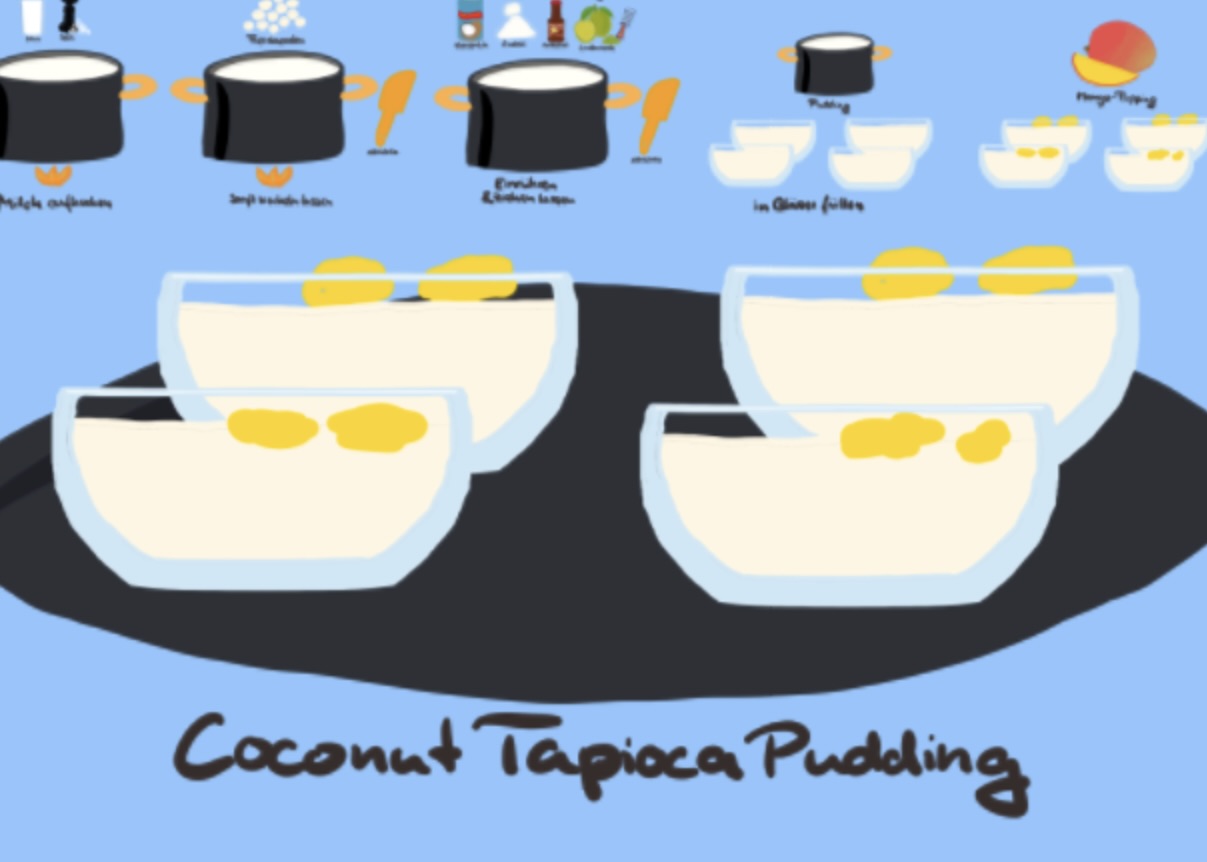
Coconut Tapioca Pudding
Make creamy coconut tapioca pudding with tender pearls and fresh fruit. Learn how to choose the pearls, judge their texture, and cool the pudding well.
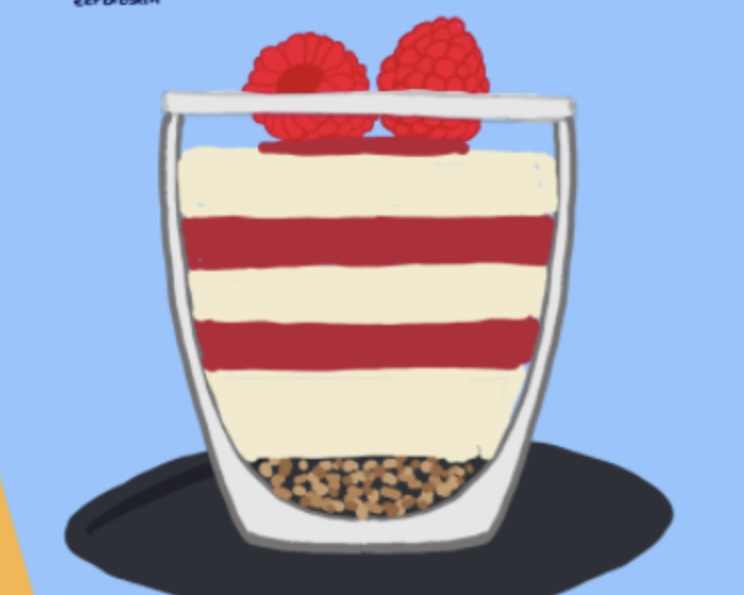
Raspberry Mascarpone Cream
Layer raspberries with a smooth quark, crème fraîche and cream dessert. Learn how to manage fruit moisture, choose the cream and keep the amaretti crisp.
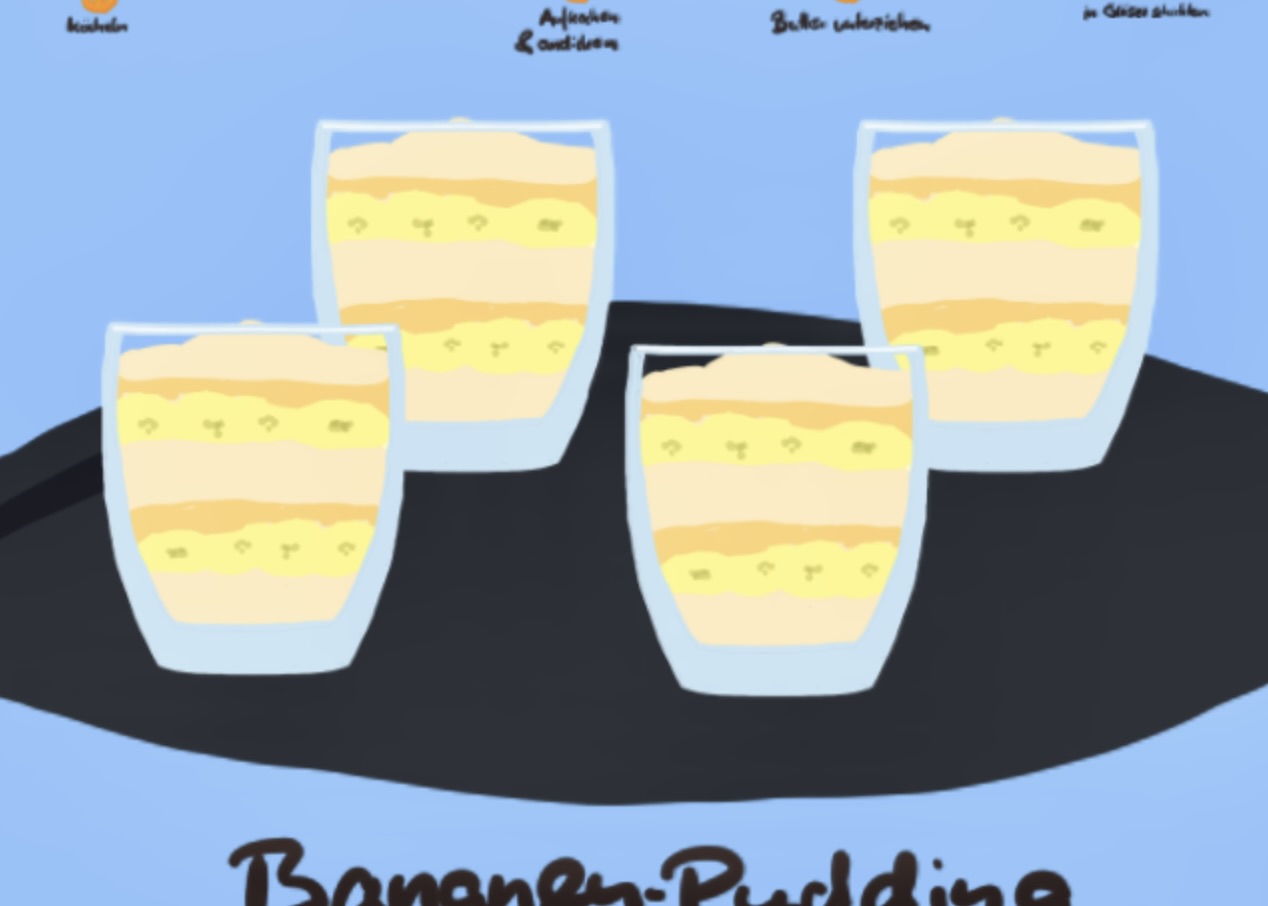
Banana Pudding
Make banana pudding with a creamy vanilla base, ripe banana slices and softening cookies. Find tips for smooth pudding, neat layers and safe chilling.
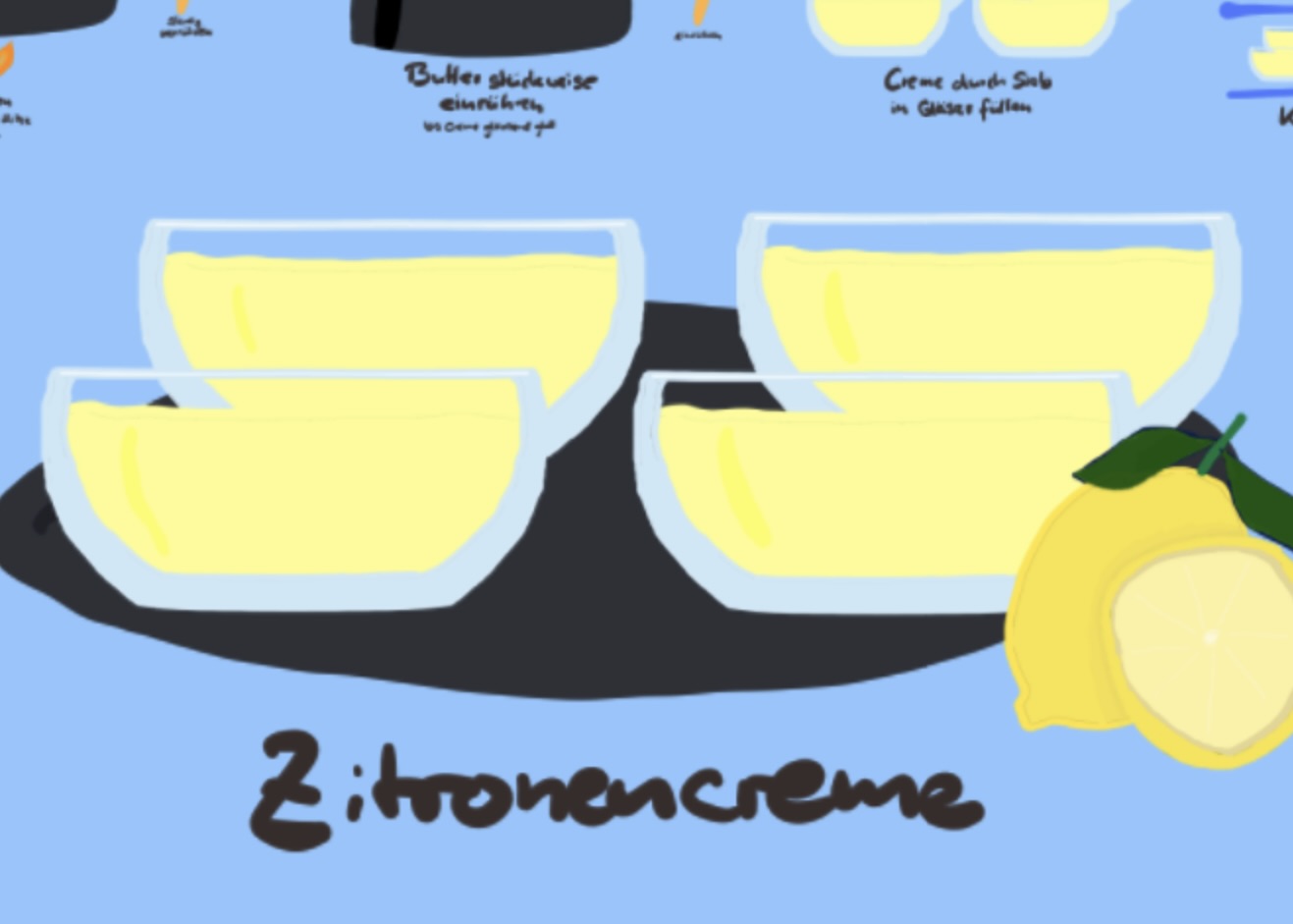
Lemon Creme
Make smooth lemon creme with lemon, eggs and butter. Learn how gentle stirring, a temperature check and prompt chilling help this tangy dessert work.
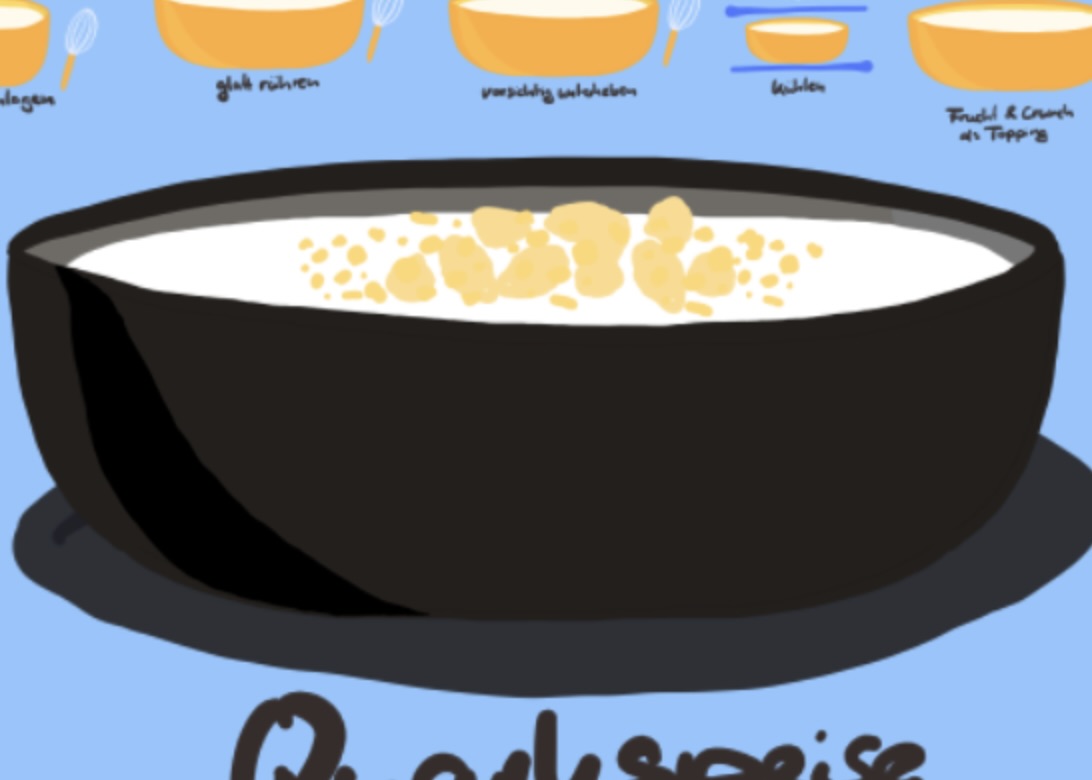
Quark fruit creme
Make creamy quark fruit dessert with peaches, vanilla sugar and lemon. Explore gentle mixing, butter cookie serving ideas and a tart rhubarb pairing.
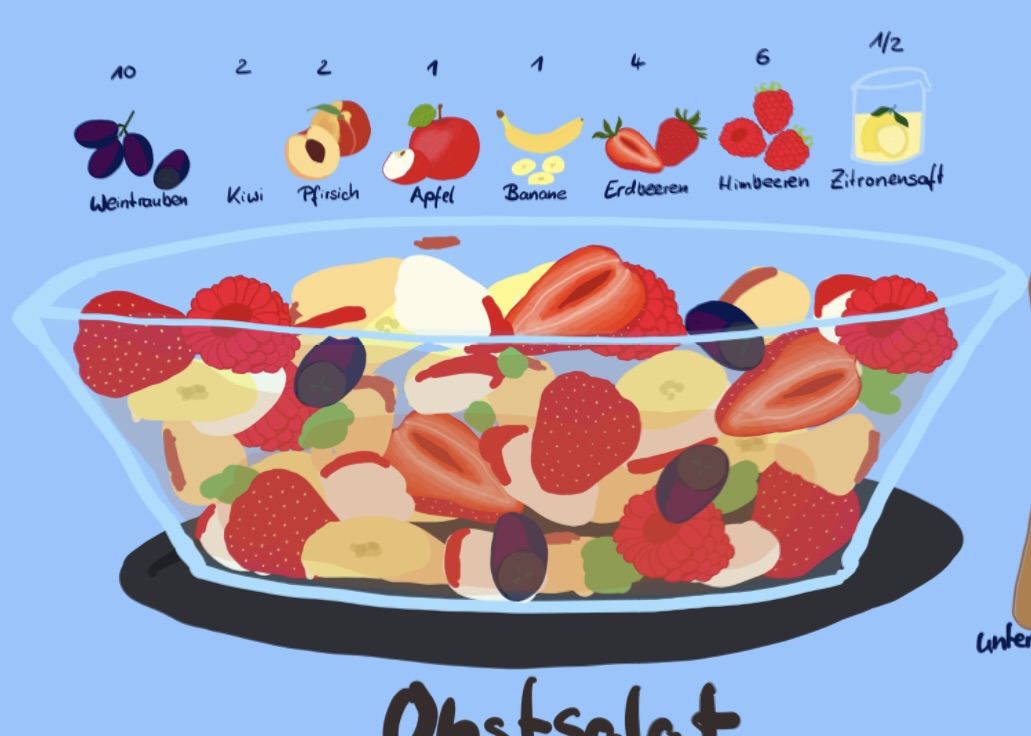
Fruit Salad
Mix berries, grapes, kiwi, peach, apple and banana into a juicy fruit salad with lemon. Learn how to keep the pieces intact and balance sweet and tart flavors.
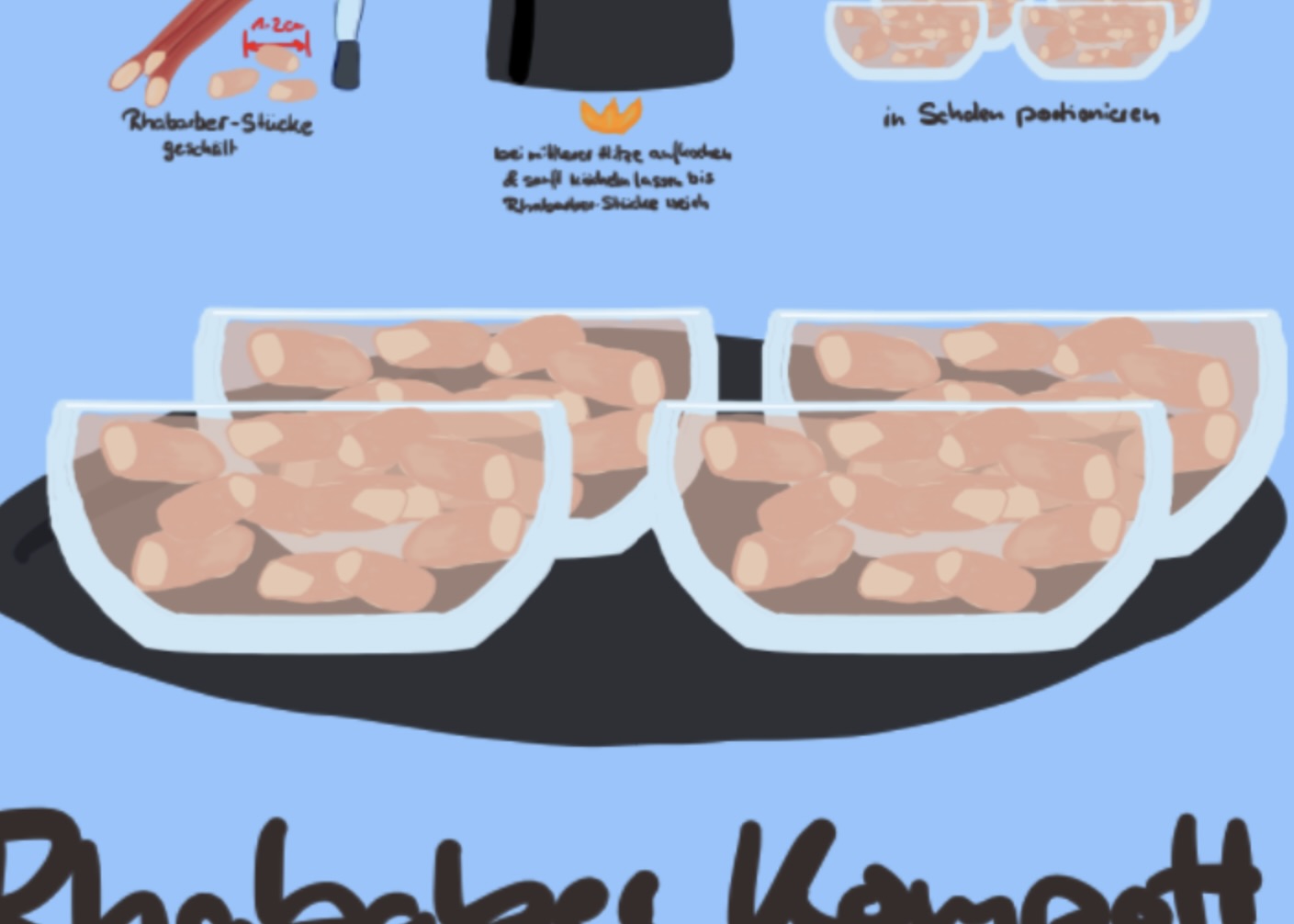
Rhubarb Compote
Make tart-sweet rhubarb compote with vanilla sugar, cinnamon and lemon. Learn how to keep tender pieces and pair the compote with creamy desserts.