
Sophisticated Classic Martini Recipe
Ingredients 🧂🥕
- Ice Cubes75 g
- Gin70 ml
- Vermouth10 ml
- Green Olives3 g
- Lemons0.1 pcs
Instructions 👩🍳
Cook along on the interactive map
Step-by-step:
- Glas vorkühlen: Martiniglas im Gefrierfach kühlen oder mit Eiswasser kalt machen.
Show all steps...
- Mixen mit Eis: Gin (oder Wodka) und trockenen Wermut in ein Rührglas mit Eis geben.
- Rühren, nicht shaken: 20–30 Sekunden rühren, bis der Drink klar und sehr kalt ist.
- Abseihen: In das gekühlte Glas abseihen.
- Garnieren und servieren: Mit Zitronenzeste oder Olive garnieren und sofort servieren.
Martini – The Iconic Cocktail That Defines Elegance

The Martini is more than just a cocktail – it’s a cultural icon. Synonymous with sophistication, style, and a touch of mystery, the Martini has held its place at the top of the cocktail world for over a century. Whether you're sipping one in a luxury lounge or mixing it at home, this timeless drink never fails to impress.
What Is a Martini?
A classic Martini is a simple mix of gin and dry vermouth, typically garnished with an olive or a lemon twist. Over the years, it has evolved into various forms, including the vodka Martini and countless modern twists like the espresso Martini and dirty Martini. But no matter the version, it remains a symbol of refined taste.
A Brief History of the Martini
The origin of the Martini is steeped in mystery. Some believe it evolved from the 19th-century Martinez cocktail served in California, while others claim it was invented at New York’s Knickerbocker Hotel. Regardless of its exact beginnings, the Martini surged in popularity during the early 20th century and became a staple of Hollywood films and literary classics.
Classic Martini Recipe
- 60 ml gin (or vodka)
- 10 ml dry vermouth
- Ice
- Garnish: olive or lemon twist
Preparation: Stir (or shake, if you prefer it like James Bond) the gin and vermouth with ice, then strain into a chilled Martini glass. Add your garnish of choice and enjoy immediately.
Popular Martini Variations
- Dirty Martini: Adds a splash of olive brine for a salty twist.
- Vodka Martini: Swaps gin for vodka for a cleaner taste.
- Espresso Martini: A modern favorite with coffee liqueur and fresh espresso.
- Dry Martini: Uses very little vermouth for an extra dry profile.
Perfect Pairings with a Martini
The crisp, clean profile of a Martini pairs well with appetizers and salty snacks. Think olives, smoked salmon, oysters, or a classic charcuterie board. Its bold flavors cut through rich dishes, making it an ideal pre-dinner drink.
Martini in Pop Culture
Few cocktails have achieved the fame of the Martini. Immortalized by James Bond’s famous line “shaken, not stirred,” it also found fans in legends like Ernest Hemingway, Frank Sinatra, and Winston Churchill. Its sleek glass and minimal ingredients speak to a timeless elegance that's hard to match.
Conclusion
The Martini is more than just a drink – it’s an experience. Whether you enjoy yours dirty, dry, or with a twist, it invites you to savor each sip with intention. Add this classic to your cocktail repertoire and let it elevate your next evening in style.
Best Afternoon Cocktails Recipes to Try at Home

Cubra Libre
Blend rum, cola, and lime for a refreshing and timeless Cuba Libre drink.
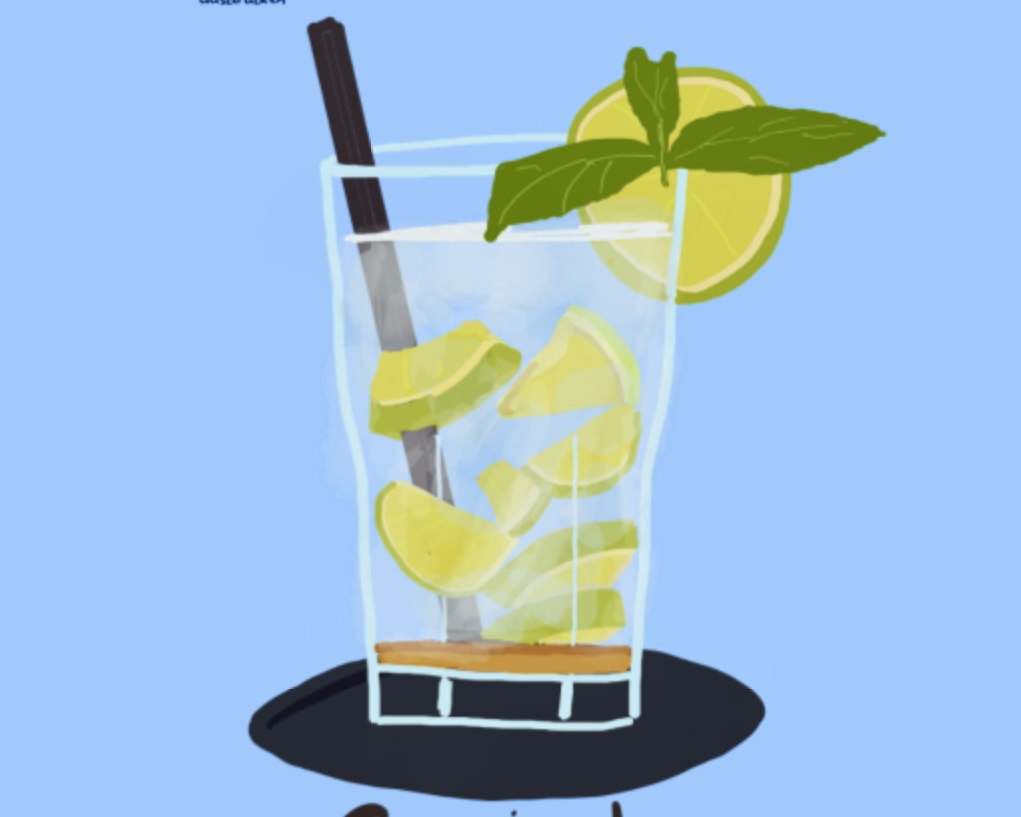
Caipirinha
Mix lime, sugar, and cachaça for a classic and refreshing Caipirinha cocktail.
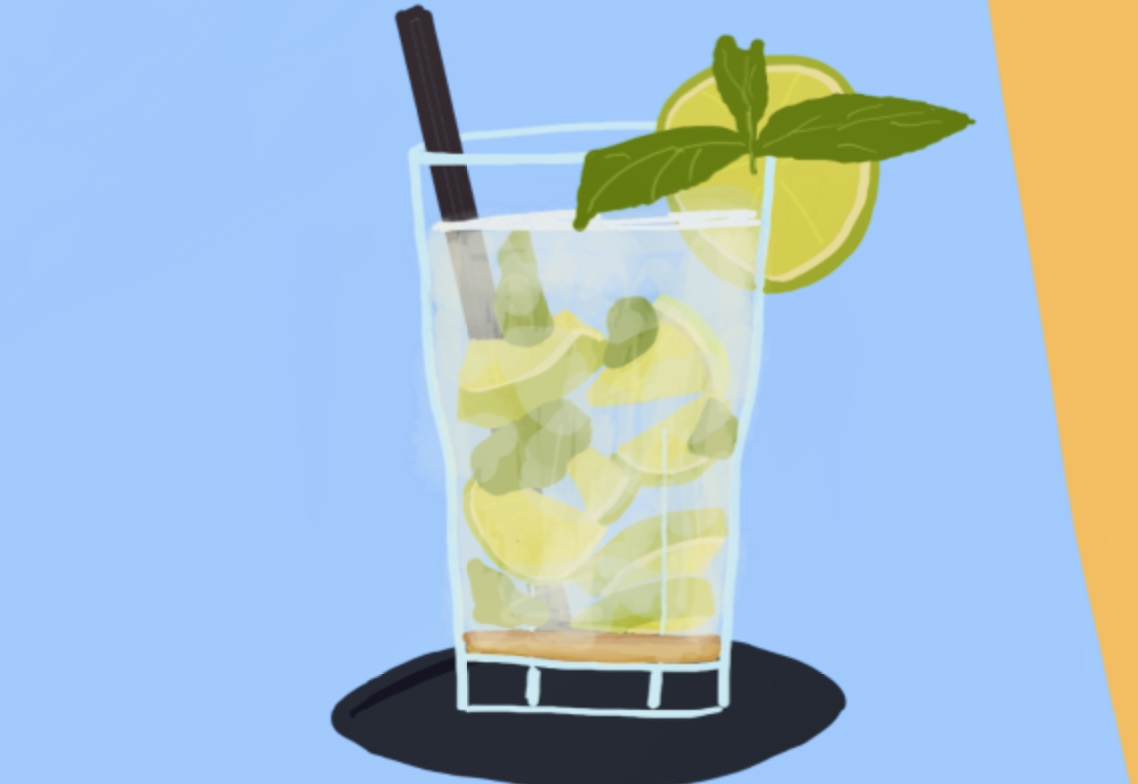
Mojito
Explore the perfect Mojito recipes at yummy.world! From traditional mint and lime to creative twists, discover fresh and flavorful cocktails for any occasion.
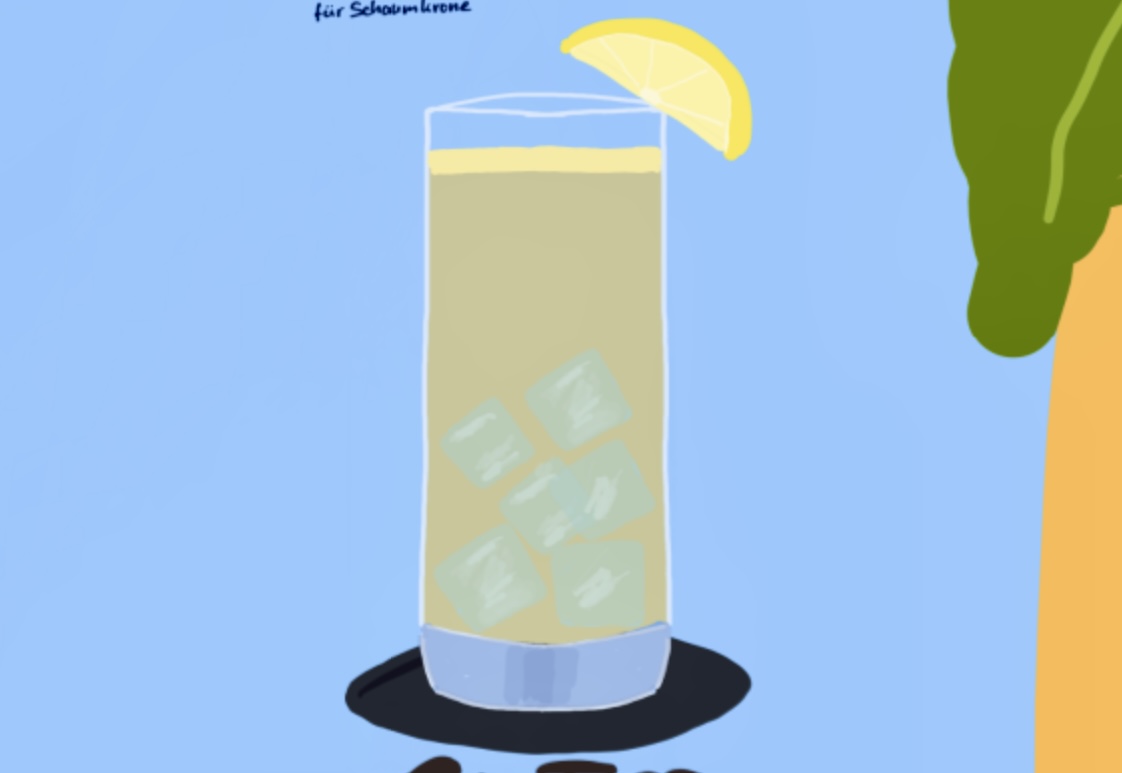
Gin Fizz
Shake up a timeless gin fizz with its refreshing blend of gin, lemon, and soda water.
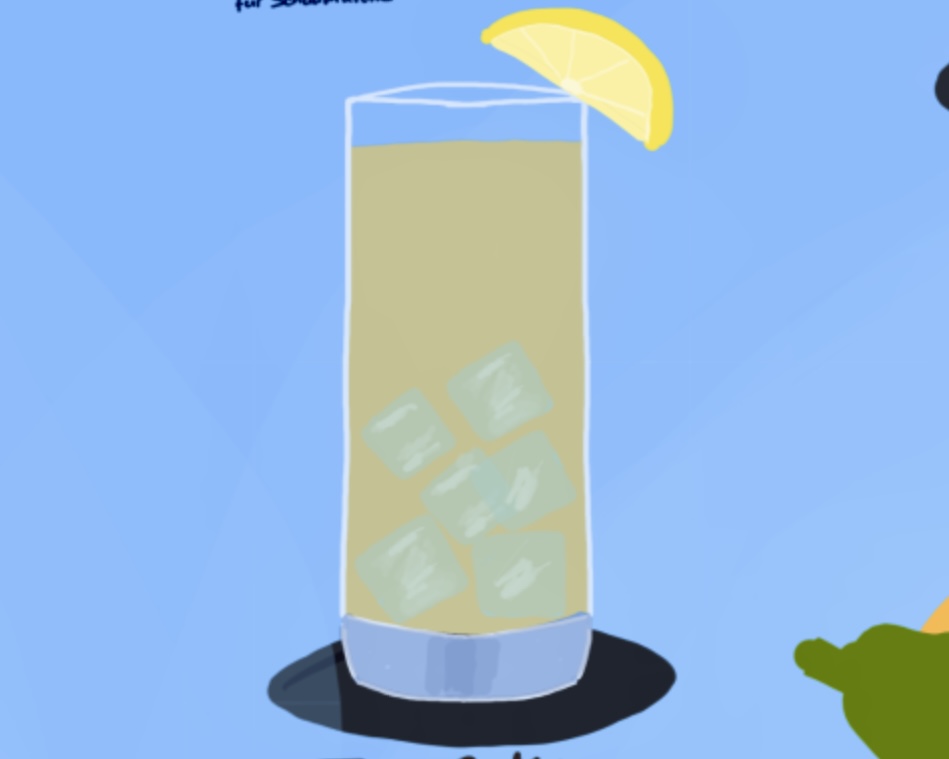
Tom Collins
Mix gin, lemon juice, and soda water for the refreshing Tom Collins cocktail.
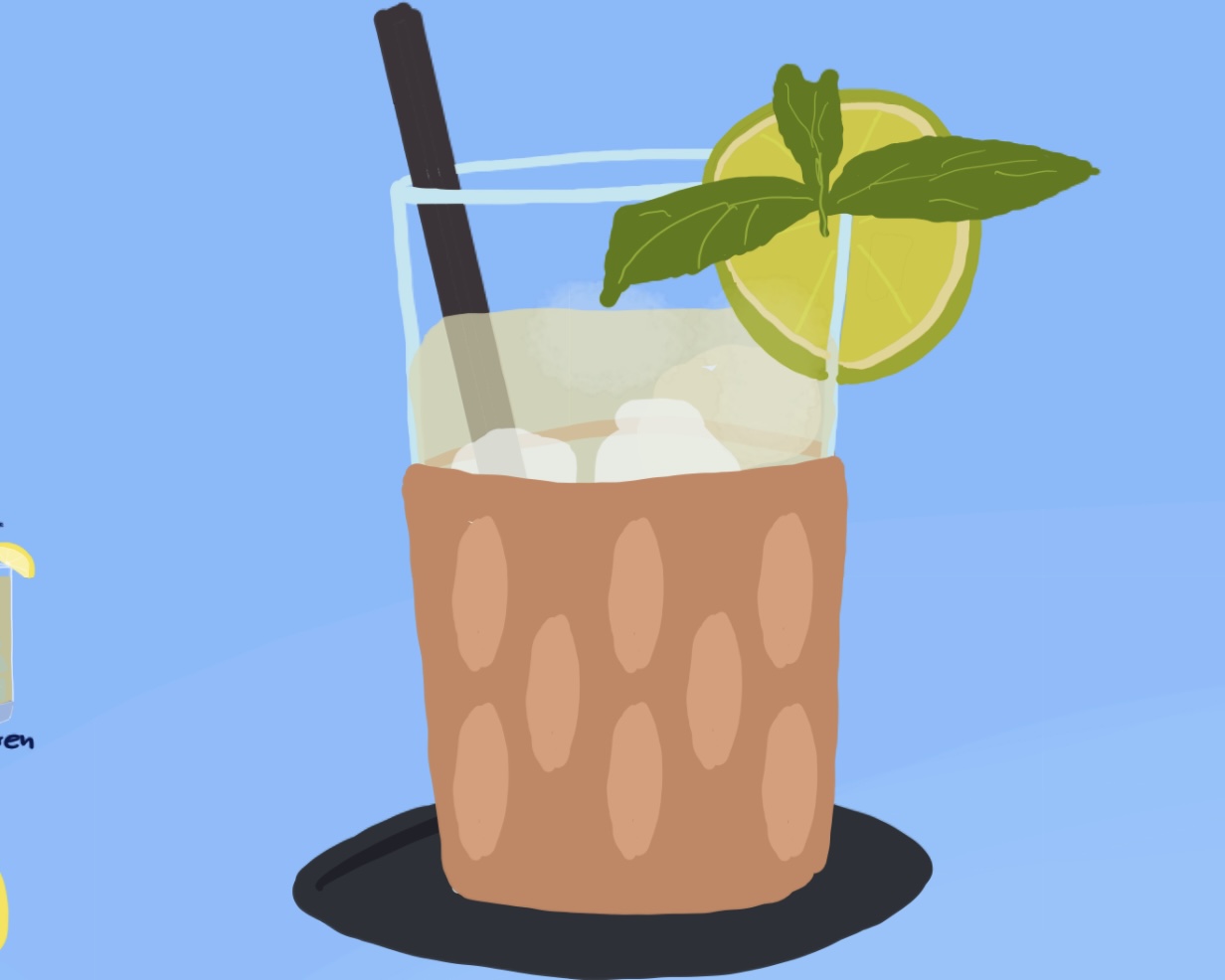
Moscow Mule
Mix vodka, ginger beer, and lime in this classic Moscow Mule cocktail.

Pina Colada
Blend creamy coconut and pineapple for the ultimate tropical Pina Colada.

Daiquiri
Discover the classic Daiquiri cocktail, a refreshing blend of rum and lime.

Classic Margarita
Enjoy the perfect blend of lime, tequila, and a salted rim with our Classic Margarita recipe.
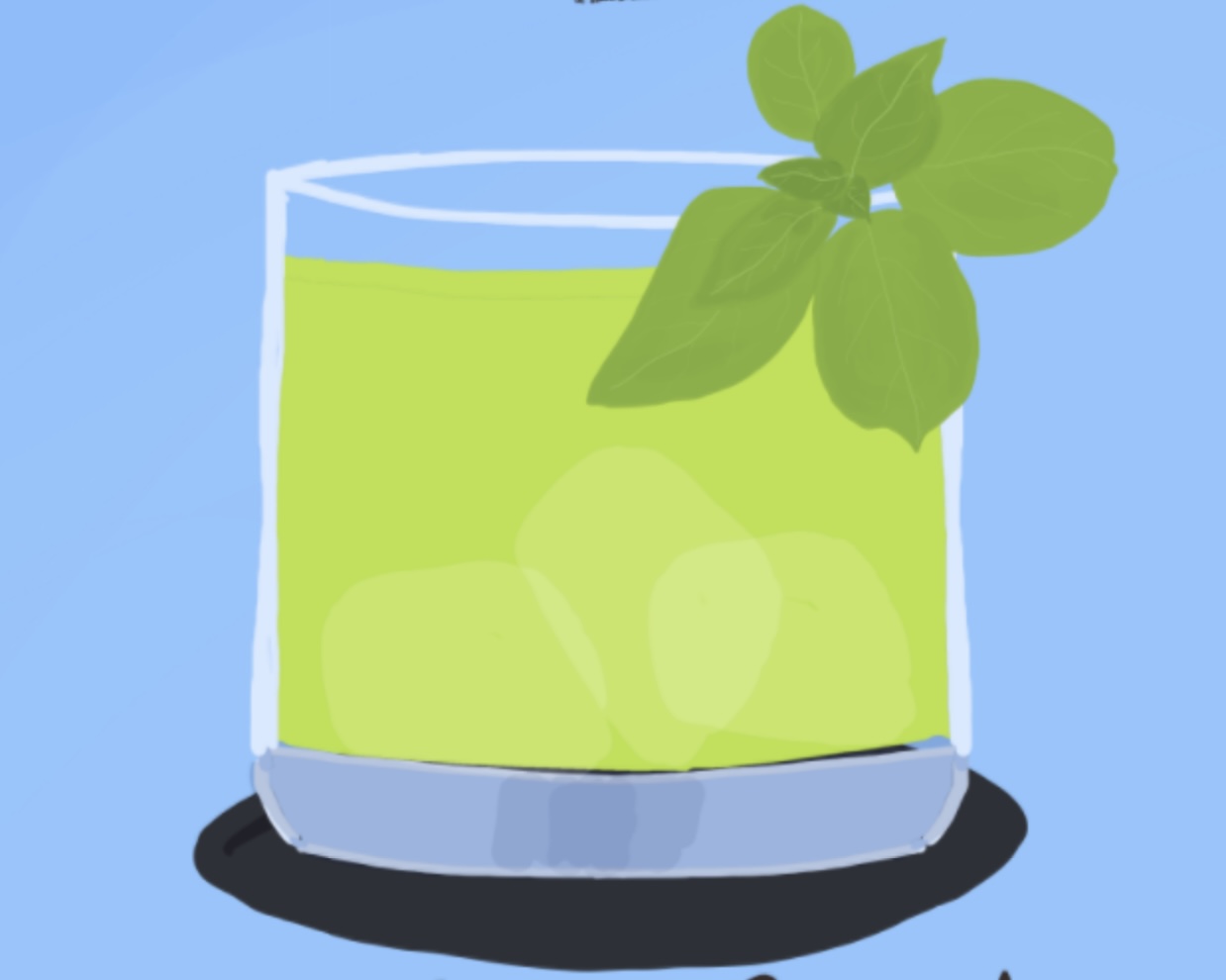
Gin Basil Smash
Enjoy the herbal freshness of gin paired with basil in this vibrant cocktail.

Mai Tai
Enjoy the exotic flavors of rum and fruit juices in a classic Mai Tai cocktail.

Sex on the Beach
Enjoy a tropical mix of cranberry, orange, and peach schnapps in this classic cocktail.

Cosmopolitan
Mix vodka, triple sec, cranberry, and lime for a stylish Cosmopolitan cocktail.

Old Fashioned
Enjoy the simplicity of whiskey, bitters, and sugar in an Old Fashioned.
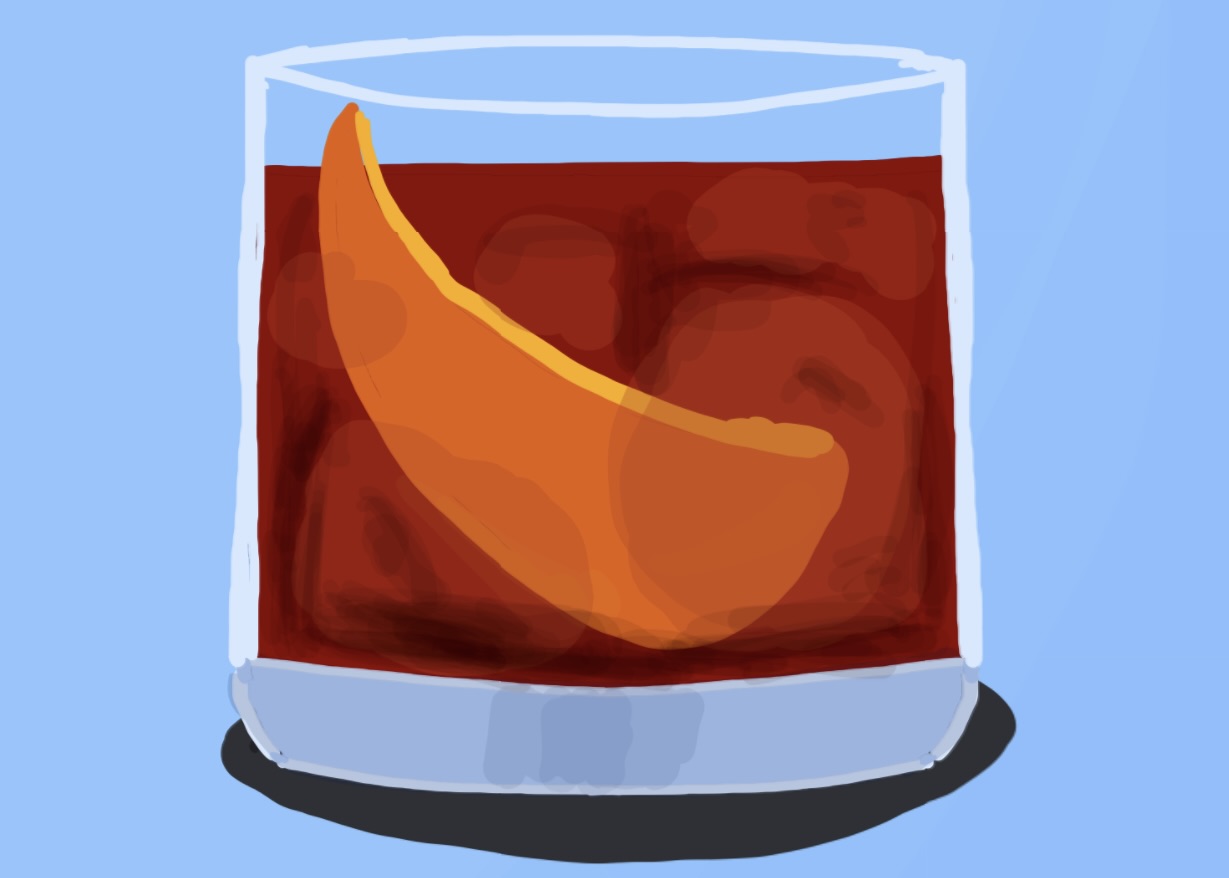
Negroni
Relish the perfect balance of bitterness and sweetness in the iconic Negroni.

Manhattan
Sip on the smooth blend of whiskey and vermouth in a timeless Manhattan.

Pisco Sour
Mix the vibrant flavors of pisco, lime, and egg white in this classic cocktail.

Maracuja Sour
Discover Maracuja Sour on yummy.world! Fruity passion fruit sour—bright, tangy, and easy to shake.

Whiskey Sour
Mix whiskey, lemon juice, and sugar for a smooth and refreshing cocktail.

Amaretto Sour
Savor the ultimate combination of sweet amaretto and citrus sourness in this iconic drink.

Gin Sour
Blend gin with lemon and sugar for the tangy delight of a classic gin sour cocktail.
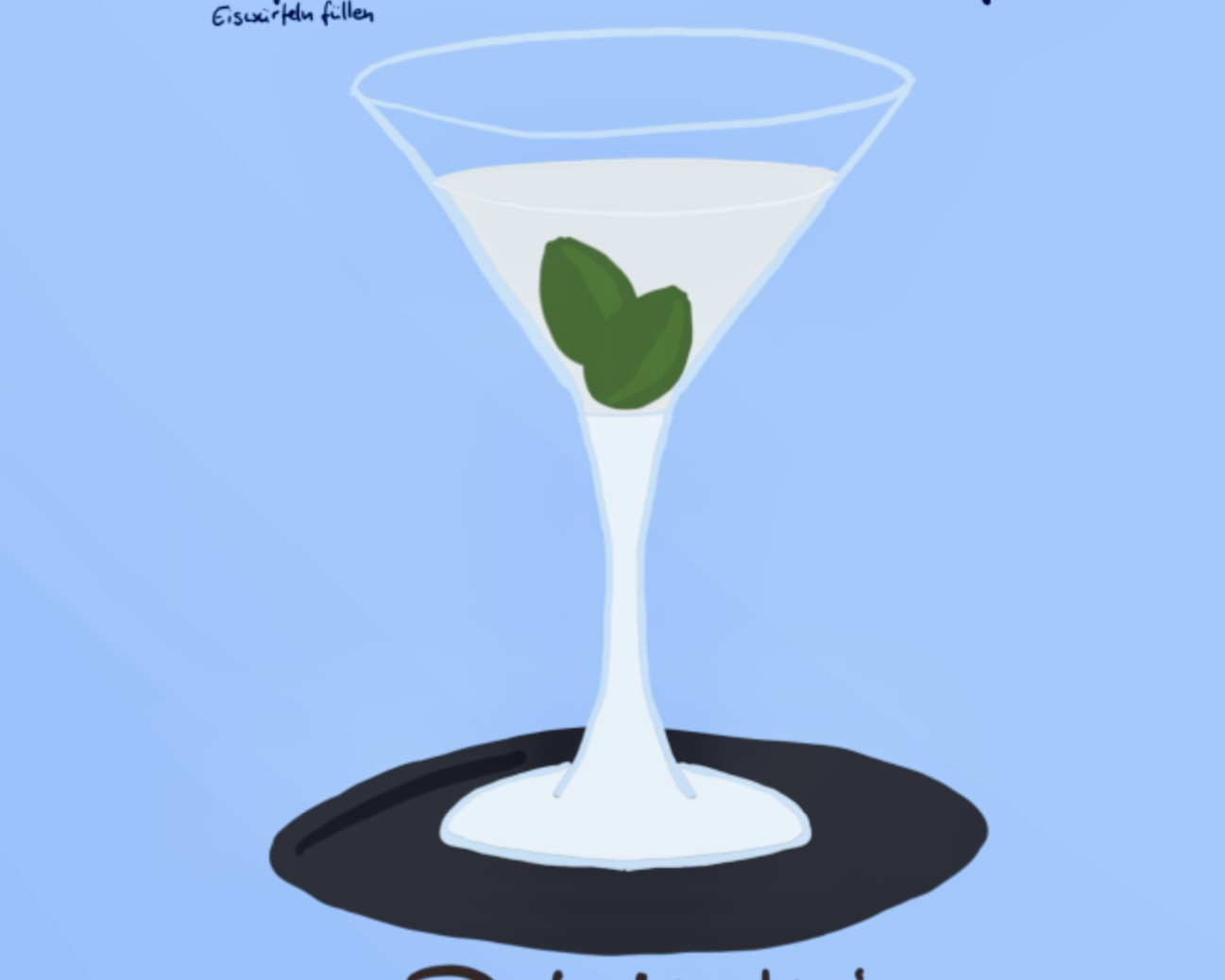
Dirty Martini
Discover the elegance of a Dirty Martini, featuring gin or vodka with a touch of olive brine.