
Soft and Fluffy Pita Bread Recipe
Ingredients 🧂🥕
- Strong White Flour500 g
- Dry Yeast4 g
- Honey20 g
- Vinegar5 ml
- Olive Oil15 ml
- Salt12 g
Instructions 👩🍳
Cook along on the interactive map
Step-by-step:
- Activate yeast: Mix yeast with warm water and a pinch of sugar until foamy.
Show all steps...
- Make dough: Combine flour, salt, and yeast mixture; knead until smooth.
- First rise: Cover and let rise until doubled.
- Shape and bake: Divide into balls, roll flat, and bake in a very hot oven until puffed.
- Serve: Wrap in a towel to stay soft and serve warm.
Pita Bread: The Staple of Simplicity and Versatility
Pita bread, with its hollow pocket and soft, chewy texture, stands as a testament to the simplicity and genius of traditional baking. This beloved staple, originating from the Middle East, has woven its way into the fabric of culinary cultures around the world, transforming ordinary meals into extraordinary experiences.
A Journey Through History
The origins of pita bread can be traced back thousands of years, making it one of the oldest types of bread in human history. It’s believed that the first pitas were made by accident, when flat dough left to bake in the hot desert sun puffed up, creating a pocket. This serendipitous discovery led to a bread that is not only delicious but also incredibly practical.
The Magic of the Pocket
The most distinctive feature of pita bread is, undoubtedly, its pocket. This occurs naturally during the baking process when the flattened dough is exposed to high temperatures, causing the water in the dough to turn into steam and puff up the bread. Once cooled, the steam dissipates leaving a perfect pocket, ideal for filling with a variety of ingredients.
Cultural Significance and Variations
In Middle Eastern cultures, pita plays a crucial role in both daily meals and in hospitality. It’s often used as a scoop for dips such as hummus or baba ganoush, or filled with kebabs, falafel, or fresh vegetables. Each region has its own version, from the slightly thicker and softer Lebanese pita to the thin and crispy versions found in Greece.
Pita Goes Global
Today, pita bread can be found in supermarkets and kitchens worldwide, a testament to its versatility and widespread appeal. Its ability to pair with a wide range of flavors— from the savory to the sweet— makes it a favorite choice for sandwiches, personal pizzas, and even as a substitute for traditional bread in stuffing.
Pita in Modern Cuisine
Chefs and home cooks alike continue to find innovative uses for pita bread. It's not just for traditional Mediterranean or Middle Eastern dishes anymore; pita is now a global canvas for culinary experimentation. From pita chips served with artisanal dips to dessert pitas filled with spiced apples and honey, the possibilities are as limitless as they are delicious.
Conclusion
Pita bread is more than just a carbohydrate on the dining table; it’s a bridge between cultures, a versatile ingredient in culinary innovation, and a beloved companion to flavorful fillings and dips. Whether toasted, stuffed, or used as a hearty base for a variety of toppings, pita bread offers a unique combination of taste, tradition, and simplicity that continues to capture the hearts of food lovers everywhere.
Best Dips & Bread Recipes to Try at Home

Greek fish roe dip
Savor the delicate and salty flavors of the classic Greek fish roe dip.
Greek Garlic and Potato Dip
Enjoy the tangy flavors of Greek garlic and potato dip, perfect with pita or veggies.
Feta spread
Make a rich and tangy feta spread, ideal for veggies, bread, or as a dip.
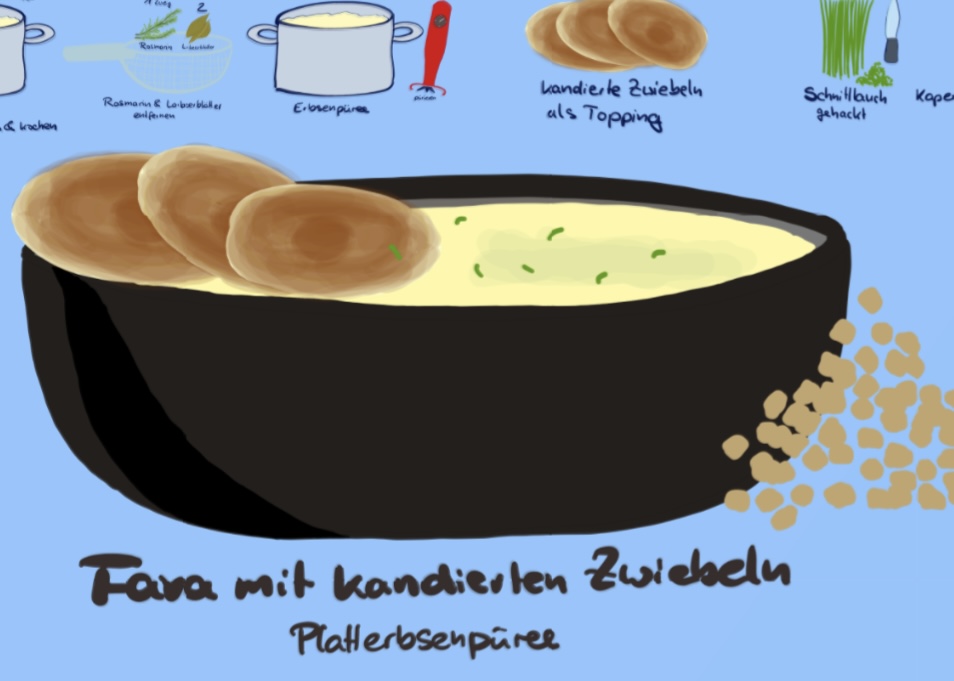
Fava with caramelized onions
Savor the creamy and earthy flavors of fava bean puree topped with roasted onions.
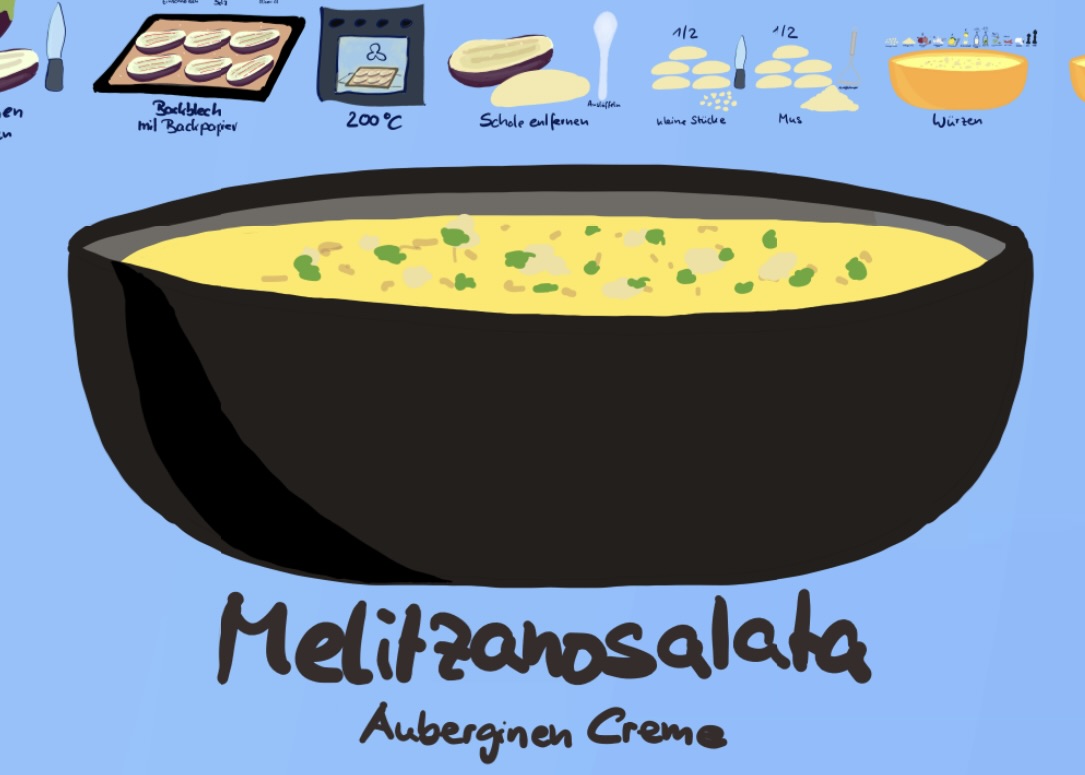
Aubergine spread
Make a creamy and flavorful aubergine spread, great as a dip or bread topping.
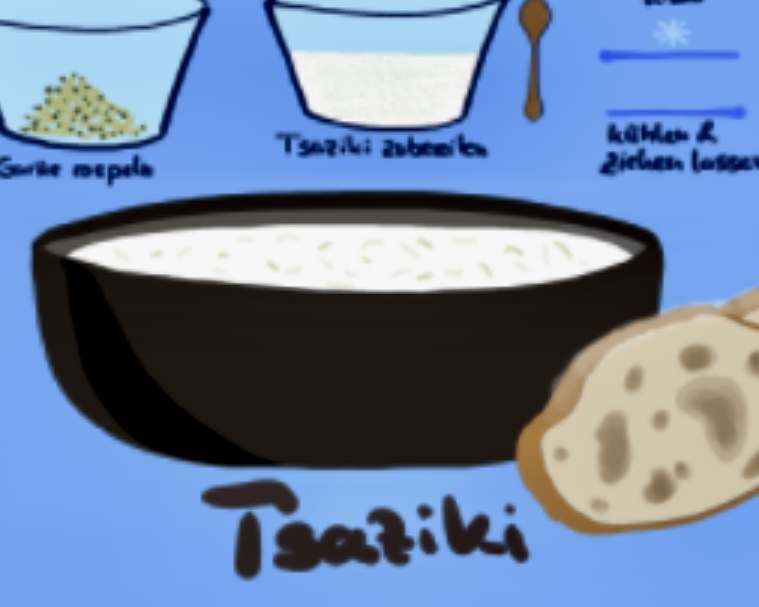
Tsaziki
Discover tzatziki on yummy.world! Creamy yogurt dip with cucumber and garlic—perfect for BBQ and pita.