
ym-naan
Ingredients 🧂🥕
- Strong White Flour500 g
- Yogurt250 g
- Dry Yeast7 g
- Sugar4 g
- Baking Powder8 g
- Sunflower Oil30 ml
- Butter50 g
- Garlic0.2 pcs
- Coriander fresh2 g
Directions 👩🍳
Tap the map & cook step-by-step
Step-by-step:
- Activate yeast: Mix warm water with yeast and a pinch of sugar; let foam.
Show all steps...
- Make dough: Stir in flour, salt, and yogurt; knead until soft.
- Rest: Cover and rest 60–90 minutes until doubled.
- Cook: Divide, roll out, and cook in a hot pan until bubbled and charred.
- Finish: Brush with butter and serve warm.
Butter Naan: soft, pillowy flatbread with golden spots and rich buttery finish
Butter naan is one of the most beloved flatbreads for a reason: soft, warm, lightly chewy, and finished with melted butter that makes every bite richer and more comforting. It turns simple dinners into something special and works just as well with curries, grilled dishes, dips, or brunch-style spreads. The secret to really good butter naan is not complexity, but balance—a supple dough, enough rest time, strong heat, and butter added at the right moment so the bread stays tender instead of greasy. Done right, butter naan is fluffy, flexible, and full of that classic restaurant-style flavor.
Why butter naan works so well
- Soft + rich texture: A good butter naan stays tender inside with lightly blistered, golden spots outside.
- Big flavor with simple ingredients: Flour, yogurt or milk, yeast or baking support, and butter already create a deeply satisfying bread.
- Perfect for pairing: Butter naan works with creamy curries, spicy sauces, grilled meats, lentils, and dips.
- Fast cooking once the dough is ready: The actual cooking goes quickly in a hot pan, oven, or on a baking steel.
- Crowd-pleasing classic: It feels special enough for guests but approachable enough for home cooking.
High-Value Tips: How to make butter naan really good
- Keep the dough soft and supple: Butter naan needs a dough with enough hydration to stay tender. If the dough is too stiff, the naan turns dry and loses its soft pull-apart texture.
- Let the dough rest properly: Rest time improves elasticity, flavor, and shaping. Dough that has not relaxed enough tends to shrink back and cook up tighter.
- Use strong heat: Butter naan needs a very hot cooking surface so it blisters quickly and stays soft instead of drying out slowly.
- Roll without overworking: Shape evenly, but do not press out all the air. A little internal lightness helps the naan puff and stay tender.
- Watch moisture control: Flouring too heavily while shaping can dry the dough; too little control can make it stick and tear. Aim for just enough flour to work cleanly.
- Add butter at the end: Brush with melted butter immediately after cooking, not too early. This keeps the surface glossy and rich without making the naan greasy during cooking.
- Do not overcook: Butter naan should have golden-brown spots and a soft interior. Too much time on the heat makes it stiff and dry.
- Stack and cover briefly: Fresh naan stays softer if you stack it and cover it lightly after cooking so residual warmth keeps it flexible.
Variations & alternatives
- Classic butter naan: Soft naan brushed generously with melted butter right after cooking.
- Garlic butter naan: Add garlic butter and optional herbs for more savory depth.
- Herb butter naan: Chopped cilantro or parsley in the butter brings freshness and color.
- Extra soft version: Use a slightly richer dough with yogurt or milk for an even more tender crumb.
- Lighter butter naan: Brush more lightly with butter and serve with yogurt dips or fresh herbs.
- Whole wheat mix: Add a little whole wheat flour for a nuttier flavor while keeping most of the flour light enough for softness.
Serving ideas / pairings
- Classic pairing: Serve with butter chicken, tikka masala, dal, paneer dishes, or chana masala.
- Dip plate: Great with raita, chutneys, hummus, or spiced yogurt dips.
- Brunch-style: Pair with eggs, grilled vegetables, or savory spreads.
- Snack option: Tear into pieces and serve warm with garlic butter, chili oil, or soft cheese dips.
- Fresh contrast: Add herbs, lemon, cucumber salad, or pickled onions to balance the buttery richness.
Storage, Meal-Prep & Reheating
Butter naan tastes best fresh, while it is still soft and warm. If you need to store leftovers, let them cool fully, then keep them well wrapped so they do not dry out. Reheat in a hot pan or oven for the best texture, and brush with a little fresh butter if needed. Avoid reheating too long, because naan dries out quickly. For meal prep, you can prepare the dough ahead and cook the naan shortly before serving, or freeze cooked naan and refresh it with heat and butter later.
FAQ
Why is my butter naan dry?
The dough was likely too stiff, or the naan cooked too long at too low or too high heat. Soft dough and quick cooking make a big difference.
Why does my naan not puff properly?
The dough may need more rest, or it may have been rolled too aggressively and lost too much internal air.
When should I add the butter?
Right after cooking. That keeps the naan glossy, rich, and soft without interfering with browning.
Can I make butter naan without a tandoor?
Yes. A very hot pan, griddle, baking steel, or oven works well for homemade butter naan.
Can I prepare it ahead?
Yes. The dough can be made in advance, but butter naan tastes best when cooked and buttered fresh.
Best Bread Recipes to Try at Home

Rustic Breakfast Rolls
Discover rustic breakfast rolls on yummy.world! Crusty outside, fluffy inside—easy homemade bakery vibes.
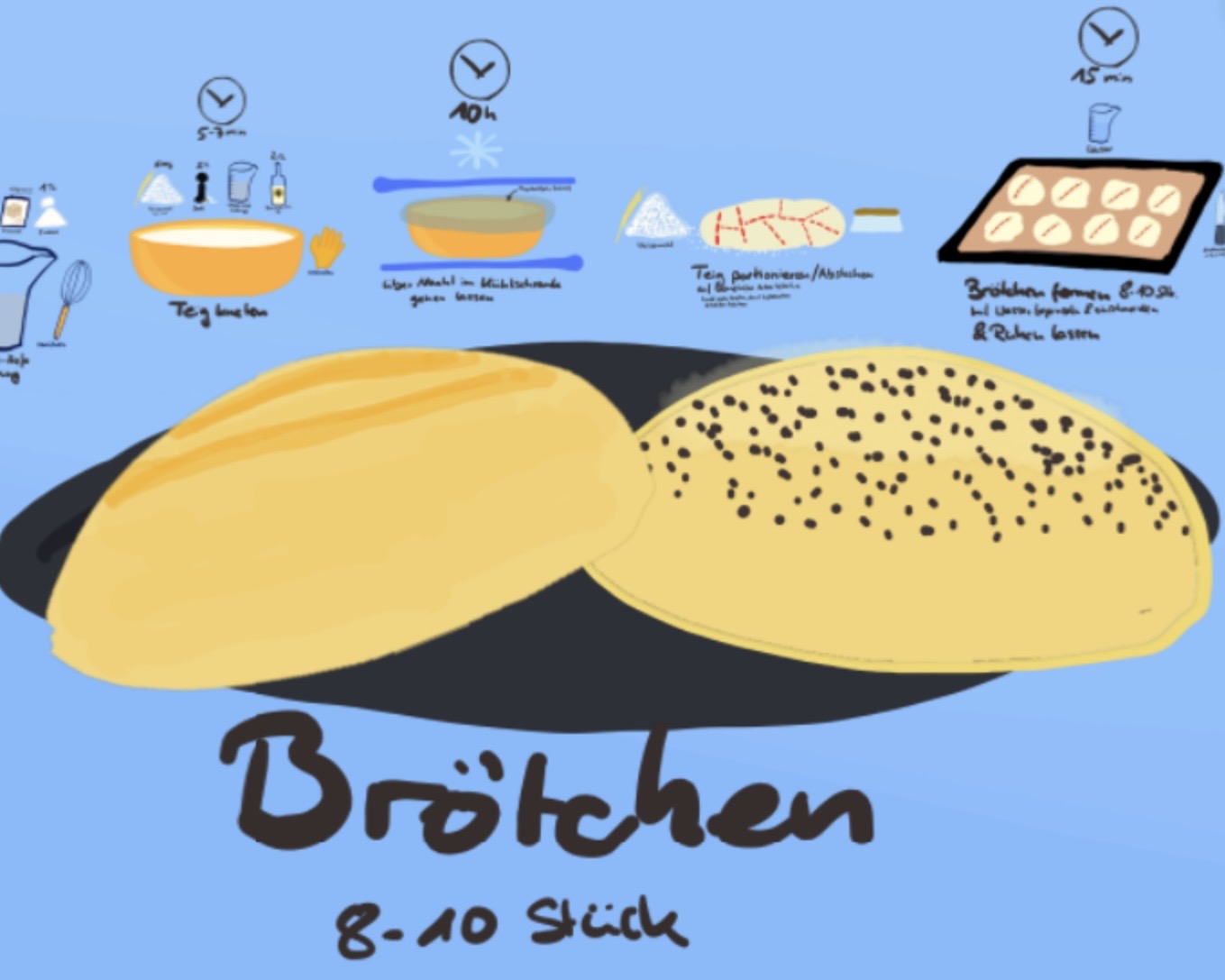
Rolls
Bake fluffy Sunday rolls with a golden crust and soft crumb. Includes tips for proofing, baking, storage, freezing, and serving for breakfast or brunch.

English Muffins
Create golden and fluffy English muffins, perfect for breakfast or sandwiches.

Cheese Naan
Discover Cheese Naan on yummy.world! Gooey, savory stuffed naan—perfect side for curries and sharing.
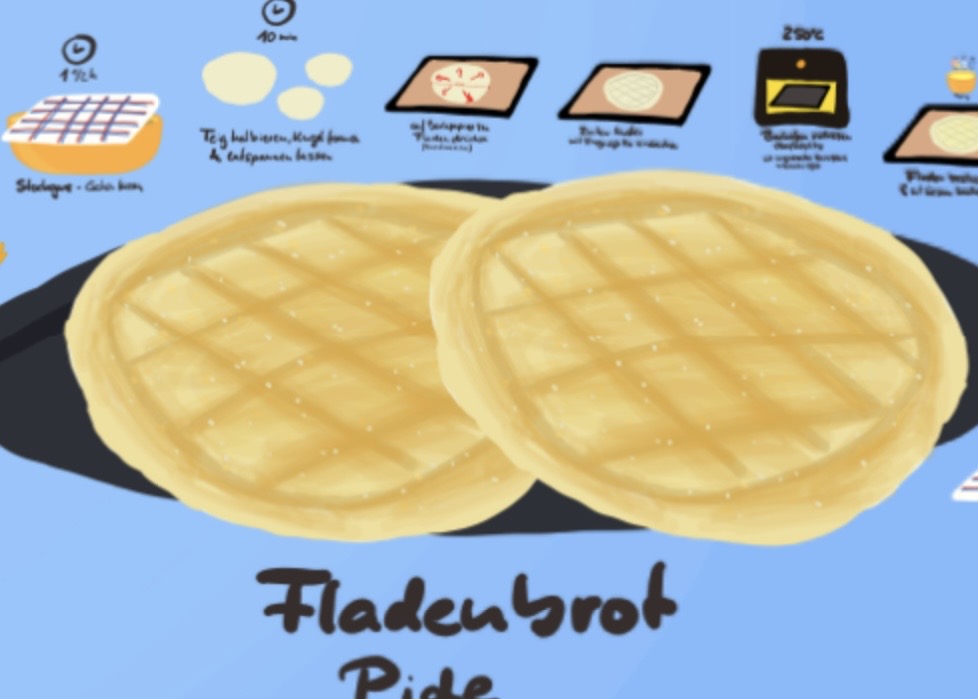
Pide bread
Discover Pide bread on yummy.world! Soft Turkish flatbread—easy to bake, perfect for dips and meals.
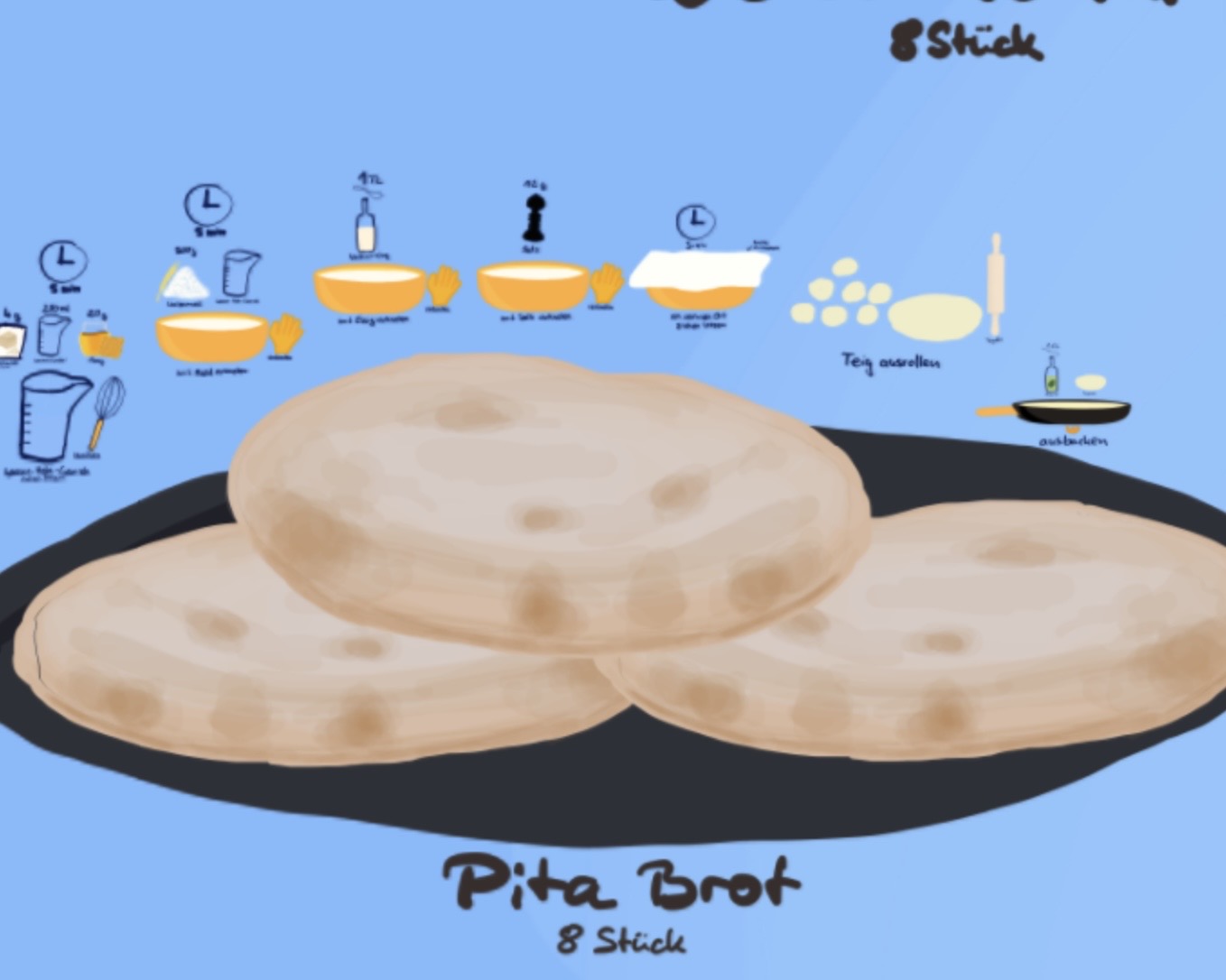
Pita bread
Bake fluffy and pocketed pita bread, ideal for wraps or dipping.
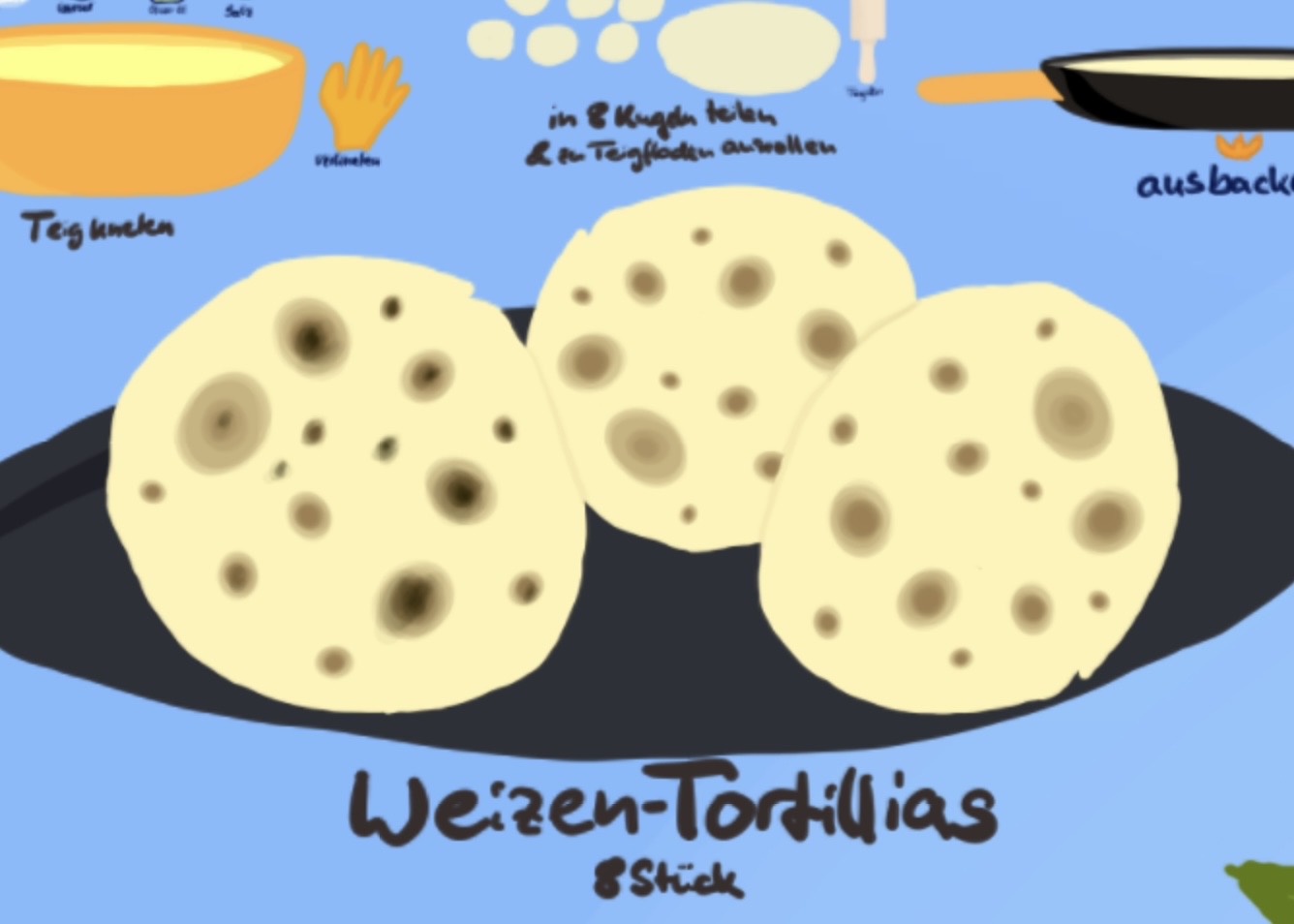
Flour Tortillas
Create soft and delicious tortillas, ideal for wraps and tacos.
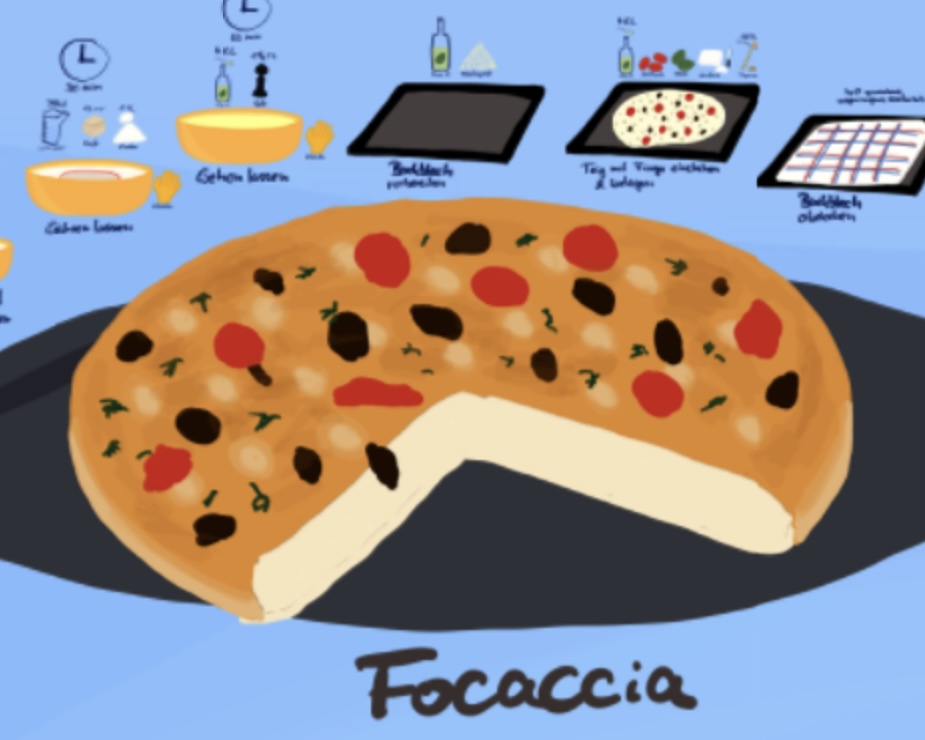
Focaccia
Bake fluffy focaccia with olive oil, thyme, tomatoes, olives and feta. Step-by-step method, proofing tips, storage advice and serving ideas.
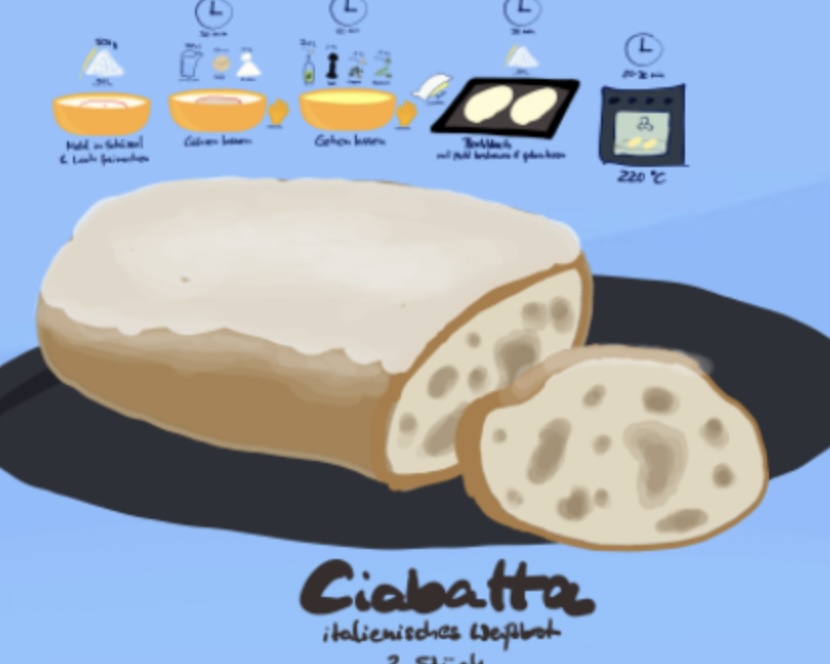
Ciabatta Bread
Create fluffy and crusty ciabatta bread, perfect for sandwiches or dipping.
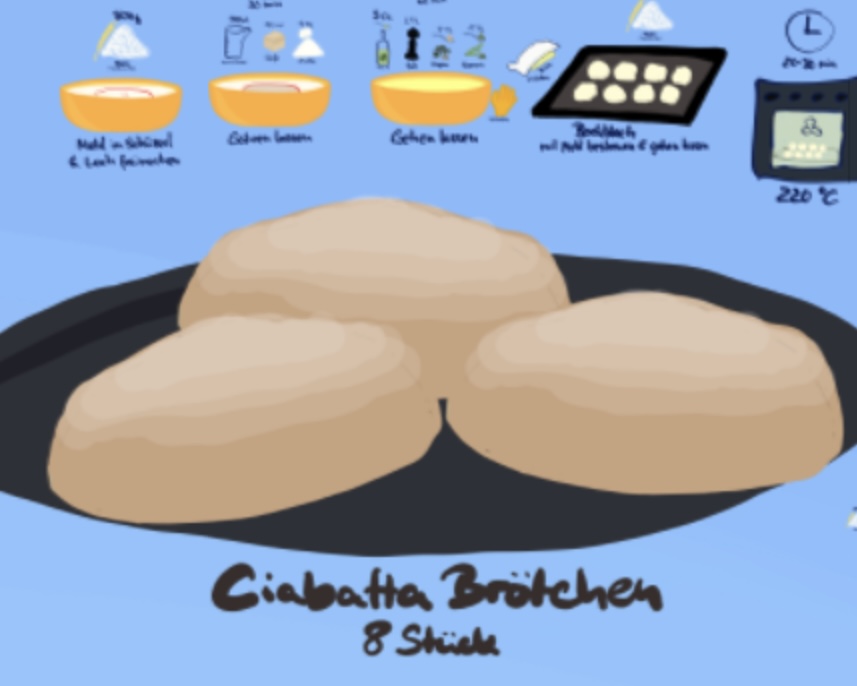
Ciabatta Rolls
[Translate to EnglishUS:] Bake soft and golden ciabatta rolls, versatile for any meal or occasion.

Virginia Buttermilk Biscuits
Bake soft and flaky buttermilk biscuits, a delightful side for any meal.
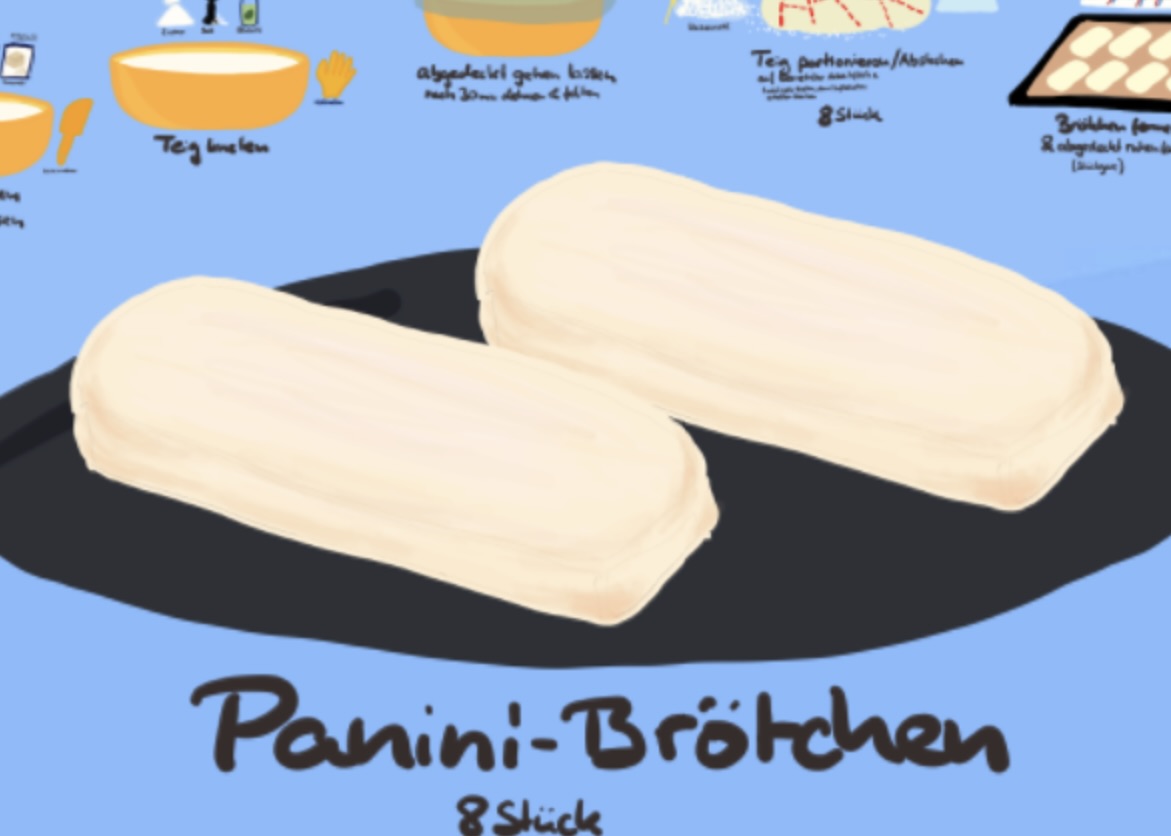
Panini Bread
Discover panini bread on yummy.world! Soft rolls made for pressing—perfect base for hot sandwiches.
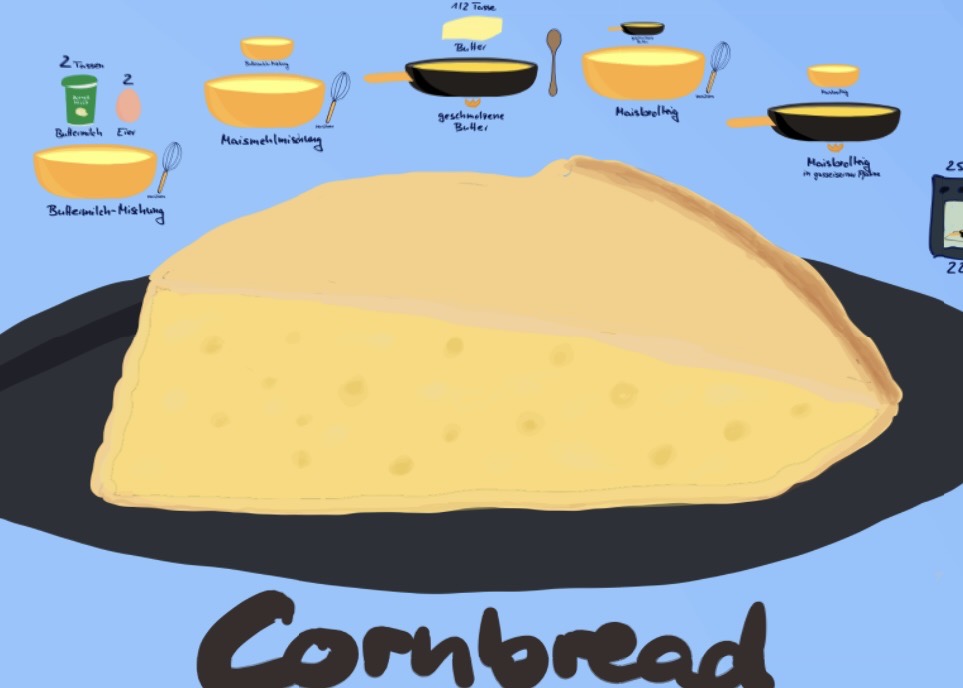
Cornbread
Enjoy the rich and moist texture of homemade cornbread, a perfect side for BBQs or soups.
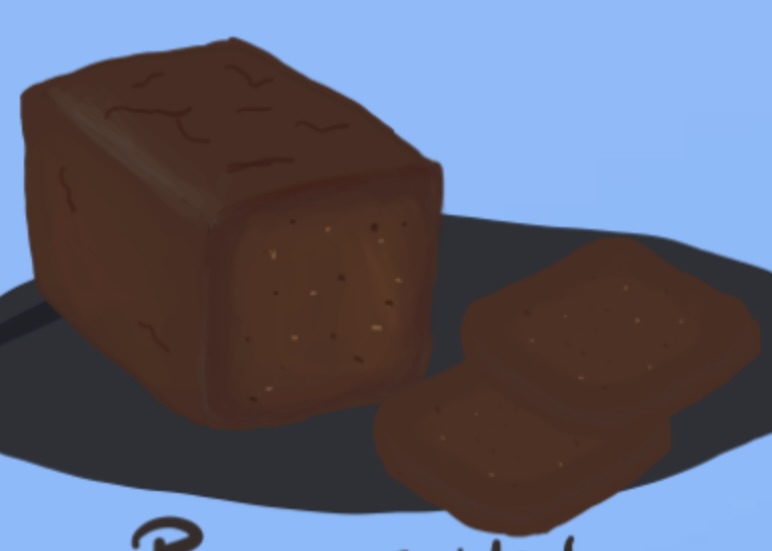
Pumpernickel
Bake hearty and rich Pumpernickel bread, perfect for any meal.
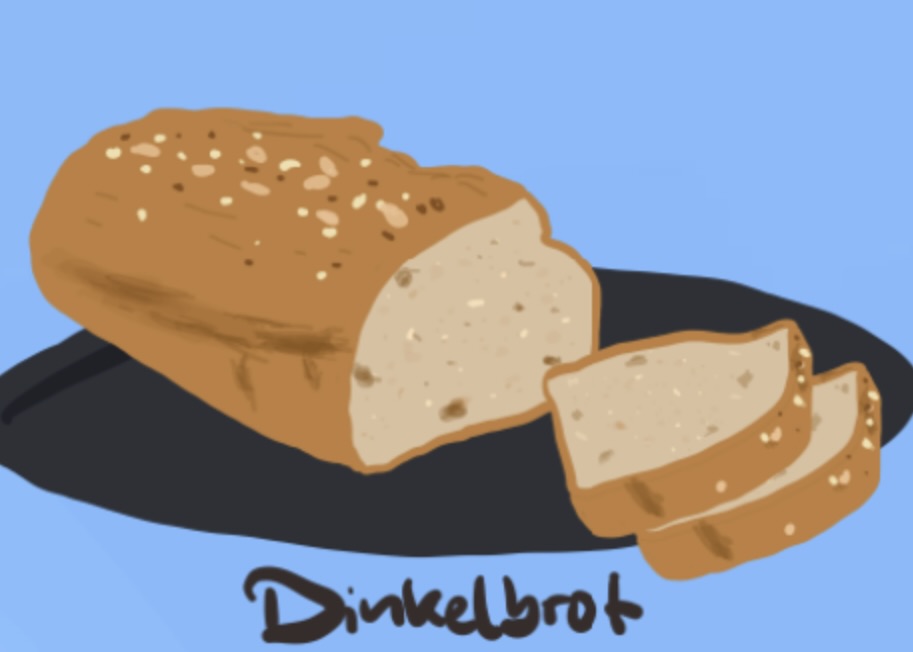
Spelt bread
Bake wholesome and delicious spelt bread, perfect for every occasion.
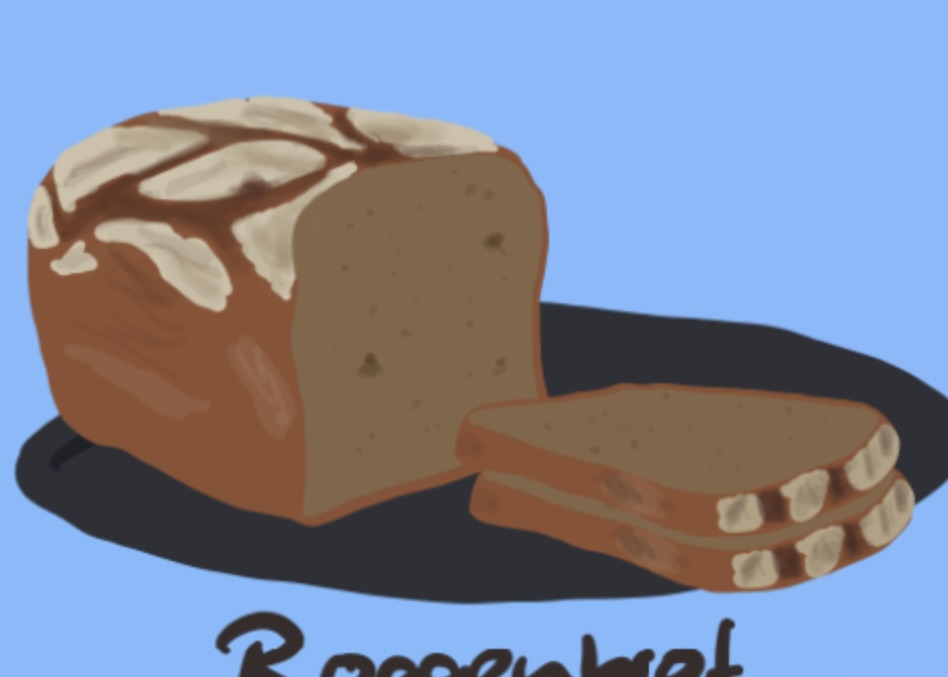
Rye bread
Bake hearty rye bread with rich flavors, perfect for any meal.
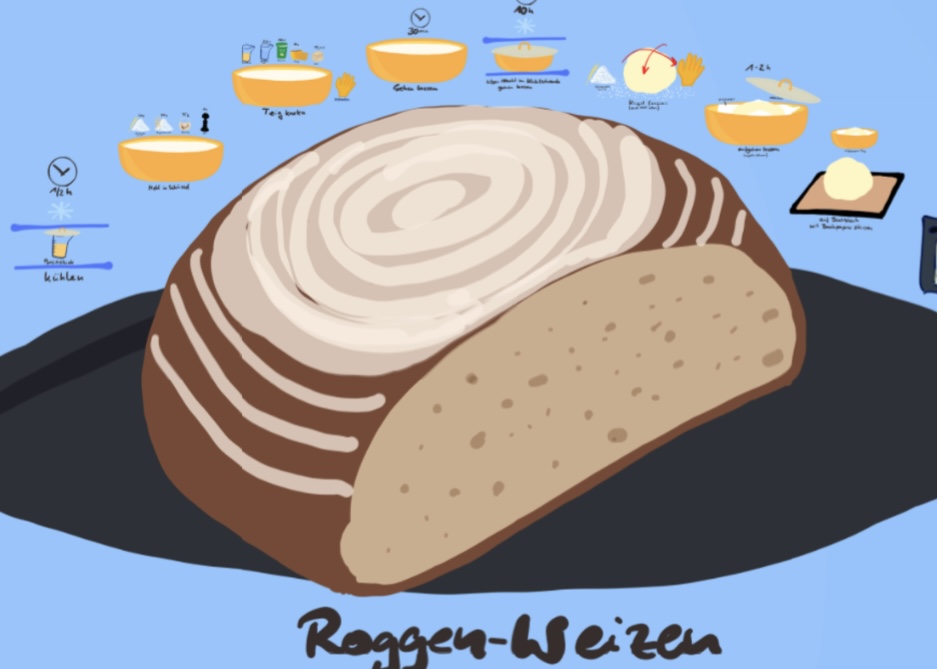
Mixed Rye Bread with Whole Grain Rye
Savor the hearty taste of rye-wheat mixed bread, perfect for sandwiches or spreads.
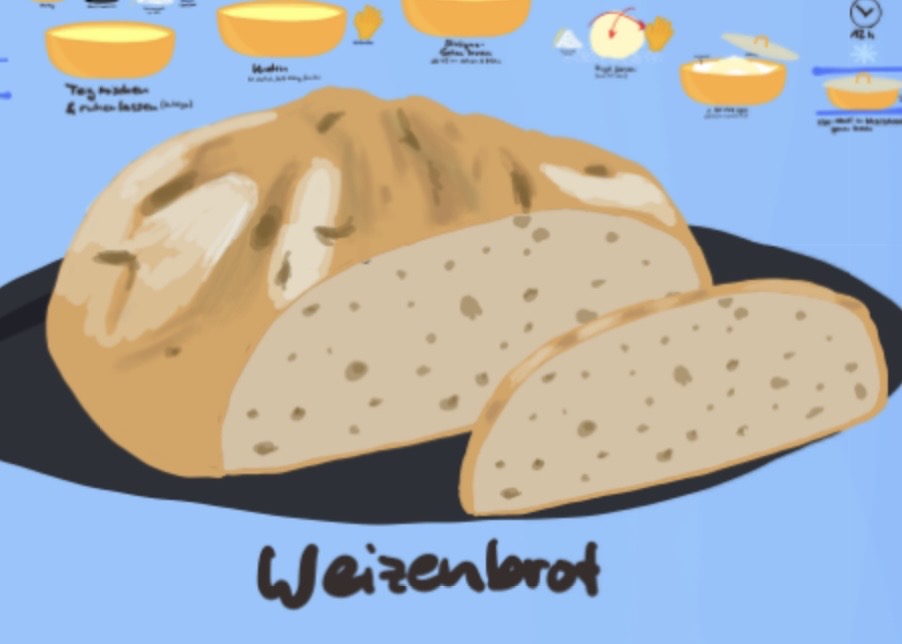
Wheat bread
Bake soft and wholesome wheat bread, ideal for sandwiches or toast.
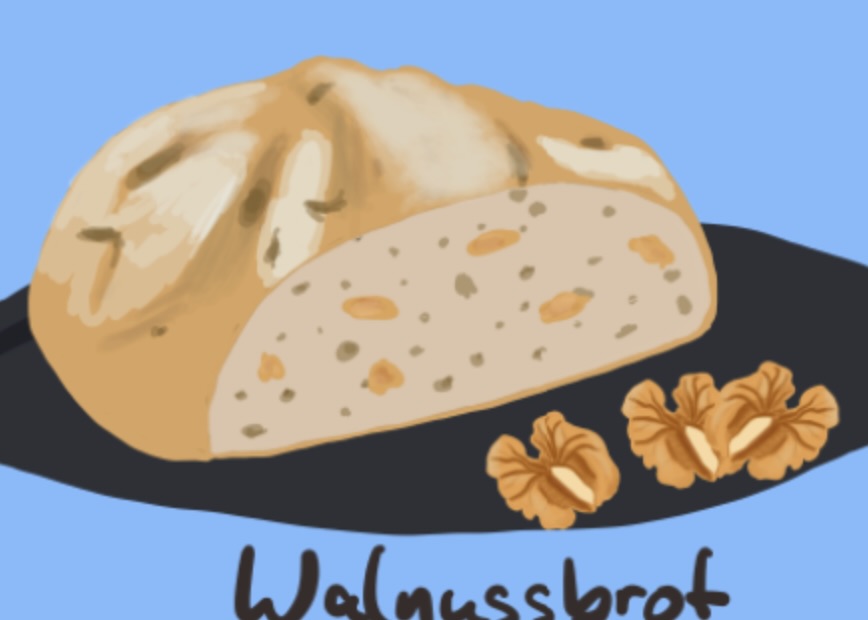
Walnut bread
Enjoy the hearty taste of walnut bread, perfect with cheese or as a snack.
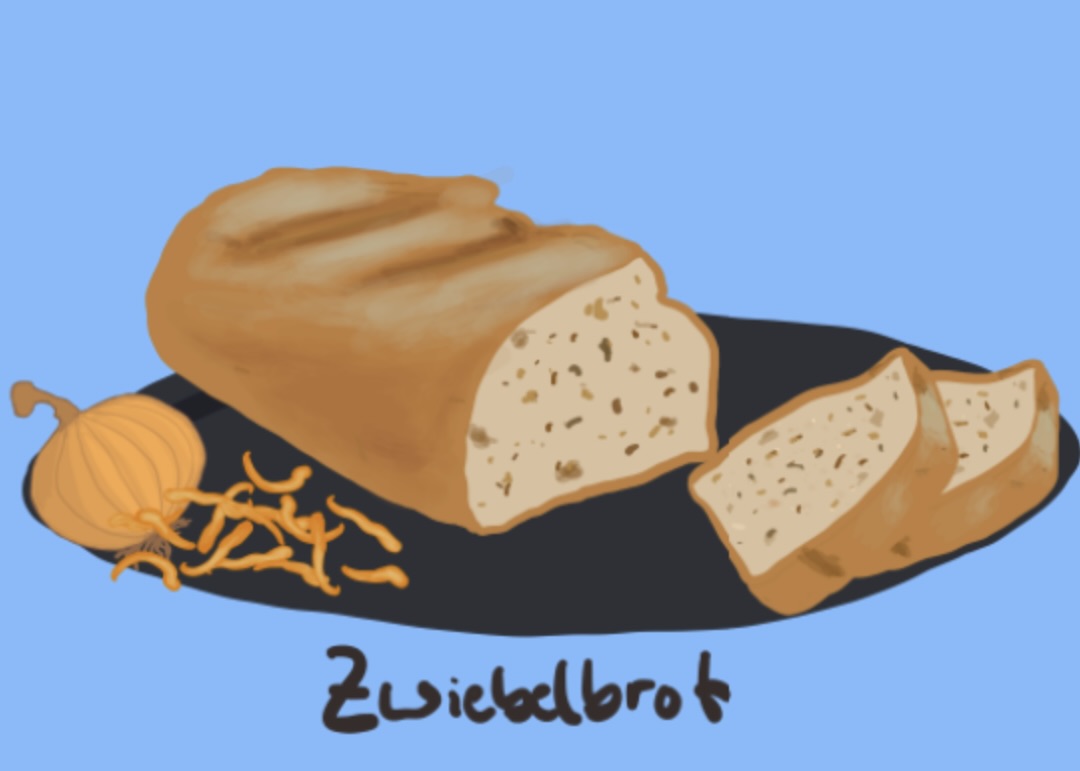
Onion bread
Bake hearty onion bread, perfect as a side for soups or a base for sandwiches.
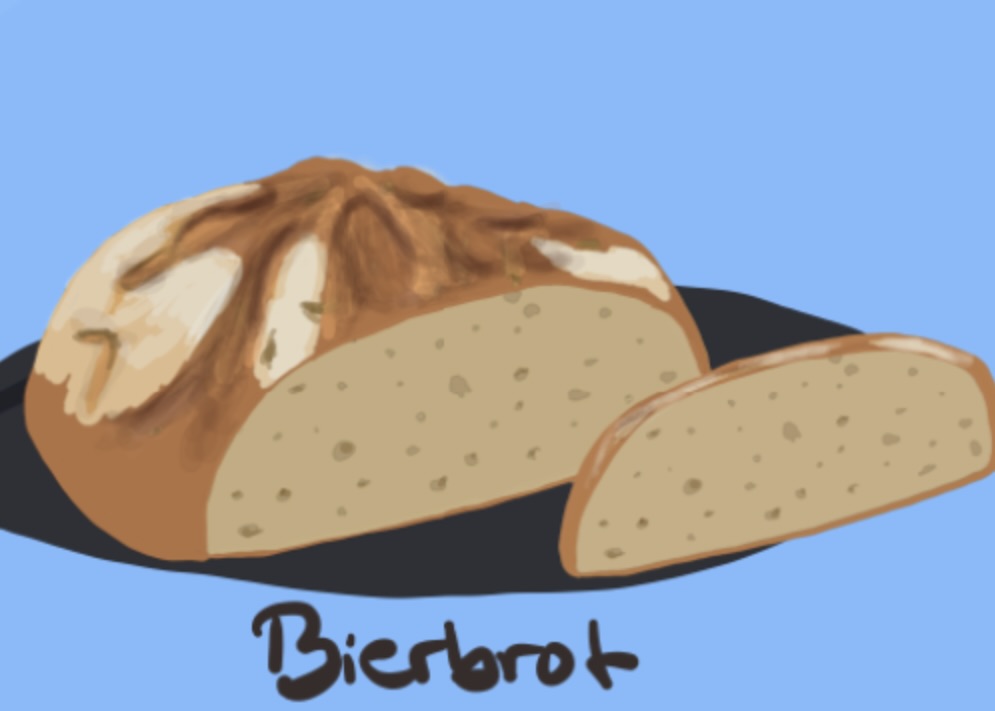
Beer bread
Bake flavorful beer bread, a quick and easy addition to any meal.
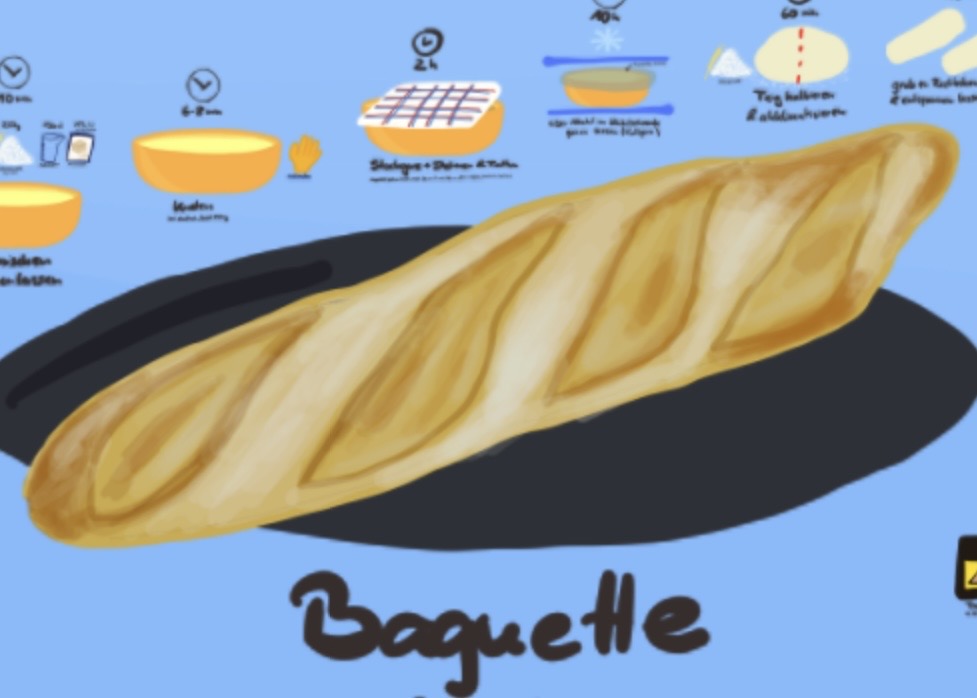
Baguette
Bake your own French-style baguette with this easy and authentic recipe.
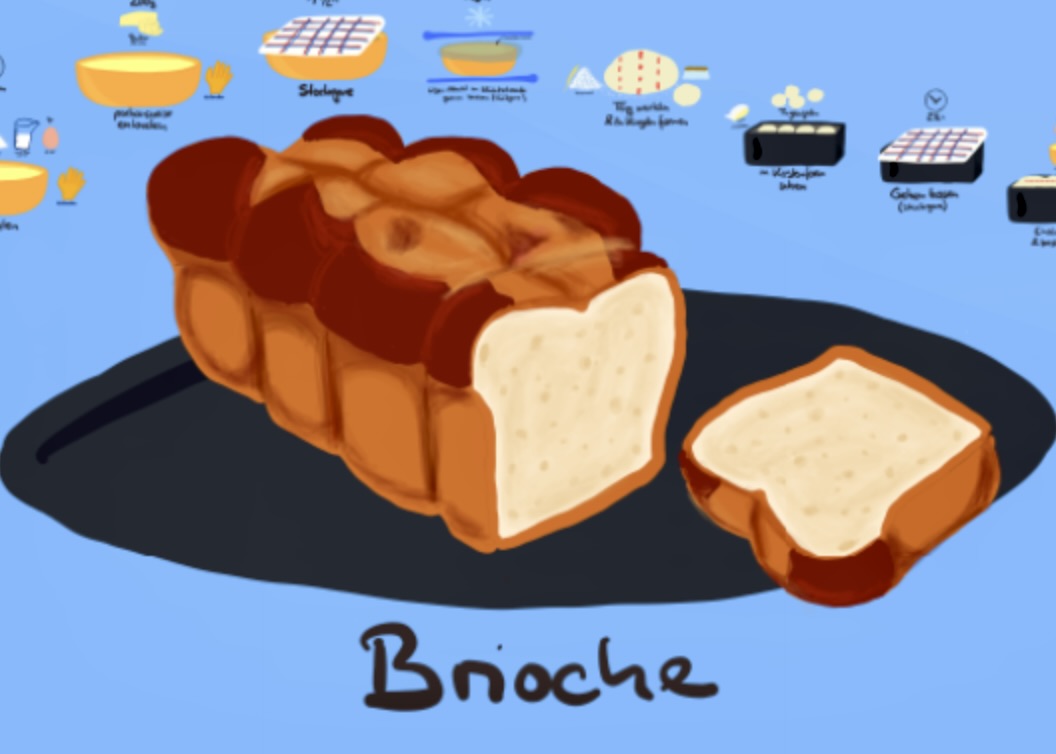
Brioche
Bake rich and buttery brioche, perfect for breakfast or as a sweet treat.

German Braided Sweet Bread
Discover zopf on yummy.world! Soft braided bread—classic, buttery, and perfect for breakfast.

Bagels
Make soft and chewy bagels at home with this foolproof recipe, ideal for any topping.