
ym-pidebread
Ingredients 🧂🥕
- Strong White Flour500 g
- Eggs1 pcs
- Yogurt30 g
- Dry Yeast7 g
- Sugar4 g
- Salt10 g
- Olive Oil30 ml
- Sesame Seeds25 g
Directions 👩🍳
Tap the map & cook step-by-step
Step-by-step:
- Mix dough: Combine flour, yeast, warm water, salt, and a little oil.
Show all steps...
- Knead: Knead until smooth and elastic.
- Rise: Cover and let rise until doubled.
- Shape: Divide and shape into flat rounds or ovals.
- Bake: Bake hot until lightly golden; serve warm.
Pide Bread: soft, airy, golden flatbread with a signature bakery-style crust
Pide bread is one of those breads that looks impressive and feels deeply comforting at the same time: lightly chewy, soft inside, beautifully golden on top, and perfect for tearing, dipping, stuffing, or serving alongside savory dishes. Whether you know it as Turkish pide bread for breakfast, mezze, soups, grilled meats, or holiday-style spreads, the real magic is in the texture. Great pide bread should feel light and airy, not heavy or dry, with a tender crumb and a surface that is golden and slightly glossy. The key is a soft dough, enough rest time, gentle shaping, and strong oven heat.
Why pide bread works so well
- Best-of-both texture: Pide bread combines a fluffy interior with a lightly chewy bite and a beautifully baked crust.
- Highly versatile: It works with dips, grilled dishes, soups, breakfast spreads, cheese, eggs, or mezze.
- Bakery-style look: The classic finger-pressed pattern and glossy finish make it look special without complicated shaping.
- Great for sharing: Pide bread is ideal for tearing at the table, which makes it perfect for family meals and guests.
- Flexible dough: It can stay simple and classic or be topped with seeds, herbs, or a richer finish.
High-Value Tips: How to make pide bread really good
- Keep the dough soft: Pide bread needs a supple, slightly hydrated dough. If the dough is too firm, the bread bakes up dense and loses that airy interior.
- Give it enough rest time: Proper proofing builds lightness and flavor. If the dough has not risen enough, pide bread often turns compact and less tender.
- Shape gently: Stretch and shape the dough without pressing out all the air. That internal gas is what helps create a soft crumb.
- Create the classic pattern carefully: Use your fingertips to press the surface gently into the traditional grid or oval pattern. Press enough to define it, but not so hard that the dough collapses.
- Use strong oven heat: A hot oven gives better oven spring, more color, and the slightly blistered, bakery-style top that pide bread needs.
- Finish the top intentionally: A light egg wash, yogurt wash, or water glaze can help create shine and color. Seeds also stick better to a lightly moistened surface.
- Watch moisture control: Too much flour while shaping can dry the dough; too little can make it sticky and hard to handle. Use only what you need.
- Do not overbake: Pide bread should be golden and set, but still soft inside. Too much baking time dries it out quickly.
Variations & alternatives
- Classic plain pide bread: Soft and airy with a golden crust, perfect for almost any savory meal.
- With sesame or nigella seeds: A very traditional finish that adds flavor and a little crunch.
- Whole grain variation: Add a small portion of whole wheat flour for more bite and a nuttier flavor.
- Extra soft version: A little yogurt or milk in the dough makes the crumb more tender.
- Brunch-style bread: Serve warm with butter, cheeses, eggs, olives, or spreads.
- Richer finish: Brush with butter or olive oil after baking for more softness and aroma.
Serving ideas / pairings
- Classic spread: Serve with hummus, yogurt dips, olive oil, herbs, and mezze.
- Breakfast table: Great with butter, cheese, jam, eggs, olives, or honey.
- With grilled dishes: Perfect alongside kebabs, roasted vegetables, or meat skewers.
- Soup and stew partner: Pide bread is excellent for dipping into tomato soup, lentil soup, or rich stews.
- Snack board: Tear into pieces and serve with soft cheese, dips, and fresh vegetables.
Storage, Meal-Prep & Reheating
Pide bread tastes best fresh, ideally on the day it is baked, when the crust is lightly crisp and the interior is still soft and airy. For short storage, keep it wrapped at room temperature so it does not dry out too quickly. Reheat briefly in a hot oven to refresh the texture and bring back some softness on the inside with a little warmth on the crust. Freezing works well once the bread is fully cooled; thaw and warm before serving for the best result.
FAQ
Why is my pide bread too dense?
The dough was likely too stiff, under-proofed, or handled too roughly during shaping.
How do I get the classic pide pattern to stay visible?
Press the pattern in clearly just before baking, but do it gently enough that the dough still has room to rise.
Why did my pide bread turn dry?
It was probably baked too long or the dough did not have enough hydration to begin with.
What seeds work best on pide bread?
Sesame and nigella seeds are the most classic, but poppy or sunflower seeds can work too.
Can I make pide bread ahead?
Yes. You can prepare the dough in advance, but the bread tastes best freshly baked or freshly reheated.
Best Bread Recipes to Try at Home
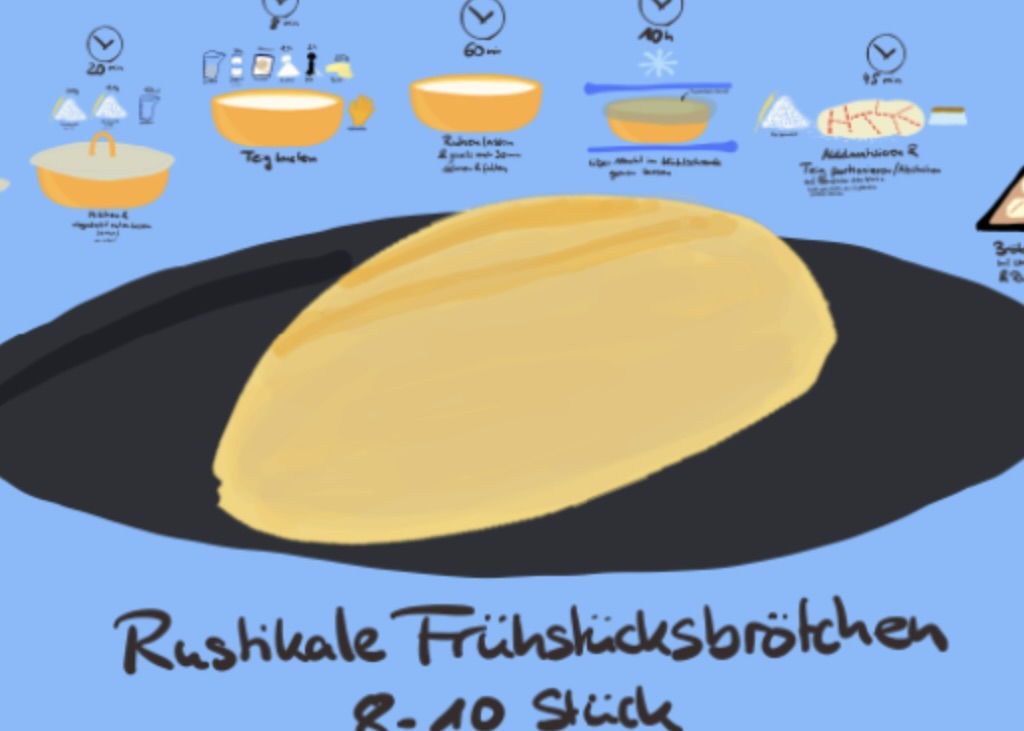
Rustic Breakfast Rolls
Discover rustic breakfast rolls on yummy.world! Crusty outside, fluffy inside—easy homemade bakery vibes.
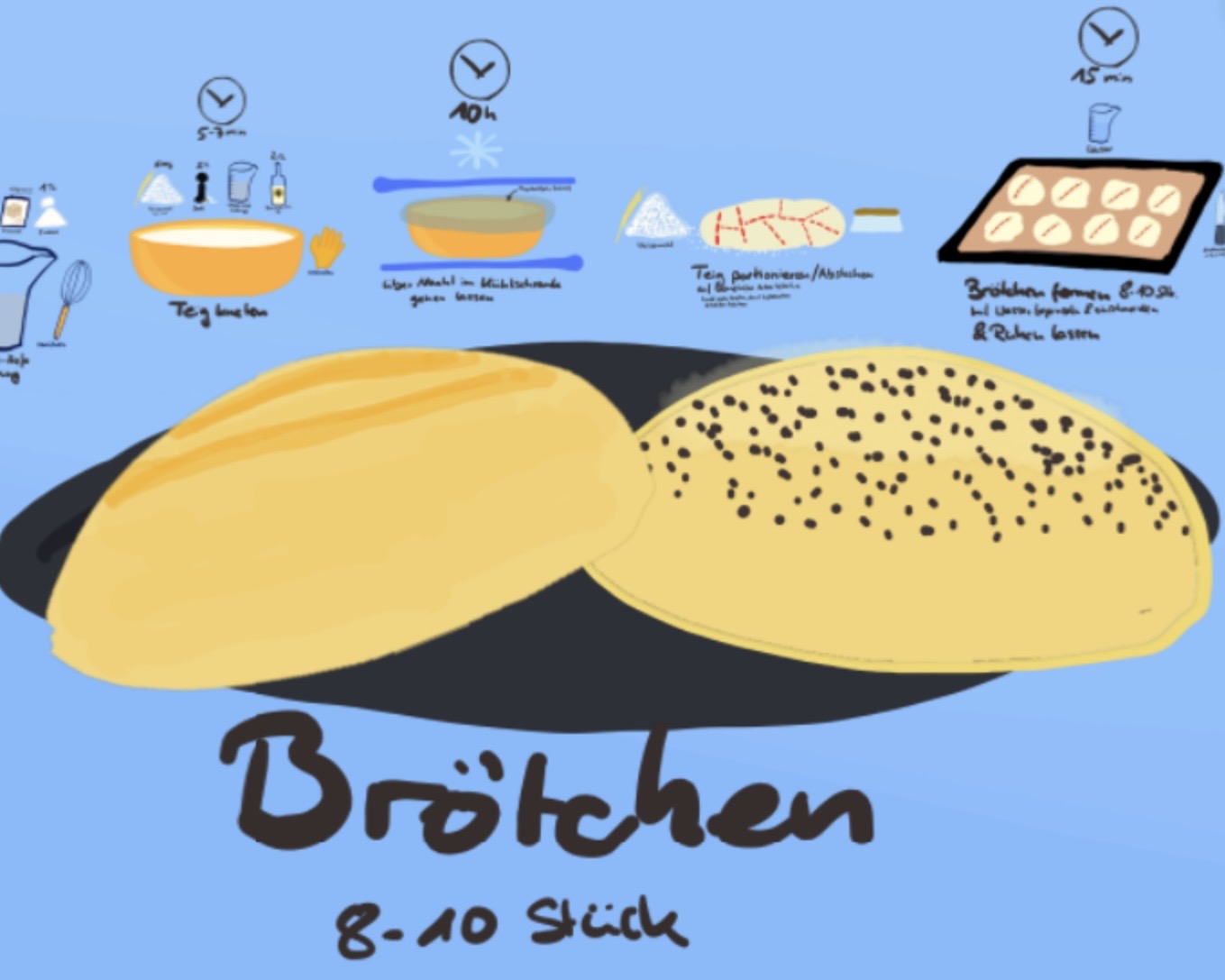
Rolls
Bake fluffy Sunday rolls with a golden crust and soft crumb. Includes tips for proofing, baking, storage, freezing, and serving for breakfast or brunch.
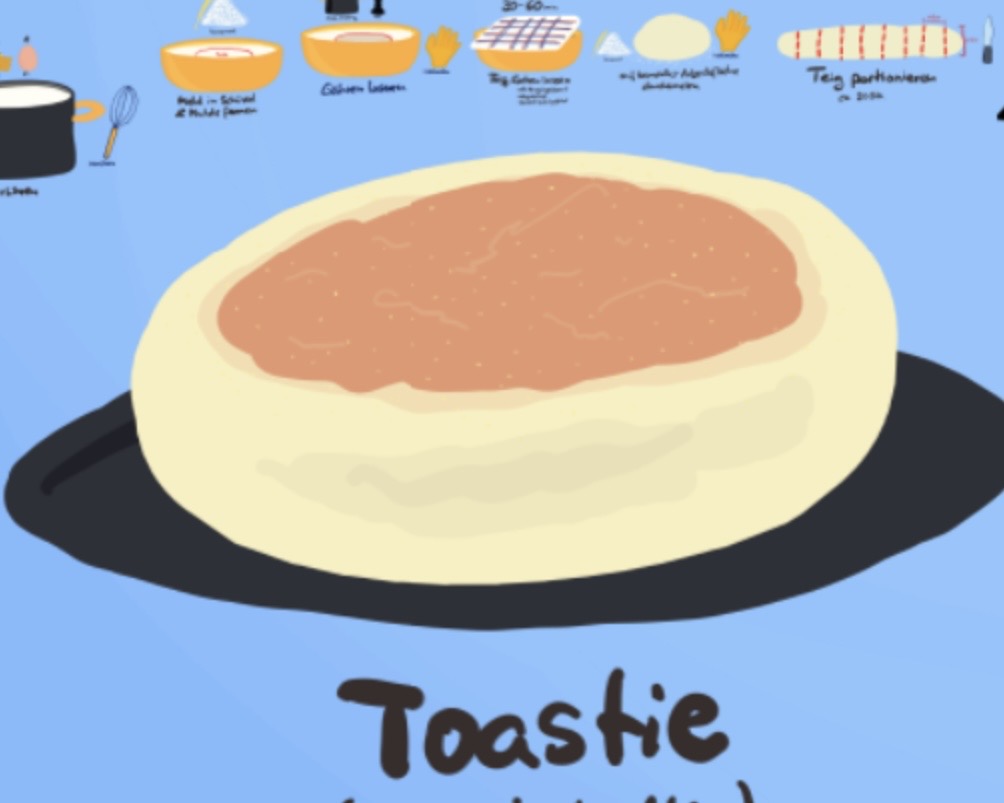
English Muffins
Create golden and fluffy English muffins, perfect for breakfast or sandwiches.
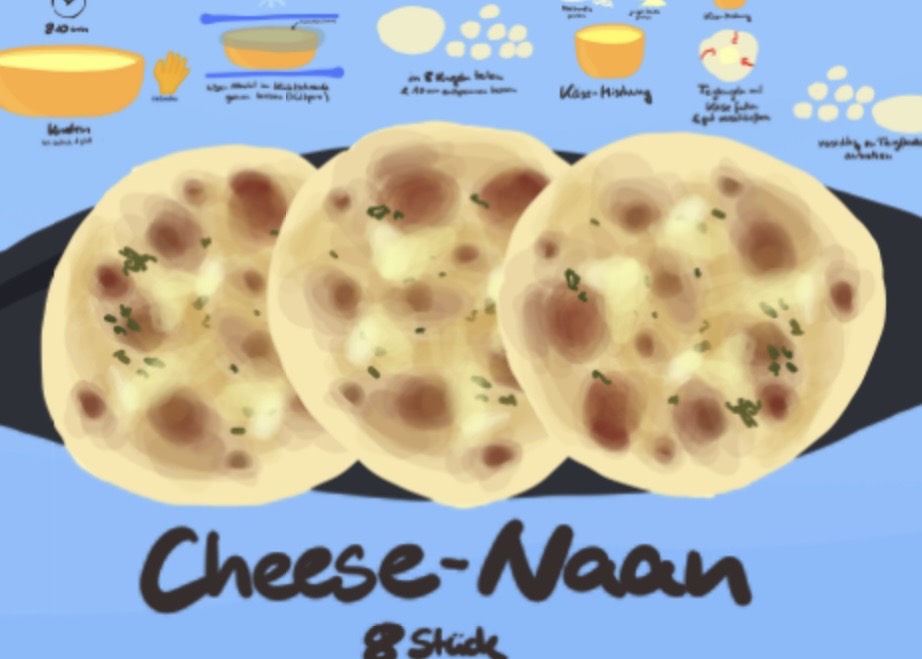
Cheese Naan
Discover Cheese Naan on yummy.world! Gooey, savory stuffed naan—perfect side for curries and sharing.
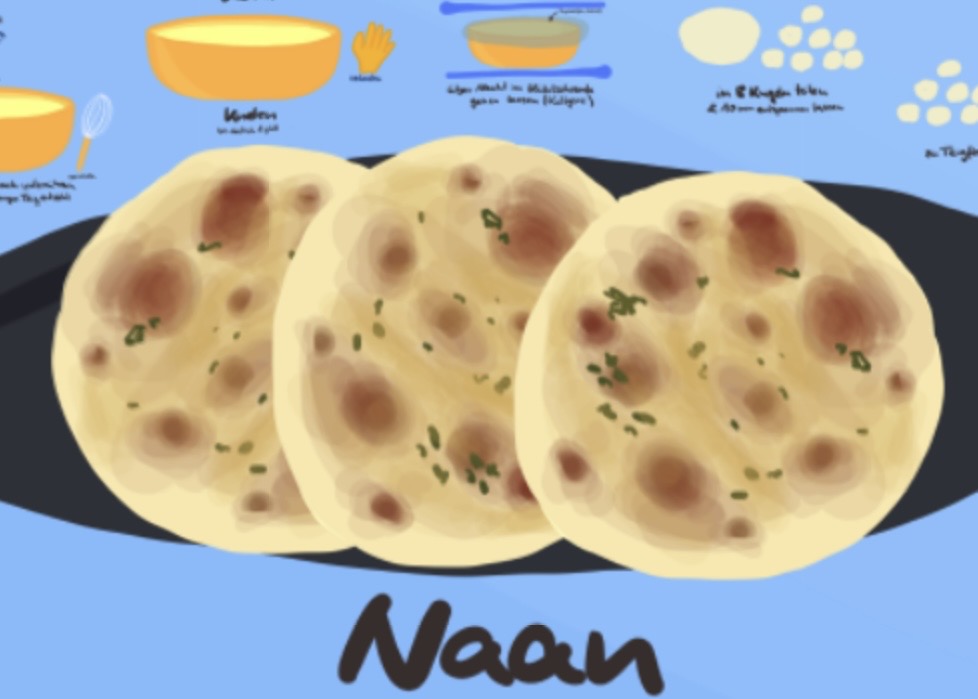
Indian Butter Naan Bread
Discover Indian Naan Bread on yummy.world! Soft, fluffy, pan-baked flatbread—perfect with curry and dips.
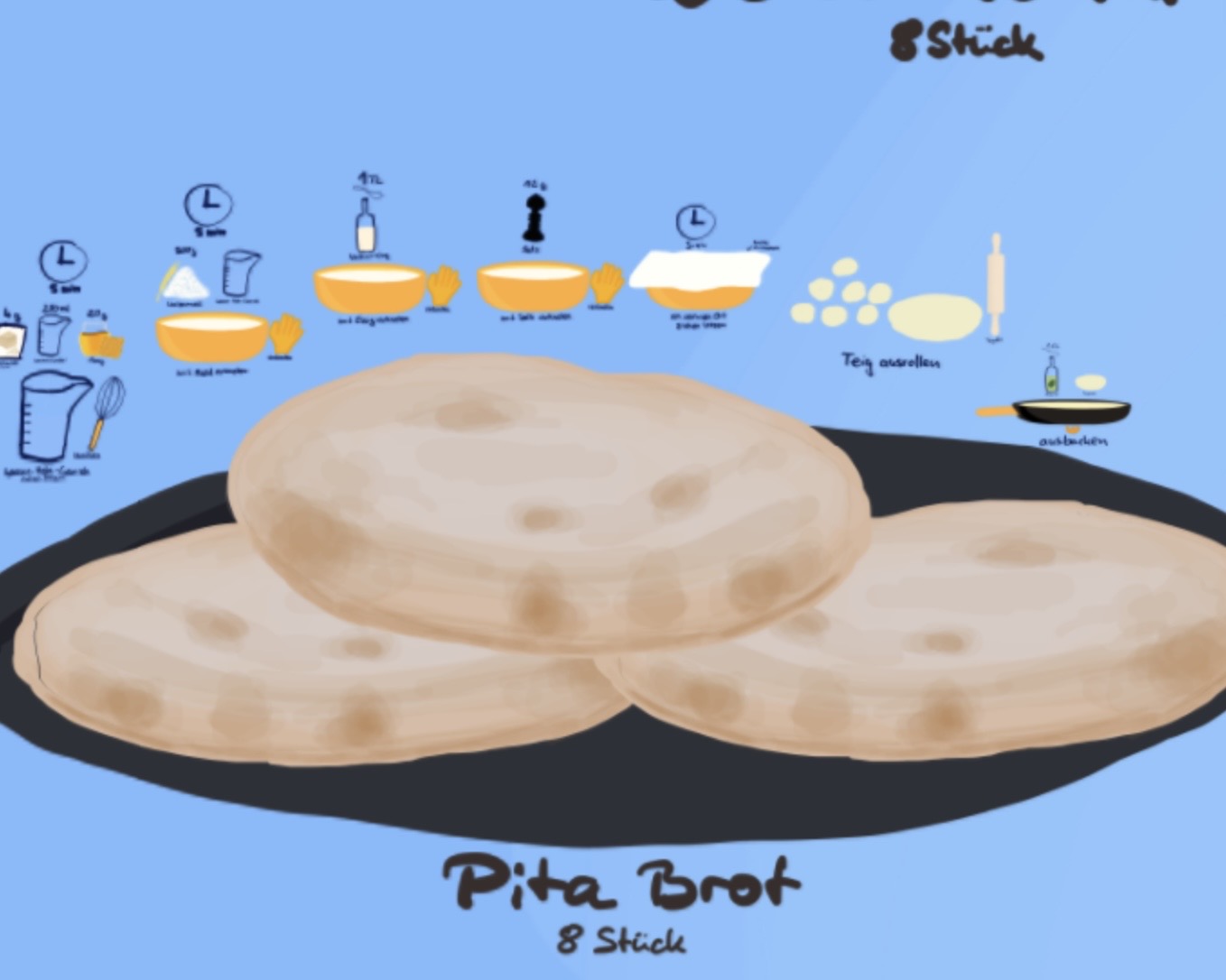
Pita bread
Bake fluffy and pocketed pita bread, ideal for wraps or dipping.
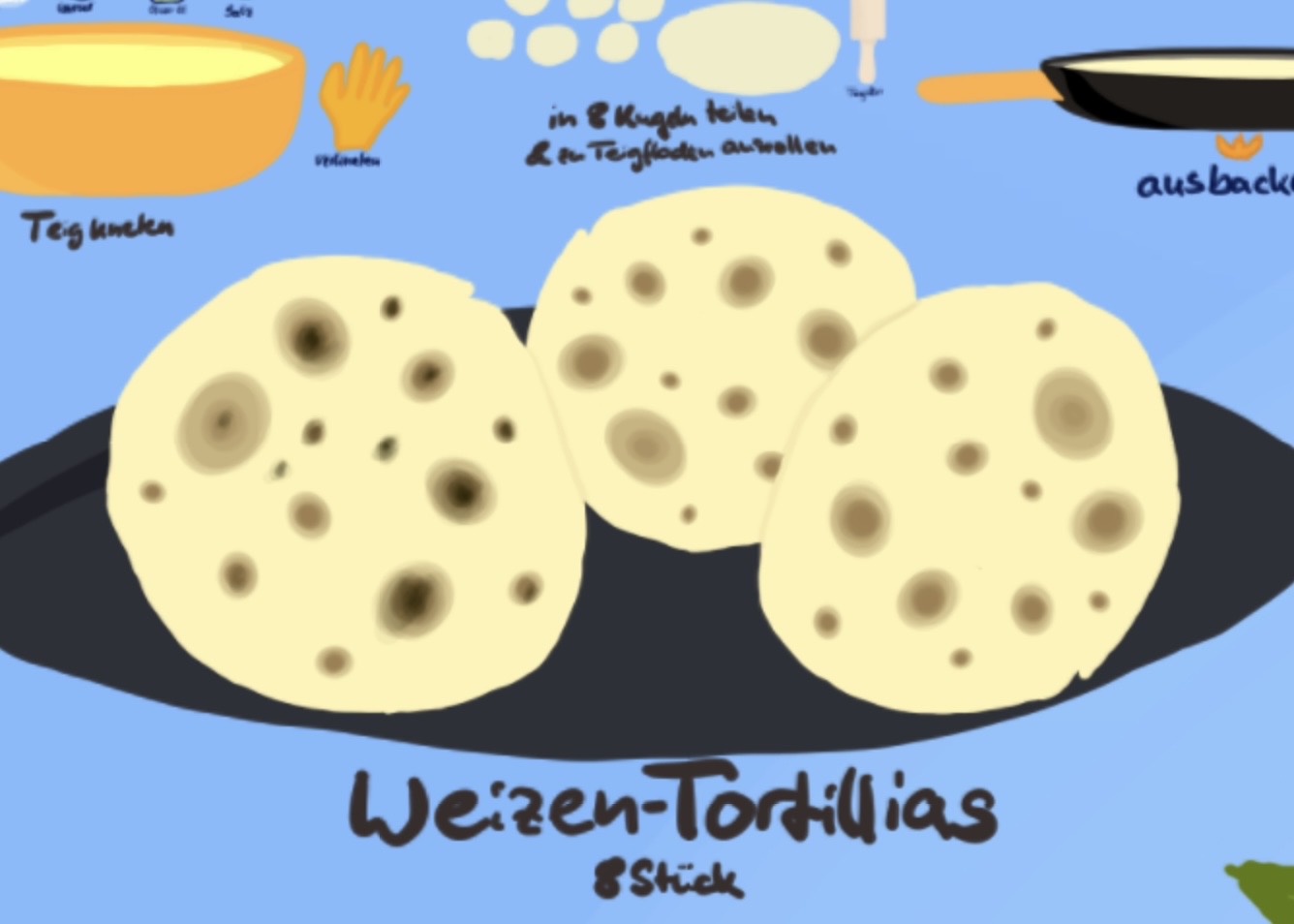
Flour Tortillas
Create soft and delicious tortillas, ideal for wraps and tacos.
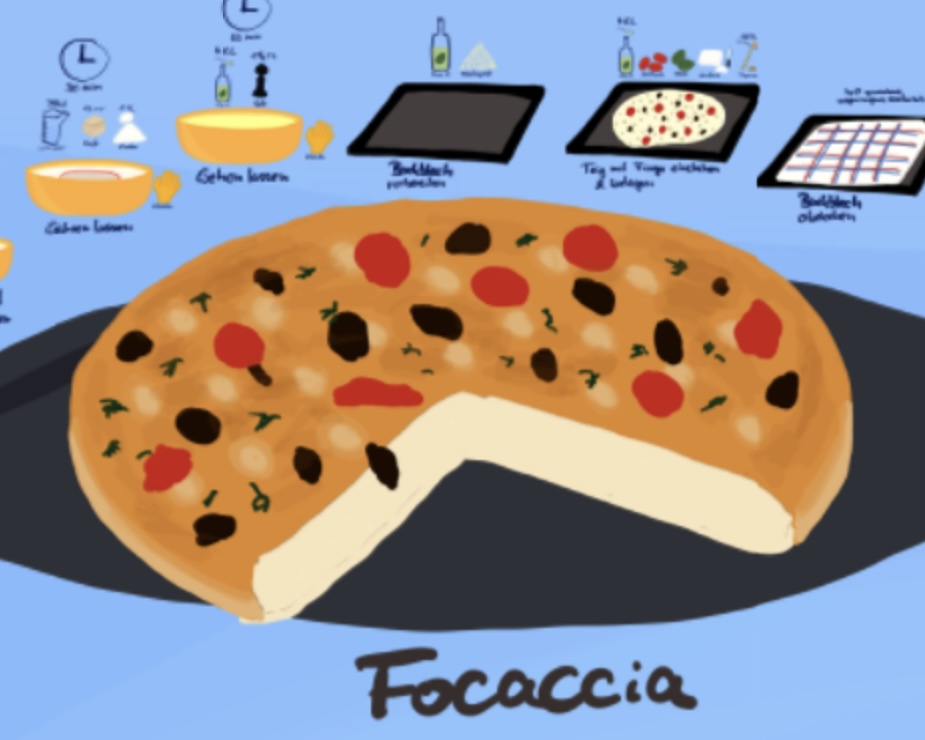
Focaccia
Bake fluffy focaccia with olive oil, thyme, tomatoes, olives and feta. Step-by-step method, proofing tips, storage advice and serving ideas.
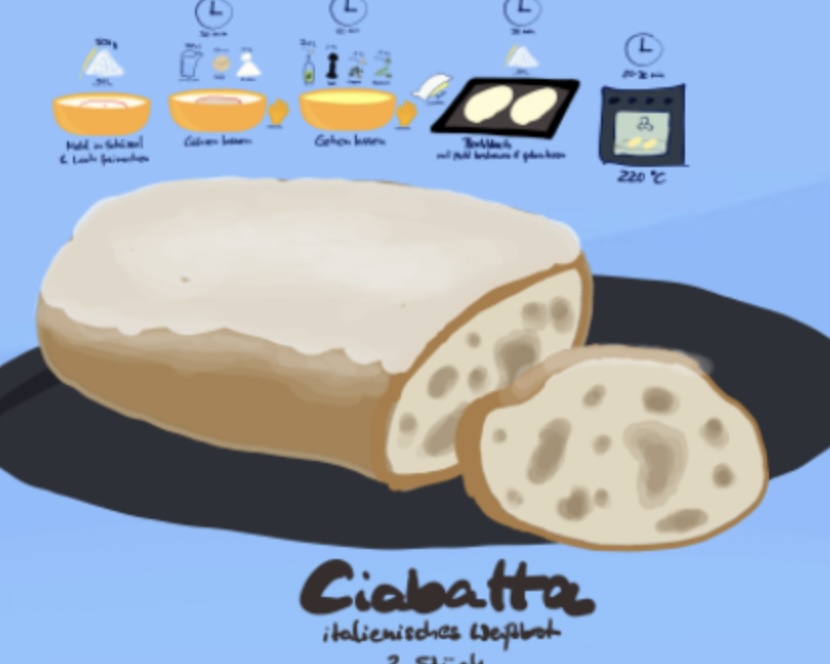
Ciabatta Bread
Create fluffy and crusty ciabatta bread, perfect for sandwiches or dipping.
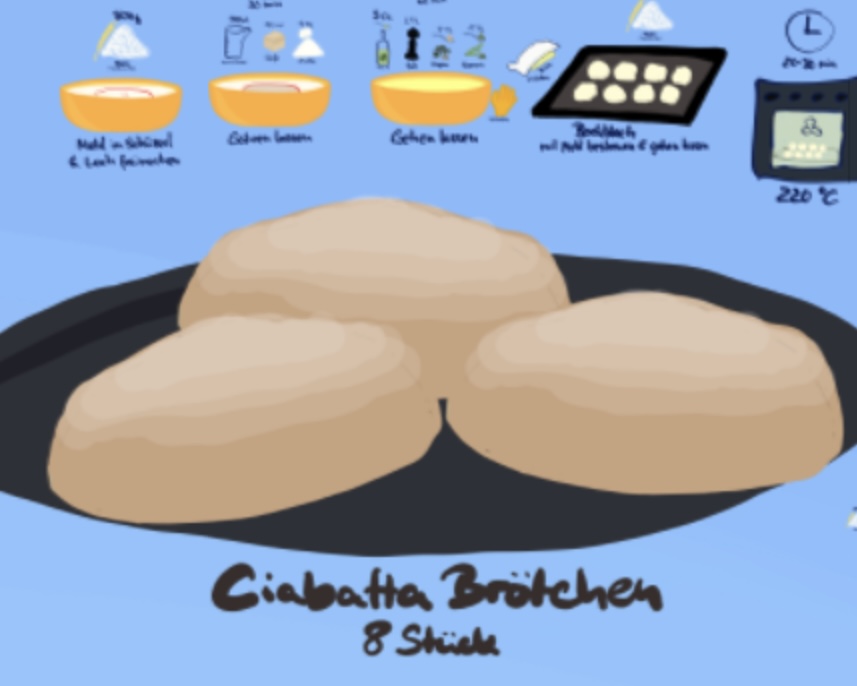
Ciabatta Rolls
[Translate to EnglishUS:] Bake soft and golden ciabatta rolls, versatile for any meal or occasion.
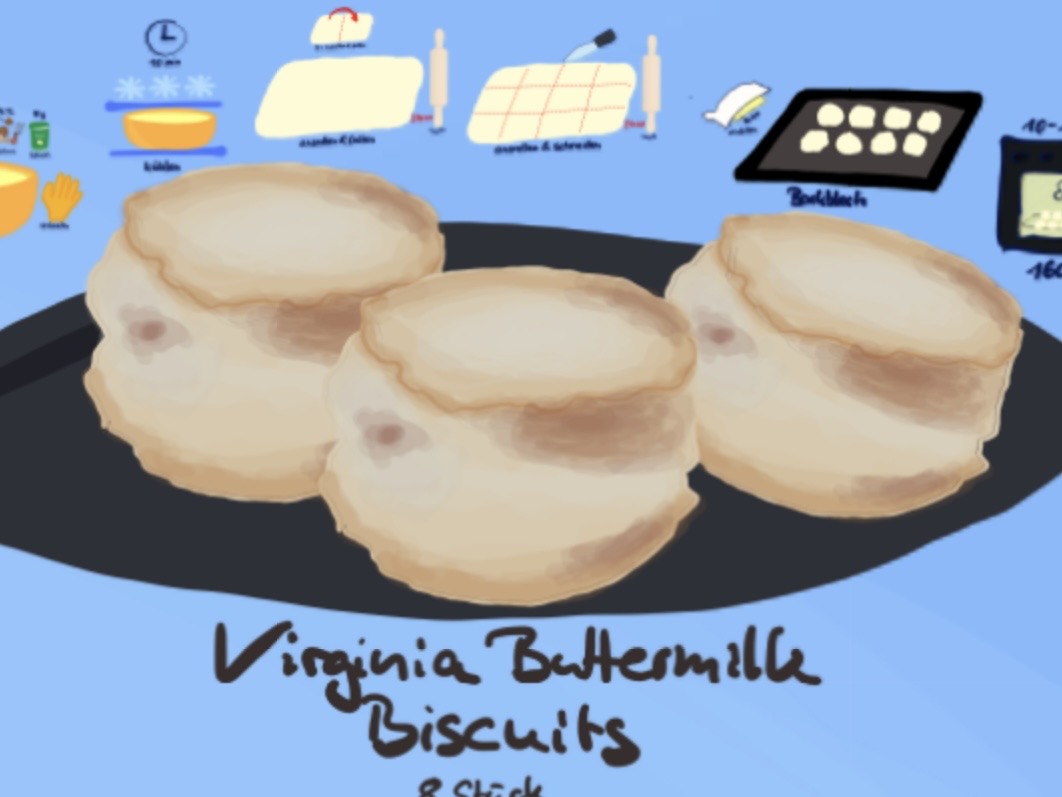
Virginia Buttermilk Biscuits
Bake soft and flaky buttermilk biscuits, a delightful side for any meal.
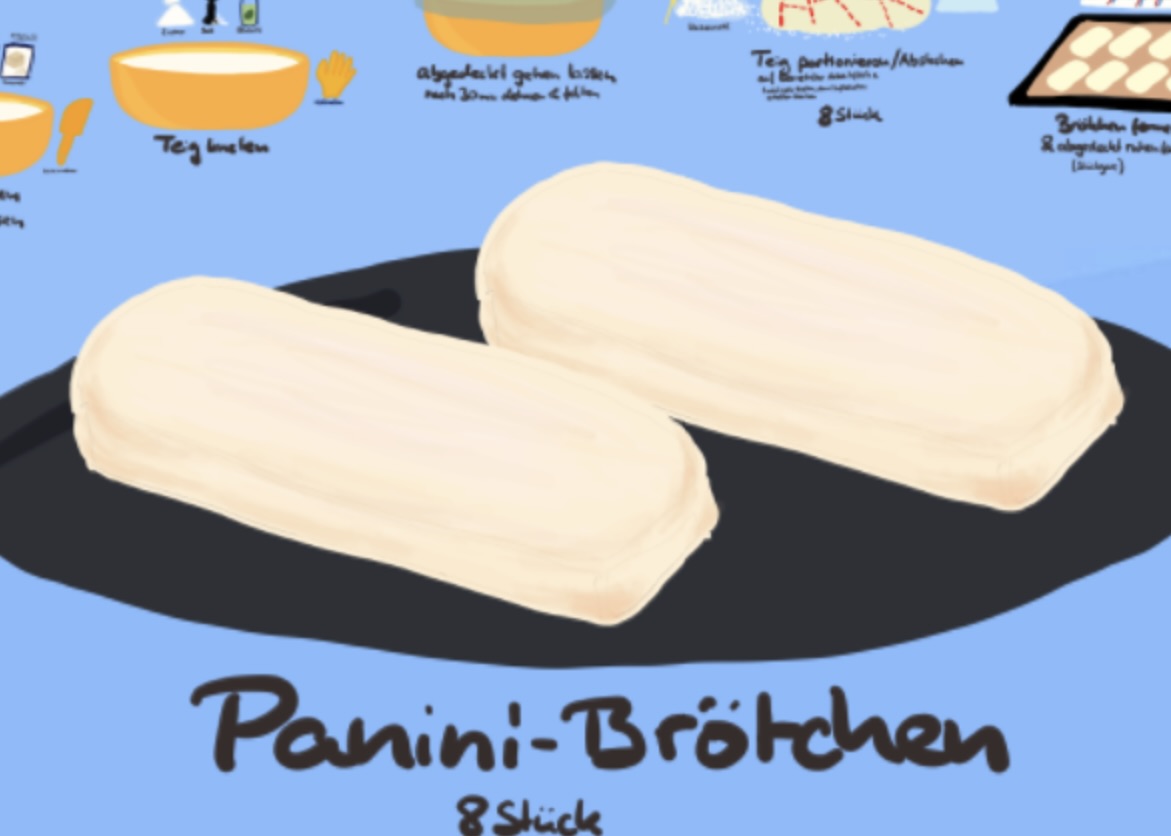
Panini Bread
Discover panini bread on yummy.world! Soft rolls made for pressing—perfect base for hot sandwiches.
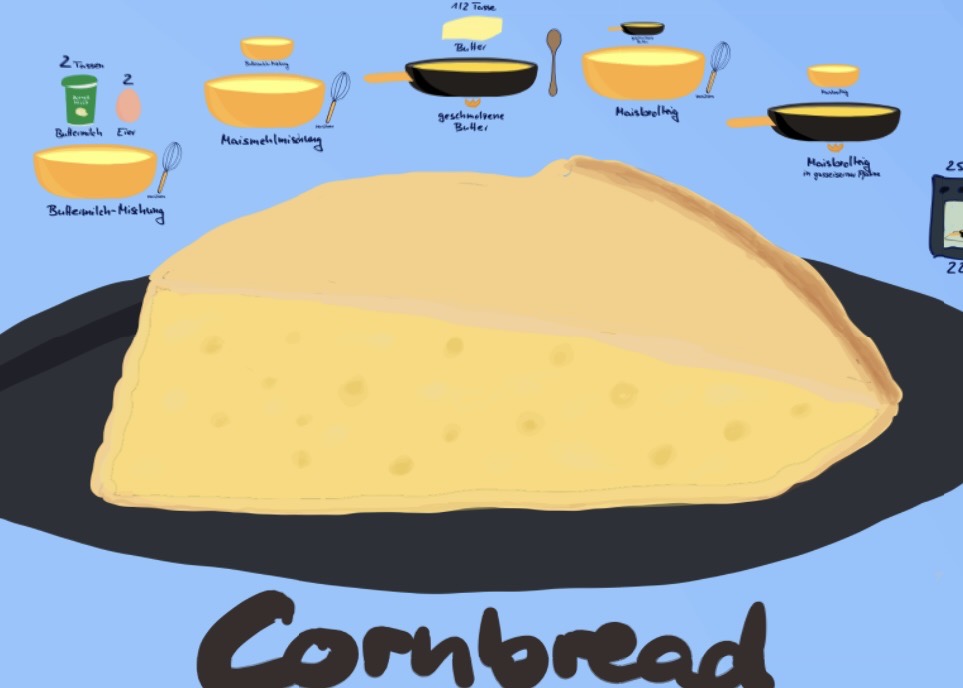
Cornbread
Enjoy the rich and moist texture of homemade cornbread, a perfect side for BBQs or soups.

Pumpernickel
Bake hearty and rich Pumpernickel bread, perfect for any meal.
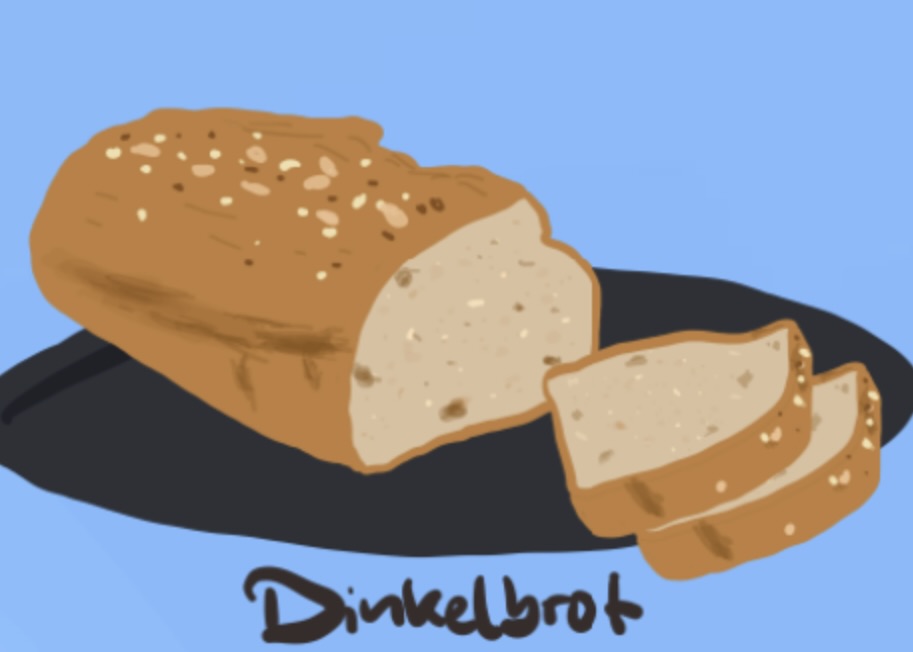
Spelt bread
Bake wholesome and delicious spelt bread, perfect for every occasion.
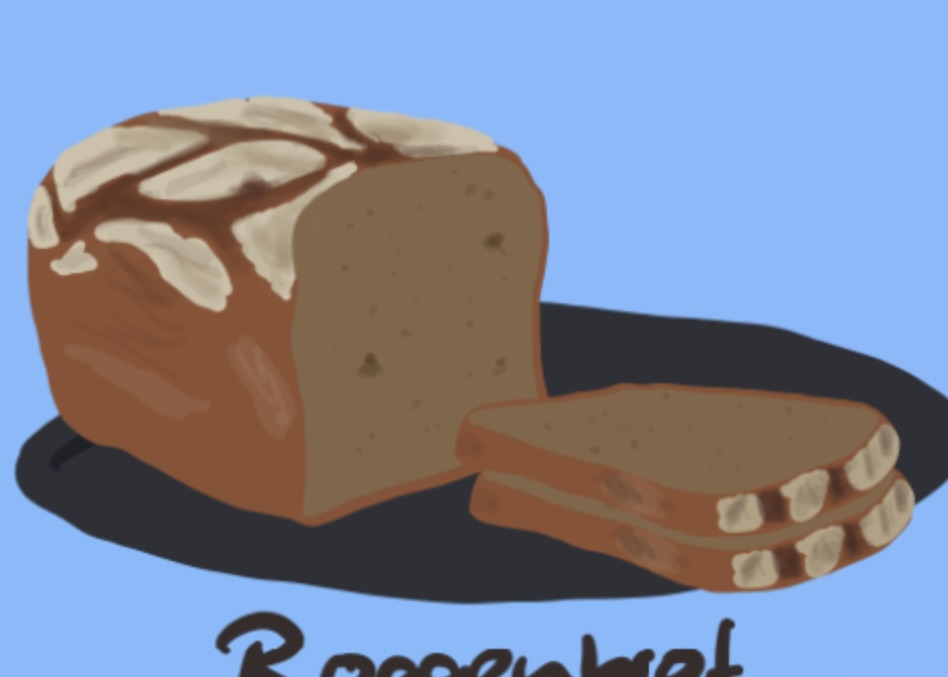
Rye bread
Bake hearty rye bread with rich flavors, perfect for any meal.
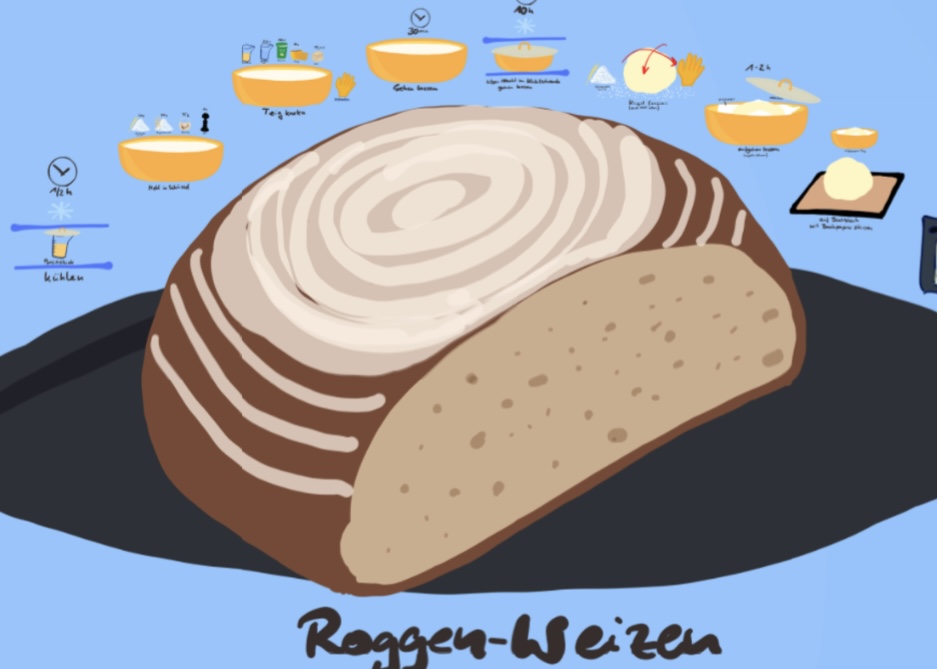
Mixed Rye Bread with Whole Grain Rye
Savor the hearty taste of rye-wheat mixed bread, perfect for sandwiches or spreads.
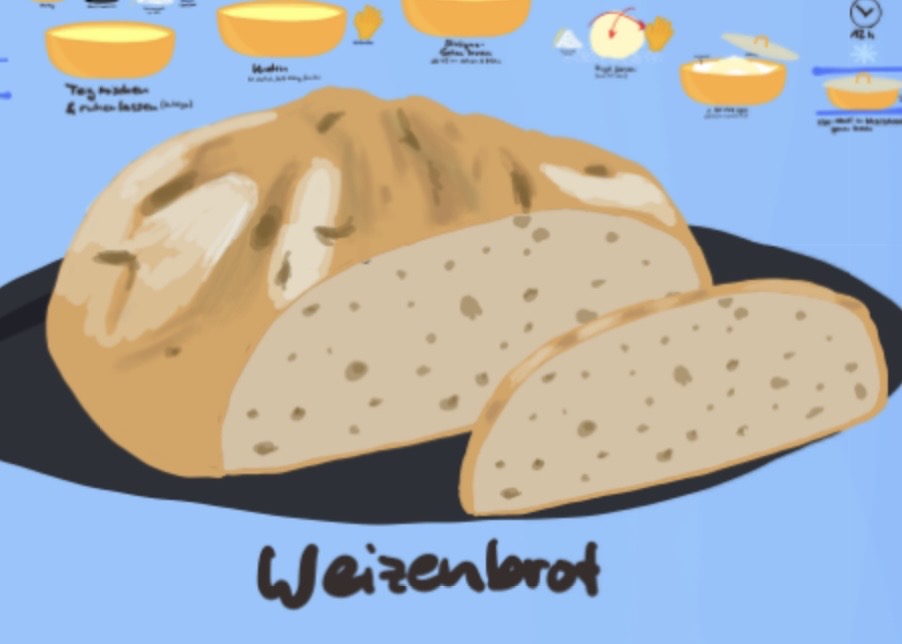
Wheat bread
Bake soft and wholesome wheat bread, ideal for sandwiches or toast.
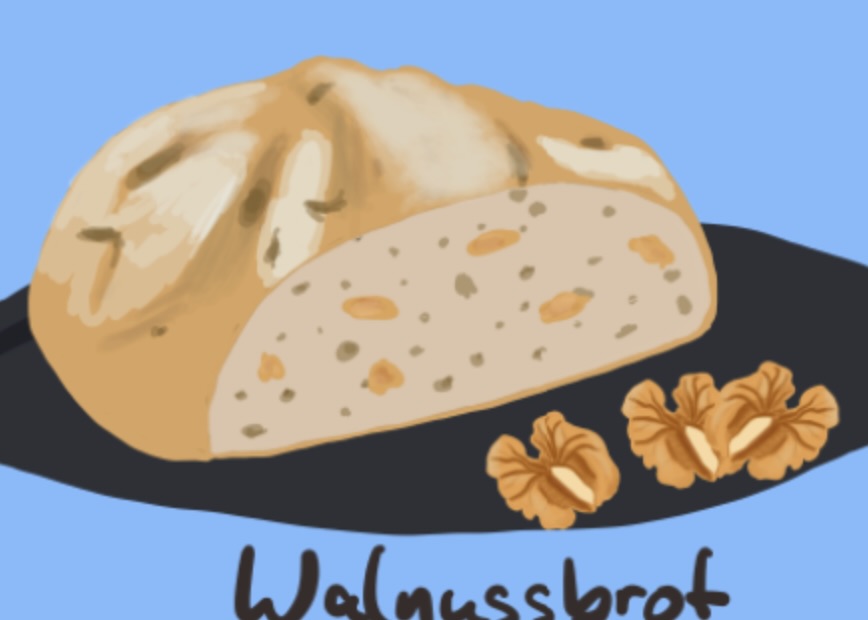
Walnut bread
Enjoy the hearty taste of walnut bread, perfect with cheese or as a snack.
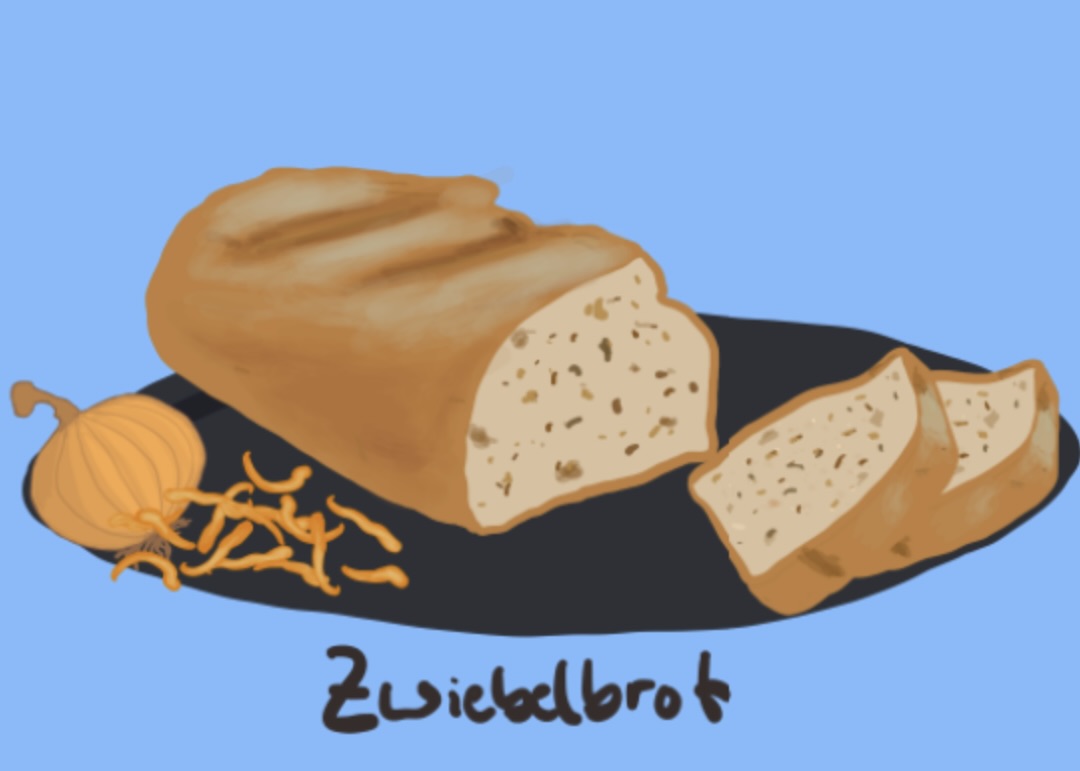
Onion bread
Bake hearty onion bread, perfect as a side for soups or a base for sandwiches.
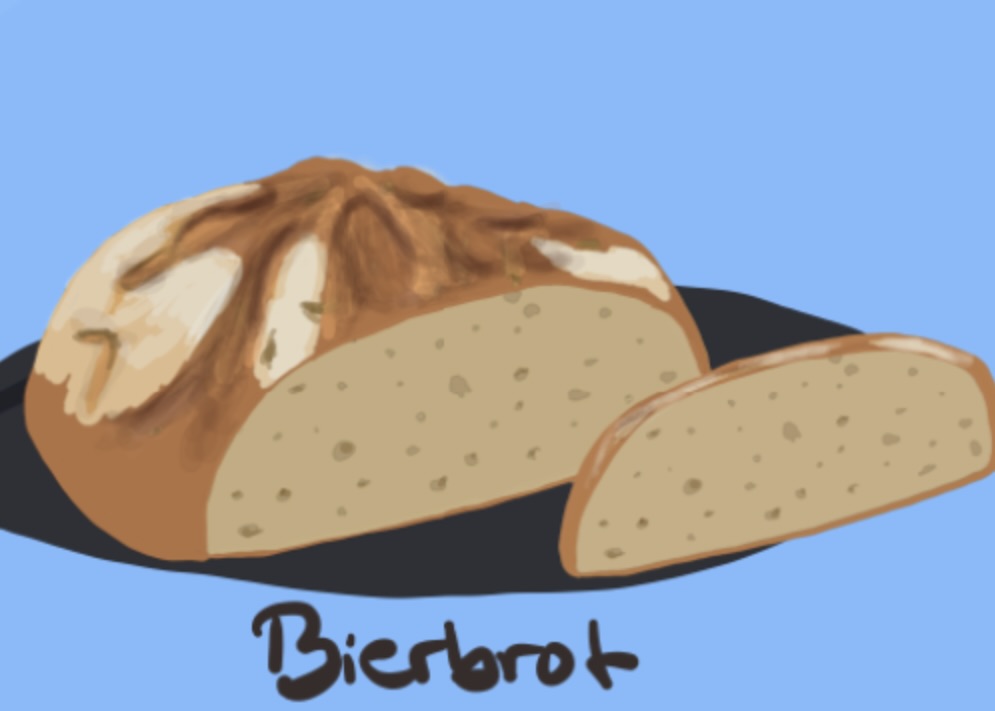
Beer bread
Bake flavorful beer bread, a quick and easy addition to any meal.
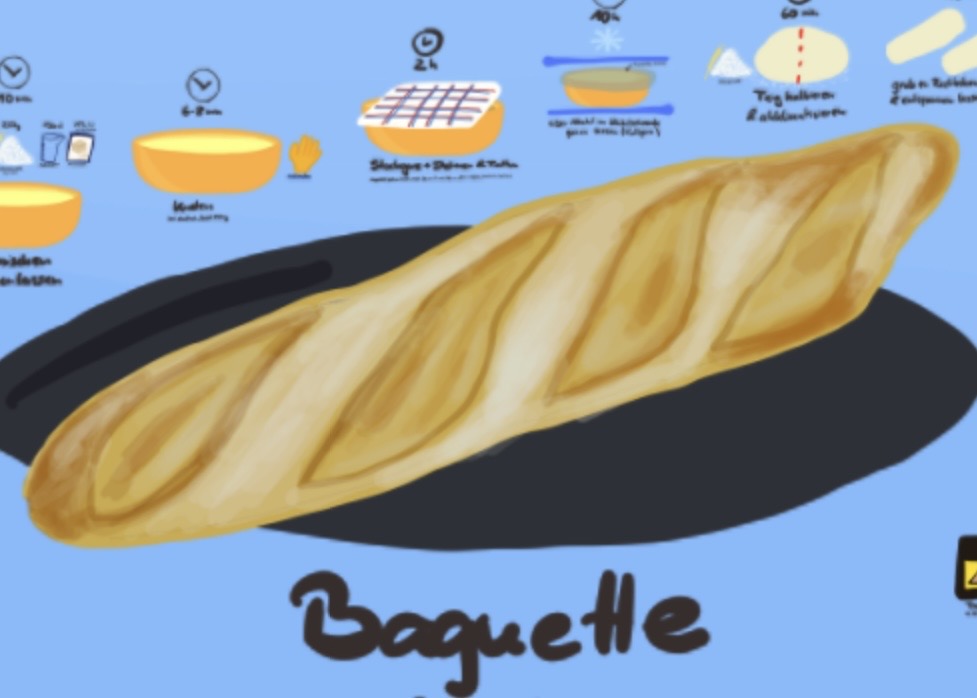
Baguette
Bake your own French-style baguette with this easy and authentic recipe.
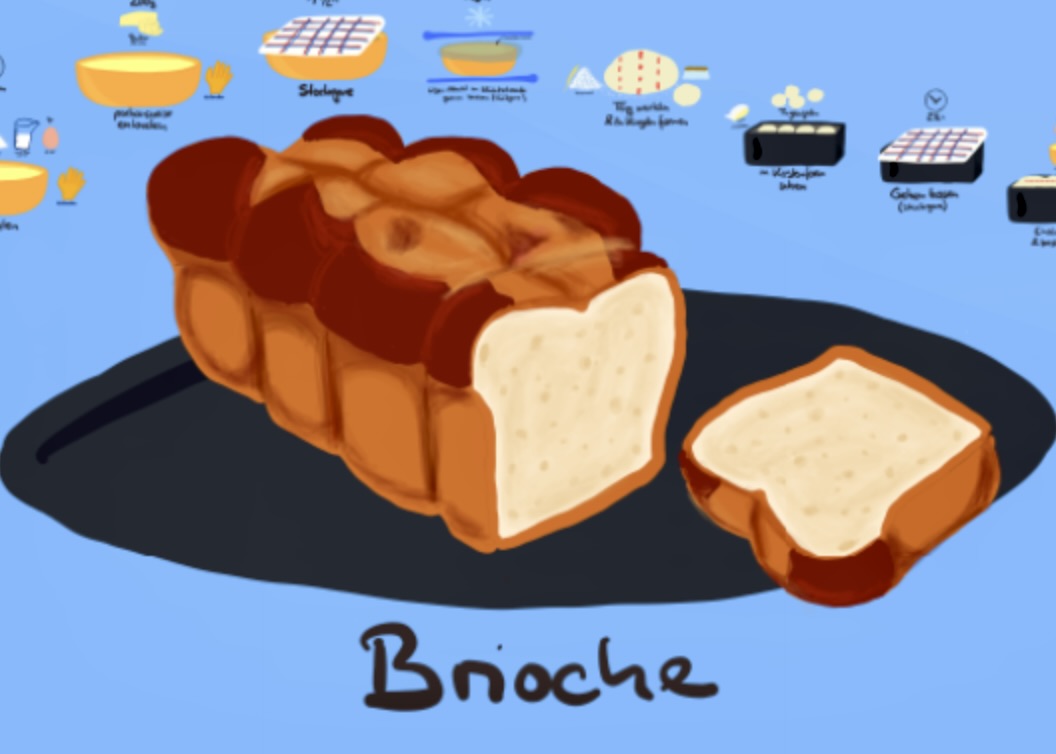
Brioche
Bake rich and buttery brioche, perfect for breakfast or as a sweet treat.
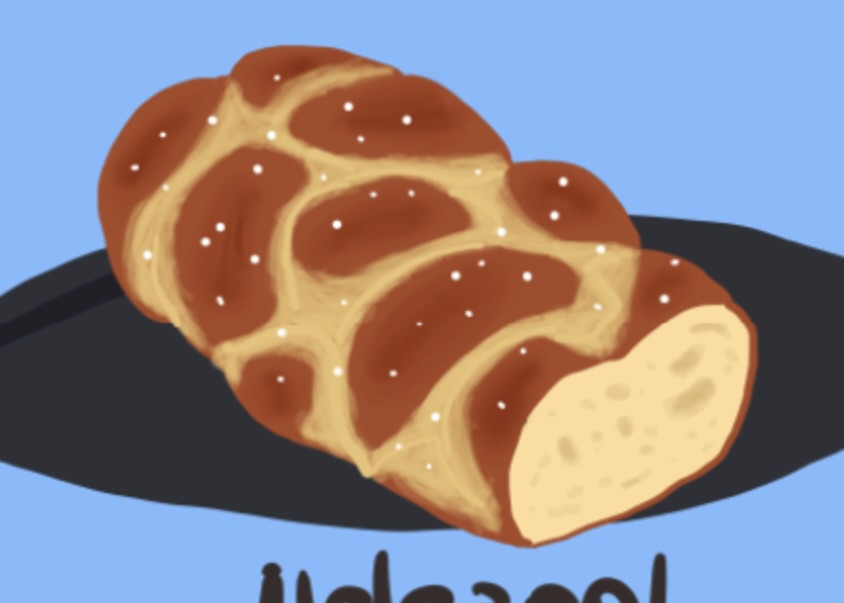
German Braided Sweet Bread
Discover zopf on yummy.world! Soft braided bread—classic, buttery, and perfect for breakfast.

Bagels
Make soft and chewy bagels at home with this foolproof recipe, ideal for any topping.