
ym-rusticrolls
Directions 👩🍳
Tap the map & cook step-by-step
Step-by-step:
- Mix dough: Combine flour, yeast, warm water (or milk), salt, and a little butter.
Show all steps...
- Knead: Knead until elastic.
- Rise: Let rise until doubled.
- Shape rolls: Shape rustic rolls and score the top.
- Bake: Bake hot until crisp and golden.
Rustic Breakfast Rolls: crisp crust, soft center, and perfect for an easy homemade breakfast
Rustic breakfast rolls are the kind of homemade bread that instantly upgrades any morning: a lightly crisp crust, a tender interior, and that bakery-style look with natural cracks and character. They are ideal for breakfast, brunch boards, sandwiches, or make-ahead baking because they feel hearty without being heavy. The key to really good rustic breakfast rolls is simple: proper dough hydration, enough rest time, gentle shaping, and strong oven heat. Get those basics right, and your rolls come out airy, golden, and full of real bread flavor.
Why rustic breakfast rolls work so well
- Great texture contrast: A rustic roll should have a crisp outer shell and a soft, slightly chewy crumb.
- Breakfast-friendly: They pair with sweet toppings, cheese, eggs, cold cuts, butter, or jam.
- Flexible method: You can bake them the same day or use an overnight dough for more flavor.
- Bakery-style look: Imperfect shaping and flour-dusted surfaces actually make them more appealing.
- Freezer-friendly: Rustic breakfast rolls are excellent for batch baking and quick reheating.
High-Value Tips: How to make rustic breakfast rolls really good
- Use enough hydration: A slightly wetter dough helps create an open, soft crumb. Too dry, and the rolls turn dense and tight.
- Do not rush the rest time: Dough needs time to relax, rise, and build flavor. A short rise often leads to compact rolls with less character.
- Handle gently after rising: Rustic breakfast rolls should not be over-shaped. Too much pressure pushes out the gas and reduces the airy texture.
- Flour the surface, not the dough too heavily: A dusted exterior gives that rustic bakery look, but too much flour inside the dough can make the rolls dry.
- High heat helps: A hot oven gives better oven spring, stronger crust, and more color. Preheating properly is non-negotiable.
- Steam improves the crust: A little steam at the start helps the rolls expand before the crust sets, giving better volume and a thinner, crisper shell.
- Watch the bake, not just the clock: Rustic rolls should look deep golden and sound slightly hollow when tapped. Pale rolls often taste underbaked and feel soft instead of crisp.
- Cool briefly before slicing: Fresh rolls smell incredible straight from the oven, but cutting too early can compress the crumb and trap moisture.
Variations & alternatives
- Classic wheat version: Mild flavor, soft crumb, and easy pairing with any breakfast topping.
- With whole grain: Add some whole wheat flour for more bite and a nuttier flavor.
- Seeded rolls: Top with sesame, sunflower, flax, or pumpkin seeds for extra crunch.
- Overnight dough: A cold rise in the fridge gives more flavor and often even better texture.
- Lighter rolls: Use more white flour and slightly less whole grain for a softer breakfast-style result.
- More rustic: Shape loosely, dust generously with flour, and bake darker for a stronger crust and artisan look.
Serving ideas / pairings
- Classic breakfast: Serve warm with butter, jam, honey, or nut butter.
- Brunch-style: Pair with eggs, cream cheese, smoked salmon, or avocado.
- Hearty option: Use them for breakfast sandwiches with cheese, ham, or scrambled eggs.
- Sweet pairing: Great with fruit preserves, cinnamon butter, or chocolate spread.
- Rustic board: Add cheese, cold cuts, boiled eggs, and fresh vegetables for a full breakfast platter.
Storage, Meal-Prep & Reheating
Rustic breakfast rolls are best on the day they are baked, when the crust is still crisp and the crumb is soft. For short storage, keep them at room temperature in a paper bag or wrapped in a kitchen towel so the crust does not soften too quickly. For longer storage, freeze them once fully cooled. To reheat, bake briefly in a hot oven until warm and crisp again. Avoid storing them in the fridge, because that tends to dry out the crumb faster.
FAQ
Why are my breakfast rolls too dense?
This usually comes from dough that is too dry, not enough rising time, or too much handling after proofing.
How do I get a crisp crust?
Use a properly preheated oven, bake at strong heat, and add a little steam at the beginning if possible.
Can I prepare the dough the night before?
Yes. An overnight dough often gives better flavor and makes morning baking easier.
Why do my rolls spread too much?
The dough may be too wet, under-shaped, or over-proofed. Better surface tension and careful timing help.
Can I freeze rustic breakfast rolls?
Absolutely. Freeze them fully cooled, then reheat in the oven for the best crust and texture.
Best Bread Recipes to Try at Home
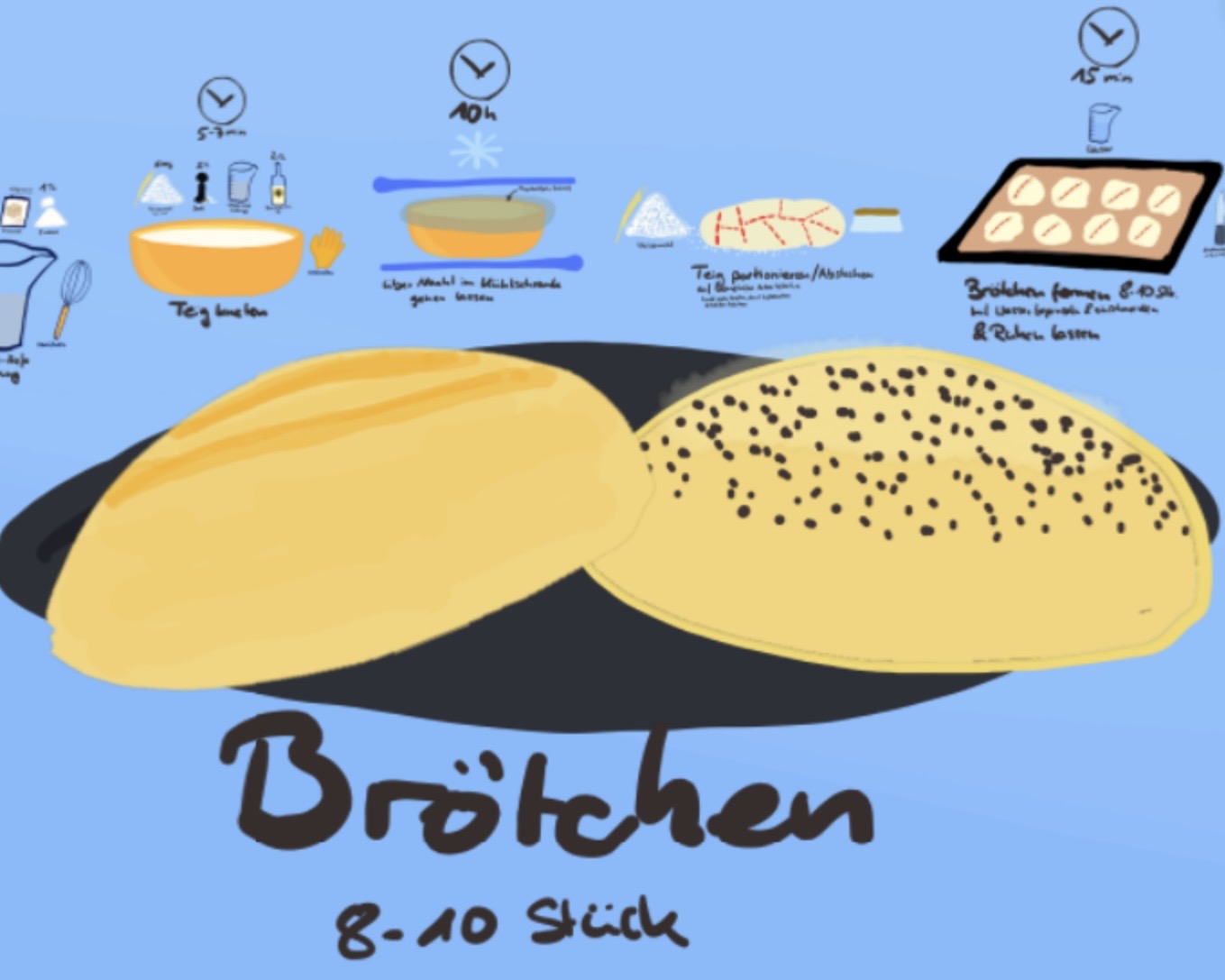
Rolls
Bake fluffy Sunday rolls with a golden crust and soft crumb. Includes tips for proofing, baking, storage, freezing, and serving for breakfast or brunch.

English Muffins
Create golden and fluffy English muffins, perfect for breakfast or sandwiches.

Cheese Naan
Discover Cheese Naan on yummy.world! Gooey, savory stuffed naan—perfect side for curries and sharing.
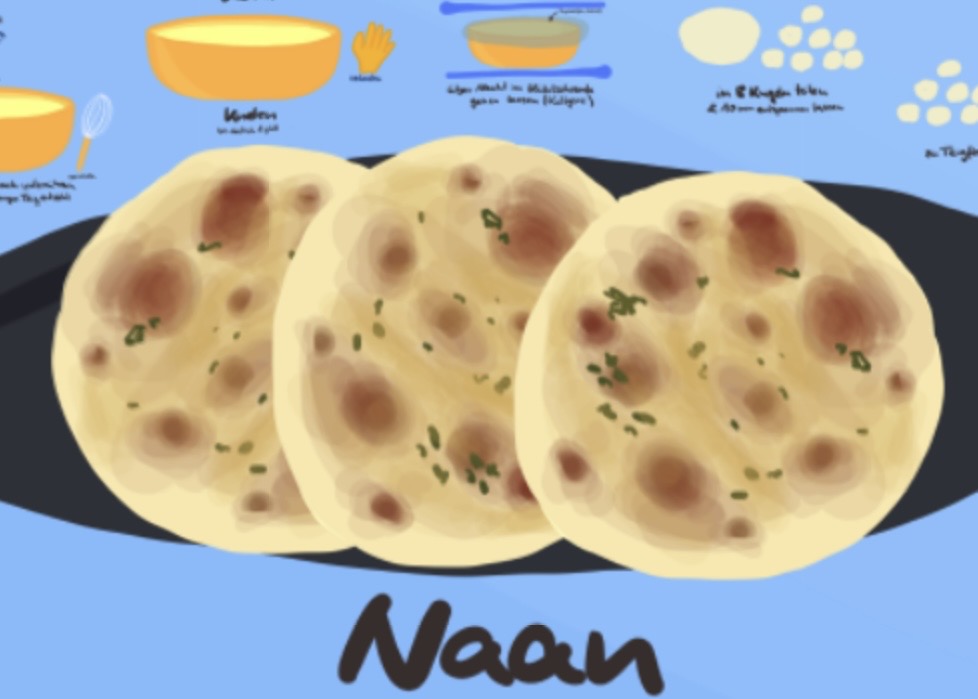
Indian Butter Naan Bread
Discover Indian Naan Bread on yummy.world! Soft, fluffy, pan-baked flatbread—perfect with curry and dips.
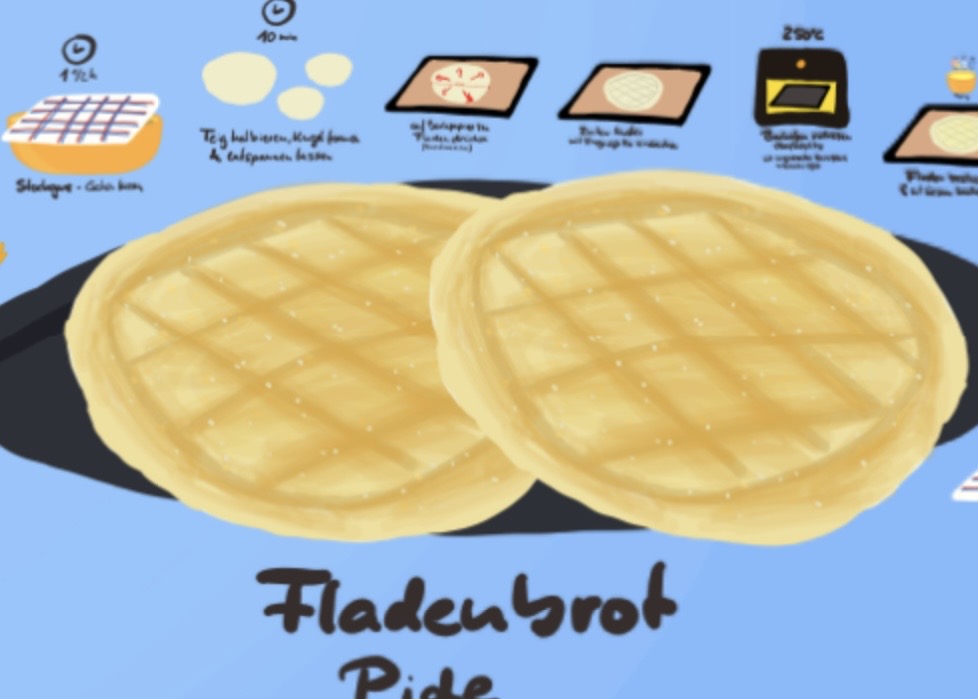
Pide bread
Discover Pide bread on yummy.world! Soft Turkish flatbread—easy to bake, perfect for dips and meals.
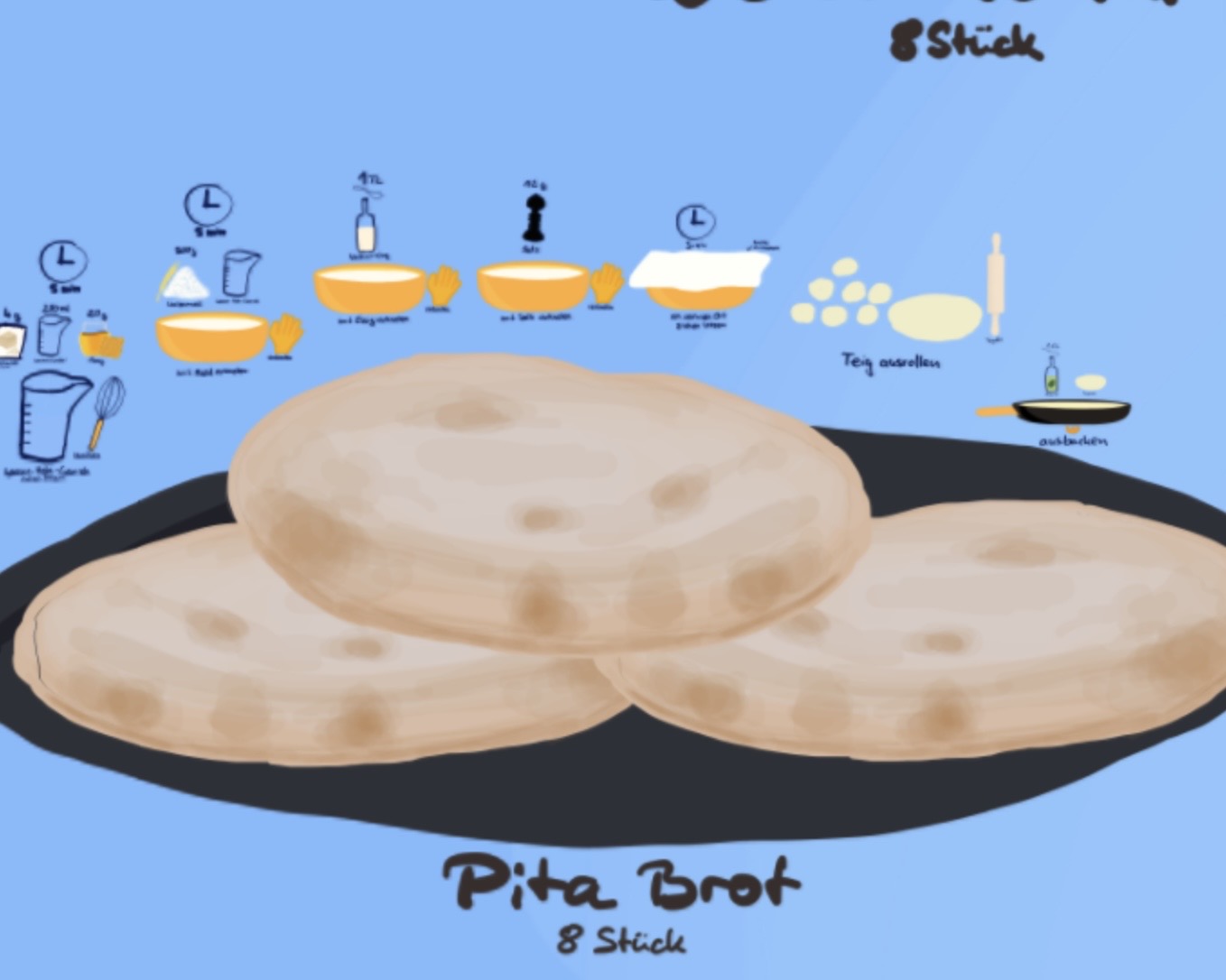
Pita bread
Bake fluffy and pocketed pita bread, ideal for wraps or dipping.

Flour Tortillas
Create soft and delicious tortillas, ideal for wraps and tacos.
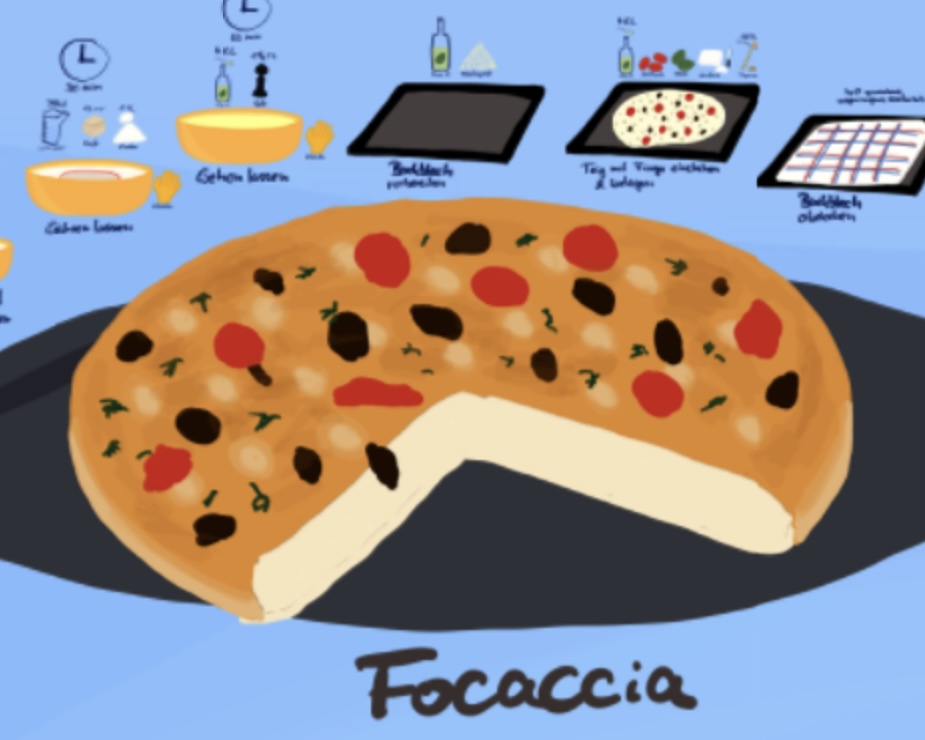
Focaccia
Bake fluffy focaccia with olive oil, thyme, tomatoes, olives and feta. Step-by-step method, proofing tips, storage advice and serving ideas.
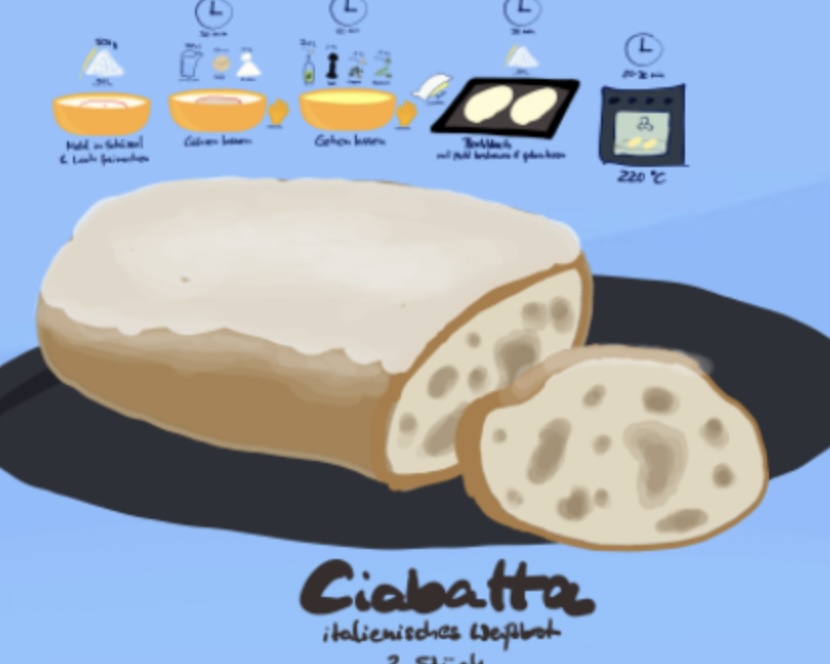
Ciabatta Bread
Create fluffy and crusty ciabatta bread, perfect for sandwiches or dipping.
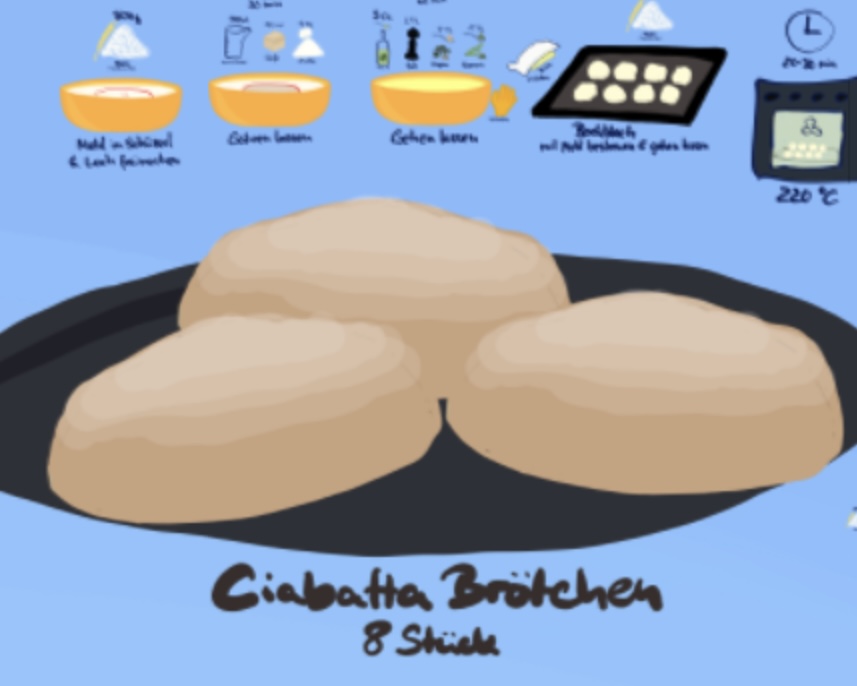
Ciabatta Rolls
[Translate to EnglishUS:] Bake soft and golden ciabatta rolls, versatile for any meal or occasion.
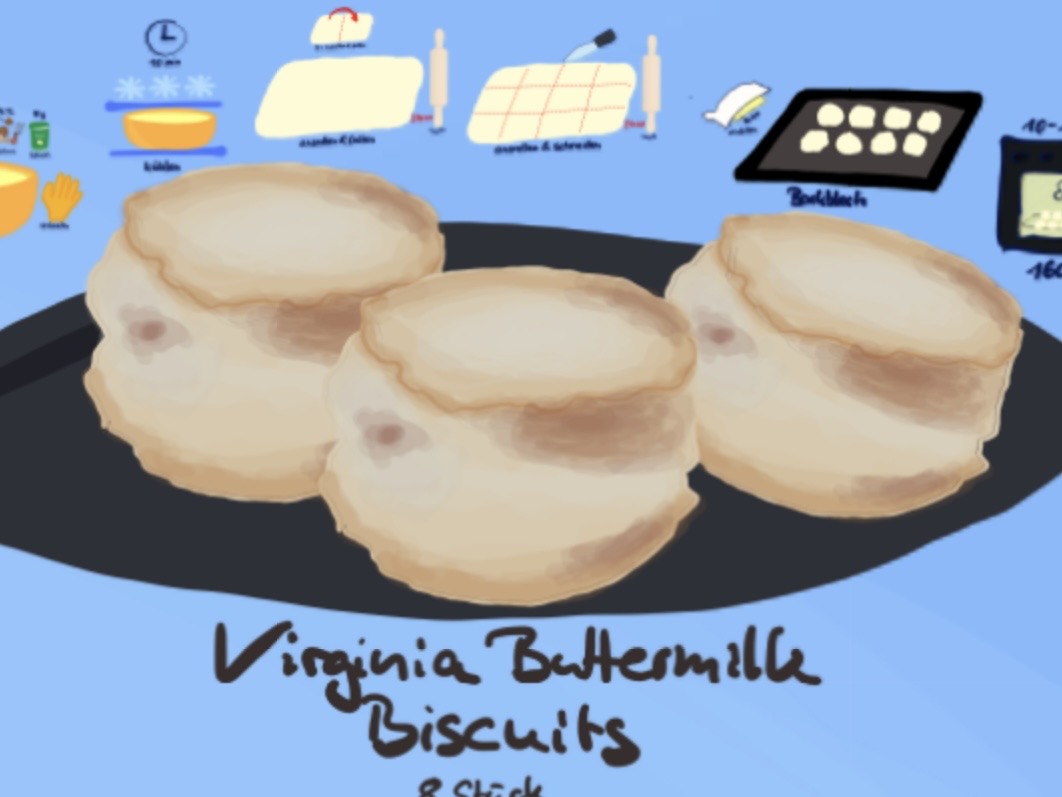
Virginia Buttermilk Biscuits
Bake soft and flaky buttermilk biscuits, a delightful side for any meal.
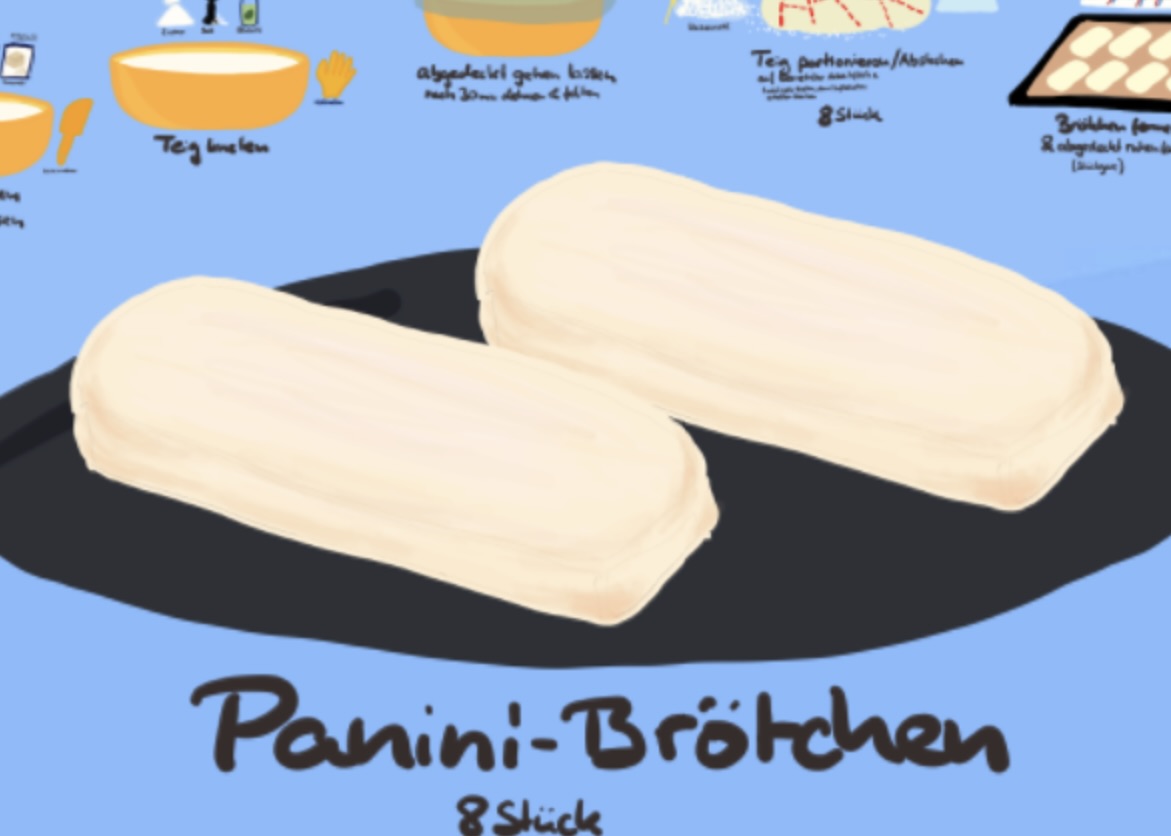
Panini Bread
Discover panini bread on yummy.world! Soft rolls made for pressing—perfect base for hot sandwiches.
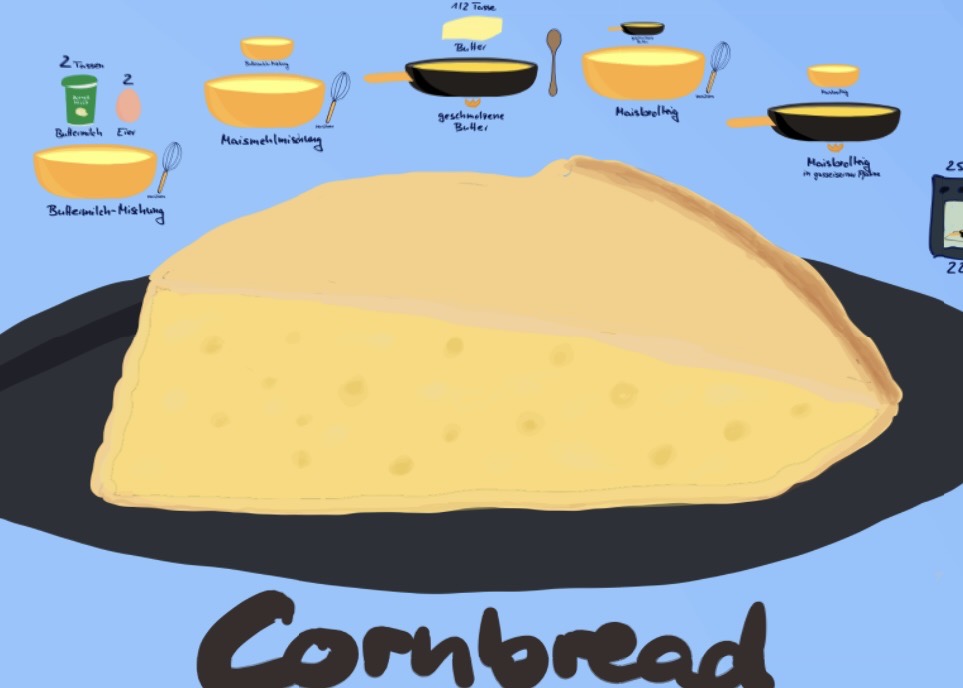
Cornbread
Enjoy the rich and moist texture of homemade cornbread, a perfect side for BBQs or soups.

Pumpernickel
Bake hearty and rich Pumpernickel bread, perfect for any meal.
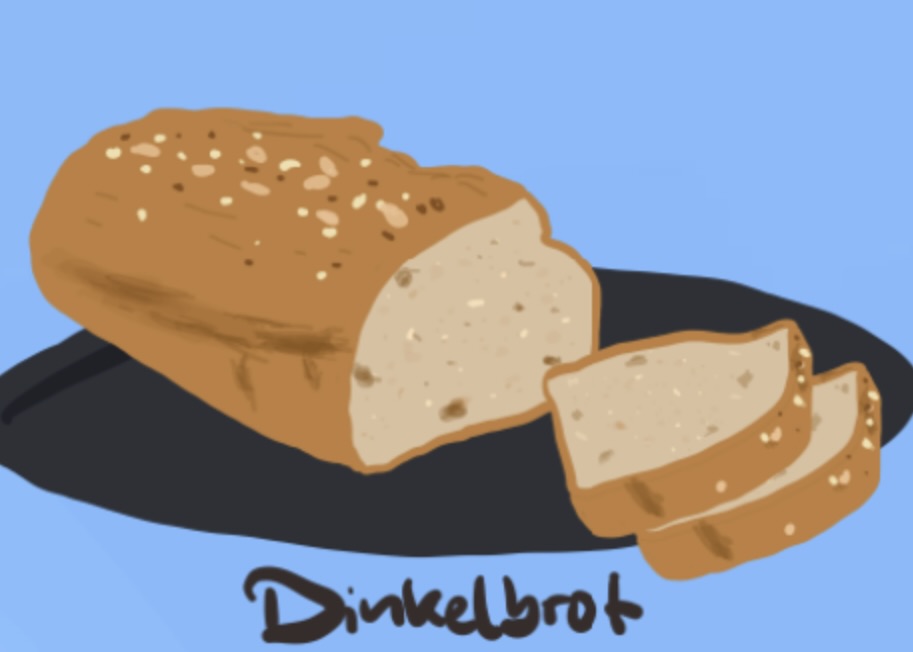
Spelt bread
Bake wholesome and delicious spelt bread, perfect for every occasion.
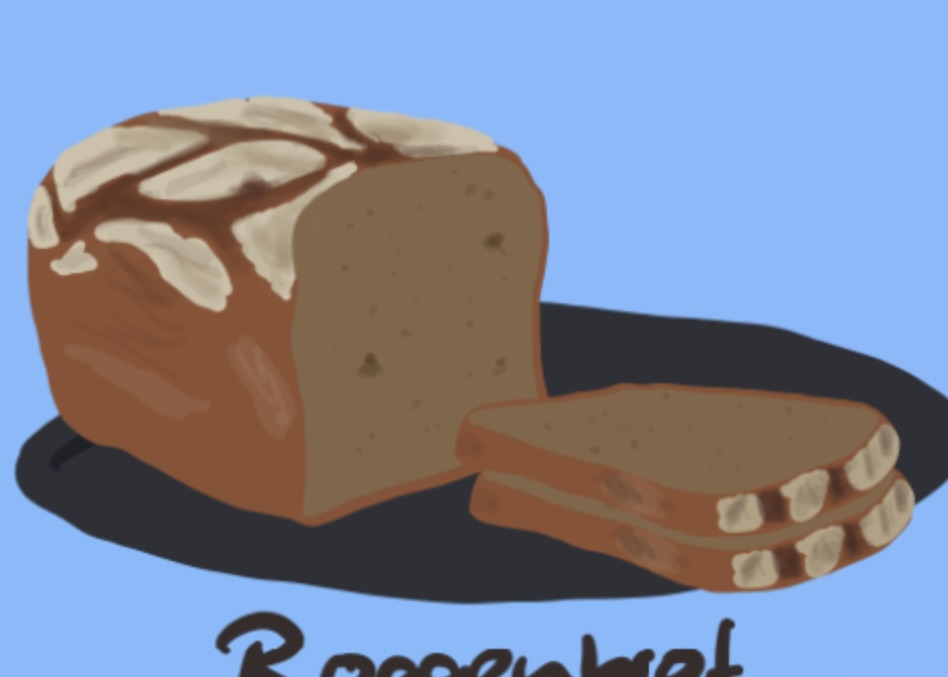
Rye bread
Bake hearty rye bread with rich flavors, perfect for any meal.
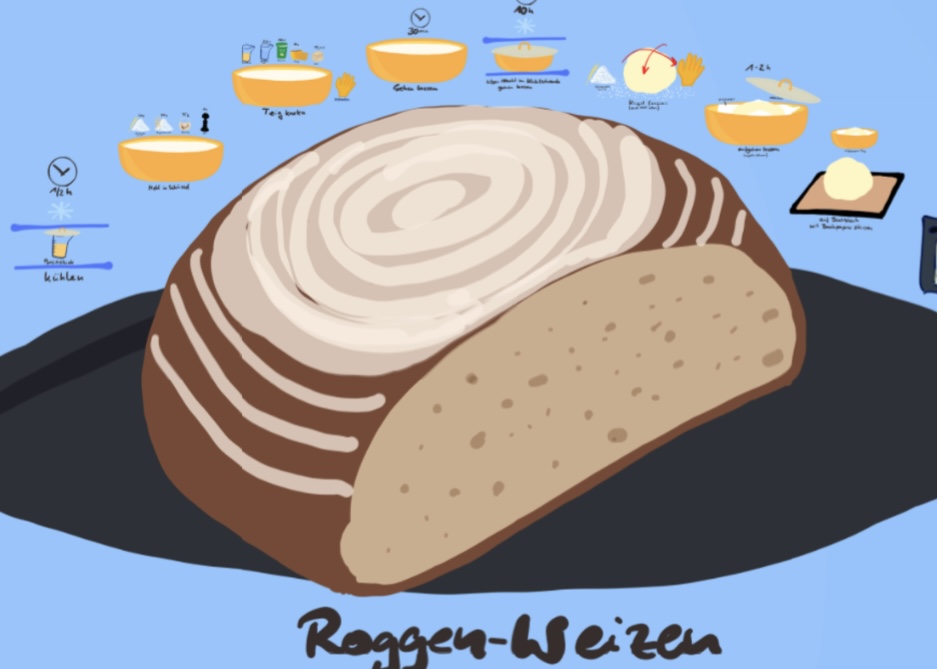
Mixed Rye Bread with Whole Grain Rye
Savor the hearty taste of rye-wheat mixed bread, perfect for sandwiches or spreads.
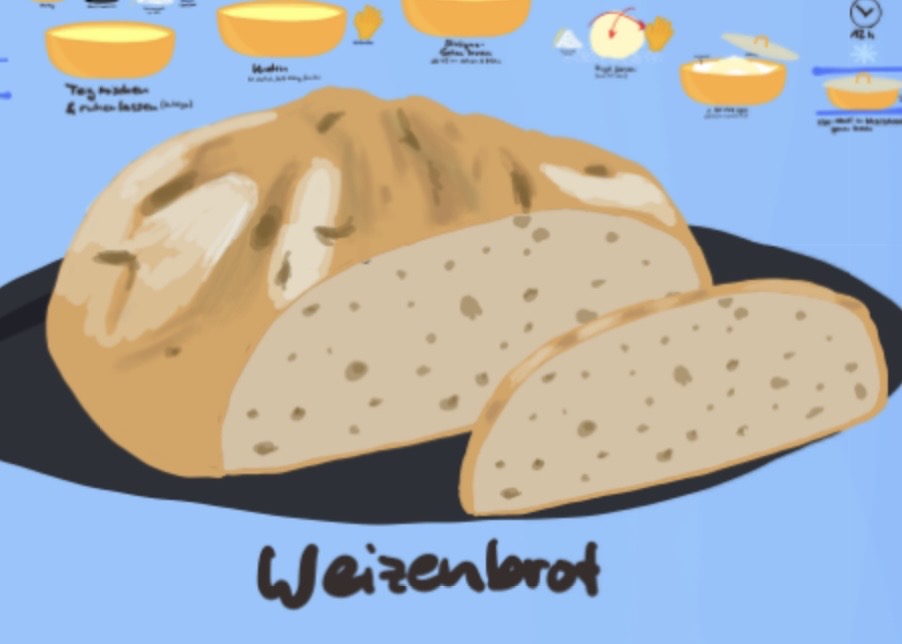
Wheat bread
Bake soft and wholesome wheat bread, ideal for sandwiches or toast.
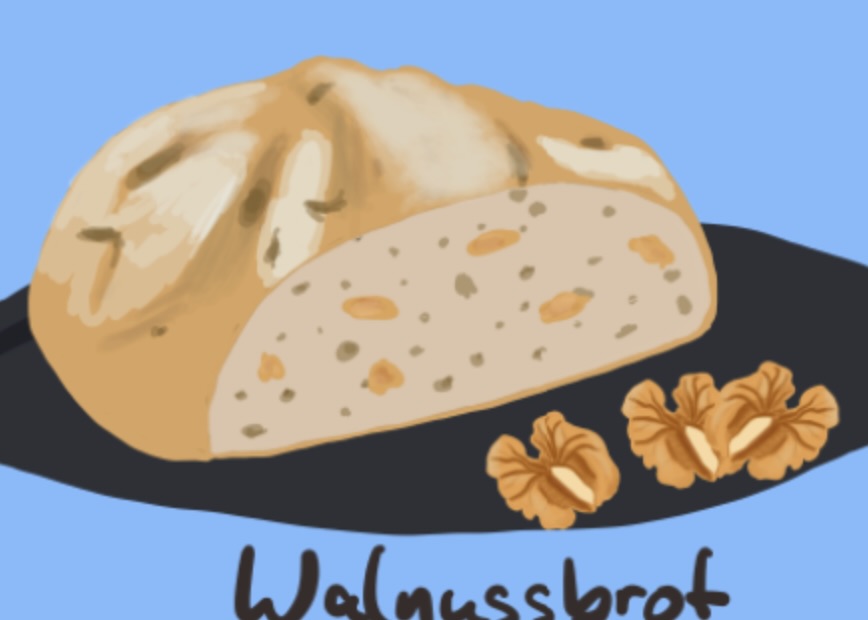
Walnut bread
Enjoy the hearty taste of walnut bread, perfect with cheese or as a snack.
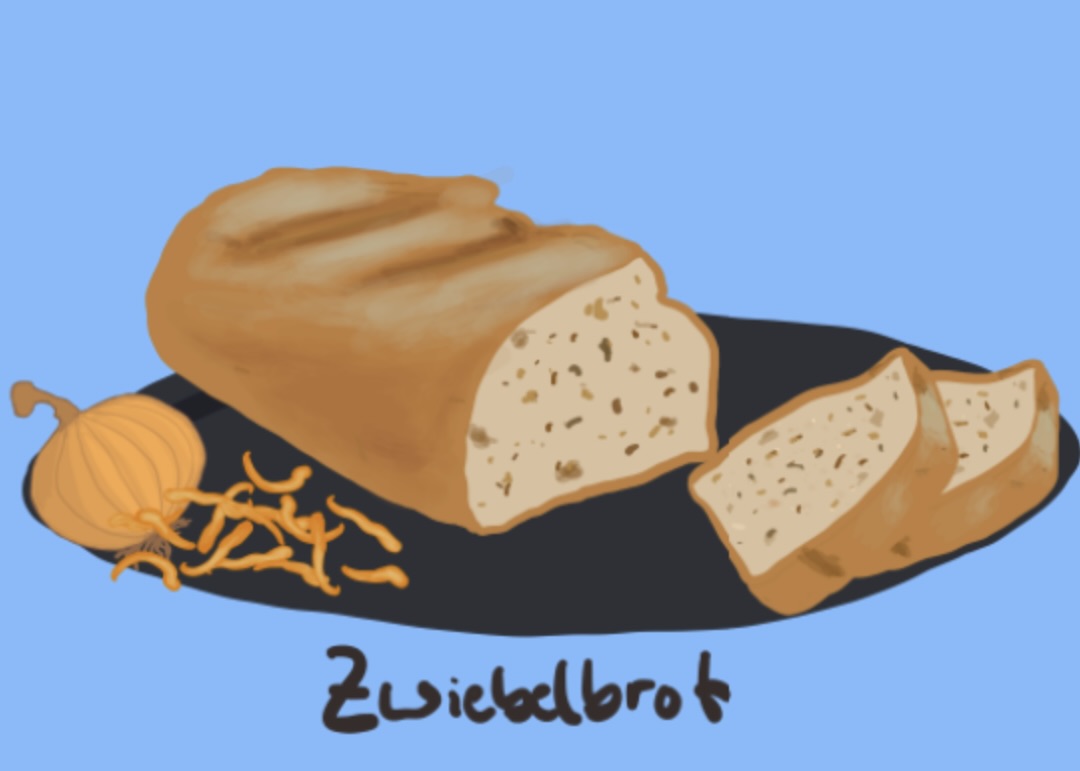
Onion bread
Bake hearty onion bread, perfect as a side for soups or a base for sandwiches.
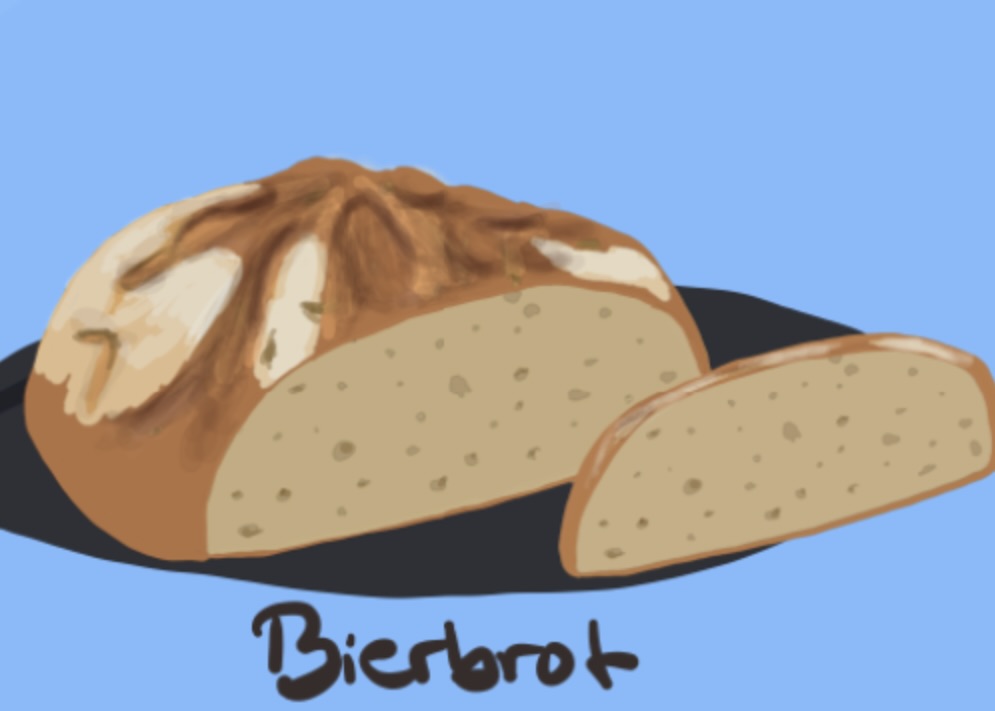
Beer bread
Bake flavorful beer bread, a quick and easy addition to any meal.
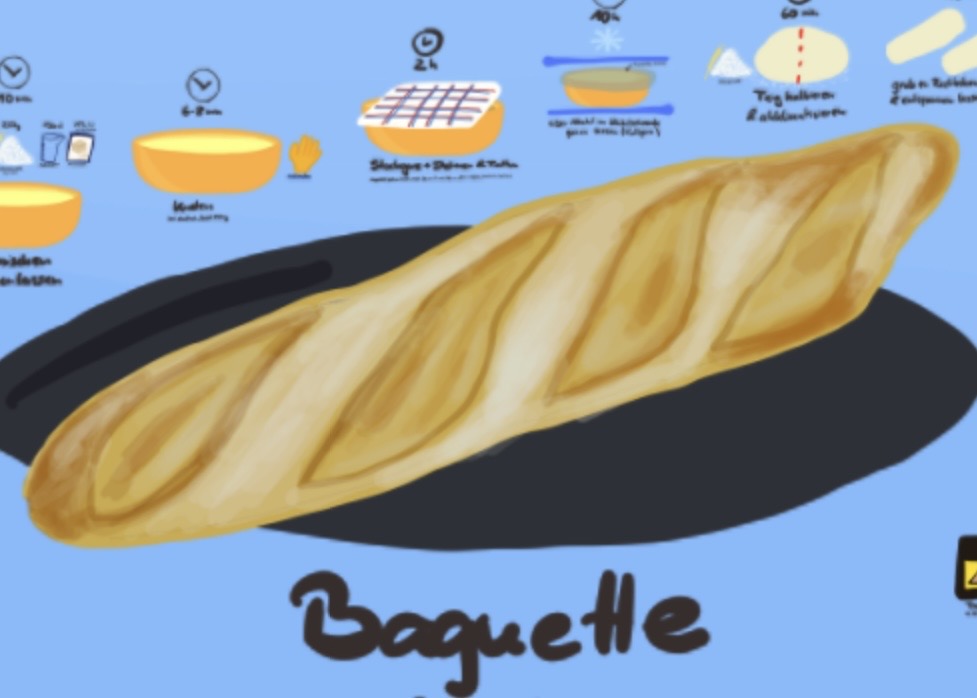
Baguette
Bake your own French-style baguette with this easy and authentic recipe.
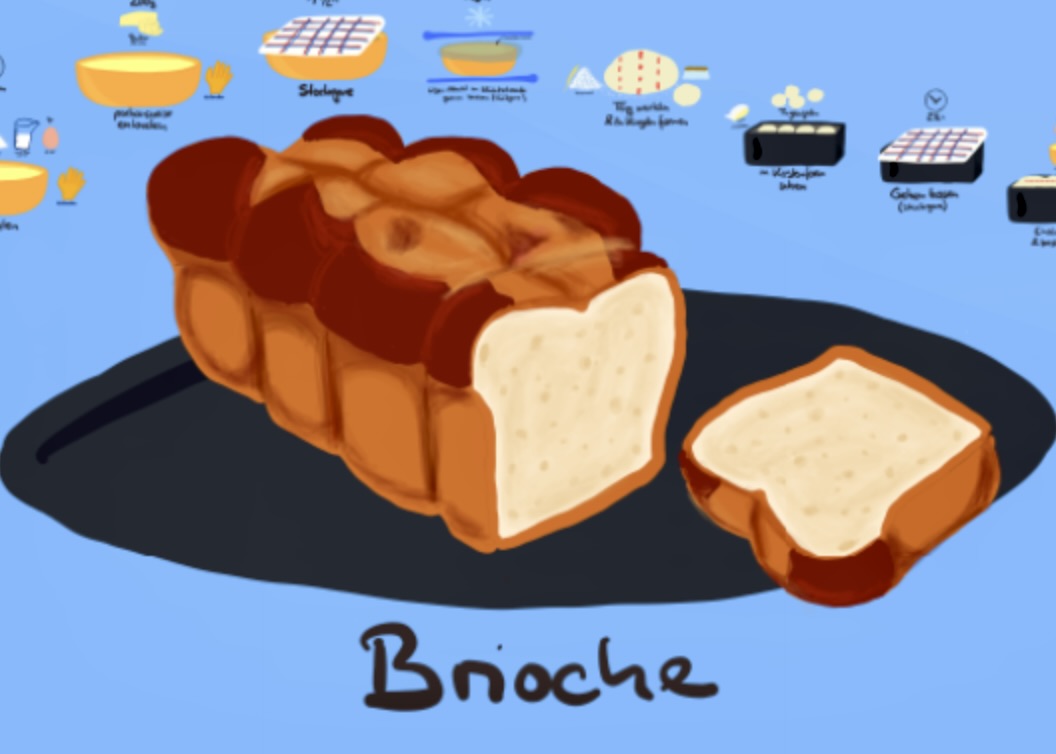
Brioche
Bake rich and buttery brioche, perfect for breakfast or as a sweet treat.

German Braided Sweet Bread
Discover zopf on yummy.world! Soft braided bread—classic, buttery, and perfect for breakfast.

Bagels
Make soft and chewy bagels at home with this foolproof recipe, ideal for any topping.