
Savory Onion Bread Recipe
Directions 👩🍳
Tap the map & cook step-by-step
Step-by-step:
- Cook onions: Gently sauté onions until soft and caramelized; cool.
Show all steps...
- Make dough: Mix flour, yeast, salt, water; knead until smooth.
- Add onions: Fold cooled onions into the dough.
- Rise and shape: Let rise, shape loaf, proof again.
- Bake: Bake until golden; cool before slicing.
Onion Bread: savory, aromatic, and perfect for hearty sandwiches, soups, and cheese boards
Onion bread is one of those loaves that instantly feels richer and more flavorful than plain everyday bread. Sweet, slowly cooked onions bring depth, aroma, and a slightly savory sweetness that makes every slice more interesting. It works beautifully for breakfast, rustic sandwiches, soup nights, snack boards, or simply warm with butter. The key to really good onion bread is balance: enough onion flavor without making the crumb wet, enough structure to hold the mix-ins, and enough bake color to bring out the bread’s full aroma. Done right, onion bread is soft, sliceable, deeply aromatic, and far from heavy or greasy.
Why onion bread works so well
- Big flavor from a simple add-in: Onions bring sweetness, umami, and savory depth without needing many extra ingredients.
- Great texture contrast: A tender crumb plus soft onion pieces creates a more interesting bite than plain bread.
- Works with many toppings: Onion bread pairs well with butter, cream cheese, ham, cheese, eggs, soups, and grilled vegetables.
- Rustic but practical: It feels special enough for guests, yet still works as an everyday loaf.
- Excellent make-ahead bread: Onion bread stores well and often tastes even better once the aroma settles.
High-Value Tips: How to make onion bread really good
- Cook the onions first: Raw onions release too much moisture and can taste harsh in the loaf. Slowly cook or caramelize them until soft and sweet.
- Cool the onions before adding: Warm onions can weaken dough structure and affect fermentation. Let them cool fully before folding them in.
- Moisture control is critical: Onions hold water. If they are too wet, the bread can turn gummy or heavy. Cook off excess moisture and avoid adding oily onion mixture straight from the pan.
- Fold in gently: Add onions after the dough already has some structure. This helps keep the crumb lighter and prevents overmixing.
- Do not overload the dough: Too many onions can make the loaf dense and harder to slice cleanly. Aim for balanced distribution, not onion-packed heaviness.
- Build enough bake color: Onion bread benefits from a nicely browned crust, because those roasted notes deepen the savory flavor.
- Season with restraint: Onions already bring a lot of personality. Herbs, pepper, or a little cheese can work, but they should support the loaf, not overpower it.
- Let it cool before slicing: This helps the crumb set and keeps the onion pieces from pulling the slices apart.
Variations & alternatives
- Classic onion bread: A mild wheat-based loaf with soft cooked onions folded through.
- Caramelized onion bread: Deeper, sweeter, and more intense thanks to darker cooked onions.
- Whole grain onion bread: Add some whole wheat flour for more rustic texture and nuttier flavor.
- Cheese and onion bread: Add a little cheddar, Gruyère, or Parmesan for a richer savory loaf.
- Herb onion bread: Thyme, rosemary, or chives pair especially well with the onion aroma.
- Seeded onion bread: Add sesame, sunflower, or pumpkin seeds for more bite and contrast.
Serving ideas / pairings
- Breakfast favorite: Serve with butter, cream cheese, eggs, or savory spreads.
- Sandwich loaf: Great with ham, cheese, roast beef, smoked turkey, or grilled vegetables.
- Soup partner: Onion bread works especially well with tomato soup, lentil soup, potato soup, and creamy vegetable soups.
- Cheese board option: Pair with aged cheese, soft goat cheese, blue cheese, or herbed butter.
- Toasted slices: Toast and top with melted cheese, mustard, or a fried egg for a simple savory meal.
Storage, Meal-Prep & Reheating
Onion bread keeps well once fully cooled and stored wrapped at room temperature so it does not dry out too fast. Because onion breads can hold moisture well, the loaf often stays pleasant for several days. Slice only what you need to protect the crumb. For longer storage, freeze it whole or in slices. Toasting or brief reheating works especially well and brings back both aroma and crust character. If the loaf feels slightly soft from the onions, a short oven refresh helps restore better texture.
FAQ
Why is my onion bread gummy?
Usually the onions were too wet or the loaf was sliced too early. Cook off excess moisture and cool the bread fully before cutting.
Should I use raw or cooked onions?
Cooked onions are much better. They taste sweeter, are less harsh, and release less disruptive moisture into the dough.
Can I use caramelized onions?
Yes, absolutely. They give onion bread a deeper, sweeter, more intense flavor.
What goes best with onion bread?
Butter, cream cheese, cheese, eggs, soups, ham, roast beef, and savory spreads all work very well.
Can I freeze onion bread?
Yes. It freezes very well, especially sliced, so you can toast portions as needed.
Best Bread Recipes to Try at Home

Rustic Breakfast Rolls
Discover rustic breakfast rolls on yummy.world! Crusty outside, fluffy inside—easy homemade bakery vibes.
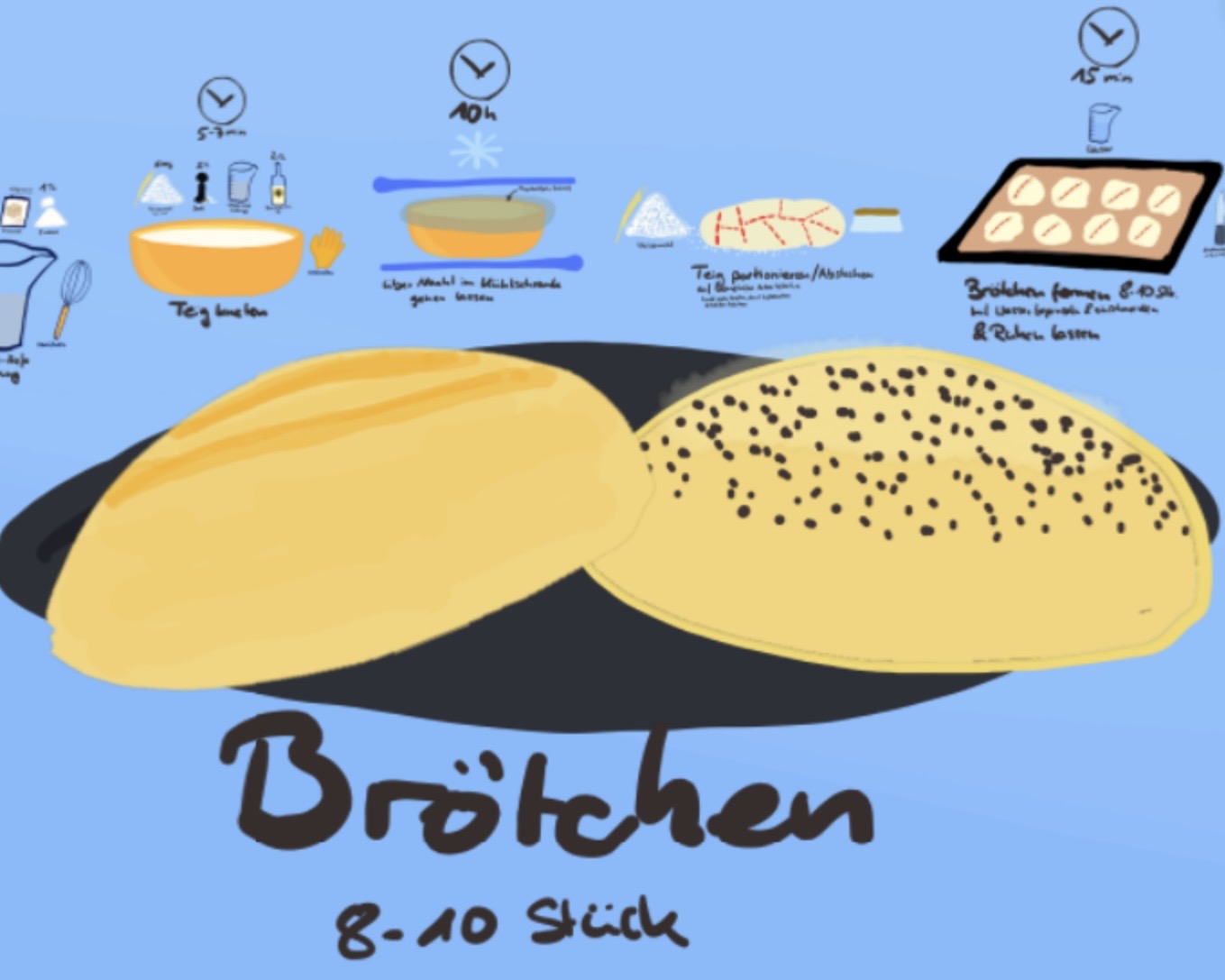
Rolls
Bake fluffy Sunday rolls with a golden crust and soft crumb. Includes tips for proofing, baking, storage, freezing, and serving for breakfast or brunch.
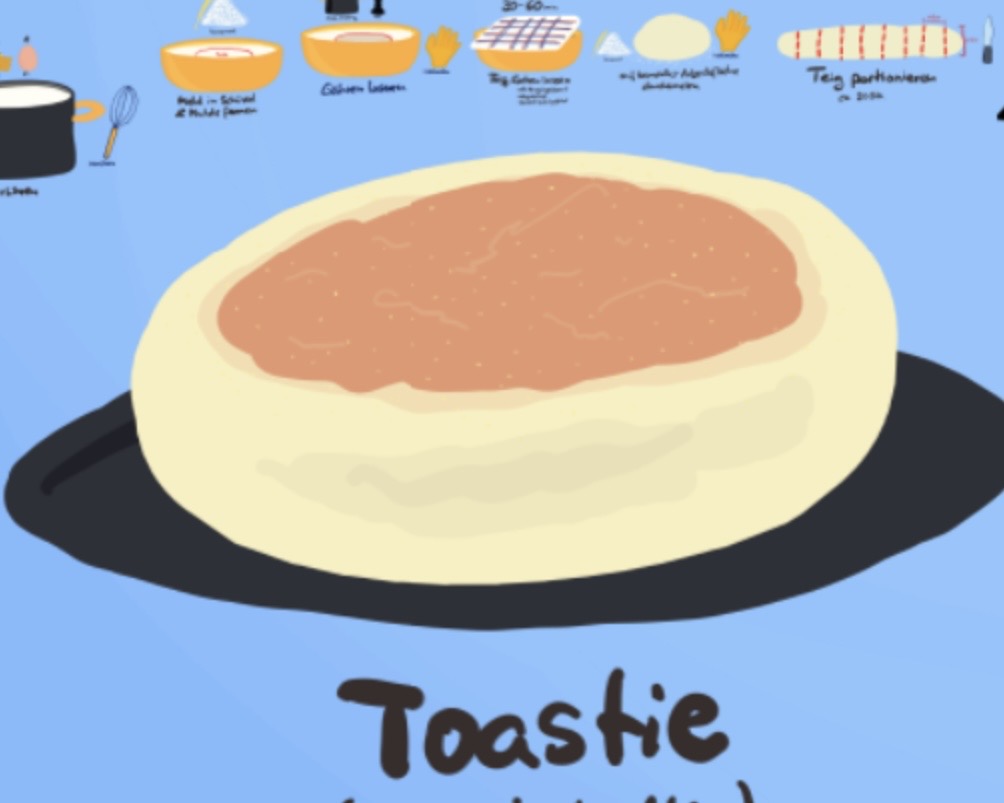
English Muffins
Create golden and fluffy English muffins, perfect for breakfast or sandwiches.

Cheese Naan
Discover Cheese Naan on yummy.world! Gooey, savory stuffed naan—perfect side for curries and sharing.
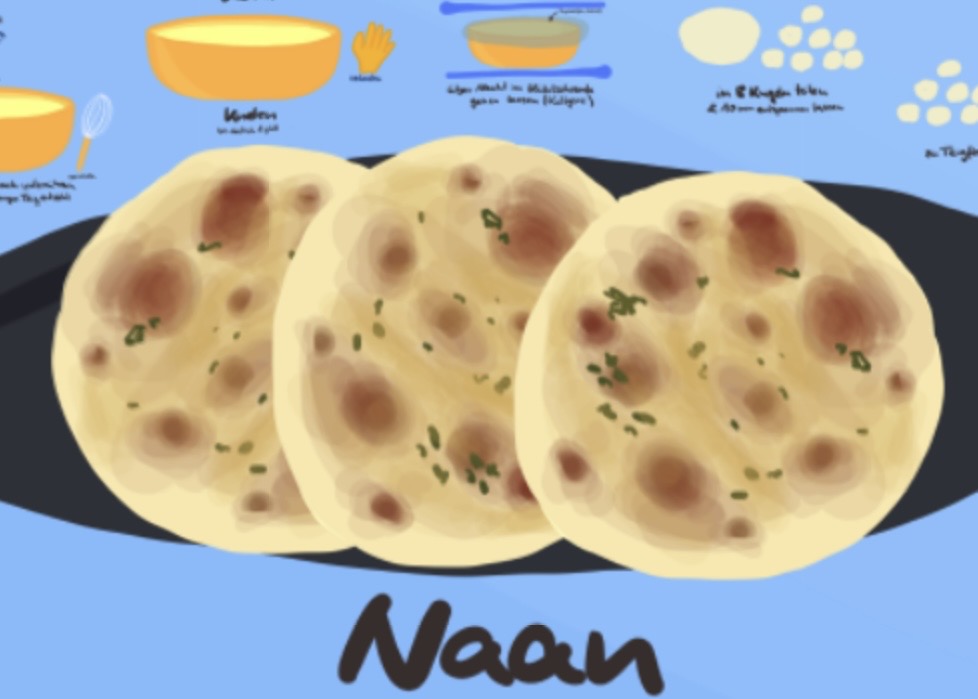
Indian Butter Naan Bread
Discover Indian Naan Bread on yummy.world! Soft, fluffy, pan-baked flatbread—perfect with curry and dips.
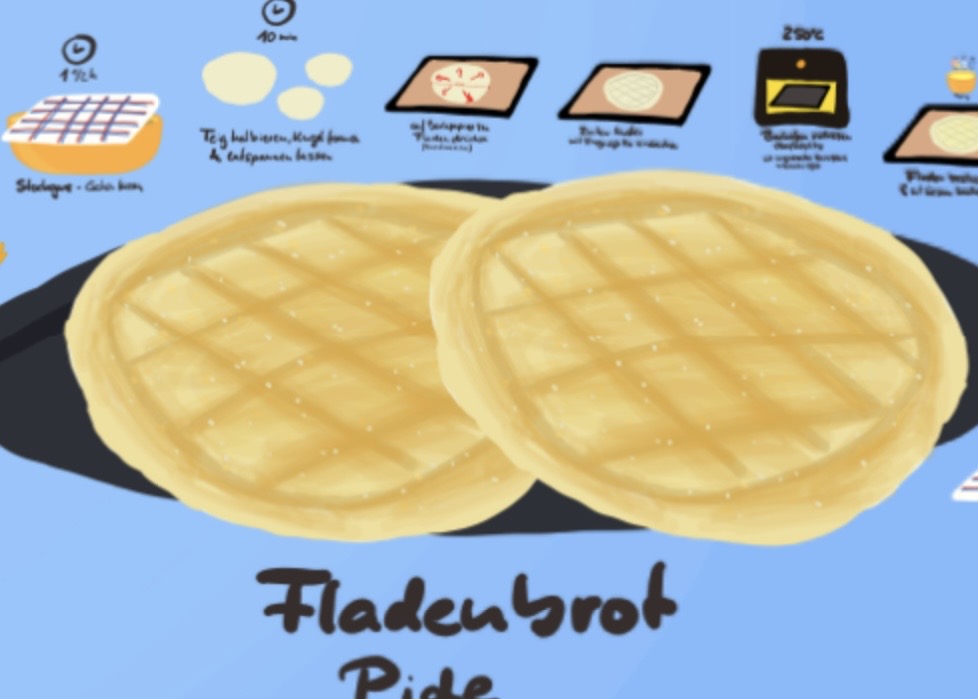
Pide bread
Discover Pide bread on yummy.world! Soft Turkish flatbread—easy to bake, perfect for dips and meals.
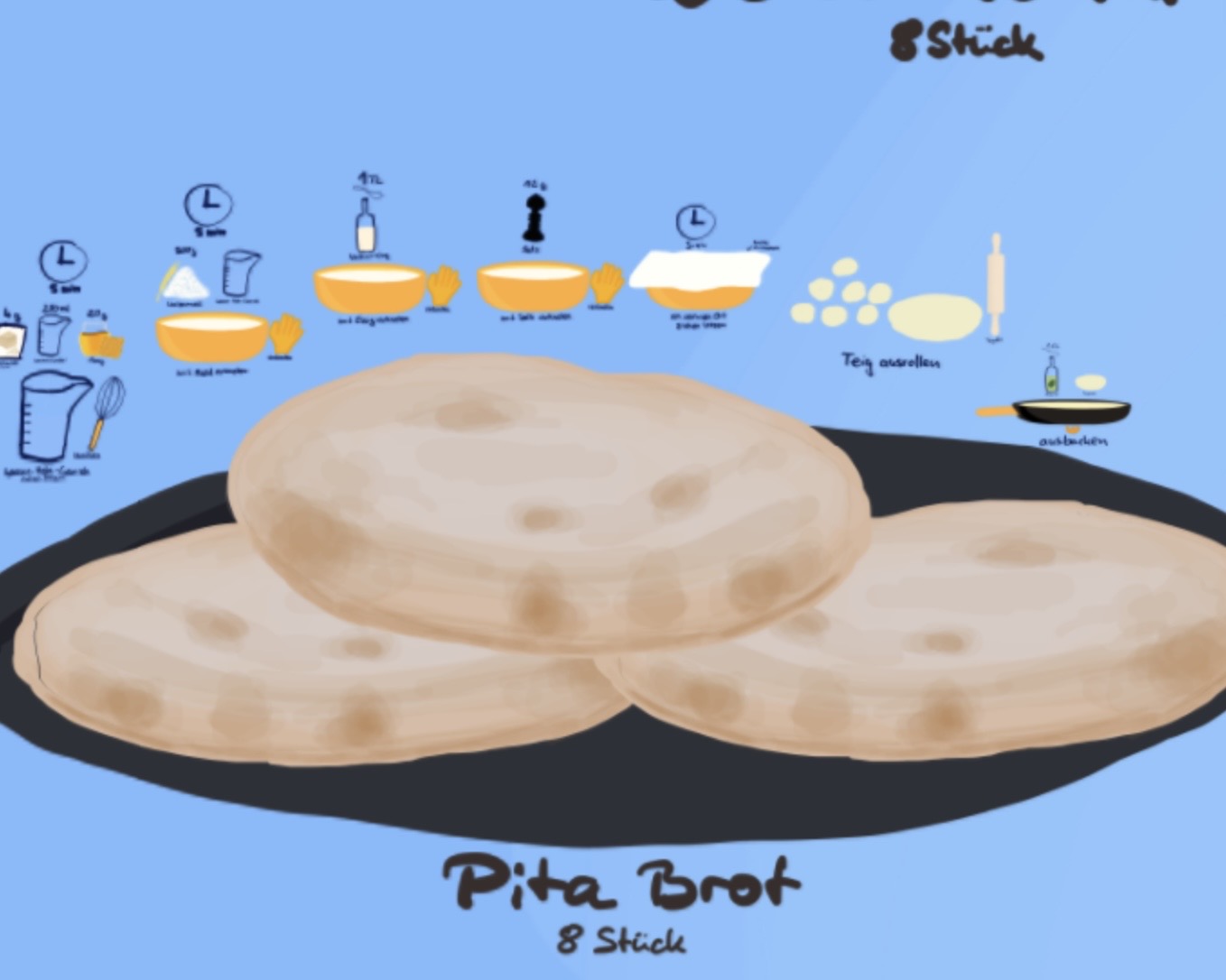
Pita bread
Bake fluffy and pocketed pita bread, ideal for wraps or dipping.
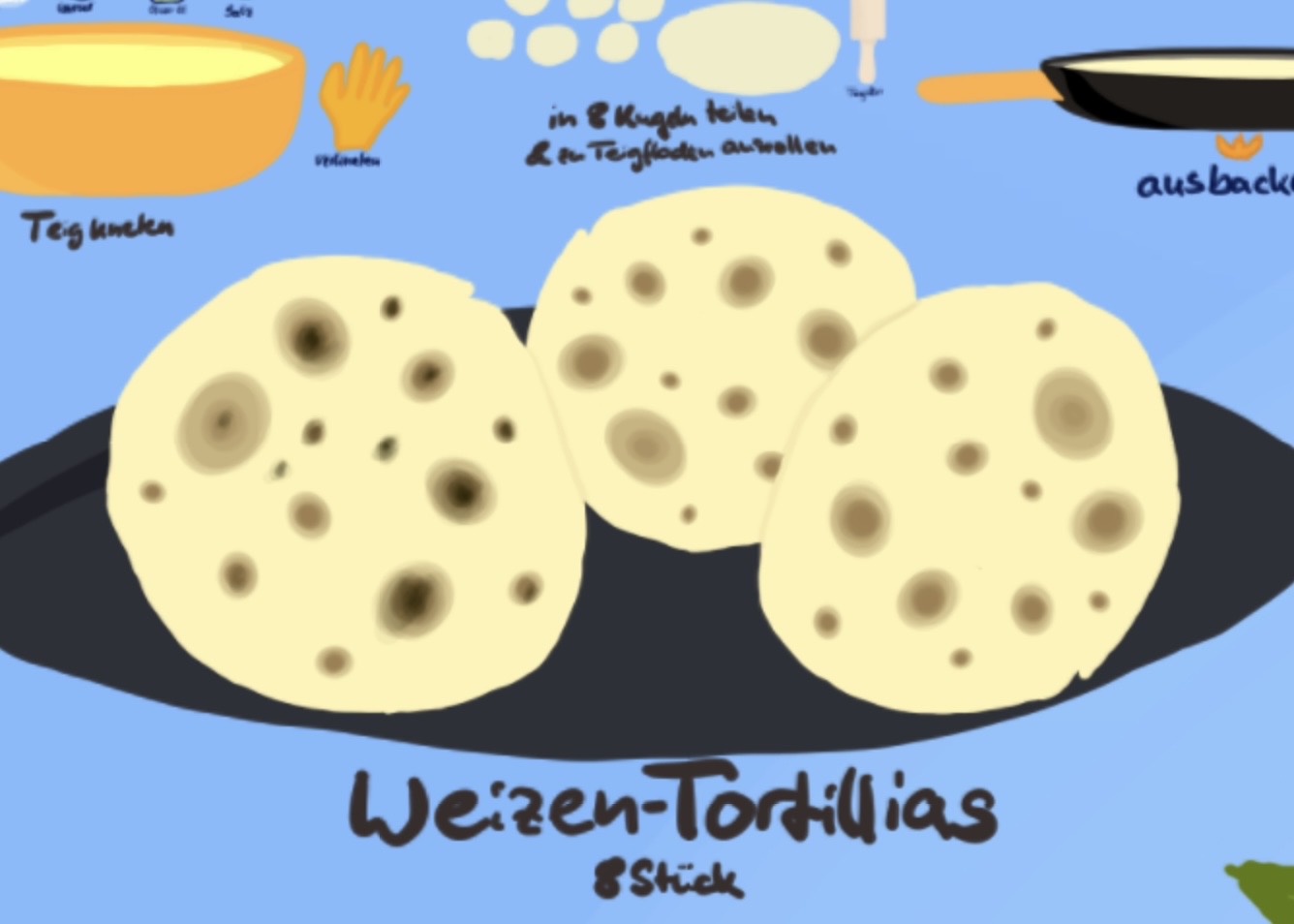
Flour Tortillas
Create soft and delicious tortillas, ideal for wraps and tacos.
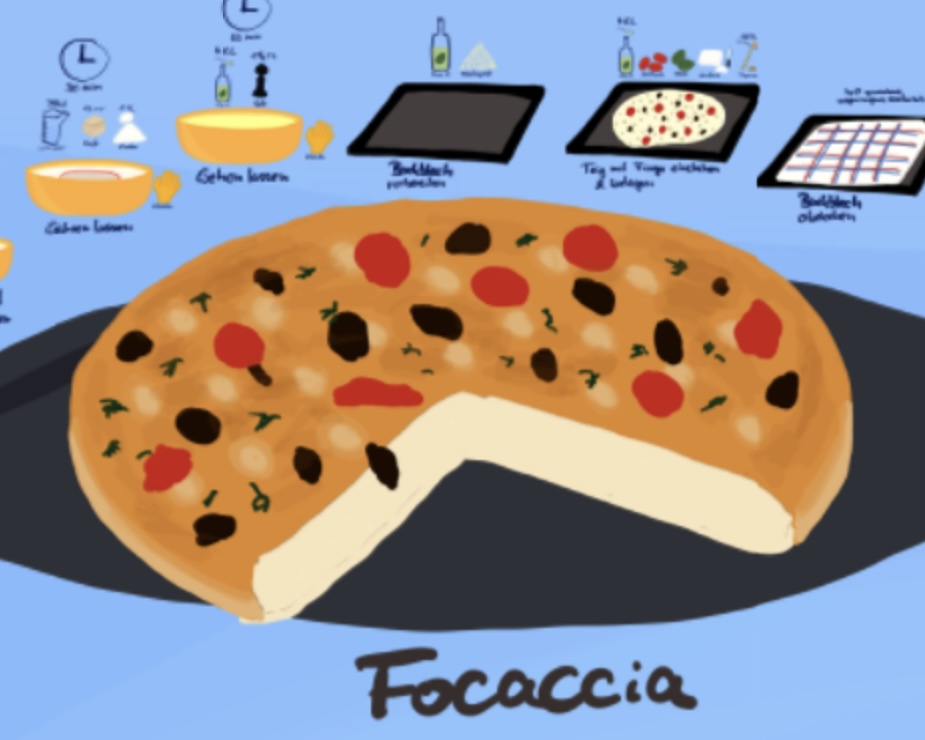
Focaccia
Bake fluffy focaccia with olive oil, thyme, tomatoes, olives and feta. Step-by-step method, proofing tips, storage advice and serving ideas.
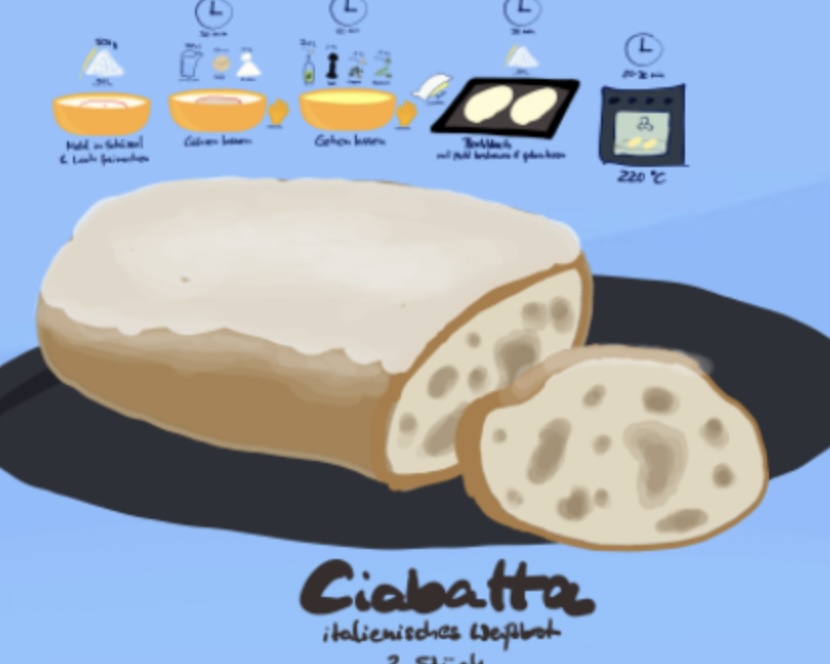
Ciabatta Bread
Create fluffy and crusty ciabatta bread, perfect for sandwiches or dipping.
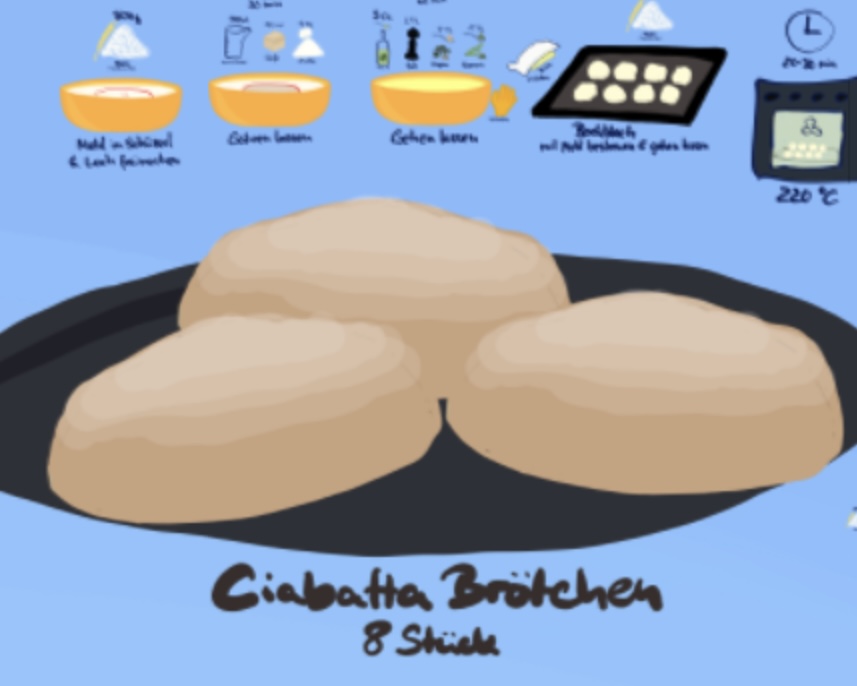
Ciabatta Rolls
[Translate to EnglishUS:] Bake soft and golden ciabatta rolls, versatile for any meal or occasion.

Virginia Buttermilk Biscuits
Bake soft and flaky buttermilk biscuits, a delightful side for any meal.
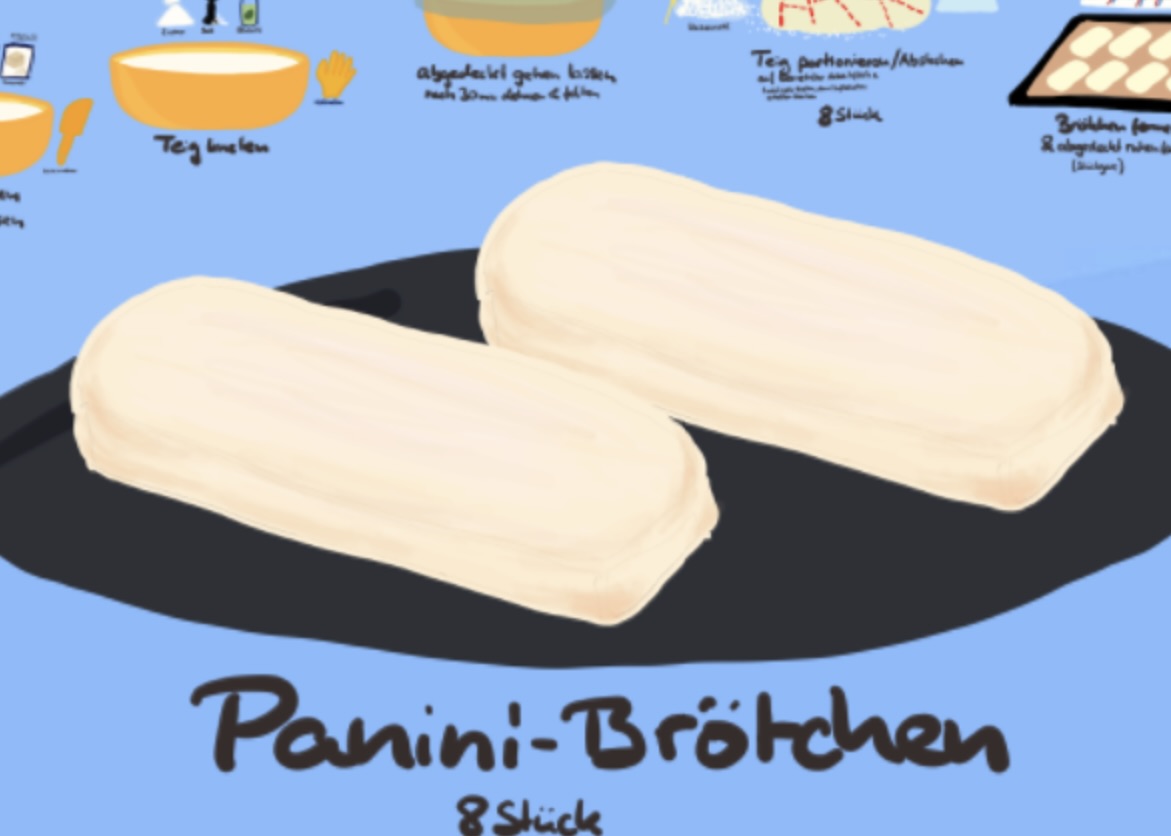
Panini Bread
Discover panini bread on yummy.world! Soft rolls made for pressing—perfect base for hot sandwiches.
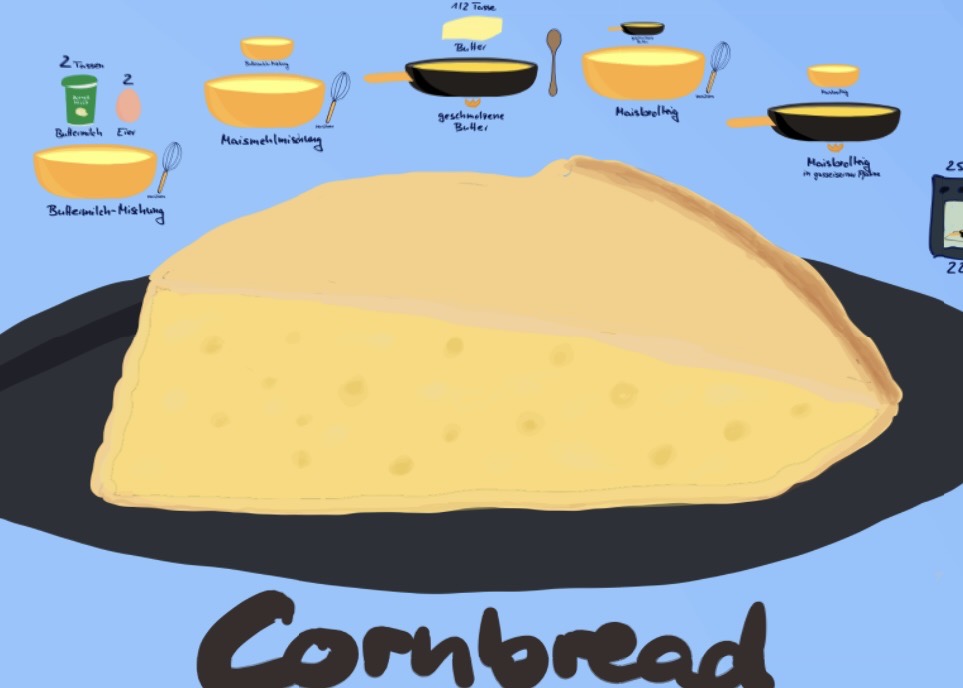
Cornbread
Enjoy the rich and moist texture of homemade cornbread, a perfect side for BBQs or soups.

Pumpernickel
Bake hearty and rich Pumpernickel bread, perfect for any meal.
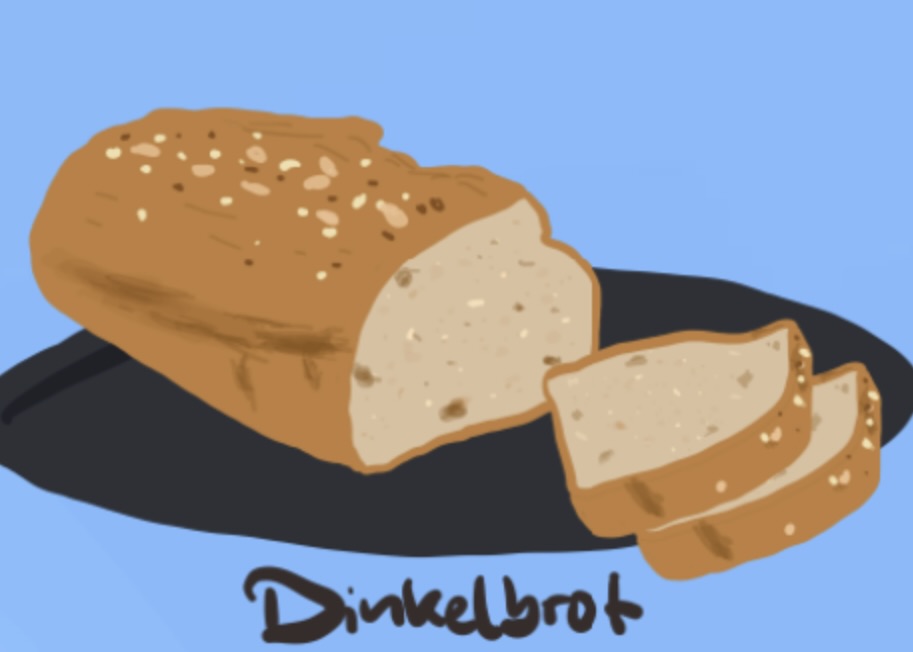
Spelt bread
Bake wholesome and delicious spelt bread, perfect for every occasion.
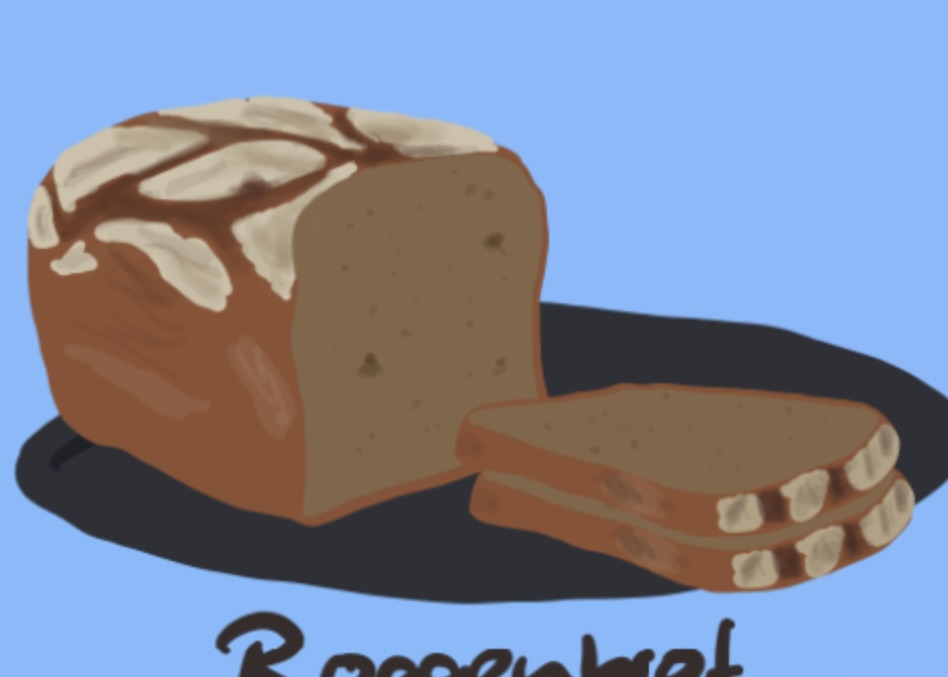
Rye bread
Bake hearty rye bread with rich flavors, perfect for any meal.
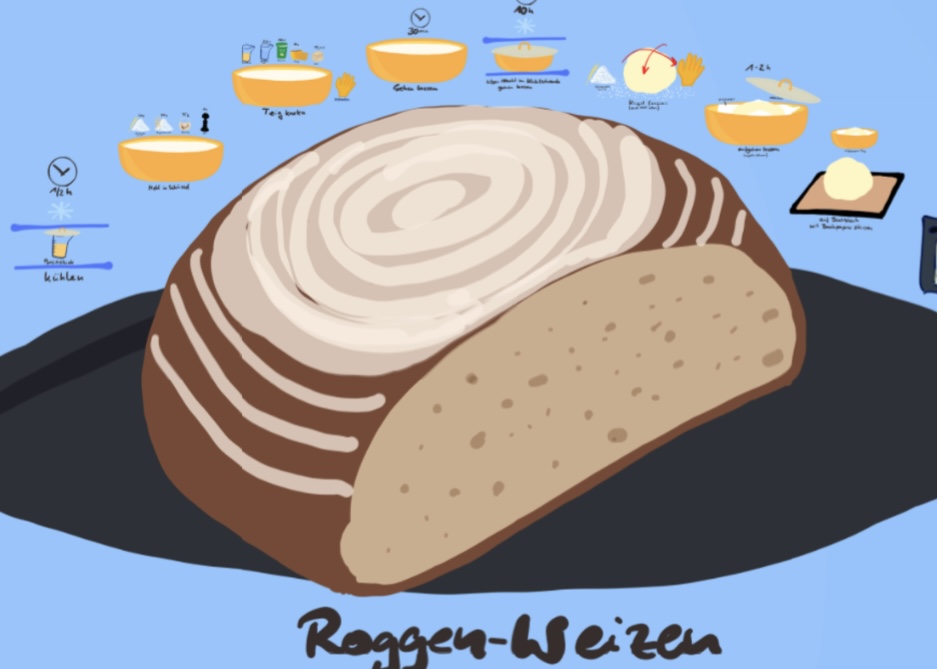
Mixed Rye Bread with Whole Grain Rye
Savor the hearty taste of rye-wheat mixed bread, perfect for sandwiches or spreads.

Wheat bread
Bake soft and wholesome wheat bread, ideal for sandwiches or toast.
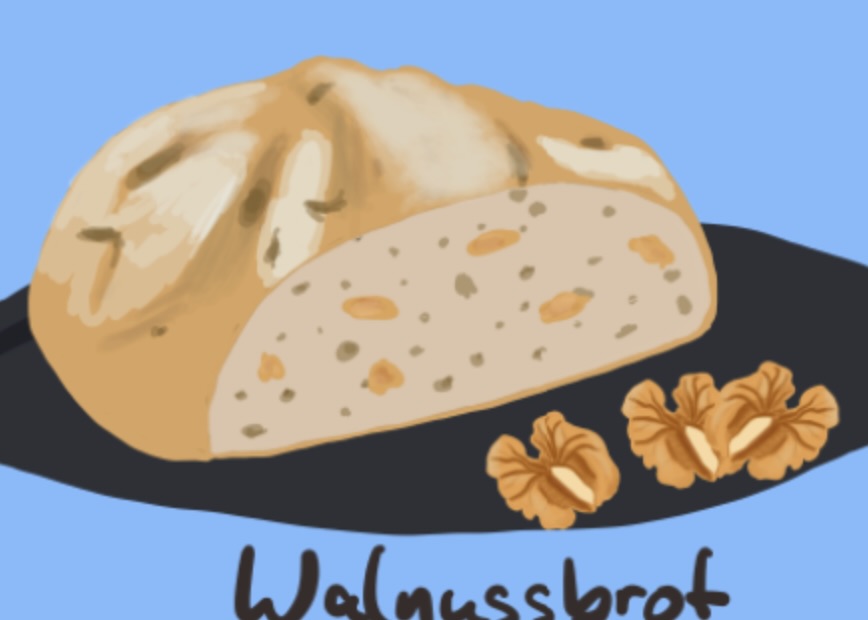
Walnut bread
Enjoy the hearty taste of walnut bread, perfect with cheese or as a snack.
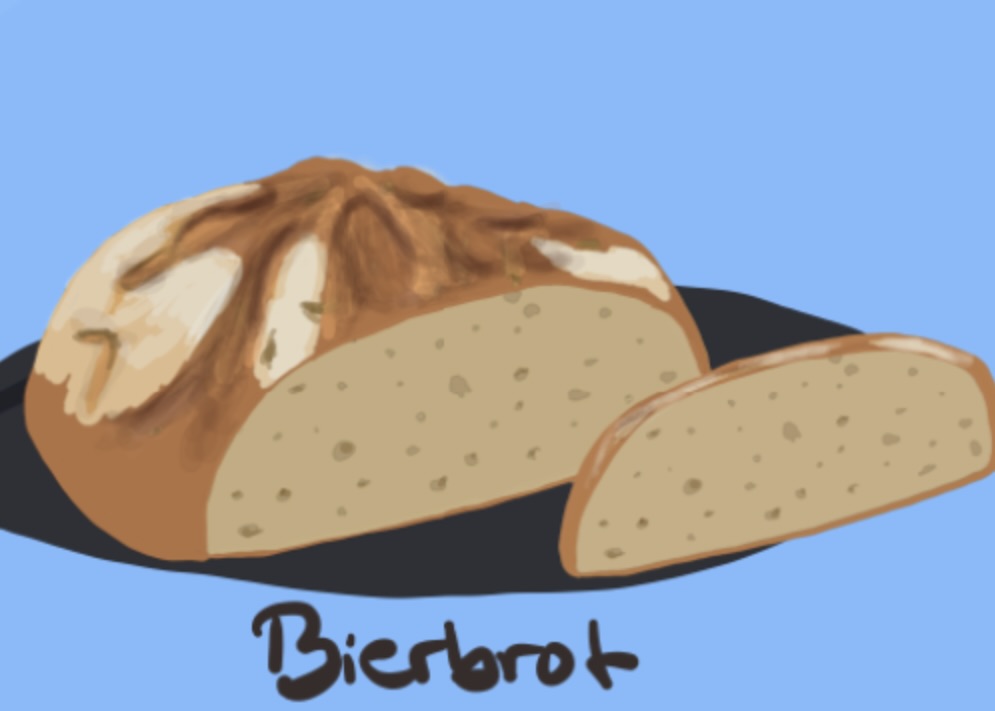
Beer bread
Bake flavorful beer bread, a quick and easy addition to any meal.
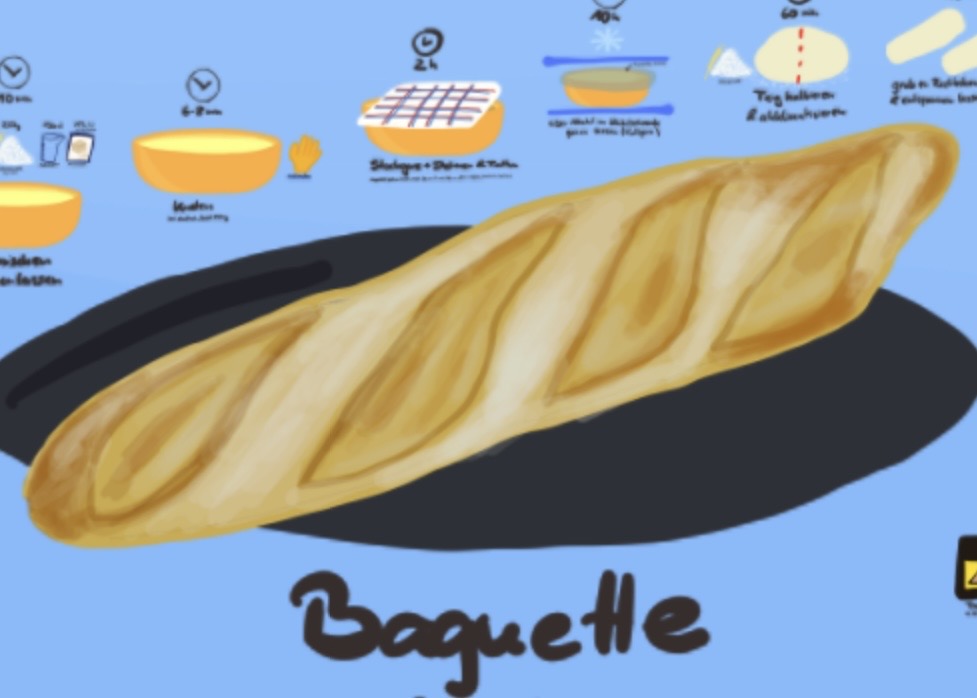
Baguette
Bake your own French-style baguette with this easy and authentic recipe.
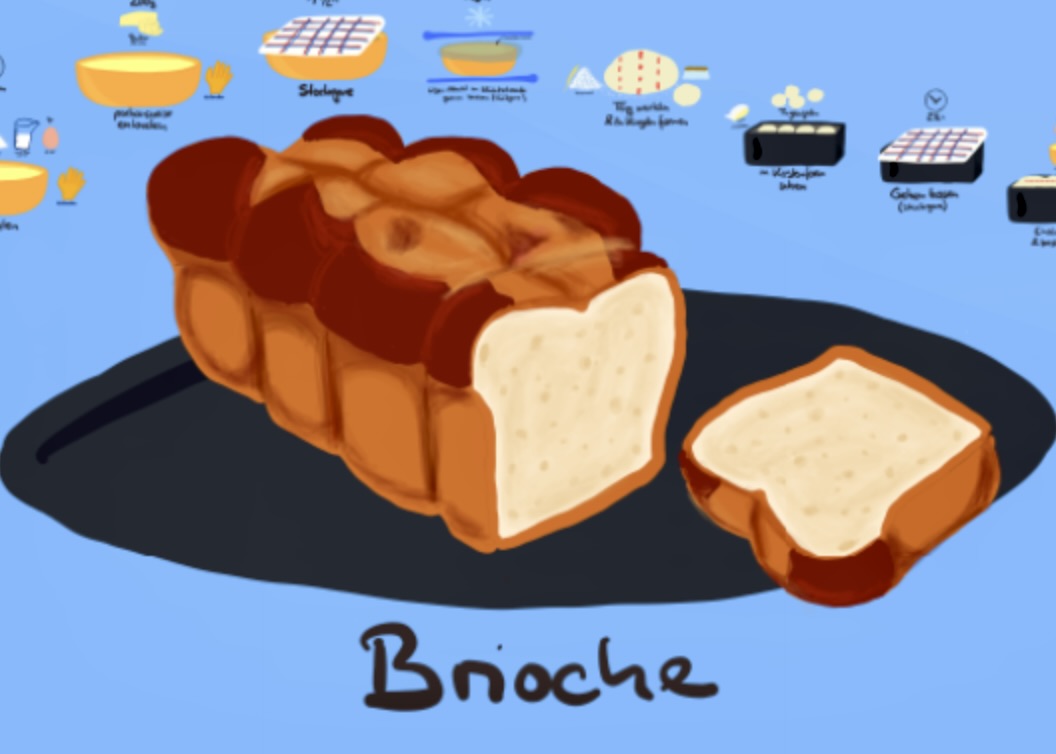
Brioche
Bake rich and buttery brioche, perfect for breakfast or as a sweet treat.

German Braided Sweet Bread
Discover zopf on yummy.world! Soft braided bread—classic, buttery, and perfect for breakfast.

Bagels
Make soft and chewy bagels at home with this foolproof recipe, ideal for any topping.