
ym-breadzopf
Directions 👩🍳
Tap the map & cook step-by-step
Step-by-step:
- Make dough: Mix flour, yeast, milk, butter, sugar, and salt into a soft dough.
Show all steps...
- Rise: Let rise until doubled.
- Braid: Divide into strands and braid.
- Proof: Let braid rise again until puffy.
- Bake: Bake until deep golden; cool before slicing.
German Braided Sweet Bread (Hefezopf): soft, fluffy, and beautifully braided for breakfast, brunch, and festive baking
German Braided Sweet Bread (Hefezopf) is one of those classic enriched breads that instantly makes the table feel more special: soft, lightly sweet, tender, and beautifully golden with its signature braid. It is perfect for breakfast, brunch, holiday baking, coffee tables, or simply a thick slice with butter and jam. A really good German Braided Sweet Bread (Hefezopf) should be airy and delicate rather than dry or heavy, with a fine crumb, a balanced sweetness, and enough richness to feel festive without turning greasy. The key is patient dough development, enough proofing time, careful braiding, and controlled baking so the loaf stays soft and elegant.
Why German Braided Sweet Bread (Hefezopf) works so well
- Beautiful texture: A good braided sweet bread has a soft, fluffy crumb and a tender crust with a light golden shine.
- Classic sweet-leaning bread: It pairs naturally with butter, jam, honey, Nutella, or sweet cream cheese, but can also work with mild savory toppings.
- Festive but practical: The braid looks impressive, yet the dough itself is very versatile and family-friendly.
- Perfect for make-ahead baking: German Braided Sweet Bread (Hefezopf) keeps well for a day or two and is excellent for brunch or holiday prep.
- Flexible style: You can keep it classic, add raisins, almonds, sugar pearl topping, or citrus zest for more aroma.
High-Value Tips: How to make German Braided Sweet Bread (Hefezopf) really good
- Build a smooth, elastic dough: This bread needs enough kneading to develop structure. A properly developed dough gives the loaf volume, softness, and a finer crumb.
- Do not rush proofing: Under-proofed dough bakes up tighter and less fluffy. A well-proofed braid feels lighter and expands more evenly in the oven.
- Keep the dough rich but balanced: Milk, butter, and eggs add softness and flavor, but too much richness can make the loaf heavy. The goal is tender, not greasy.
- Moisture control matters: The dough should feel soft and smooth, not stiff. Too little moisture leads to a dry braid; too much makes braiding harder and can flatten the shape.
- Braid with gentle tension: The strands should be shaped evenly and braided neatly, but not pulled so tightly that the loaf cannot rise properly.
- Use egg wash carefully: A thin egg wash creates the classic glossy finish. Too much can collect in the folds and bake unevenly.
- Watch the bake color: German Braided Sweet Bread (Hefezopf) should be richly golden, but not overbaked. Too much oven time dries the crumb quickly.
- Let it cool before slicing: Cutting too early can compress the crumb and let too much steam escape, making the texture less delicate.
Variations & Alternatives
- Classic version: Soft, mildly sweet, and perfect for breakfast or coffee time.
- With raisins: A traditional variation that adds sweetness and a more festive feel.
- With almonds: Flaked almonds on top add crunch and a bakery-style finish.
- Citrus-scented version: Lemon or orange zest brightens the dough and gives a fresher aroma.
- Pearl sugar topping: Adds sweetness and a more pastry-like finish.
- Mini braids: Smaller loaves are perfect for brunch baskets, gifts, or individual servings.
Serving Ideas / Pairings
- Breakfast classic: Serve with butter, jam, honey, Nutella, or sweet cream cheese.
- Brunch table: Great with fruit, yogurt, boiled eggs, and soft cheeses.
- Coffee table favorite: Slice thickly and serve with whipped butter or fruit preserves.
- Toasted option: Toast slices lightly and top with butter, cinnamon sugar, or marmalade.
- Sweet leftovers: Use day-old German Braided Sweet Bread (Hefezopf) for French toast, bread pudding, or sweet casseroles.
Storage, Meal-Prep & Reheating
German Braided Sweet Bread (Hefezopf) keeps best when fully cooled and stored wrapped so it does not dry out too quickly. It is usually at its softest and most aromatic on the day it is baked and the day after. For longer storage, freeze it whole or in slices once cooled. To refresh, warm briefly in the oven or toast slices lightly. Avoid storing it uncovered, because enriched doughs lose softness quickly when exposed to air.
FAQ
Why is my German Braided Sweet Bread (Hefezopf) dry?
The dough may have needed a little more moisture, or the loaf may have baked too long. Enriched breads dry out quickly if overbaked.
Why did my braid lose its shape?
The strands may have been too loose, too wet, or the dough may have proofed too far before baking.
How do I make it fluffier?
Give the dough enough kneading, proof it fully, and avoid baking it too long.
Can I prepare it in advance?
Yes. You can prepare the dough ahead or bake the loaf in advance and store it wrapped for the next day.
What can I do with leftovers?
It is excellent for French toast, bread pudding, sweet bakes, or simply toasted with butter.
Best Bread Recipes to Try at Home
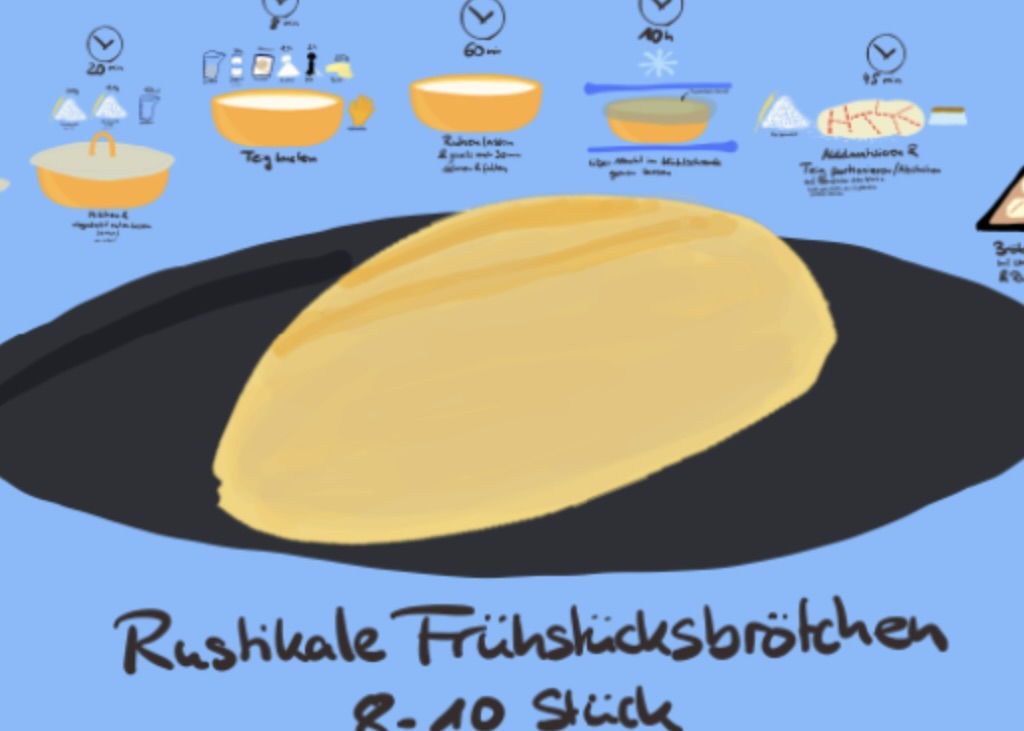
Rustic Breakfast Rolls
Discover rustic breakfast rolls on yummy.world! Crusty outside, fluffy inside—easy homemade bakery vibes.
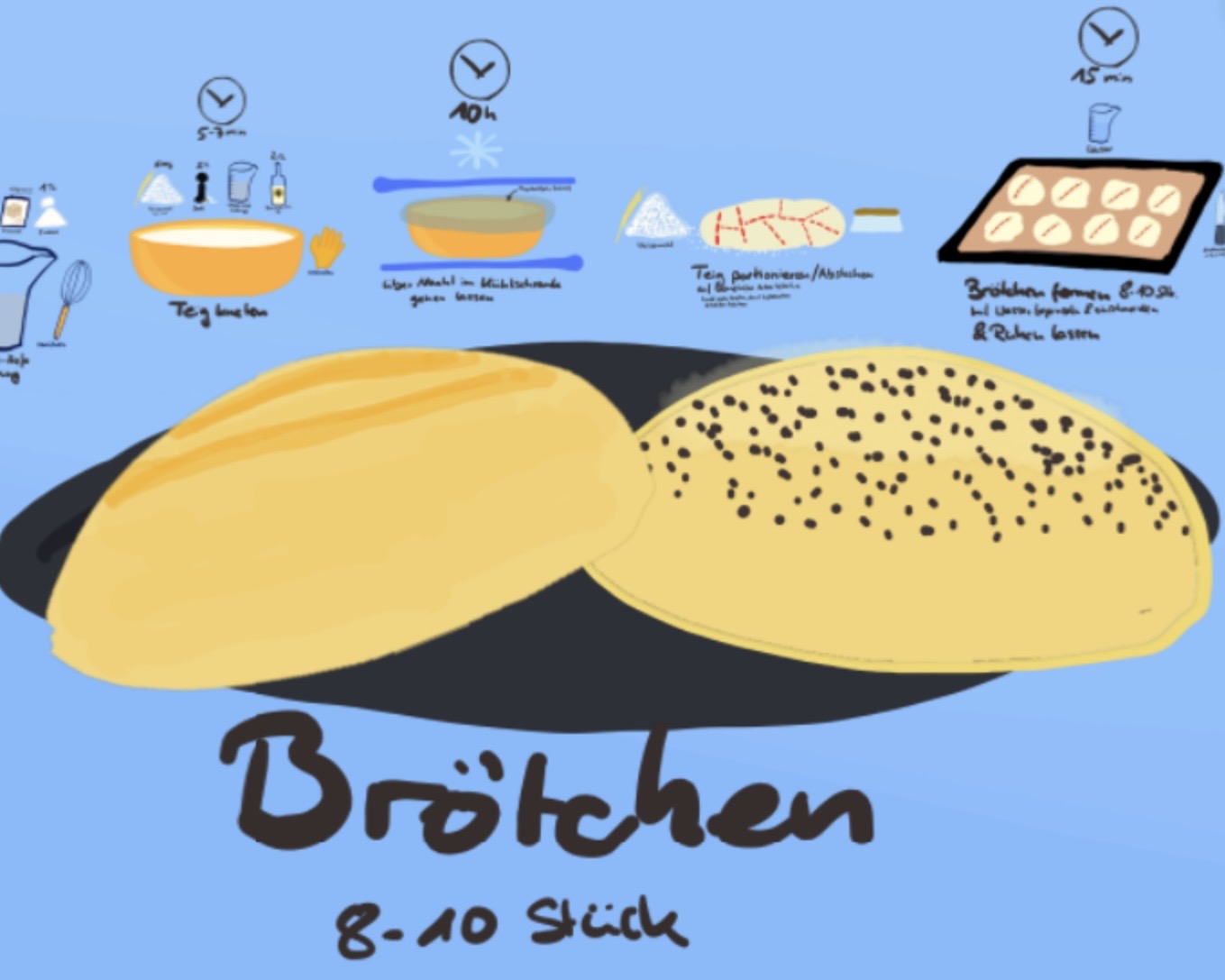
Rolls
Bake fluffy Sunday rolls with a golden crust and soft crumb. Includes tips for proofing, baking, storage, freezing, and serving for breakfast or brunch.
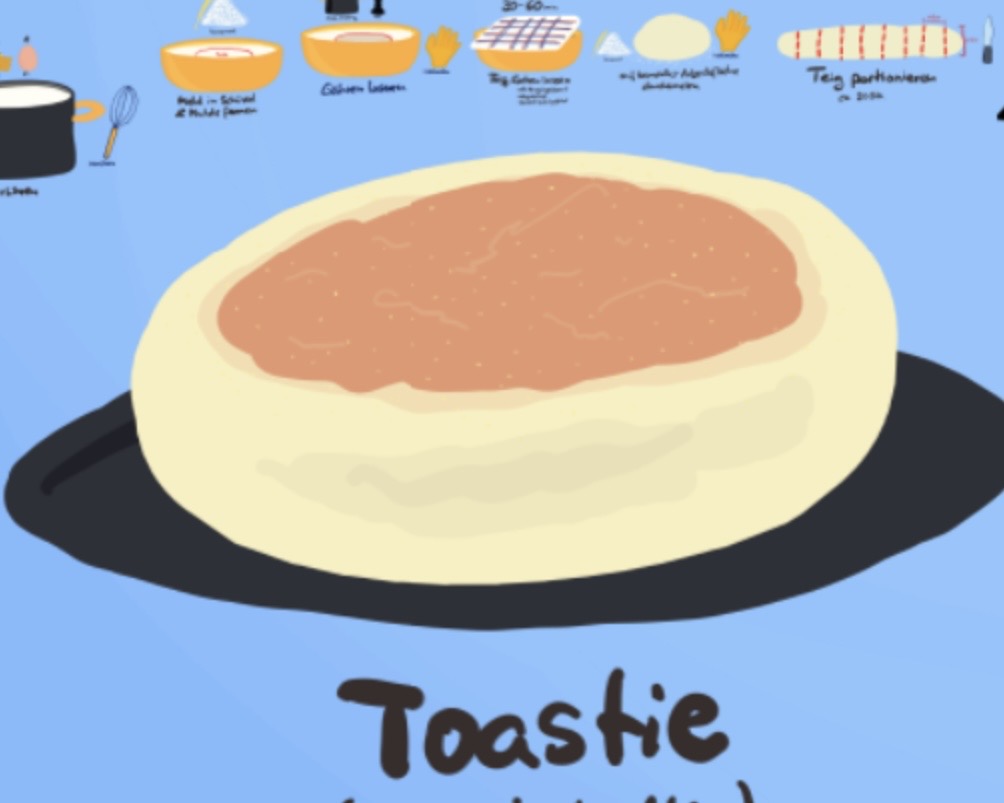
English Muffins
Create golden and fluffy English muffins, perfect for breakfast or sandwiches.
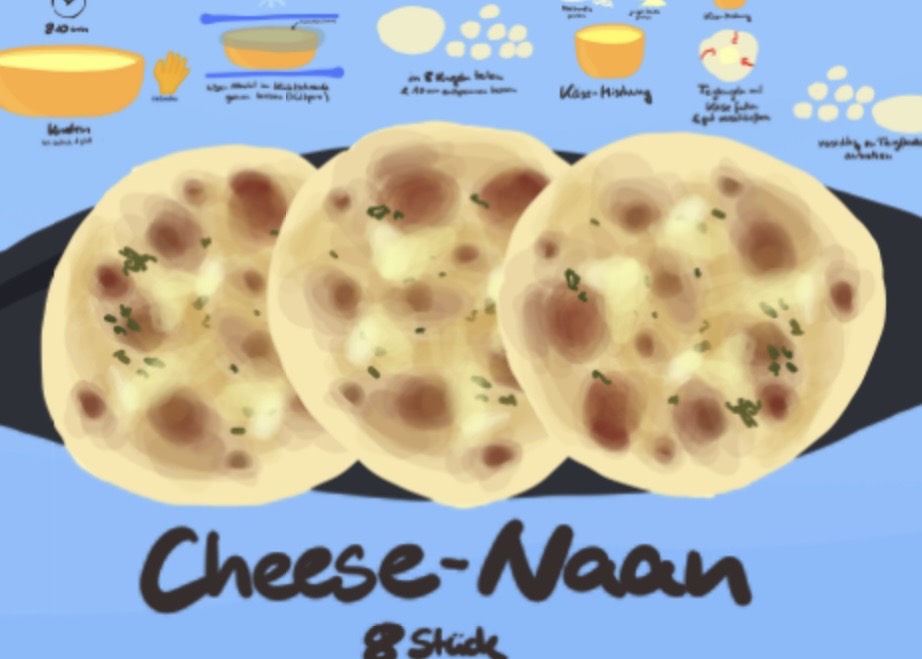
Cheese Naan
Discover Cheese Naan on yummy.world! Gooey, savory stuffed naan—perfect side for curries and sharing.
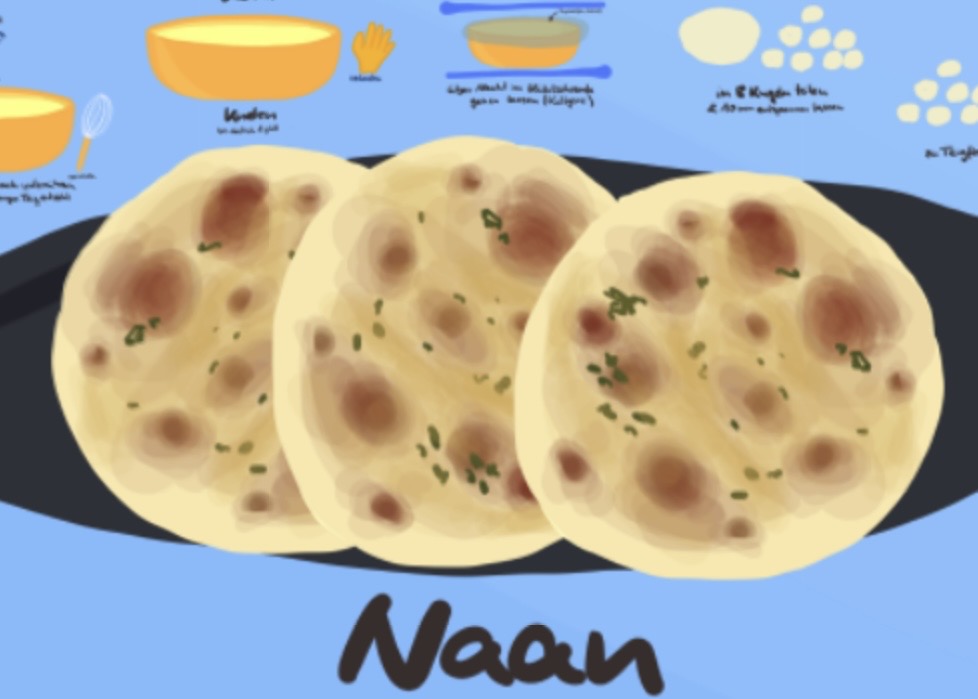
Indian Butter Naan Bread
Discover Indian Naan Bread on yummy.world! Soft, fluffy, pan-baked flatbread—perfect with curry and dips.
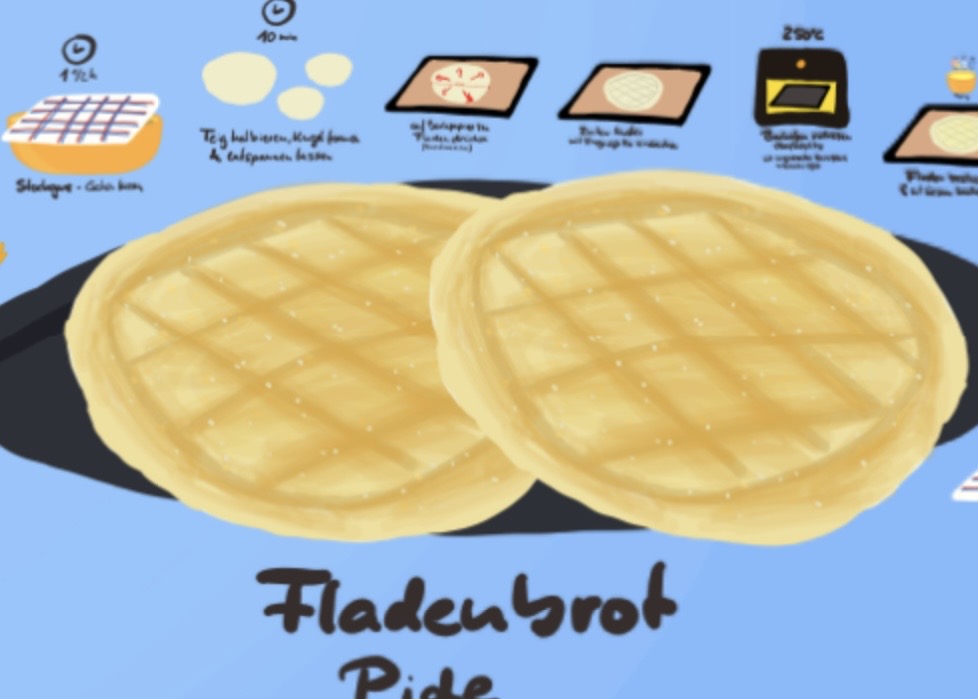
Pide bread
Discover Pide bread on yummy.world! Soft Turkish flatbread—easy to bake, perfect for dips and meals.
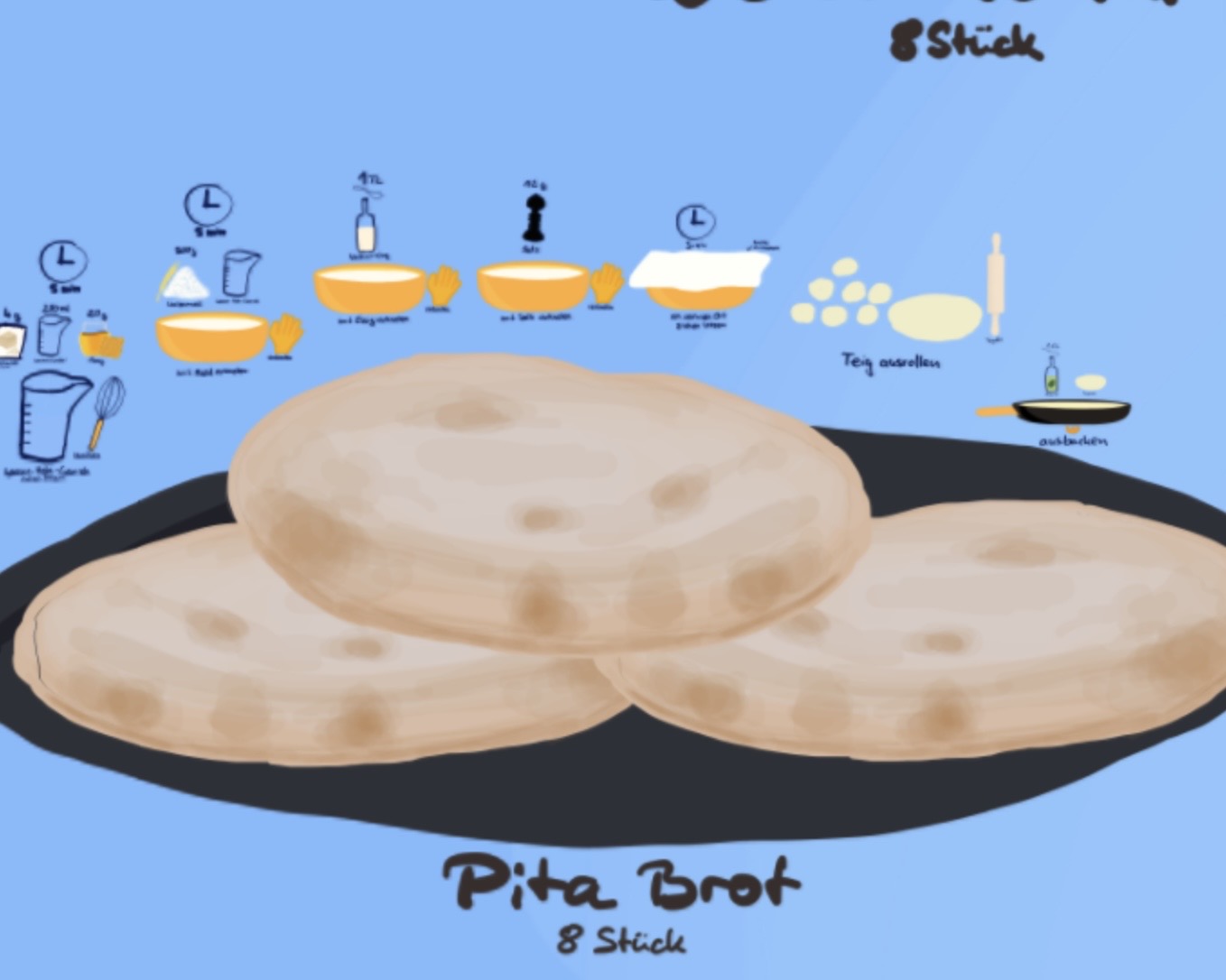
Pita bread
Bake fluffy and pocketed pita bread, ideal for wraps or dipping.
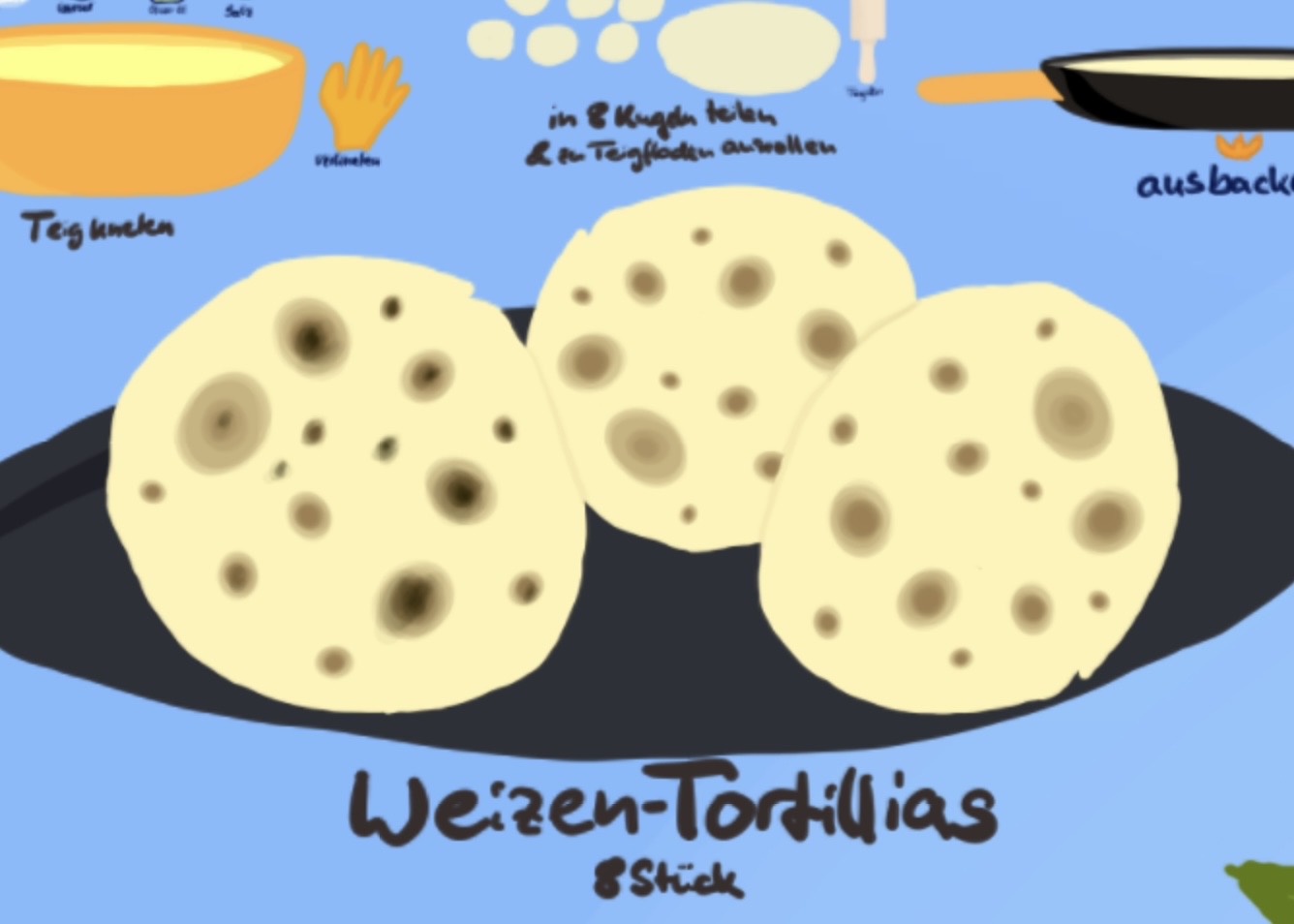
Flour Tortillas
Create soft and delicious tortillas, ideal for wraps and tacos.
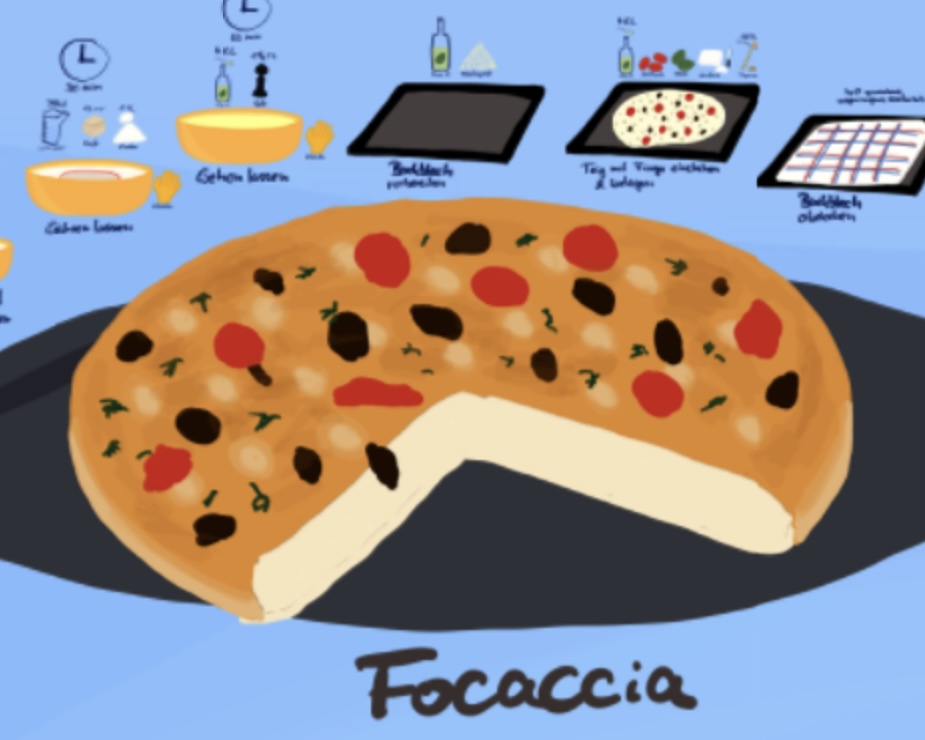
Focaccia
Bake fluffy focaccia with olive oil, thyme, tomatoes, olives and feta. Step-by-step method, proofing tips, storage advice and serving ideas.
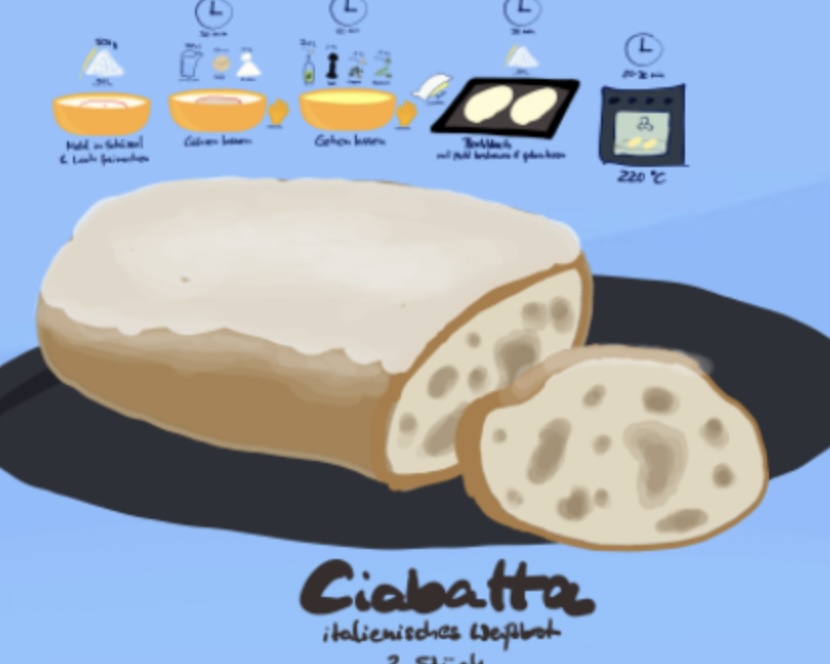
Ciabatta Bread
Create fluffy and crusty ciabatta bread, perfect for sandwiches or dipping.
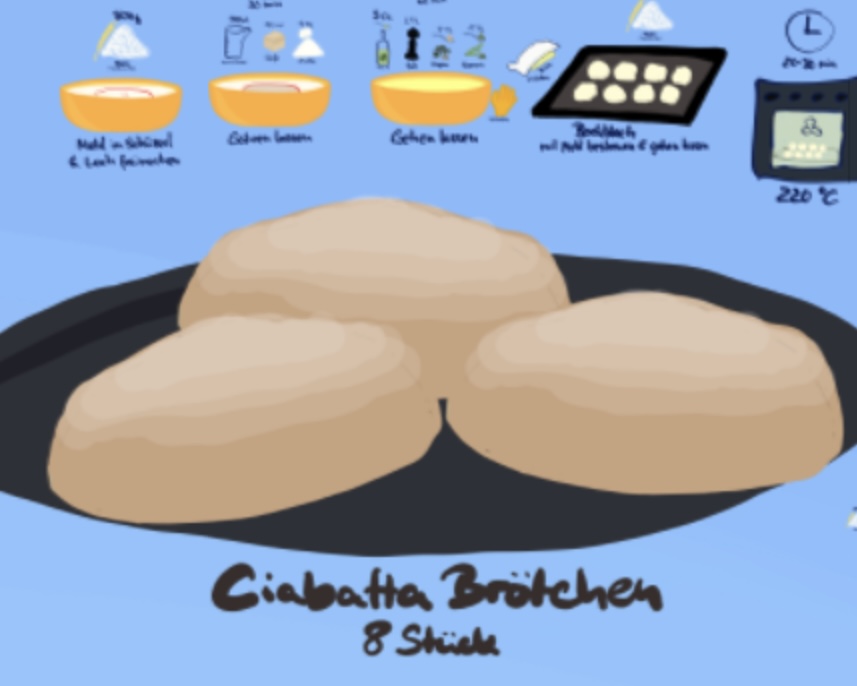
Ciabatta Rolls
[Translate to EnglishUS:] Bake soft and golden ciabatta rolls, versatile for any meal or occasion.

Virginia Buttermilk Biscuits
Bake soft and flaky buttermilk biscuits, a delightful side for any meal.
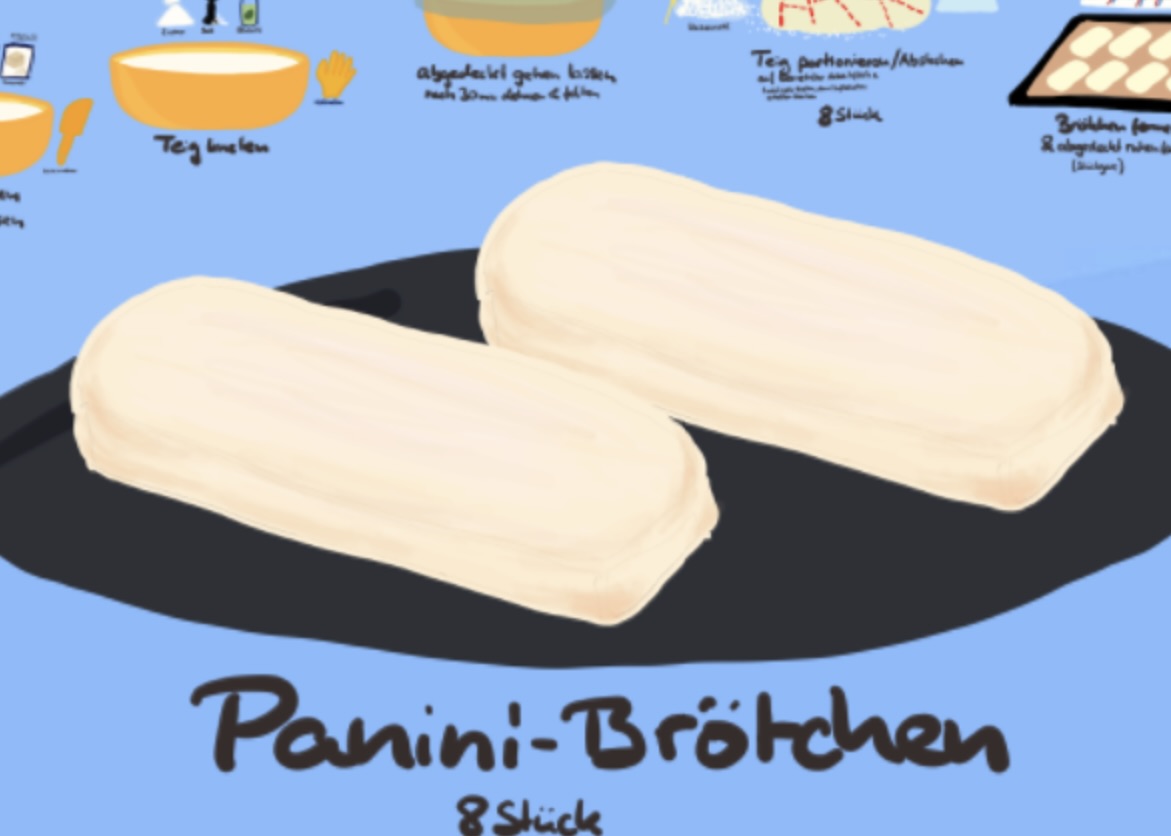
Panini Bread
Discover panini bread on yummy.world! Soft rolls made for pressing—perfect base for hot sandwiches.
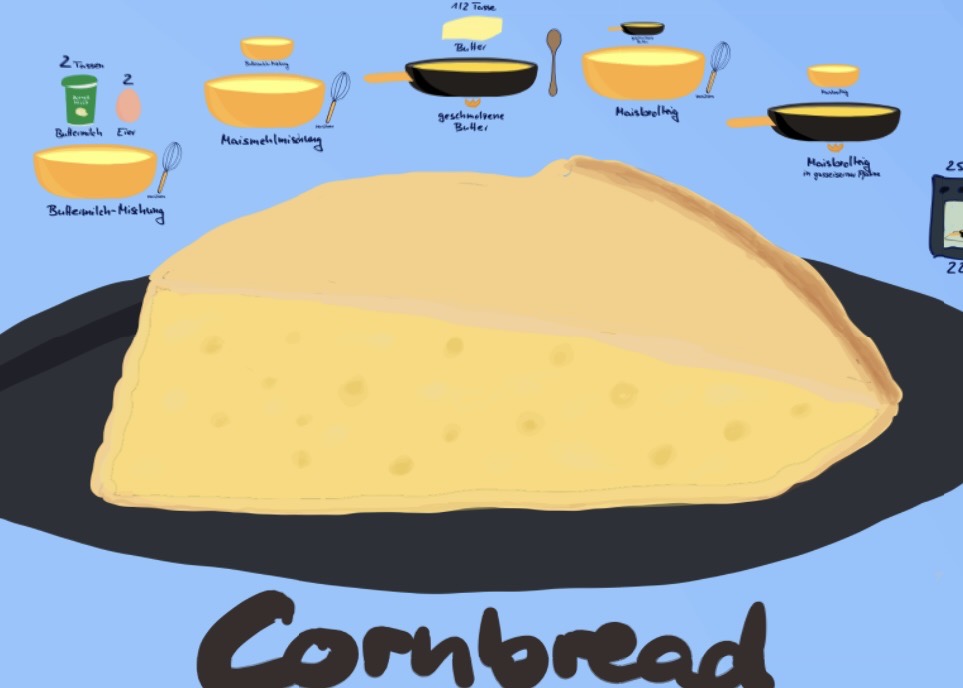
Cornbread
Enjoy the rich and moist texture of homemade cornbread, a perfect side for BBQs or soups.
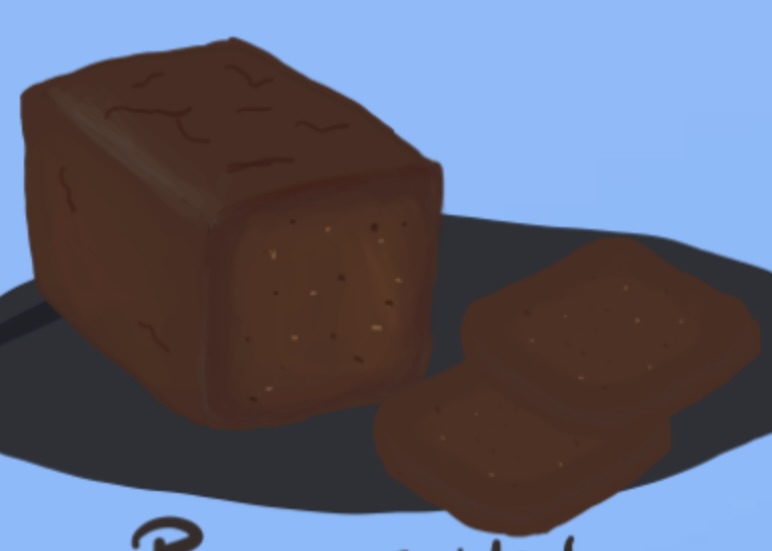
Pumpernickel
Bake hearty and rich Pumpernickel bread, perfect for any meal.
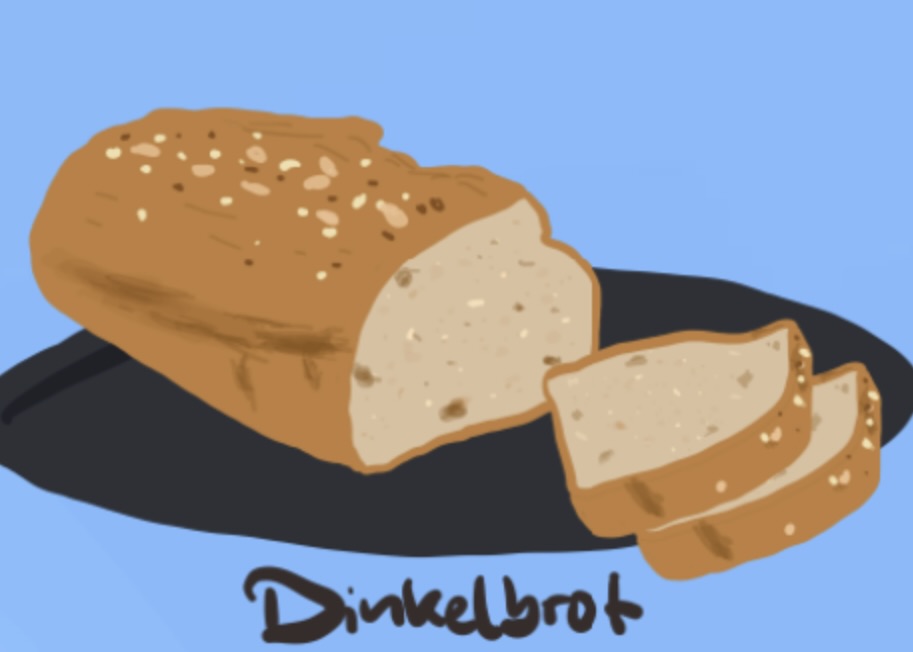
Spelt bread
Bake wholesome and delicious spelt bread, perfect for every occasion.
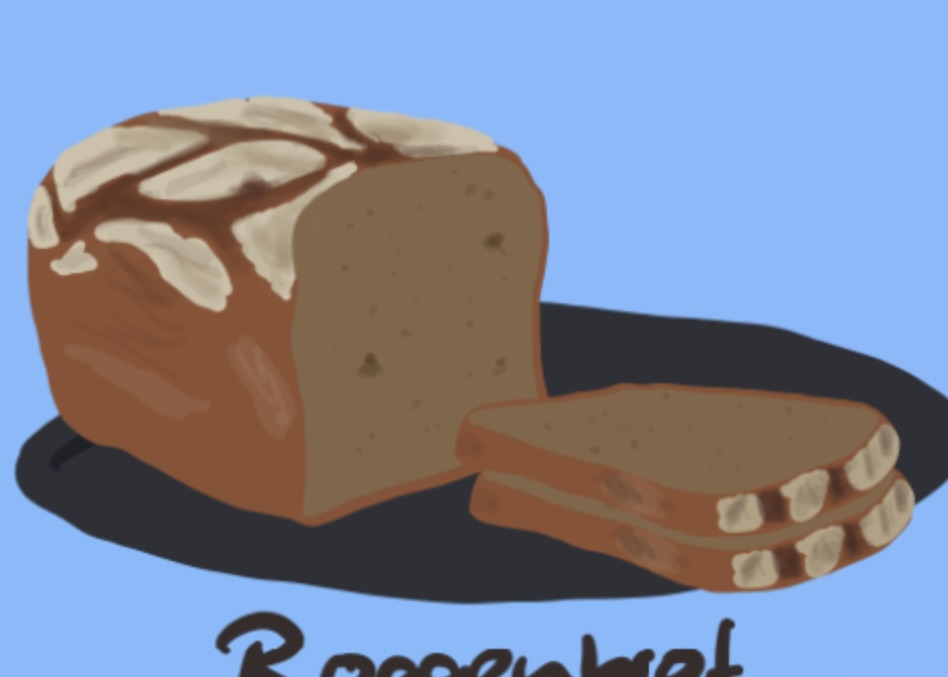
Rye bread
Bake hearty rye bread with rich flavors, perfect for any meal.
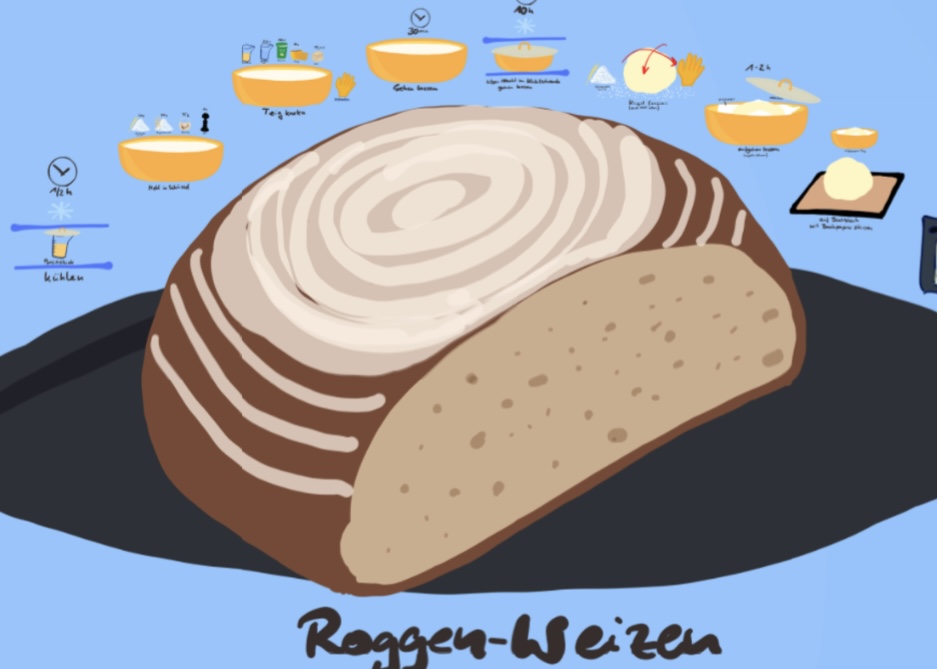
Mixed Rye Bread with Whole Grain Rye
Savor the hearty taste of rye-wheat mixed bread, perfect for sandwiches or spreads.
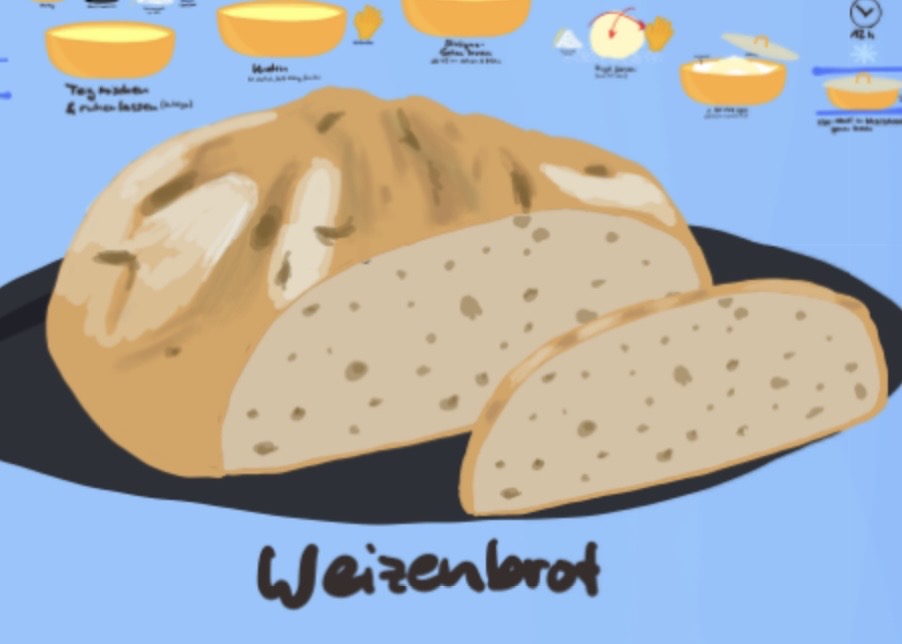
Wheat bread
Bake soft and wholesome wheat bread, ideal for sandwiches or toast.
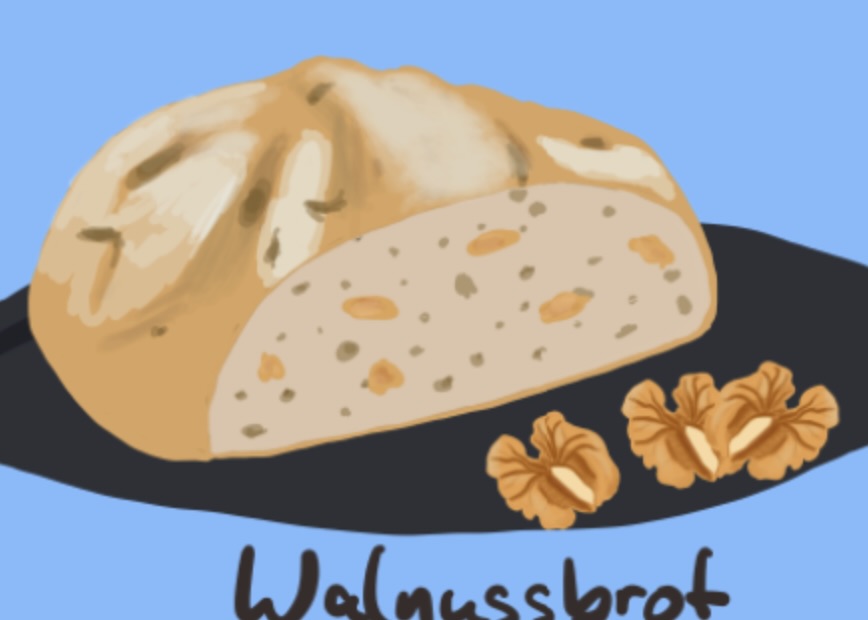
Walnut bread
Enjoy the hearty taste of walnut bread, perfect with cheese or as a snack.
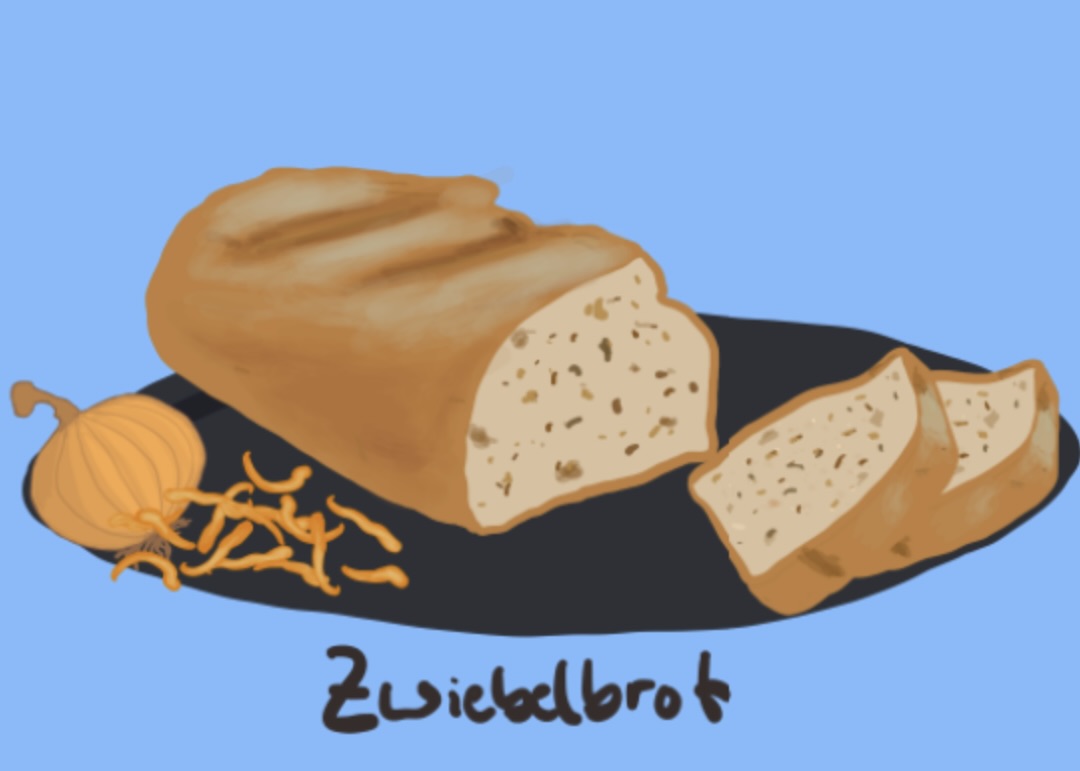
Onion bread
Bake hearty onion bread, perfect as a side for soups or a base for sandwiches.
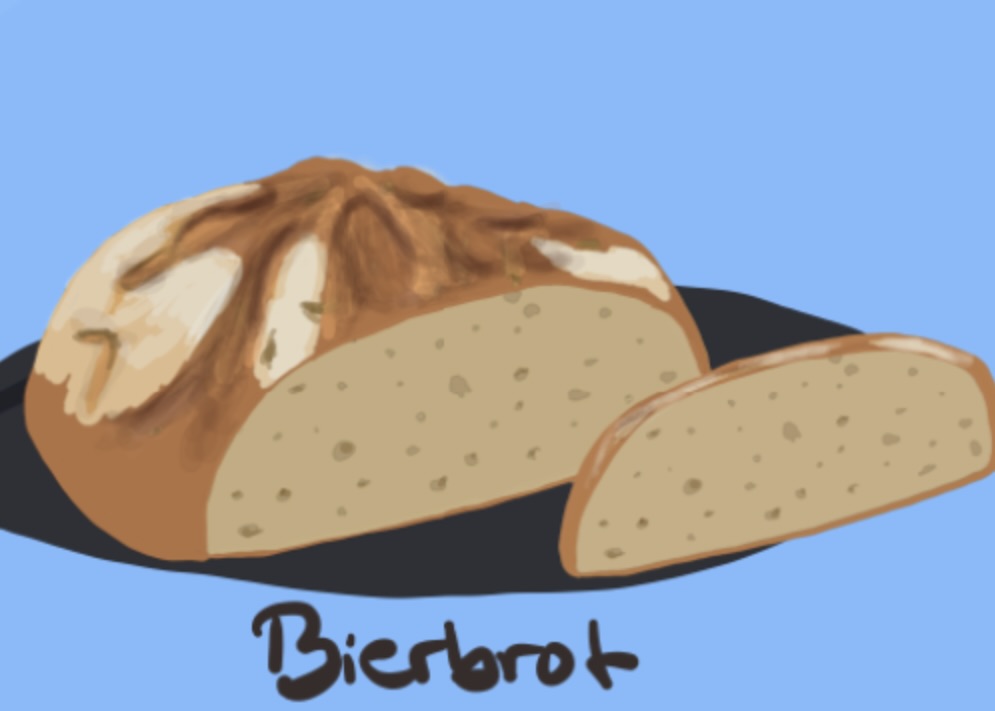
Beer bread
Bake flavorful beer bread, a quick and easy addition to any meal.
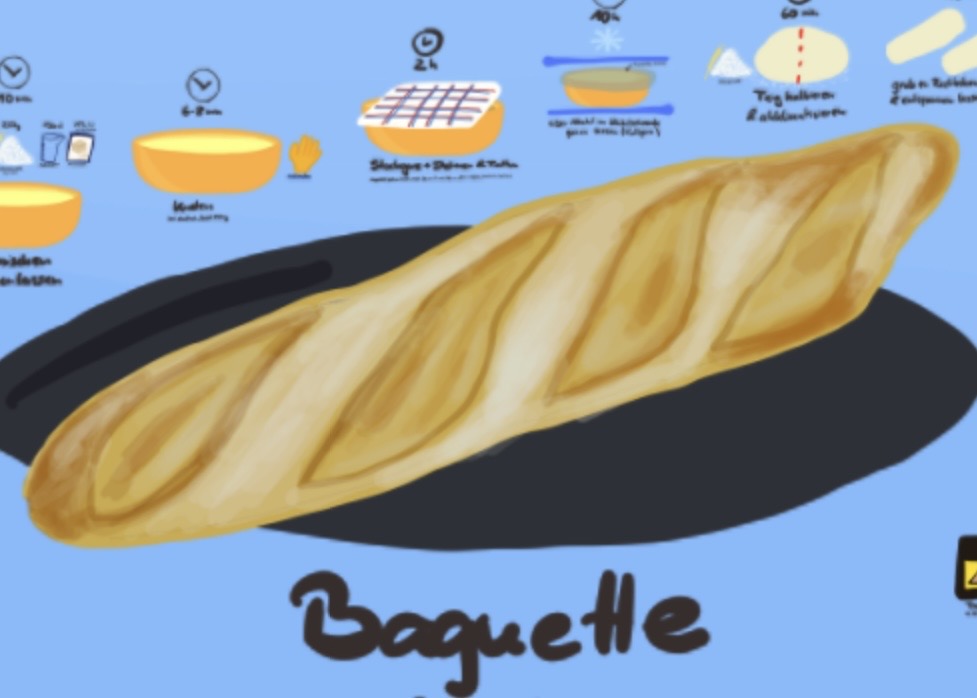
Baguette
Bake your own French-style baguette with this easy and authentic recipe.
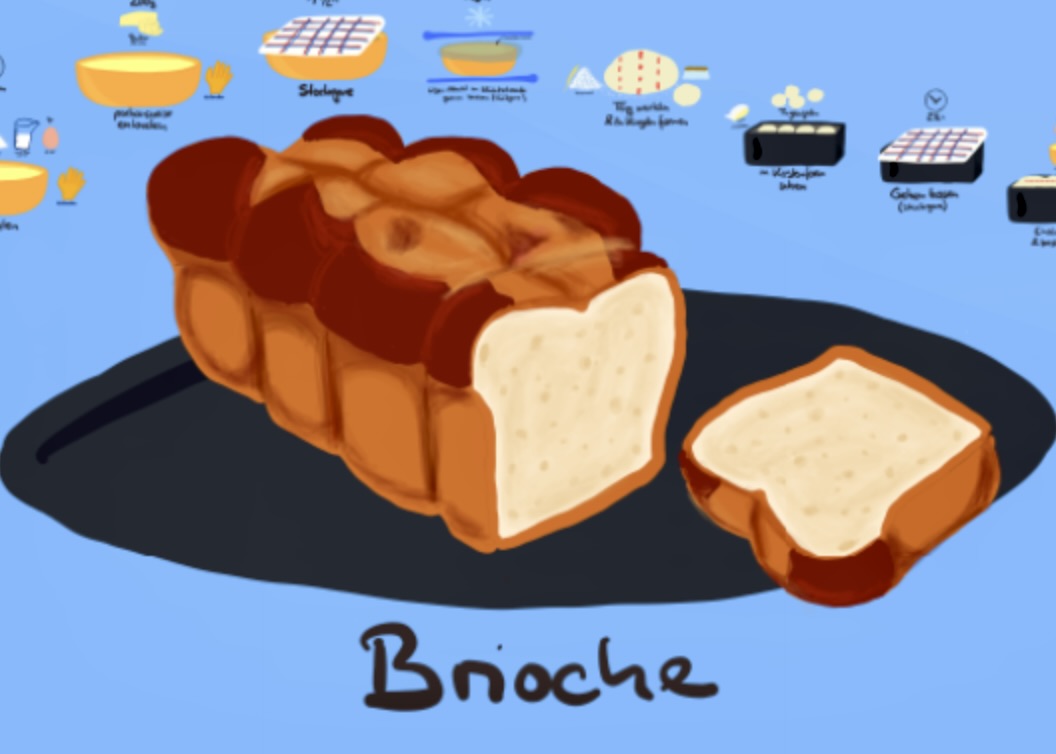
Brioche
Bake rich and buttery brioche, perfect for breakfast or as a sweet treat.

Bagels
Make soft and chewy bagels at home with this foolproof recipe, ideal for any topping.