
Caesar Salad Dressing Recipe – Creamy, Savory & Zesty
Directions 👩🍳
Tap the map & cook step-by-step
Caesar Salad Dressing: creamy, garlicky, and packed with classic savory depth
Caesar salad dressing is one of those sauces that can turn a very simple salad into something deeply craveable. Rich mayo, lemon juice, Dijon mustard, Worcestershire sauce, garlic, parmesan, and black pepper come together in a dressing that feels bold, silky, and instantly recognizable. The best Caesar dressing should taste creamy without feeling heavy, savory without becoming muddy, and bright enough to cut through crisp romaine, crunchy croutons, grilled chicken, or shrimp. What really makes it work is balance: enough umami, enough acidity, and just enough richness for that classic spoon-coating finish.
Why Caesar salad dressing works so well
- Big flavor in one spoonful: Caesar dressing combines creaminess, garlic, citrus, parmesan, and savory depth in a way that tastes much more complex than the ingredient list suggests.
- Perfect cling and texture: A good Caesar dressing coats lettuce leaves evenly instead of sliding off or pooling at the bottom of the bowl.
- Instant restaurant-style effect: Even a basic salad feels more complete, richer, and more satisfying with a properly balanced Caesar dressing.
- Easy to customize: You can keep it classic, make it lighter, more garlicky, more peppery, or a little thinner for wraps and bowls.
- Great for more than salad: Caesar dressing also works with grilled chicken, roasted vegetables, wraps, sandwiches, and dipping platters.
High-Value Tips: How to make Caesar salad dressing really good
- Start with a smooth base: Whisk the mayo, optional yogurt, and lemon juice until fully smooth before adding stronger seasonings. That gives the dressing a cleaner texture from the start.
- Build umami carefully: Dijon mustard, Worcestershire sauce, garlic, and parmesan should layer together. Too much of any one ingredient can make the dressing feel sharp, salty, or one-dimensional.
- Use garlic with control: Fresh garlic gives Caesar dressing its signature punch, but too much can overpower the parmesan and lemon. Finely mince or grate it so the flavor distributes evenly.
- Balance the acidity: Lemon juice should brighten the dressing, not dominate it. The goal is freshness and lift, not a sour finish.
- Parmesan matters: Finely grated parmesan gives body, saltiness, and classic Caesar character. Coarser cheese does not blend in as smoothly and can make the dressing feel less silky.
- Season assertively: Black pepper is not just decoration here. It adds heat and depth and helps the dressing taste more complete.
- Control the consistency: Add a small splash of water or milk only if needed. Caesar dressing should be thick enough to cling, but not so heavy that it feels pasty.
- Let it rest briefly: A short chill of about 20 minutes helps the garlic, parmesan, and Worcestershire settle into the dressing and makes the flavor rounder.
- Taste before serving: Caesar dressing often needs a final small adjustment of lemon, salt, pepper, or parmesan once it has rested.
Variations & alternatives
- Classic creamy Caesar: Mayo, lemon, Dijon, Worcestershire, garlic, parmesan, salt, and pepper for the cleanest traditional-style profile.
- Lighter version: Use a little yogurt in the base for a fresher feel while keeping the dressing creamy and savory.
- More garlicky version: Add a little extra garlic if you want a sharper, bolder dressing for grilled dishes.
- Extra parmesan version: More finely grated parmesan makes the dressing richer, saltier, and slightly thicker.
- Thinner Caesar dressing: Add a splash of water or milk to create a lighter texture for wraps, bowls, or drizzling.
- Pepper-forward style: More freshly cracked black pepper gives the dressing extra bite and a more classic steakhouse feel.
Serving ideas / pairings
- Classic Caesar salad: Toss with romaine hearts, crunchy croutons, and shaved parmesan for the most familiar version.
- With grilled chicken or shrimp: The savory creamy profile works especially well with simple proteins.
- Wraps and sandwiches: Caesar dressing adds richness and punch to chicken wraps, deli sandwiches, or grilled vegetable fillings.
- Dip or drizzle: Use it as a dip for crisp lettuce leaves, roasted potatoes, or vegetable sticks, or drizzle over grain bowls.
- BBQ or buffet upgrade: A bowl of Caesar dressing can turn plain greens into something much more satisfying on a shared table.
Storage, Meal-Prep & Reheating
Caesar salad dressing is excellent for short-term meal prep because the flavor often improves after a brief rest. Store it chilled in a sealed jar or container and stir or shake before serving so the texture becomes smooth again. If it thickens too much in the fridge, loosen it with a tiny splash of water, milk, or lemon juice. It is usually strongest within a few days while the garlic still tastes fresh and the parmesan remains well integrated. This is not something to heat up, because Caesar dressing is meant to stay cool, creamy, and emulsified.
FAQ
Why does my Caesar dressing taste too sharp?
It usually has too much garlic, lemon, or mustard. More mayo or parmesan can help rebalance it.
Why is my Caesar dressing too thick?
Add a very small splash of water or milk and whisk again until it reaches a spoon-coating consistency.
Can I make Caesar dressing ahead?
Yes, absolutely. A short chill often improves the flavor, and it keeps well for a few days in the fridge.
What makes Caesar dressing taste more classic?
Good parmesan, fresh garlic, lemon juice, Worcestershire sauce, and enough black pepper are the key flavor markers.
What goes best with Caesar dressing?
Romaine, croutons, grilled chicken, shrimp, wraps, sandwiches, and roasted vegetables all pair especially well.
Best Salad Dressings Recipes to Try at Home

Pineapple Chili Chutney
Bright pineapple with chili, ginger and warm spices—simmer until jammy; a make-ahead condiment for curries, grilled meats, sandwiches and cheese plates.

Asian Vinaigrette
Speedy jar-shake dressing with sesame, soy, ginger and lime—balanced, pourable and weeknight-ready; perfect for salads, slaws, grain bowls and cold noodles.

Jackies Vinaigrette
Signature vinaigrette with red wine vinegar, Dijon and shallot—reliable 3:1 ratio, quick to shake, easy to scale; great on greens, grains and roasted vegetables.

Creamy Vinaigrette
Light-creamy dressing with yogurt/mayo, lemon and Dijon—whisks smooth, clings to leaves; herb options, sweetness to taste; versatile for salads and bowls.
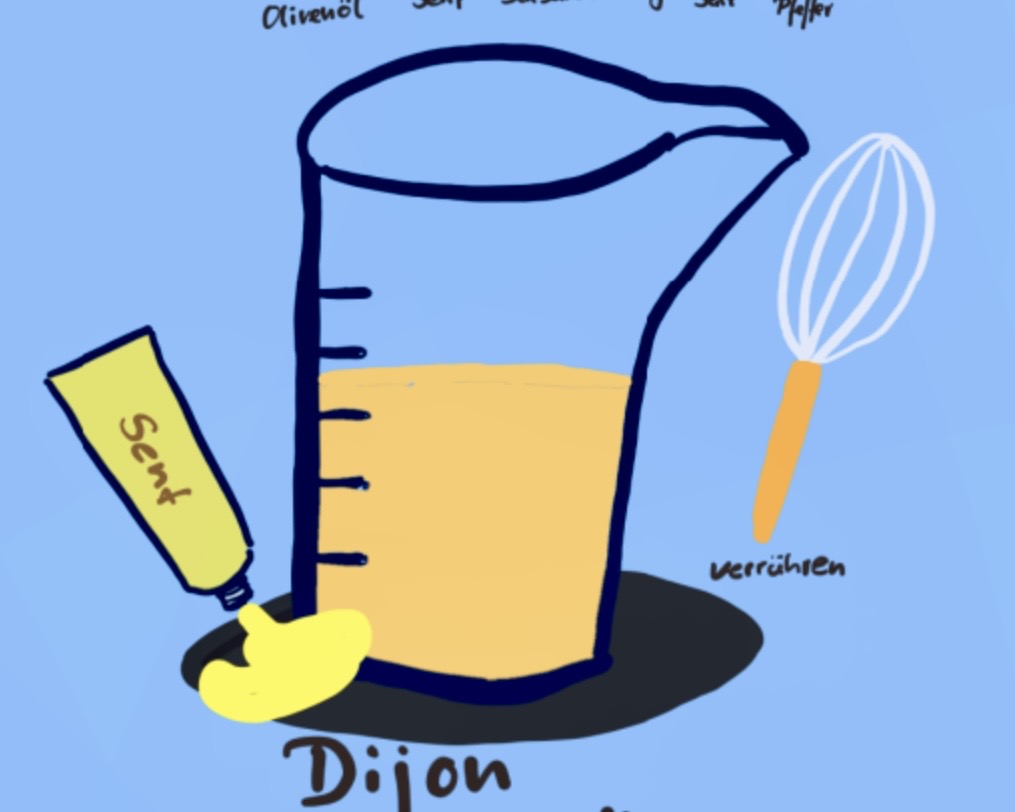
Dijon Vinaigrette
Go-to Dijon vinaigrette using the 3:1 method—whisks glossy and holds; tweak lemon, vinegar or honey to taste; toss with greens, grains or roasted vegetables.
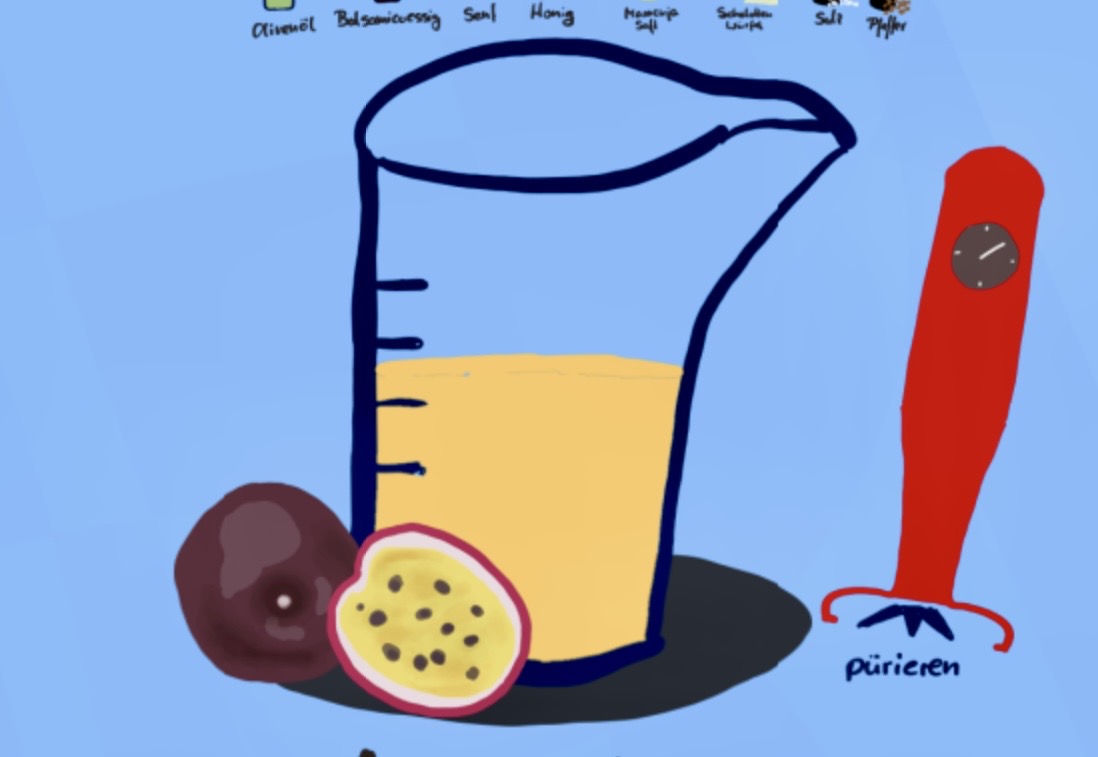
Passion Fruit Vinaigrette
Tropical passion fruit vinaigrette with olive oil, lime and a touch of honey—shakes smooth, clings to greens; great on shrimp, chicken, grain bowls; stores well.

French Dressing
Steakhouse-style French dressing—ketchup, vinegar, oil and paprika blended silky; adjustable sweetness, kid-friendly; great on chopped salads, burgers and subs; refrigerates well.
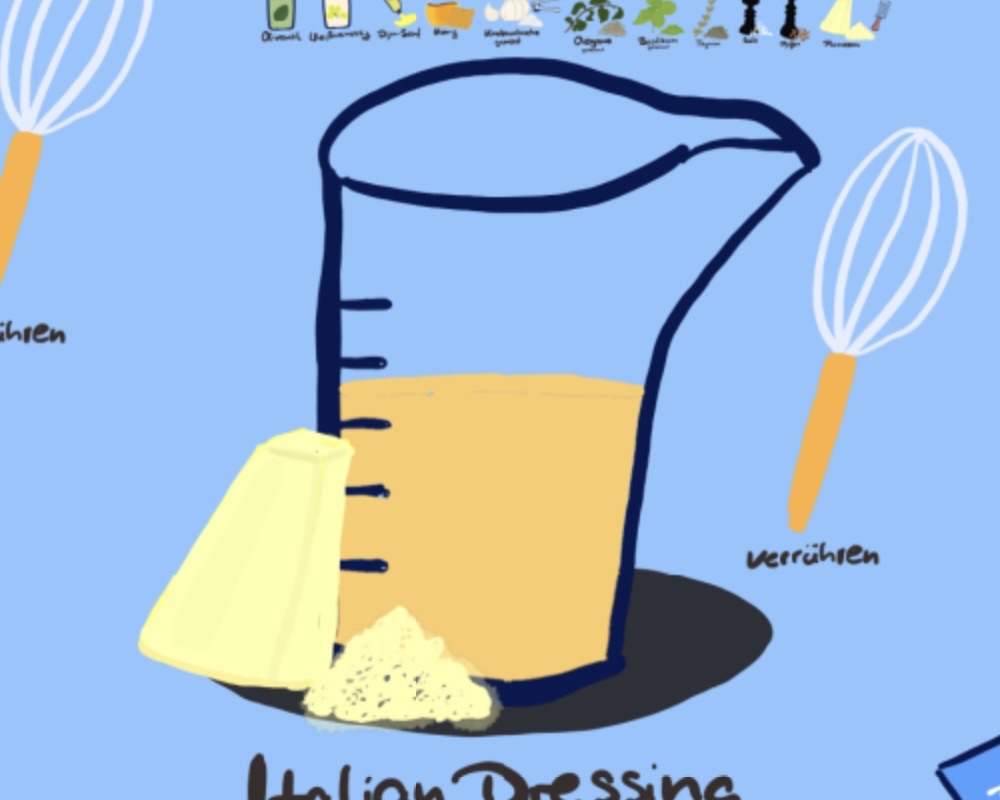
Italian Dressing
Herb-garlic Italian with red wine vinegar—whisks glossy, clings to leaves; great for salads, pasta salad and chicken/veg marinades; pantry-staple, easy to scale.

American Dressing
Classic Thousand Island: mayo, ketchup, pickle relish and a splash of vinegar—paprika/onion for depth; perfect on burgers, salads and deli subs; keeps well chilled.

Yogurt Dressing
Greek yogurt, lemon and Dijon whisked smooth with herbs—light yet satisfying; great for green salads, cucumber salad and grain bowls; quick to make, stores well.