
Asian Vinaigrette Recipe – Toasted Sesame, Soy & Fresh Ginger
Directions 👩🍳
Tap the map & cook step-by-step
Asian Vinaigrette: bright, gingery, and full of sesame flavor in minutes
Asian vinaigrette is one of those dressings that instantly makes simple salads, slaws, noodle bowls, and grain bowls taste more exciting. Soy sauce, rice vinegar, sesame oil, fresh ginger, garlic, and a little sweetness come together in a dressing that feels punchy, balanced, and incredibly versatile. It is perfect when you want something fresher than a creamy dressing but still bold enough to coat crunchy vegetables, cold noodles, or grilled proteins. A really good Asian vinaigrette should taste bright and savory, lightly nutty, and glossy enough to cling beautifully instead of running thinly to the bottom of the bowl.
Why Asian vinaigrette works so well
- Big flavor with little effort: A few pantry ingredients create a dressing that tastes layered, fresh, and deeply savory.
- Perfect sweet-salty-acid balance: Soy sauce, rice vinegar, sesame oil, and ginger naturally bring contrast and depth.
- Extremely versatile: It works with green salads, cabbage slaws, cucumber salads, noodle bowls, rice bowls, and marinades.
- Light but expressive: The dressing feels fresher than creamy options, while still delivering strong flavor.
- Ideal for meal prep: Asian vinaigrette keeps well and can upgrade several meals across the week.
High-Value Tips: So wird Asian Vinaigrette richtig gut
- Start with the liquid base: Whisk soy sauce, rice vinegar, and sesame oil first so the salty, tangy, and nutty notes are already balanced before the aromatics go in.
- Use fresh ginger for clean heat: Freshly grated ginger gives the dressing its signature brightness. Powdered ginger can work in a pinch, but tastes less lively.
- Keep the sweetness subtle: Honey, maple syrup, agave, or sugar should round out the acidity, not make the vinaigrette taste sugary.
- Garlic needs control: Fresh garlic adds depth and sharpness, but too much can overpower the sesame and ginger. Finely grate or mince it so it blends in evenly.
- Moisture control matters: A little neutral oil helps create a smoother, glossier texture that clings better to slaws, greens, and noodles.
- Whisk until glossy: A proper quick emulsion gives the vinaigrette a cleaner finish and better coating power, especially on leafy or crunchy salads.
- Balance acidity before serving: Lime juice or extra rice vinegar can brighten the dressing, but should sharpen it, not dominate it.
- Season with intention: Soy sauce already brings salt, so final seasoning should focus more on balance than on adding extra salt blindly.
- Let it rest briefly: Even 10 to 15 minutes helps the ginger, garlic, sesame, and sweetness settle into a more rounded dressing.
- Shake again before using: Asian vinaigrette naturally separates a bit, so a quick whisk or shake brings the texture right back.
Variations & alternatives
- Classic sesame-ginger vinaigrette: Soy sauce, rice vinegar, sesame oil, ginger, garlic, and a touch of sweetness for the cleanest all-purpose version.
- Spicier version: Add chili flakes, sambal, or a little sriracha for more heat and extra edge.
- Extra citrusy variation: Lime juice or lime zest gives the dressing a fresher, brighter finish.
- Gluten-free option: Use tamari instead of regular soy sauce for the same savory depth without gluten.
- Vegan version: Swap honey for maple syrup or agave and keep the dressing fully plant-based.
- More clingy version: A little mustard helps the vinaigrette emulsify more smoothly and coat greens or noodles even better.
Serving ideas / pairings
- Crunchy slaw: Asian vinaigrette is especially good with cabbage, carrots, spring onions, and sesame seeds.
- Mixed green salad: It gives simple greens much more punch than a standard oil-and-vinegar dressing.
- Cold noodle bowls: Toss with soba, rice noodles, or ramen-style noodles for a fast, flavor-packed meal.
- Cucumber salad: The bright ginger-sesame profile works beautifully with cool cucumber and fresh herbs.
- Marinade or finishing sauce: It also works very well with grilled chicken, salmon, tofu, or roasted vegetables.
Storage, Meal-Prep & Reheating
Asian vinaigrette is excellent for meal prep because it keeps well in the fridge and becomes even more rounded after a short rest. Store it in a sealed jar or container and shake or whisk before serving so the oils and aromatics combine again evenly. If the dressing thickens slightly when chilled, let it sit at room temperature for a few minutes and stir again. This is not something to heat up, because the fresh ginger, garlic, and sesame notes are best when the vinaigrette stays cool and lively.
FAQ
Why does my Asian vinaigrette taste too sharp?
It usually needs a little more sweetness or oil to round out the vinegar and ginger.
Why does the dressing separate so quickly?
That is normal for vinaigrettes. A quick shake or whisk brings it back together in seconds.
Can I make Asian vinaigrette ahead?
Yes, absolutely. It is one of the best make-ahead dressings for salads, slaws, and bowls.
What can I use instead of honey?
Maple syrup, agave, or a little sugar all work well, depending on the flavor direction you want.
What goes best with Asian vinaigrette?
Slaws, green salads, cucumber salads, noodle bowls, tofu, chicken, salmon, and grilled vegetables all pair especially well.
Best Salad Dressings Recipes to Try at Home
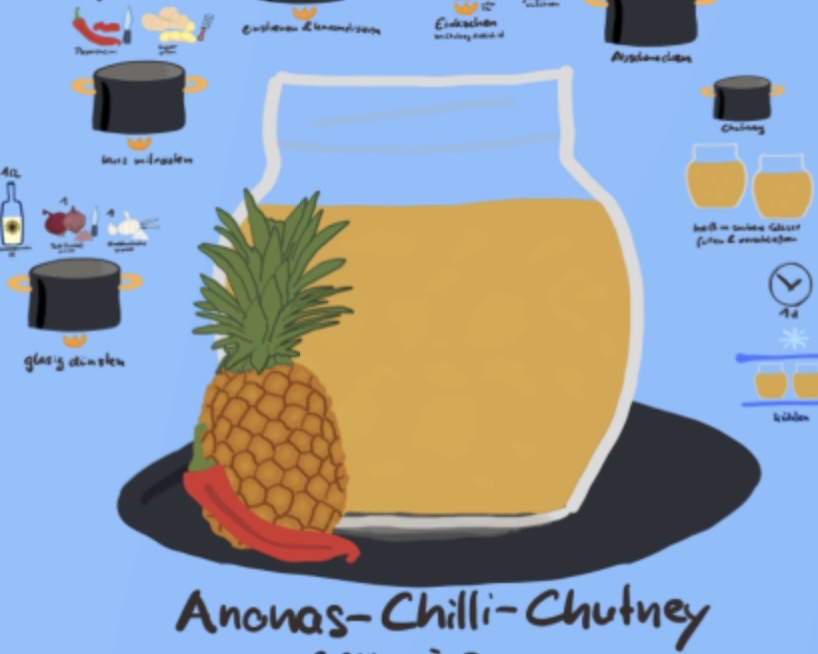
Pineapple Chili Chutney
Bright pineapple with chili, ginger and warm spices—simmer until jammy; a make-ahead condiment for curries, grilled meats, sandwiches and cheese plates.
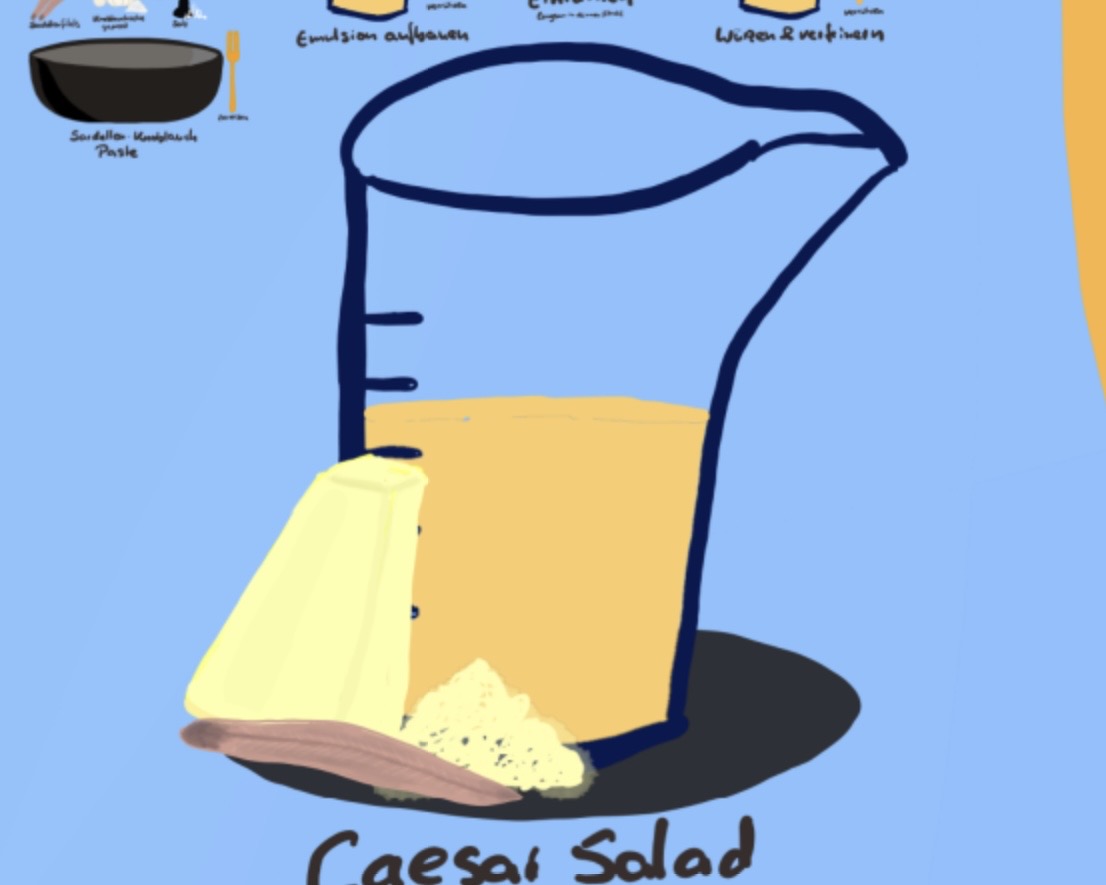
Caesar Salad Dressing
Rich, garlicky Caesar—anchovy, parmesan and lemon balanced to a silky emulsion; yolk-free option with mayo, thickness tweaks and storage guidance included.

Jackies Vinaigrette
Signature vinaigrette with red wine vinegar, Dijon and shallot—reliable 3:1 ratio, quick to shake, easy to scale; great on greens, grains and roasted vegetables.

Creamy Vinaigrette
Light-creamy dressing with yogurt/mayo, lemon and Dijon—whisks smooth, clings to leaves; herb options, sweetness to taste; versatile for salads and bowls.
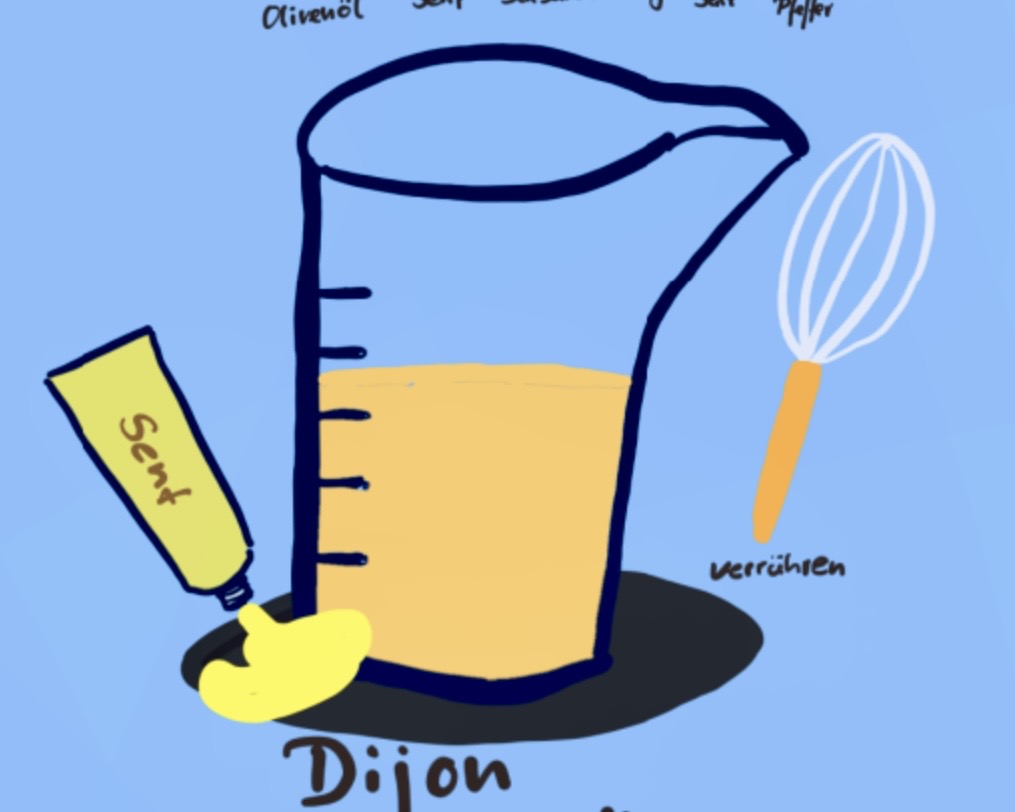
Dijon Vinaigrette
Go-to Dijon vinaigrette using the 3:1 method—whisks glossy and holds; tweak lemon, vinegar or honey to taste; toss with greens, grains or roasted vegetables.
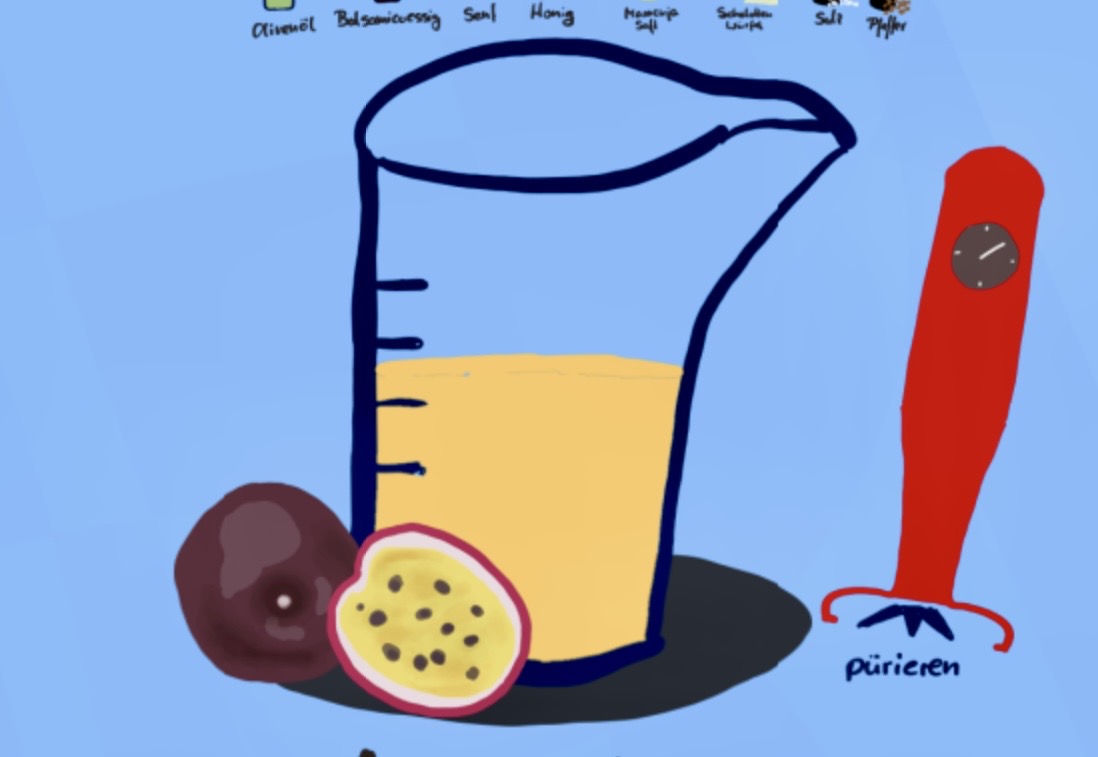
Passion Fruit Vinaigrette
Tropical passion fruit vinaigrette with olive oil, lime and a touch of honey—shakes smooth, clings to greens; great on shrimp, chicken, grain bowls; stores well.

French Dressing
Steakhouse-style French dressing—ketchup, vinegar, oil and paprika blended silky; adjustable sweetness, kid-friendly; great on chopped salads, burgers and subs; refrigerates well.
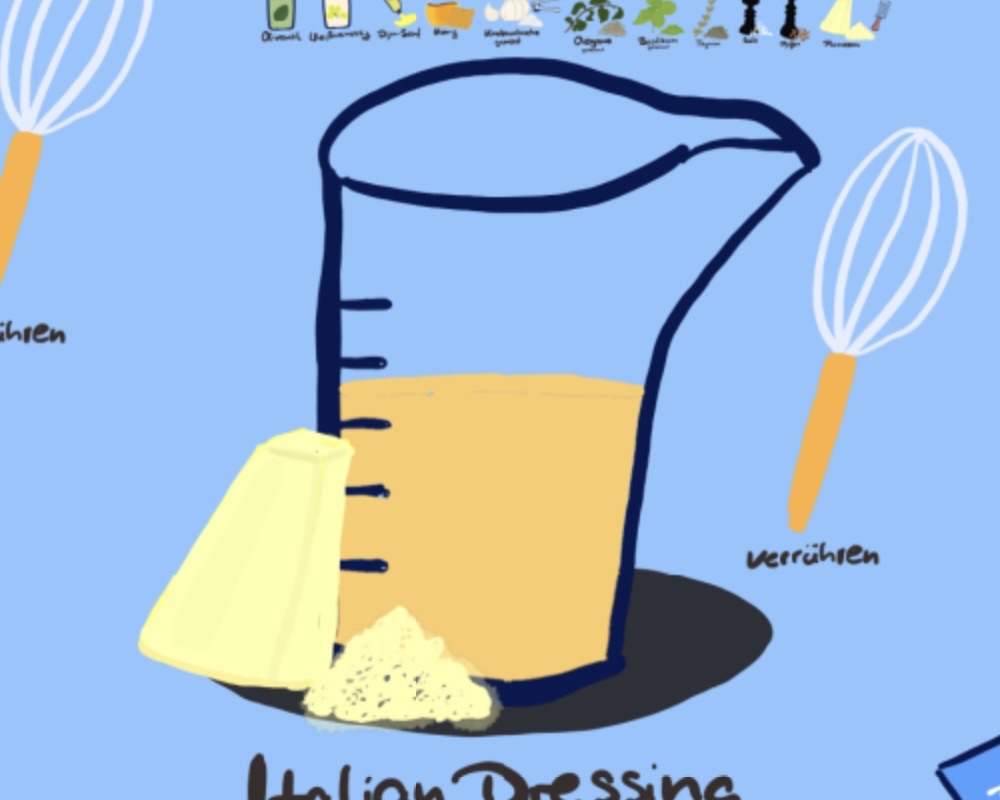
Italian Dressing
Herb-garlic Italian with red wine vinegar—whisks glossy, clings to leaves; great for salads, pasta salad and chicken/veg marinades; pantry-staple, easy to scale.

American Dressing
Classic Thousand Island: mayo, ketchup, pickle relish and a splash of vinegar—paprika/onion for depth; perfect on burgers, salads and deli subs; keeps well chilled.
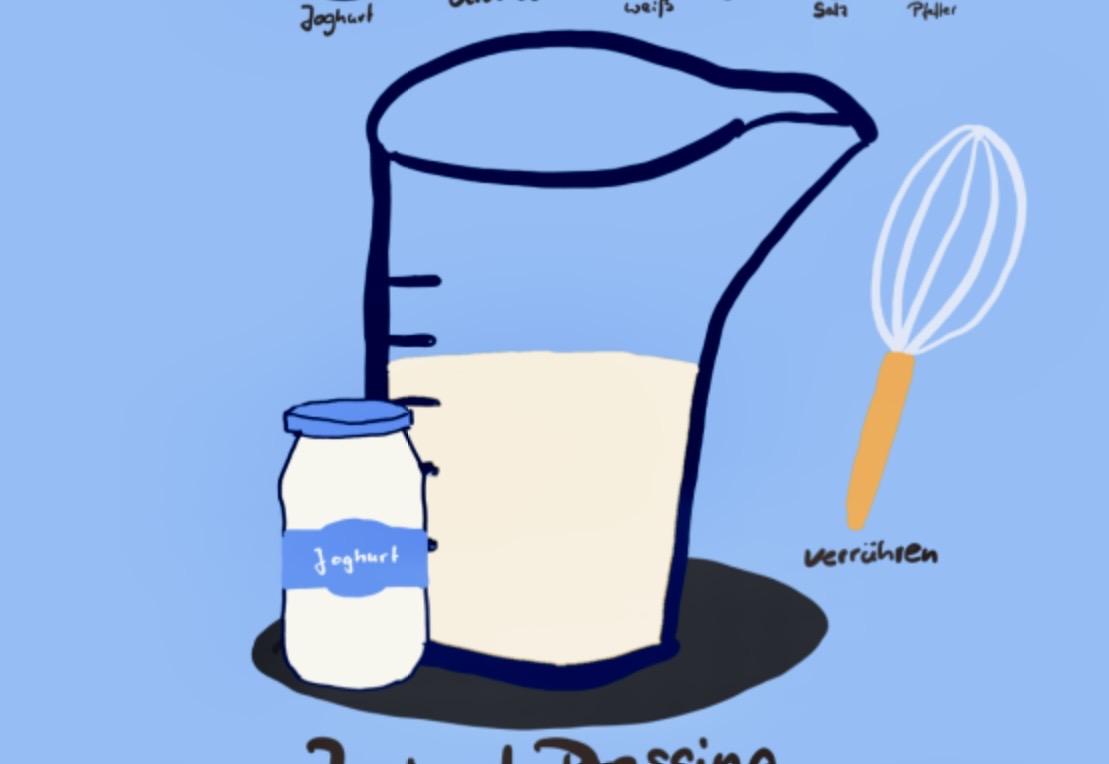
Yogurt Dressing
Greek yogurt, lemon and Dijon whisked smooth with herbs—light yet satisfying; great for green salads, cucumber salad and grain bowls; quick to make, stores well.